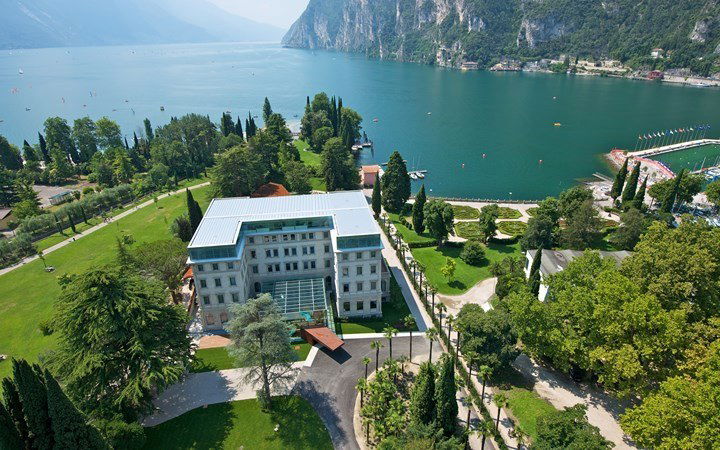


Lido Palace
Riva del Garda
Hotel in Riva del Garda, Italy
 Book with Pearl
The Read
Avant-Historic Lakefront Architecture
Why go
Choose Lido Palace for a polished Riva del Garda stay when the trip is a celebration and the lake setting matters. Its Michelin 1 Key recognition and Leading Hotels of the World membership make it a stronger occasion pick than a value-first hotel, especially if rates are better outside peak summer.
About Lido Palace
Lido Palace is a hotel in Riva del Garda with two recognition points: a Michelin 1 Key in 2024 and Leading Hotels of the World membership in 2025. The dress code is smart casual. Price band, room details, dining format, service format, and seasonal booking guidance are not included. For trip planning, broader local context may still help.
Worth choosing when recognition matters
The grounded case for Lido Palace is its recognition. The hotel has a Michelin 1 Key and is a Leading Hotels of the World member, which makes it a notable Riva del Garda option for travelers who prioritize established hotel credentials.
The main caution is that information is limited. It does not include price band, room category detail, dining description, or amenity list. Consider the awards and membership as key features, then confirm the practical details directly before booking.
Where it fits among hotel choices
Use Lido Palace when the priority is specifically Riva del Garda and the Michelin 1 Key matters to your decision. If you are comparing options, the natural named alternatives to consider are EALA My Lakeside Dream, Grand Hotel a Villa Feltrinelli, Hotel Val di Sogno, Nerocubo, and Vivere Suites and Rooms.
Because information is narrow, the comparison should stay practical: check current rates, booking terms, room type, and location needs directly with each property. Lido Palace's distinction is its Michelin 1 Key and Leading Hotels of the World membership.
Confirm timing directly
Seasonal pricing patterns or ideal travel windows are not included, so do not assume that one period is better value than another. For any dates you are considering, compare the live rate and cancellation terms against the purpose of the trip.
If dining is central to the stay, decide that separately rather than assuming the hotel alone solves the meal plan. Cuisine, chef, menu format, or restaurant details are not included, so use current local dining research for that part of a Riva del Garda trip.
Planning details
- Location
- Viale Giosuè Carducci, 10, 38066 Riva del Garda TN
- Website
- lido-palace.it
- Phone
- +39 0464 021899
The take
The Take
The Vibe
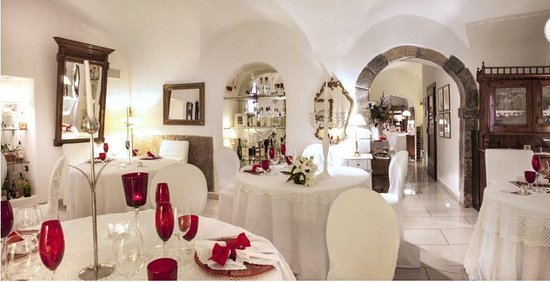
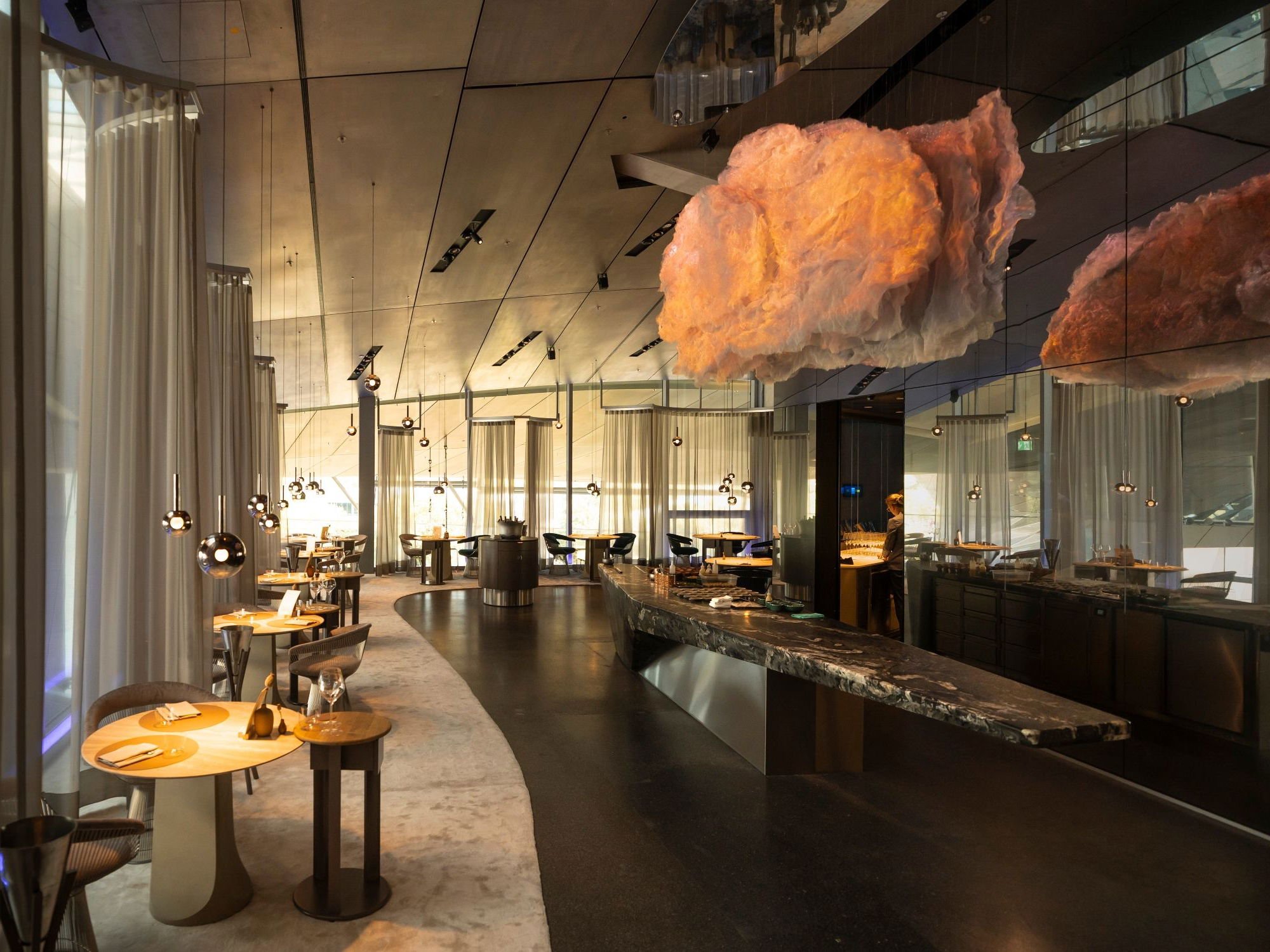
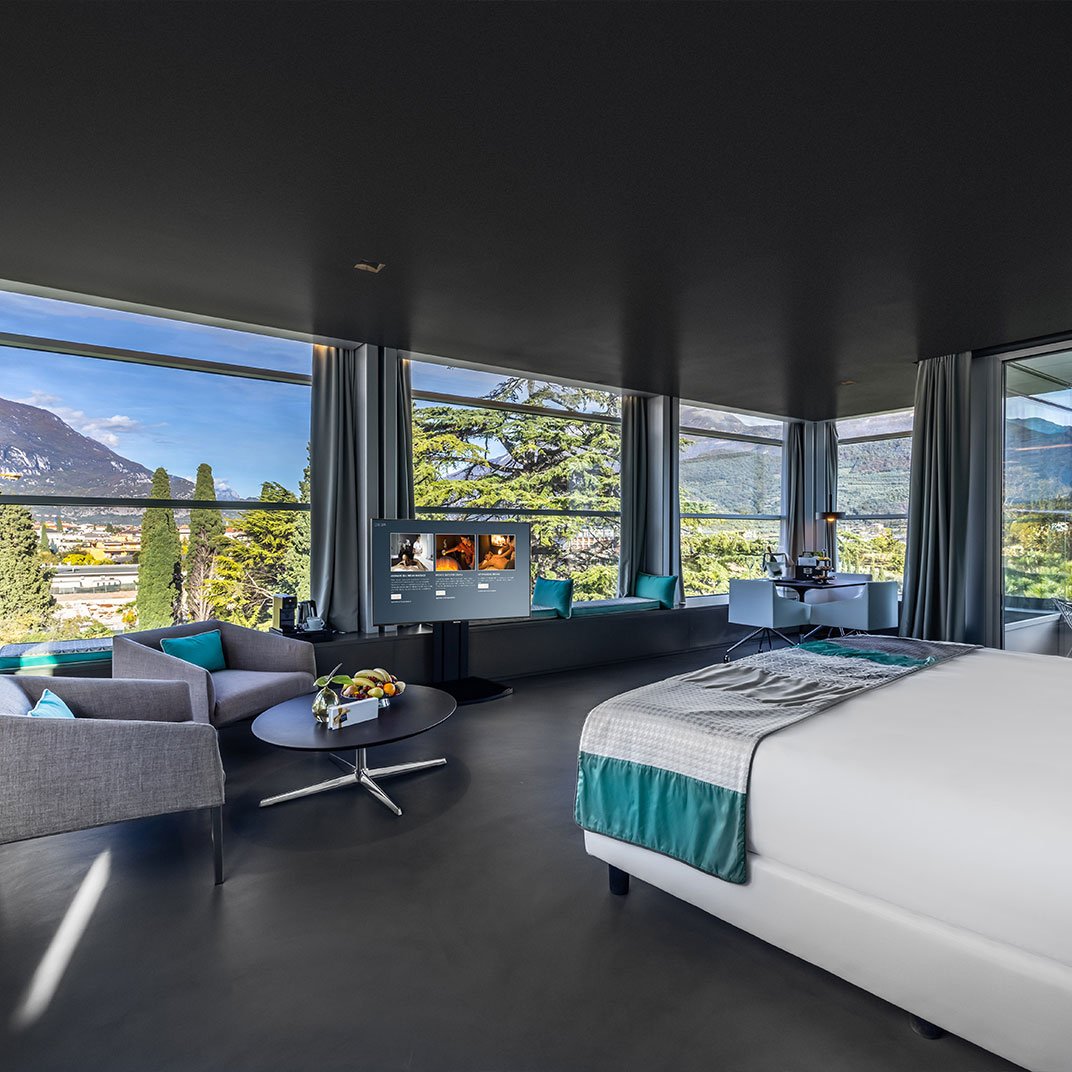
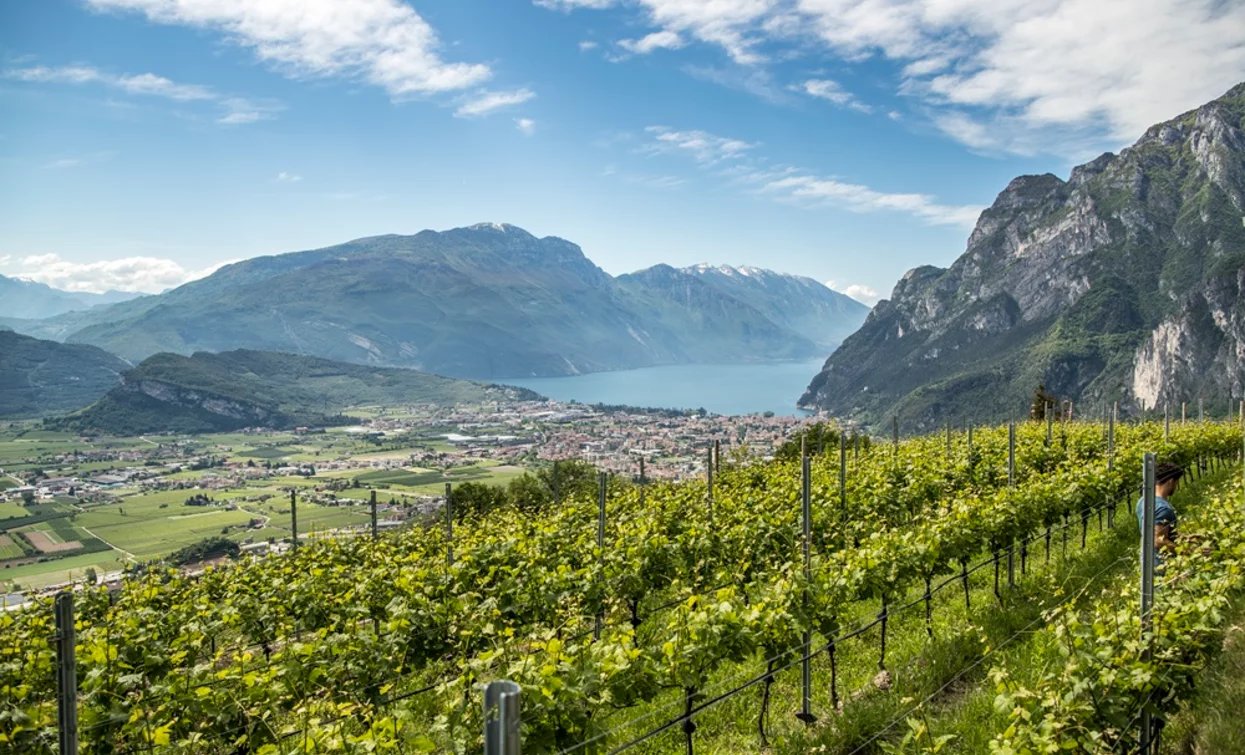
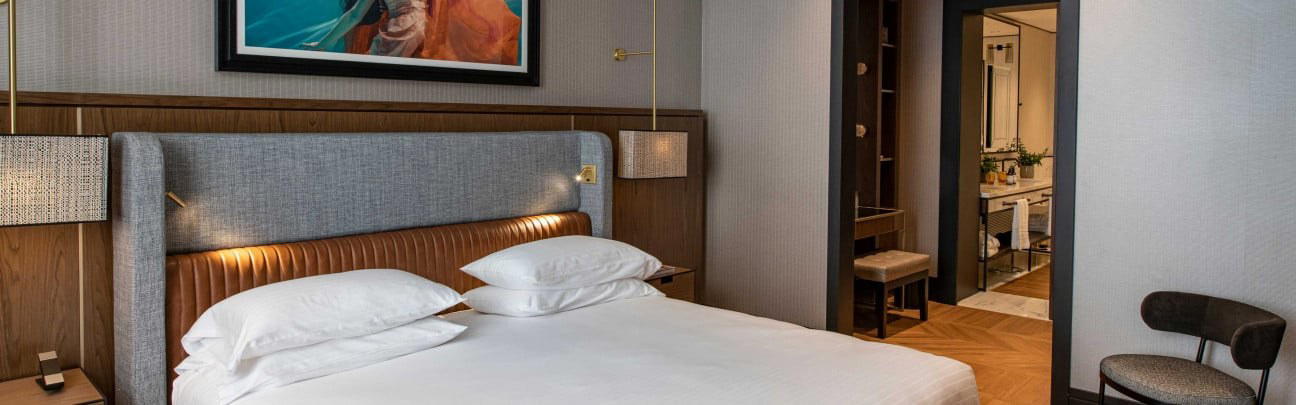
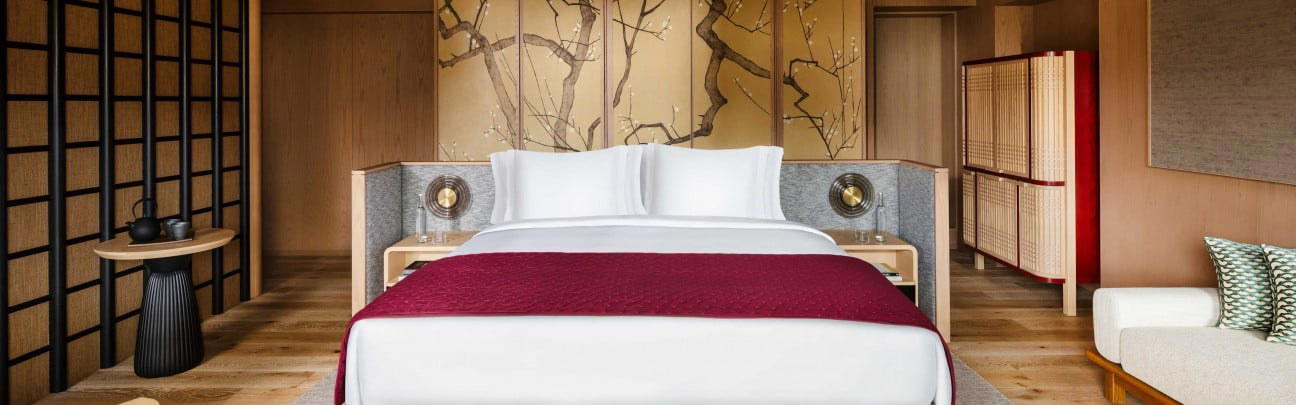
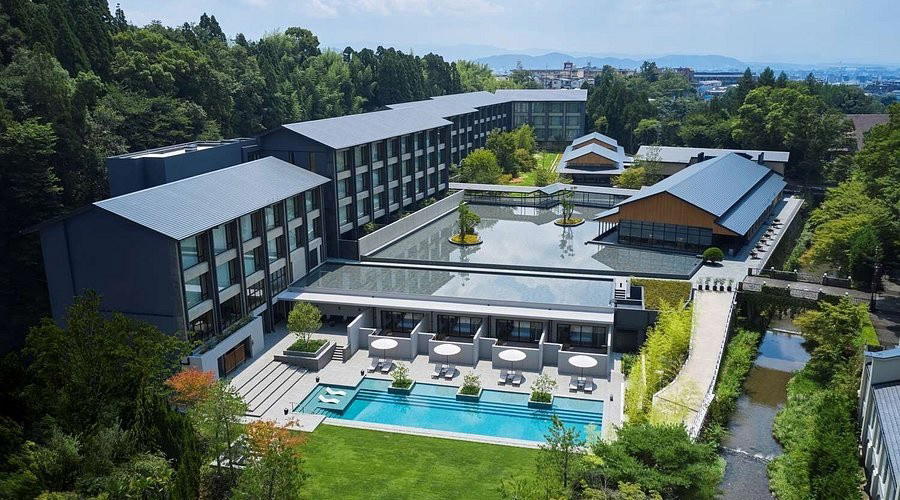
Lido Palace presents a layered personality: genuine Belle Époque provenance meeting deliberately provocative contemporary architecture. The hotel foregrounds its 1899 palazzo roots and storied guest register, but Alberto Cecchetto’s additions interrupt straightforward preservation with modern interventions, so the property feels both venerable and intellectually restless. Public spaces and many rooms are set against the sharp light and close Alpine peaks of northern Lake Garda, producing a crisp, editorial sense of place rather than an overdecorated pastiche. The result is refined and quietly theatrical — an elegant, design-forward historic hotel that wears its lineage with restraint.
Best For
This is a hotel for travelers who prize history, design and scenery: romantic couples and celebratory travelers find the Belle Époque provenance and intimate scale especially compelling, while architecture-minded guests come for Cecchetto’s contemporary reframing. The lake and surrounding mountains make it a naturally scenic retreat for honeymoons, anniversaries and weekend escapes where setting matters as much as service. Because the property emphasizes documentation of its past rather than theatrical nostalgia, it also suits visitors who prefer thoughtful, layered hospitality over overt period styling.
Stay Tips
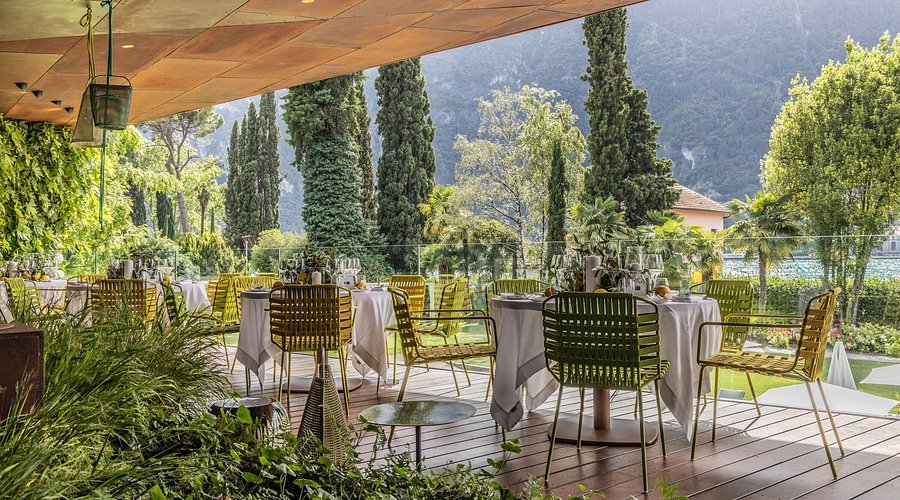
When booking, prioritize rooms with lake and mountain exposure to make the most of northern Lake Garda’s dramatic light and the peaks that hold snow into spring. The property combines an original 19th-century palazzo with later architectural additions, so ask the hotel whether you prefer accommodations within the historic wing or the newer, design-led interventions to match your taste. Book early in shoulder seasons to enjoy the crisp alpine scenery with fewer crowds; much of the hotel’s appeal is the setting, so select a room that foregrounds the view.
Venue details
Ambiance
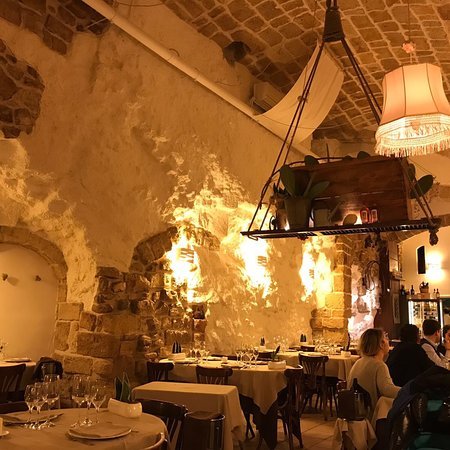
Elegant and serene atmosphere with soundproofed rooms, live piano music, and a tranquil spa environment enhanced by natural light and lake vistas.
Tags
Vibe
Best For
Experience
Amenities
View
Accessibility
About the Stay
- Rooms
- 42
- Check-in
- 15:00
- Check-out
- 12:00
- Property Style
- Belle Epoque Luxury with Modern Design
- Design Style
- Contemporary Black and Grey High Design Aesthetic
Know before you go
Know Before You Go
- Getting there
- Viale Giosuè Carducci, 10, 38066 Riva del Garda TN
Planning details
Location
Recognition and awards

Also consider
Also Consider
- Vivere Suites and Rooms, Notable alternative
- EALA My Lakeside Dream, Notable alternative
- Nerocubo, Notable alternative
- Hotel Val di Sogno, Notable alternative
- Grand Hotel a Villa Feltrinelli, Notable alternative
Hotel context
How Lido Palace compares in the Garda set
Lido Palace is the more occasion-driven Riva del Garda choice: pick it when recognition, polish, and a composed lake-town base matter more than shaving the rate. Vivere Suites and Rooms reads as the more intimate alternative for travelers who prefer a smaller stay, while Nerocubo is the more practical cross-shop if the brief is simpler lodging rather than a celebration hotel.
EALA My Lakeside Dream is the peer to check if a lakeside resort mood is the priority and the trip can sit outside Riva del Garda proper. Hotel Val di Sogno is a softer, lower-key lake option for guests who want ambiance without the same formal-hotel signal.
Grand Hotel a Villa Feltrinelli is the splurge comparison: consider it when the whole trip is built around the hotel itself. Lido Palace is the more targeted recommendation for staying in Riva del Garda, especially for a special occasion where booking difficulty and seasonal pricing should be weighed before committing.
Around this place
Discover more on Pearl
Unlock the full Lido Palace guide in Pearl, including awards, comparisons, FAQs, planning details, and nearby places.
Compare Lido Palace
| Venue | Location | Awards |
|---|---|---|
| Lido Palace | Riva del Garda | Leading Hotels of the World 20262026 Michelin 1 KeyMichelin 1 Key 20252025 Michelin 1 Key2024 Michelin 1 Key |
| Vivere Suites and Rooms | Arco | 2026 Mr & Mrs Smith Luxury Hotels2026 Michelin 1 Key2025 Michelin 1 Key2024 Michelin 1 Key |
| EALA My Lakeside Dream | Limone sul Garda | 2026 Michelin 2 Keys2025 Michelin 2 Keys2024 Michelin 2 Keys |
| Nerocubo | Rovereto | No published awards |
| Hotel Val di Sogno | Malcesine | No published awards |
| Grand Hotel a Villa Feltrinelli | Gargnano | 2026 La Liste Top Hotels |



How Lido Palace Riva del Garda compares with similar nearby venues.
FAQ
Frequently Asked Questions
Do loyalty programs work at Lido Palace?
It is not specified which loyalty perks, points, or elite benefits apply. Lido Palace has a Michelin 1 Key and is a Leading Hotels of the World member, but you should confirm booking terms directly if loyalty credit matters.
How does Lido Palace compare to other hotels?
Lido Palace is a Riva del Garda hotel with a Michelin 1 Key and Leading Hotels of the World membership. For comparison, consider EALA My Lakeside Dream, Grand Hotel a Villa Feltrinelli, Hotel Val di Sogno, Nerocubo, and Vivere Suites and Rooms, then check current rates and booking details directly.
What is check-in like at Lido Palace?
How is the location of Lido Palace?
Lido Palace is in Riva del Garda. More specific location details are not provided, so use the hotel directly or your booking platform for exact arrival information.
How is the dining at Lido Palace?
Cuisine, chef, menu format, or dining-service details are not specified. If dining is a major reason for the trip, compare current Riva del Garda dining options separately before booking.