
Seven Secrets by Hanging Gardens
Malaka Pemenang, Lombok
Hotel in Lombok, Indonesia
 Book with Pearl
Why go
Seven Secrets by Hanging Gardens is worth considering if the trip is built around a quiet Lombok stay rather than a packed island itinerary. Its MICHELIN Guide hotel selection is a useful trust signal, but confirm room category, inclusions, and family setup before committing, since the strongest case here is the overall retreat-style proposition rather than published detail depth.
About Seven Secrets by Hanging Gardens
Seven Secrets by Hanging Gardens is a Lombok hotel with recognition: MICHELIN Guide, Hotels Selected (2025). That makes it a legitimate shortlist candidate for travelers specifically considering a Lombok stay, but details are limited. Book only after confirming the practical points that matter for your trip directly with the property.
The safest way to evaluate Seven Secrets by Hanging Gardens is not to rely on assumptions about facilities, room types, dining, or services. Treat the MICHELIN hotel selection as a quality signal, then check the details before committing: room category, inclusions, cancellation terms, arrival logistics, and any services you expect to use during the stay.
Book for a Lombok stay, but confirm the details first
The decision comes down to how comfortable you are booking with limited public detail. If your priority is staying in Lombok at a hotel recognized by the MICHELIN Guide hotel selection, Seven Secrets by Hanging Gardens belongs on the shortlist. If your trip depends on specific amenities, dining formats, family facilities, or activity planning, those points should be confirmed before payment. For broader planning, compare it with other Lombok hotels, restaurants, bars, and experiences generically rather than assuming this property covers every part of the trip.
Because detailed room, dining, spa, service, and rate information is limited, the safer booking approach is to choose based on the broader hotel proposition rather than chasing a specific suite, menu, facility, or service claim. The MICHELIN Guide hotel selection gives it a meaningful quality signal, but it should not be read as a substitute for checking the details that matter to the stay: room category, transfer timing, dining availability, and cancellation terms.
Who should book it, and who should keep looking
Seven Secrets by Hanging Gardens is best considered by travelers who already know they want to stay in Lombok and are willing to confirm the exact stay details before booking. It may be less suitable for travelers who need every facility, service, room layout, or dining detail available in advance. In that case, compare it with other Lombok options that publish more of the information you need.
Do not treat this as a booking defined by claims about pricing, services, room inventory, or on-site amenities. Use the recognition as a starting point, then ask direct questions before committing. For a broader Indonesia hotel shortlist, consider other destinations separately, but this booking makes sense only if Lombok itself is the priority.
Reservations: confirm the exact room category and terms before paying. Dress: smart casual. Budget: rate band is not available, so compare final nightly cost against confirmed inclusions rather than headline price. Good for: travelers specifically considering Lombok and a MICHELIN-selected hotel. Less ideal for: travelers who need detailed information on facilities, services, dining, or room layouts before shortlisting.
Planning details
- Location
- KM 10 Jl. Raya Pemenang, Lombok, Indonesia
- Phone
- +62 81237532662
The take
The Take
The Vibe
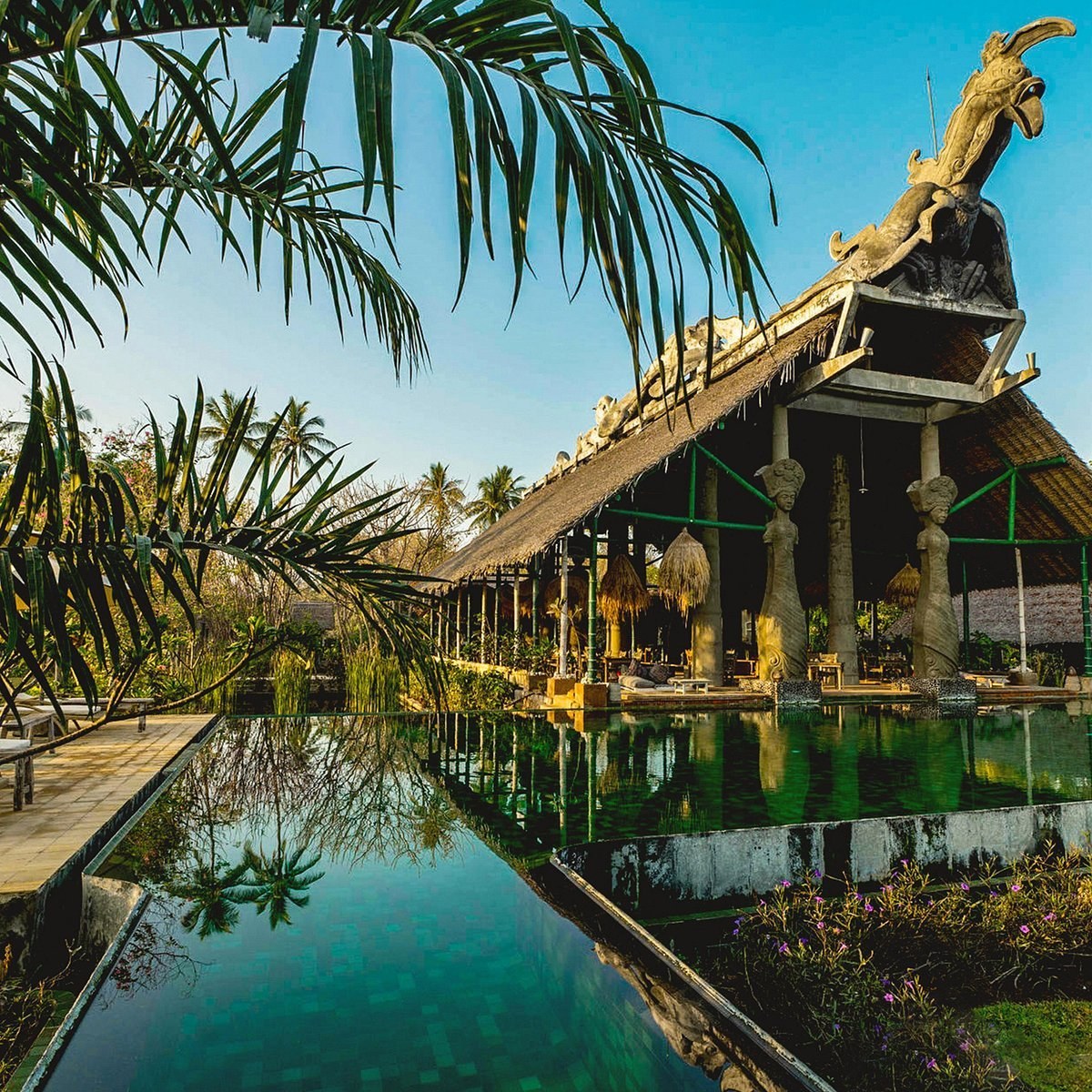
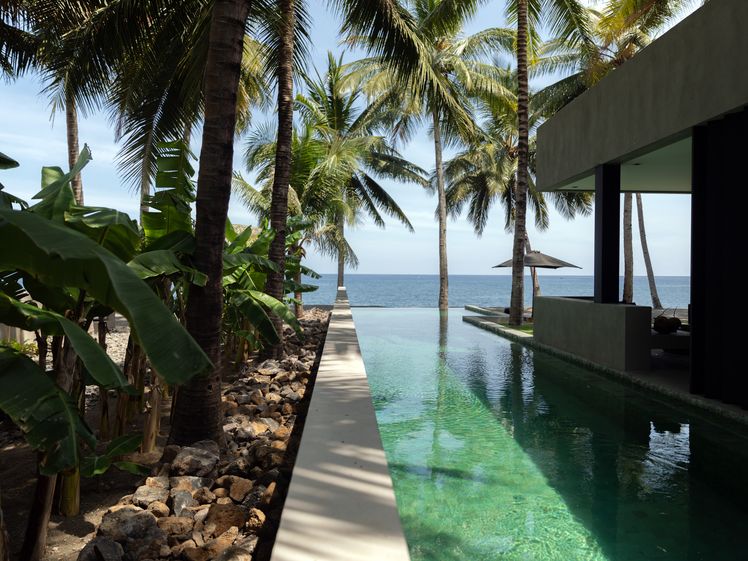
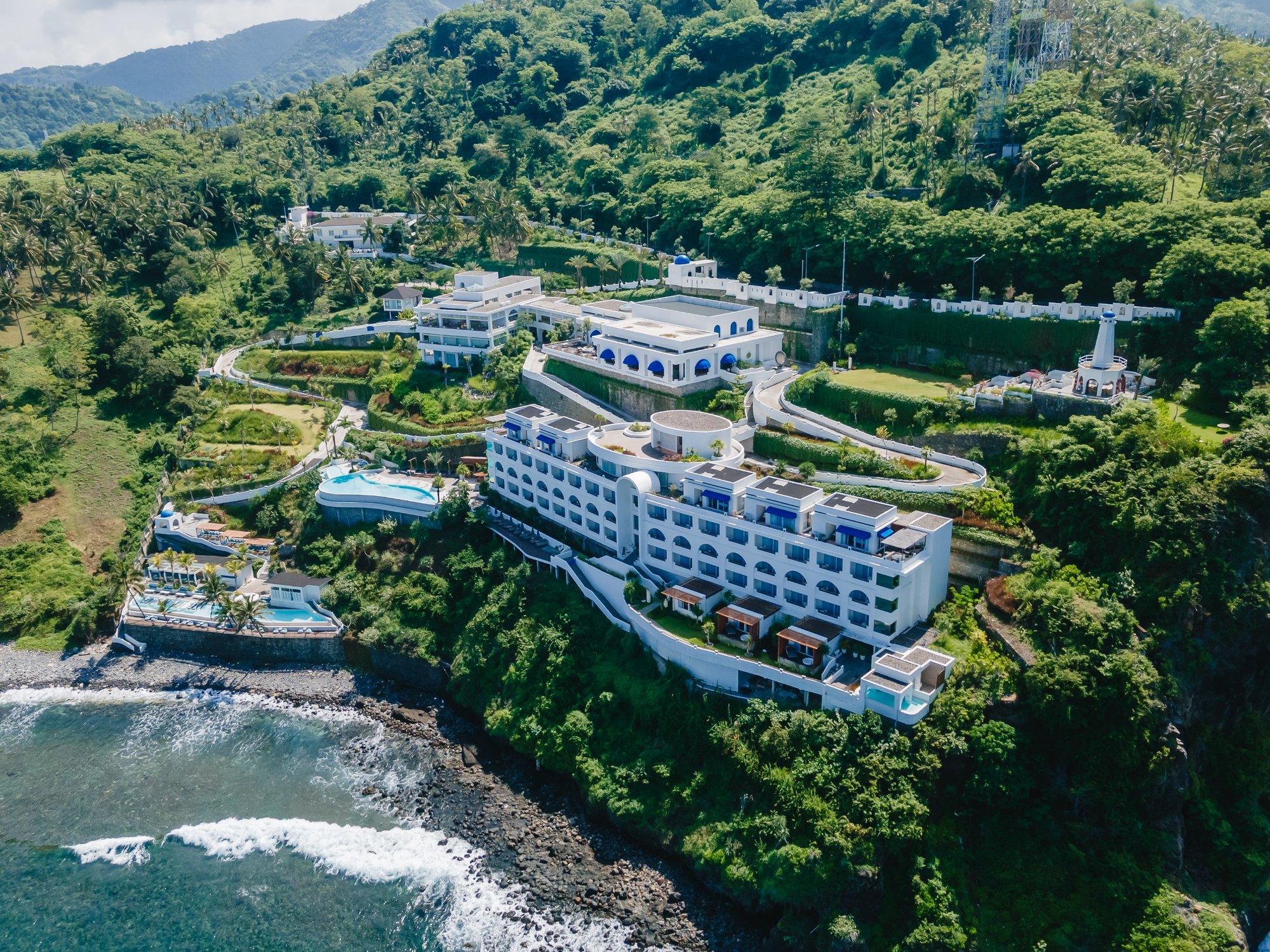
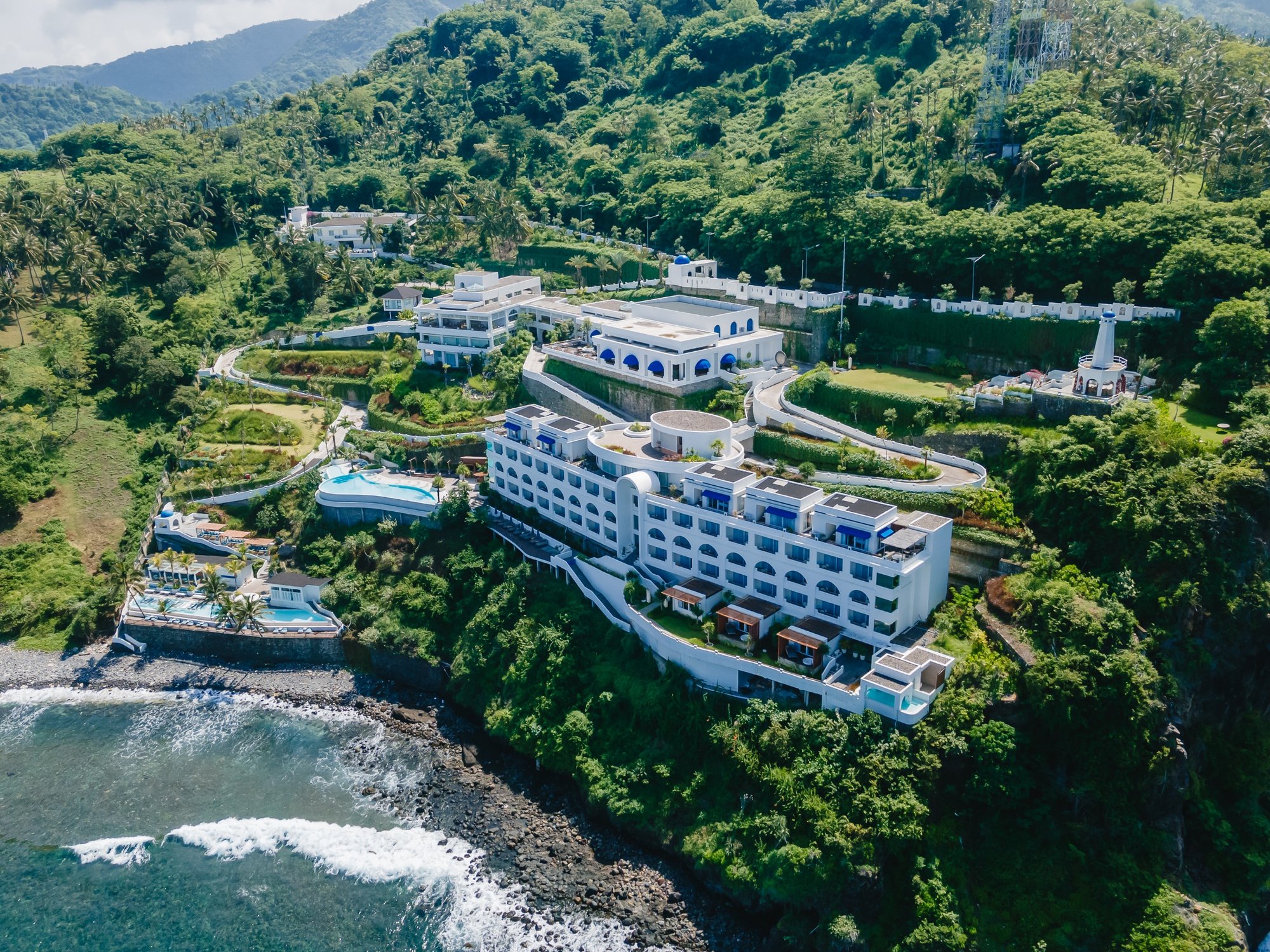
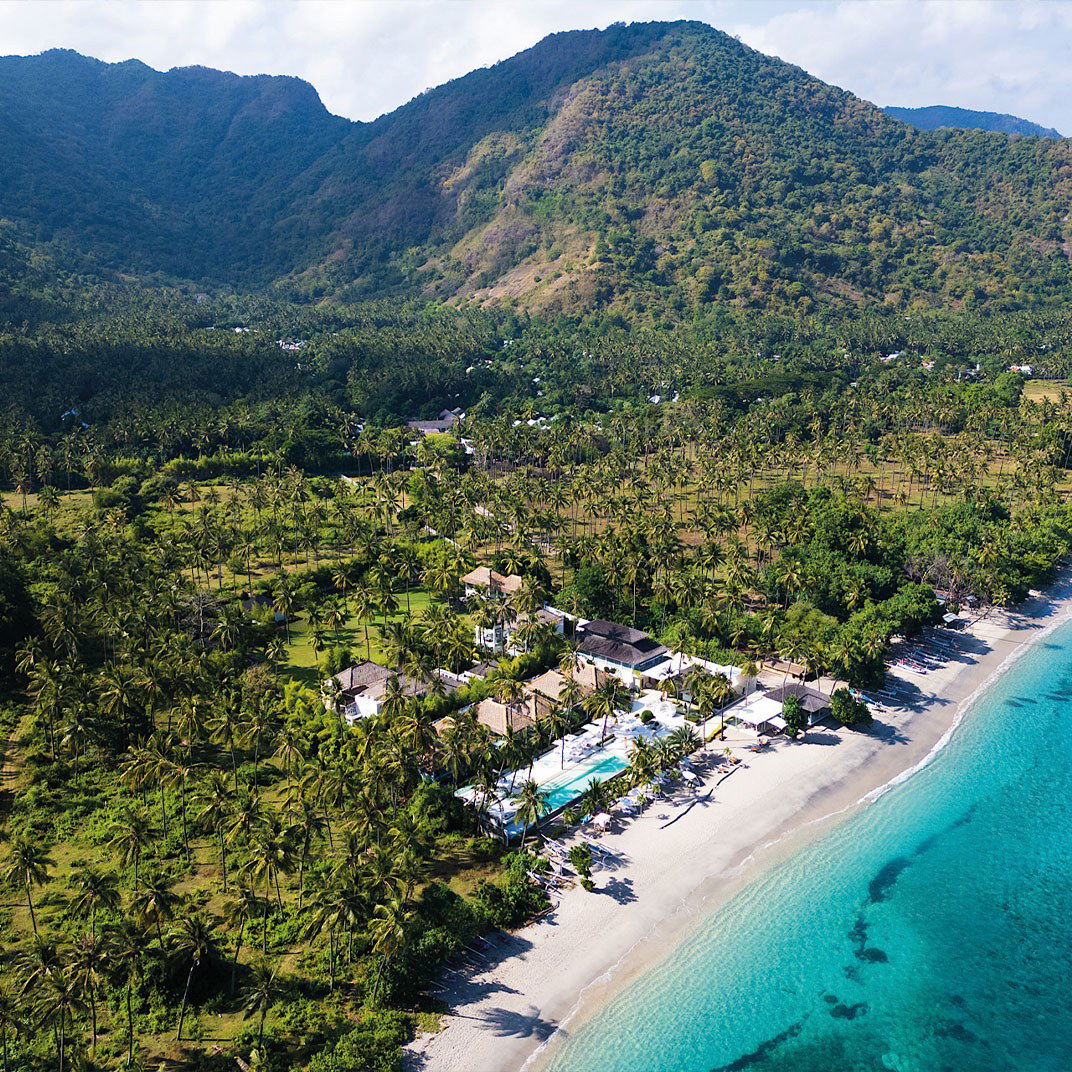
Seven Secrets by Hanging Gardens reads as an architecture-first retreat that leans on site and topography to define the stay. Structures are worked into steep, vegetated slopes so rooms look outward and downward toward the sea and toward distant Rinjani, which gives the property a quietly composed, design-led presence. Michelin Selected status underscores the hotel's coherence — a small luxury operation that articulates place through material and massing rather than theatrical arrivals or elaborate forecourts. The effect is contemporary and quietly refined: a serene, design-forward lodging that privileges outlook and composition over spectacle.
Best For
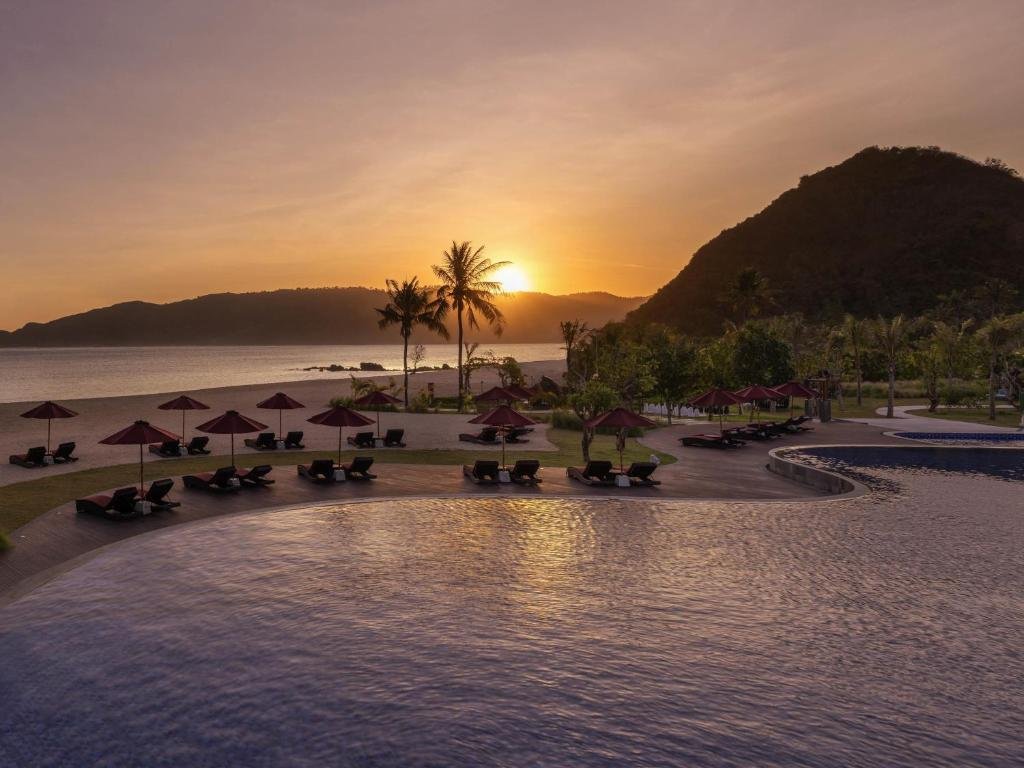
This is a hotel for travelers who prioritise setting and design: couples seeking a scenic, intimate escape; honeymooners and anniversarians who want a considered, low-key luxury stay; and wellness-minded guests drawn to a calm island context. Michelin recognition and the emphasis on service calibre also make it a fit for those who expect elevated hospitality without ostentation. Its northwest Lombok position, with views toward the Gili Islands and Mount Rinjani, suits short escapes or longer stays where the landscape is the central attraction.
Venue details
Ambiance
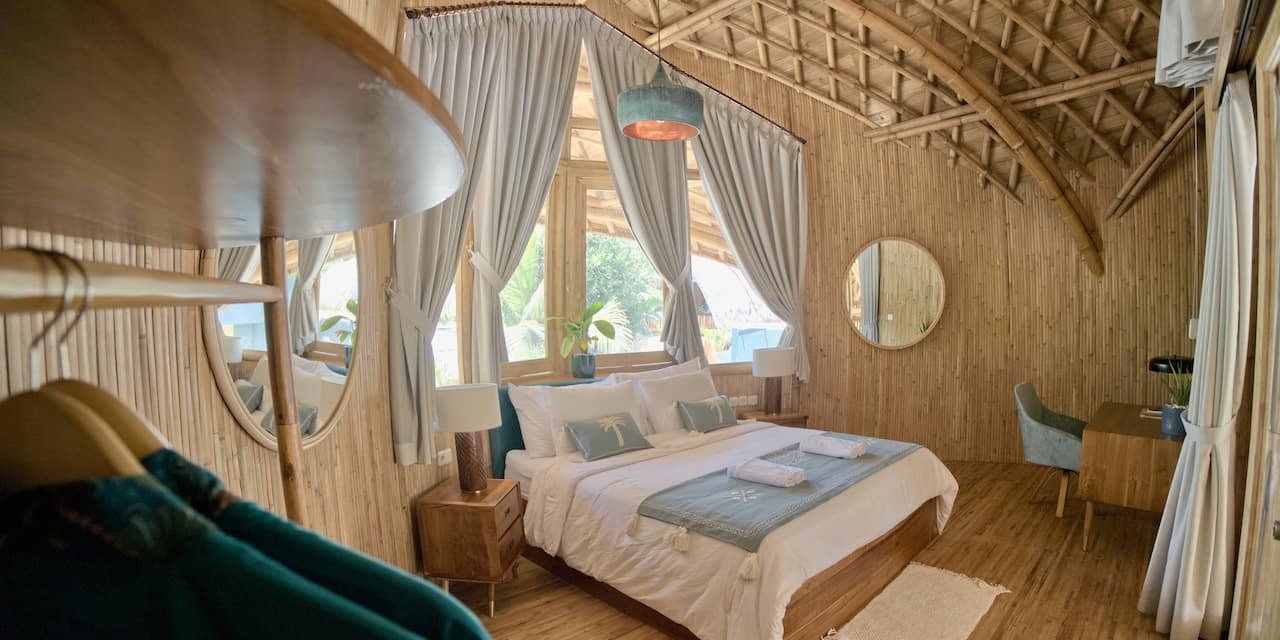
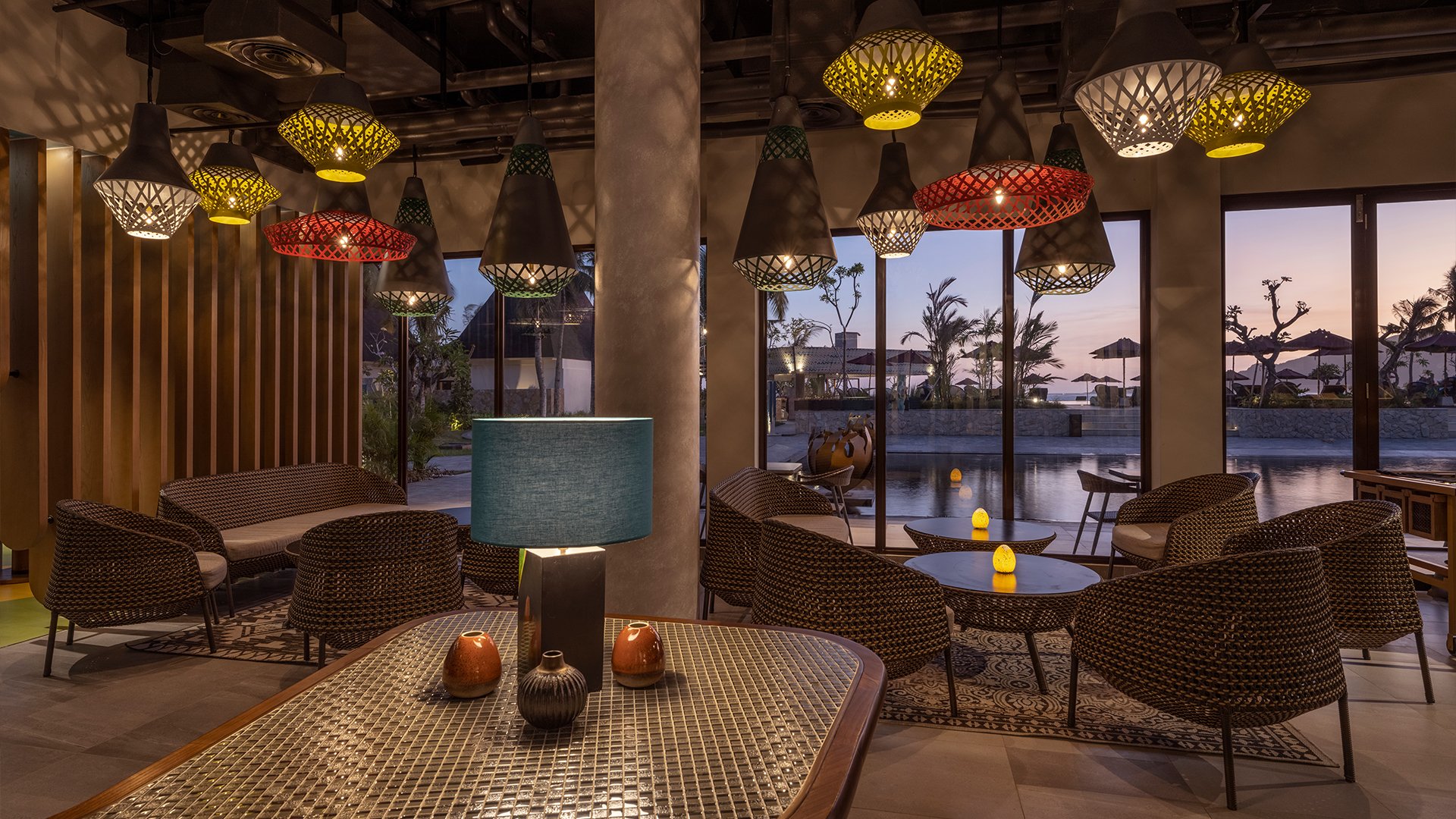
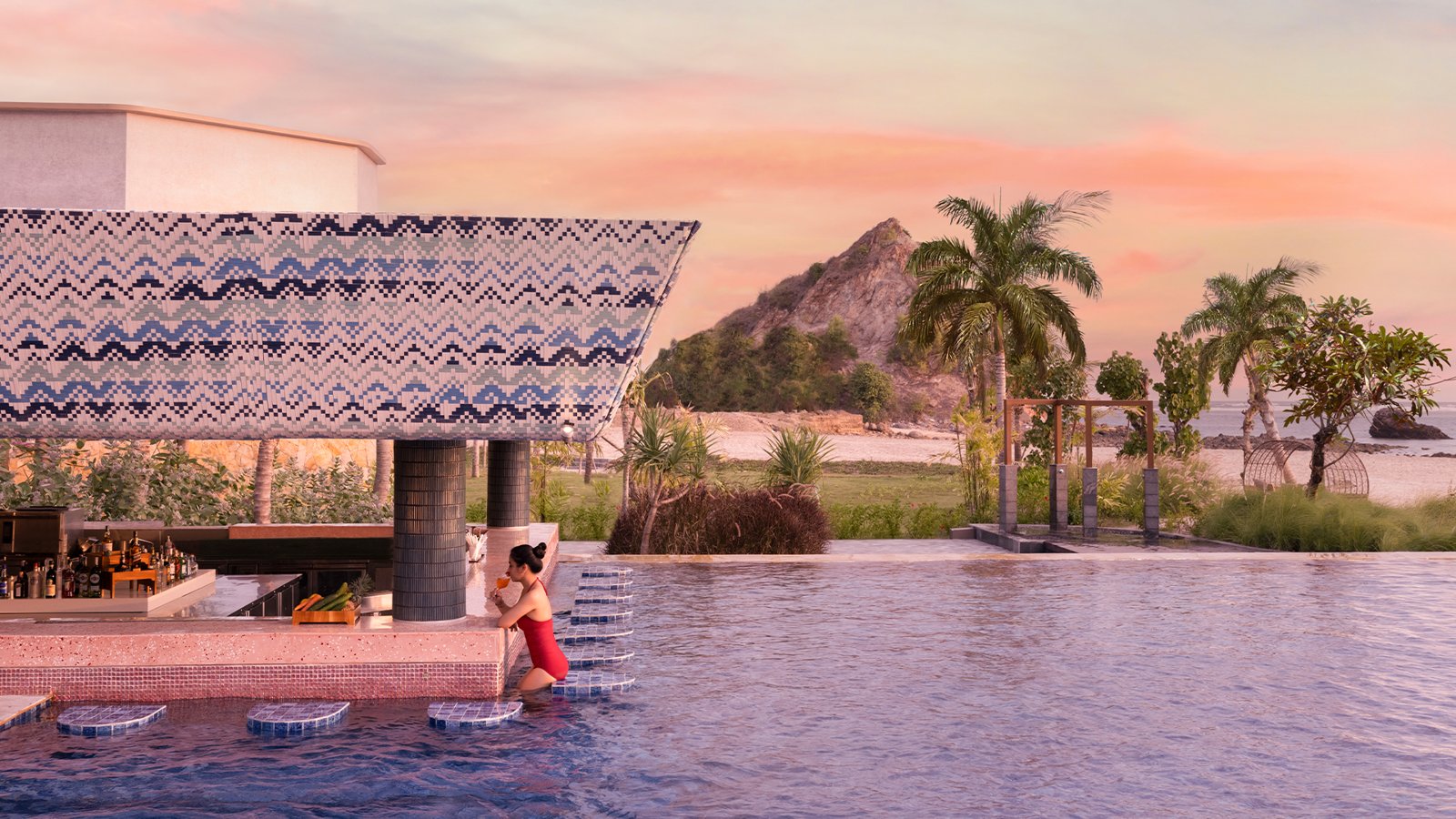
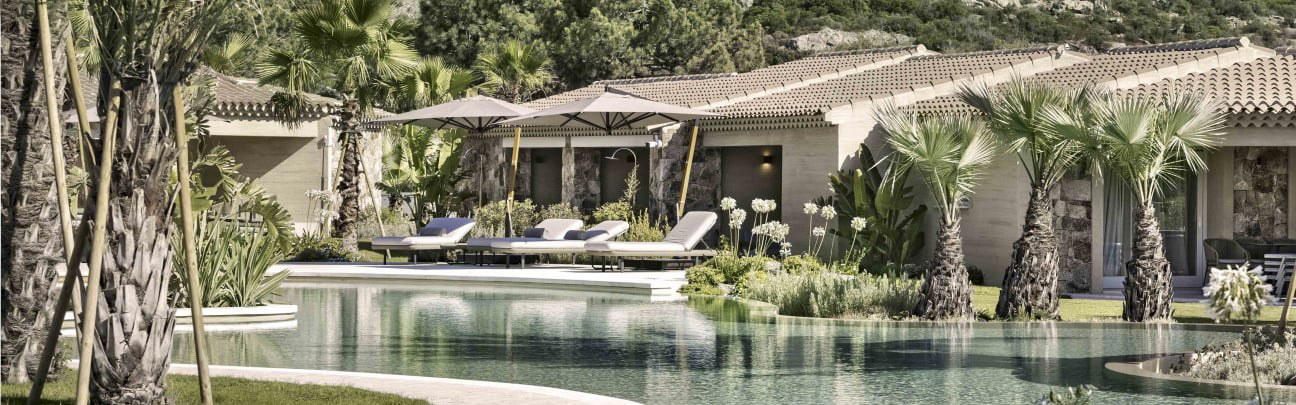
Serene and luxurious with lush green vistas, spacious cool interiors, and a contemporary tropical atmosphere enhanced by natural light through oversized windows.
Tags
Vibe
Best For
Experience
Amenities
View
About the Stay
- Rooms
- 24
- Check-in
- 14:00
- Check-out
- 12:00
- Property Type
- Boutique hotel
- Property Style
- Contemporary Tropical Fusion with Indoor Outdoor Living
- Design Style
- Modern with Parquet Floors, Metallic Accents, and Sleek White Gold Palette
- Pool
- Yes
- Spa
- Yes
- Families
- Welcome
- Cancellation
- Strict
Know before you go
Know Before You Go
- Getting there
- KM 10 Jl. Raya Pemenang, Lombok, Indonesia
Planning details
Location
KM 10 Jl. Raya Pemenang, Lombok, Indonesia
Recognition and awards
Explore Lombok
Around this place
Discover more on Pearl
Unlock the full Seven Secrets by Hanging Gardens guide in Pearl, including awards, comparisons, FAQs, planning details, and nearby places.
FAQ
Frequently Asked Questions
How is the pool and spa at Seven Secrets by Hanging Gardens?
Pool and spa details are not available. If those facilities are important to the trip, confirm the current offering directly with Seven Secrets by Hanging Gardens before booking. The hotel is in Lombok and is listed in the MICHELIN Guide, Hotels Selected (2025).
Is Seven Secrets by Hanging Gardens family-friendly?
Which room category is best at Seven Secrets by Hanging Gardens?
Room inventory or category guidance is not available. Ask Seven Secrets by Hanging Gardens directly about room types, privacy, views, bedding, and inclusions before choosing a category for a Lombok stay.
How is the dining at Seven Secrets by Hanging Gardens?
Specific dining details are not available. Do not book on the assumption of a particular cuisine, menu format, or restaurant program; confirm current dining availability directly with the hotel.
When is the best time to book Seven Secrets by Hanging Gardens?
How does Seven Secrets by Hanging Gardens compare to nearby hotels?
Seven Secrets by Hanging Gardens stands out for its MICHELIN Guide, Hotels Selected (2025) recognition. For any comparison with other Lombok hotels, check details such as room types, facilities, dining, location needs, and cancellation terms before deciding.