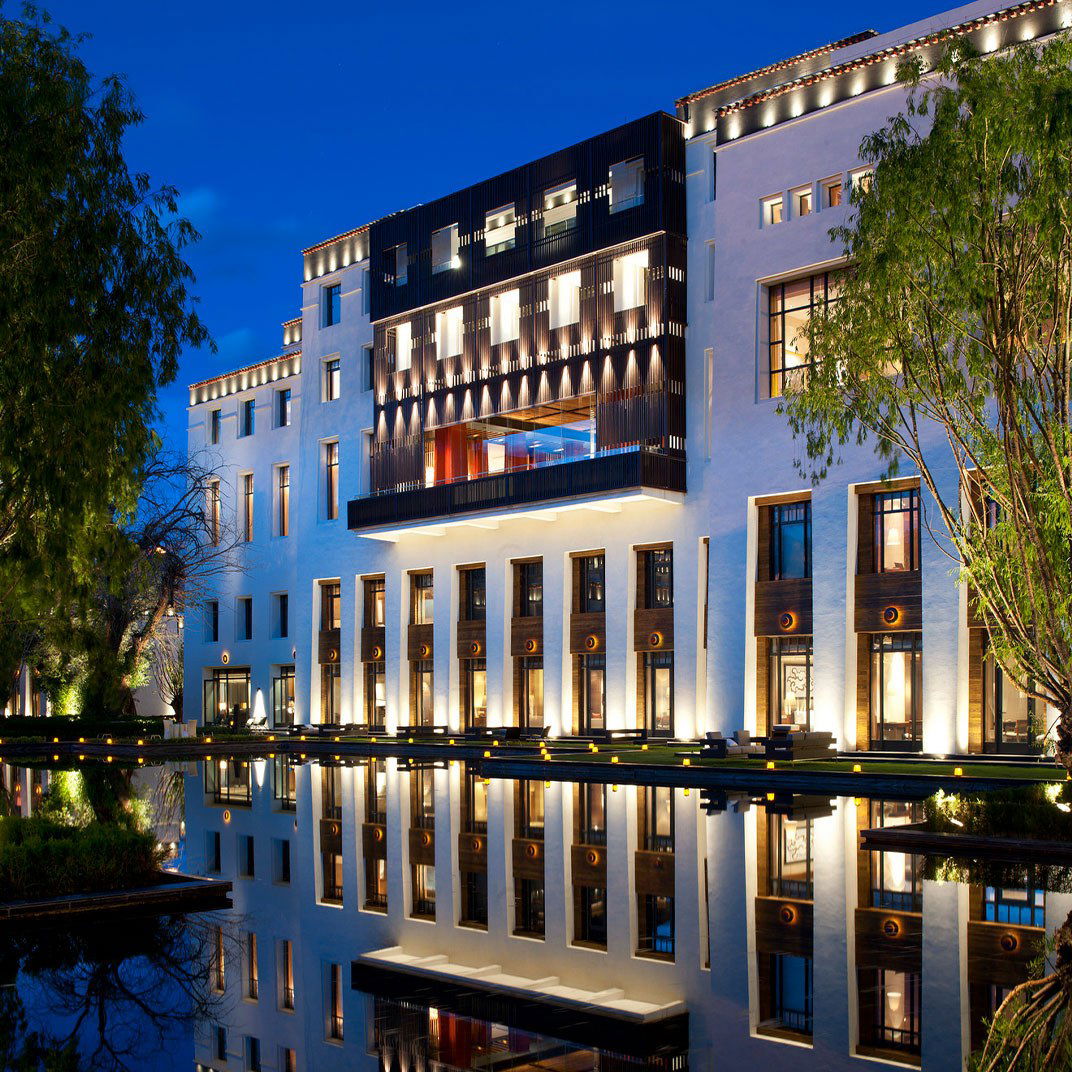

The St. Regis Lhasa Resort
Chengguan District, Lhasa
Hotel in Lhasa, China
 Book with Pearl
Why go
Book The St. Regis Lhasa Resort if the trip needs a quiet, polished luxury base in Lhasa and the rate is justified by occasion-level comfort. It is strongest for couples, milestone travel, and senior business stays, especially when dates are planned early around seasonal demand.
About The St. Regis Lhasa Resort
Should you book The St. Regis Lhasa Resort for a stay in Lhasa? Consider it if the trip calls for a higher-priced hotel in the city rather than a budget-focused stay. With a $$$$ price level, the value case depends on how much the hotel itself matters to the trip.
The signals are direct: The St. Regis Lhasa Resort is in Lhasa, has a smart casual dress code, and is listed by the MICHELIN Guide as a Hotels Selected property for 2025. Beyond those points, travelers should confirm current room types, services, facilities, and booking terms directly with the hotel before committing.
Plan the stay around timing, not just room category
For the rate-to-experience ratio, compare dates before booking rather than assuming every travel window will price the same. A $$$$ hotel can make sense when the hotel budget is a meaningful part of the trip.
For a purely functional overnight, the spend may feel high. For a Lhasa itinerary where the hotel is intended to be a central part of the plan, the value case is clearer, especially if the MICHELIN Guide Hotels Selected recognition matters to you.
Who should choose this over a simpler Lhasa stay
Choose this if the priority is a higher-priced hotel base in Lhasa and the budget fits a $$$$ property. Skip it if the trip is built around minimizing hotel spend or if the room will be used only for sleep. Smart casual dress is the stated expectation, so plan packing accordingly.
The property is in Lhasa, which makes it relevant for travelers comparing stays within the city. Broader planning pages can help place the stay inside a full itinerary: Our full Lhasa hotels guide, Our full Lhasa restaurants guide, Our full Lhasa bars guide, Our full Lhasa wineries guide, and Our full Lhasa experiences guide.
For travelers comparing higher-priced hotels more broadly, use other hotels as general reference points for budget, recognition, and fit, while judging The St. Regis Lhasa Resort on the facts available for Lhasa.
Planning details
- Location
- 22 Jiangsu Rd, Lhasa, Tibet, China, 850001
- Website
- marriott.com/hotels/travel/lxaxr-the-st-regis-lhasa-resort
- Phone
- +86 891 680 8888
The take
The Take
The Vibe
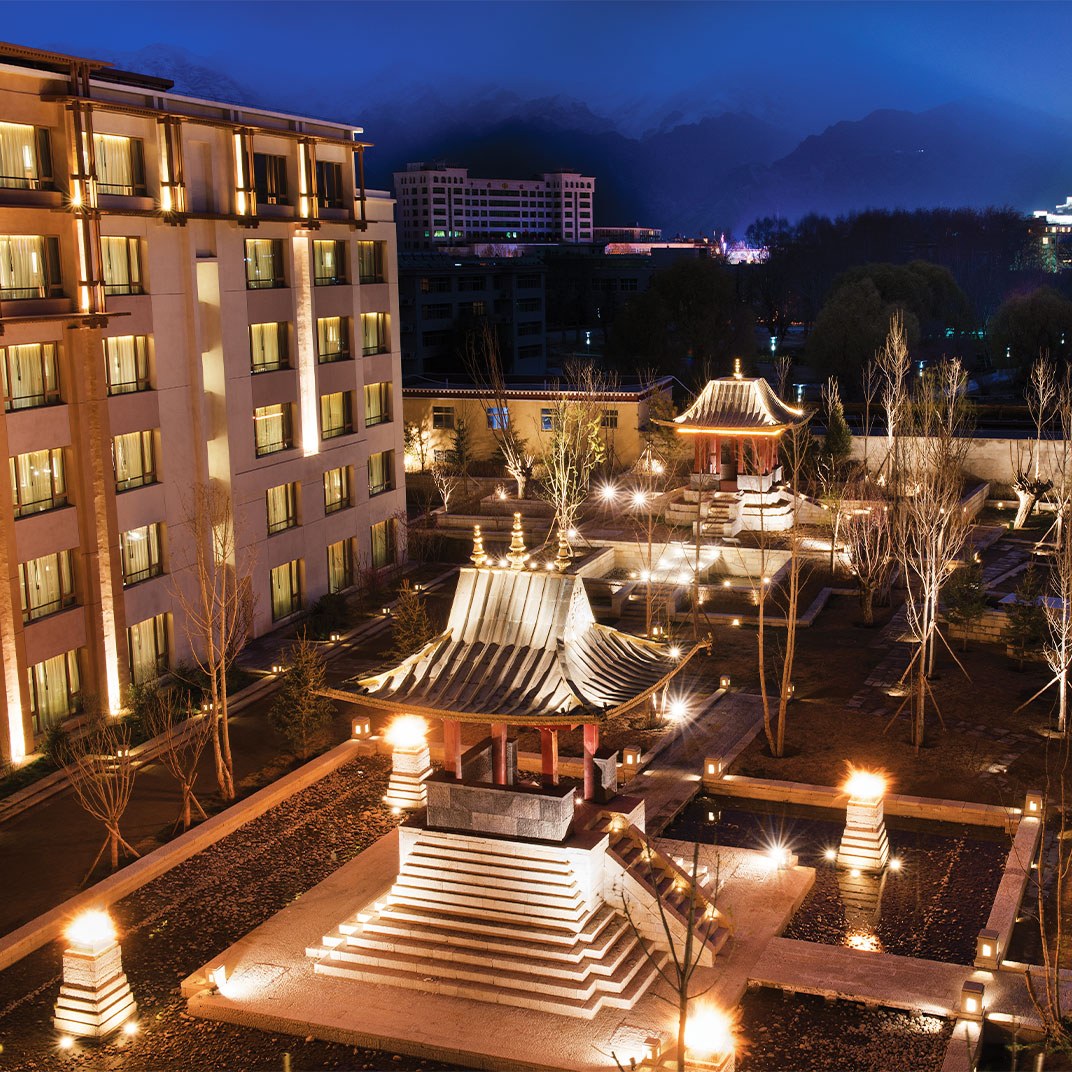
The St. Regis Lhasa Resort presents a quietly classic, design-forward interpretation of luxury that foregrounds place. At 3,650 metres the property resists becoming a sealed international bubble and instead lets high-altitude light and Tibetan monastic references shape massing, materials and apertures. That architectural discipline gives public spaces and guestrooms a composed, charming quality: you feel the plateau more than a hotel brand. Service intent remains unmistakably St. Regis — attentive and formal rather than flashy — so the overall impression is serene and considered, a deliberate meeting of international hospitality standards and local, tectonic presence.
Best For
This resort suits travelers who prize architecture, provenance and a disciplined service model as much as creature comforts. The write-up places the hotel among the small set of internationally credentialed properties in Lhasa, noting its scale and F&B depth; readers seeking a refined stay for special occasions or a professionally delivered business trip will find the St. Regis’s consistency reassuring. It also appeals to guests who want the physical drama of the Tibetan Plateau to be part of their experience rather than a backdrop filtered out by generic interiors.
Stay Tips
Dining and service are a highlighted part of the property’s identity — the text flags notable F&B depth and a MICHELIN Selected designation — so reserve tables in advance if you plan to dine on-site. Also account for altitude when planning arrival and activity: the piece opens by stressing the physical reality of luxury at 3,650 metres, so build in time to acclimatize before scheduling dining-heavy or strenuous plans. Expect formal, brand-driven service; requests and special arrangements are likely handled with the brand’s signature attention.
Venue details
Ambiance
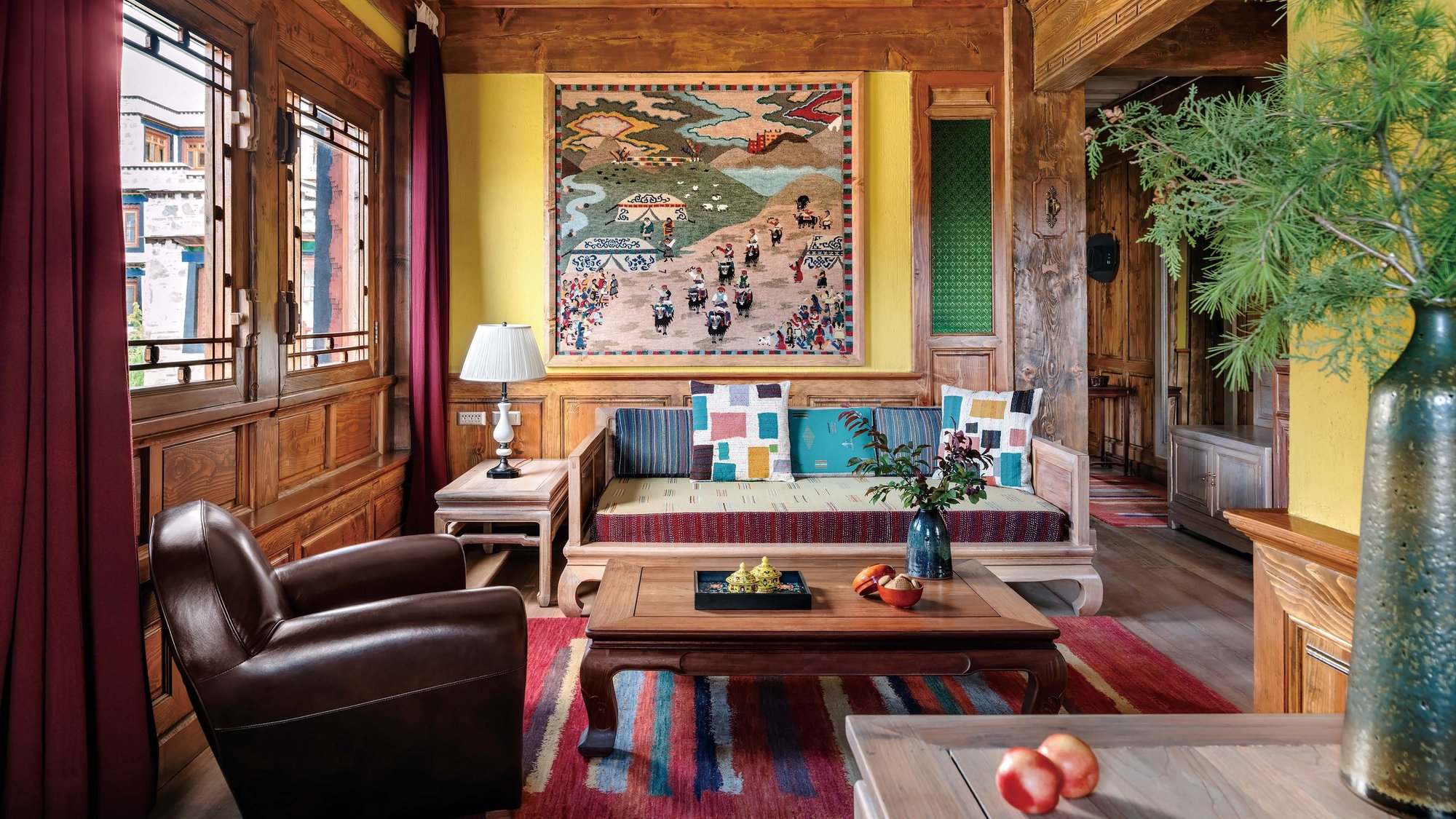
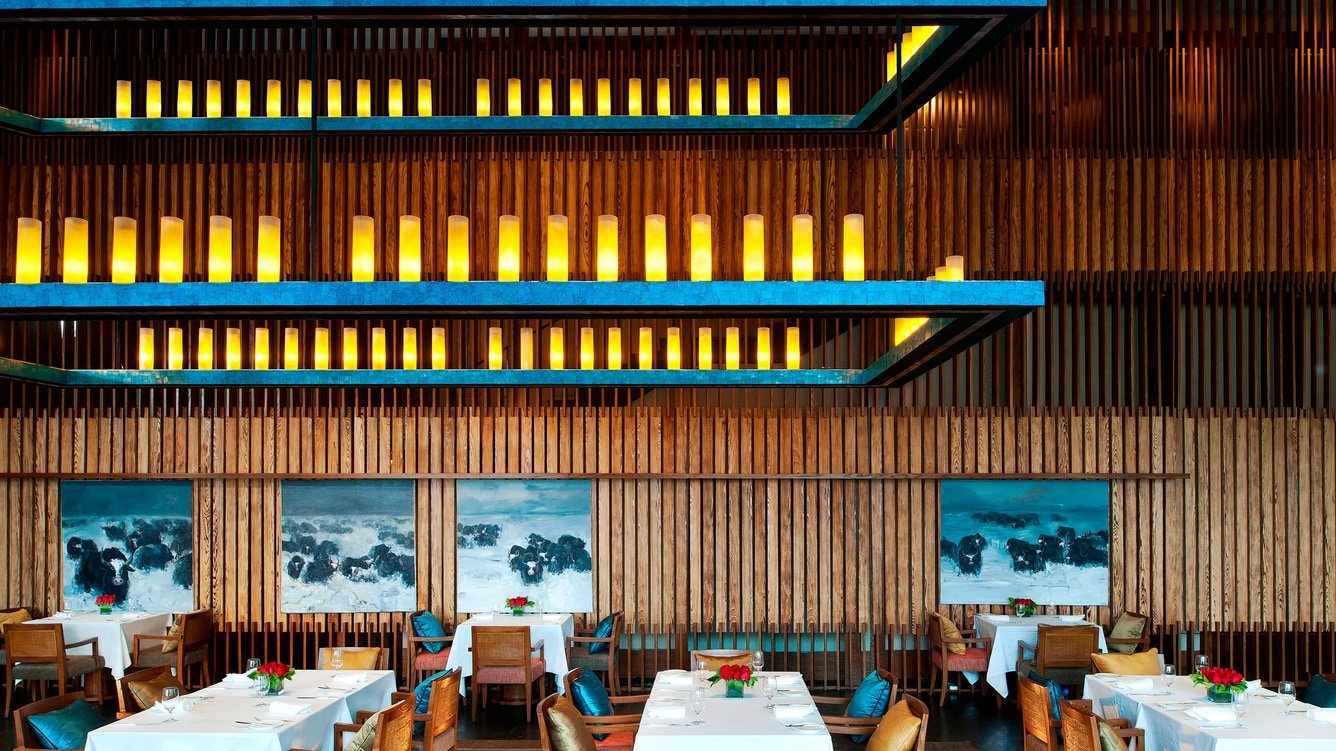
Sophisticated and serene with warm lighting, neutral tones of beige and gray, natural wood accents, and Tibetan cultural motifs creating a peaceful monastic-inspired atmosphere.
Tags
Vibe
Best For
Experience
Amenities
View
Accessibility
About the Stay
- Rooms
- 162
- Check-in
- 15:00
- Check-out
- 12:00
- Property Style
- Luxury Resort Blending Modern Comforts with Traditional Tibetan Charm
- Design Style
- Monastic Inspired Minimalism with Neutral Tones, Natural Wood, and Tibetan Artifacts
Know before you go
Know Before You Go
- Getting there
- 22 Jiangsu Rd, Lhasa, Tibet, China, 850001
Planning details
Location
22 Jiangsu Rd, Lhasa, Tibet, China, 850001 · Directions
Recognition and awards
Explore Lhasa
Around this place
Discover more on Pearl
Unlock the full The St. Regis Lhasa Resort guide in Pearl, including awards, comparisons, FAQs, planning details, and nearby places.
FAQ
Frequently Asked Questions
Do loyalty programs work at The St. Regis Lhasa Resort?
Check the hotel’s official booking channels for current loyalty, points, and benefit details. What is here is the $$$$ price level, smart casual dress code, Lhasa location, and MICHELIN Guide Hotels Selected recognition for 2025.
How is the dining at The St. Regis Lhasa Resort?
Treat any meal planning as something to confirm directly with the hotel, and compare with other dining in Lhasa if food is a major part of the trip.
Is The St. Regis Lhasa Resort worth the room rate?
It can be worth it if you want a higher-priced hotel in Lhasa and are comfortable with a $$$$ price level. The MICHELIN Guide Hotels Selected 2025 recognition is the clearest trust signal. If your trip is price-driven, a simpler Lhasa hotel may make more sense.
How is the location of The St. Regis Lhasa Resort?
The location is Lhasa. For neighborhood, route, and access details, check the hotel’s official information against your actual daily plan before booking.
What facilities should I confirm before booking The St. Regis Lhasa Resort?
Is The St. Regis Lhasa Resort good for business travel?
It may suit travelers who want a higher-priced base in Lhasa and are comfortable with a $$$$ hotel. For work-related amenities and services, confirm current details directly with the hotel before booking.
How does The St. Regis Lhasa Resort compare to nearby hotels?
It is positioned at a $$$$ price level in Lhasa and has MICHELIN Guide Hotels Selected recognition for 2025. Choose it if those signals matter to your trip; consider simpler Lhasa hotels if budget is the main priority.