
Noku Kyoto
Nakagyō, Kyoto
Hotel in Kyoto, Japan
 Book with Pearl
Why go
Noku Kyoto is a sensible Kyoto base for travelers who want central convenience without turning the hotel into the whole trip. It is strongest for couples, solo travelers, and business stays, with MICHELIN Guide Hotels Selected recognition for 2025 adding a useful quality signal. For a bigger celebration, compare it with HOTEL THE MITSUI KYOTO or THE HIRAMATSU Kyoto before booking.
About Noku Kyoto
Kyoto hotel bookings can turn into a choice between atmosphere, location, and how much certainty a trip needs. Noku Kyoto is worth considering for travelers comparing hotel options in Kyoto, especially when they prefer to make decisions based on clear information.
Information is limited, so the safest way to evaluate Noku Kyoto is to compare it directly with other Kyoto hotel options before booking. For a trip where the hotel itself is meant to be the main event, compare it carefully against HOTEL THE MITSUI KYOTO or THE HIRAMATSU Kyoto before committing.
Book for a Kyoto stay
Noku Kyoto is in Kyoto. Beyond that city-level location, specific neighborhood or address claims should be checked directly with the hotel or booking platform before travel. That matters in a city where daily logistics can shape the experience.
The MICHELIN Guide Hotels Selected recognition for 2025 is the main trust signal. Treat that as a quality filter, not as a promise of a particular style of luxury, service format, room type, or on-property experience.
Where the value case is strongest
The value argument depends on what kind of stay the traveler is trying to build and what current rates show for the dates in question. Noku Kyoto belongs on a Kyoto shortlist alongside Ace Hotel Kyoto, Mimaru Suites Kyoto Central, Nazuna Kyoto Gosho, HOTEL THE MITSUI KYOTO, and THE HIRAMATSU Kyoto.
For special occasions, Noku Kyoto may be worth considering: it is a Kyoto hotel with MICHELIN Guide Hotels Selected recognition for 2025 and a smart casual dress code. If the celebration depends on specific amenities, room features, dining, spa facilities, or service style, verify those details directly before booking.
Know Before You Go
- Good for: travelers considering a Kyoto hotel with MICHELIN Guide Hotels Selected recognition for 2025.
- Less ideal for: travelers who need details about specific amenities, room layouts, dining, or service style before shortlisting.
- Dress code: smart casual.
- Decision rule: book only after confirming the practical details that matter for your trip dates, room needs, and itinerary.
Planning details
- Location
- Japan, 〒604-0861 Kyoto, 京都府Kyoto, Nakagyo Ward, Okuracho, 大倉町205-1
- Website
- nokuhotels.com/kyoto
- Phone
- +81 75-211-0222
The take
The Take
The Vibe
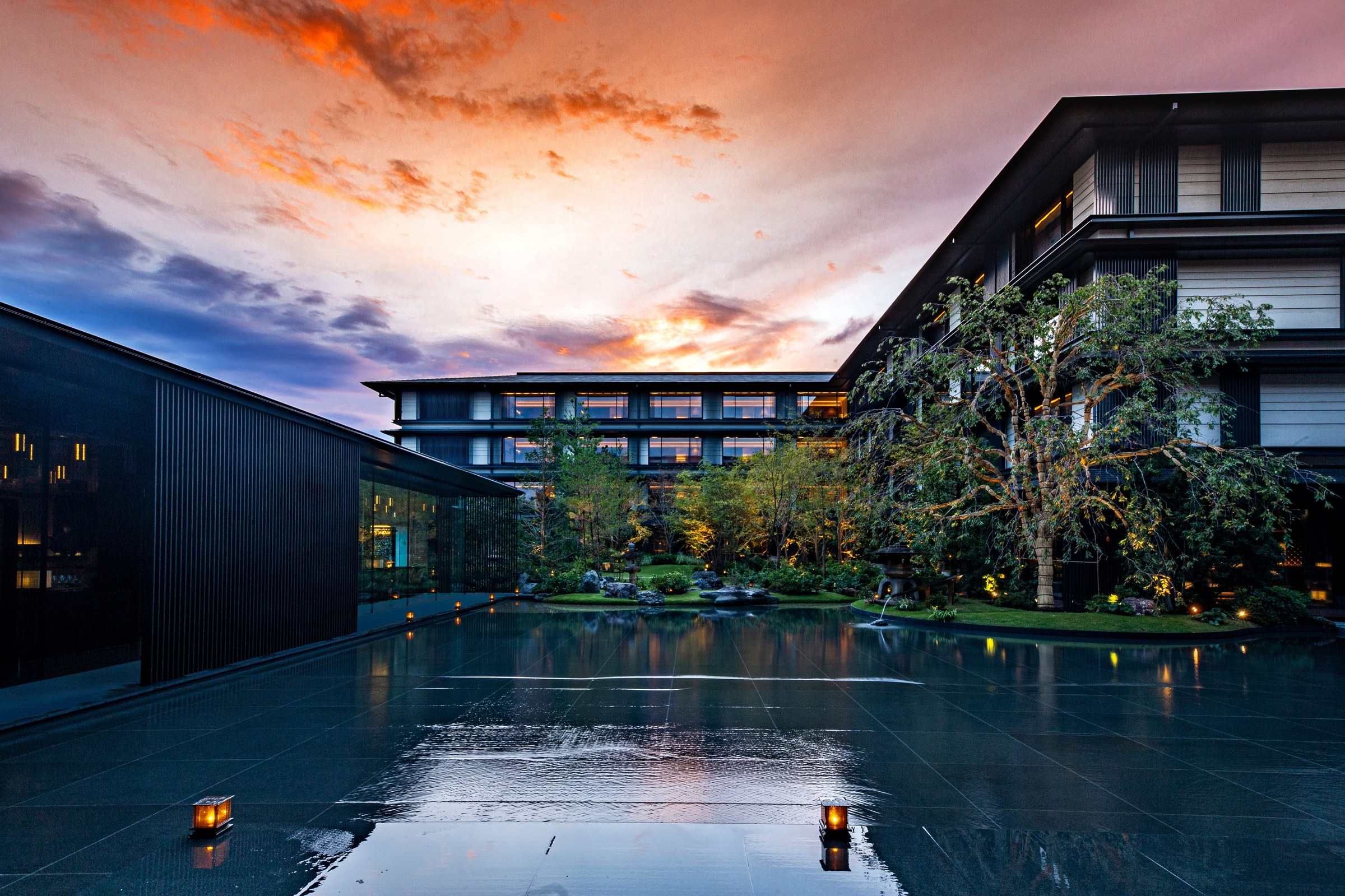
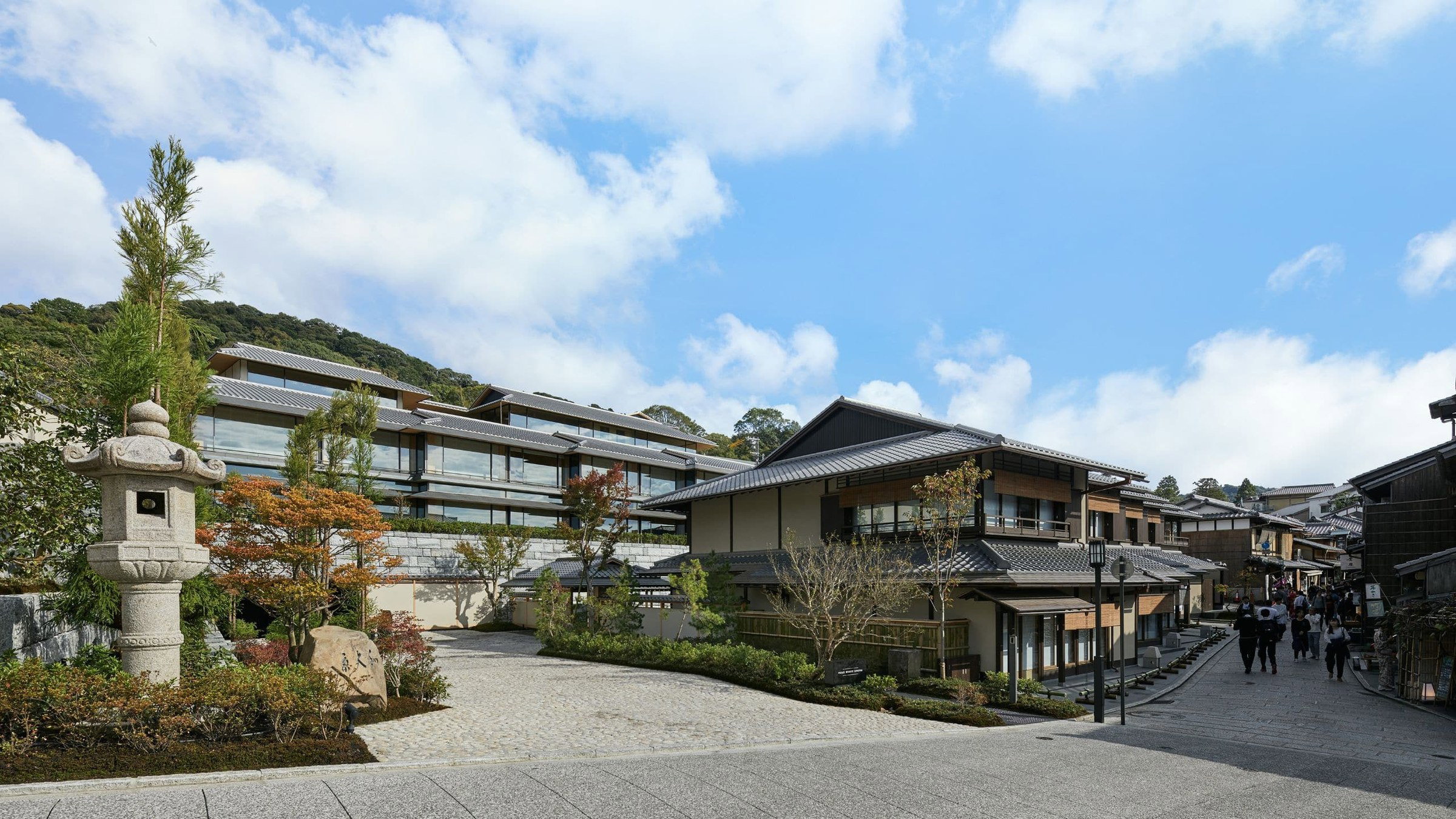
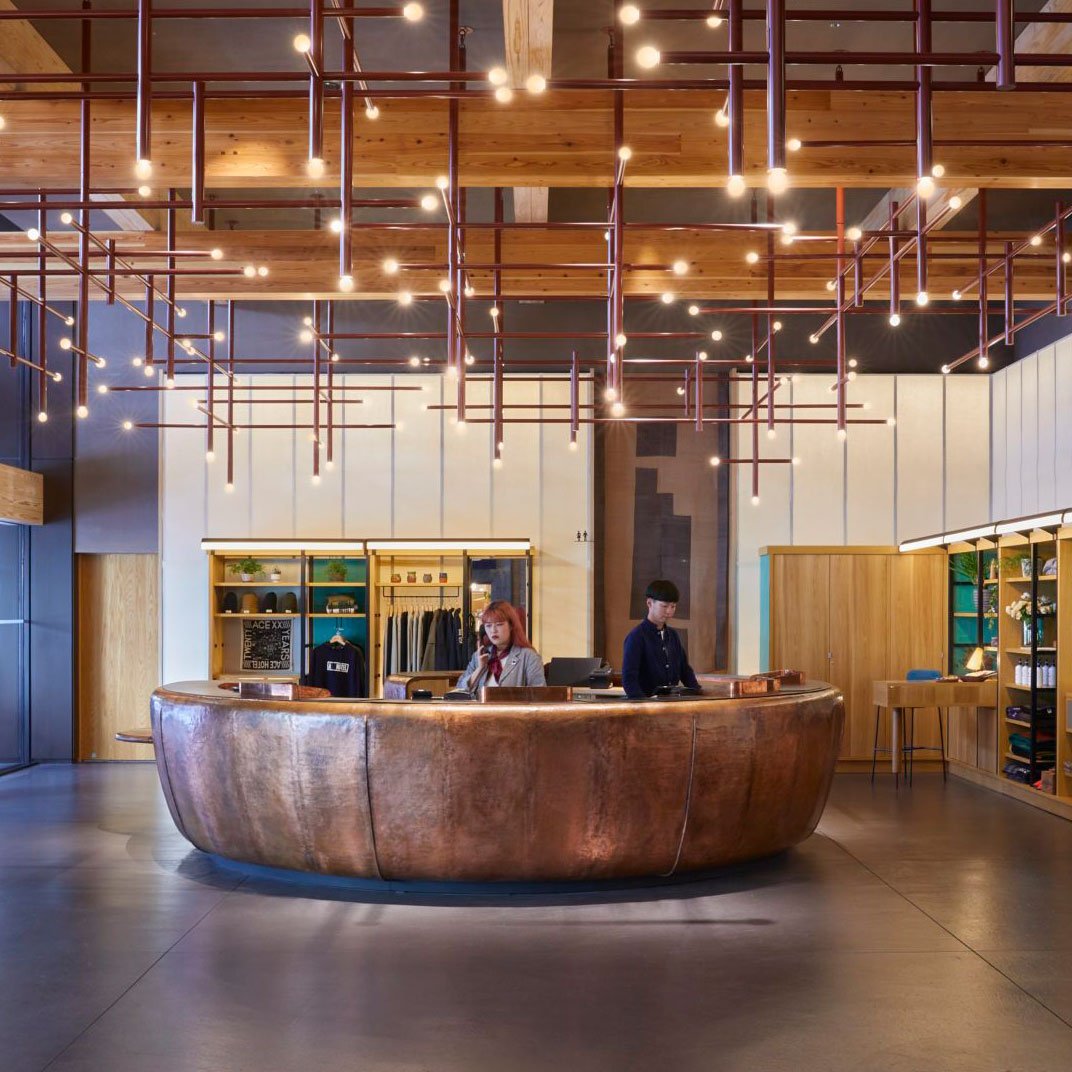
Noku Kyoto reads as a considered design hotel that quietly mediates between tradition and contemporary practice. The property places modern materials and a premium design sensibility alongside references to machiya townhouses and the Heian-period grid, so interiors feel intentional rather than historicist. Its central Nakagyo address gives the hotel a local, lived-in backdrop—streetscape views and a neighbourhood texture that read as intimate and restrained. The Michelin Selected mention underlines a commitment to physical quality and service, so the overall impression is one of polished restraint: an urbane, design-forward Kyoto stay that honours context without pastiche.
Best For
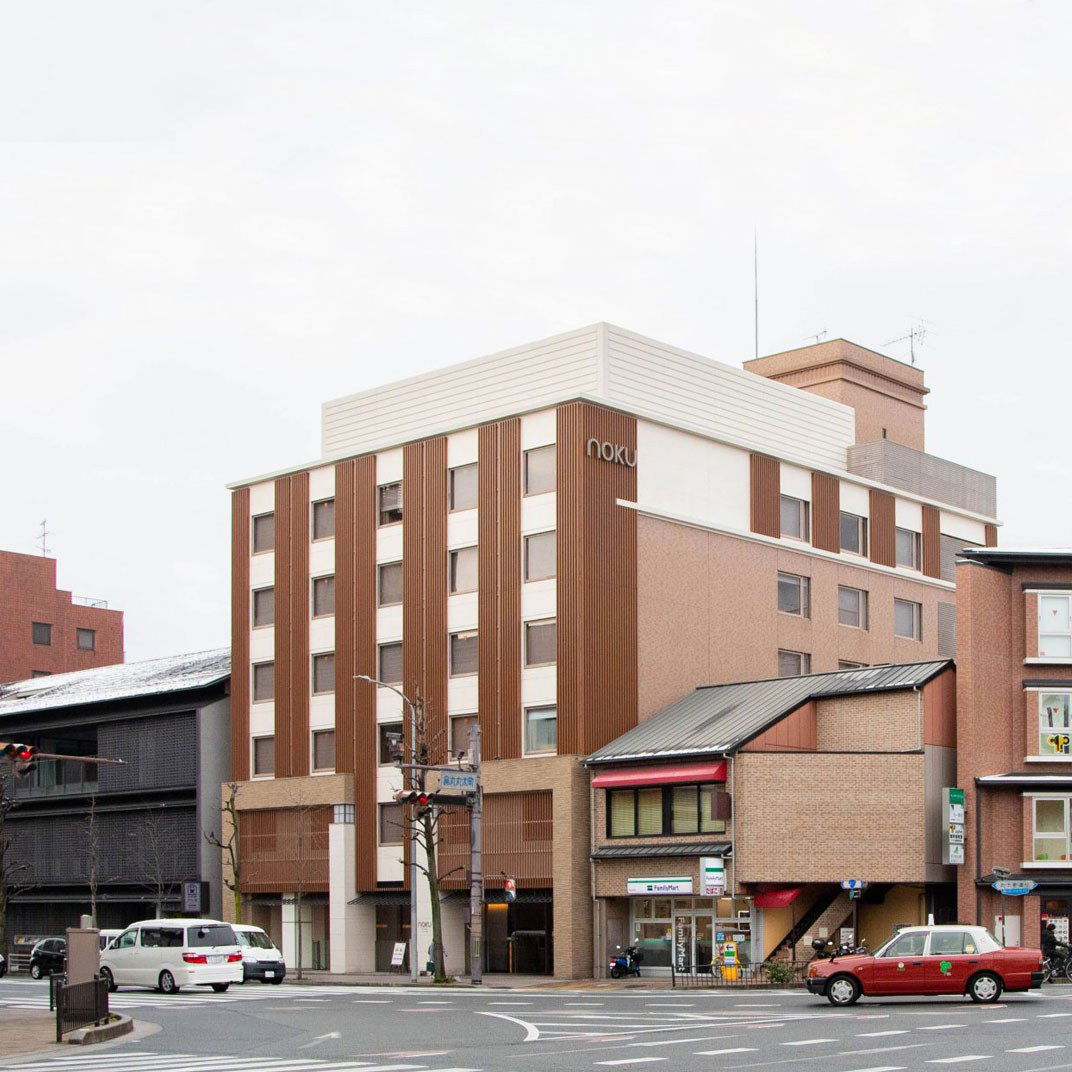
Noku Kyoto suits travellers who prioritise easy navigation of central Kyoto. Its location near Karasuma-Oike—the city's subway interchange—and within walking distance of Nishiki Market and the Gion approach roads makes it useful for itineraries that mix early-morning temple visits with evening dining along Pontocho. The balance of thoughtful design and a quieter Nakagyo setting also makes it a strong pick for business travellers who want proximity to transport links and for couples seeking a calm, centrally positioned base for exploring the city's cultural landmarks and dining scene.
Stay Tips
When planning a stay, emphasise the hotel's central access: use Karasuma-Oike for quick subway connections and walk to Nishiki Market and the Gion approaches for food and evening options. If views matter, request a room oriented toward the neighbourhood streetscapes described in the profile; the hotel positions contemporary design against those heritage streets, so a street-facing room is likely to feel more connected to Kyoto's urban grain. Build itineraries that alternate early temple visits with later dinners to make the most of the hotel's convenient placement.
Venue details
Ambiance
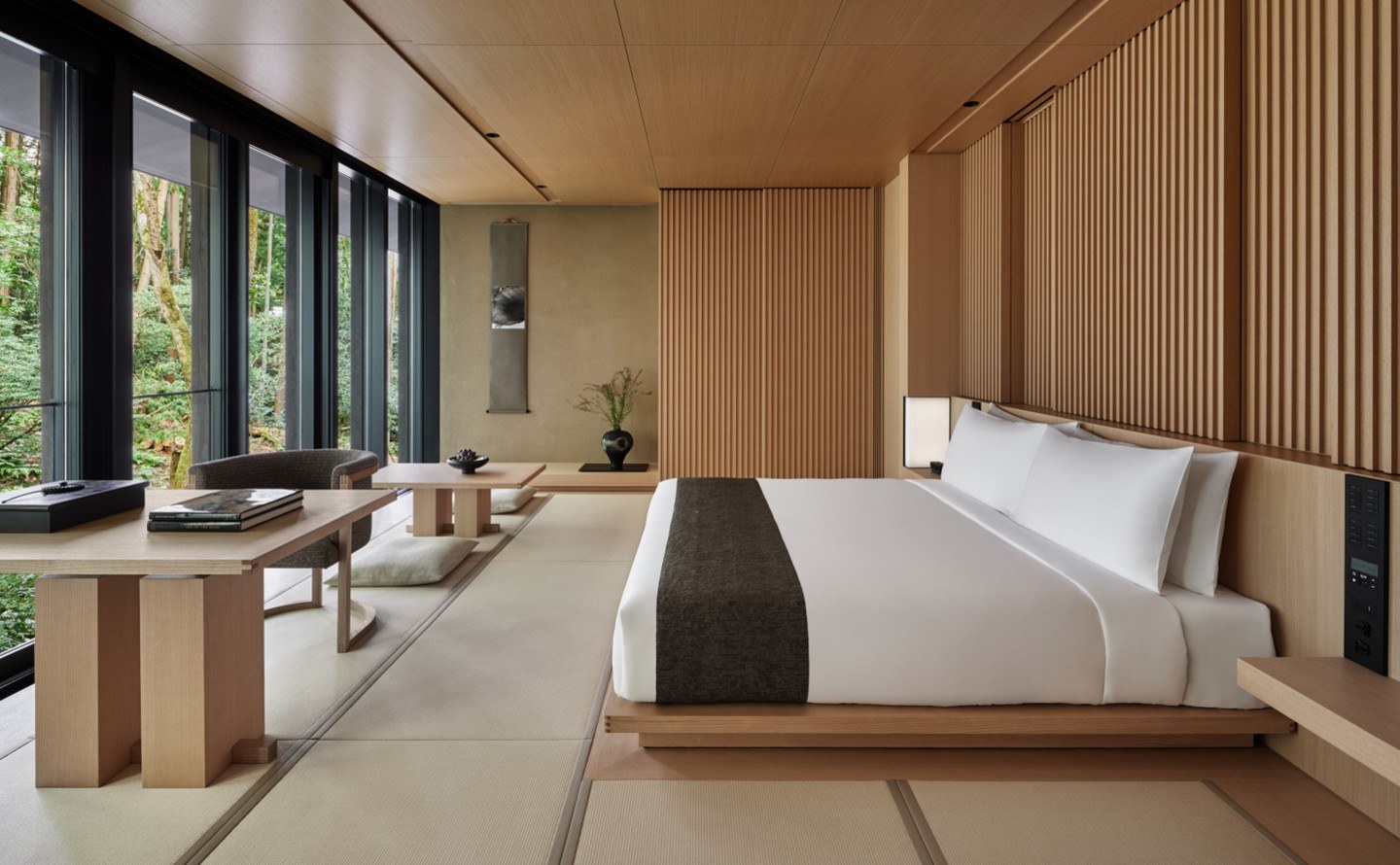
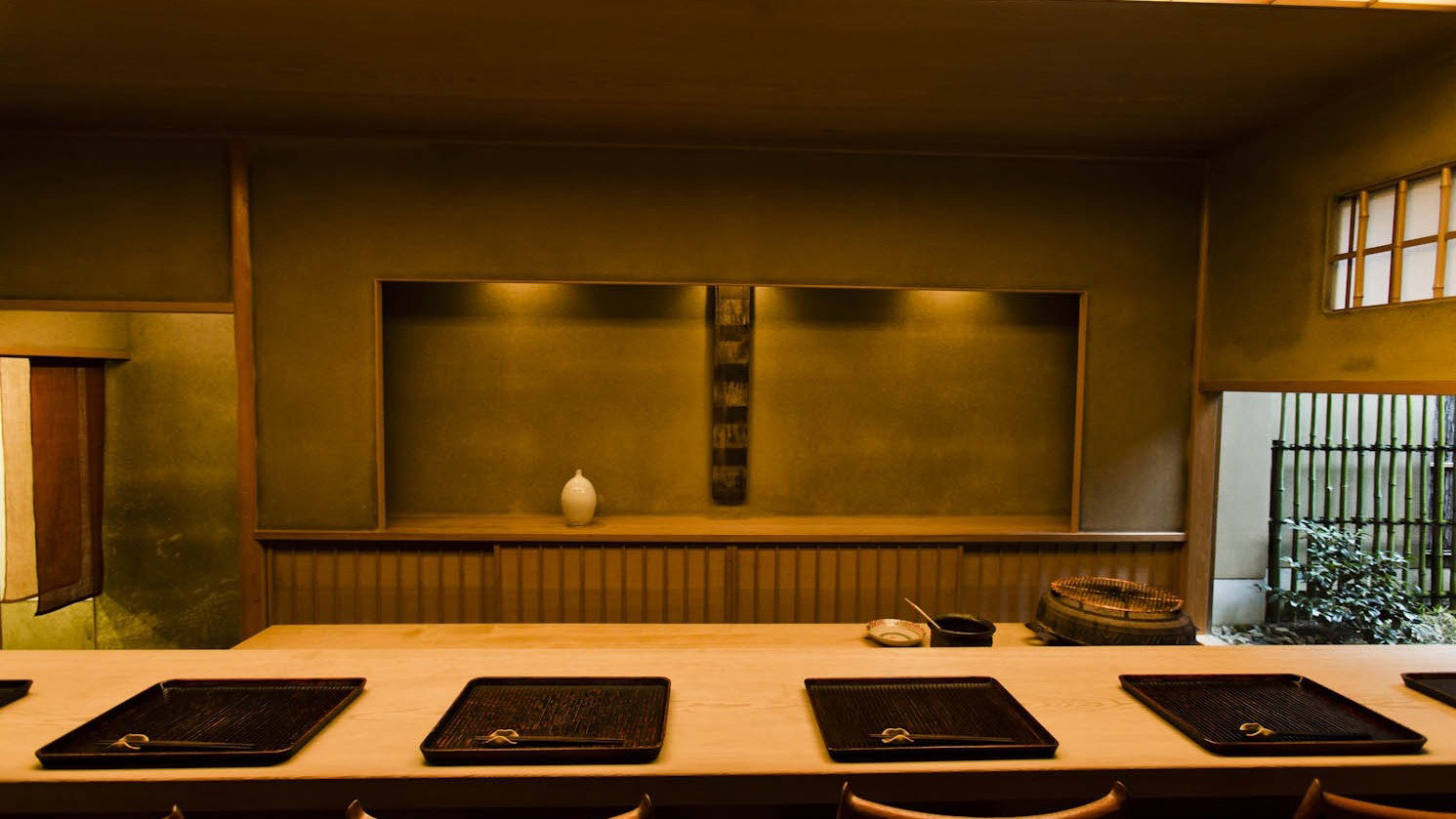
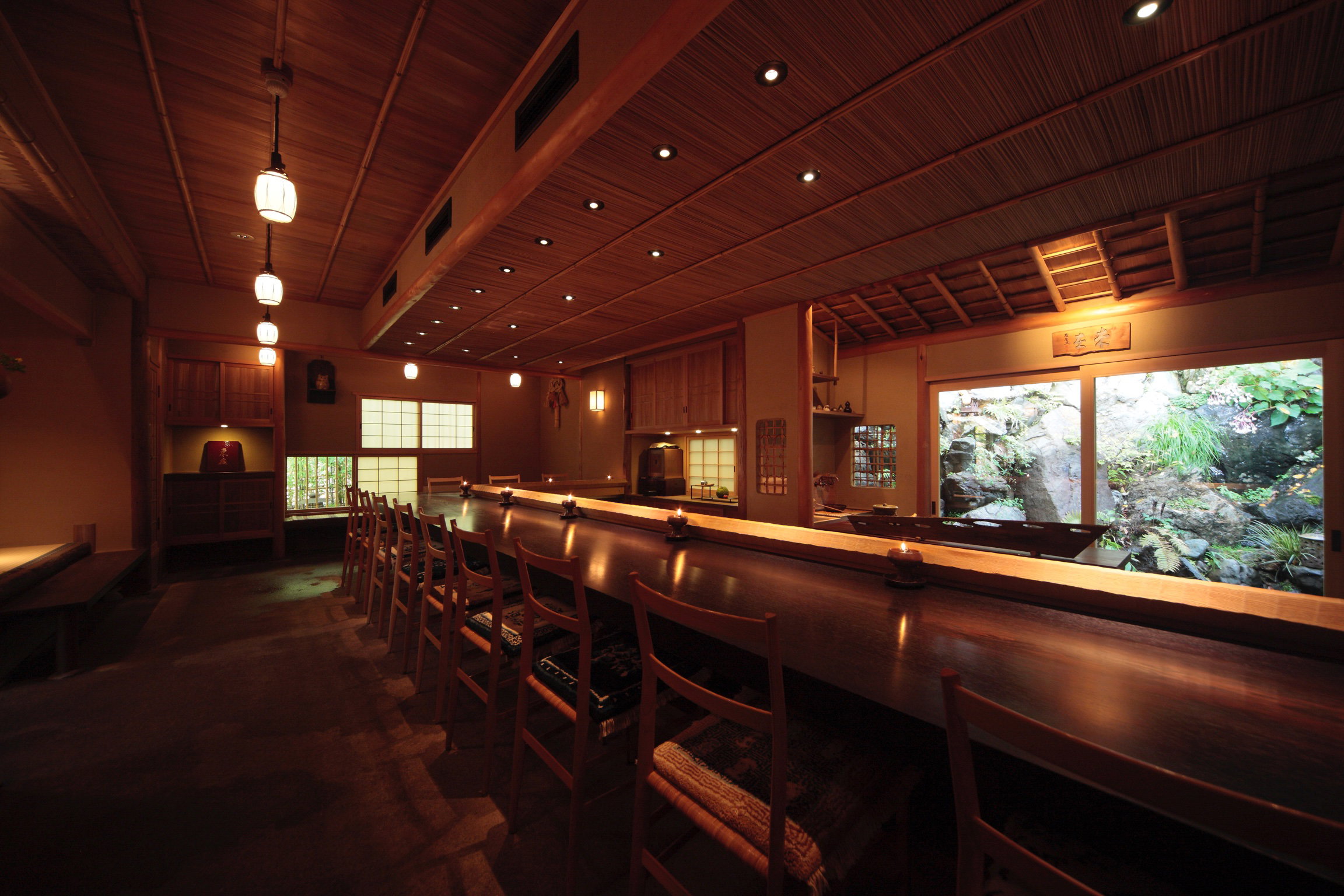
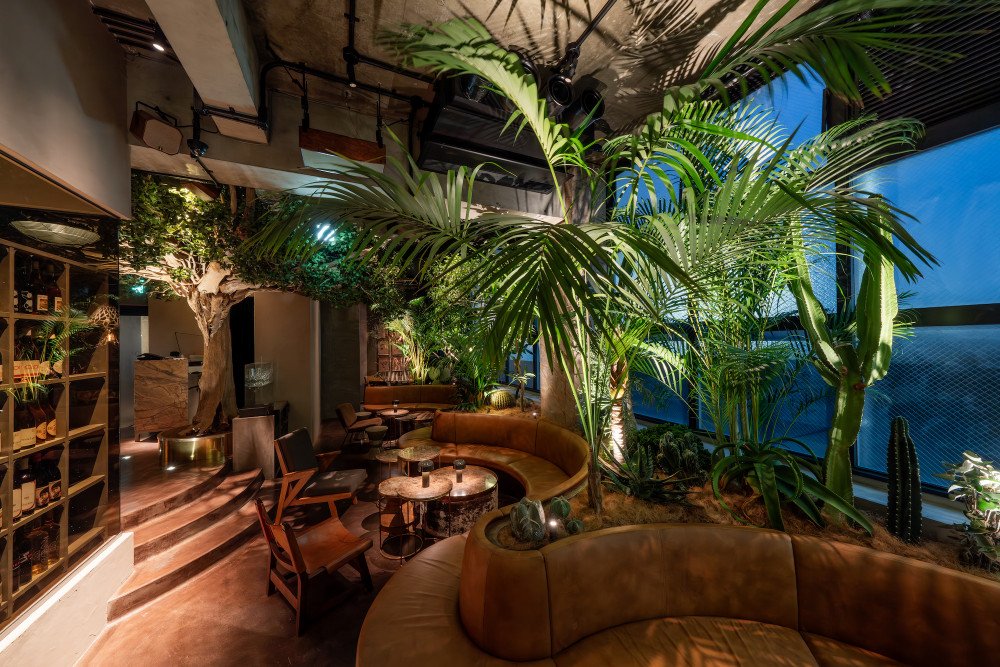
Warm, breathing simplicity with subdued clean-lined contemporary design in eggshell and blonde wood, creating a serene and thoughtful atmosphere.
Tags
Vibe
Best For
Experience
Amenities
View
Accessibility
About the Stay
- Rooms
- 81
- Check-in
- 15:00
- Check-out
- 11:00
- Property Style
- Medium Sized Boutique Hotel Blending Traditional Japanese Aesthetics with Modern Comforts Adjacent to Kyoto Imperial Palace.
- Design Style
- Contemporary Minimalist with Clean Lines, Eggshell and Blonde Wood, Individually Selected Art Pieces Reflecting Kyoto Culture.
Know before you go
Know Before You Go
- Getting there
- Japan, 〒604-0861 Kyoto, 京都府Kyoto, Nakagyo Ward, Okuracho, 大倉町205-1
Planning details
Location
Japan, 〒604-0861 Kyoto, 京都府Kyoto, Nakagyo Ward, Okuracho, 大倉町205-1 · Directions
Recognition and awards
Also consider
Where to Look If This Is Not the Fit
Pick Mimaru Suites Kyoto Central for family space or longer stays. Choose Ace Hotel Kyoto if a more social, design-forward hotel mood matters more than quiet restraint.
Hotel context
How It Compares
Noku Kyoto is the practical middle path in this Kyoto set: easier to justify for a location-led stay than the more occasion-focused HOTEL THE MITSUI KYOTO or THE HIRAMATSU Kyoto. Choose those instead when the hotel experience itself needs to feel like the point of the trip.
Nazuna Kyoto Gosho is the better cross-shop for a quieter, more intimate Kyoto mood, while Ace Hotel Kyoto makes more sense for design-led travelers who want a livelier social setting. Noku Kyoto is the safer call when the priority is a composed base rather than a scene.
Families and longer-stay travelers should compare closely with Mimaru Suites Kyoto Central, which is likely to be more practical when space and in-room flexibility matter. For couples on a short Kyoto trip, Noku Kyoto remains a clean, low-friction choice if the plan is to spend more time exploring than staying in.
Explore Kyoto
Around this place
Discover more on Pearl
Unlock the full Noku Kyoto guide in Pearl, including awards, comparisons, FAQs, planning details, and nearby places.
Compare Noku Kyoto
| Venue | Location | Awards |
|---|---|---|
| Noku Kyoto | Kyoto | 2025 Michelin Selected Hotels |
| Nazuna Kyoto Gosho | Kyoto | No published awards |
| HOTEL THE MITSUI KYOTO | Kyoto | 2026 World’s 50 Best Hotels 51-100 · #792026 Forbes 5-Star2026 Virtuoso Luxury Hotel Collection2026 La Liste Top Hotels2025 World’s 50 Best Hotels · #462024 Michelin 3 Keys |
| Mimaru Suites Kyoto Central | Kyoto | No published awards |
| Ace Hotel Kyoto | Kyoto | 2026 Mr & Mrs Smith Luxury HotelsTatler Best Hotels Asia-Pacific 20252025 Michelin 1 Key2024 Michelin 1 Key |
| THE HIRAMATSU Kyoto | Kyoto | No published awards |







How Noku Kyoto compares with similar nearby venues.
FAQ
Frequently Asked Questions
What is check-in like at Noku Kyoto?
Which room category is best at Noku Kyoto?
The best room category depends on the traveler's space needs, dates, and budget. Review the current room descriptions and confirm any must-have features before booking.
How is the dining at Noku Kyoto?
If meals, dietary needs, or on-property dining are important to the trip, confirm the current dining setup directly before booking and compare with other dining in Kyoto.
How does Noku Kyoto compare to other Kyoto hotels?
Noku Kyoto can be compared with Ace Hotel Kyoto, Mimaru Suites Kyoto Central, Nazuna Kyoto Gosho, HOTEL THE MITSUI KYOTO, and THE HIRAMATSU Kyoto. The safest comparison is based on current rates, amenities, location preferences within Kyoto, and the specific room details shown for your dates.
Is Noku Kyoto good for business travel?
It may be worth considering for a Kyoto business trip. Confirm practical needs such as room setup, workspace, internet, meeting support, and arrival logistics before booking.