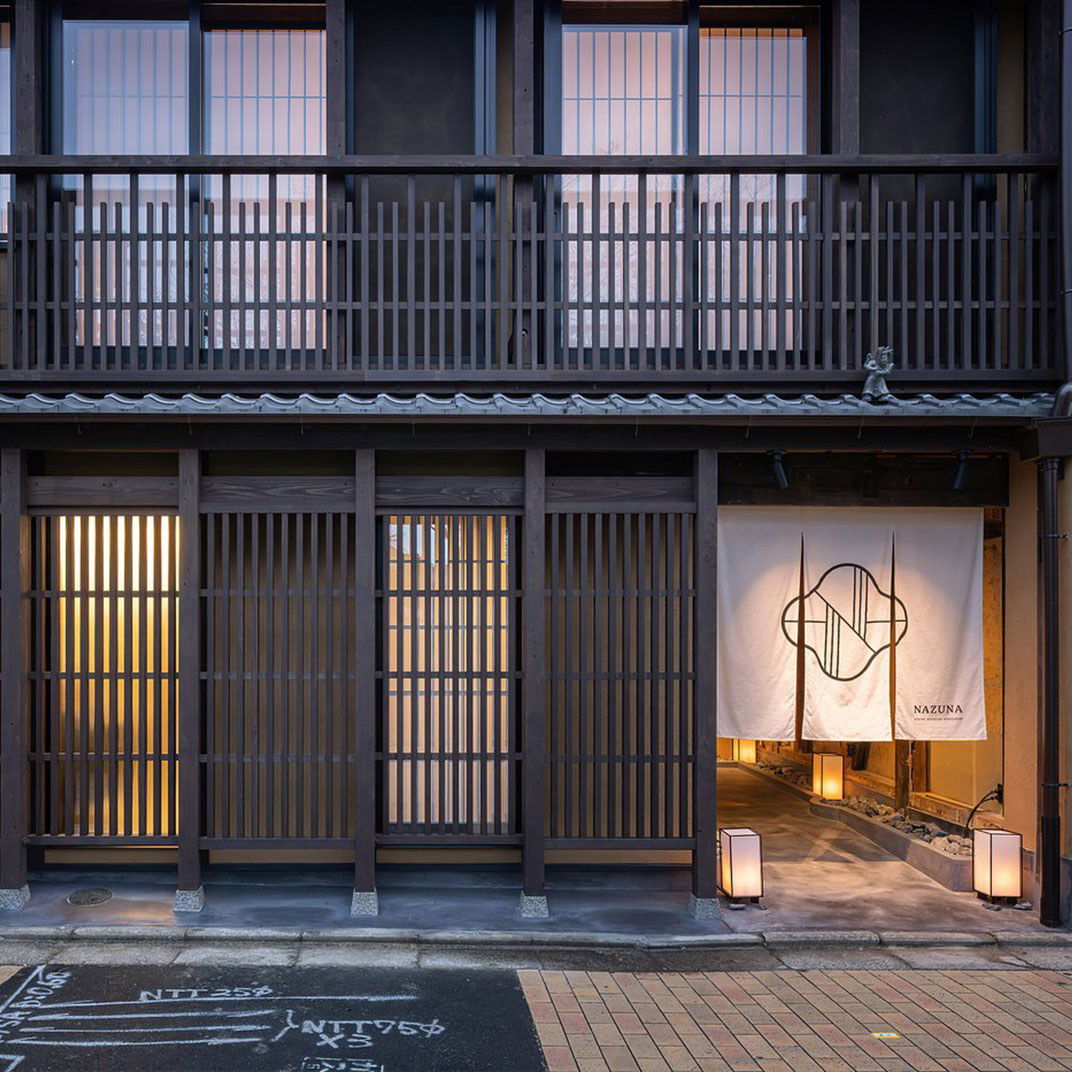

Nazuna Kyoto Higashihonganji
Shimogyō, Kyoto
Hotel in Kyoto, Japan
 Book with Pearl
Why go
Nazuna Kyoto Higashihonganji is worth shortlisting when its rate undercuts Kyoto's larger luxury hotels and you want a quieter Shimogyo base. The 2025 MICHELIN Guide Hotels Selected recognition is the trust signal; the value case depends on seasonal pricing, especially during Kyoto's spring and autumn demand peaks.
About Nazuna Kyoto Higashihonganji
Nazuna Kyoto Higashihonganji is a Kyoto hotel with MICHELIN Guide Hotels Selected recognition in 2025. Travelers should compare current dates and booking terms directly before deciding.
Compare Nazuna Kyoto Higashihonganji with other Kyoto options by rate, Kyoto location, cancellation terms, and the details published by each property at the time of booking.
Worth pricing against Kyoto's hotel set
The main reason to shortlist this stay is recognition: MICHELIN Guide Hotels Selected in 2025 gives it a credible quality signal. For travelers comparing Kyoto hotels, it is also reasonable to check options such as Dusit Thani Kyoto, Hotel Kanra Kyoto, KIKOKUTEI Bekkan, and Tradimo Kyoto Gojo.
Book this when the current rate and booking terms make sense for your Kyoto trip. If the quote overlaps with other hotels you are considering, cross-shop through our full Kyoto hotels guide, then plan meals through our full Kyoto restaurants guide, drinks through our full Kyoto bars guide, and activities through our full Kyoto experiences guide.
Planning details
- Location
- Japan, 〒600-8159 Kyoto, Shimogyo Ward, Kamecho, 2
- Website
- nazuna.co/property/nazuna-kyoto-higashihonganji
- Phone
- +81 75-585-2670
The take
The Take
The Vibe
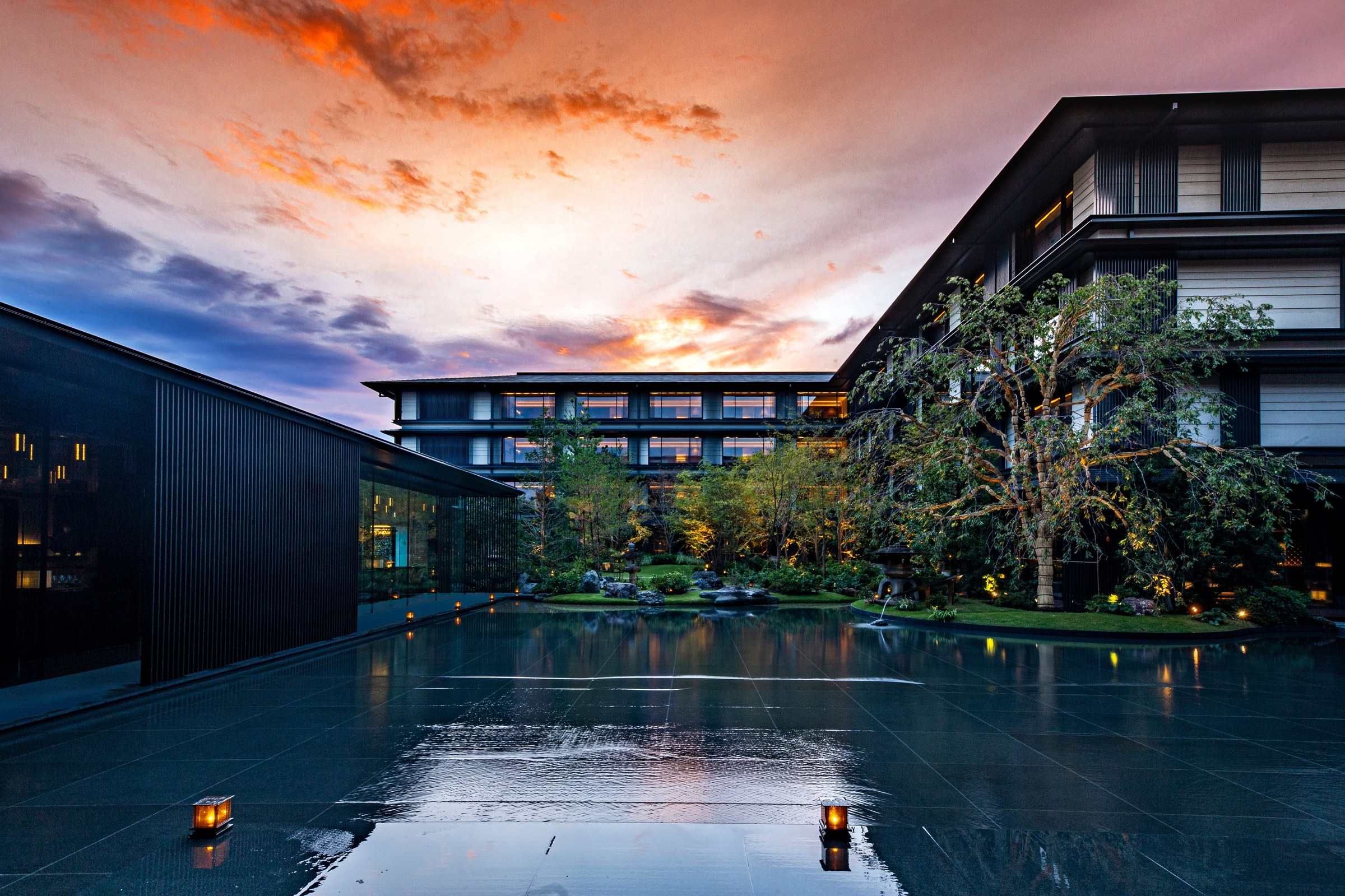
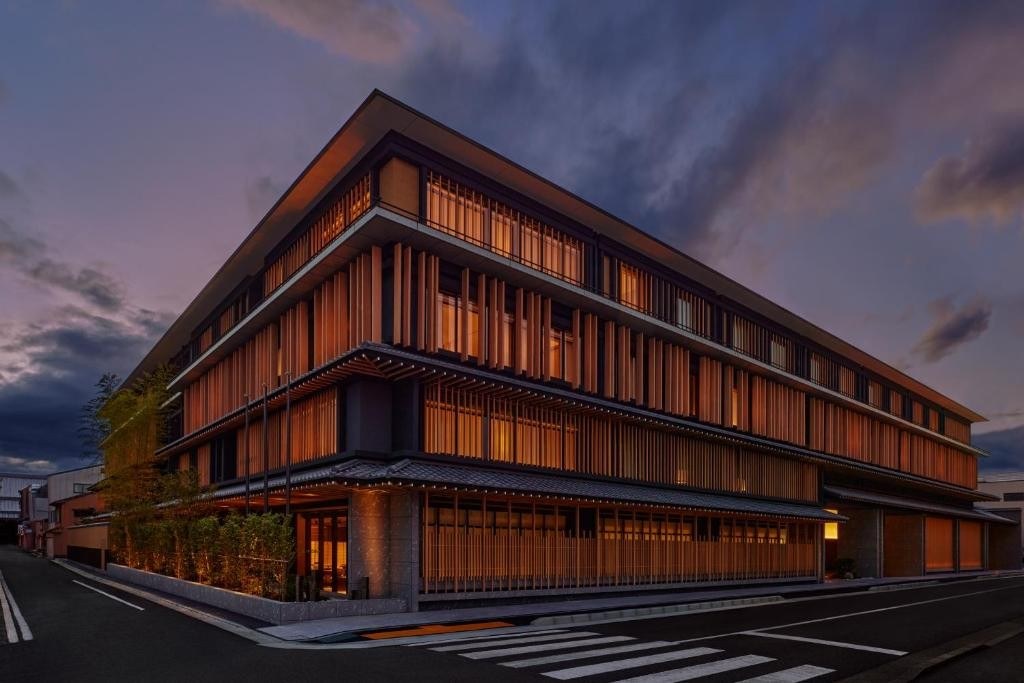
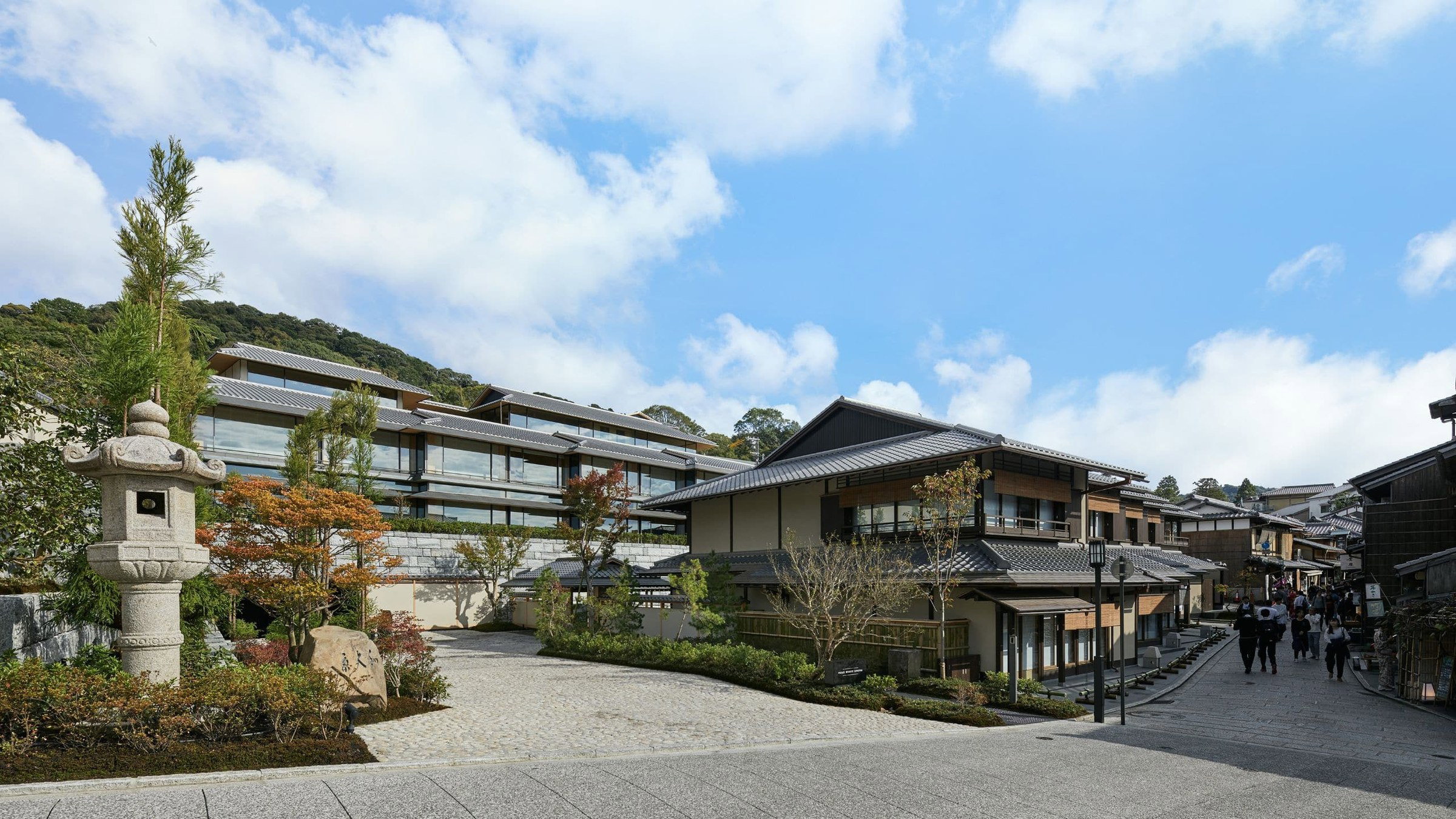
Nazuna Kyoto Higashihonganji settles into the quieter, more workaday side of Kyoto, leveraging the scale and detail of machiya architecture to create a historic, composed atmosphere. The hotel reads like a respectful continuation of the surrounding temple precinct: compact rooms and narrow corridors reflect the original townhouse logic rather than a modern hospitality block. The result is a classic, quietly charming stay that emphasizes restraint and place—appealing to travelers who prefer low-key elegance and the calm presence of old wooden structures over showy design gestures.
Best For
This is a fit for travelers who prize location depth and traditional urban fabric over flashy amenities. Nazuna’s position in Shimogyo—about a ten-minute walk from Kyoto Station and adjacent to Higashihonganji—makes it practical for both short business stays and cultural exploration. The property is Michelin Selected for comfort and service consistency, so guests looking for well-managed, authentic machiya-style lodgings with modern basics handled discreetly will find it rewarding. Expect a compact, thoughtfully maintained room rather than a large resort footprint.
Stay Tips
Book early and plan light: the machiya format means rooms are generally smaller with tighter corridors, so prioritize reservations and modest luggage. The description notes that conversions meet contemporary expectations for bath quality, bedding, and climate control, so you can rely on modern comforts despite compact footprints. Approach on foot from Kyoto Station—the hotel is roughly a ten-minute walk—and treat the location as part of the appeal: you’re choosing depth of neighborhood and proximity to temple precincts rather than hotel spectacle.
Venue details
Ambiance
Tranquil and inviting atmosphere harmonizing traditional Japanese elements with contemporary comforts, praised for its serene and elegant charm.
Tags
Vibe
Best For
Experience
Amenities
View
About the Stay
- Rooms
- 13
- Check-in
- 15:00
- Check-out
- 11:00
- Property Style
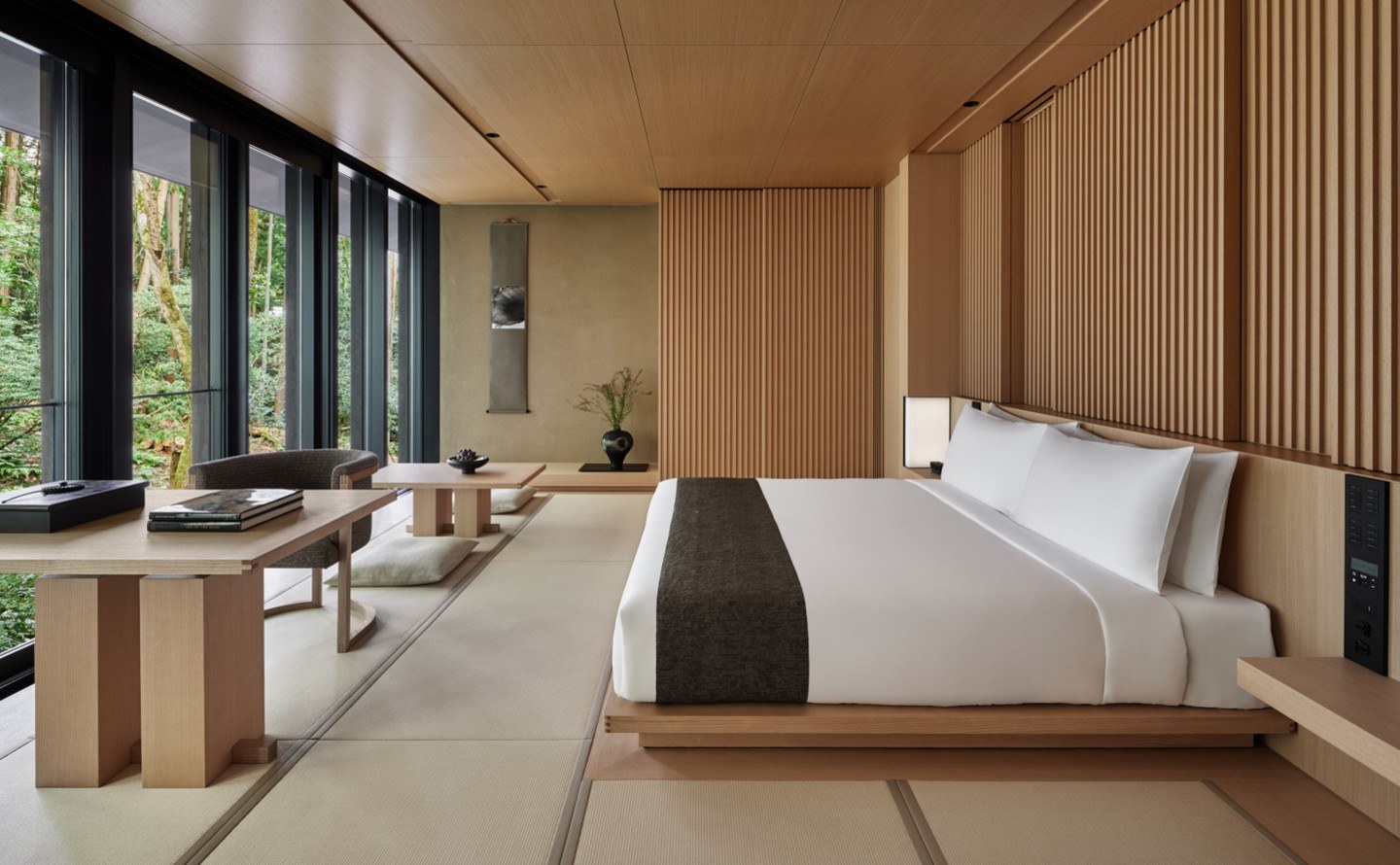
- Renovated Historic Machiya Ryokan Blending Tradition and Modernity
- Design Style
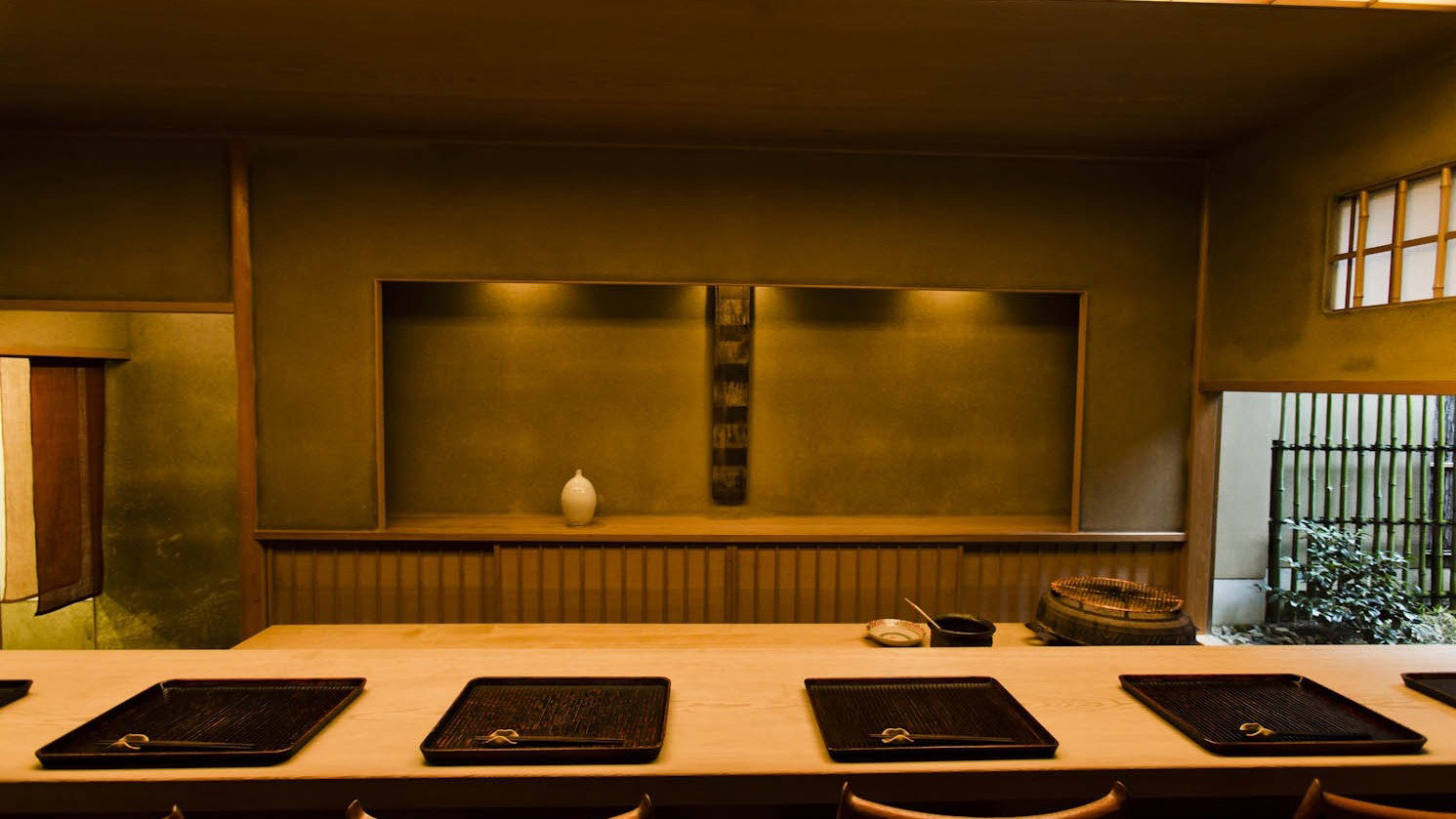
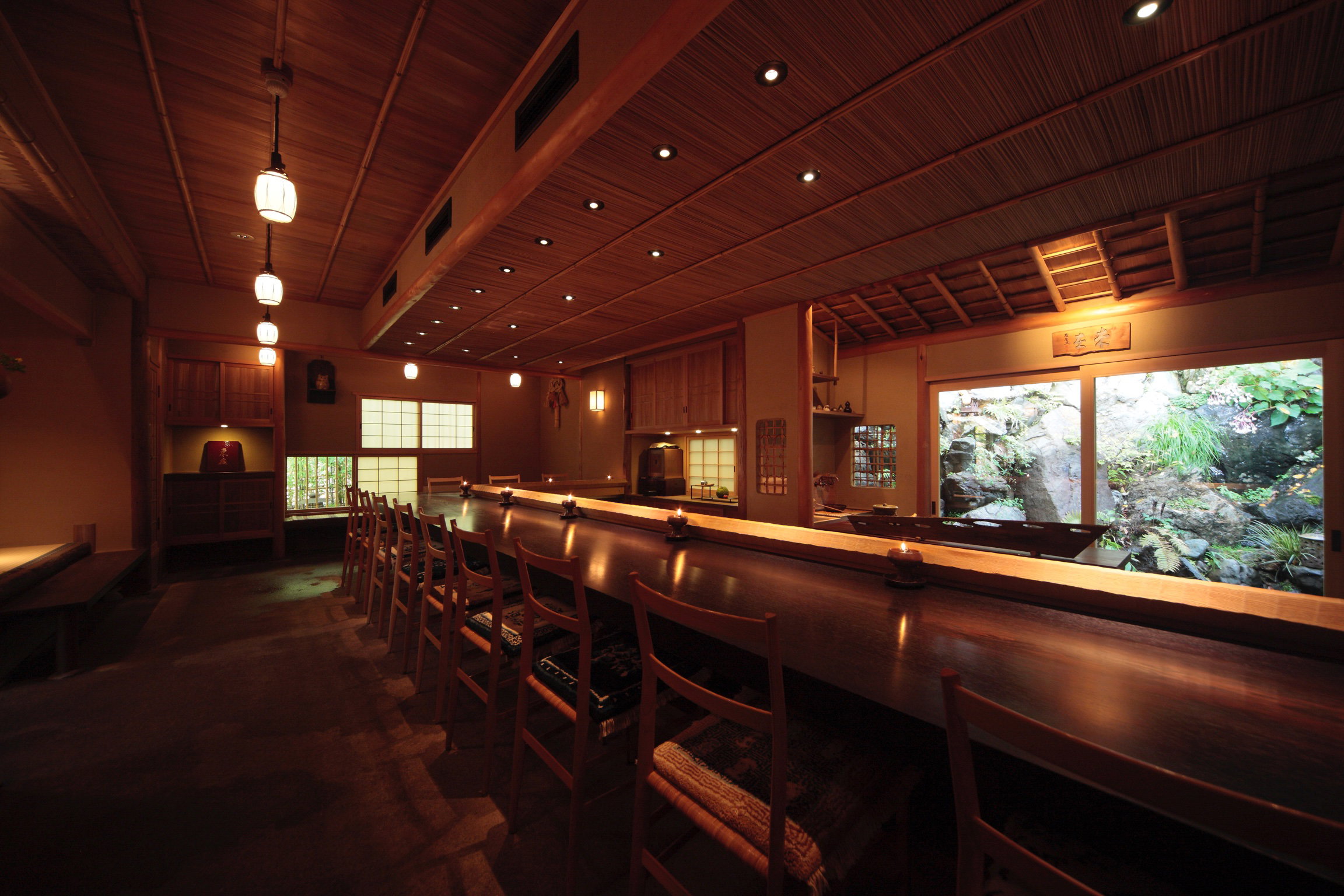
- Traditional Japanese with Modern Minimalist Elements, Featuring Timber, Earthen Walls, and Hinoki Baths
Know before you go
Know Before You Go
- Getting there
- Japan, 〒600-8159 Kyoto, Shimogyo Ward, Kamecho, 2
Planning details
Location
Japan, 〒600-8159 Kyoto, Shimogyo Ward, Kamecho, 2 · Directions
Recognition and awards
Also consider
Where to look if this is not available
Try Hotel Kanra Kyoto first if you want another central Kyoto hotel with a broadly comparable trip profile. Try Dusit Thani Kyoto if the budget allows more service depth and a larger hotel feel.
For a tighter value search, compare Tradimo Kyoto Gojo and KIKOKUTEI Bekkan on the same dates. Kyoto pricing changes quickly around peak travel periods, so the better choice is often the property with the cleaner rate and cancellation terms.
Hotel context
How it compares with nearby Kyoto hotels
Nazuna Kyoto Higashihonganji is the value-sensitive choice if the nightly rate sits meaningfully below Dusit Thani Kyoto. Dusit Thani Kyoto is the safer pick for travelers who want a larger, more service-led hotel experience, while Nazuna makes more sense for guests prioritizing a quieter stay and a lower room spend.
Against Hotel Kanra Kyoto and 〒600-8176 Kyoto, Shimogyo Ward, Kitamachi, 190 ホテルカンラ京都, the decision should come down to rate and room style rather than destination-hotel amenities. If the prices are close, Hotel Kanra Kyoto is the more familiar central Kyoto cross-shop; if Nazuna prices lower on your dates, it becomes the sharper value play.
KIKOKUTEI Bekkan and Tradimo Kyoto Gojo are useful alternatives when availability or pricing does not work here. For easiest booking, start with the properties showing open inventory on your dates rather than chasing a single hotel, because Kyoto's seasonal demand can distort the value equation quickly.
Explore Kyoto
Around this place
Discover more on Pearl
Unlock the full Nazuna Kyoto Higashihonganji guide in Pearl, including awards, comparisons, FAQs, planning details, and nearby places.
Compare Nazuna Kyoto Higashihonganji
How it compares
Choose Nazuna Kyoto Higashihonganji when the price gap versus Dusit Thani Kyoto is large enough to justify skipping a bigger hotel setup. Dusit Thani Kyoto is better for travelers who want a more expansive hotel experience; Nazuna is better for a quieter, rate-conscious Kyoto stay.
Hotel Kanra Kyoto and 〒600-8176 Kyoto, Shimogyo Ward, Kitamachi, 190 ホテルカンラ京都 are the closest practical cross-shops for central Kyoto value. If they price similarly, compare room category and cancellation terms before deciding. Tradimo Kyoto Gojo and KIKOKUTEI Bekkan are stronger fallback options when availability tightens.
FAQ
Frequently Asked Questions
How does Nazuna Kyoto Higashihonganji compare to other hotels?
Pick Nazuna Kyoto Higashihonganji if you want a Kyoto stay with a clear quality signal: MICHELIN Guide Hotels Selected 2025. For comparison, check current rates and published details for Hotel Kanra Kyoto, KIKOKUTEI Bekkan, Dusit Thani Kyoto, and Tradimo Kyoto Gojo before booking.