
Nazuna Kyoto Gosho
Nakagyō, Kyoto
Hotel in Kyoto, Japan
 Book with Pearl
Why go
Nazuna Kyoto Gosho is a calm Kyoto pick for travelers who want a more private-feeling stay in Nakagyo Ward rather than a conventional business hotel. It has MICHELIN Guide Hotels Selected recognition for 2025, but the practical case is narrower: book for a quiet special-occasion stay with light work needs, not for a service-heavy corporate itinerary.
About Nazuna Kyoto Gosho
Nazuna Kyoto Gosho is a Kyoto stay with MICHELIN Guide, Hotels Selected (2025) recognition. The venue is in Kyoto, and the dress code is smart casual. Travelers should check room types, services, arrival details, and on-property amenities directly before booking.
Consider Nazuna Kyoto Gosho as a Kyoto option to compare with other hotels. If the decision depends on exact facilities, loyalty benefits, dining, transport arrangements, or meeting support, confirm those details with the hotel before committing.
How to evaluate Nazuna Kyoto Gosho for your trip
For a Kyoto trip, Nazuna Kyoto Gosho is best considered by travelers who value MICHELIN Guide, Hotels Selected (2025) recognition and overall positioning. The MICHELIN listing is the clearest signal.
The decision should come down to the practical details you need. If your itinerary requires specific services, facilities, or arrival arrangements, ask the property directly. If the stay only needs to anchor time in Kyoto, Nazuna Kyoto Gosho remains a relevant option to evaluate.
Compare it carefully with other Kyoto hotels
Compared with HOTEL THE MITSUI KYOTO, Nazuna Kyoto Gosho should be assessed as another Kyoto hotel option rather than assumed to offer the same scale or type of services. Compared with Mimaru Suites Kyoto Central, the right choice depends on the room setup, length of stay, and practical needs for your trip.
Noku Kyoto, MOGANA, and THE HIRAMATSU Kyoto are also useful names to compare when deciding where to stay in Kyoto. Compare current room details, policies, and amenities directly across the hotels before booking.
Who should book, and who should skip
Book Nazuna Kyoto Gosho if you want a Kyoto stay with MICHELIN Guide, Hotels Selected (2025) recognition and you are comfortable checking trip-critical details directly. The dress code is smart casual. Skip it, or at least compare more closely, if your decision depends on specific amenities, loyalty-program benefits, dining, meeting space, or other services.
For broader planning, use our full Kyoto hotels guide alongside our full Kyoto restaurants guide and our full Kyoto bars guide. If this stay is part of a wider Kyoto itinerary, those guides can help you decide how to balance the hotel choice with dining and evening plans.
Planning details
- Location
- 255-1 Hanatatecho, Nakagyo Ward, Kyoto, 604-0003, Japan
- Website
- nazuna.co/property/nazuna-kyoto-gosho
- Phone
- +81 75-708-6870
The take
The Take
The Vibe
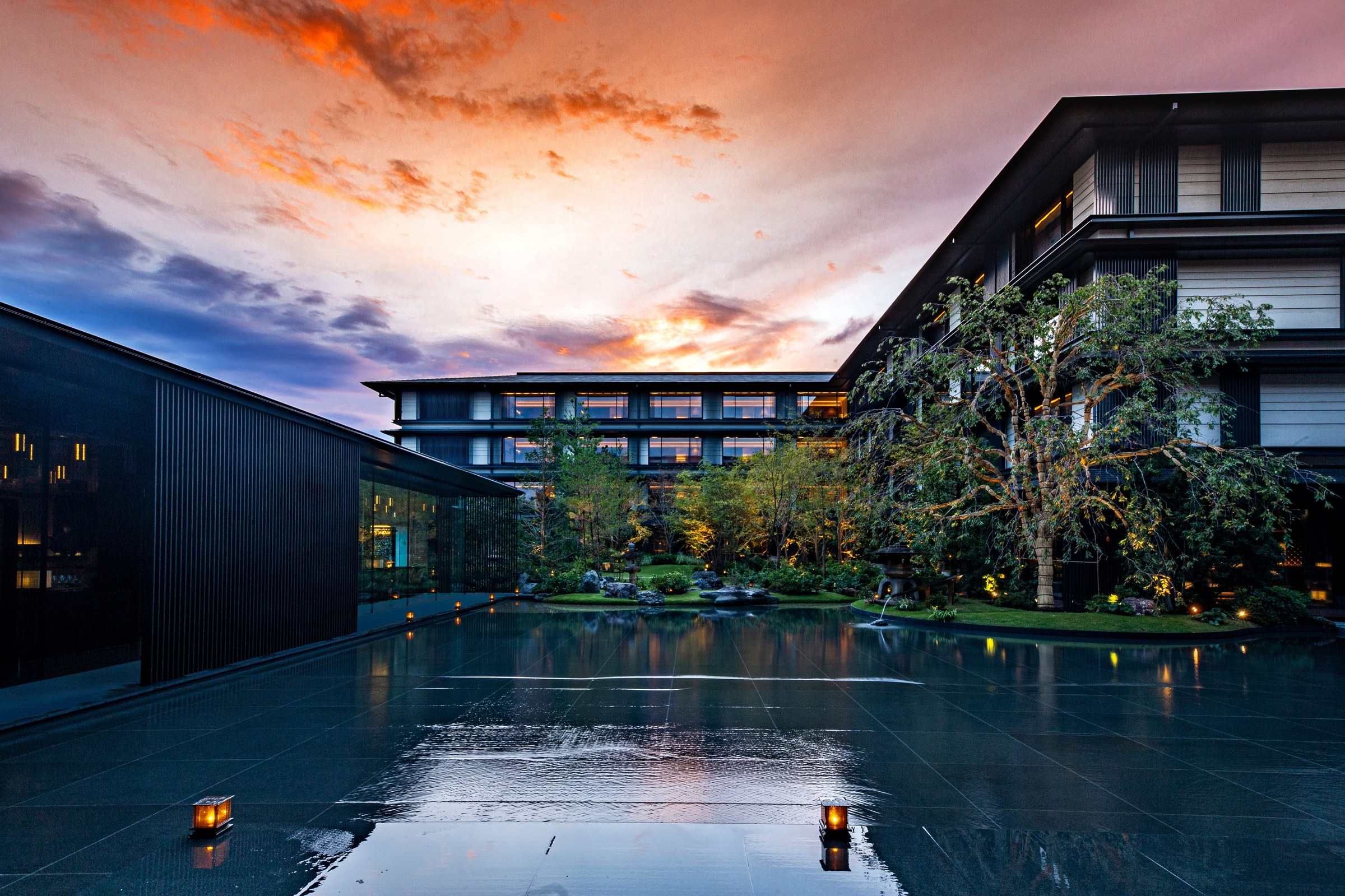
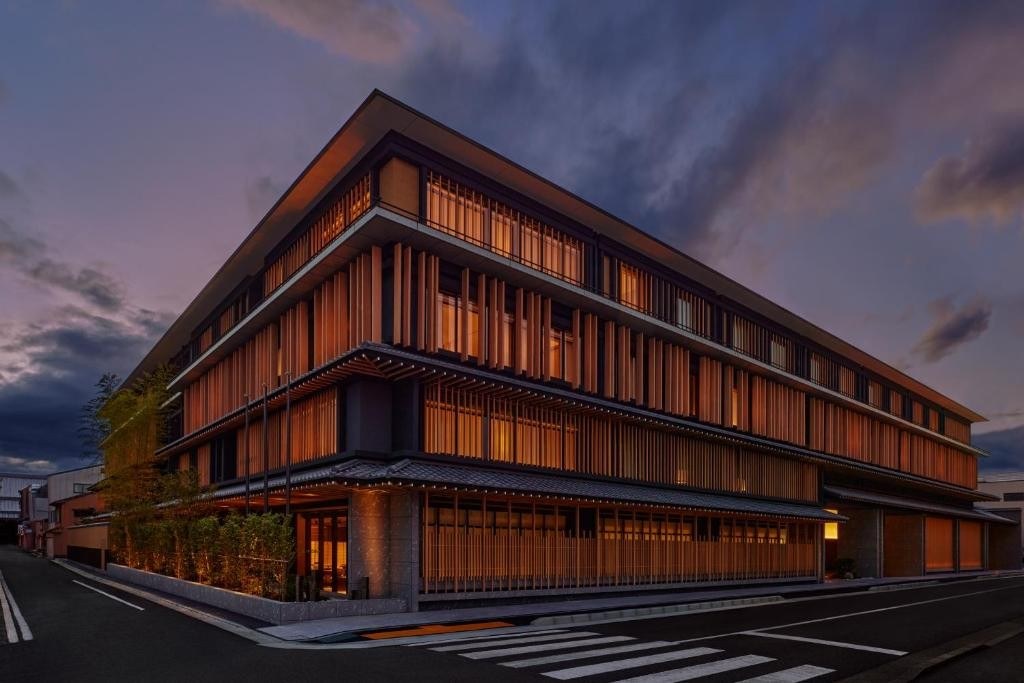
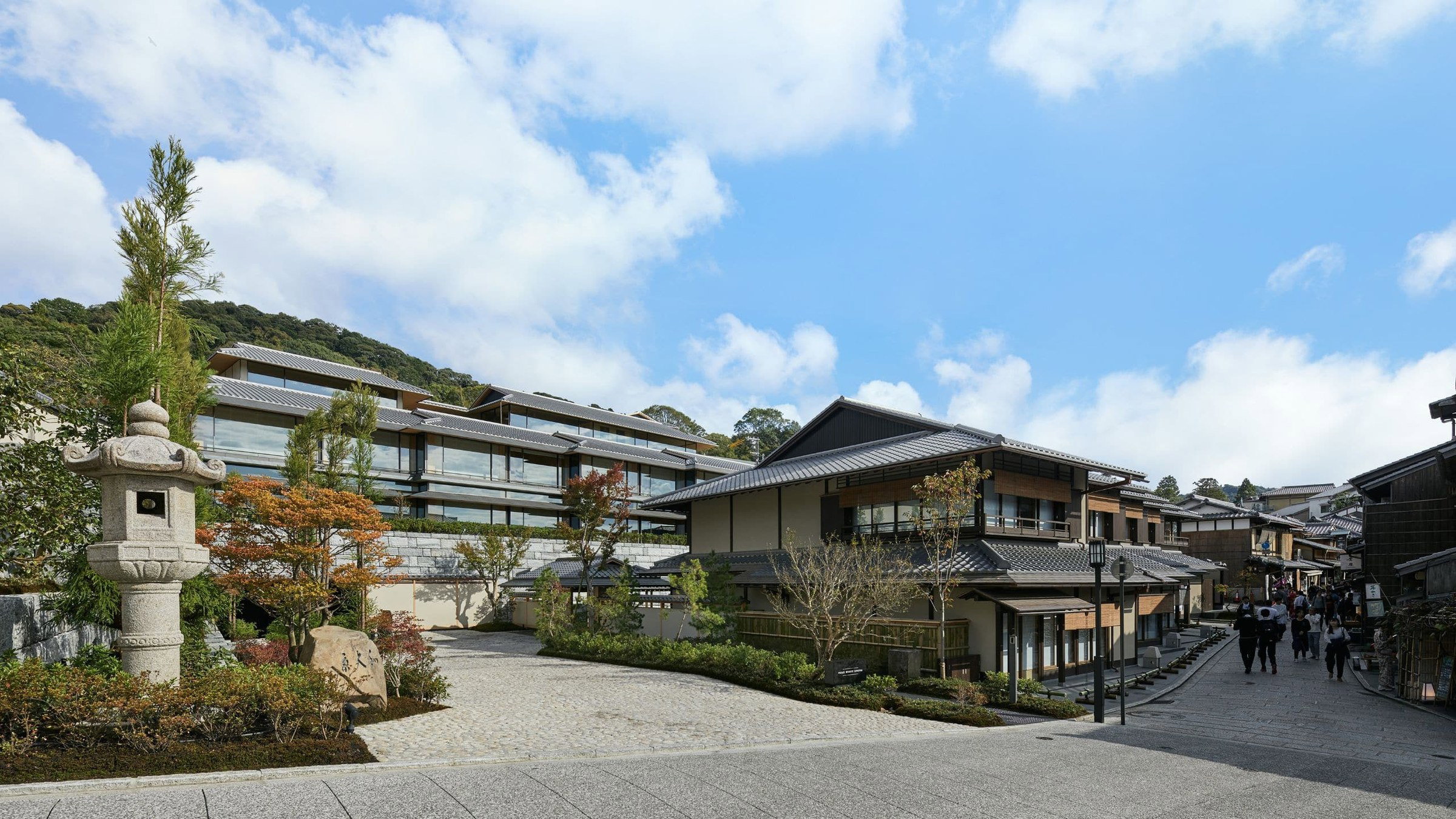
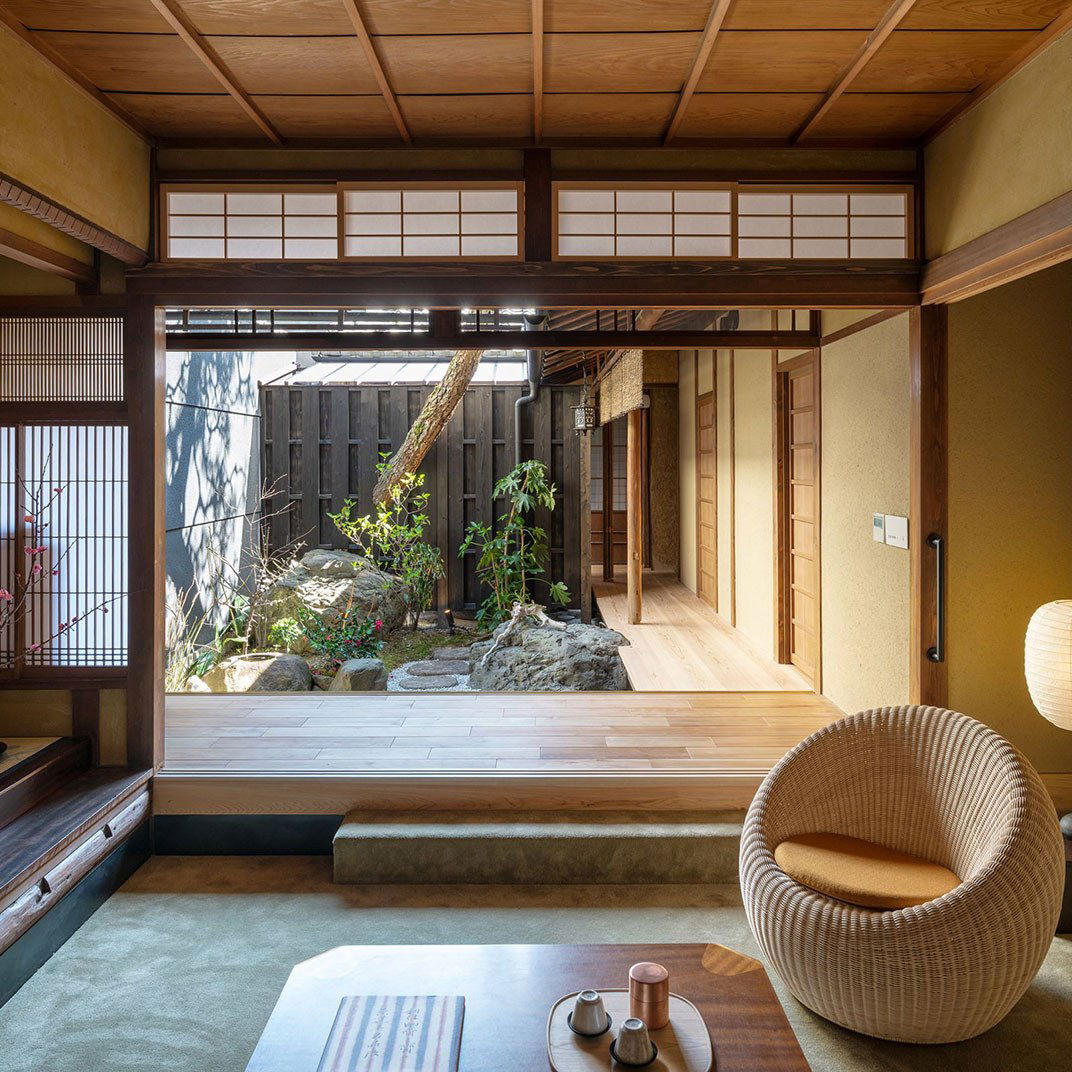
Nazuna Kyoto Gosho foregrounds the slow, spatial logic of the traditional machiya and translates it into a quietly sophisticated stay. The property sits in a residential stretch of Nakagyo, where narrow timber‑framed merchant townhouses and small temples create a measured urban rhythm. Inside, compressed entry corridors and low lintels deliberately slow a guest’s pace so the courtyard garden arrives as a genuine release. The result is a refined, historic character that feels both intimate and composed: a stay that privileges stillness, careful materiality and an architectural sense of restraint over flashy spectacle.
Best For
This hotel suits travellers who favour a quieter, more local side of Kyoto — couples seeking an intimate escape and visitors who want proximity to the Imperial Palace park without the bustle of main tourist strips. The machiya format and courtyard garden make it particularly appealing for guests who appreciate traditional architecture, deliberate pacing and a domestic neighbourhood atmosphere. Nazuna Kyoto Gosho also resonates with those who value curated, high‑quality lodging over big‑scale resort programming: it appeals to travellers looking to slow down and experience the city from a residential register.
Stay Tips
Approach with an expectation of understatement: the property’s street presence on Hanatatecho is quiet and low-key, and the machiya typology favours narrow, understated entrances. Allow time for the building’s sequence — compressed entry corridors and low lintels intentionally slow movement so the inner garden can function as release. The hotel’s MICHELIN Selected recognition signals elevated execution rather than overt spectacle, so travellers should plan to experience the place at a measured pace and treat arrival as the start of that deliberate, architecture‑led stay.
Venue details
Ambiance
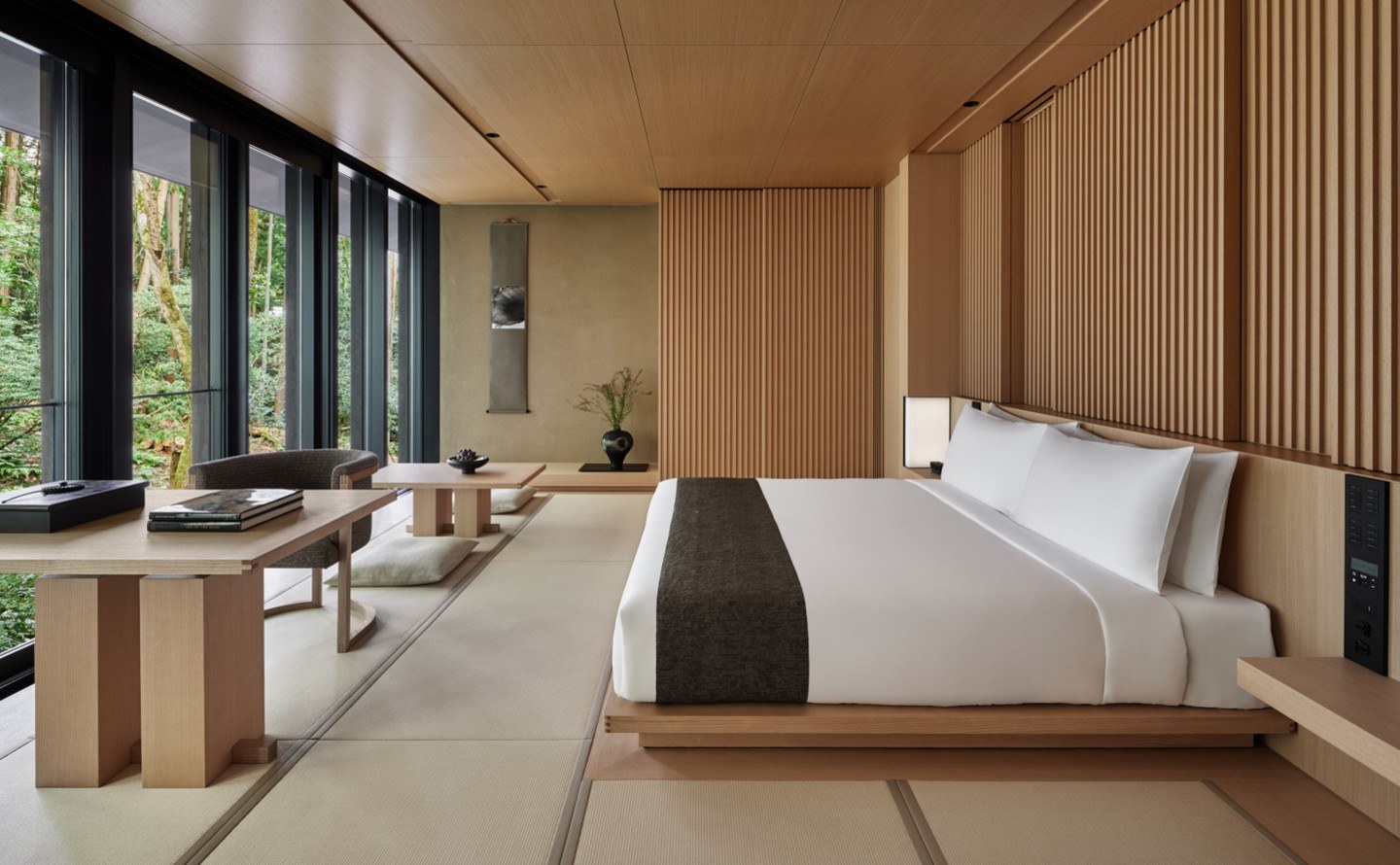
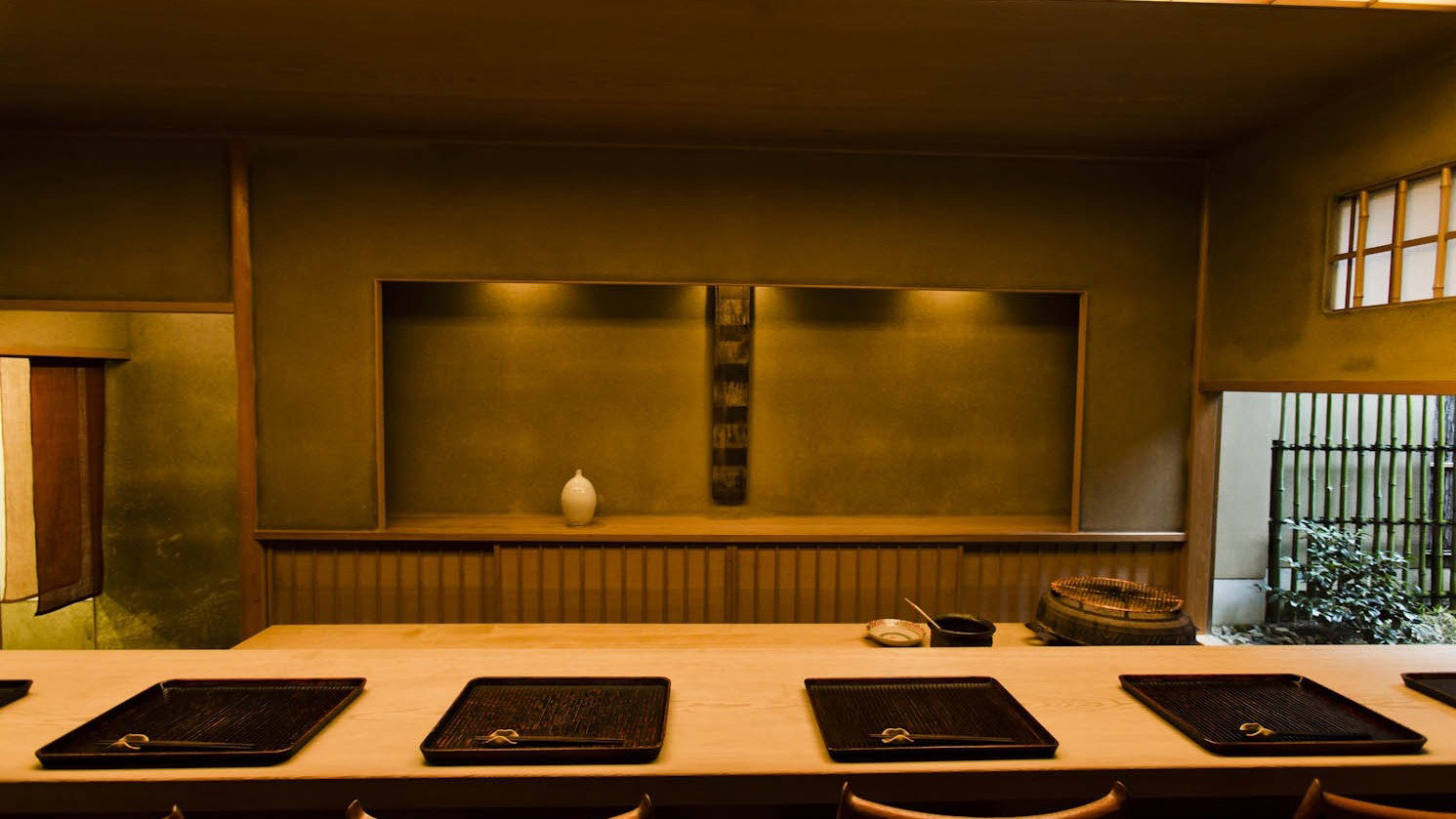
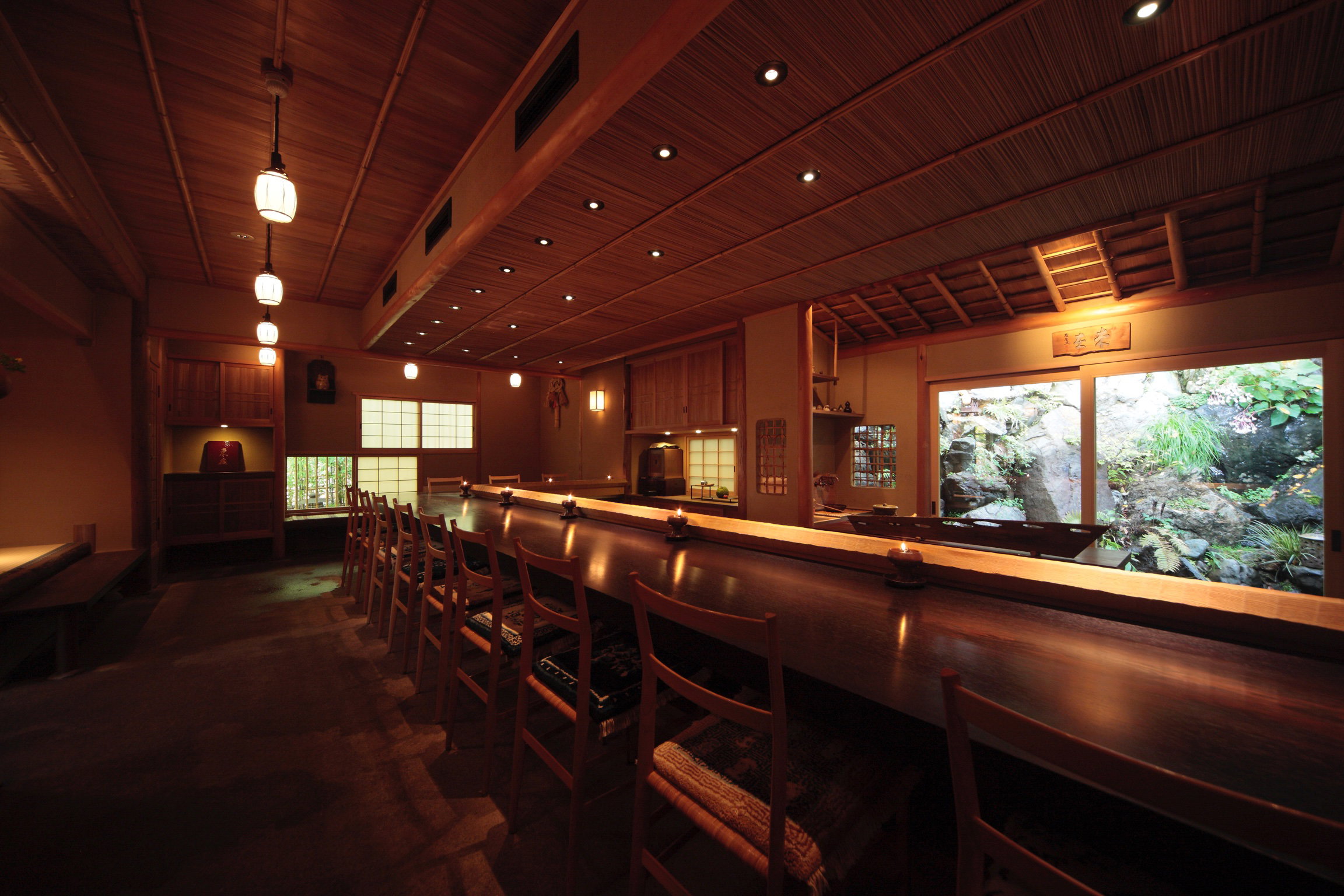
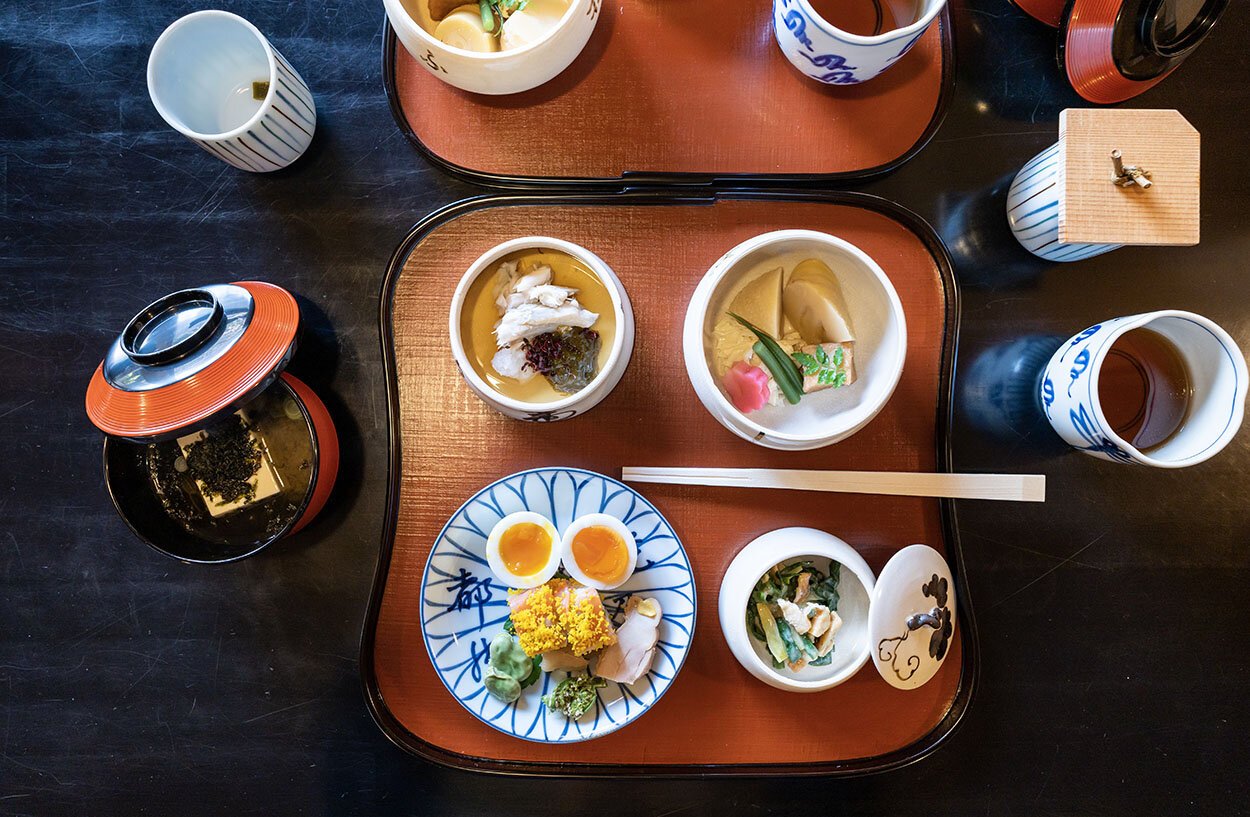
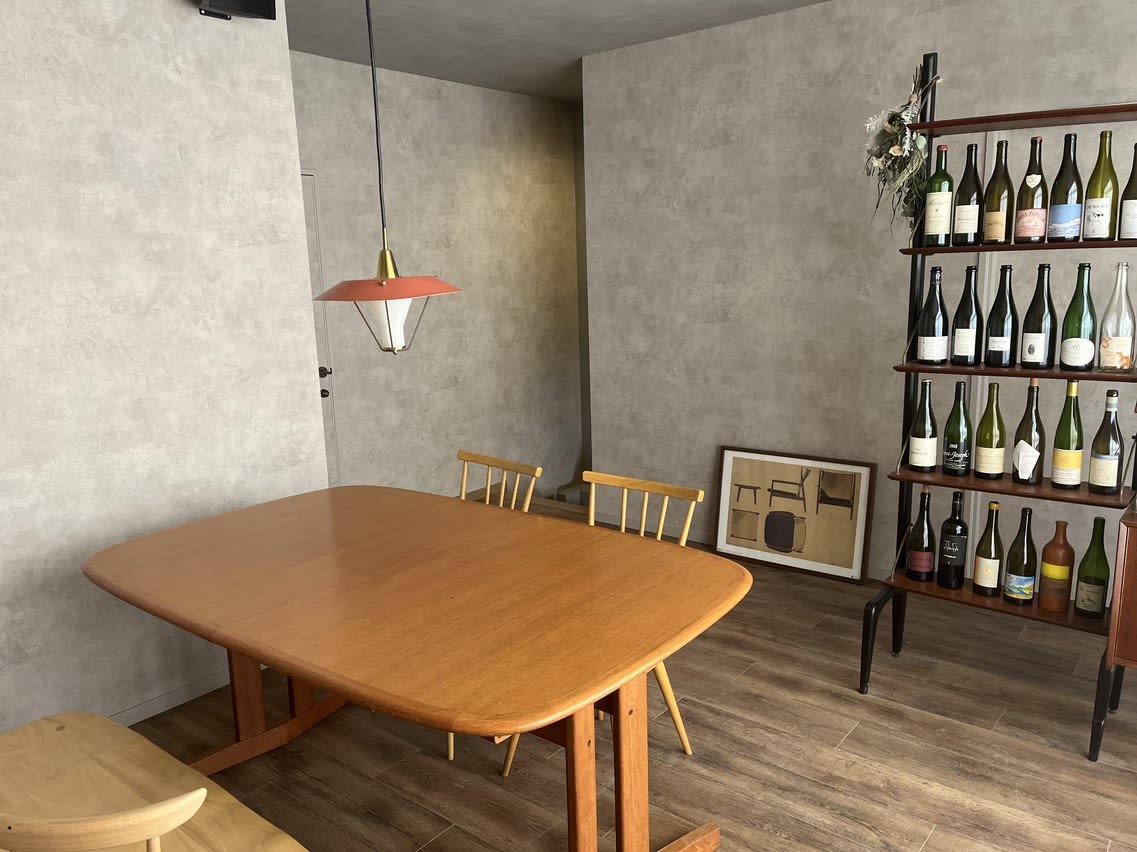
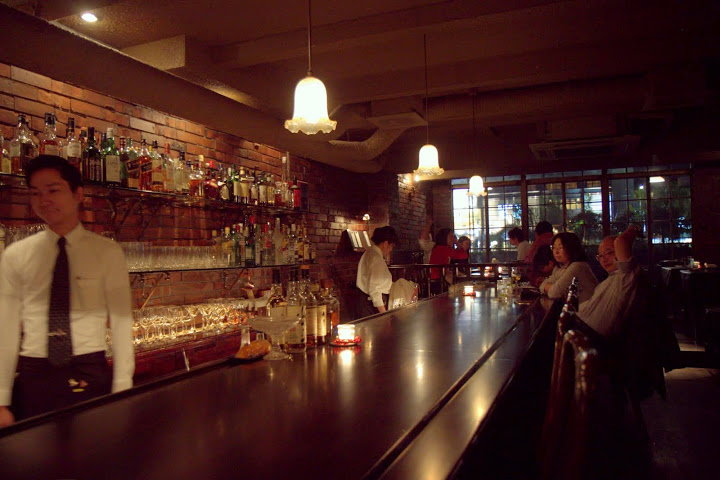
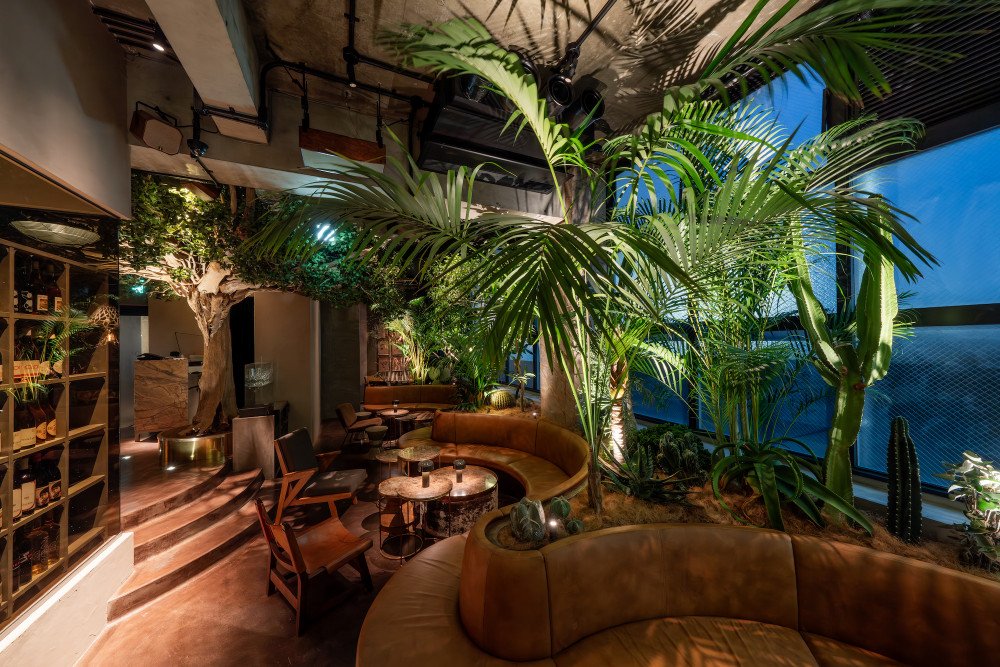
Serene and refined with preserved warehouse ceilings, wabi-sabi aesthetics, artfully placed traditional furnishings, and intimate lighting that creates a peaceful, meditative atmosphere.
Tags
Vibe
Best For
Experience
Amenities
View
About the Stay
- Rooms
- 7
- Check-in
- 15:00
- Check-out
- 11:00
- Property Style
- Modern Luxury Ryokan Preserving Traditional Kyoto Architectural Heritage with Contemporary Amenities and Refined Hospitality.
- Design Style
- Wabi Sabi Aesthetic with Traditional Mud Walls, Preserved Warehouse Elements, Japanese Gardens, and a Blend of Rustic and Minimalist Modern Design.
Know before you go
Know Before You Go
- Getting there
- 255-1 Hanatatecho, Nakagyo Ward, Kyoto, 604-0003, Japan
Planning details
Location
255-1 Hanatatecho, Nakagyo Ward, Kyoto, 604-0003, Japan · Directions
Recognition and awards
Also consider
Where to look if this is not the right fit
For a more conventional luxury stay with deeper service support, choose HOTEL THE MITSUI KYOTO. For families, longer stays, or colleagues sharing rooms, Mimaru Suites Kyoto Central is the more practical call.
Hotel context
How it compares in Kyoto
Choose Nazuna Kyoto Gosho over Noku Kyoto if the stay needs to feel more intimate and occasion-led. Noku Kyoto is the simpler central pick for travelers who want an easier hotel decision, while Nazuna Kyoto Gosho makes more sense when the room and atmosphere matter as much as the location.
HOTEL THE MITSUI KYOTO is the safer splurge for travelers who want full luxury-hotel infrastructure and broader service depth. Nazuna Kyoto Gosho is the quieter alternative for guests who prefer privacy over scale. Mimaru Suites Kyoto Central is the more practical value call for families, longer stays, or colleagues sharing space.
For design-focused stays, compare closely with MOGANA and THE HIRAMATSU Kyoto. MOGANA is the sharper design-led cross-shop, while THE HIRAMATSU Kyoto is the stronger choice when a polished occasion stay is the priority. Nazuna Kyoto Gosho sits between those lanes: more personal than a standard business hotel, less infrastructure-heavy than Kyoto's larger luxury addresses.
Explore Kyoto
Around this place
Discover more on Pearl
Unlock the full Nazuna Kyoto Gosho guide in Pearl, including awards, comparisons, FAQs, planning details, and nearby places.
Compare Nazuna Kyoto Gosho
| Venue | Location | Awards |
|---|---|---|
| Nazuna Kyoto Gosho | Kyoto | 2025 Michelin Selected Hotels |
| Noku Kyoto | Kyoto | No published awards |
| HOTEL THE MITSUI KYOTO | Kyoto | 2026 World’s 50 Best Hotels 51-100 · #792026 Forbes 5-Star2026 Virtuoso Luxury Hotel Collection2026 La Liste Top Hotels2025 World’s 50 Best Hotels · #462024 Michelin 3 Keys |
| Mimaru Suites Kyoto Central | Kyoto | No published awards |
| MOGANA | Kyoto | No published awards |
| THE HIRAMATSU Kyoto | Kyoto | No published awards |





How Nazuna Kyoto Gosho compares with similar nearby venues.
FAQ
Frequently Asked Questions
Which room category is best at Nazuna Kyoto Gosho?
Choose only after checking the current room descriptions directly with Nazuna Kyoto Gosho. The property is in Kyoto, the dress code is smart casual, and it has MICHELIN Guide, Hotels Selected (2025) recognition.
What is check-in like at Nazuna Kyoto Gosho?
Is Nazuna Kyoto Gosho good for business travel?
It can be considered for a Kyoto business trip, but only after confirming the services you need directly with the hotel. The property is in Kyoto, the dress code is smart casual, and it has MICHELIN Guide, Hotels Selected (2025) recognition.
When is the best time to book Nazuna Kyoto Gosho?
Book when the available room and policies fit your Kyoto plans. Check current availability directly and compare with options such as Mimaru Suites Kyoto Central if your stay requires particular layouts or longer-stay practicality.
Do loyalty programs work at Nazuna Kyoto Gosho?
If points, status benefits, or brand-program perks matter, confirm directly with Nazuna Kyoto Gosho and compare with hotels such as HOTEL THE MITSUI KYOTO before booking.