
MUNI KYOTO by Onko Chishin
Ukyō, Kyoto
Hotel in Kyoto, Japan
 Book with Pearl
The Read
European Modernism, Arashiyama Address
Why go
A strong pick if a quiet Arashiyama base matters more than downtown convenience. MUNI KYOTO by Onko Chishin suits first-time Kyoto travelers who want a composed luxury stay with Michelin 1 Key recognition, but suite upgrades only make sense if the room is a major part of the trip.
About MUNI KYOTO by Onko Chishin
MUNI KYOTO by Onko Chishin is a Kyoto hotel recognized with a Michelin 1 Key for 2024. Use that recognition as the main quality signal, and confirm practical needs directly before booking. The dress code is smart casual, which is useful for planning the tone of a stay.
Choose this for a Michelin-recognized Kyoto stay
The strongest reason to shortlist MUNI KYOTO by Onko Chishin is its Michelin 1 Key recognition. Before booking, confirm the facilities, service format, room categories, dining, spa amenities, and neighborhood fit that matter most to your trip.
If the itinerary is restaurant-heavy, use Our full Kyoto restaurants guide and check travel logistics before committing to any hotel. For this property, the practical move is to confirm the details that matter most to your trip directly with the hotel or booking channel.
Suite upgrade logic: confirm room details before paying more
The clean advice is not to chase an upgrade by default. A higher category may be worthwhile if the room itself is central to the trip, but that should be based on confirmed inclusions rather than assumptions.
Cross-shopping can still help. Consider MUNI KYOTO by Onko Chishin alongside Aman Kyoto, Hoshinoya Kyoto, Hotel Utano Kyoto Bessho, ROKU KYOTO, LXR Hotels & Resorts, and Suiran, a Luxury Collection Hotel, Kyoto if you are comparing premium Kyoto stays. Use each hotel's current official details to judge location, facilities, booking terms, and value.
Booking should be handled early for high-demand Kyoto dates. Use Our full Kyoto hotels guide to compare options, then confirm the terms and inclusions before committing.
Quick reference: shortlist MUNI KYOTO by Onko Chishin for a Michelin 1 Key Kyoto hotel with a smart casual dress code; confirm room, facility, and booking details directly before paying for an upgrade.
Inside MUNI KYOTO by Onko Chishin
Planning details
- Location
- 3 Sagatenryūji Susukinobabachō, Ukyo Ward, Kyoto, 616-8385
- Website
- munihotels.com
- Phone
- +81 75-863-1110
The take
The Take
The Vibe
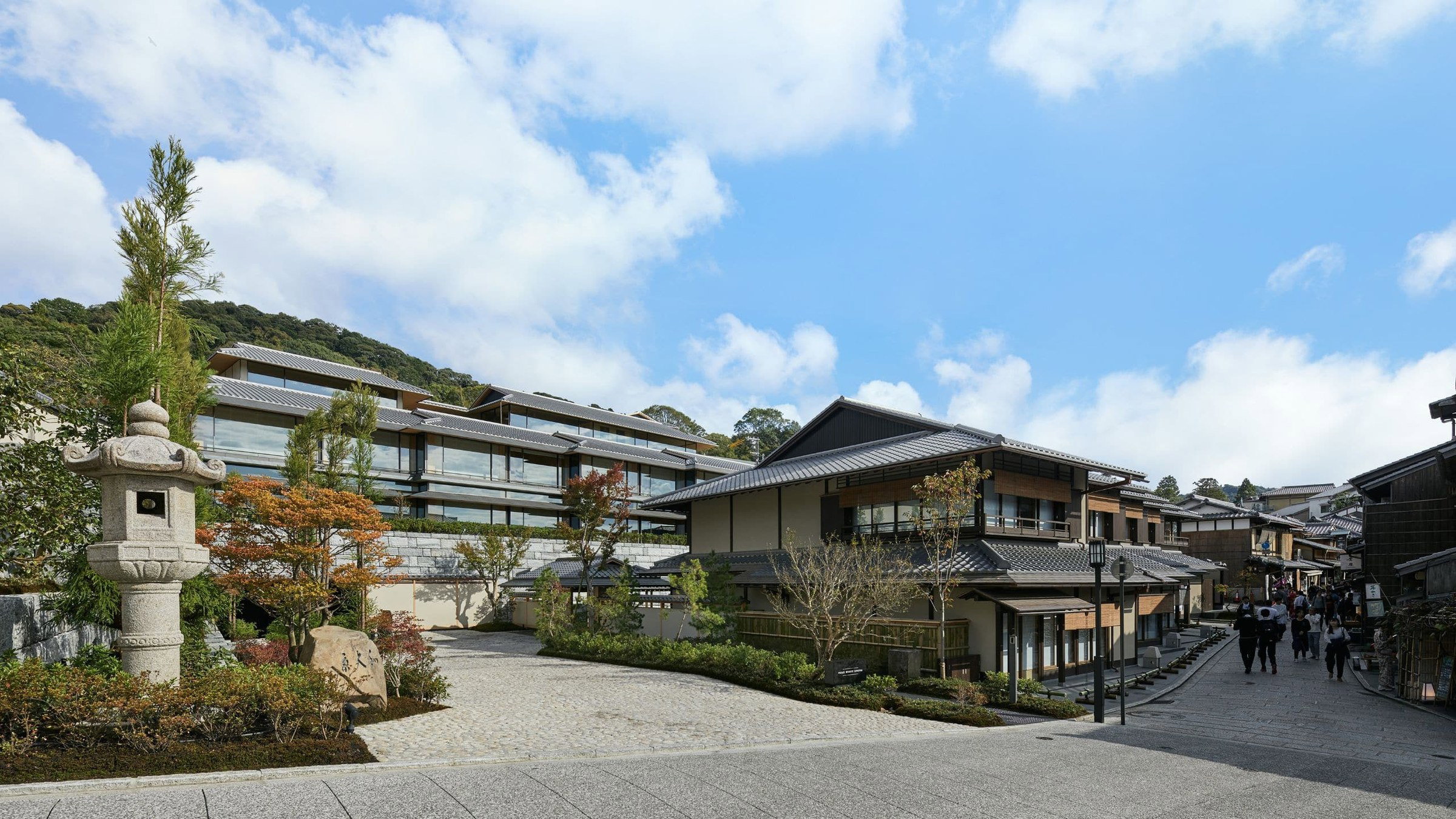
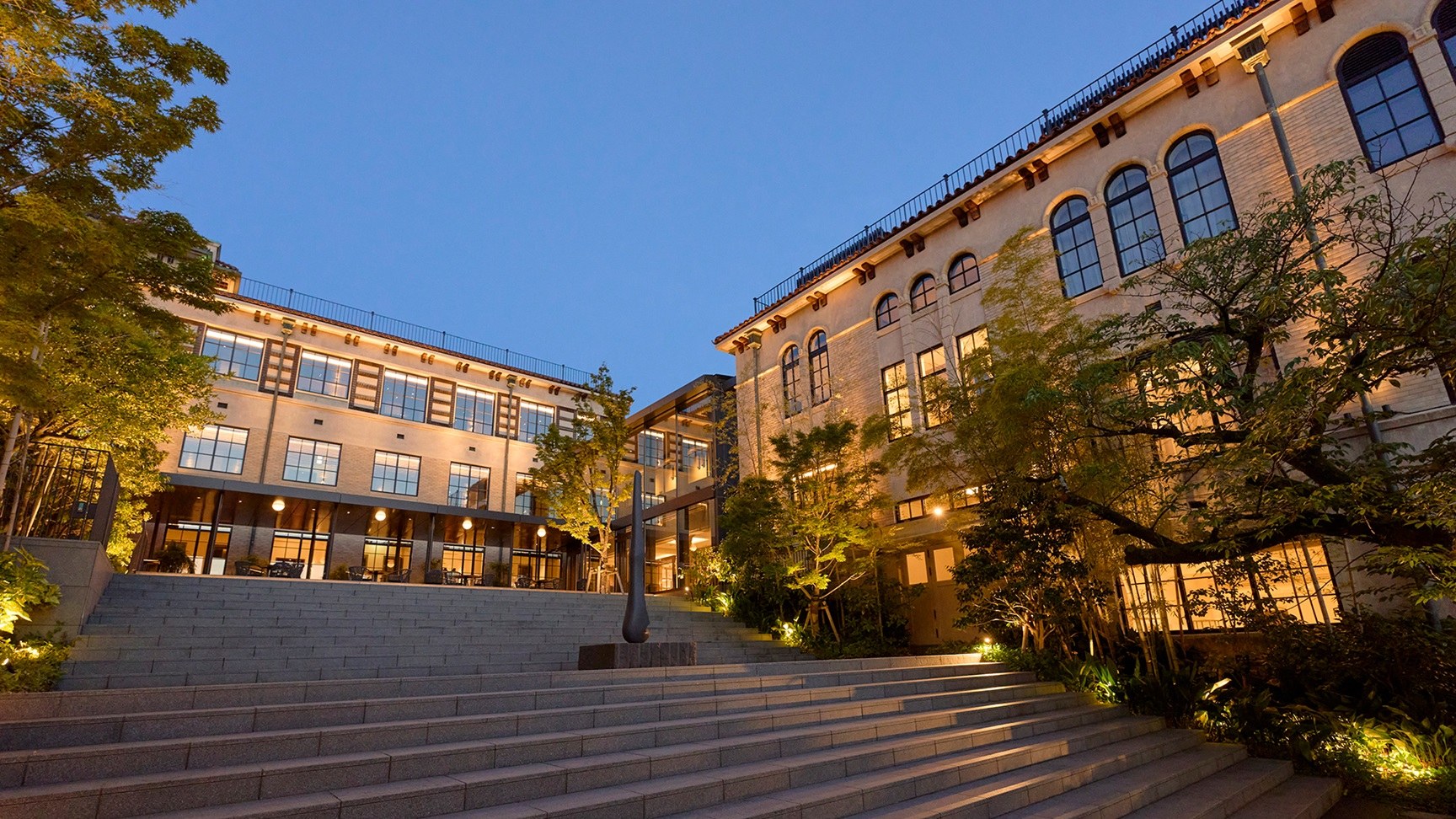
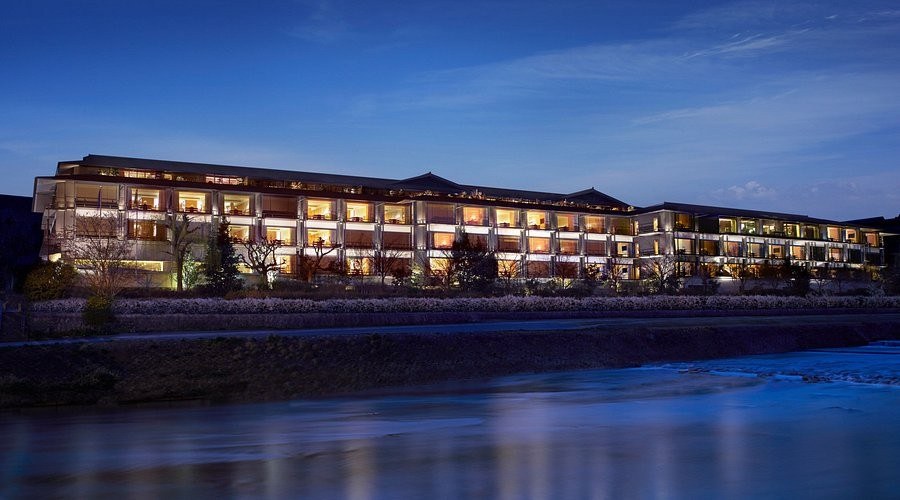
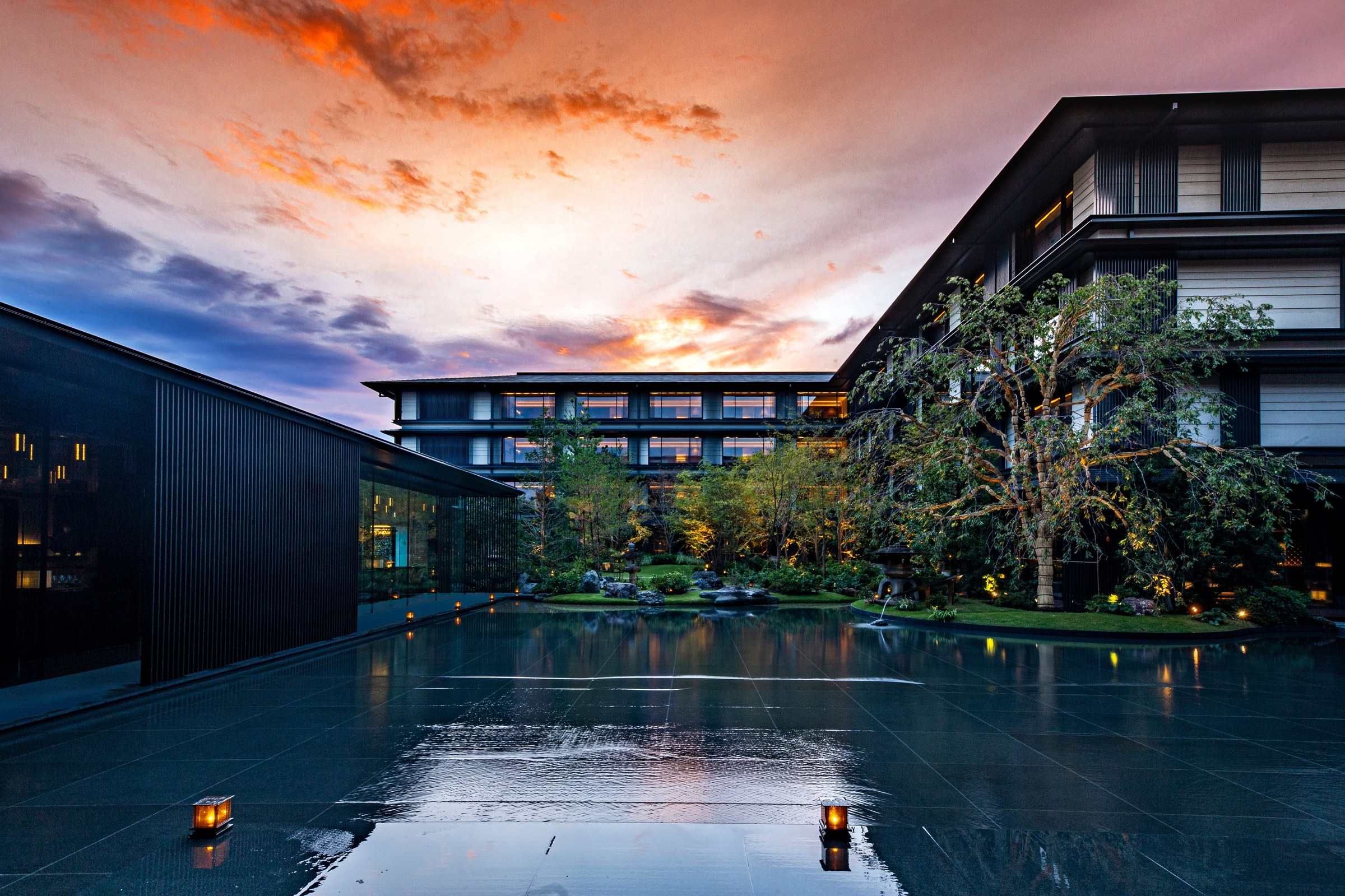
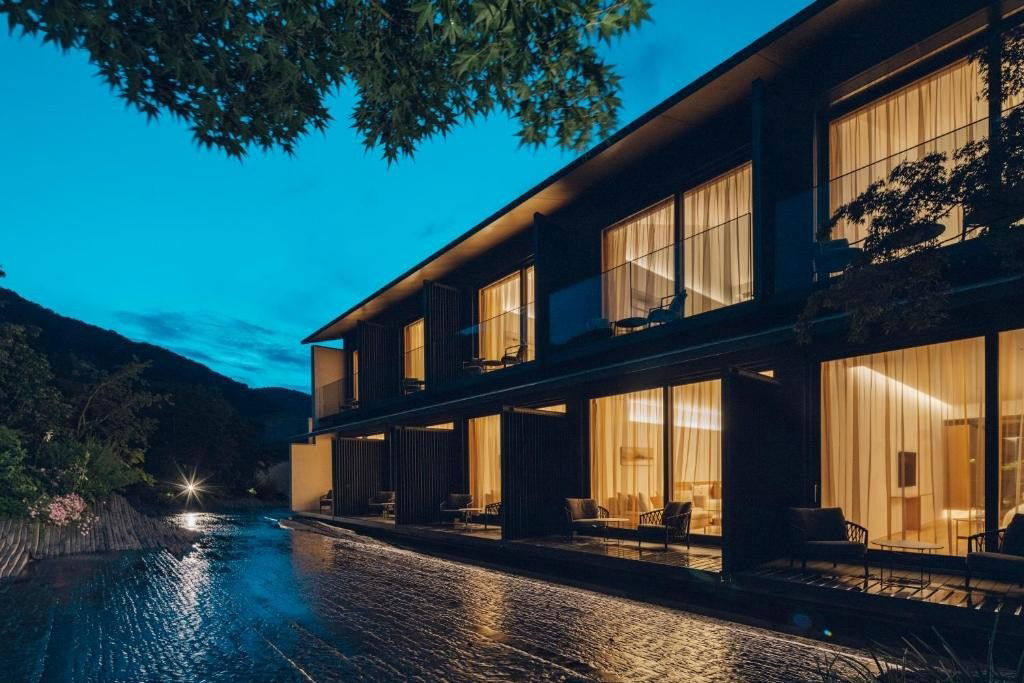
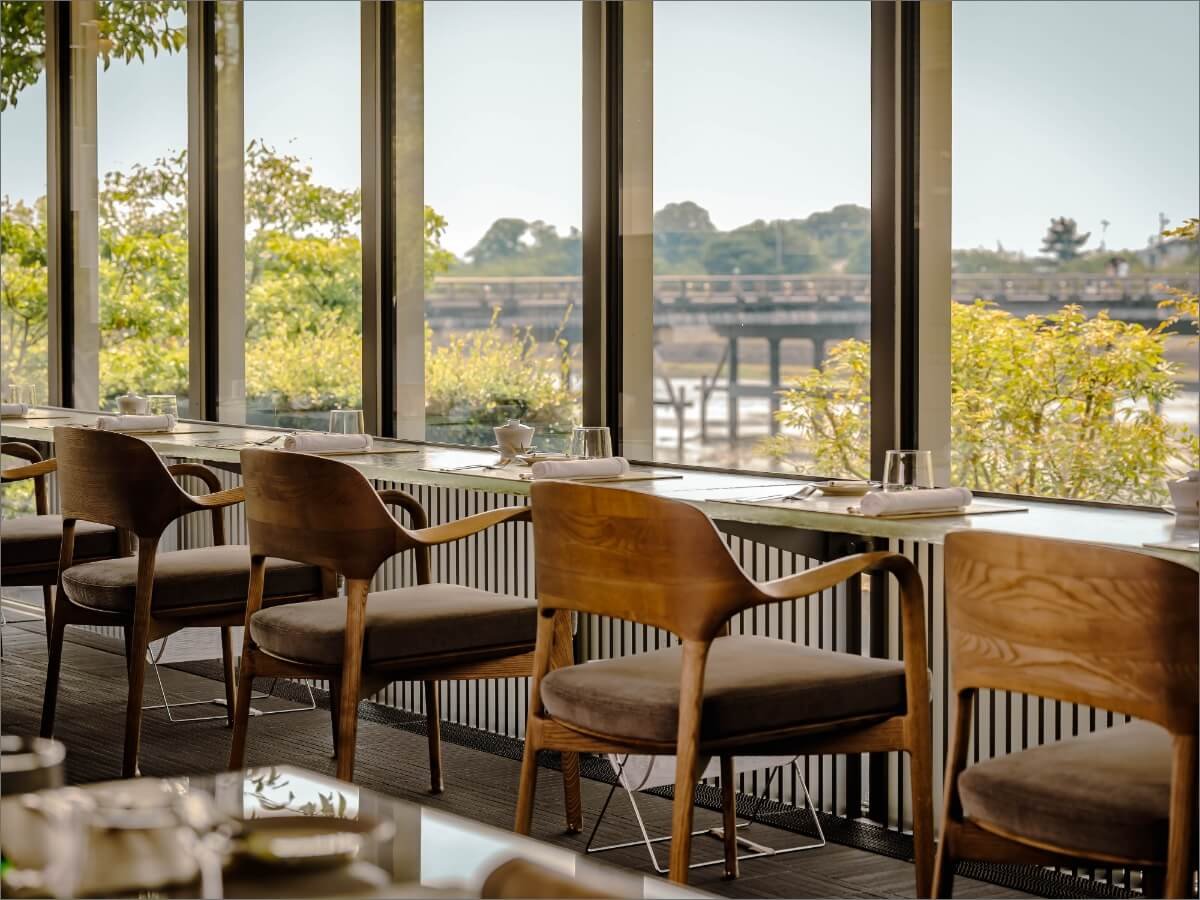
MUNI KYOTO presents itself as a quietly confident boutique hotel that leans on place more than period detail. It situates a contemporary, pared-back design against the Ōi River and the Arashiyama ridgeline, and the result is intimate rather than theatrical: just 21 rooms, carefully restrained finishes and an emphasis on stillness. The property reads as modern and minimal while feeling discreetly luxurious, privileging silence and proximity to nature over large-scale pomp. Guests encounter a refined retreat that feels intentionally small and private, where the landscape carries much of the emotional weight.
Best For
This is a stay for travelers who prize tranquility and a strong sense of place. Couples on romantic getaways, honeymooners and travelers marking anniversaries find the scale and setting especially well suited to private moments. The hotel also appeals to anyone seeking a low-key wellness or restorative break away from central Kyoto’s crowds: the forty-minute rail gap from the city corresponds to a noticeable drop in ambient noise and congestion, which is central to the property's appeal. With only 21 rooms, it favors guests who value intimacy and a quieter pace.
Stay Tips
Book early and be mindful of the hotel's small size: with just 21 rooms the property fills quicker than larger city hotels, especially during peak seasons in Arashiyama. If proximity to the river or views of the wooded ridgeline matter to you, request a room that faces the Ōi River or the mountains when reserving. Factor in travel time—the district sits roughly forty minutes from central Kyoto by public transport—so plan arrival logistics accordingly and allow extra time if you are connecting from the city center.
Venue details
Ambiance
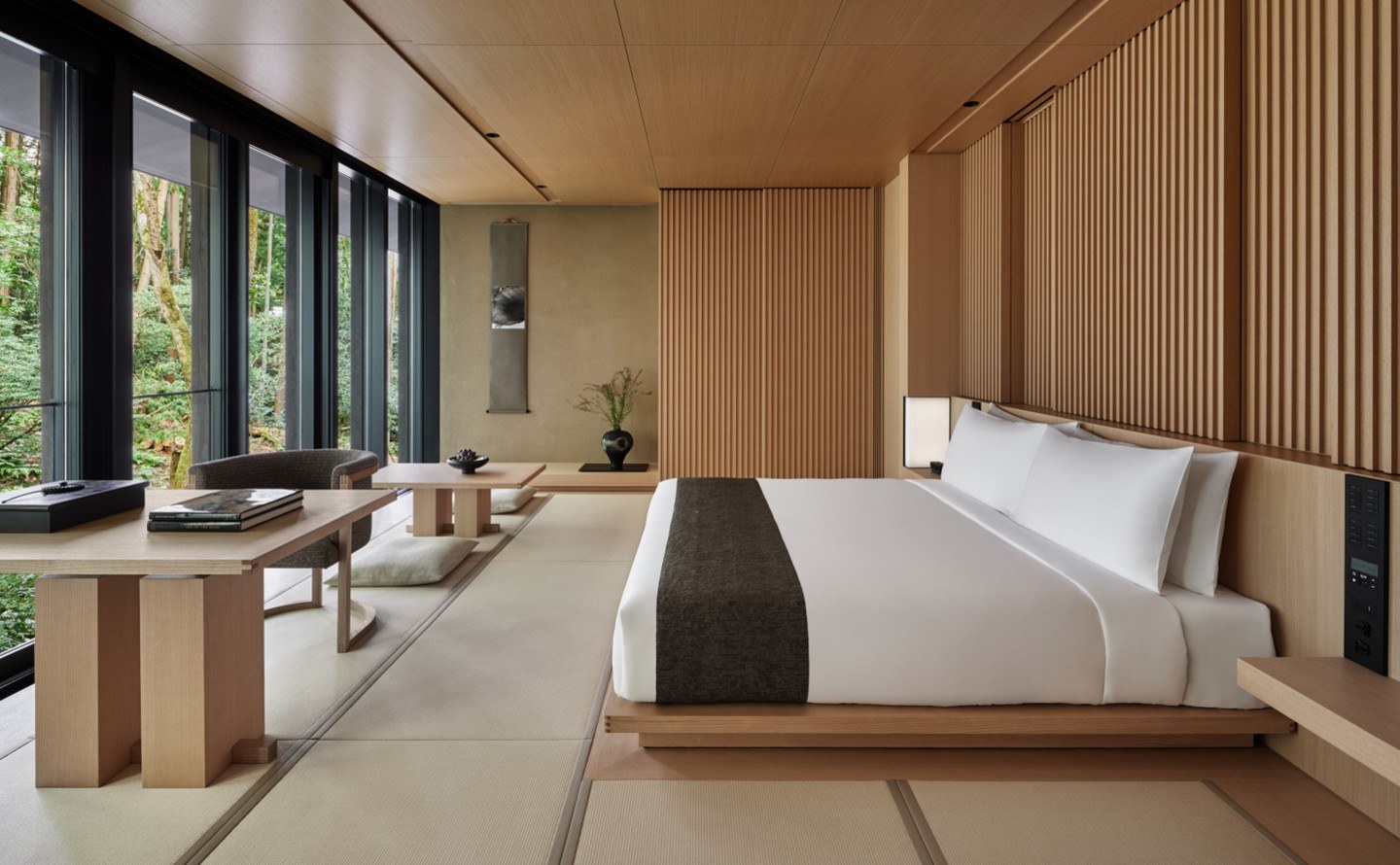
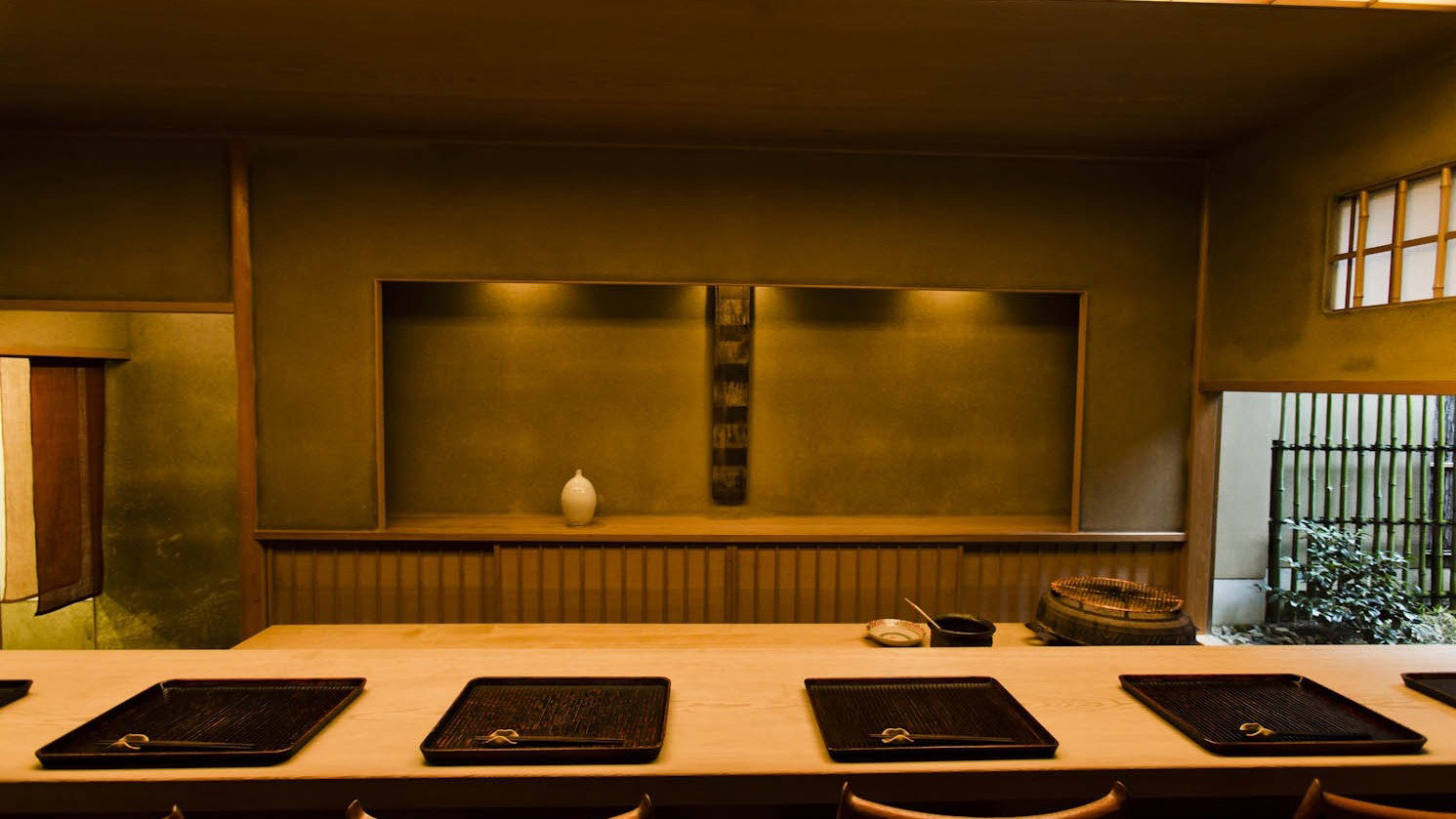
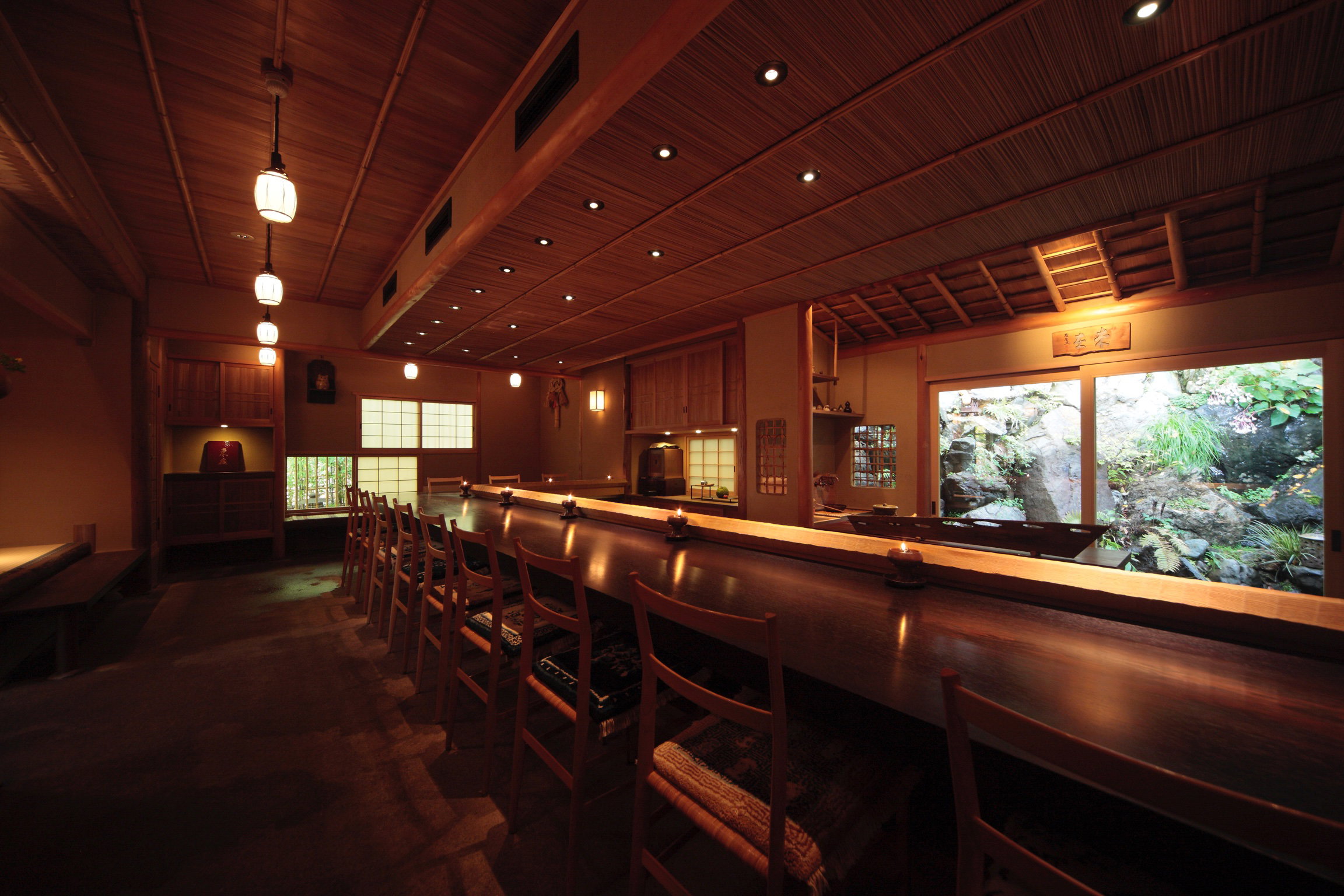
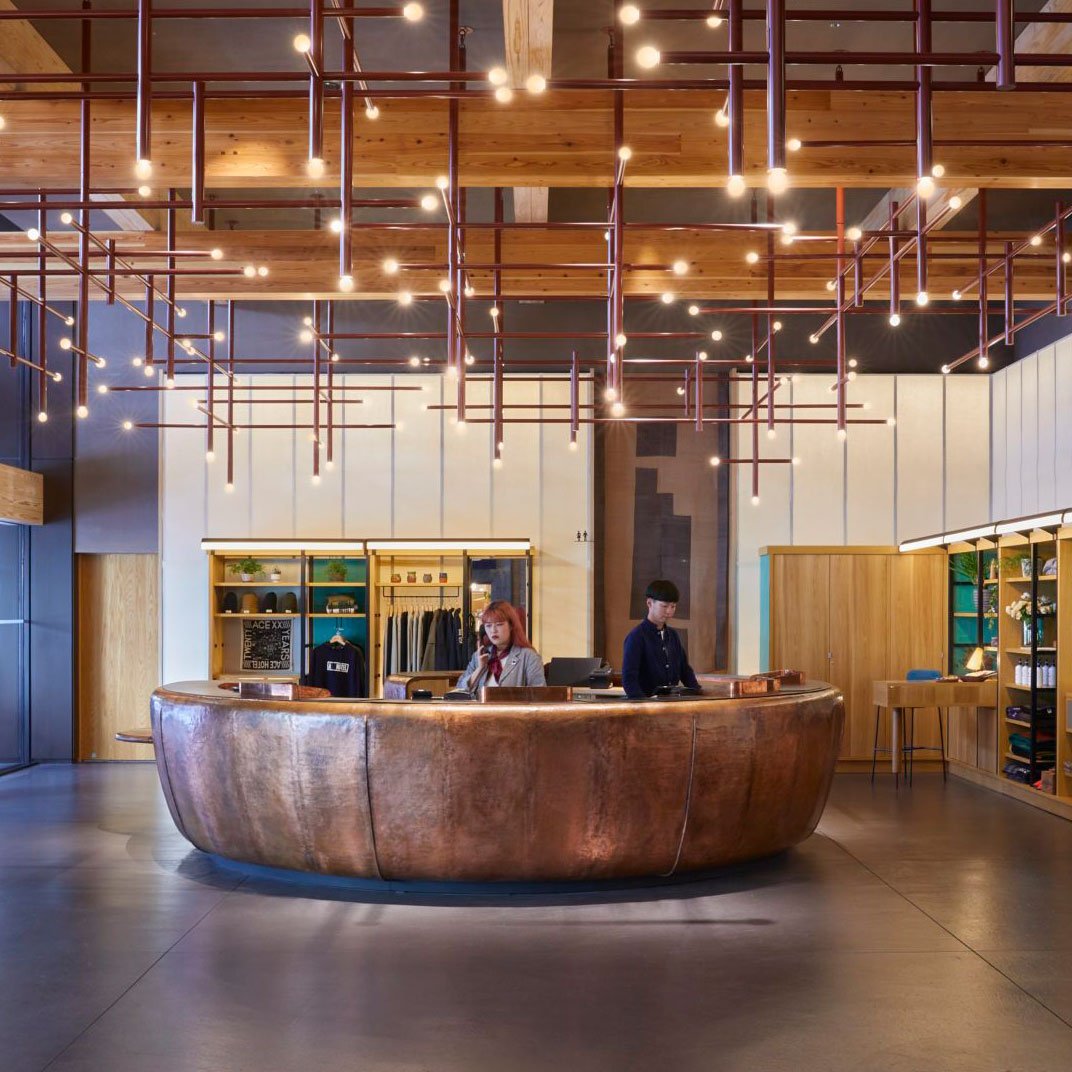
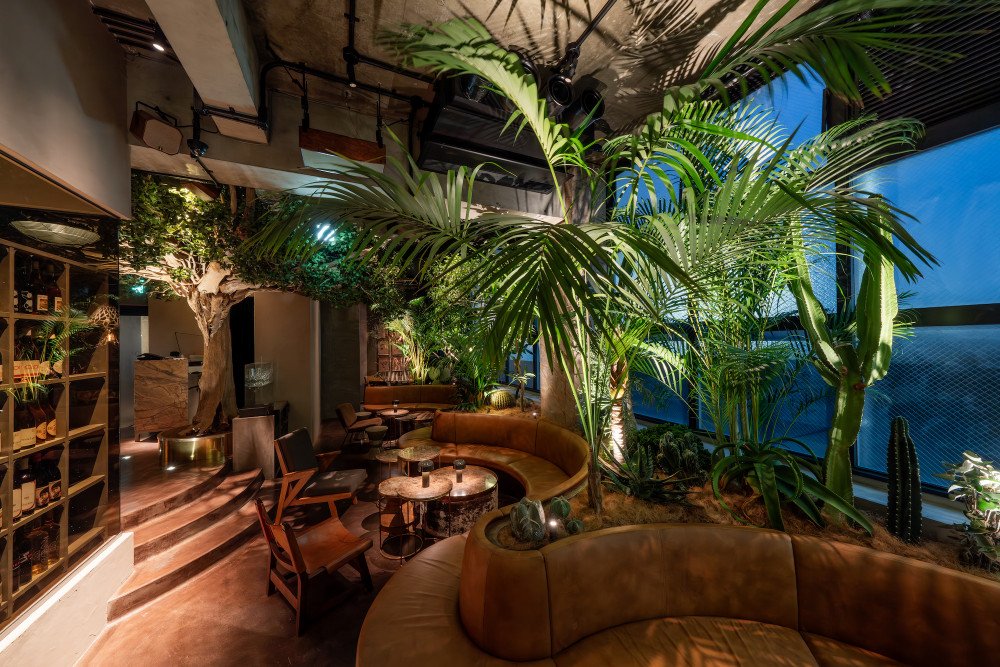
Tranquil and relaxing atmosphere with natural materials like stone and wood, high ceilings, and river sounds from balconies, enhanced by soft lighting and spa-like serenity.
Tags
Vibe
Best For
Experience
Amenities
View
Accessibility
About the Stay
- Rooms
- 21
- Check-in
- 15:00
- Check-out
- 12:00
- Property Type
- Boutique hotel
- Property Style
- Contemporary Luxury Riverside Retreat Blending Japanese Tranquility with Modern Design
- Design Style
- Minimalist with Natural Stone, Wood, High Ceilings, and Artist Crafted Tree Surface Art
- Spa
- Yes
- Cancellation
- Moderate
Know before you go
Know Before You Go
- Getting there
- 3 Sagatenryūji Susukinobabachō, Ukyo Ward, Kyoto, 616-8385
Planning details
Location
3 Sagatenryūji Susukinobabachō, Ukyo Ward, Kyoto, 616-8385 · Directions
Recognition and awards
Also consider
Where to look if this is full
Try Suiran, a Luxury Collection Hotel, Kyoto first if Arashiyama is non-negotiable and brand familiarity matters. Choose ROKU KYOTO, LXR Hotels & Resorts if a resort-style stay is more important than being close to the Arashiyama rhythm.
Hotel context
How it compares in Kyoto
MUNI KYOTO by Onko Chishin is the better choice for travelers who want Arashiyama calm without committing to the more retreat-like feel of Hoshinoya Kyoto. If the trip is built around quiet mornings and a slower west-Kyoto rhythm, keep MUNI high on the list. If the hotel should feel like a full escape from the city, Hoshinoya is the sharper comparison.
Suiran, a Luxury Collection Hotel, Kyoto is the closest practical cross-shop for travelers who want Arashiyama with a bigger international-luxury frame. MUNI is the cleaner choice for a more restrained, design-led stay; Suiran is easier to justify for guests who value major-brand familiarity. Hotel Utano Kyoto Bessho is the value check: consider it when price discipline matters more than Michelin-recognized positioning.
Aman Kyoto and ROKU KYOTO, LXR Hotels & Resorts are better for guests who want the hotel to be the main event. MUNI is more compelling when the plan is Kyoto-first, hotel-second, with a quiet room to return to after temples, gardens, and daytime sightseeing.
Explore Kyoto
Around this place
Discover more on Pearl
Unlock the full MUNI KYOTO by Onko Chishin guide in Pearl, including awards, comparisons, FAQs, planning details, and nearby places.
Compare MUNI KYOTO by Onko Chishin
| Venue | Location | Awards |
|---|---|---|
| MUNI KYOTO by Onko Chishin | Kyoto | 2026 Michelin Guide New HotelsMichelin 1 Key 20252025 Michelin 1 Key2024 Michelin 1 Key |
| Hoshinoya Kyoto | Kyoto | 2026 Michelin 1 Key2025 Robb Report The 50 Greatest Luxury Hotels on Earth · #33Tatler Best Hotels Asia-Pacific 2025Michelin 1 Key 20252025 Michelin 1 Key |
| Suiran, a Luxury Collection Hotel, Kyoto | Kyoto | 2026 Forbes 4-Star2026 La Liste Top Hotels2026 Michelin 1 KeyMichelin 1 Key 20252025 Michelin 1 Key2025 Forbes 4-Star2024 Michelin 1 Key |
| Hotel Utano Kyoto Bessho | Kyoto | No published awards |
| Aman Kyoto | Kyoto | 2026 Virtuoso Luxury Hotel Collection2026 La Liste Top Hotels2026 Michelin 2 Keys2025 World’s 50 Best Hotels · #74World Travel Awards 2025Michelin 2 Keys 20252025 Michelin 2 Keys2025 Conde Nast Hotels Gold List2024 Michelin 2 Keys |
| ROKU KYOTO, LXR Hotels & Resorts | Kyoto | 2026 Forbes 5-Star2026 La Liste Top Hotels2026 Michelin 1 Key2025 Michelin 1 Key2024 Michelin 1 Key |











How MUNI KYOTO by Onko Chishin compares with similar nearby venues.
FAQ
Frequently Asked Questions
How is the location of MUNI KYOTO by Onko Chishin?
Which room category is best at MUNI KYOTO by Onko Chishin?
Choose based on the current room descriptions, inclusions, and cancellation terms shown by the hotel or booking channel, rather than assuming a particular upgrade is best.
How is the pool and spa at MUNI KYOTO by Onko Chishin?
How does MUNI KYOTO by Onko Chishin compare to nearby hotels?
MUNI KYOTO by Onko Chishin has Michelin 1 Key recognition for 2024. If you are comparing premium Kyoto stays, also look at Aman Kyoto, Hoshinoya Kyoto, Hotel Utano Kyoto Bessho, ROKU KYOTO, LXR Hotels & Resorts, and Suiran, a Luxury Collection Hotel, Kyoto, then compare current rates, location, facilities, and booking terms.
Do loyalty programs work at MUNI KYOTO by Onko Chishin?
What is check-in like at MUNI KYOTO by Onko Chishin?
Confirm arrival time, luggage handling, and any advance requirements with the hotel before travel.
When is the best time to book MUNI KYOTO by Onko Chishin?
For a Kyoto stay, it is sensible to compare availability early, especially if your dates are fixed, and confirm the cancellation terms before reserving.