
MOKU KYOTO
Shimogyō, Kyoto
Hotel in Kyoto, Japan
 Book with Pearl
The Read
Price
$300–500per night
Why go
Book MOKU KYOTO if the priority is a calm, design-led Kyoto base rather than a full-service luxury hotel or ryokan ceremony. Its MICHELIN Guide hotel selection adds a useful trust signal, and the easy booking profile makes it practical for special-occasion trips that do not need a hard-to-secure stay.
About MOKU KYOTO
MOKU KYOTO is a hotel in Kyoto with MICHELIN Guide, Hotels Selected recognition for 2025. It is best evaluated as a Kyoto hotel shortlist candidate. For details about room types, facilities, dining, service style, or neighborhood positioning, travelers should confirm directly with the hotel.
A Kyoto hotel with confirmed MICHELIN Guide hotel recognition
The grounded case for MOKU KYOTO is direct: it is a Kyoto hotel recognized in the MICHELIN Guide's Hotels Selected category for 2025. Travelers considering it should confirm current room options, services, amenities, and policies directly with the hotel before booking.
If you are comparing Kyoto stays, keep the decision focused on the venue name, the city, and its MICHELIN Guide hotel recognition. Avoid relying on assumptions about location details, dining, pricing, or service format.
Where it fits against Kyoto's hotel choices
MOKU KYOTO can be considered alongside ASAI Kyoto Shijo, Hotel Monterey Kyoto, Mitsui Garden Hotel Kyoto Sanjo Premier, THE HIRAMATSU Kyoto, and Kanamean Nishitomiya when building a Kyoto hotel shortlist. The best choice will depend on current availability, room details, rates, and the specific stay experience each hotel is offering at the time of booking.
Planning details
- Location
- Japan, 〒600-8009 Kyoto, Shimogyo Ward, Kankobokocho, 77
- Website
- moku-kyoto.com
- Phone
- +81 50-1807-3013
The take
The Take
The Vibe
MOKU KYOTO reads as a quietly assured city hotel that privileges proximity to the working life of Shimogyo over theatrical sightseeing. The tone of the property is shaped by the surrounding narrow machiya, morning deliveries and the nearby Nishiki Market — an orientation that feels deliberate and service-minded rather than showy. The Michelin Selected designation underscores a measured standard of quality without shouting; guests encounter considered hospitality set into an urban, ingredient-focused neighborhood. Overall, the hotel projects an intimate, neighborhood-centric energy: restrained, attentive and rooted in the everyday rhythms of Kyoto's downtown.
Best For
This hotel is best for travelers who want to use Kyoto as a base for food-focused exploration and for those who prefer authentic urban rhythms to tourist hotspots. Being within easy walking reach of Nishiki Market makes it ideal for guests curious about where local ingredients come from and how small businesses shape the city's supply chain. It also suits short urban getaways and solo explorers who appreciate quiet, low-key streets and a hotel that places them squarely in a working neighborhood rather than beside the city's most photographed temples.
Stay Tips
Plan mornings around the market: visit Nishiki Market early to catch stallholders setting out and to see local ingredients before the tourist wave arrives. Bring comfortable shoes for short walks through the district and allow time to wander the side streets and machiya frontages that reveal long-standing local trades. Treat the hotel as a base for culinary discovery rather than a destination in itself — focus itineraries on nearby producers, specialty shops and seasonal offerings from Kyoto's larder to get the most from a stay here.
Venue details
Ambiance
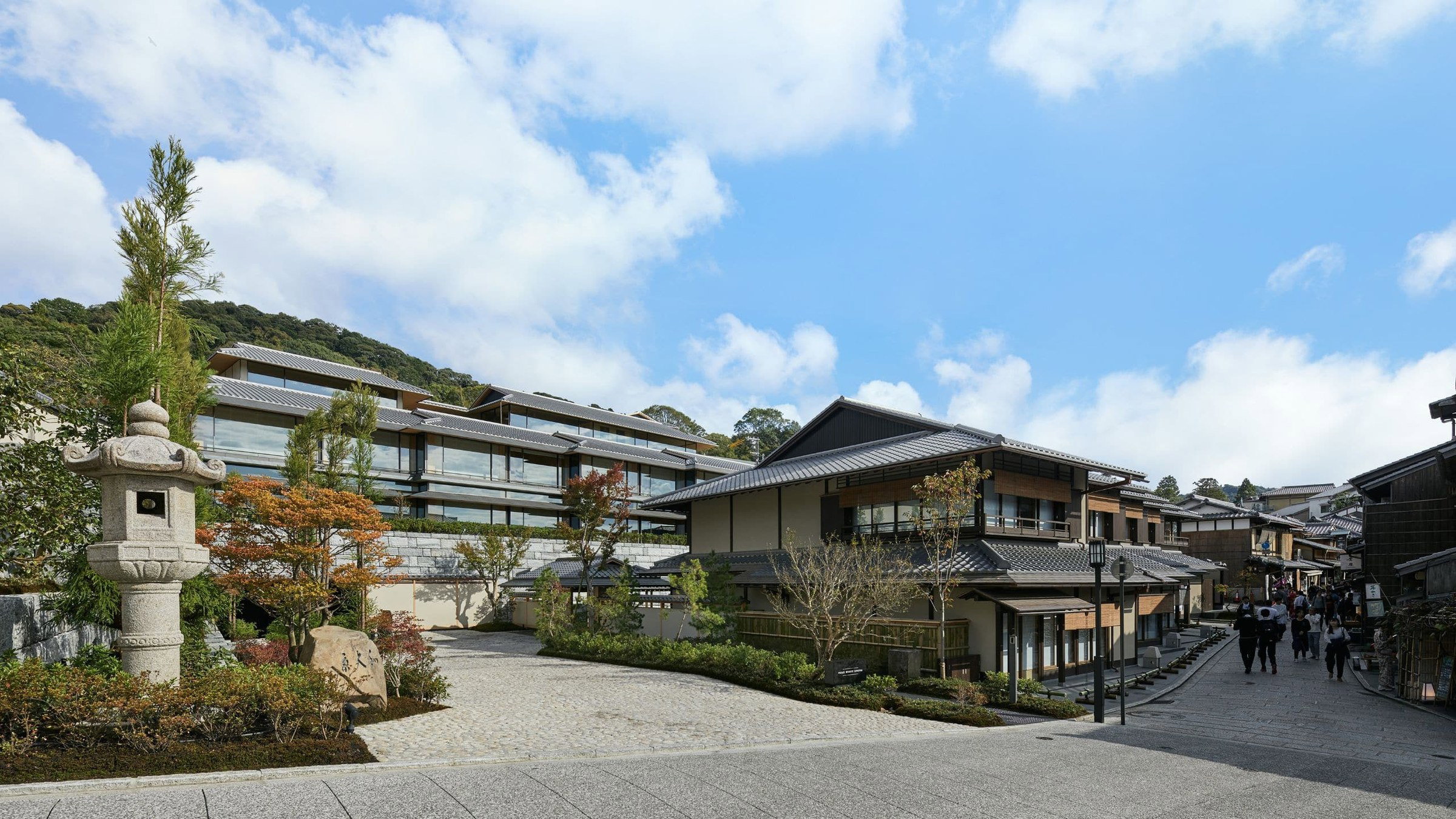
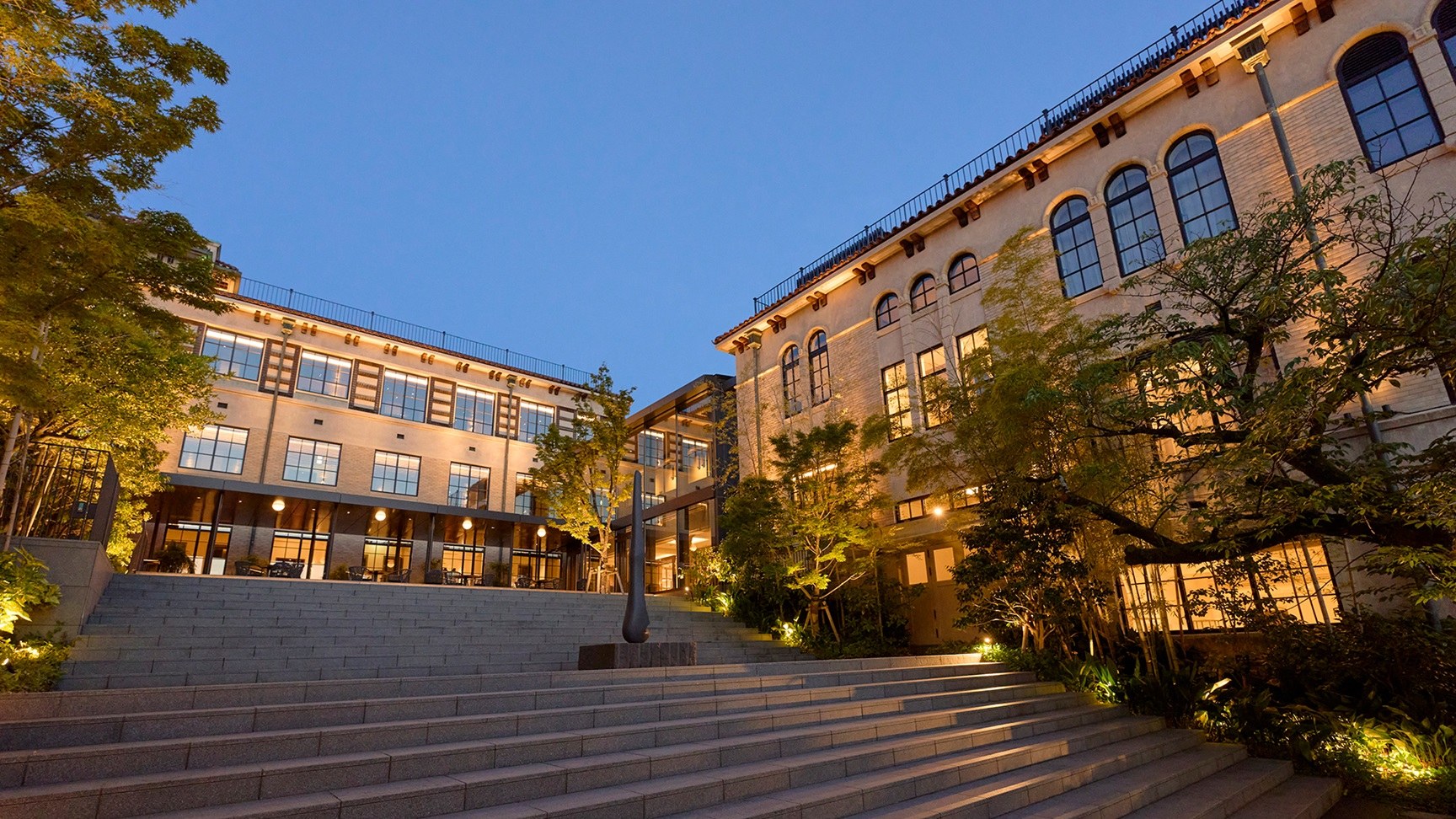
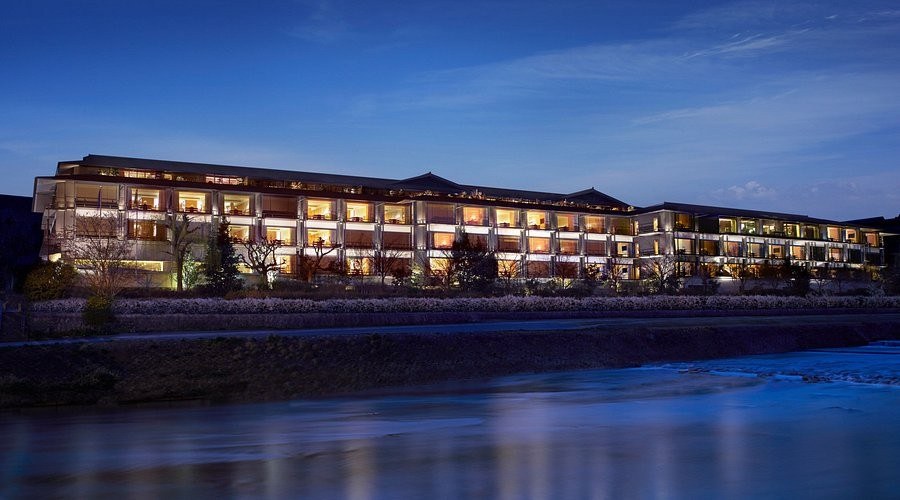
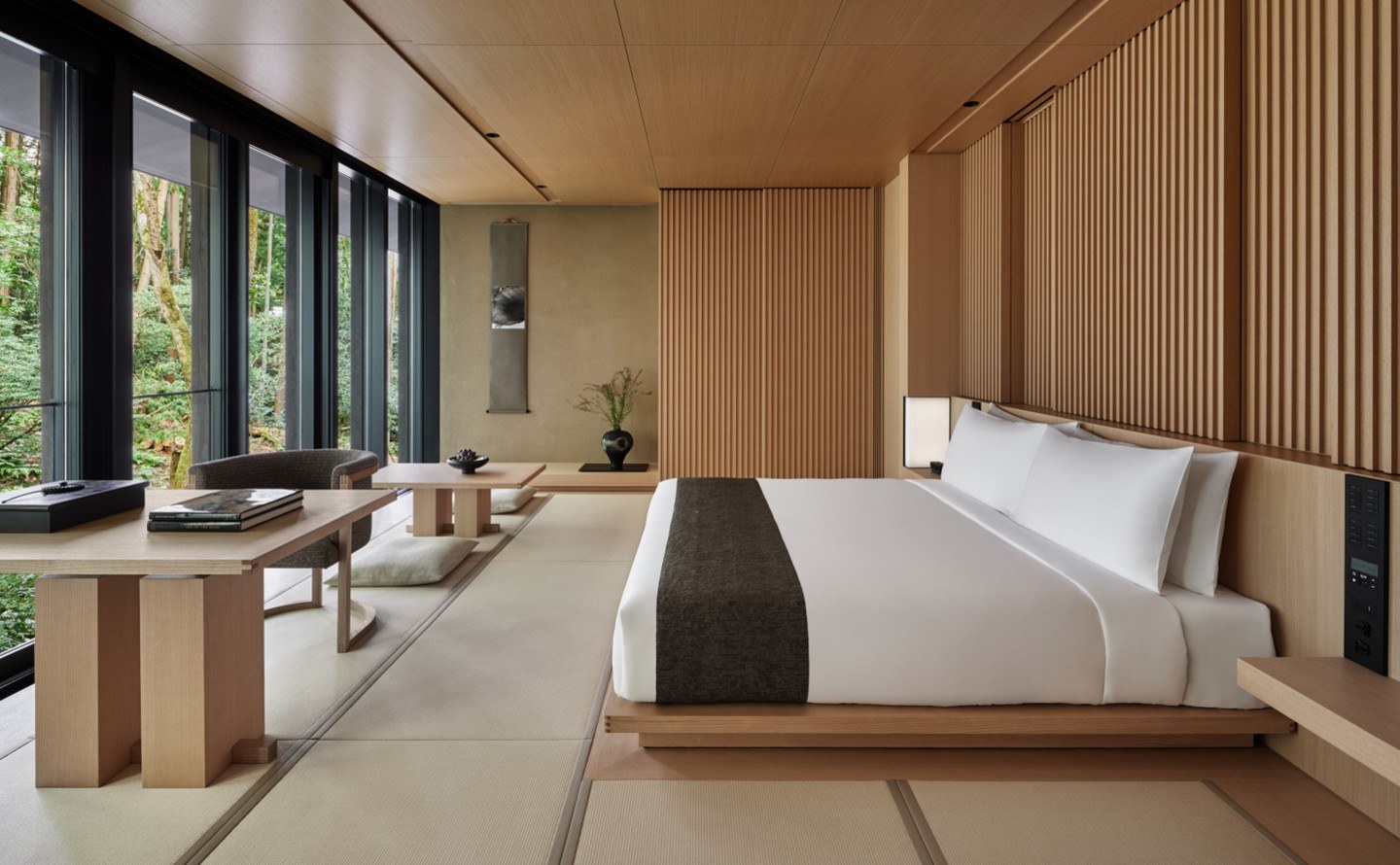
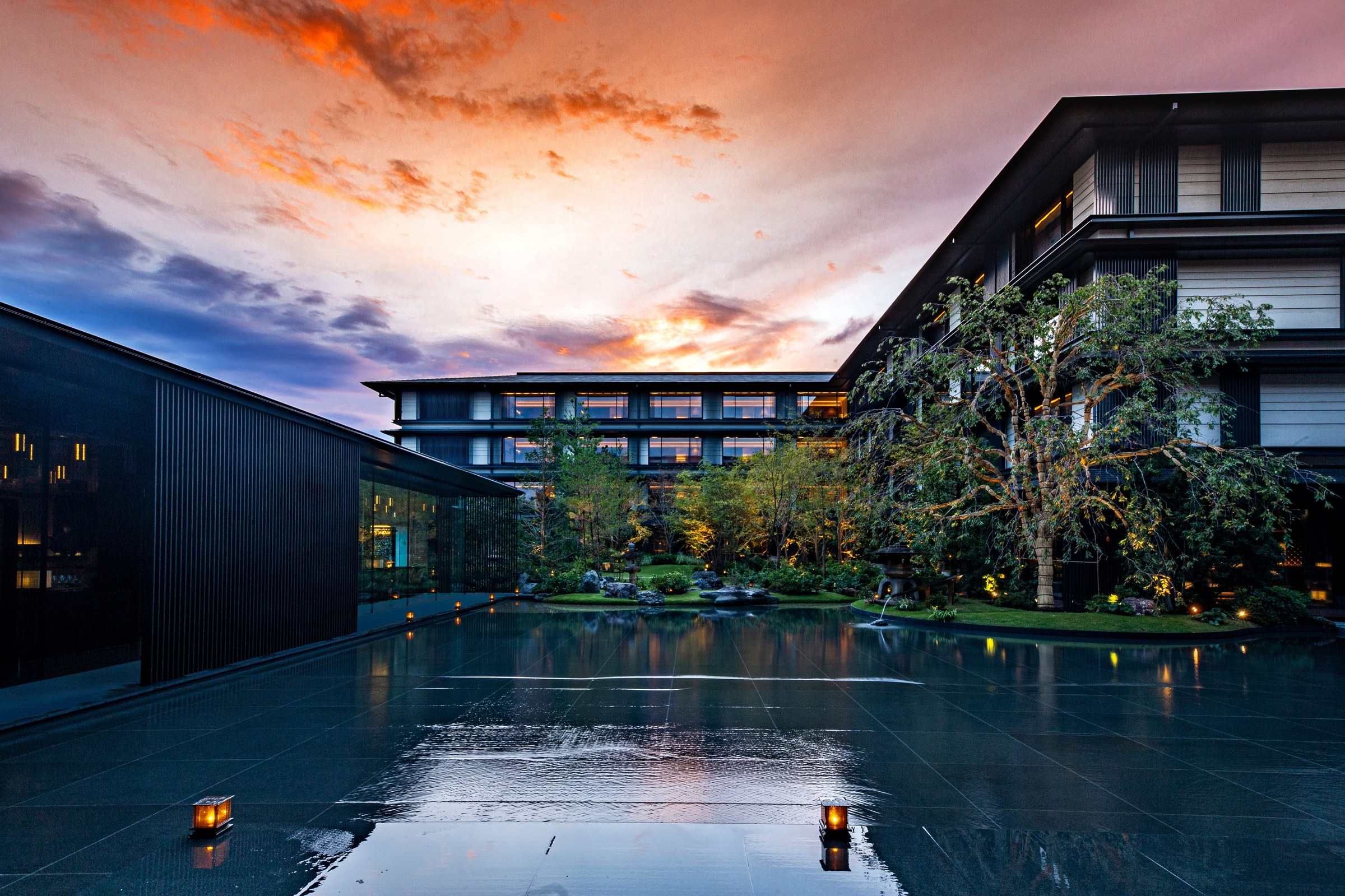
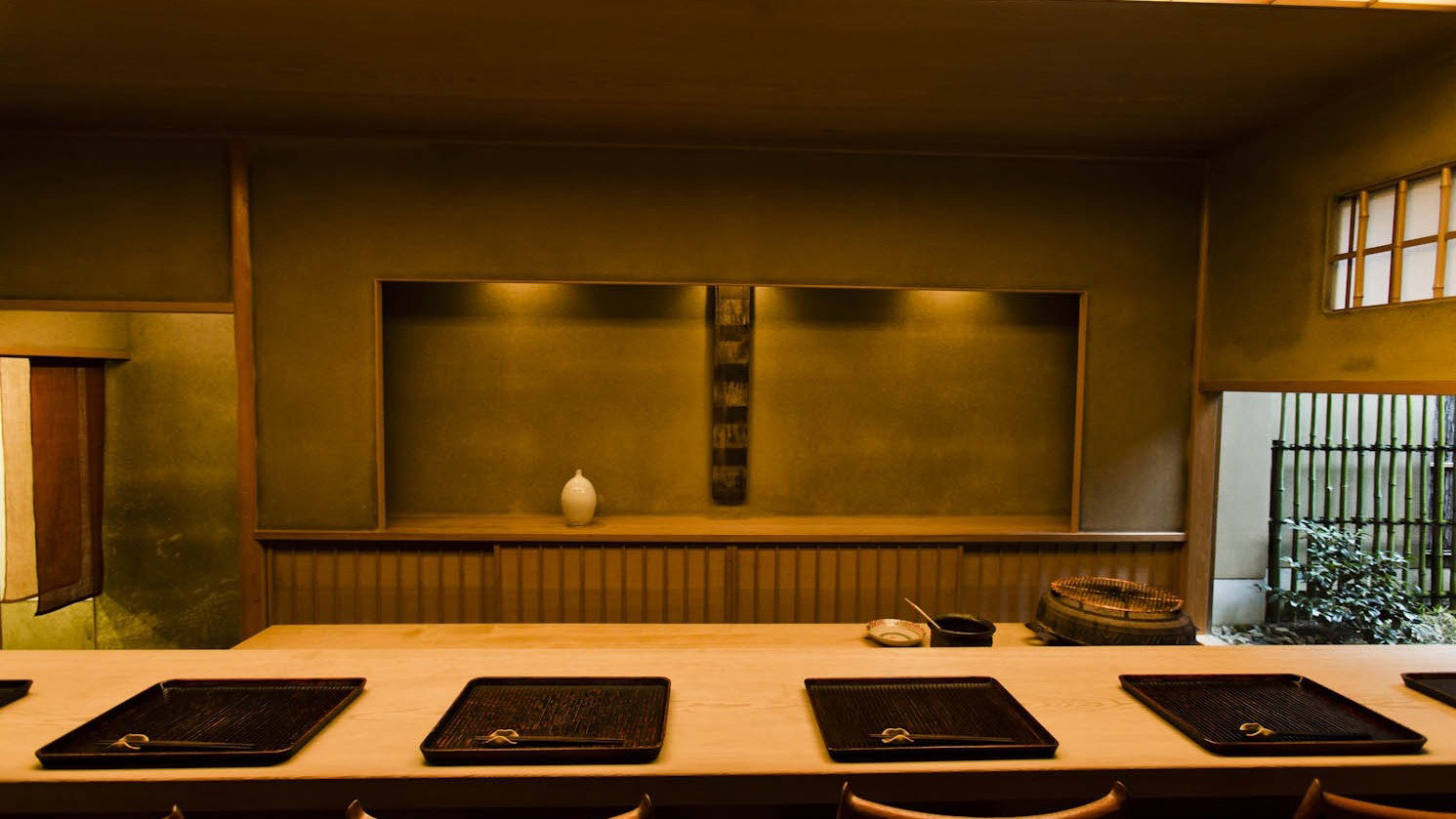
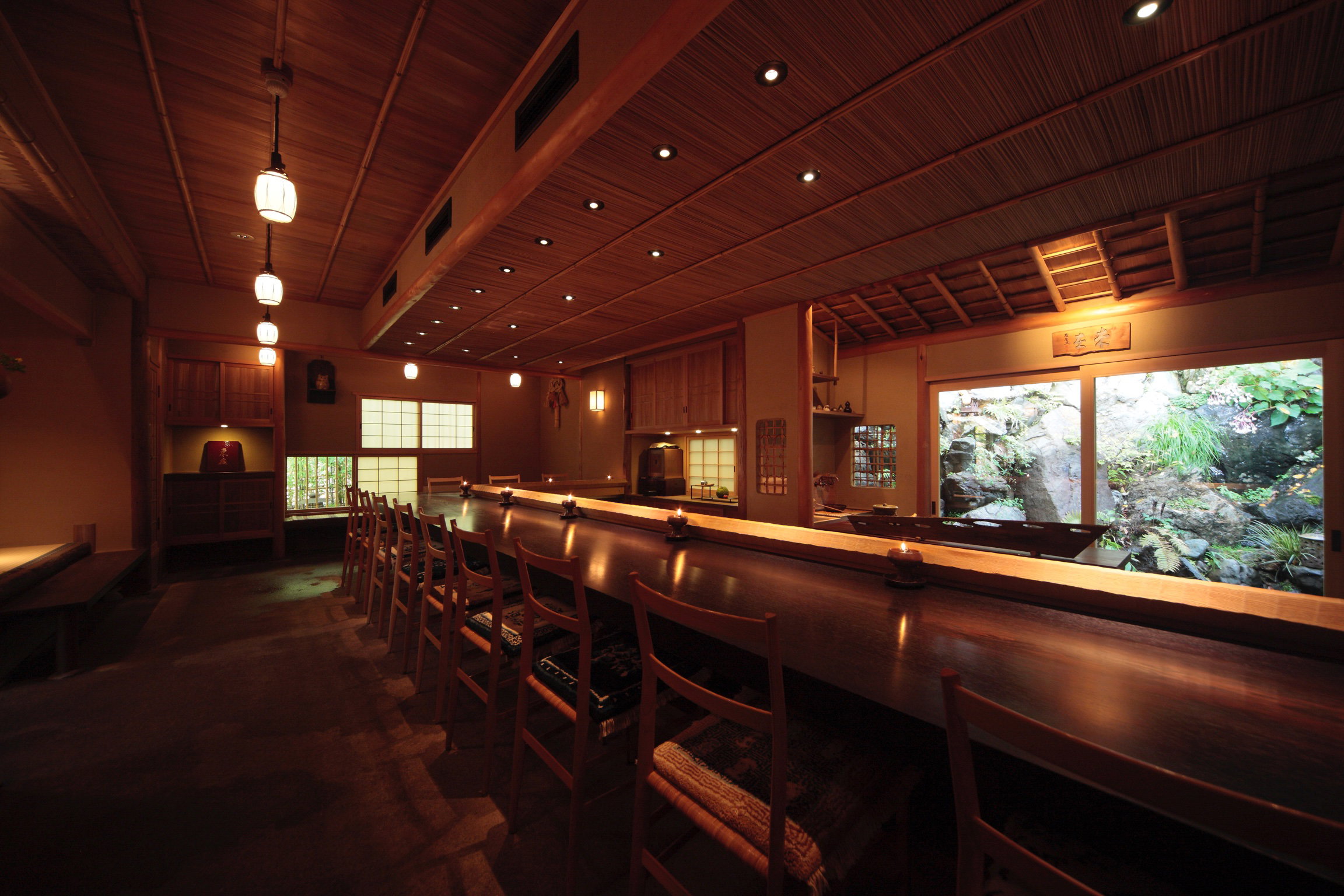
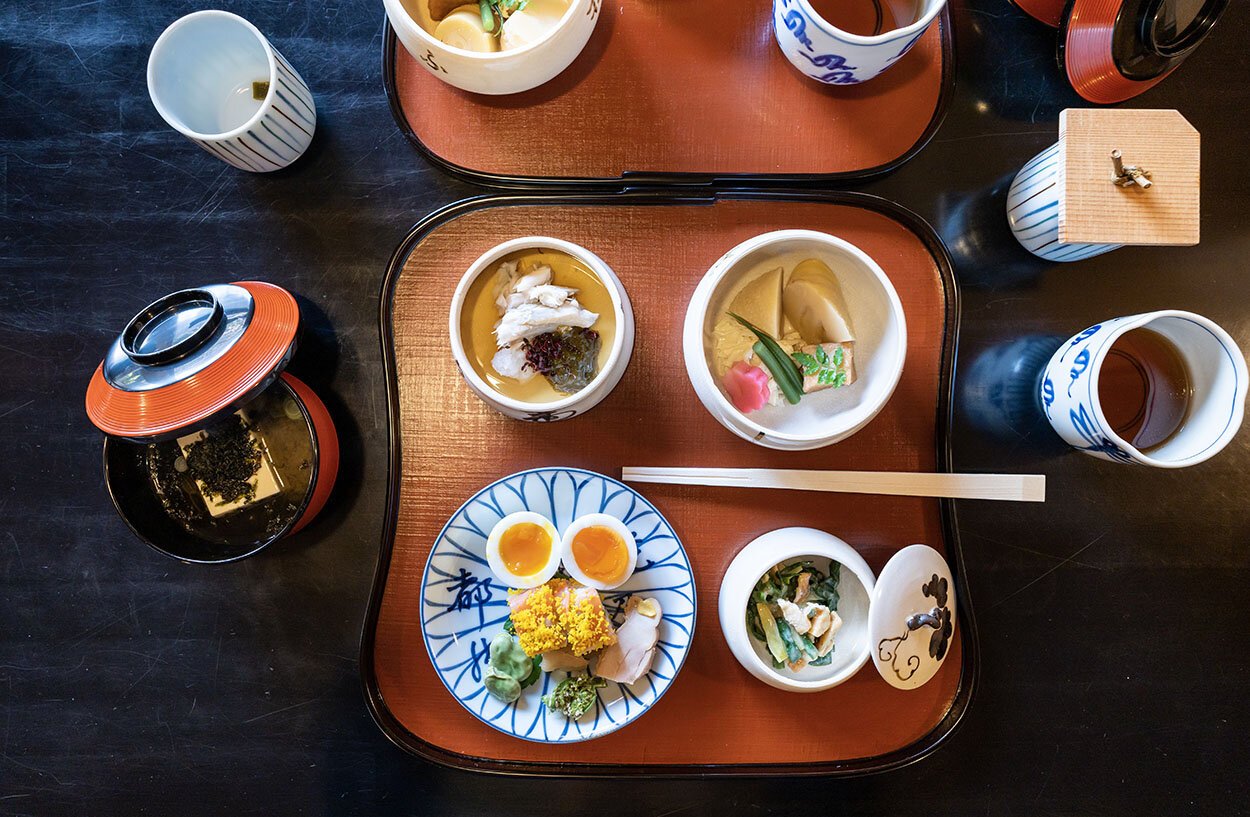
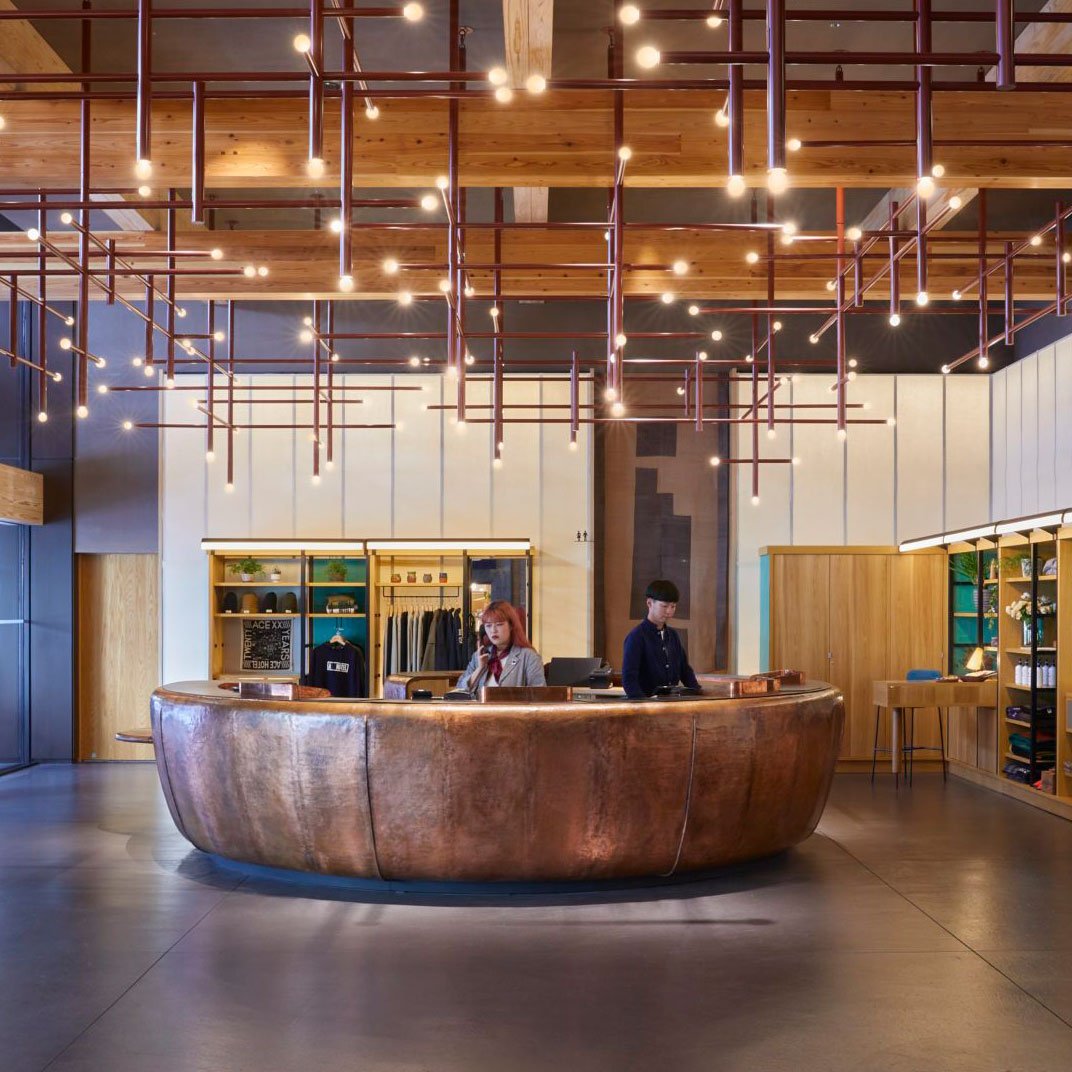
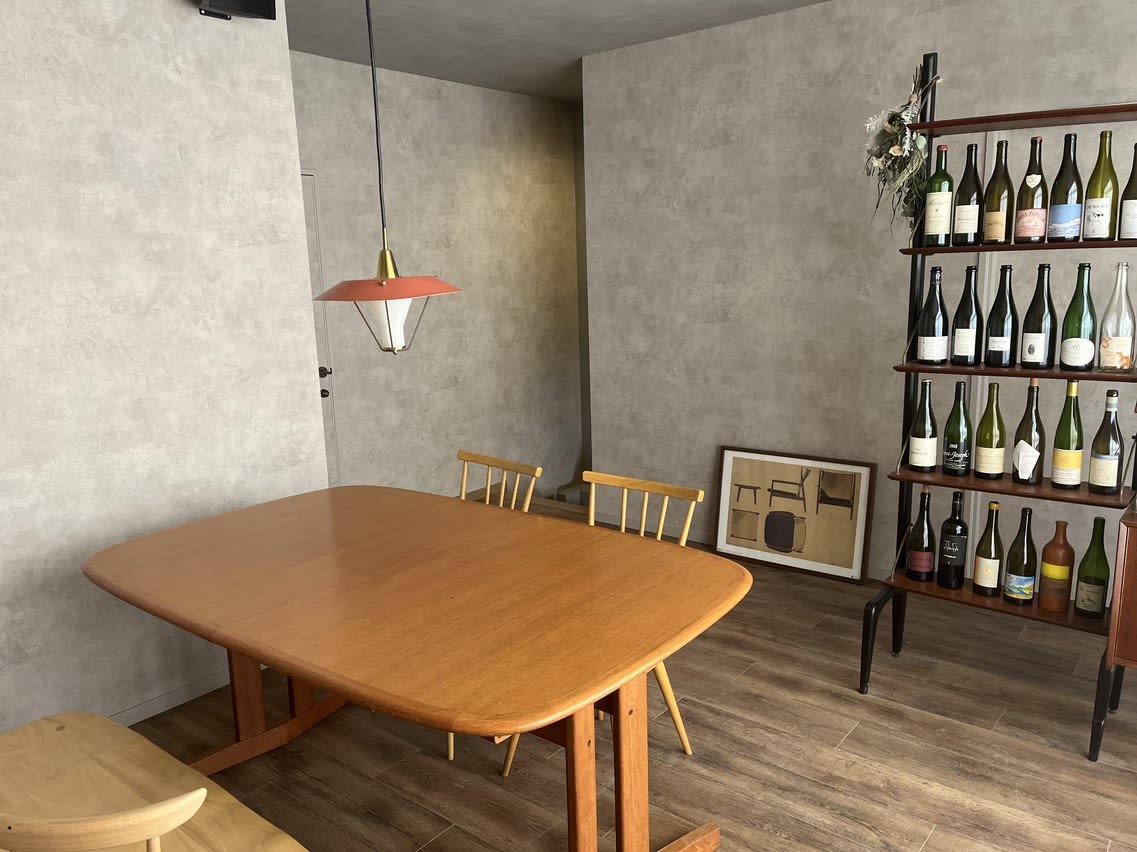
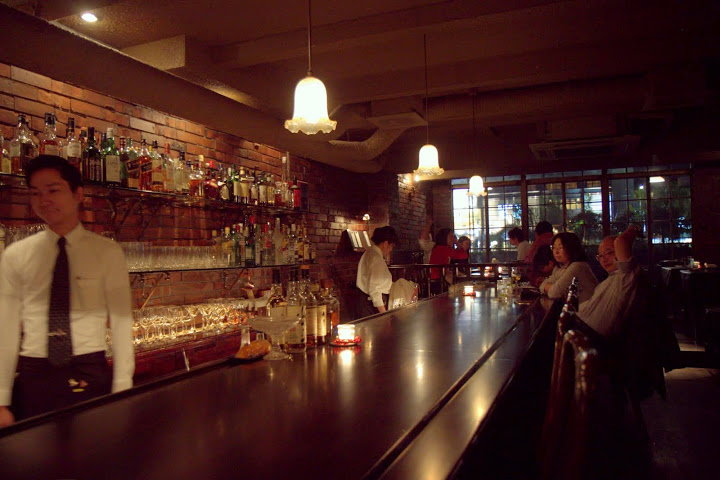
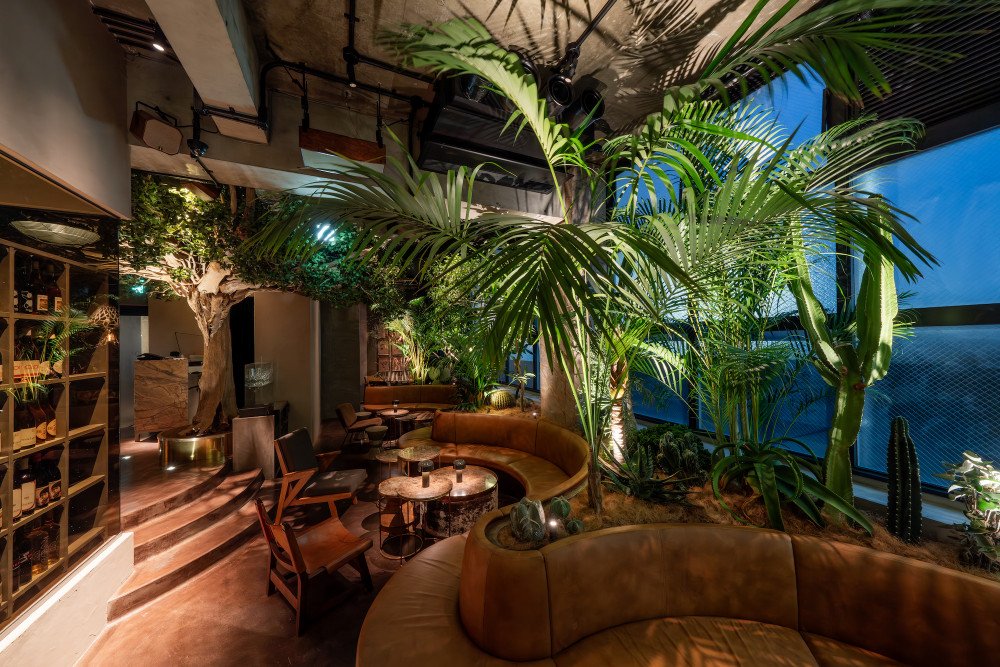
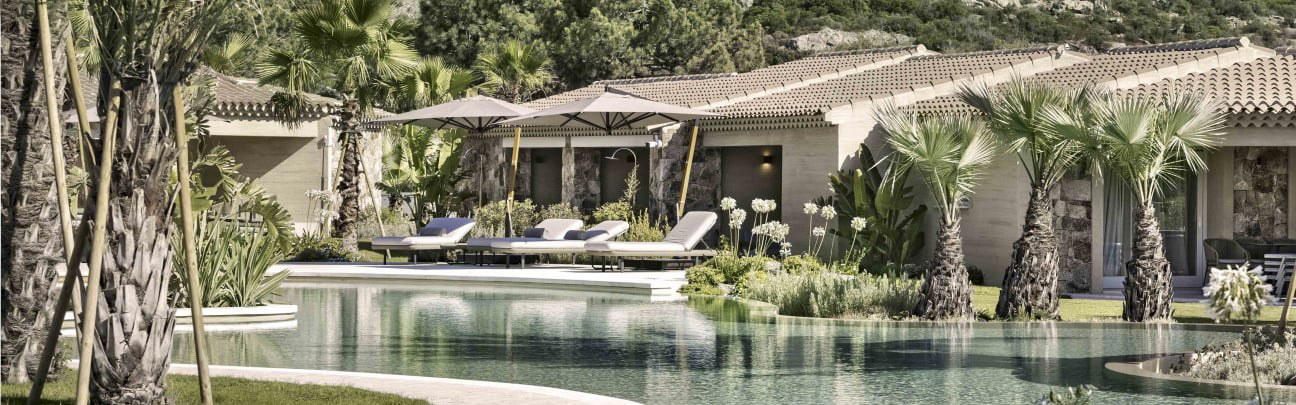
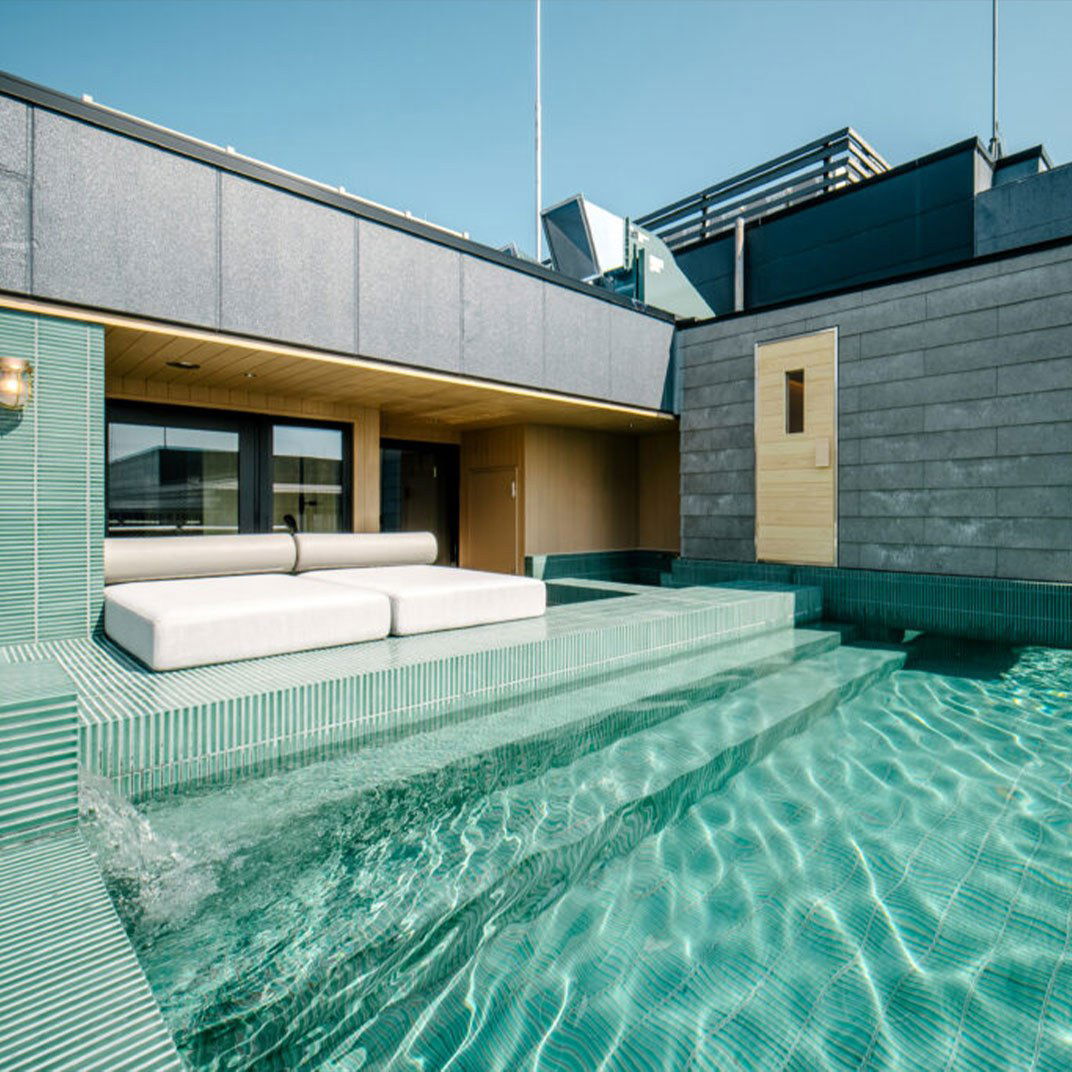
Serene and tranquil with minimalist interiors, natural accents, and a quiet atmosphere blending modern design with traditional Japanese elements.
Tags
Vibe
Best For
Amenities
View
About the Stay
- Rooms
- 4
- Check-in
- 15:00
- Check-out
- 11:00
- Property Type
- Boutique hotel
- Property Style
- Private Apartment Style Rental with Japanese Hospitality
- Design Style
- Minimalist Japanese with Natural Accents
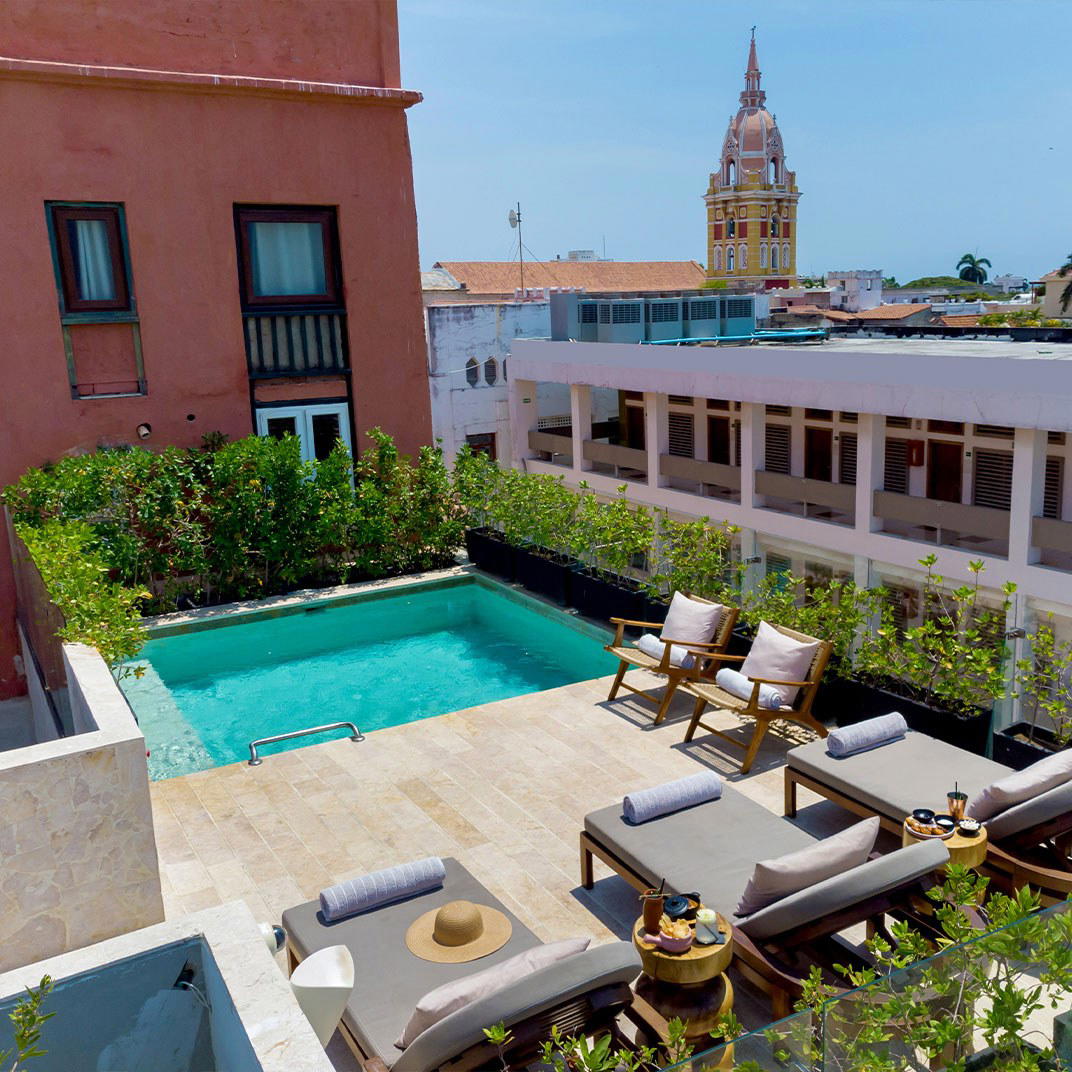
- Pool
- Yes
- Cancellation
- Strict
Know before you go
Know Before You Go
- Getting there
- Japan, 〒600-8009 Kyoto, Shimogyo Ward, Kankobokocho, 77
Planning details
Location
Recognition and awards
Also consider
Also Consider
- Hotel Monterey Kyoto, Notable alternative
- Mitsui Garden Hotel Kyoto Sanjo Premier, Notable alternative
- ASAI Kyoto Shijo, Notable alternative
- THE HIRAMATSU Kyoto, Notable alternative
- Kanamean Nishitomiya, Notable alternative
Hotel context
How it compares
MOKU KYOTO is the design-conscious middle lane in this Kyoto set: more occasion-ready than ASAI Kyoto Shijo, but less obviously grand than THE HIRAMATSU Kyoto or Kanamean Nishitomiya. Choose it when atmosphere matters and a calmer stay is the goal; choose ASAI when value and city access matter more than a celebration feel.
Mitsui Garden Hotel Kyoto Sanjo Premier is the safer practical pick for travelers who want a polished Kyoto base with fewer design expectations. Hotel Monterey Kyoto is the more conventional comparison point, better for guests who prefer familiar hotel cues over a quieter design identity.
For a special occasion, THE HIRAMATSU Kyoto and Kanamean Nishitomiya are the stronger splurge comparisons. For easier planning, MOKU KYOTO has the advantage: its booking difficulty is marked easy, which makes it less stressful than the more ceremony-driven end of Kyoto's hotel market.
Explore Kyoto
Around this place
Discover more on Pearl
Unlock the full MOKU KYOTO guide in Pearl, including awards, comparisons, FAQs, planning details, and nearby places.
Compare MOKU KYOTO
| Venue | Location | Awards |
|---|---|---|
| MOKU KYOTO | Kyoto | 2025 Michelin Selected Hotels |
| Hotel Monterey Kyoto | Kyoto Shi | No published awards |
| Mitsui Garden Hotel Kyoto Sanjo Premier | Kyoto | No published awards |
| ASAI Kyoto Shijo | Kyoto | No published awards |
| THE HIRAMATSU Kyoto | Kyoto | No published awards |
| Kanamean Nishitomiya | Kyoto | 2026 Relais Chateaux Hotels2026 Michelin 2 Keys2025 Relais Chateaux Award2025 Michelin 1 Key2024 Michelin 1 Key |



How MOKU KYOTO Kyoto Hotel Review: Booking & Verdict compares with similar nearby venues.
FAQ
Frequently Asked Questions
Which room category is best at MOKU KYOTO?
We do not establish a best room category at MOKU KYOTO. Choose based on the room descriptions, floor plans, rates, and policies shown by the hotel at the time you book.
Is MOKU KYOTO family-friendly?
Specific family policies, room setups, or child-related services at MOKU KYOTO are not detailed. If you are traveling with children, confirm occupancy rules, bedding, and any relevant services directly with the hotel.
How does MOKU KYOTO compare to nearby hotels?
MOKU KYOTO can be compared with ASAI Kyoto Shijo, Hotel Monterey Kyoto, Mitsui Garden Hotel Kyoto Sanjo Premier, THE HIRAMATSU Kyoto, and Kanamean Nishitomiya as part of a Kyoto hotel search. Use current rates, room details, availability, and official hotel information to decide which stay fits your trip.
When is the best time to book MOKU KYOTO?
We do not establish a specific booking window for MOKU KYOTO. Book when the hotel's current availability, cancellation terms, and rates match your Kyoto travel plans.