
Kyo no Ondokoro Kamanza Nijo #2
Nakagyo, Kyoto
Hotel in Kyoto, Japan
 Book with Pearl
Why go
Kyo no Ondokoro Kamanza Nijo #2 is a smart fit for Kyoto travelers who value a private, design-led stay over full-service hotel amenities. The 2025 MICHELIN Guide hotel selection is the main trust signal; choose it for atmosphere and independence, not for a resort-style facilities list.
About Kyo no Ondokoro Kamanza Nijo #2
Kyo no Ondokoro Kamanza Nijo #2 is a Kyoto stay with a clearly confirmed MICHELIN Guide hotel selection for 2025. Beyond that recognition and the city, public details here are limited, so it is best evaluated carefully through current official booking information rather than through assumptions about amenities, service style, room setup, or dining.
Use the MICHELIN Guide selection as a trust signal for the stay, not as confirmation of specific facilities. If you are comparing it with broader Kyoto options, use the Kyoto hotels guide to review other hotels and match the stay to your trip needs.
A Kyoto stay with a confirmed MICHELIN Guide hotel selection
The most grounded reason to shortlist Kyo no Ondokoro Kamanza Nijo #2 is its MICHELIN Guide, Hotels Selected recognition for 2025. That confirms it has been included in the Guide's hotel selection, but it does not by itself verify details such as room categories, food and beverage service, staffing model, pricing, or amenities.
For dining-led planning in the city, pair the stay research with the Kyoto restaurants guide. For the latest specifics on Kyo no Ondokoro Kamanza Nijo #2 itself, check current official sources before booking.
Who should choose it, and who should skip it
Choose it if a confirmed MICHELIN Guide hotel selection in Kyoto is a meaningful starting point and you are prepared to verify practical details directly before reserving. Skip it if you need a page with fully confirmed information on amenities, dining, service format, room types, pricing, or other operational details before making a decision.
Planning details
- Location
- 690-2 Kamimatsuyacho, Nakagyo-ku, Kyoto Prefecture, Japan
- Phone
- 81 75-556-0156
The take
The Take
The Vibe
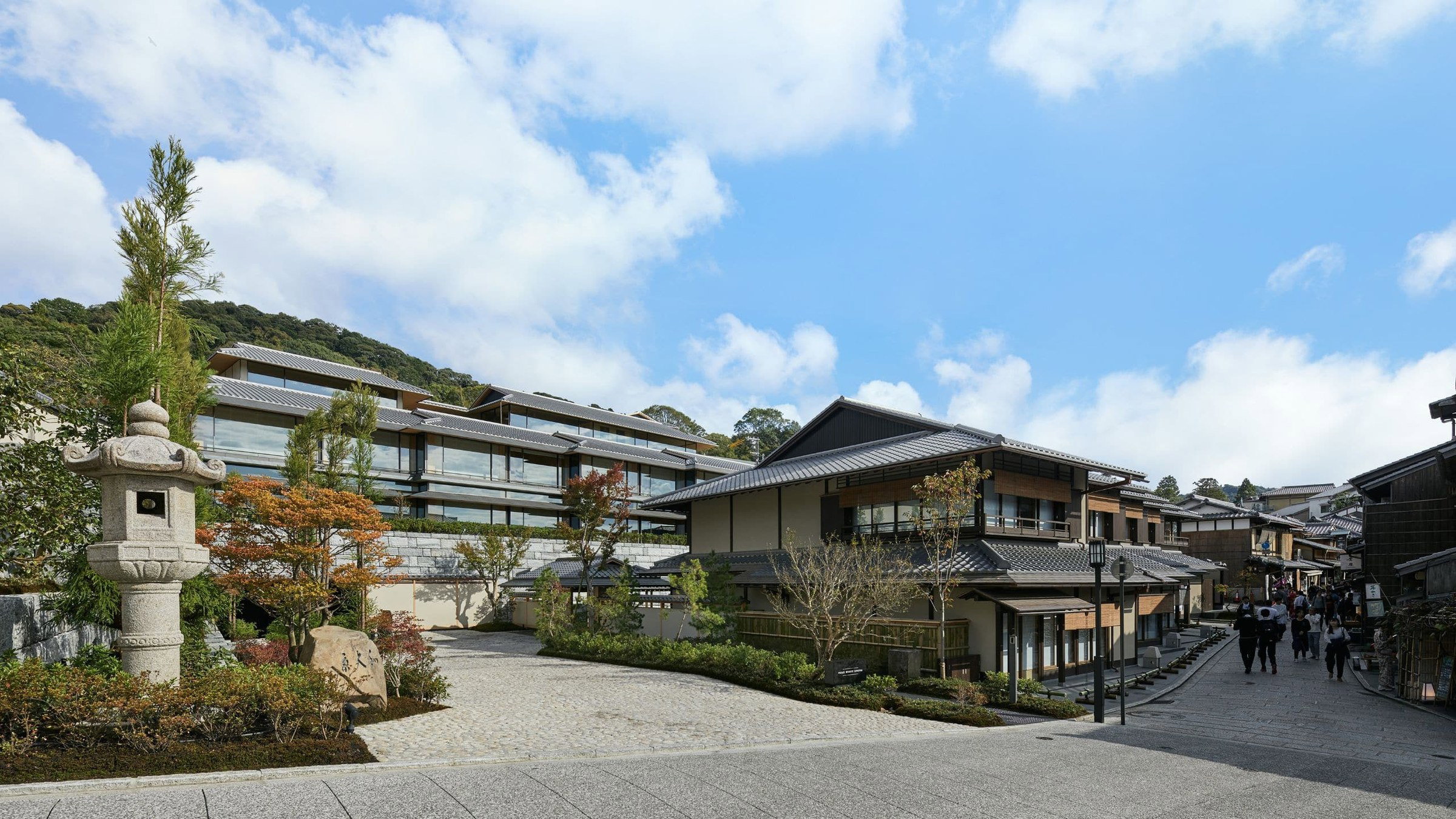
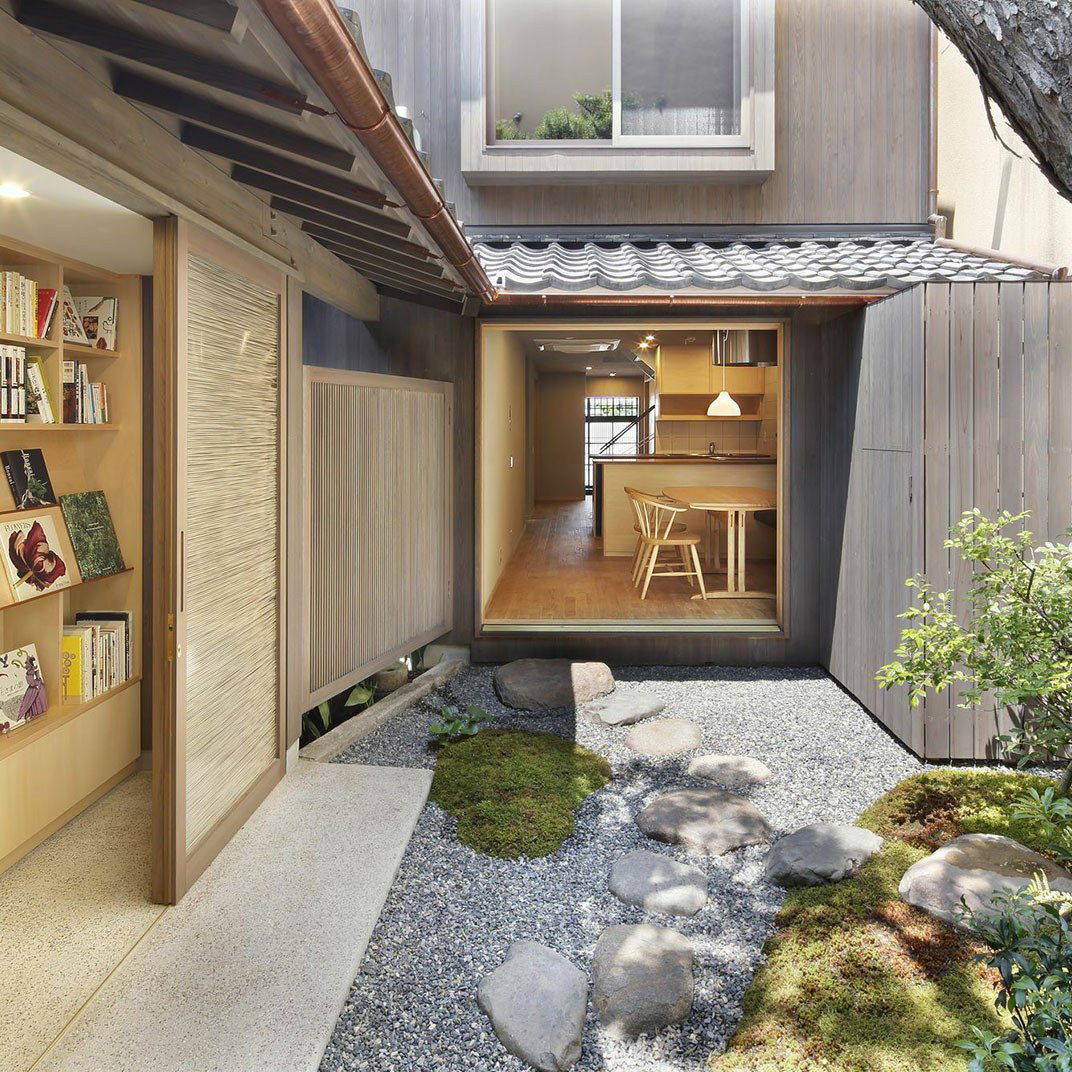
Kyo no Ondokoro Kamanza Nijo #2 foregrounds the machiya as the central attraction: a traditional townhouse conversion where the building's original spatial logic shapes the guest experience. The property emphasizes narrow frontage, successive interior rooms and an engawa corridor that links interior spaces to a garden, so staying here feels like inhabiting a lived domestic fabric rather than sleeping in a standard hotel room. That structural focus cultivates a quiet, measured atmosphere built around ritual movement and rest—an intimate, historically grounded retreat that privileges contemplation and the tactile qualities of traditional Kyoto architecture.
Best For
This stay suits travelers who prioritize architectural authenticity and quiet immersion in Kyoto's historic core. Located in Nakagyo near Nijo Castle, it appeals to solo cultural explorers, couples seeking an intimate alternative to brand hotels, and guests who want a house-like rhythm—engawa, garden relationships, and sequenced rooms—rather than amenity-driven hospitality. The machiya format works well as a base for walking the neighborhood and experiencing the city's pre-modern urban fabric up close; it rewards guests who value place, preservation and a deliberately paced stay.
Stay Tips
When choosing a machiya stay, prioritize listings that explicitly preserve the building's original spatial logic: mention of an engawa or corridor, an observable succession of interior rooms and a relationship to a garden are key indicators of an authentic conversion. Favor whole-house or townhouse-style rental descriptions that note garden access or retained interior layouts rather than properties emphasizing heavy modernization. Confirm the Nakagyo address to ensure proximity to Nijo Castle and central streets; the distinctive value here is the architectural and domestic experience, so pick a listing that foregrounds those qualities in its description.
Venue details
Ambiance
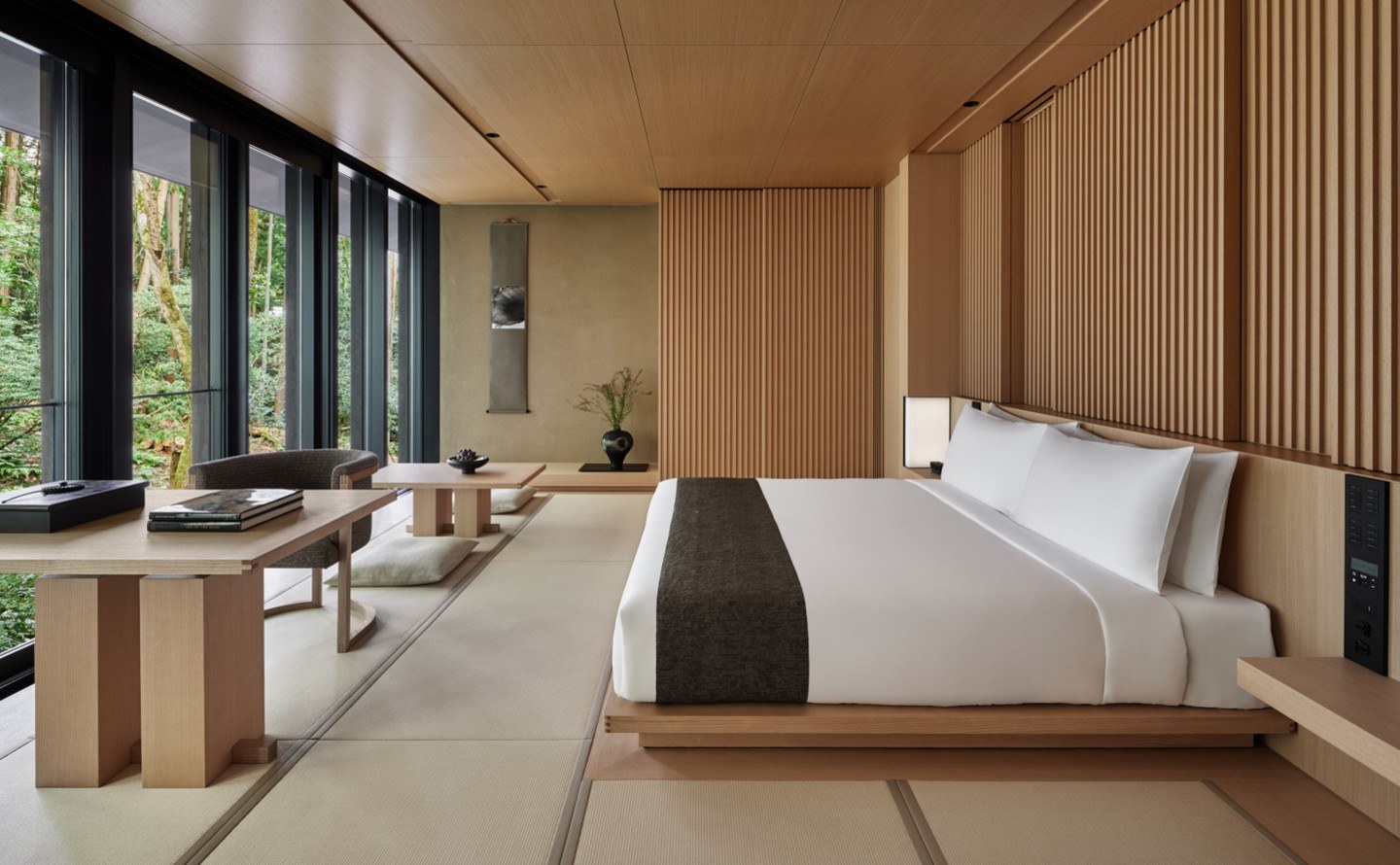
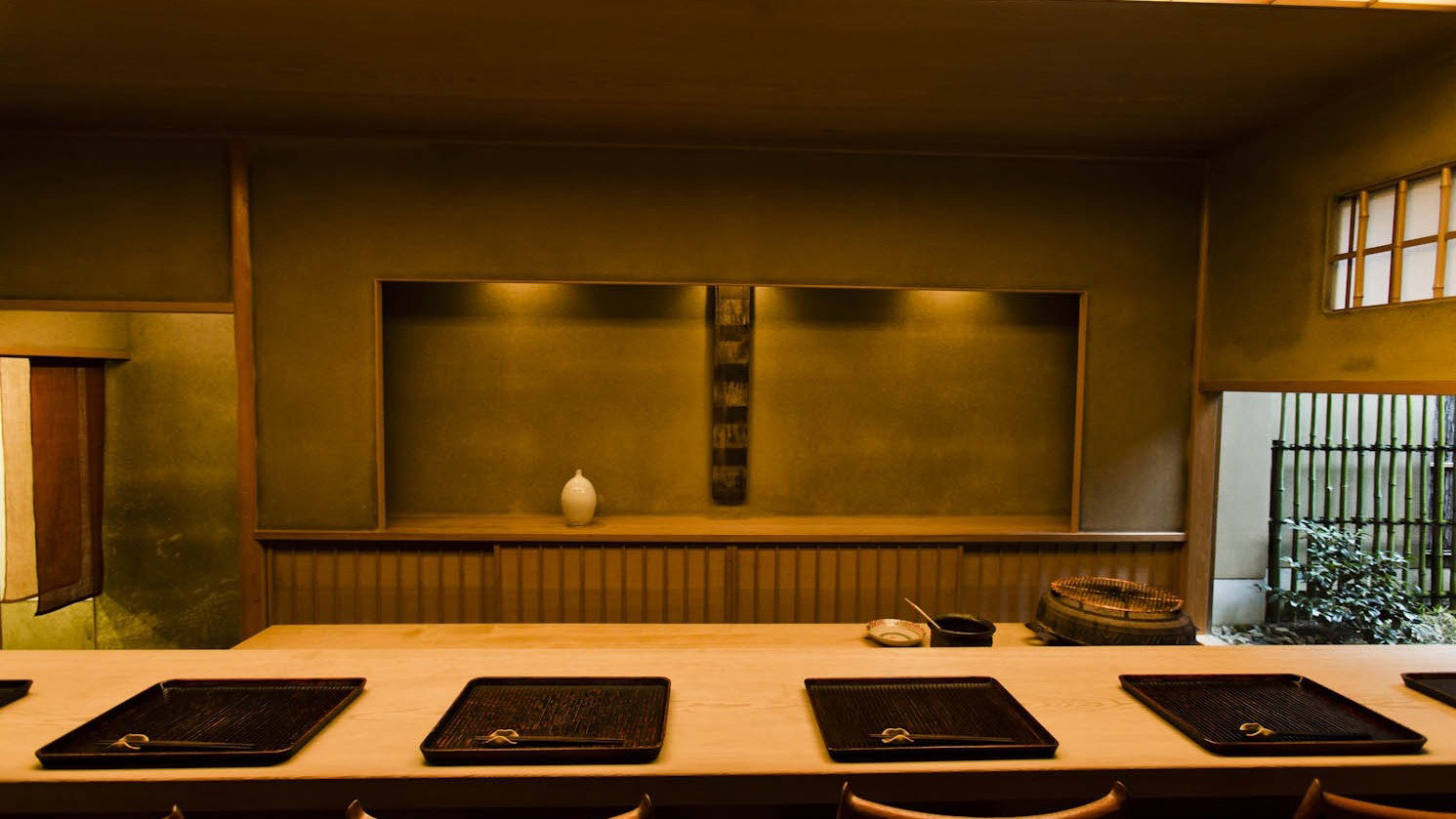
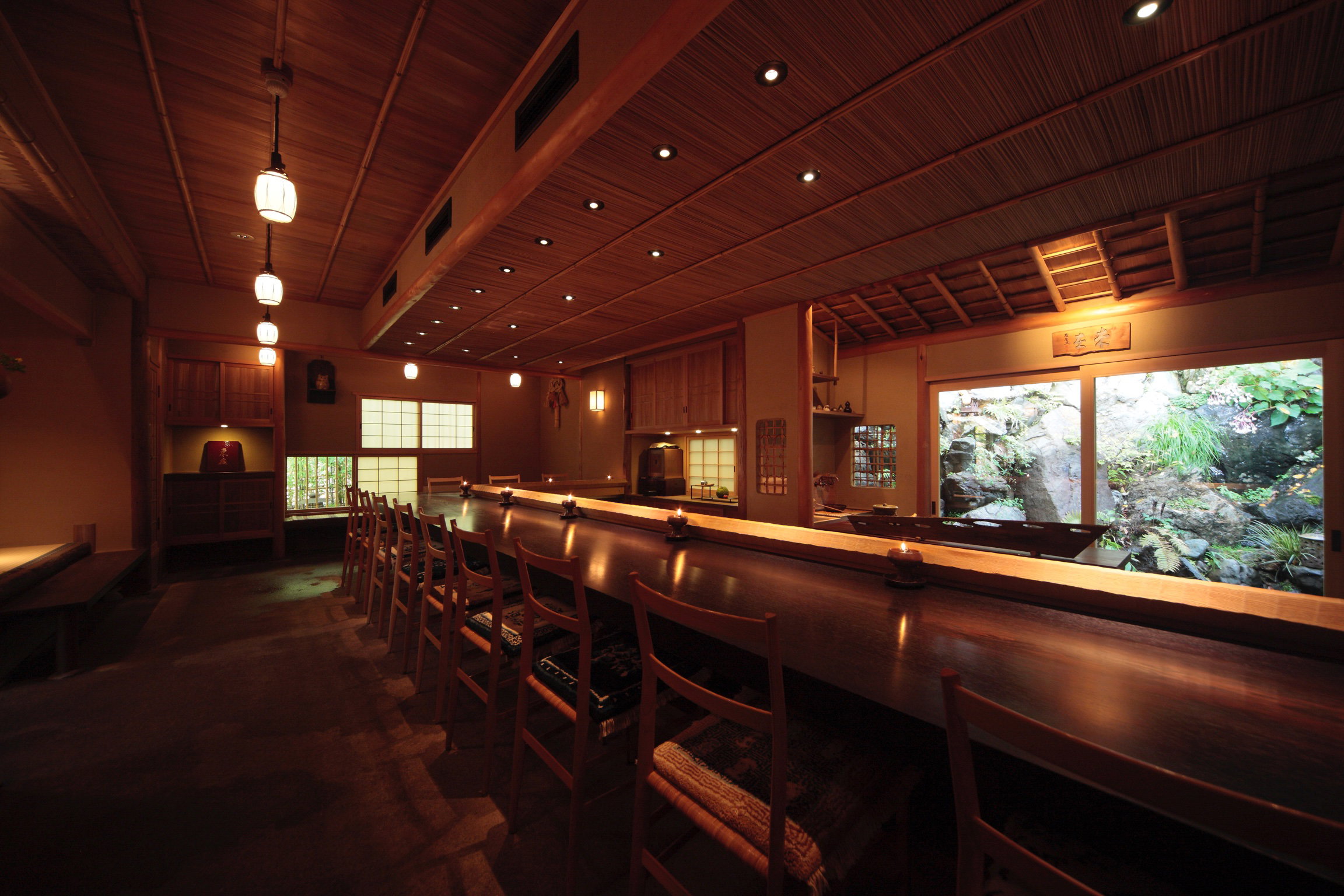
Warm, airy blonde-wood rooms with beautiful design details, outdoor library, and serene garden atmosphere.
Tags
Vibe
Best For
Experience
Amenities
View
About the Stay
- Rooms
- 1
- Check-in
- 16:00
- Check-out
- 11:00
- Property Style
- Renovated Traditional Machiya Townhouse
- Design Style
- Minimalist Japanese with Blonde Wood and Winding Staircase
Know before you go
Know Before You Go
- Getting there
- 690-2 Kamimatsuyacho, Nakagyo-ku, Kyoto Prefecture, Japan
Planning details
Location
690-2 Kamimatsuyacho, Nakagyo-ku, Kyoto Prefecture, Japan · Directions
Recognition and awards
Explore Kyoto
Around this place
Discover more on Pearl
Unlock the full Kyo no Ondokoro Kamanza Nijo #2 guide in Pearl, including awards, comparisons, FAQs, planning details, and nearby places.
FAQ
Frequently Asked Questions
How is the location of Kyo no Ondokoro Kamanza Nijo #2?
Kyo no Ondokoro Kamanza Nijo #2 is in Kyoto. More specific location details should be checked through current official booking sources.
How is the dining at Kyo no Ondokoro Kamanza Nijo #2?
dining details are not available here. The confirmed recognition is MICHELIN Guide, Hotels Selected (2025), which is a hotel selection rather than confirmation of a particular restaurant or dining program.
What is check-in like at Kyo no Ondokoro Kamanza Nijo #2?
Do loyalty programs work at Kyo no Ondokoro Kamanza Nijo #2?
When is the best time to book Kyo no Ondokoro Kamanza Nijo #2?
Book when the current rate, cancellation terms, and confirmed stay details work for your Kyoto trip. Availability and pricing should be through official or trusted booking sources.
Which room category is best at Kyo no Ondokoro Kamanza Nijo #2?
room-category guidance is not available here. Choose based on the current room descriptions, policies, and photos provided by official or trusted booking sources.