
Hotel The Celestine Kyoto Gion
Higashiyama, Kyoto
Hotel in Kyoto, Japan
 Book with Pearl
The Read
Ryokan-Inflected Urban Luxury
Why go
Hotel The Celestine Kyoto Gion is worth considering if the priority is a calm Kyoto base near Gion and Higashiyama rather than a resort-style stay. The Michelin Key gives it a credible quality signal, and it compares well for travelers who want location, composure, and a practical east-side setup.
About Hotel The Celestine Kyoto Gion
Hotel The Celestine Kyoto Gion is a Kyoto hotel with a confirmed Michelin 1 Key recognition for 2024. This identifies the property as a recognized stay in Kyoto without requiring claims about specific facilities, room types, dining, pricing, or neighborhood details. In a city with many compelling hotel choices, that distinction gives travelers a clear starting point, while still leaving the practical booking questions to be checked carefully through the appropriate channel.
For planning purposes, evaluate this Kyoto hotel based on its confirmed facts: the venue is Hotel The Celestine Kyoto Gion in Kyoto, the dress code is smart casual, and it holds a Michelin 1 Key for 2024. Beyond that, travelers should confirm practical details directly before booking, especially if a specific amenity, room feature, meal period, or service is important to the trip. The point is not to undersell the hotel, but to keep the recommendation anchored in what is known rather than filling in gaps with assumptions.
A Kyoto base with a confirmed Michelin Key
The strongest grounded reason to keep Hotel The Celestine Kyoto Gion on a shortlist is its confirmed Michelin 1 Key recognition. That makes it a credible option for travelers comparing premium Kyoto stays, but it should not be read as proof of any particular spa, pool, dining format, room category, or loyalty-program benefit unless those details are confirmed through the booking channel. The recognition is meaningful because it separates the property from a generic hotel listing, yet it remains a broad quality signal rather than a substitute for checking the specifics of a stay.
Use the hotel as part of a broader Kyoto comparison set rather than assuming it fits every travel style. If your trip depends on specific hotel facilities, exact room layouts, restaurant availability, or special services, verify those points before committing. The confirmed facts support a premium Kyoto stay; a detailed service profile is not available. This is especially important for travelers who are choosing between several strong hotels and need certainty around the details that will affect the day-to-day experience, from the room selected to the services available during the dates of travel.
Choose it for Kyoto, compare carefully for fit
Against other Kyoto hotel options, the decision should be based on the details that matter most to your stay. Nohga Hotel Kiyomizu Kyoto, GRANBELL HOTEL KYOTO, FAUCHON L'Hotel Kyoto, The Hotel Seiryu Kyoto Kiyomizu, and SOWAKA are natural names to compare when building a Kyoto hotel shortlist, but the right choice depends on current rates, availability, room needs, and the specific services each property confirms for your dates. The useful approach is to treat Hotel The Celestine Kyoto Gion as a serious contender because of its confirmed Michelin 1 Key, then test it against the same practical questions you would apply to any other Kyoto hotel.
The booking verdict is simple: choose Hotel The Celestine Kyoto Gion if you want a Kyoto stay with confirmed Michelin 1 Key recognition and the available rate and room type work for your trip. That combination is the clearest supported case for booking, and it keeps expectations aligned with the facts. For a broader hotel search, use Pearl's Kyoto hotels guide. If dining will shape the itinerary, pair the hotel search with Pearl's Kyoto restaurants guide and other Kyoto dining research before booking.
Planning details
- Location
- 572 Komatsuchō, Higashiyama Ward, Kyoto, 605-0811
- Website
- celestinehotels.jp/kyoto-gion
- Phone
- +81 75-532-3111
The take
The Take
The Vibe
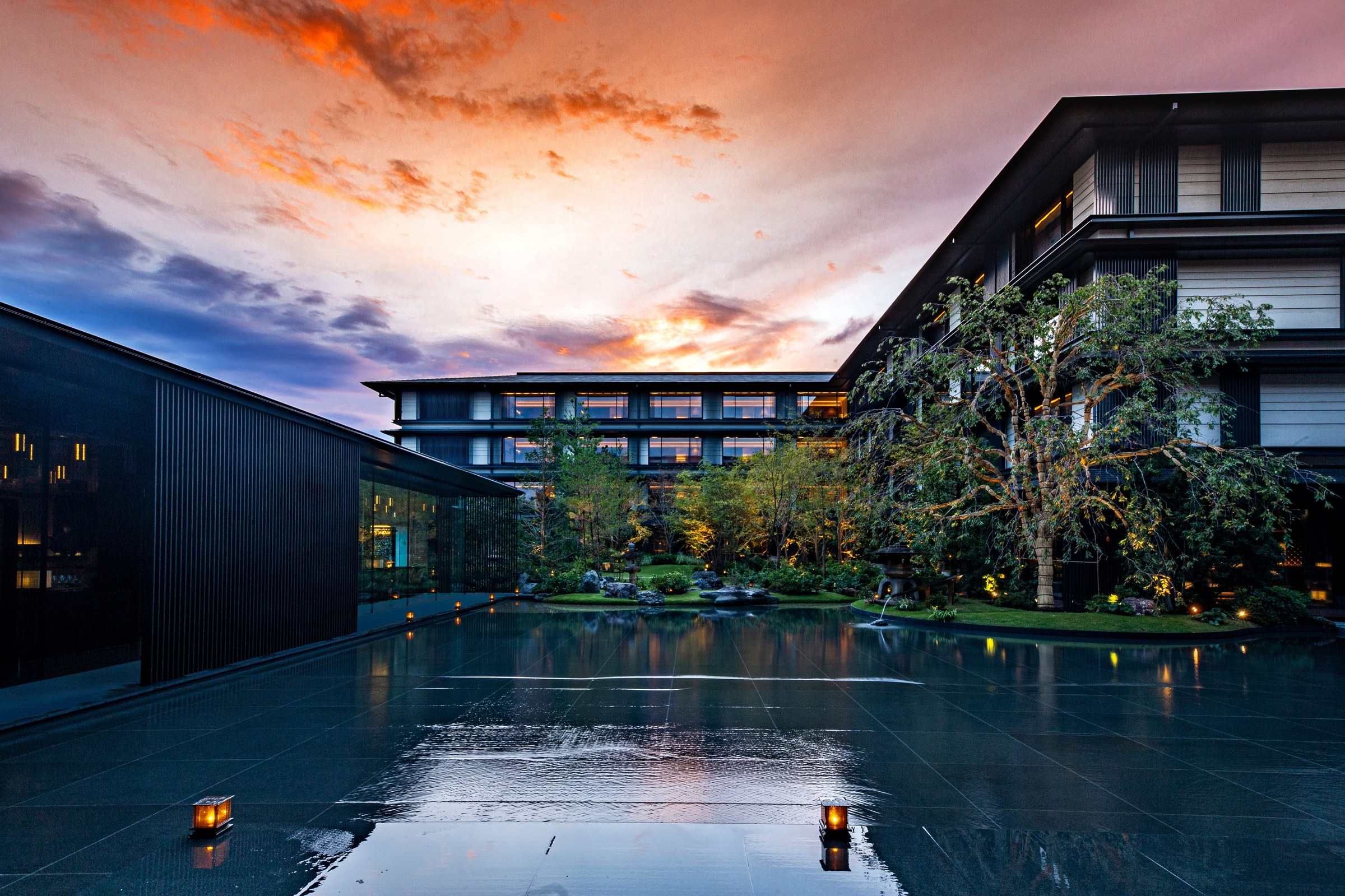
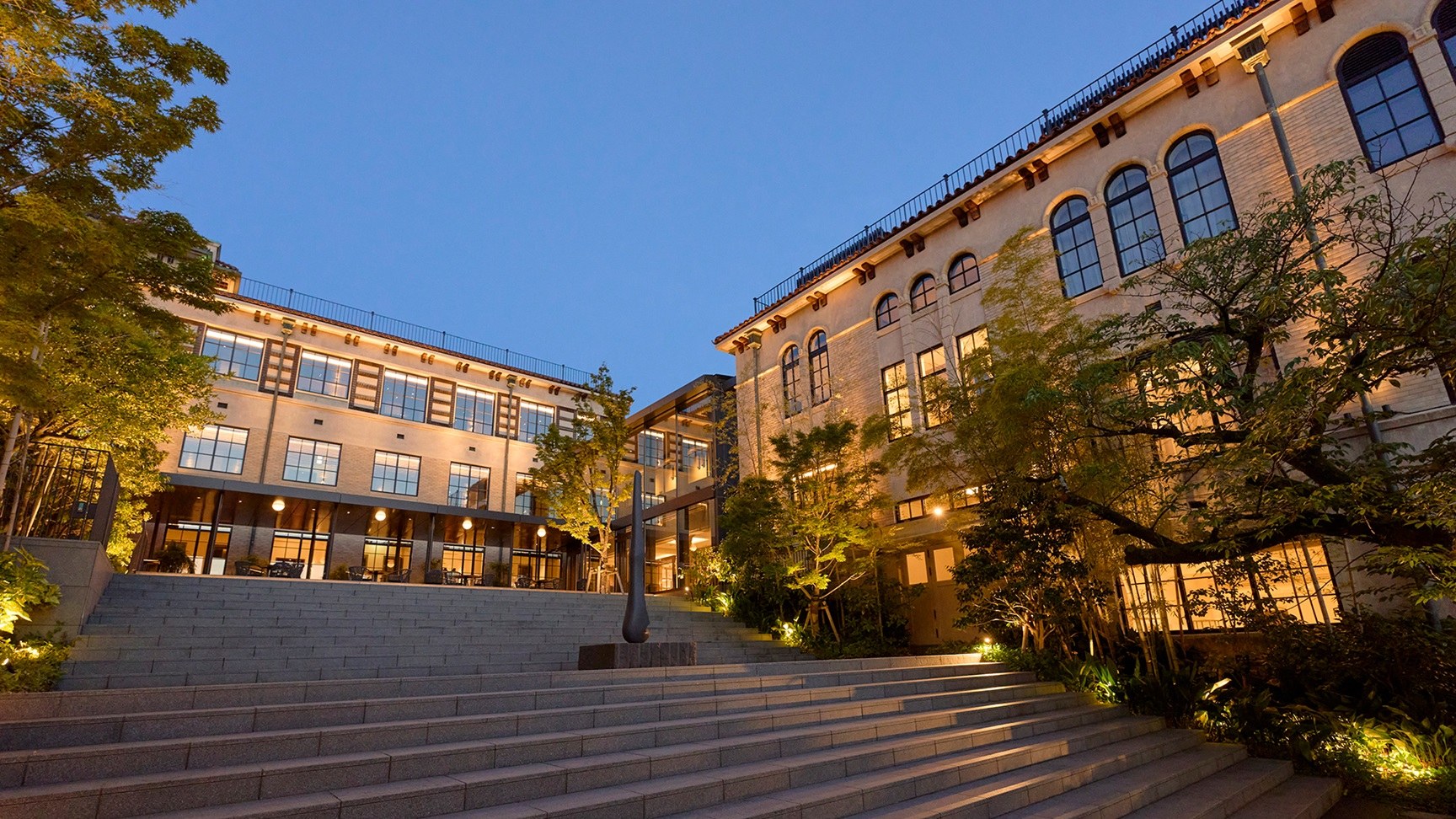
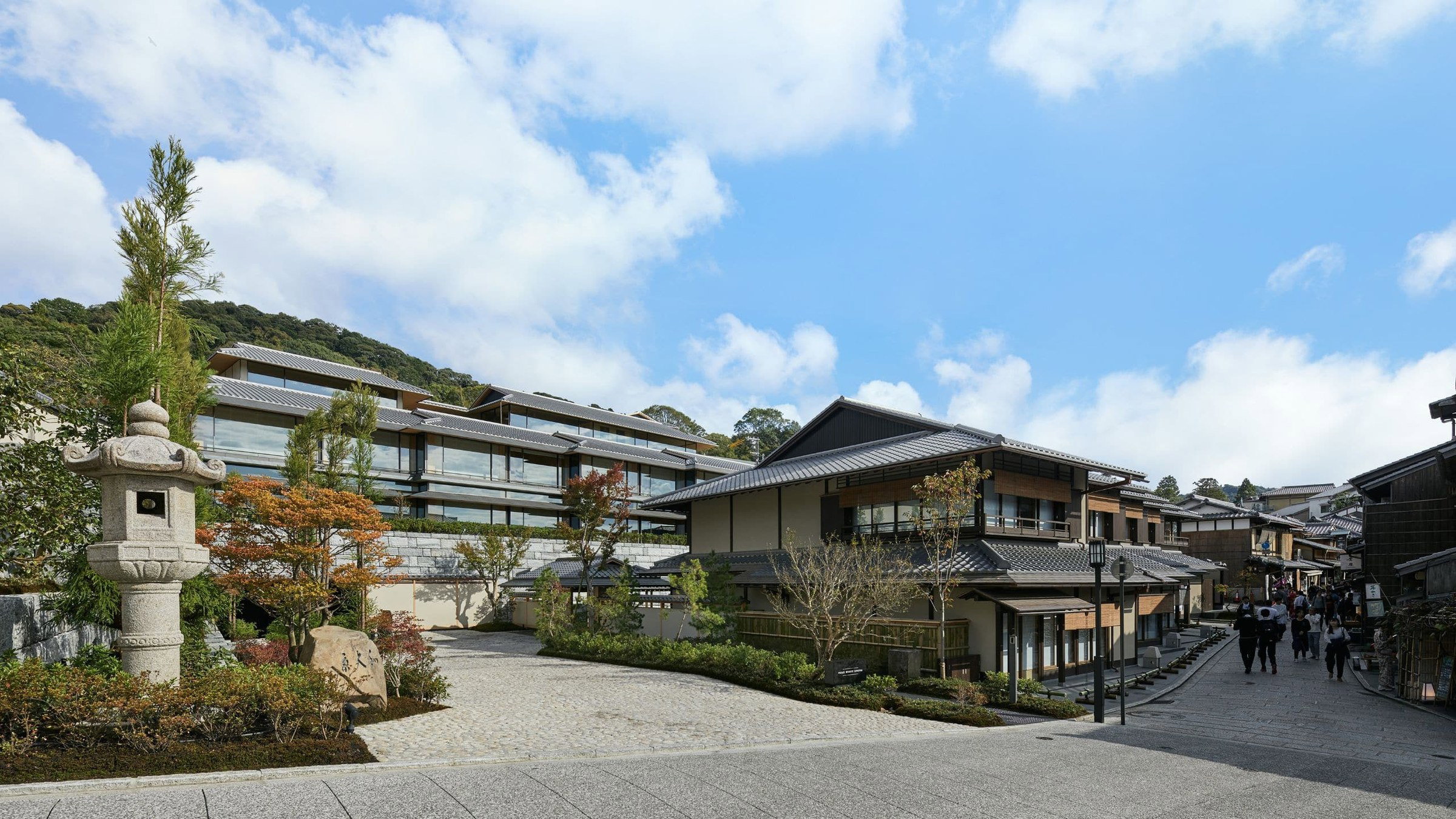
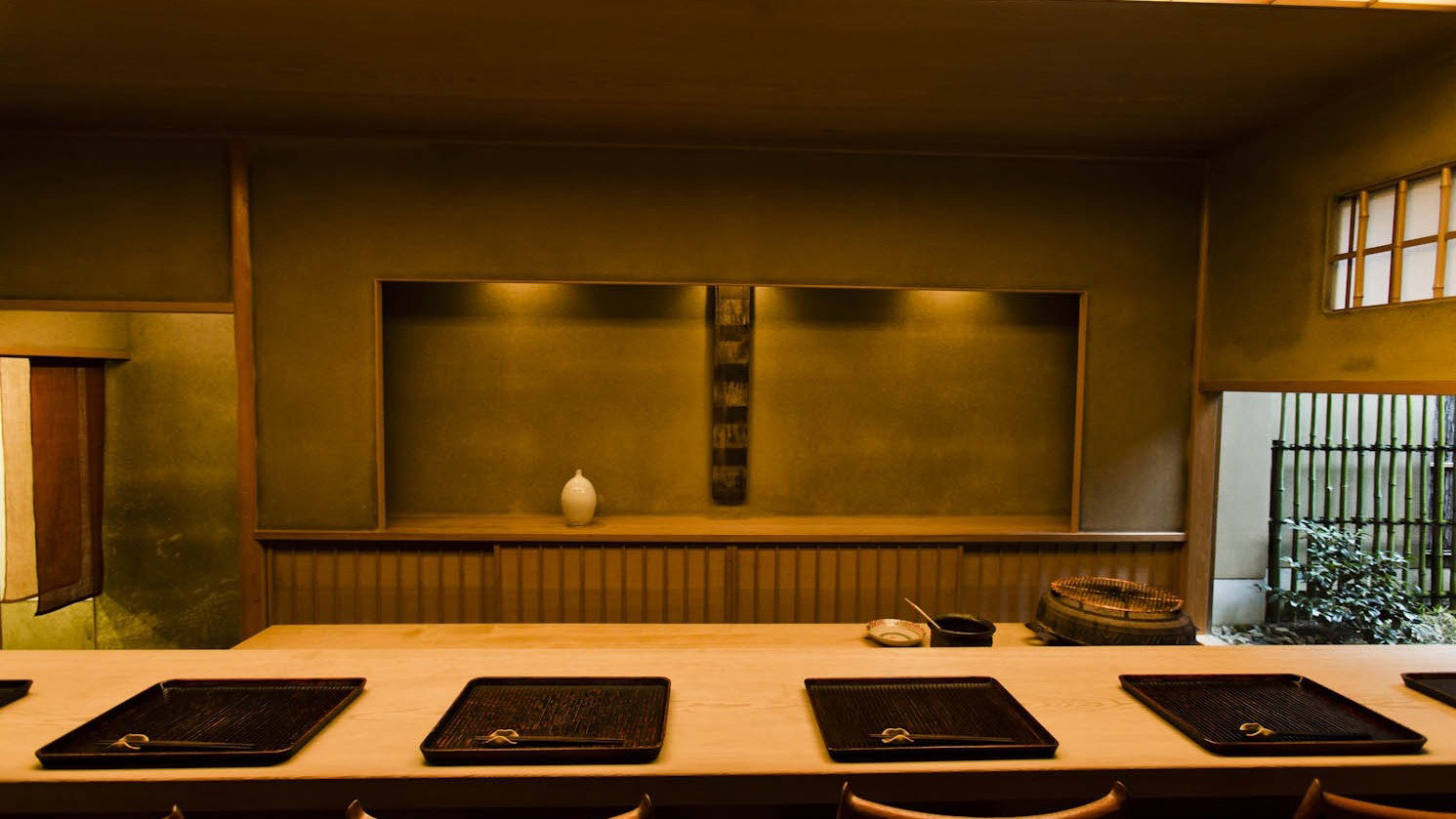
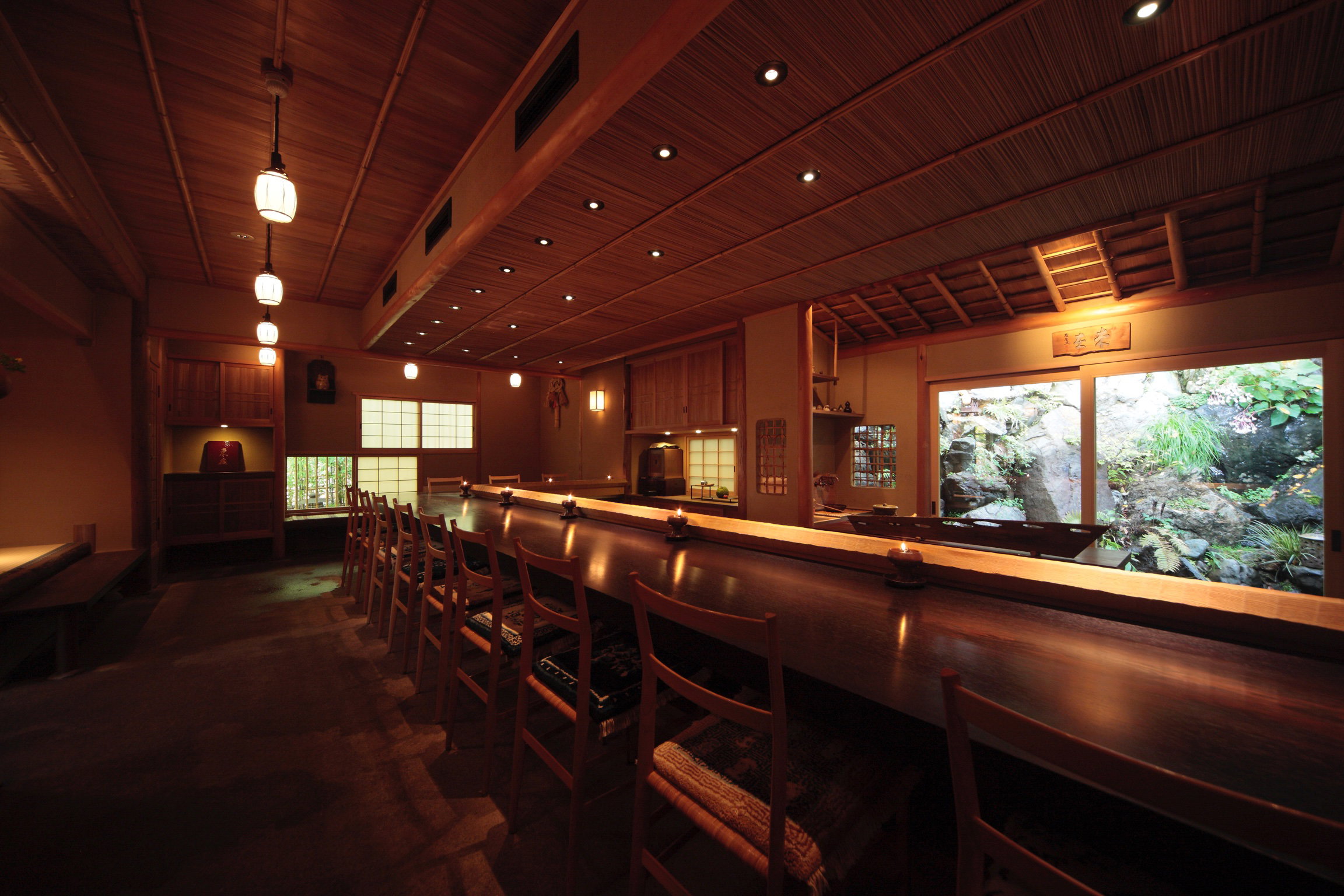
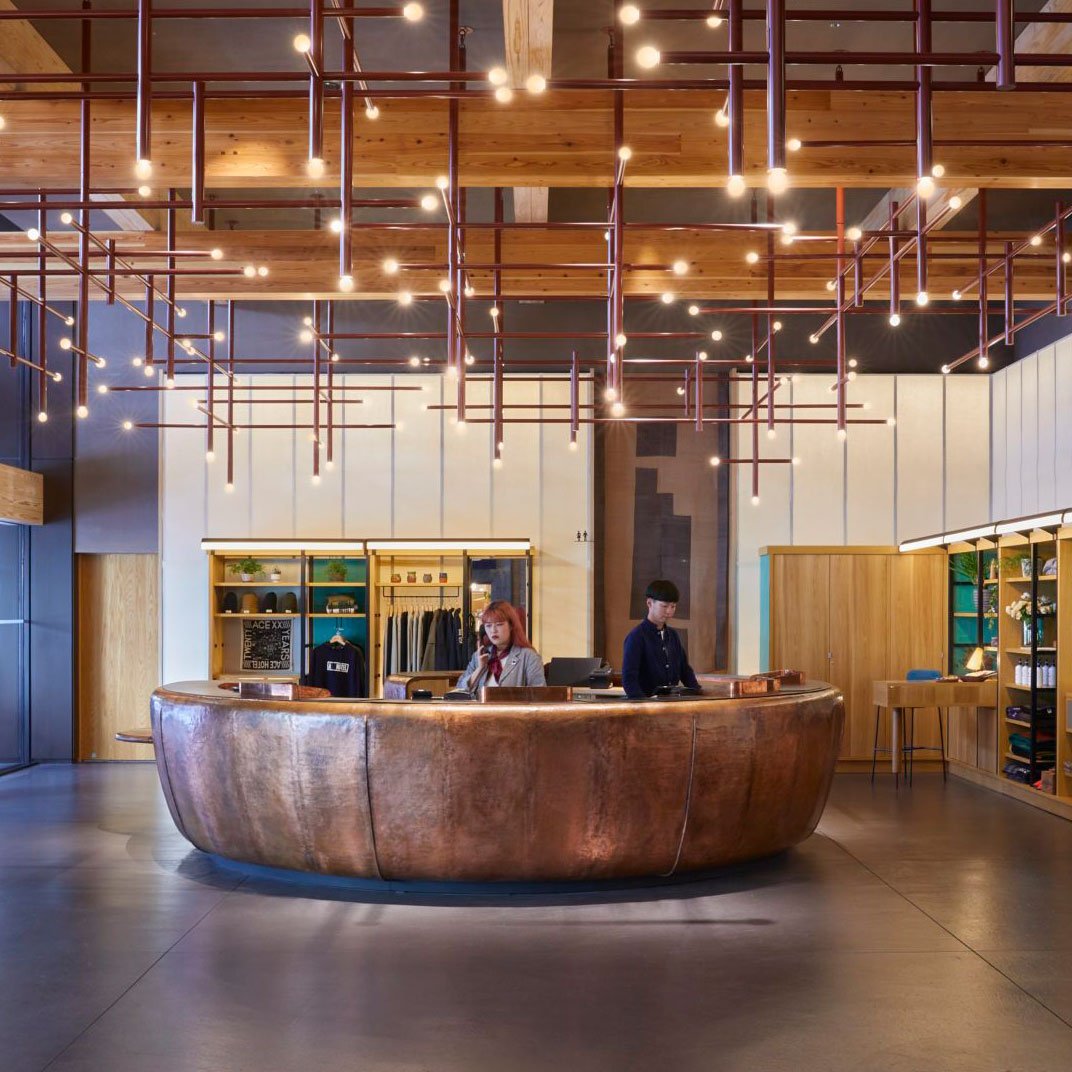
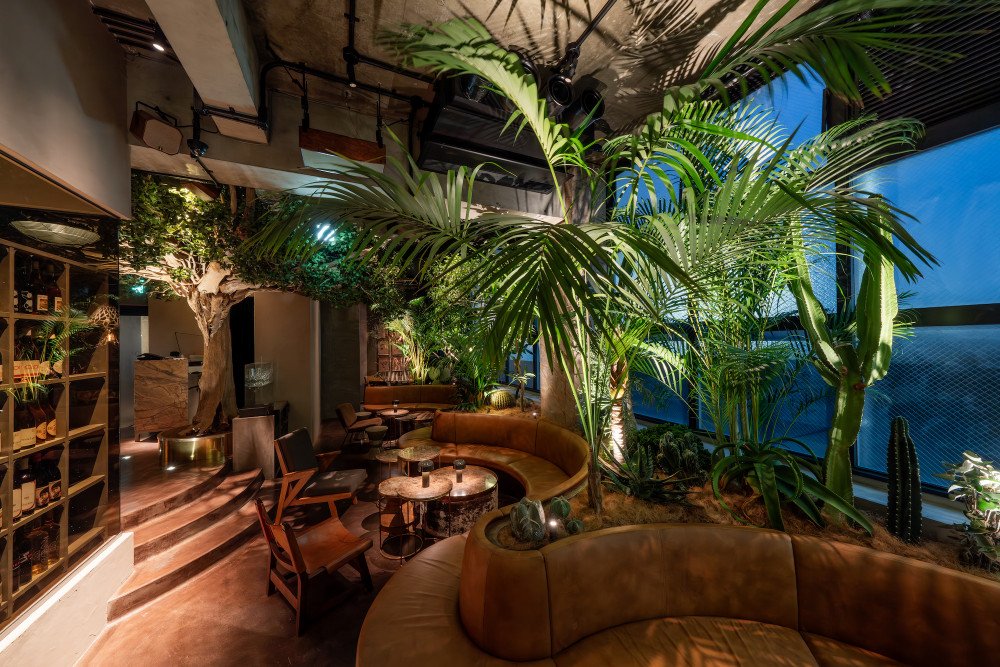
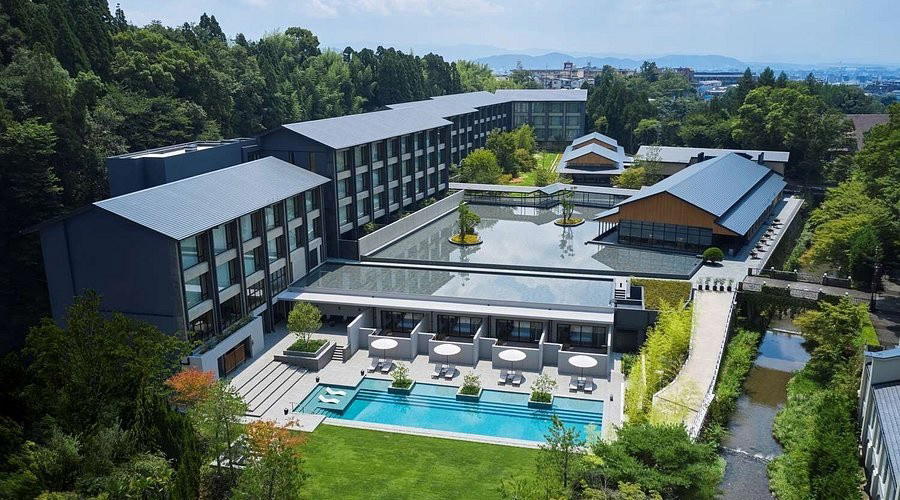
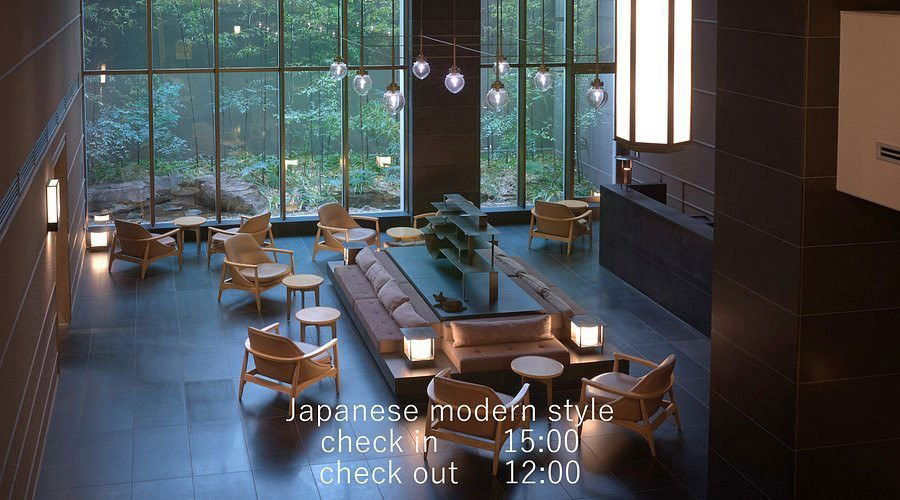
The Celestine Kyoto Gion reads as contemporary luxury with a local heartbeat. A double-height, stone-clad lobby and modernist curved furniture establish a clean, design-forward tone on arrival. The property sits at the edge of Gion, where urban streetscapes give way to the Kamo River and Mount Higashi, so guests feel both city-side and sublimely situated. The hotel nods to Kyoto’s hospitality traditions without adopting a ryokan format, balancing thoughtful Japanese influence and polished modern design. The result is a composed, scenic city hotel that emphasizes design restraint and a strong sense of place.
Best For
This is a good fit for travelers who want easy access to Gion’s cultural landmarks while staying in a larger, well-appointed hotel. With 157 rooms and a position alongside the Kamo River and at the foot of Mount Higashi, the property suits visitors planning museum and shrine visits, couples seeking a refined base for exploring, and business travelers who prefer a flagship hotel with scale and polished service. Its location makes walking to Yasaka Shrine, Maruyama Park and the preserved machiya streetscapes straightforward, so days are geared toward neighborhood discovery.
Stay Tips
Book early for peak seasons and request a room with a view of the Kamo River or Mount Higashi if those vistas matter to you—the hotel explicitly sits between both. Rates are noted from about $415 per night, so check availability and cancellation terms when booking. Because the property bridges modern hotel scale and local ryokan influences, ask the front desk about rooms or small touches that reference Kyoto traditions if you want a more locally rooted stay.
Venue details
Ambiance
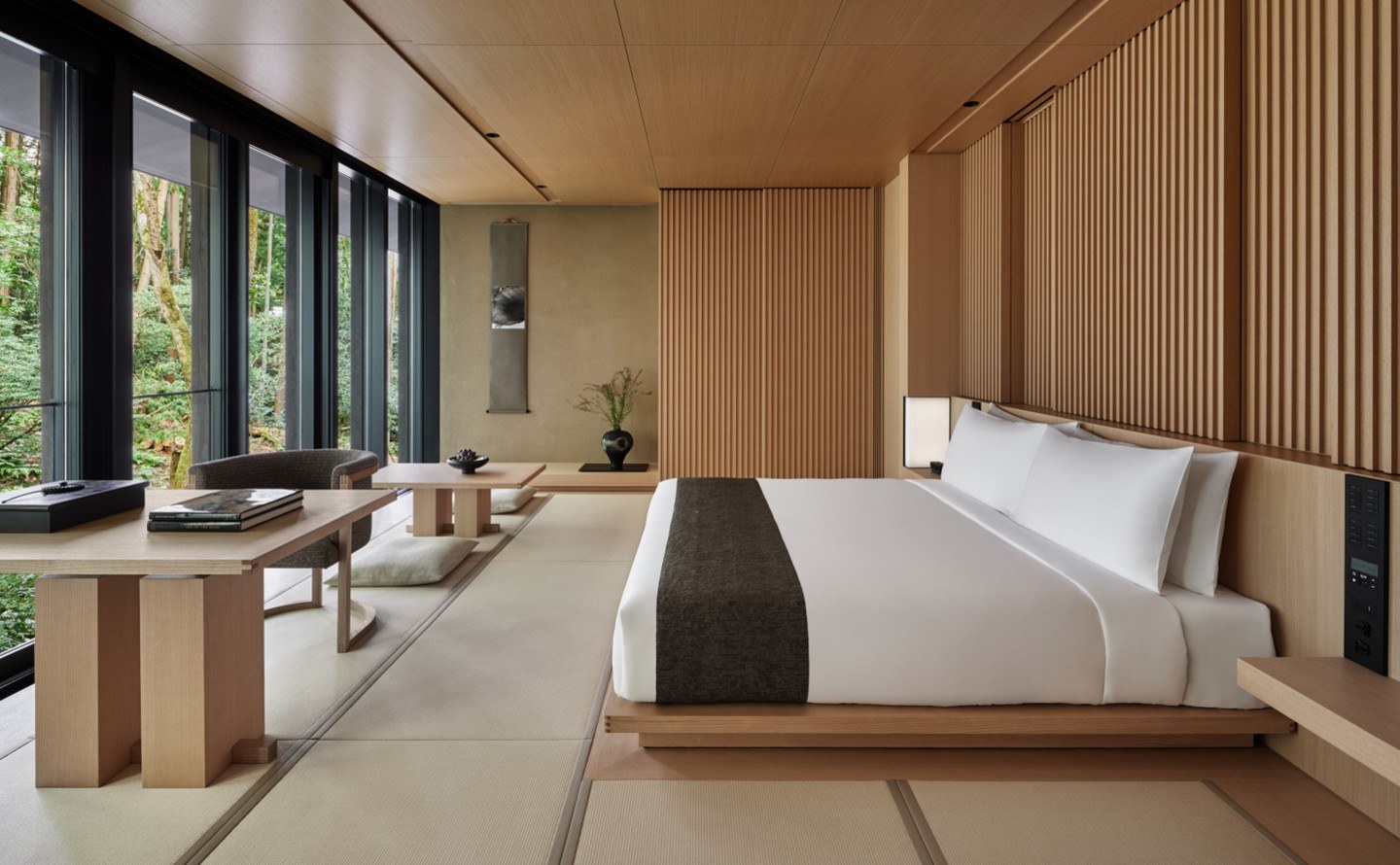
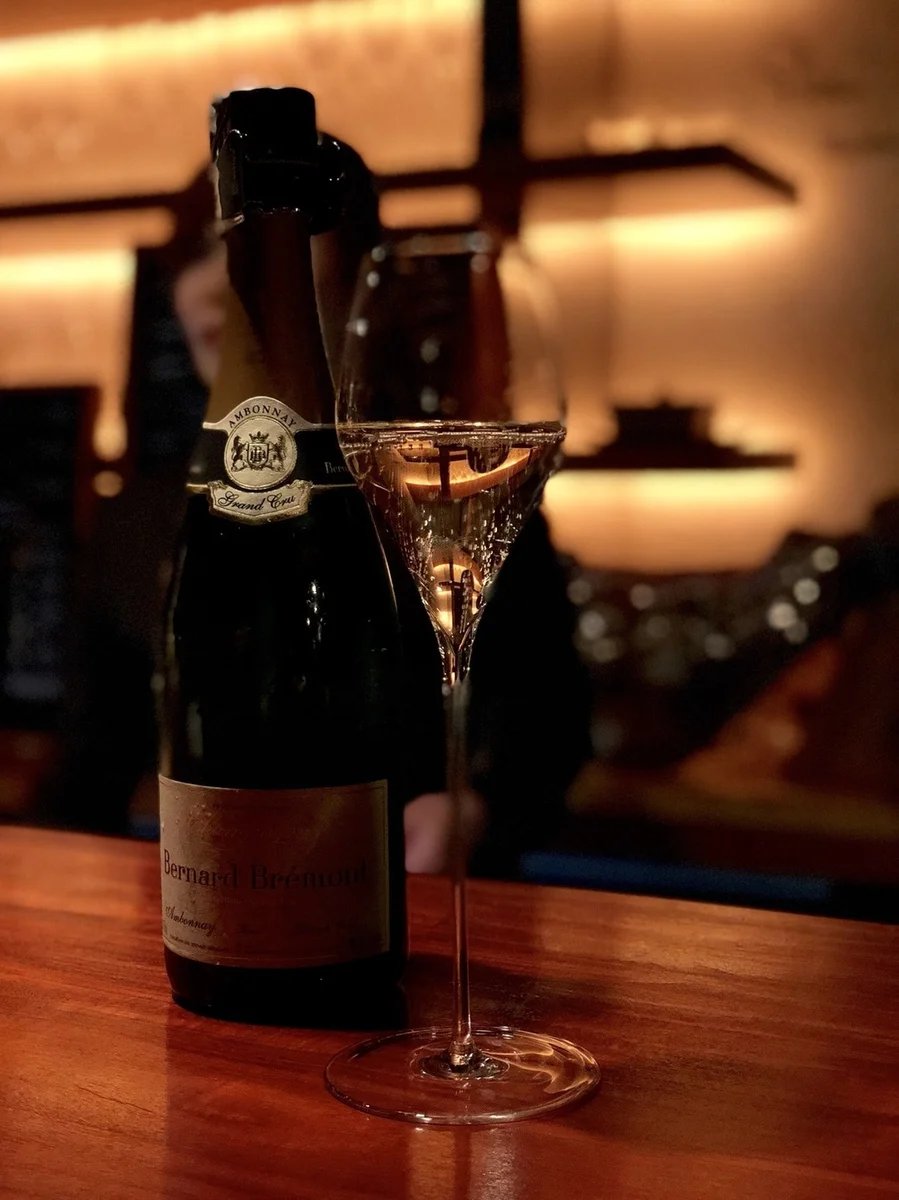
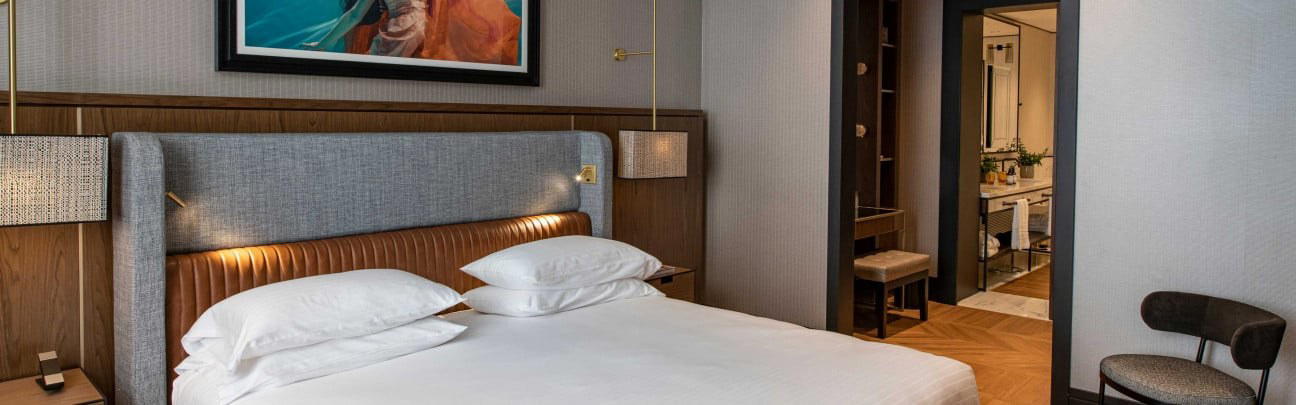
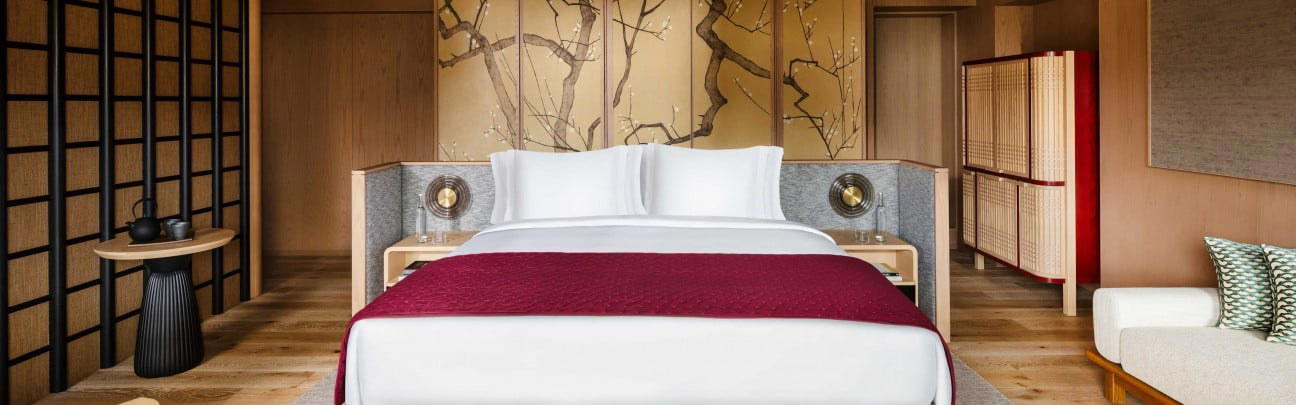
Tranquil and relaxing atmosphere with zen-inspired design, soft lighting in guest rooms and lounge, and a serene modern Japanese public bath praised for post-sightseeing relaxation.
Tags
Vibe
Best For
Experience
Amenities
View
Accessibility
About the Stay
- Rooms
- 157
- Check-in
- 15:00
- Check-out
- 11:00
- Property Style
- Modern Interpretation of Kyoto's Historic Charm with Contemporary Comforts.
- Design Style
- Elegant Minimalist Japanese with High Quality Finishes and Thoughtful Details.
Know before you go
Know Before You Go
- Getting there
- 572 Komatsuchō, Higashiyama Ward, Kyoto, 605-0811
Planning details
Location
572 Komatsuchō, Higashiyama Ward, Kyoto, 605-0811 · Directions
Recognition and awards
Also consider
Also Consider
- Nohga Hotel Kiyomizu Kyoto, Notable alternative
- GRANBELL HOTEL KYOTO, Notable alternative
- The Hotel Seiryu Kyoto Kiyomizu, Notable alternative
- FAUCHON L'Hotel Kyoto, Notable alternative
- SOWAKA, Notable alternative
Hotel context
How it compares in Kyoto
Hotel The Celestine Kyoto Gion is the sensible middle path among these Kyoto options: more polished and recognition-backed than a basic city hotel, but less of a destination splurge than The Hotel Seiryu Kyoto Kiyomizu or SOWAKA. Choose it if Gion access, calm interiors, and a reliable quality floor matter more than a high-drama arrival.
Nohga Hotel Kiyomizu Kyoto is the better cross-shop for travelers who want a contemporary Kiyomizu-side base and may care less about formal recognition. GRANBELL HOTEL KYOTO is more compelling for guests who want a city-nightlife setup and a less hushed mood. Hotel The Celestine Kyoto Gion is the safer pick for a quieter east-side stay.
FAUCHON L'Hotel Kyoto is the more style-forward choice if the trip leans toward a boutique, branded hospitality feel. For value, The Celestine is strongest when rates sit below the more character-heavy luxury peers and the itinerary is built around walking Gion and Higashiyama rather than spending long hours in the hotel.
Explore Kyoto
Around this place
Discover more on Pearl
Unlock the full Hotel The Celestine Kyoto Gion guide in Pearl, including awards, comparisons, FAQs, planning details, and nearby places.
Compare Hotel The Celestine Kyoto Gion
| Venue | Location | Awards |
|---|---|---|
| Hotel The Celestine Kyoto Gion | Kyoto | 2026 Michelin 1 KeyMichelin 1 Key 20252025 Michelin 1 Key2024 Michelin 1 Key |
| Nohga Hotel Kiyomizu Kyoto | Kyoto | No published awards |
| GRANBELL HOTEL KYOTO | Kyoto | No published awards |
| The Hotel Seiryu Kyoto Kiyomizu | Kyoto | 2026 Forbes 4-Star2026 La Liste Top HotelsLeading Hotels of the World 20262026 Michelin 1 Key2025 Forbes 4-Star2025 Michelin 1 Key2024 Michelin 1 Key |
| FAUCHON L'Hotel Kyoto | Kyoto | 2025 Michelin Selected HotelsSmall Luxury Hotels Member 2025 |
| SOWAKA | Kyoto | 2026 Forbes 4-Star2026 La Liste Top Hotels2025 Forbes 4-StarSmall Luxury Hotels Member 2025 |






How Hotel The Celestine Kyoto Gion compares with similar nearby venues.
FAQ
Frequently Asked Questions
How does Hotel The Celestine Kyoto Gion compare to other Kyoto hotels?
Hotel The Celestine Kyoto Gion is a Kyoto hotel with confirmed Michelin 1 Key recognition for 2024. When comparing it with Nohga Hotel Kiyomizu Kyoto, SOWAKA, The Hotel Seiryu Kyoto Kiyomizu, GRANBELL HOTEL KYOTO, or FAUCHON L'Hotel Kyoto, focus on current rates, room availability, and the specific services each property confirms for your dates.
Is Hotel The Celestine Kyoto Gion family-friendly?
Family-specific facilities and policies are not detailed. If you are traveling with children, confirm room occupancy, bedding, meal options, and any child-related services directly before booking Hotel The Celestine Kyoto Gion in Kyoto.
How is the pool and spa at Hotel The Celestine Kyoto Gion?
Pool and spa details are not available. The confirmed trust signal is Michelin 1 Key recognition for 2024, but travelers who need specific wellness facilities should confirm availability directly with the hotel or booking channel before paying.
When is the best time to book Hotel The Celestine Kyoto Gion?
Information on a specific booking window is not available. If Hotel The Celestine Kyoto Gion fits your Kyoto plans, compare current rates and availability, then book when the room type and terms match your needs.
Which room category is best at Hotel The Celestine Kyoto Gion?
Room categories, sizes, and views are not detailed. Choose based on the current room descriptions provided by the hotel or booking channel, and confirm any must-have details before booking.
Do loyalty programs work at Hotel The Celestine Kyoto Gion?
Loyalty-program details are not provided. If points, elite benefits, or booking-channel perks matter, confirm the exact terms before paying. The confirmed recognition for the property is Michelin 1 Key for 2024.
How is the location of Hotel The Celestine Kyoto Gion?
Hotel The Celestine Kyoto Gion is in Kyoto. More specific address or neighborhood details are not available, so travelers should confirm the exact location through the hotel or booking channel before finalizing plans.