
Kumarakom Lake Resort
Kumarakom
Hotel in Kumarakom, India
 Book with Pearl
Why go
Kumarakom Lake Resort is worth booking if the trip is built around Kerala's backwaters and the hotel setting needs to carry the stay. Its 2025 MICHELIN Guide hotel selection gives it a useful quality signal, while easy booking makes it less stressful than many destination resorts. Cross-shop Cochin hotels if access and city time matter more than the Kumarakom address.
About Kumarakom Lake Resort
Kumarakom Lake Resort is a Kumarakom hotel with MICHELIN Guide, Hotels Selected recognition for 2025 and a smart-casual dress code. Evaluate it first as a Kumarakom stay, and check directly with the property for specific facilities, dining formats, room types, prices, or services.
Use Kumarakom as the main decision point. If the trip is built around staying in Kumarakom, Kumarakom Lake Resort belongs on the shortlist. If the itinerary depends on another base, compare it with other confirmed options by location and trip purpose rather than assuming the properties are interchangeable.
Book for Kumarakom first
The strongest hook is simple: Kumarakom Lake Resort is in Kumarakom and appears in the MICHELIN Guide hotel selection for 2025. Details such as room categories, restaurant concepts, spa programs, activities, prices, booking difficulty, and transport arrangements should be checked directly before booking.
Compared with Taj Malabar Resort and Spa, Cochin and The Malabar House, Kumarakom Lake Resort is the Kumarakom option. Compared with SpiceTree Munnar, it is a different base rather than a like-for-like stay. Kairali – The Ayurvedic Healing Village and The Postcard Mandalay Hall may also be useful comparisons depending on the wider itinerary, but the choice should come down to where the trip needs to be based.
Who should book, and who should cross-shop
Book Kumarakom Lake Resort if a Kumarakom hotel with a 2025 MICHELIN Guide hotel-selection signal fits the trip. Cross-shop if location, room style, dining, wellness facilities, family needs, or business logistics are central to the decision, and confirm those specifics before booking.
Cross-shop The Postcard Mandalay Hall for a different hotel option, Taj Malabar Resort and Spa, Cochin for a Cochin-based stay, The Malabar House for another non-Kumarakom alternative, SpiceTree Munnar for a Munnar stay, and Kairali – The Ayurvedic Healing Village if the trip is focused on that property's positioning. For broader planning, compare Kumarakom Lake Resort with other hotels in Kumarakom and confirm current details directly with the property.
Quick reference: consider Kumarakom Lake Resort for a Kumarakom stay with MICHELIN Guide hotel-selection recognition; confirm all practical details before booking.
Planning details
- Location
- North, Post, Vayitharamattom, Kumarakom, Kerala 686563, India
- Website
- kumarakomlakeresort.in
- Phone
- 91 481 2524900
The take
The Take
The Vibe
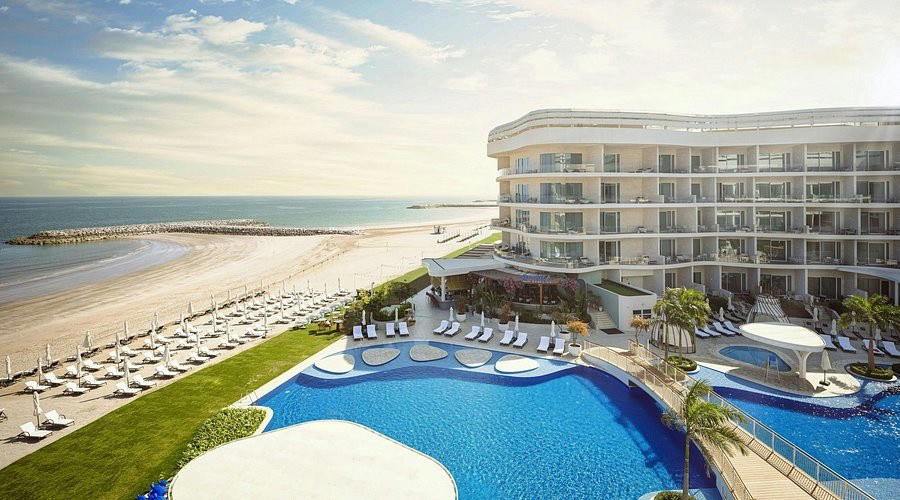
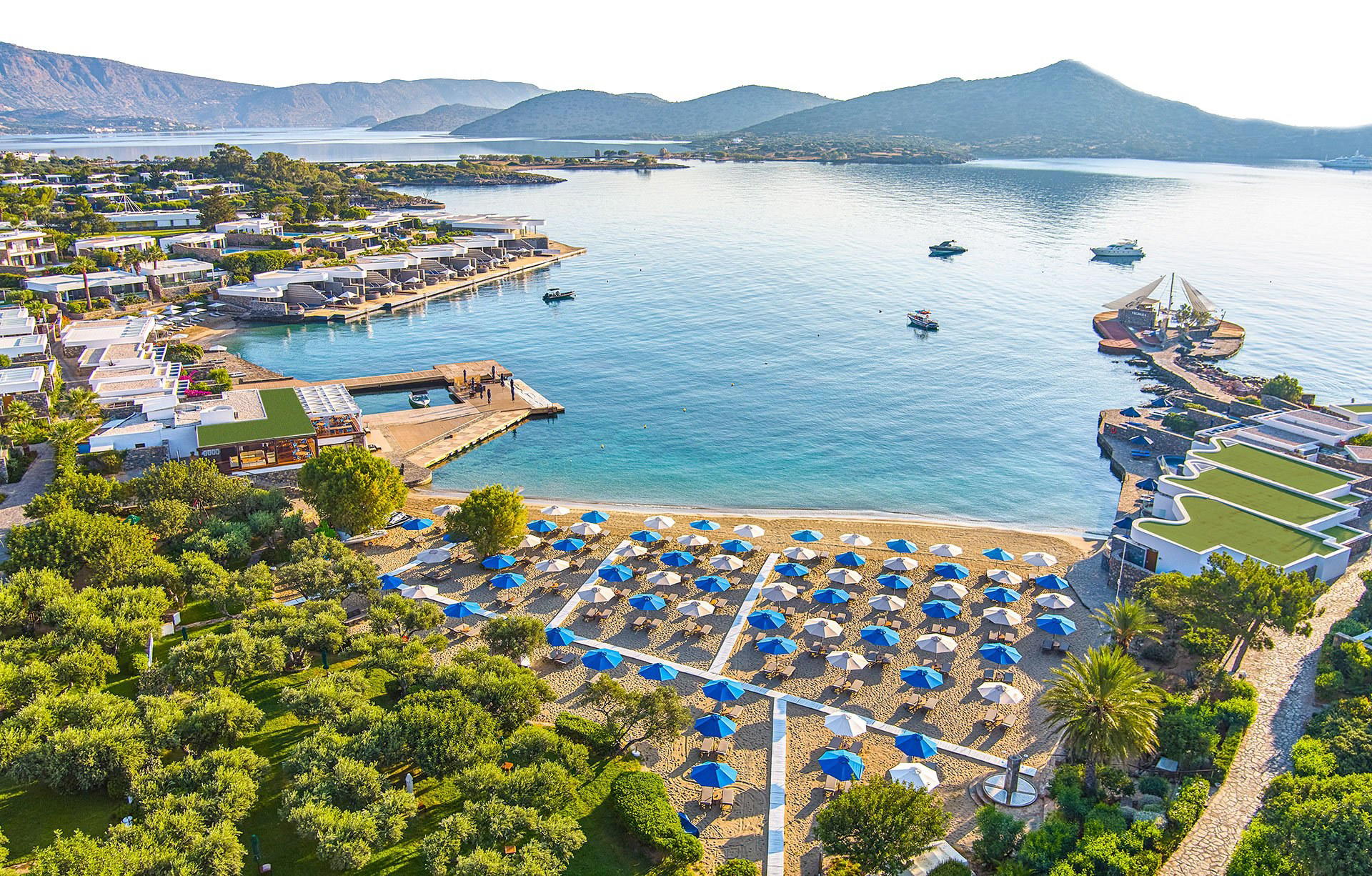
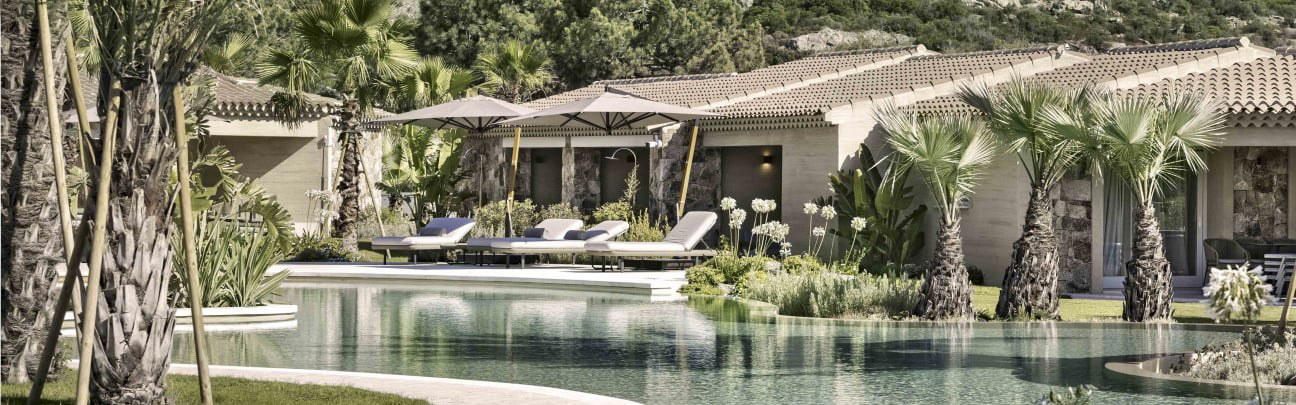
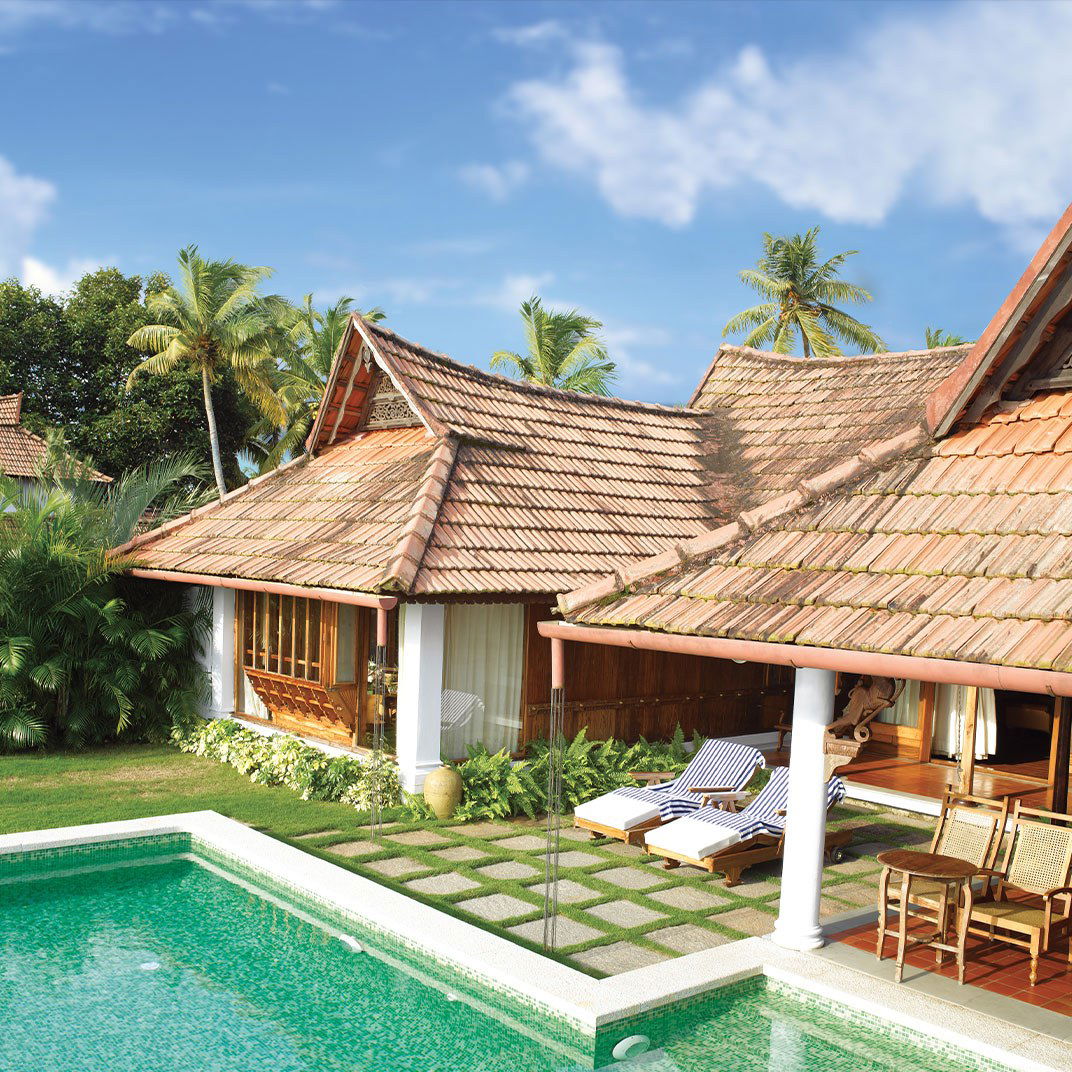
Kumarakom Lake Resort presents a quietly considered take on Kerala’s backwater heritage, favoring domestic scale and vernacular materials over theatrical luxury. The property accumulates presence through tiled rooflines, wooden lattice screens and laterite and teak details that reference the tharavadu, the ancestral manor house. Arrival through low garden paths and open corridors foregrounds an inward, intimate rhythm; interior courtyards and deep overhangs manage climate while framing water views. The overall effect is serene and place-specific: rather than announcing itself, the architecture reveals layers of local tradition and a calm orientation toward the lake.
Best For
The resort suits couples and families seeking a low-key but distinctly local escape — it’s explicitly positioned for honeymooners, romantic getaways and anniversaries while also supporting family vacations and wellness retreats. Those who appreciate architecture and quietly curated landscapes will find the property rewarding: rooms and public spaces orient toward Vembanad Lake and interior courtyards, so guests can expect a restful, contemplative stay focused on water views, gentle gardens and the rhythms of Kerala heritage hospitality. It’s also well suited to short weekend escapes.
Venue details
Ambiance
Soul-stirring with peaceful lake breezes, lush greenery, wooden interiors, and relaxed heritage charm.
Tags
Vibe
Best For
Experience
Amenities
View
About the Stay
- Rooms
- 65
- Check-in
- 15:00
- Check-out
- 11:00
- Property Style
- Traditional Kerala Heritage Resort with Modern Luxuries
- Design Style
- Polished Rustic Kerala Homestead Architecture with Wooden Interiors and Red Tile Roofs
Know before you go
Know Before You Go
- Getting there
- North, Post, Vayitharamattom, Kumarakom, Kerala 686563, India
Planning details
Location
North, Post, Vayitharamattom, Kumarakom, Kerala 686563, India · Directions
Recognition and awards
Also consider
Where to look if this is not the right fit
Choose Taj Malabar Resort and Spa, Cochin if transfers, city access, and a Cochin base matter more than staying in Kumarakom. Choose The Malabar House if the trip is centered on Fort Kochi atmosphere rather than a lake resort.
For a non-backwater Kerala stay, compare SpiceTree Munnar for hill-country pacing or Kairali – The Ayurvedic Healing Village for a wellness-first plan.
Hotel context
How it compares in Kerala
Kumarakom Lake Resort is the stronger pick when the trip is specifically about the Kumarakom backwaters. Taj Malabar Resort and Spa, Cochin is easier for city access and transfers, while The Malabar House makes more sense for travelers who want Fort Kochi's heritage feel rather than a resort-led lake stay.
SpiceTree Munnar is the better comparison for travelers choosing between Kerala's water and hill-country moods. Pick Munnar for cooler air and tea-country pacing; pick Kumarakom for a slower backwater base. Kairali – The Ayurvedic Healing Village is more wellness-led, so it fits guests who want the retreat structure to define the trip.
The Postcard Mandalay Hall is the cross-shop for a quieter, heritage-leaning alternative outside the Kumarakom frame. Booking here is listed as easy, so the decision is less about access and more about choosing the right Kerala setting: water, city, hill country, or wellness retreat.
Explore Kumarakom
Around this place
Discover more on Pearl
Unlock the full Kumarakom Lake Resort guide in Pearl, including awards, comparisons, FAQs, planning details, and nearby places.
Compare Kumarakom Lake Resort
| Venue | Location | Awards |
|---|---|---|
| Kumarakom Lake Resort | Kumarakom | 2025 Michelin Selected Hotels |
| The Postcard Mandalay Hall | Kochi | No published awards |
| Taj Malabar Resort and Spa, Cochin | Kochi | No published awards |
| The Malabar House | Fort Cochin | 2026 Relais Chateaux Hotels2025 Michelin Selected Hotels2025 Relais Chateaux Award |
| SpiceTree Munnar | Chinnakanal | No published awards |
| Kairali – The Ayurvedic Healing Village | Kerala | No published awards |

How Kumarakom Lake Resort compares with similar nearby venues.
FAQ
Frequently Asked Questions
How does Kumarakom Lake Resort compare to other hotels?
Kumarakom Lake Resort is the Kumarakom option among the named comparisons. Taj Malabar Resort and Spa, Cochin and The Malabar House are better treated as alternatives in other locations rather than as Kumarakom hotels.
Which room category is best at Kumarakom Lake Resort?
Choose based on current information from the hotel, including the room type, view, inclusions, and cancellation terms available for your dates.
How is the dining at Kumarakom Lake Resort?
Kumarakom Lake Resort is recognized in the MICHELIN Guide, Hotels Selected for 2025. For current cuisine, restaurant format, menu, chef, or price-point details, check directly with the hotel.
When is the best time to book Kumarakom Lake Resort?
Is Kumarakom Lake Resort good for business travel?
What is check-in like at Kumarakom Lake Resort?
Contact the hotel or your booking channel for current arrival instructions and timing.