

The Malabar House
Fort Kochi, Fort Cochin
Hotel in Fort Cochin, India
 Book with Pearl
The Read
Colonial Compound Curation
Why go
The Malabar House is the right Fort Cochin pick if location and boutique atmosphere matter more than resort scale. Its Relais & Châteaux recognition and MICHELIN Guide hotel selection give it credible luxury-hotel backing, while the Parade Road address makes it practical for a first stay in Fort Kochi.
About The Malabar House
The Malabar House is a Fort Cochin hotel with two clear trust signals: a Relais Chateaux Award (2026) and selection in the MICHELIN Guide, Hotels Selected (2025). Beyond those recognitions, details are limited, so it is best evaluated as an award-recognized hotel in Fort Cochin, rather than by assuming unstated details about facilities, dining, pricing, or service style.
The practical recommendation is simple: consider it if the priority is staying in Fort Cochin with a smart-casual standard and confirmed hotel recognition. Do not choose it on the basis of claims about a specific address, restaurant program, amenity set, or resort format unless those details are confirmed directly before booking.
A Fort Cochin base with confirmed hotel recognition
The strongest case for The Malabar House is its recognition profile. The Relais Chateaux Award (2026) and MICHELIN Guide, Hotels Selected (2025) place it in a more credible hotel set. The dress code is smart casual.
Important details like cuisine, restaurant format, pricing, room count, amenities, check-in procedure, or a precise street address are not available. Treat those as details to verify directly with the hotel rather than assumptions to build a trip around.
Who should choose it, and who should look elsewhere
Choose The Malabar House if you want a Fort Cochin hotel with confirmed recognition and a smart-casual expectation. It is a clearer fit for travelers who value a Fort Cochin base than for anyone comparing detailed resort facilities, dining programs, or wellness offerings from public claims.
For other styles of stay, compare it naturally with Taj Malabar Resort and Spa, Cochin, The Postcard Mandalay Hall, Kumarakom Lake Resort, Kairali – The Ayurvedic Healing Village, and SpiceTree Munnar. Those comparisons should be made by trip purpose and confirmed current details, not by assuming that each property serves the same Fort Cochin brief.
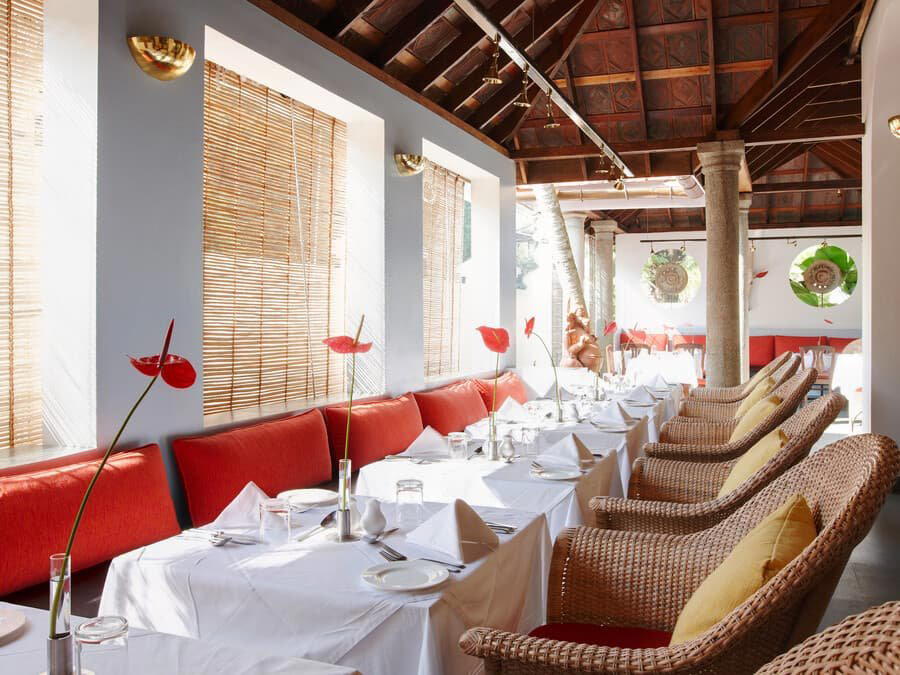
Inside The Malabar House
Planning details
- Location
- 1/268 269, Parade Road, Fort Kochi, Kochi, Kerala 682001
- Website
- malabarhouse.com
- Phone
- +91 98466 69999
The take
The Take
The Vibe
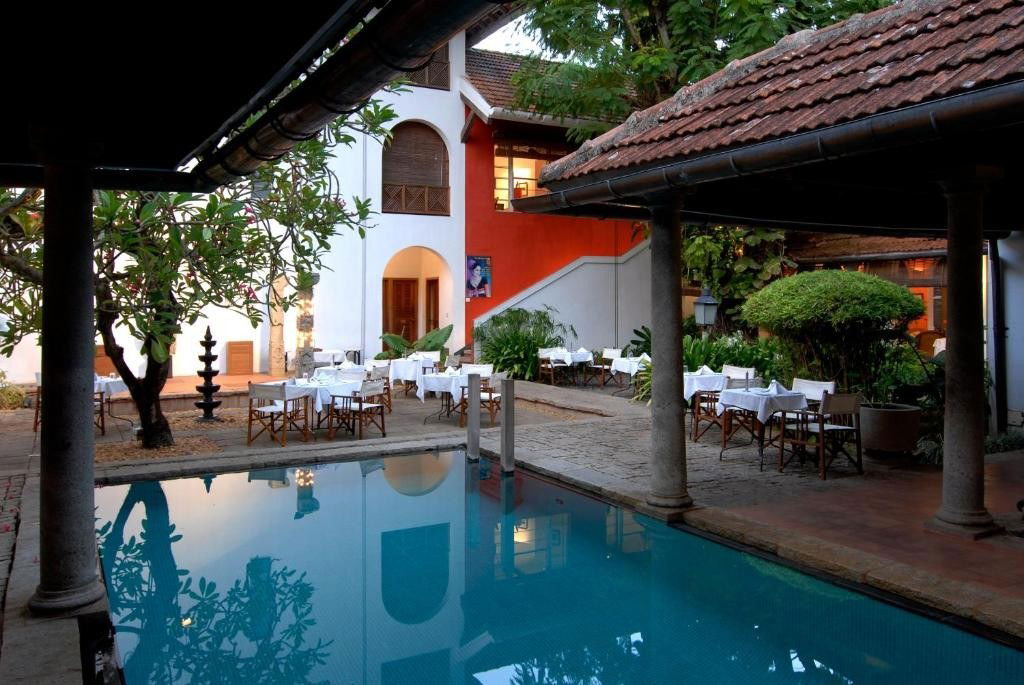
The Malabar House foregrounds its building: a Portuguese-period mansion whose thick laterite-stone walls, shaded entrance and central courtyard define the stay. Rather than erasing original fabric, the conversion preserves verandahs and garden-facing corridors so rooms read as part of the house rather than hotel boxes. That restraint produces a historic, charming and serene atmosphere where light, shade and materiality take precedence over contemporary showiness. Public spaces feel inward-looking and measured; the hotel’s modest scale keeps the mood intimate and contemplative, making architecture itself the principal draw for guests.
Best For
This is a stay for travelers who prize place and architectural authenticity. Guests who enjoy walking Fort Cochin—along Parade Road to St. Francis Church and the peninsula’s layered colonial streets—find the hotel an ideal base. It suits solo explorers and couples looking for a quiet, design-minded alternative within the boutique upper tier, and anyone who prefers heritage conservation over slick contemporary makeovers. Review scores cited in the description also make it a good choice for travelers who want reassurance that the property’s considered approach is well regarded.
Stay Tips
When booking, prioritize rooms that open onto the central courtyard, verandahs or garden-facing corridors to experience the hotel’s defining spatial grammar. Reserve early: Fort Cochin’s boutique market is compact and upper-tier heritage conversions can fill up. Note the property’s EP Club and Google ratings as references when selecting a room type, and mention a preference for courtyard- or verandah-facing accommodation so you maximize natural ventilation, shaded outdoor space and the architectural features that distinguish the Malabar House.
Venue details
Ambiance
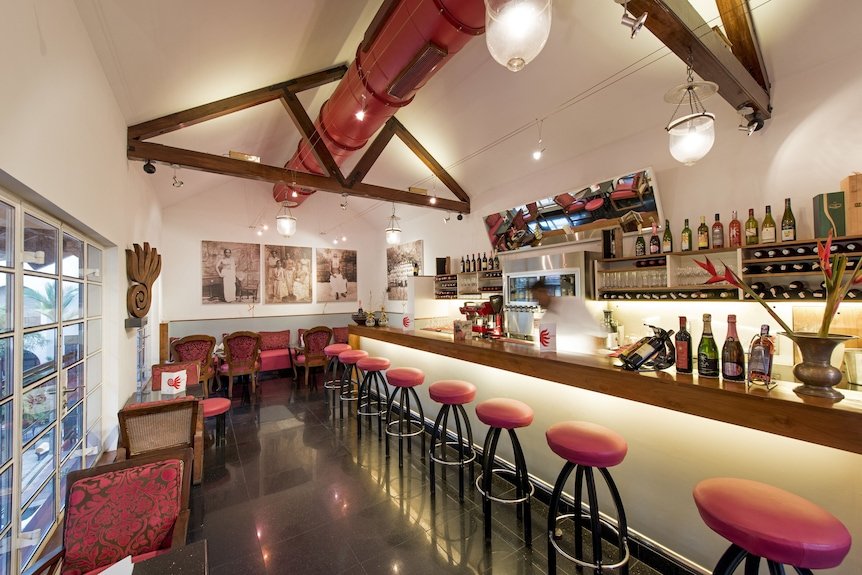
Serene and artistic with cool marble floors, soft natural lighting, and intimate courtyards; described as an oasis of calm with warm, welcoming service throughout.
Tags
Vibe
Best For
Experience
Amenities
View
Accessibility
About the Stay
- Rooms
- 17
- Check-in
- 14:00
- Check-out
- 12:00
- Property Style
- East Meets West Colonial Heritage Boutique Hotel Blending 18th Century Architecture with Contemporary Design and Curated Artworks.
- Design Style
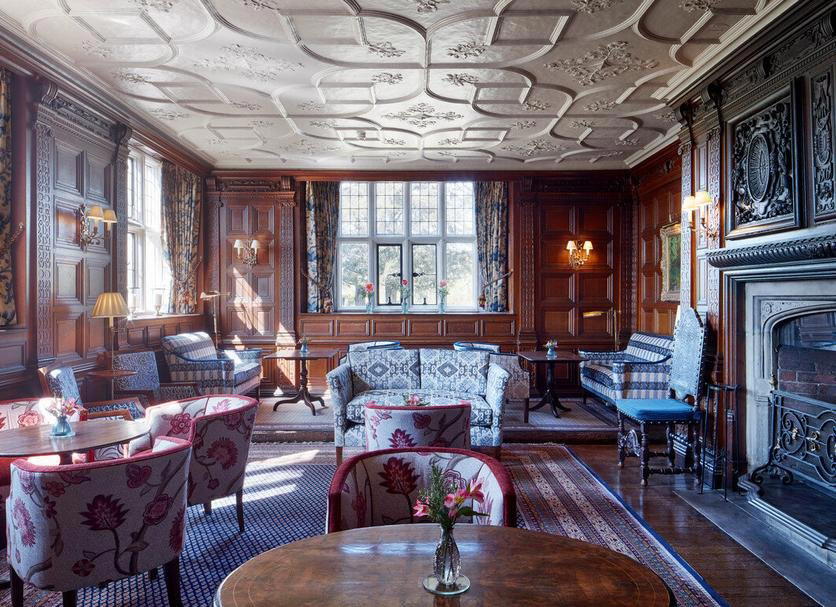
- Minimalist Meets Eclectic with Cool Marble Floors, Heavy Wood Furniture, Exotic Fabrics, and Individually Decorated Rooms Featuring Antique and Contemporary Pieces.
Know before you go
Know Before You Go
- Getting there
- 1/268 269, Parade Road, Fort Kochi, Kochi, Kerala 682001
Planning details
Location
1/268 269, Parade Road, Fort Kochi, Kochi, Kerala 682001 · Directions
Recognition and awards

Also consider
Where to look if this is not the right fit
If the priority is a bigger resort setup near Cochin, cross-shop Taj Malabar Resort and Spa, Cochin. If the trip can move out of the city entirely, Kumarakom Lake Resort is the more logical pick for a slower retreat.
Hotel context
How it compares in and around Fort Cochin
Choose The Malabar House if the trip is centered on Fort Kochi itself and the goal is a smaller, more atmospheric base. Taj Malabar Resort and Spa, Cochin is the better cross-shop for travelers who want a larger resort-style stay outside the immediate Fort Cochin frame, while The Postcard Mandalay Hall is the closer peer for a design-led heritage mood.
For a trip where the hotel is the destination, look beyond Fort Cochin. Kumarakom Lake Resort makes more sense for a lake-focused escape, Kairali – The Ayurvedic Healing Village is the clearer wellness-led choice, and SpiceTree Munnar suits travelers who would rather trade city access for a hill-country setting.
On booking effort, The Malabar House is the easier practical choice for a Fort Cochin stay because booking difficulty is low. The main decision is not access, but trip shape: stay here for Fort Kochi days, or pick one of the out-of-metro peers if the hotel setting matters more than being in the old quarter.
Explore Fort Cochin
Around this place
Discover more on Pearl
Unlock the full The Malabar House guide in Pearl, including awards, comparisons, FAQs, planning details, and nearby places.
Compare The Malabar House
| Venue | Location | Awards |
|---|---|---|
| The Malabar House | Fort Cochin | 2026 Relais Chateaux Hotels2025 Michelin Selected Hotels2025 Relais Chateaux Award |
| Taj Malabar Resort and Spa, Cochin | Kochi | No published awards |
| The Postcard Mandalay Hall | Kochi | No published awards |
| Kumarakom Lake Resort | Kumarakom | No published awards |
| Kairali – The Ayurvedic Healing Village | Kerala | No published awards |
| SpiceTree Munnar | Chinnakanal | No published awards |
How The Malabar House Fort Cochin compares with similar nearby venues.
FAQ
Frequently Asked Questions
How is the dining at The Malabar House?
Details on the dining format, cuisine, dishes, pricing, or service hours are not available. The hotel has recognition from the Relais Chateaux Award (2026) and MICHELIN Guide, Hotels Selected (2025).
What is check-in like at The Malabar House?
Is The Malabar House family-friendly?
How does The Malabar House compare to other hotels?
The Malabar House is a Fort Cochin hotel with confirmed recognition from Relais Chateaux Award (2026) and MICHELIN Guide, Hotels Selected (2025). Taj Malabar Resort and Spa, Cochin, The Postcard Mandalay Hall, Kumarakom Lake Resort, Kairali – The Ayurvedic Healing Village, and SpiceTree Munnar are useful alternatives to compare depending on the trip purpose and the currently confirmed details for each property.
How is the location of The Malabar House?
The location is Fort Cochin. A specific street address is not available, so use Fort Cochin as the location reference and confirm exact arrival details directly with the hotel.