Hotelito at MUSA
Loma Bonita, Ixtapa-Zihuatanejo
Hotel in Ixtapa-Zihuatanejo, Mexico
 Book with Pearl
Why go
Hotelito at MUSA is a better fit for a design-led coastal escape than a conventional business or loyalty-program stay. Shortlist it for a low-key special occasion in Ixtapa-Zihuatanejo where visual atmosphere and small-hotel scale matter; compare larger or more established area hotels if resort infrastructure is the priority.
About Hotelito at MUSA
Hotelito at MUSA is a venue in Ixtapa-Zihuatanejo with 2026 Design Hotels Member recognition. Travelers should confirm current room details, amenities, services, booking terms directly with the property before making plans. For broader planning, use our full Ixtapa-Zihuatanejo hotels guide.
Book it for Design Hotels recognition
The strongest reason to shortlist Hotelito at MUSA is its 2026 Design Hotels Member status. That recognition gives the property a clear design-hotel context, while specifics such as room categories, on-site amenities, dining, service format should be checked through the venue's official channels.
Who should look elsewhere
Travelers who need full details before booking may want to compare Hotelito at MUSA with other options such as La Casa que Canta, Las Brisas Ixtapa, Playa Viva, Punta Ixtapa, Thompson Zihuatanejo, or review other hotels in the area before deciding.
Planning details
- Location
- Rumbo a la playa 79, Ixtapa-Zihuatanejo 40832, Mexico
The take
The Take
The Vibe
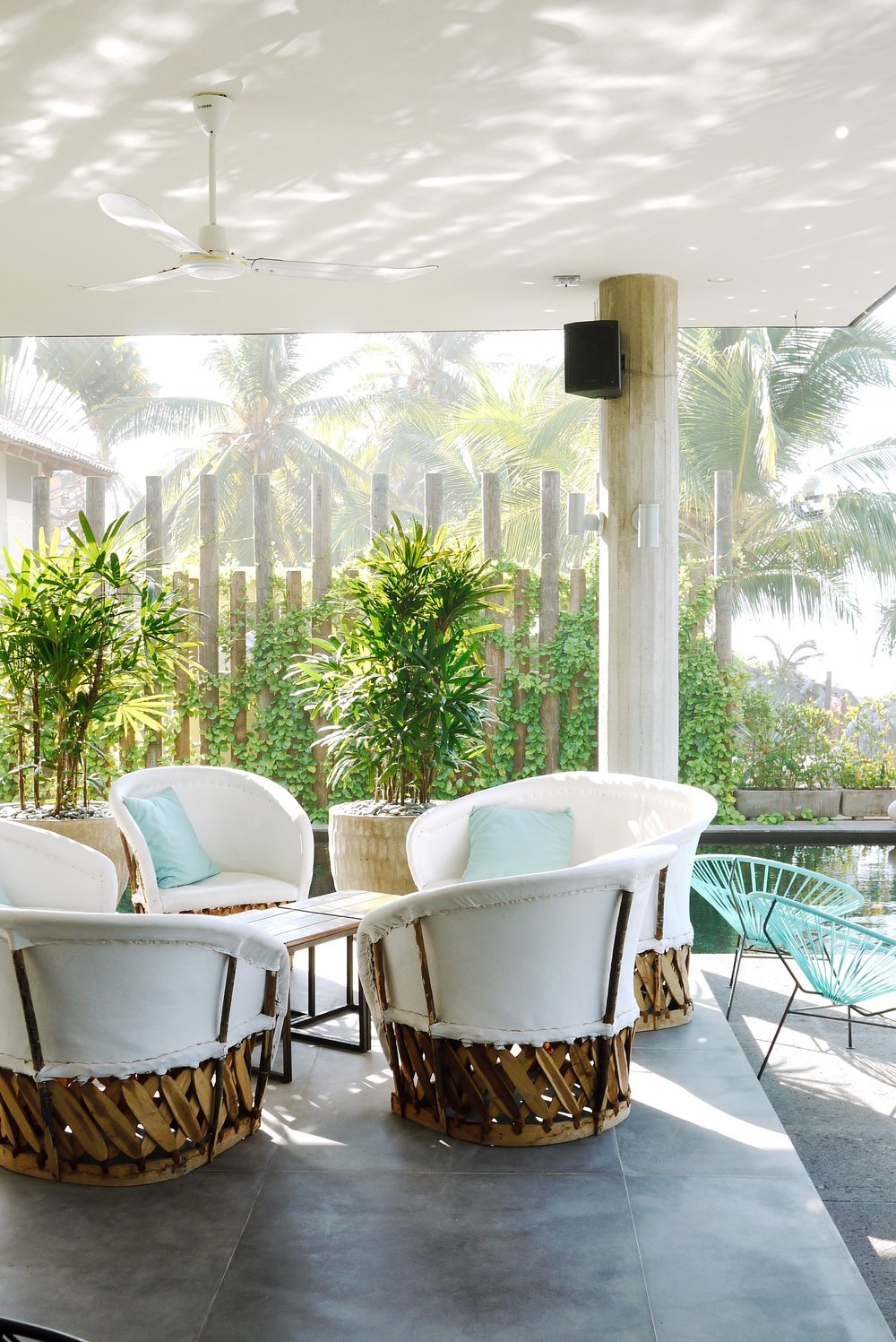
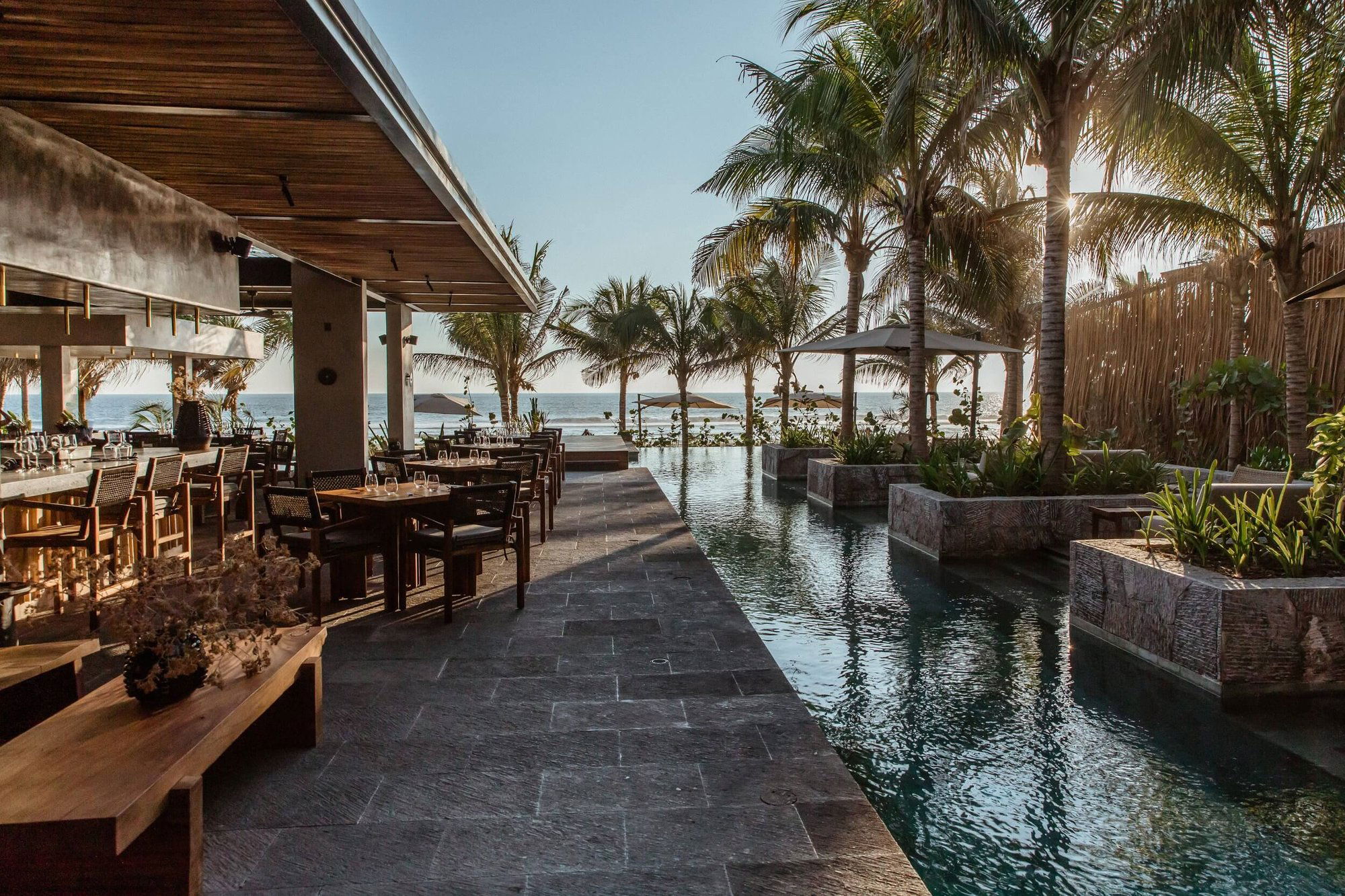
Hotelito at MUSA reads as a small, design-led coastal retreat where architecture is the principal statement. The property foregrounds art, innovation and exploration, trading the scale and uniformity of large resorts for a curated, intentional experience. Perched where the Sierra Madre meets the Pacific, it emphasizes the meeting of mountain geography and open surf, producing striking sightlines and a quietly sophisticated tone. Programming and environment are central to the hotel’s identity, so guests encounter a thoughtful, design-forward atmosphere rather than a conventional beach-resort checklist.
Best For
This property suits travelers seeking a quiet, design-focused coastal escape: couples on honeymoons or romantic getaways, guests pursuing wellness retreats, and anyone looking for a short weekend escape framed by dramatic scenery. It also appeals to travelers who prioritize architecture, contemporary art and low-density settings over full-scale resort amenities. Because MUSA positions programming and environmental values at the core of its offer, it works best for visitors who want an immersive, contemplative stay that engages with place and design rather than high-activity resort services.
Stay Tips
Book in advance and request a room oriented toward the ocean or the hillside when possible, as the hotel’s appeal is closely tied to its coastal and mountain setting. Allow time to engage with the property’s programming and any art or design offerings; these are presented as part of the hotel’s core values. Plan on exploring the nearby coves and coastal approaches rather than expecting a conventional resort strip; this property rewards guests who want to experience a thoughtful, low-density stretch of Mexico’s Pacific coast.
Venue details
Ambiance
Airy minimalist interiors with natural light, cross-breezes from open-air spaces, wabi-sabi sensibility, and tranquil connection to ocean sunsets and lush jungle.
Tags
Vibe
Best For
Experience
Amenities
View
Accessibility
About the Stay
- Rooms
- 22
- Check-in
- 15:00
- Check-out
- 12:00
- Property Style
- Tropical Modernist Ecological Community Blending Architecture with Raw Coastal Jungle.
- Design Style
- Minimalist Wabi Sabi with Sleek Lines, Airy Open Air Spaces, Polished Concrete, Handmade Terrazzo, and Local Wood Furnishings.
Planning details
Location
Rumbo a la playa 79, Ixtapa-Zihuatanejo 40832, Mexico · Directions
Also consider
Also Consider
- Playa Viva, Notable alternative
- Thompson Zihuatanejo, Notable alternative
- La Casa que Canta, Notable alternative
- Las Brisas Ixtapa, Notable alternative
- Punta Ixtapa, Notable alternative
Hotel context
How it compares in Ixtapa-Zihuatanejo
Choose Hotelito at MUSA if the trip is about design, privacy, a smaller-scale coastal mood. Thompson Zihuatanejo is the safer pick for travelers who want a more resort-like setup and broader service expectations, while La Casa que Canta is the stronger cross-shop for a high-romance, established special-occasion stay.
Las Brisas Ixtapa makes more sense when value, scale, a familiar beach-resort rhythm matter more than design intimacy. Punta Ixtapa is the comparison for travelers prioritizing a residential or enclave-style feel rather than a boutique hotel experience.
Playa Viva is the alternative for guests who want the stay to feel more nature- and retreat-driven. Hotelito at MUSA is easier to justify when the goal is a visually considered hideaway in the Ixtapa-Zihuatanejo orbit without committing to a full retreat format.
Explore Ixtapa-Zihuatanejo
Around this place
Discover more on Pearl
Unlock the full Hotelito at MUSA guide in Pearl, including awards, comparisons, FAQs, planning details, and nearby places.
Compare Hotelito at MUSA
| Venue | Location | Awards |
|---|---|---|
| Hotelito at MUSA | Ixtapa-Zihuatanejo | No published awards |
| Playa Viva | Juluchuca | 2024 Michelin 2 Keys |
| Thompson Zihuatanejo | Zihuatanejo | No published awards |
| La Casa que Canta | Zihuatanejo | 2026 La Liste Top HotelsSmall Luxury Hotels Member 20252025 Michelin 1 Key |
| Las Brisas Ixtapa | Ixtapa | Preferred Hotels Member 2025 |
| Punta Ixtapa | Zihuatanejo | No published awards |





How Hotelito at MUSA Ixtapa-Zihuatanejo Review compares with similar nearby venues.
FAQ
Frequently Asked Questions
Is Hotelito at MUSA good for business travel?
Hotelito at MUSA does not list specific business-travel amenities or services. If you need work-focused facilities, confirm current details directly with the property before booking.
Do loyalty programs work at Hotelito at MUSA?
The confirmed recognition is Hotelito at MUSA's 2026 Design Hotels Member status. Any loyalty-program benefits or booking perks should be confirmed directly through the property's official booking channels.
How is the pool and spa at Hotelito at MUSA?
Pool and spa details are not listed for Hotelito at MUSA. If those amenities are important, confirm current information directly with the property and compare with other options such as Las Brisas Ixtapa or Punta Ixtapa.
How is the location of Hotelito at MUSA?
How does Hotelito at MUSA compare to nearby hotels?
Hotelito at MUSA has 2026 Design Hotels Member status. For comparison, travelers can also look at La Casa que Canta, Las Brisas Ixtapa, Playa Viva, Punta Ixtapa, Thompson Zihuatanejo, while confirming each property's current amenities, services, booking details directly.