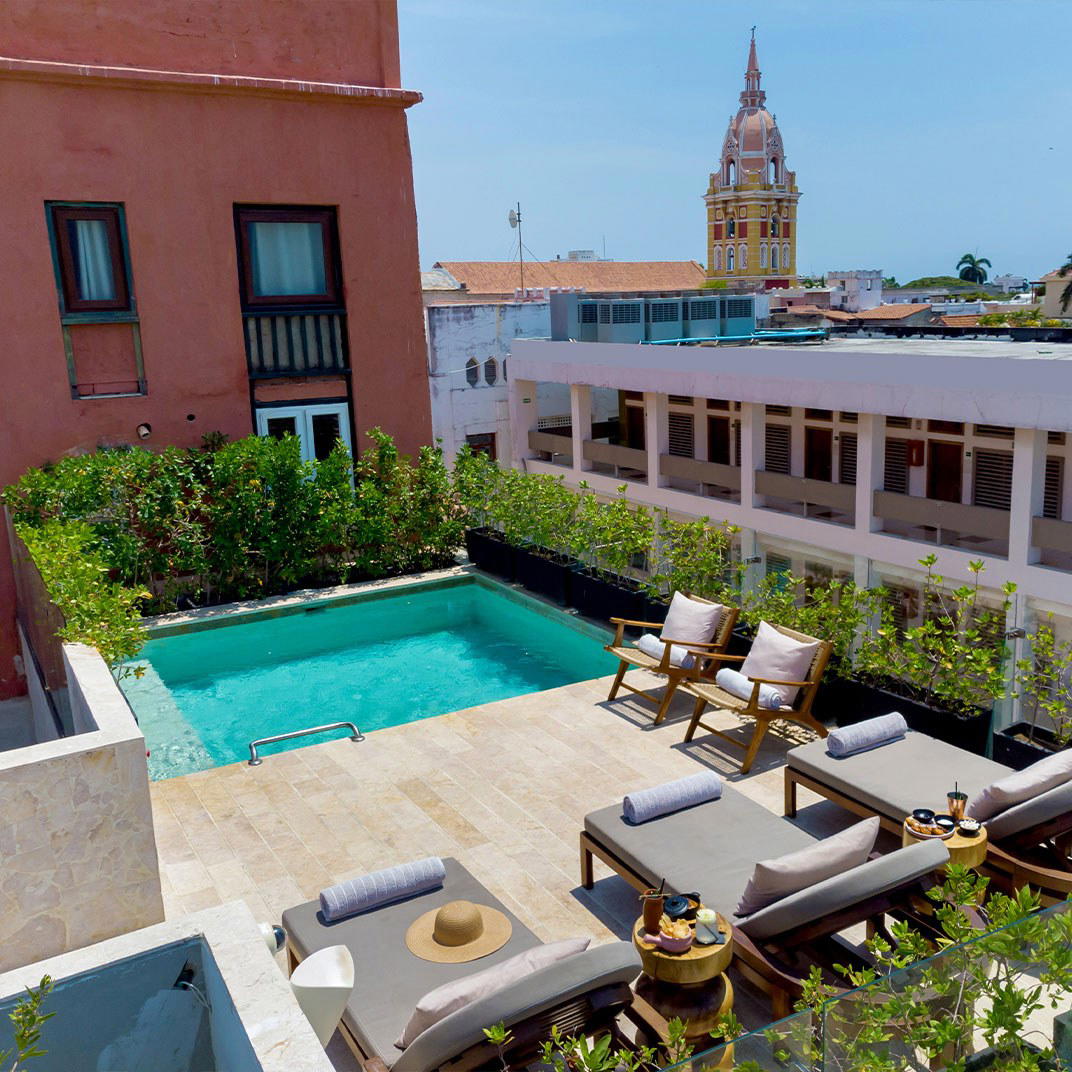


Casa Foscolo Hotel, Istanbul
Asmali Mescit, Istanbul
Hotel in Istanbul, Turkey
 Book with Pearl
Why go
Casa Foscolo is worth considering for a design-led Istanbul stay when scale and mood matter more than big-hotel infrastructure. Cross-shop Pera Palace Hotel for heritage, Louis Appartements Galata for independent Galata stays, and Tomtom Suites if suite-style space is the priority.
About Casa Foscolo Hotel, Istanbul
Consider Casa Foscolo Hotel, Istanbul if you are looking at Istanbul hotels and want a stay with a Design Hotels association. Casa Foscolo Hotel, Istanbul is listed as a 2026 Design Hotels Member, and the dress code is smart casual.
A design-associated Istanbul stay
The main hook is its 2026 Design Hotels Member recognition, which makes it relevant for travelers comparing design-minded hotel options in Istanbul.
Avoid choosing the hotel based on assumptions about restaurants, spa facilities, room categories, concierge depth, or other on-property amenities. Investigate details directly through the venue's official channels before booking, especially if a specific facility or service will make or break the trip.
Who should cross-shop before committing
Before committing, compare Casa Foscolo Hotel, Istanbul with Pera Palace Hotel, Louis Appartements Galata, Georges Hotel Galata, Tomtom Suites, and Grand Hotel De Londres. Those names are useful reference points for travelers building an Istanbul hotel shortlist, while Casa Foscolo Hotel, Istanbul remains the option in this guide with the 2026 Design Hotels Member association.
For a wider Istanbul pass, use Our full Istanbul hotels guide, then layer in meals from Our full Istanbul restaurants guide and drinks from Our full Istanbul bars guide. If the itinerary extends beyond the city, compare other hotels generically by the same standards: recognition, location needs, dress expectations, and the specific services offered by each property.
Planning details
- Location
- General Yazgan Sokak No:12, Istanbul 34430, Turkey
- Website
- marriott.com/en-us/hotels/istcf-casa-foscolo-hotel-a-member-of-design-hotels/overview
- Phone
- +90 212 226 10 15
The take
The Take
The Vibe
Casa Foscolo presents a compact, historically rooted alternative to Istanbul’s more panoramic hotels. The property occupies a rebuilt historic fabric in Beyoğlu, and the writing treats the building itself as the principal attraction. The hotel's scale is intimate and immediate: the street is close, the transition from pavement to lobby feels abrupt, and the neighbourhood’s working, cultural character sets a brisk tempo. Rather than offering Bosphorus vistas or resort-style amenity stacks, Casa Foscolo leans into its architecture and programming, delivering a boutique, urban experience that feels both charming and alive with local rhythms.
Best For
This hotel suits travelers who want to be embedded in Beyoğlu’s everyday life rather than isolated on the waterfront. It appeals to culture-minded guests and solo explorers who prize narrow streets, locally focused programming, and a building-first approach to hospitality. Guests who prefer boutique scale and who enjoy wandering galleries, cafés and backstreets will find the location especially rewarding. The stay is positioned as an alternative to more touristed heritage corridors, making it a good pick for people seeking an authentic, neighborhood-forward Istanbul experience.
Stay Tips
Expect an urban, street-level arrival: the transition from pavement to lobby is immediate and street noise is a feature of the setting. Don’t book this property if you require panoramic waterfront views—Casa Foscolo is deliberately positioned away from that formula. Before you go, check the hotel’s cultural programming schedule so you can align your visit with any events or offerings that animate the building. If noise sensitivity is a concern, ask about room placement during booking; the description emphasizes the hotel’s tight scale and close street presence.
Venue details
Ambiance
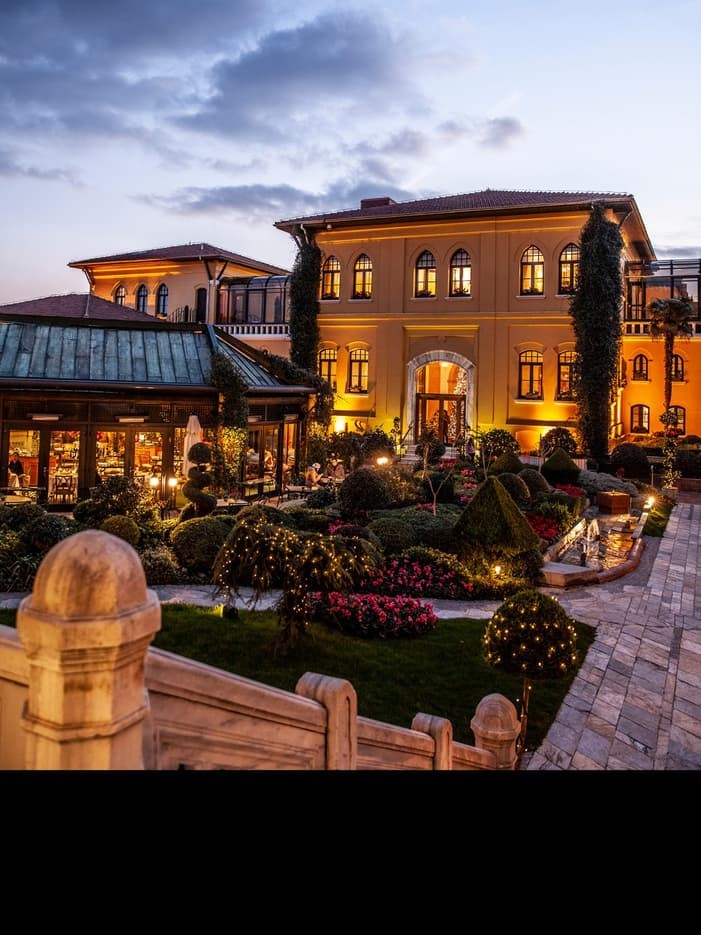
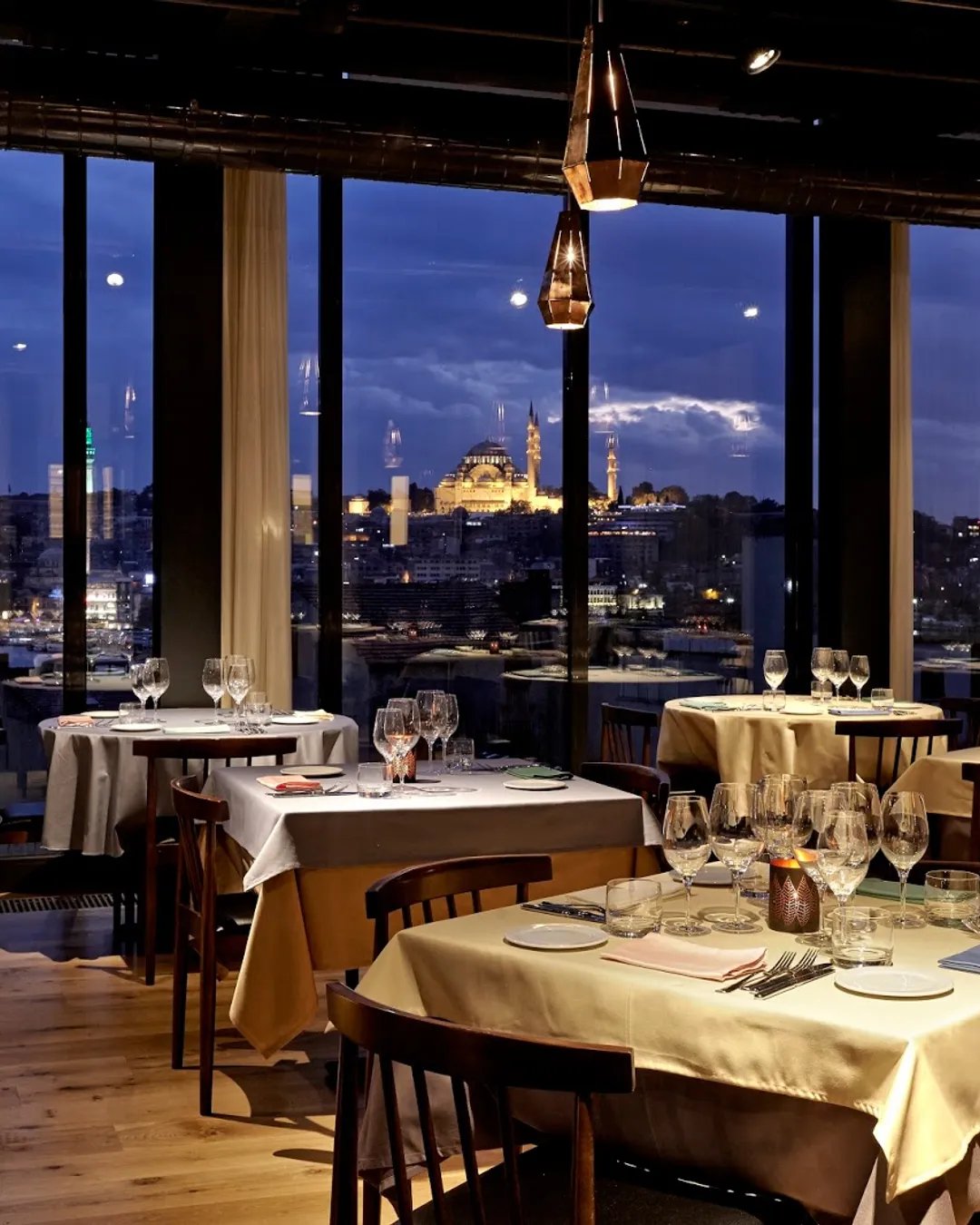
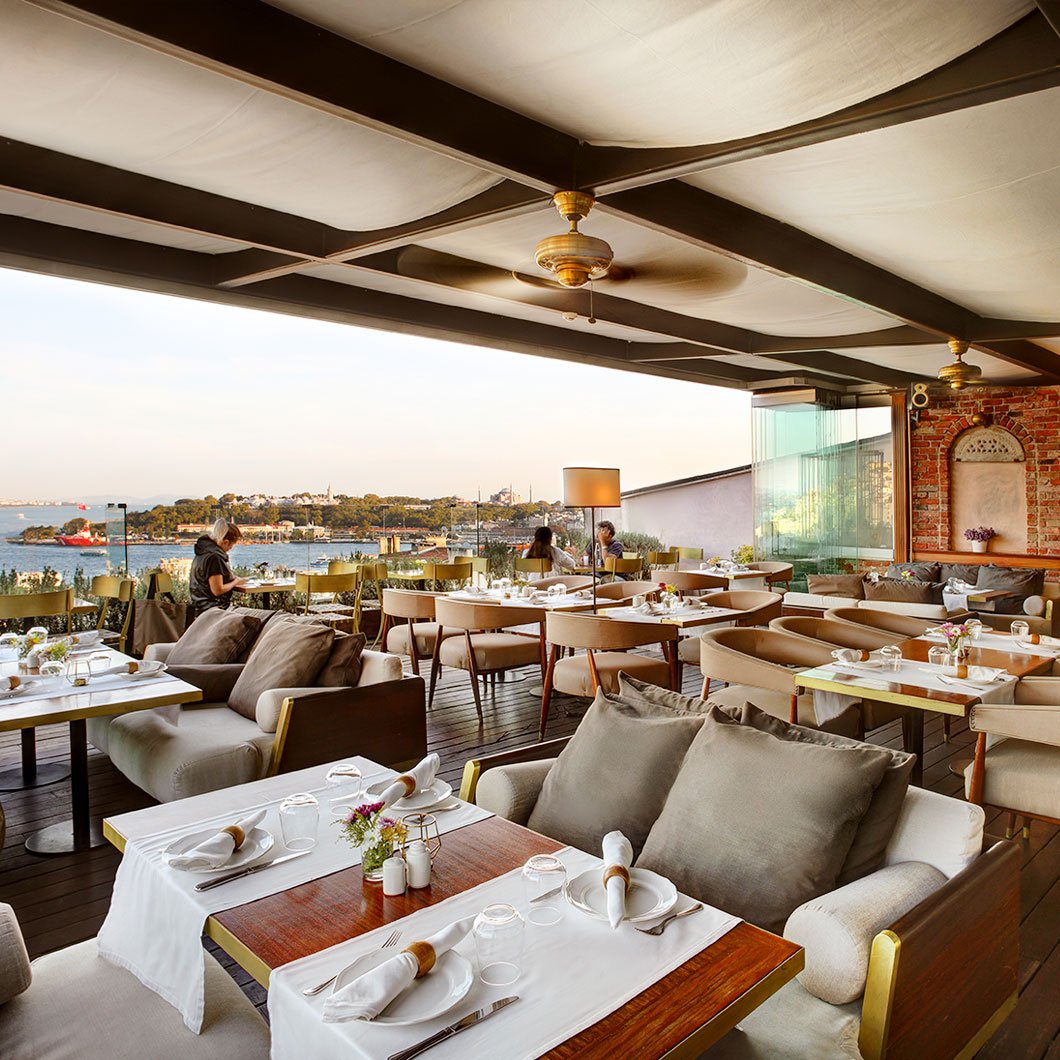
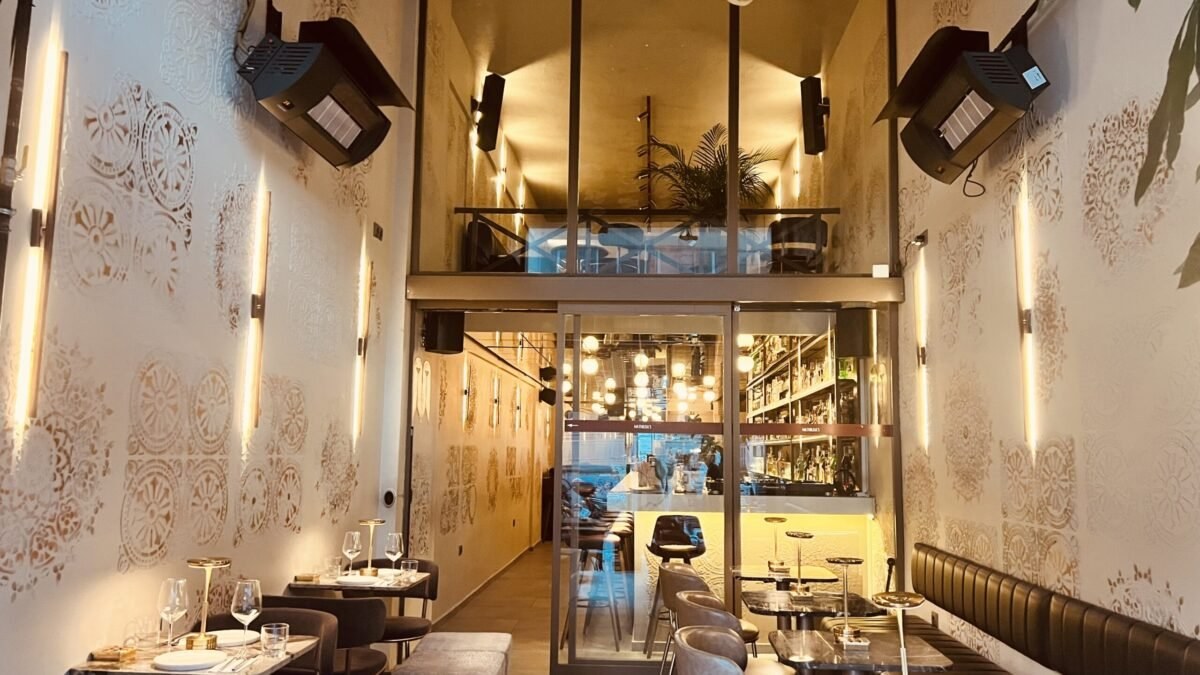
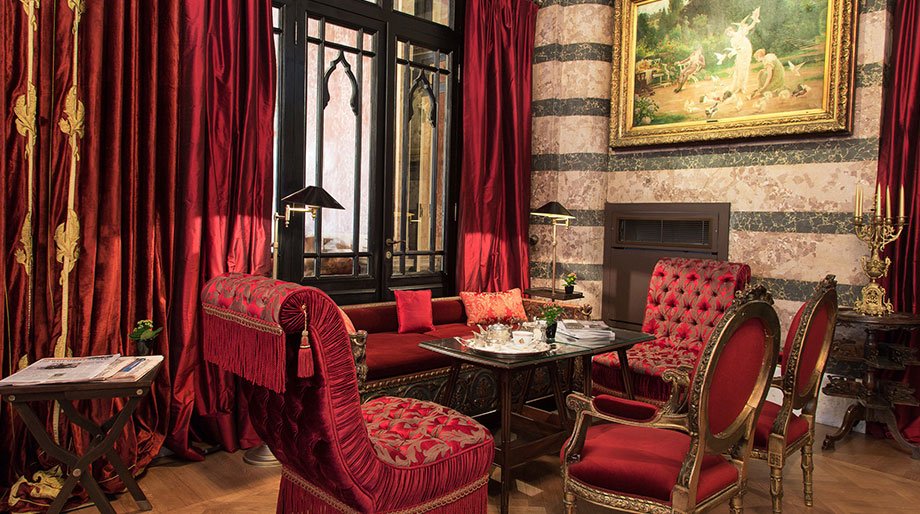
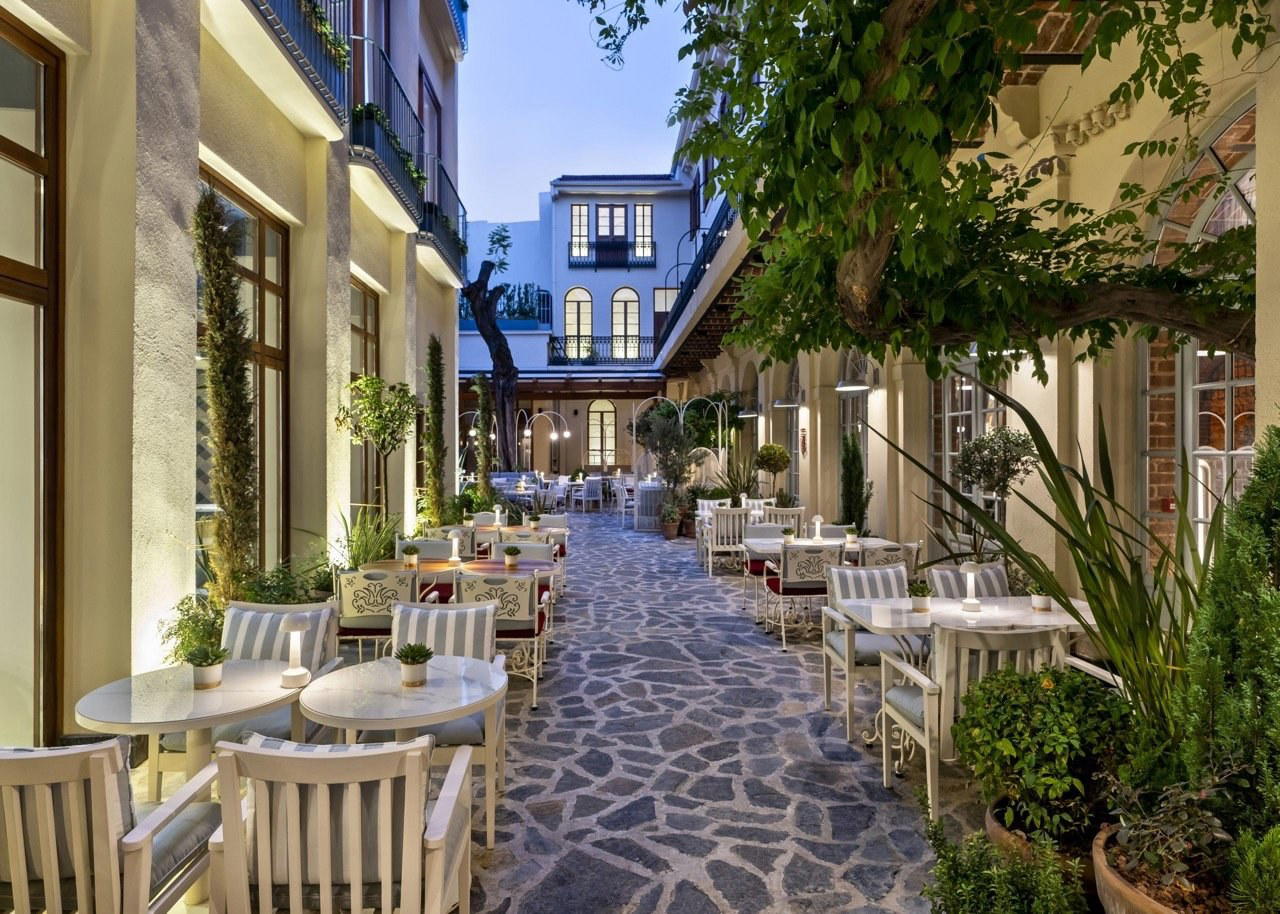
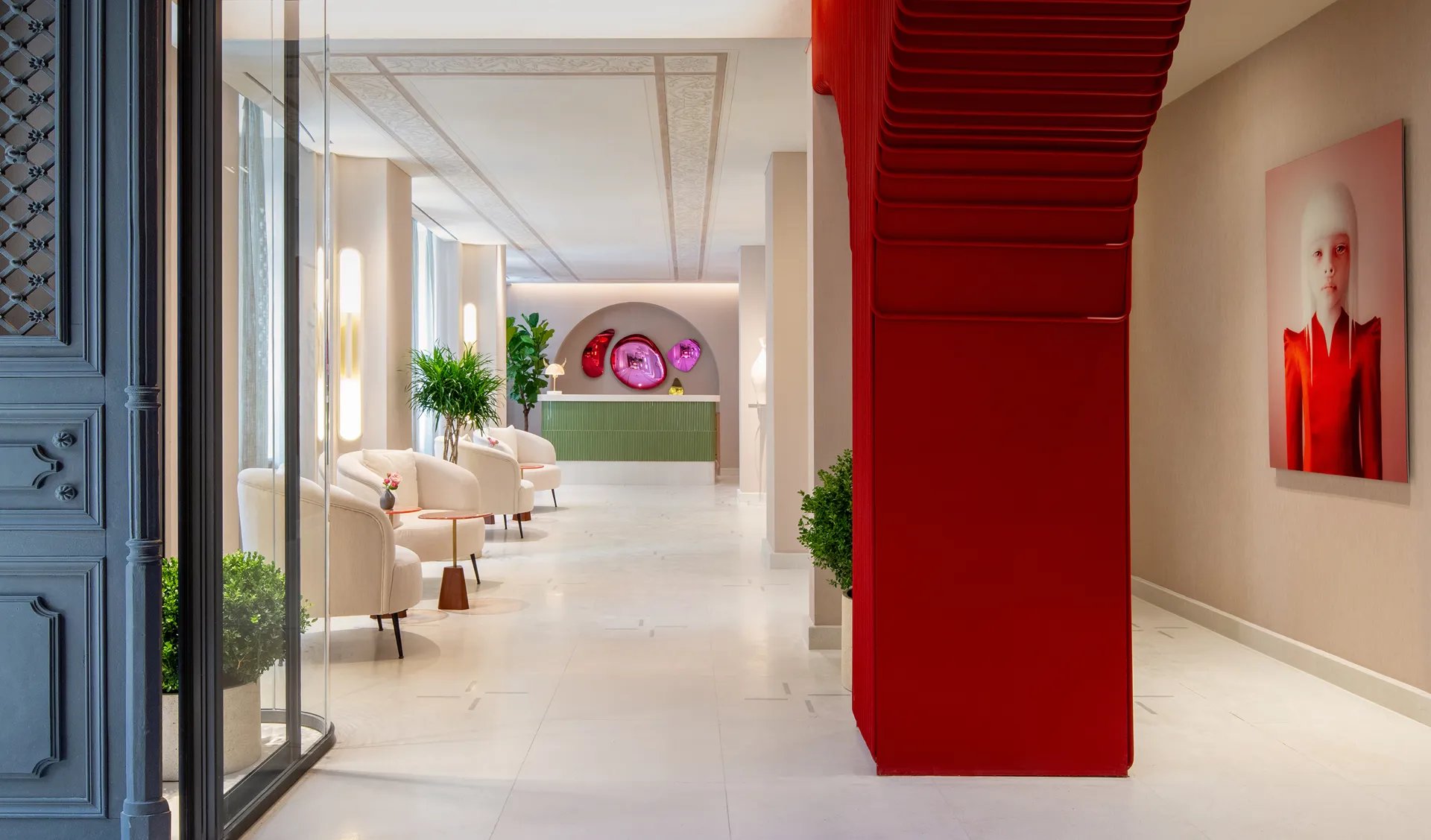
Warm pastel tones, marble, tile mosaics, high ceilings, original stone walls, and handcrafted motifs create an elegant, history-infused atmosphere praised for its cleanliness and design.
Tags
Vibe
Best For
Experience
Amenities
View
About the Stay
- Rooms
- 18
- Check-in
- 14:00
- Check-out
- 12:00
- Property Type
- Boutique hotel
- Property Style
- Historic Neoclassical Building with Modern Boutique Restoration
- Design Style
- Warm Pastel Tones, Marble, Tile Mosaics, and Art Deco Elements
Know before you go
Know Before You Go
- Getting there
- General Yazgan Sokak No:12, Istanbul 34430, Turkey
Planning details
Location
General Yazgan Sokak No:12, Istanbul 34430, Turkey · Directions
marriott.com/en-us/hotels/istcf-casa-foscolo-hotel-a-member-of-design-hotels/overview
Recognition and awards

Also consider
Also Consider
- Pera Palace Hotel, Notable alternative
- Louis Appartements Galata, Notable alternative
- Georges Hotel Galata, Notable alternative
- Tomtom Suites, Notable alternative
- Grand Hotel De Londres, Notable alternative
Hotel context
How it compares in Istanbul
Casa Foscolo is the more intimate design-led choice in this set. Pick it if the goal is a quieter, smaller-scale stay with a stronger sense of place than a standard business hotel. Pera Palace Hotel is the better fit for travelers who want Istanbul heritage and a larger hotel experience, while Casa Foscolo makes more sense for repeat visitors who care less about ceremony.
For Galata-area cross-shopping, Louis Appartements Galata is the one to compare if apartment-style independence is useful, and Georges Hotel Galata belongs on the list if the stay needs a similarly compact neighborhood feel. Tomtom Suites is the stronger cross-shop for guests who want more room-style comfort, while Grand Hotel De Londres is better for atmosphere-driven travelers who are less focused on contemporary design polish.
Booking difficulty should be manageable compared with Istanbul's name-recognition hotels, but the safer move is still to reserve early for peak leisure periods. Value depends on the rate: choose Casa Foscolo when it prices below the larger heritage options, but cross-shop hard if it rises into the same band as Pera Palace Hotel or Tomtom Suites.
Around this place
Discover more on Pearl
Unlock the full Casa Foscolo Hotel, Istanbul guide in Pearl, including awards, comparisons, FAQs, planning details, and nearby places.
Compare Casa Foscolo Hotel, Istanbul
| Venue | Location | Awards |
|---|---|---|
| Casa Foscolo Hotel, Istanbul | Istanbul | 2026 Design Hotels Collection2026 Vogue Best Hotels in Istanbul2026 Michelin Guide New Hotels2025 Michelin Selected Hotels |
| Pera Palace Hotel | Istanbul | No published awards |
| Louis Appartements Galata | Istanbul | No published awards |
| Georges Hotel Galata | Istanbul | No published awards |
| Tomtom Suites | Istanbul | 2025 Michelin Selected HotelsSmall Luxury Hotels Member 2025 |
| Grand Hotel De Londres | Istanbul | No published awards |


How Casa Foscolo Hotel, Istanbul compares with similar nearby venues.
FAQ
Frequently Asked Questions
When is the best time to book Casa Foscolo Hotel, Istanbul?
If your dates are fixed, check Casa Foscolo Hotel, Istanbul directly for current availability and policies. The key facts for planning are its 2026 Design Hotels Member recognition and smart casual dress code.
Is Casa Foscolo Hotel, Istanbul good for business travel?
Business-travel facilities and meeting services should be checked directly. It may still be worth considering as an Istanbul hotel, but travelers who need specific work amenities should confirm those details directly before booking.
Is Casa Foscolo Hotel, Istanbul family-friendly?
Which room category is best at Casa Foscolo Hotel, Istanbul?
Choose only after checking the venue's official channels for current room types, sizes, and policies.
How is the dining at Casa Foscolo Hotel, Istanbul?
How does Casa Foscolo Hotel, Istanbul compare to other hotels?
Casa Foscolo Hotel, Istanbul has a 2026 Design Hotels Member association and a smart casual dress code. For a broader Istanbul shortlist, compare it with Pera Palace Hotel, Tomtom Suites, Georges Hotel Galata, Louis Appartements Galata, and Grand Hotel De Londres, then confirm each property's current services directly.