

Iki Retreat by Onko Chishin
Yunomoto Bay, Iki Island
Hotel in Iki Island, Japan
 Book with Pearl
The Read
Price
$1,000–1,500per night
Why go
Choose Iki Retreat by Onko Chishin if the trip is built around staying on Iki Island and you want a quiet, design-led retreat for a celebration or couple's stay. Skip it if loyalty points, a large resort footprint, or dense city dining matter more than island atmosphere.
About Iki Retreat by Onko Chishin
Iki Retreat by Onko Chishin is a venue on Iki Island listed as a 2026 Design Hotels member and recognized by MICHELIN Guide, Hotels Selected in 2025. Before booking, check current facilities, dining format, pricing, room options, service style, and guest benefits directly with the venue.
For travelers comparing options, the clearest reason to keep Iki Retreat by Onko Chishin on the shortlist is simple: it is on Iki Island and carries notable hotel-recognition credentials. The dress code is smart casual, which is useful to know when planning what to pack or wear on property.
Choose this for recognition on Iki Island
The accolades give Iki Retreat by Onko Chishin more context than an anonymous listing: 2026 Design Hotels Member status and MICHELIN Guide, Hotels Selected recognition in 2025 are both relevant trust signals. For amenities, dining programs, rate levels, loyalty benefits, and service format, check directly with the venue before booking.
Use the recognition as a starting point, not as a substitute for practical planning. If a stay depends on a specific facility, meal arrangement, accessibility need, arrival process, or room configuration, confirm those details with Iki Retreat by Onko Chishin directly.
Who should choose it, and who should cross-shop
Iki Retreat by Onko Chishin is most relevant for travelers who specifically want to stay on Iki Island and value hotel recognition. Travelers whose plans depend on a broader city base, a particular brand program, or named facilities should check those needs before committing.
For broader Japan hotel cross-shopping beyond Iki Island, compare Iki Retreat by Onko Chishin with options such as Furuyu Onsen ONCRI, Hilltop Resort Fukuoka, Kikka Hirado, THE LUIGANS Spa & Resort, and The Ritz-Carlton Fukuoka. Those comparisons are useful for deciding whether the priority is Iki Island itself or a different hotel setting elsewhere in the region.
Quick reference: Iki Island location, smart casual dress code, 2026 Design Hotels Member status, and MICHELIN Guide, Hotels Selected recognition in 2025; check other operational details directly with the venue.
Planning details
- Location
- 119-2 Tateishi Nishifure, Katsumotocho, Iki-city, Iki Island 811-5556, Japan
- Website
- marriott.com/en-us/hotels/ikikm-iki-retreat-by-onko-chishin-a-member-of-design-hotels/overview
- Phone
- +81 920-43-0770
The take
The Take
The Vibe
Iki Retreat by Onko Chishin reads as a quietly historic ryokan that privileges place over flourish. The architecture favors low horizontal lines and local timber, so interiors feel measured and tied to the island’s past. Rather than theatrical gestures, the property cultivates calm — an intentional relationship with the sea and horizon shapes sightlines and pace. The overall tone is restrained and contemplative: you encounter a design sensibility that is classic and site-specific, inviting slow looking and a gentle rhythm that matches Iki Island’s unhurried character.
Best For
This retreat is best for travelers who want to slow down and connect with coastal Japan’s specific rhythms. It suits couples seeking a quietly historic, design-forward ryokan experience and solo guests who value serene surroundings and uninterrupted sea vistas. Because the island itself resists hurried itineraries, the property especially rewards visitors who arrive willing to linger — people on romantic getaways, honeymooners, and those on wellness-leaning escapes find its restraint and horizon-oriented focus particularly restorative.
Stay Tips
Plan travel time deliberately: Iki is reached by ferry from Hakata or Karatsu, and the crossing is an intentional part of the journey, so book crossings in advance and allow for the slower pace. When reserving, note that the retreat’s identity is oriented toward sea vistas; if views matter to you, request accommodation with an outlook toward the water. Embrace a less hurried itinerary on the island — the property and place are designed for lingering rather than rapid sightseeing.
Venue details
Ambiance
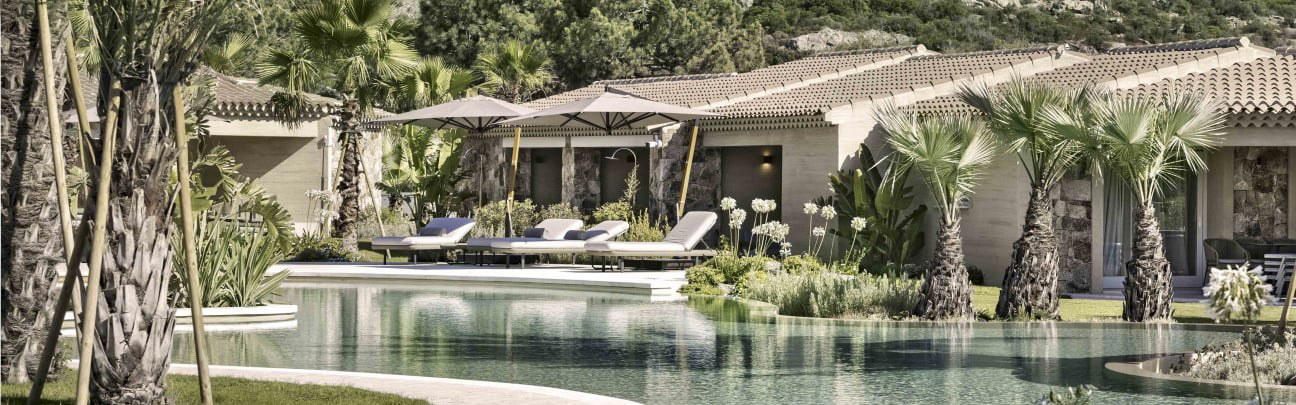
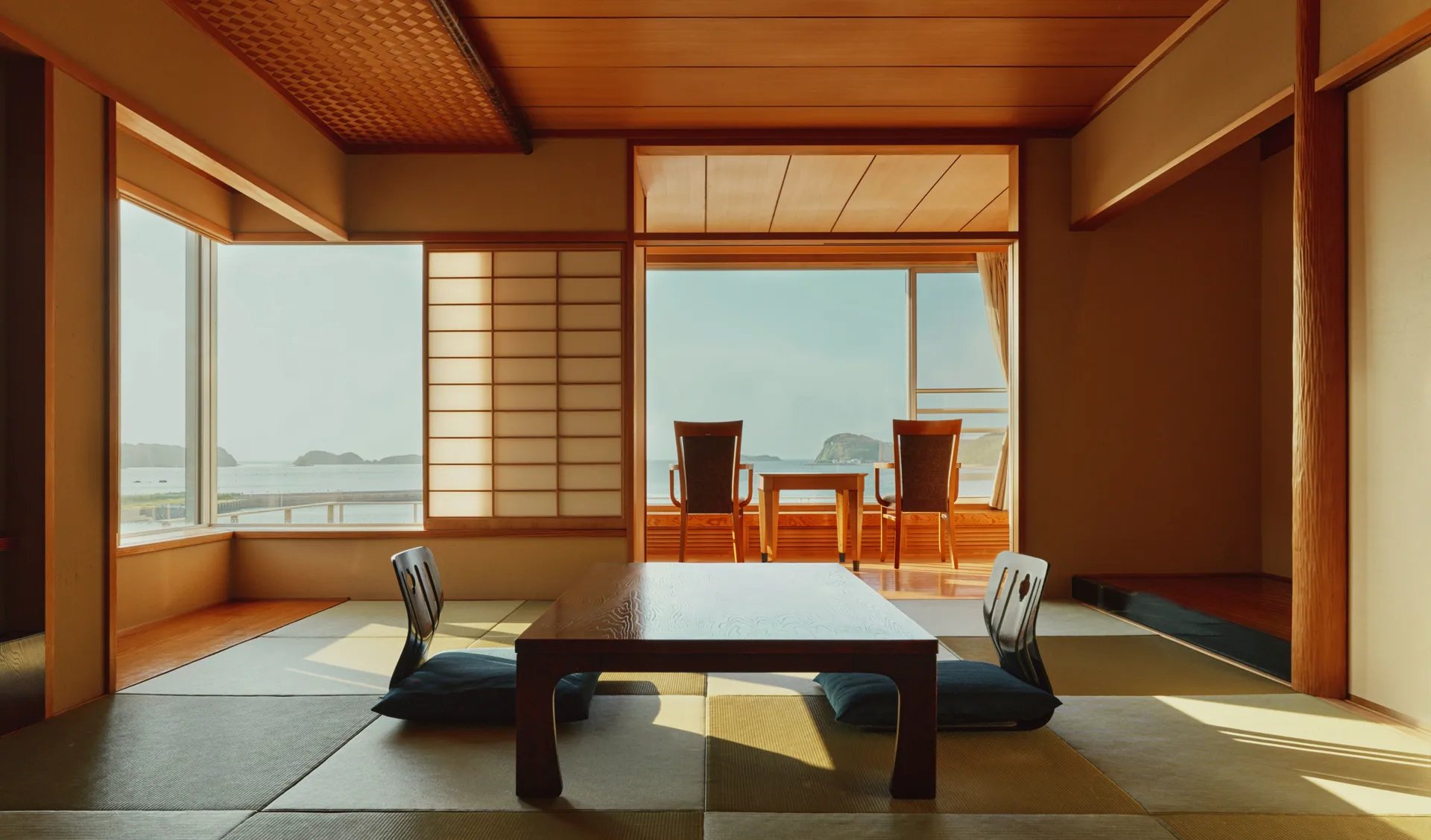
Calm and serene with warm natural wood tones, minimalist design, low furnishings, and floor-to-ceiling windows framing spectacular sea sunsets.
Tags
Vibe
Best For
Experience
Amenities
View
Accessibility
About the Stay
- Rooms
- 12
- Property Type
- Boutique hotel
- Property Style
- Modern Ryokan Blending Japanese Tradition with Minimalist Western Elements, Rejuvenated in 2020.
- Design Style
- Minimalist with Natural Wood Tones, Low Furnishings, Tatami Flooring, and Artful Wainscoting Focused on Sea Views.
- Airport Transfer
- Available
- Spa
- Yes
Know before you go
Know Before You Go
- Getting there
- 119-2 Tateishi Nishifure, Katsumotocho, Iki-city, Iki Island 811-5556, Japan
Planning details
Location
119-2 Tateishi Nishifure, Katsumotocho, Iki-city, Iki Island 811-5556, Japan · Directions
marriott.com/en-us/hotels/ikikm-iki-retreat-by-onko-chishin-a-member-of-design-hotels/overview
Recognition and awards
Also consider
Also Consider
- Kikka Hirado, Notable alternative
- THE LUIGANS Spa & Resort, Notable alternative
- Furuyu Onsen ONCRI, Notable alternative
- Hilltop Resort Fukuoka, Notable alternative
- The Ritz-Carlton Fukuoka, Notable alternative
Hotel context
How it compares with nearby Kyushu stays
Kikka Hirado is the closer cross-shop for travelers who want a quieter regional stay without defaulting to Fukuoka. Iki Retreat by Onko Chishin is the stronger pick when the point of the trip is Iki Island itself; Kikka Hirado makes more sense if Hirado is already part of the route and the stay is less about design-hotel positioning.
THE LUIGANS Spa & Resort and Hilltop Resort Fukuoka are easier choices for travelers who want mainland convenience, broader city access, or a less remote base. They are safer for groups and mixed itineraries. Iki Retreat is better for couples who want the stay to feel removed from the city rather than simply comfortable near it.
Furuyu Onsen ONCRI is the more natural comparison if the priority is an onsen-led escape, while The Ritz-Carlton Fukuoka is the obvious choice for loyalty benefits, polished city service, and a stronger business-or-occasion infrastructure. Choose Iki Retreat for island atmosphere and a quieter special-occasion tone; choose The Ritz-Carlton Fukuoka when predictability and urban access matter more.
Explore Iki Island
Around this place
Discover more on Pearl
Unlock the full Iki Retreat by Onko Chishin guide in Pearl, including awards, comparisons, FAQs, planning details, and nearby places.
Compare Iki Retreat by Onko Chishin
| Venue | Location | Awards |
|---|---|---|
| Iki Retreat by Onko Chishin | Iki Island | 2026 Design Hotels Collection2025 Michelin Selected Hotels |
| Kikka Hirado | Hirado | No published awards |
| THE LUIGANS Spa & Resort | Fukuoka | No published awards |
| Furuyu Onsen ONCRI | Saga | No published awards |
| Hilltop Resort Fukuoka | Fukuoka | No published awards |
| The Ritz-Carlton Fukuoka | Fukuoka | 2026 Virtuoso Luxury Hotel Collection2026 Forbes 4-Star2026 Michelin 1 Key2025 Michelin 1 Key2024 Michelin 1 Key |




How Iki Retreat by Onko Chishin compares with similar nearby venues.
FAQ
Frequently Asked Questions
Do loyalty programs work at Iki Retreat by Onko Chishin?
Iki Retreat by Onko Chishin has 2026 Design Hotels Member status. Check directly with the venue before booking if points, elite benefits, or redemption options are important.
How is the location of Iki Retreat by Onko Chishin?
Iki Retreat by Onko Chishin is on Iki Island. Use the venue's official channels for arrival guidance.
When is the best time to book Iki Retreat by Onko Chishin?
How does Iki Retreat by Onko Chishin compare with other regional hotels?
Choose Iki Retreat by Onko Chishin if staying on Iki Island is the priority and the recognition matters to you. For alternatives elsewhere in the region, compare it with The Ritz-Carlton Fukuoka, Hilltop Resort Fukuoka, THE LUIGANS Spa & Resort, Furuyu Onsen ONCRI, and Kikka Hirado.
What is check-in like at Iki Retreat by Onko Chishin?
Plan around the fact that the venue is on Iki Island and confirm timing, transport, and arrival instructions directly with Iki Retreat by Onko Chishin before travel.