
Alohilani Resort Waikiki Beach
Diamond Head, Honolulu
Hotel in Honolulu, United States
 Book with Pearl
The Read
Kalākaua Beachfront Scale
Why go
Alohilani Resort Waikiki Beach is a strong fit if the priority is central Waikiki access with a polished resort feel, especially for celebration trips that need easy beach, dining, and shopping logistics. Cross-shop calmer luxury stays if seclusion matters more than location, and check Preferred Hotels benefits before committing to a rate.
About Alohilani Resort Waikiki Beach
Alohilani Resort Waikiki Beach is a Honolulu hotel with one clear recognition point: it is a Preferred Hotels Member (2025). Travelers should confirm current room types, amenities, dining concepts, service formats, prices, and exact location details directly before booking.
For planning, the safest value case is simple: consider Alohilani Resort Waikiki Beach if you are comparing Honolulu hotel options and Preferred Hotels membership matters to your booking decision. If your trip depends on a specific view, amenity, dining program, or room setup, verify those details with the hotel before committing.
Book for a Honolulu hotel with Preferred Hotels recognition
The main distinction is Preferred Hotels Member status in 2025. Travelers comparing premium stays in Honolulu can also look at ESPACIO The Jewel of Waikiki, Hotel Renew, Hyatt Regency Waikiki Beach Resort and Spa, Moana Surfrider, A Westin Resort & Spa, Waikiki Beach, and The Royal Hawaiian, a Luxury Collection Resort, Waikīkī, depending on the style of stay they want.
Loyalty value is worth checking before committing
Preferred Hotels membership may be relevant if you already use that program or can access benefits through a preferred booking channel. Compare the total package, cancellation terms, and any confirmed benefits against other Honolulu hotel options before choosing. For broader planning, use a Honolulu hotels guide alongside the city's restaurants, bars, and experiences.
Planning details
- Location
- 2490 Kalākaua Ave, Honolulu, HI 96815
- Website
- alohilaniresort.com
- Phone
- +1 808-922-1233
The take
The Take
The Vibe
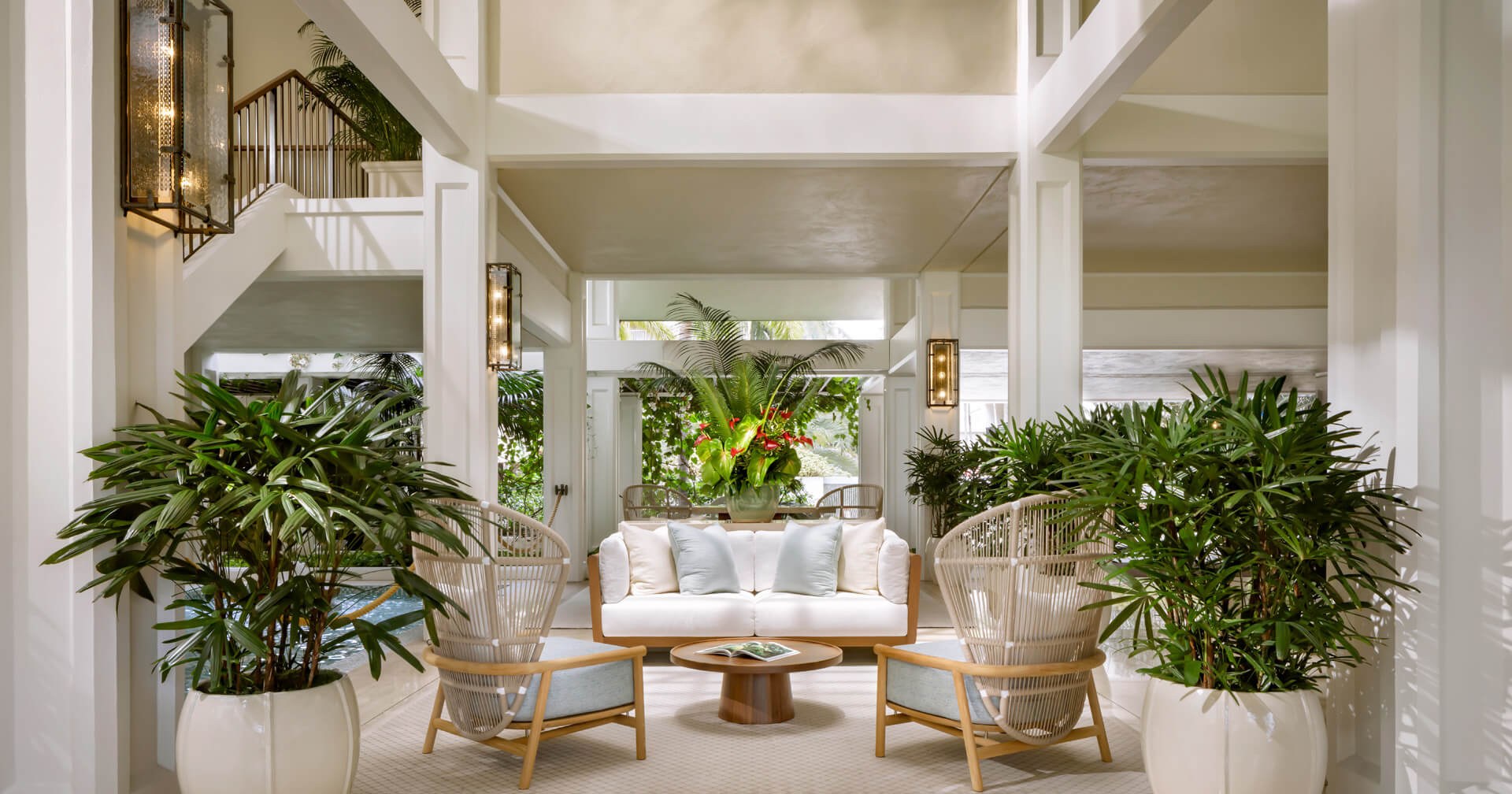
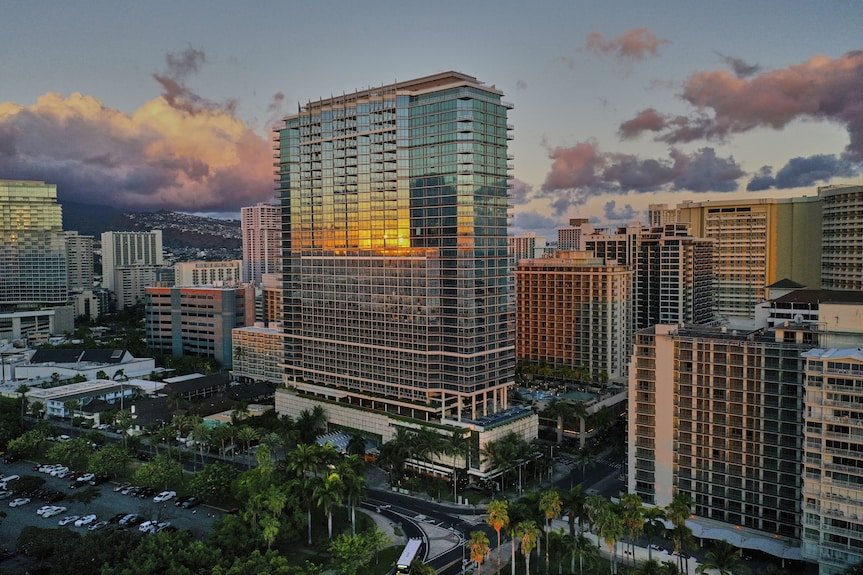
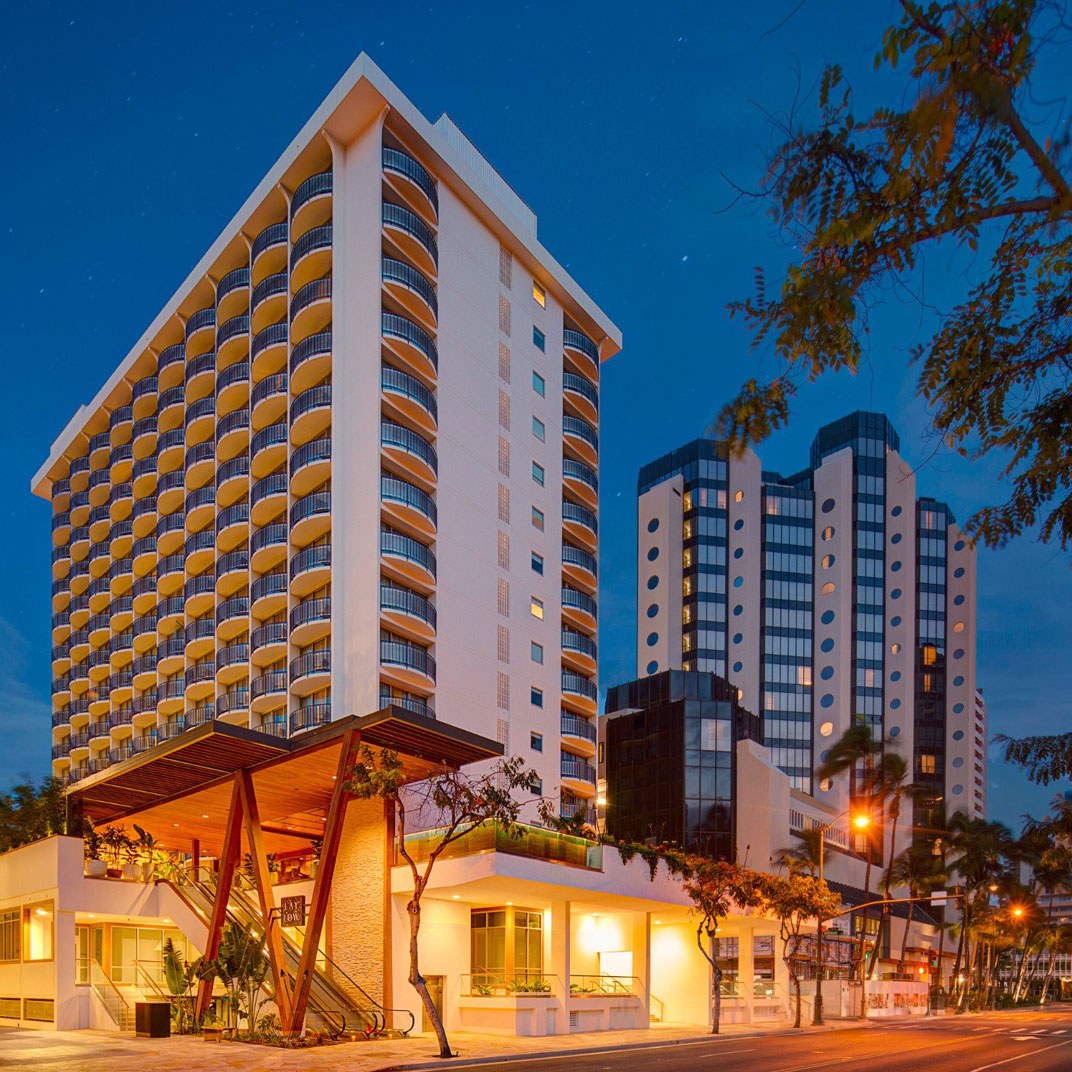
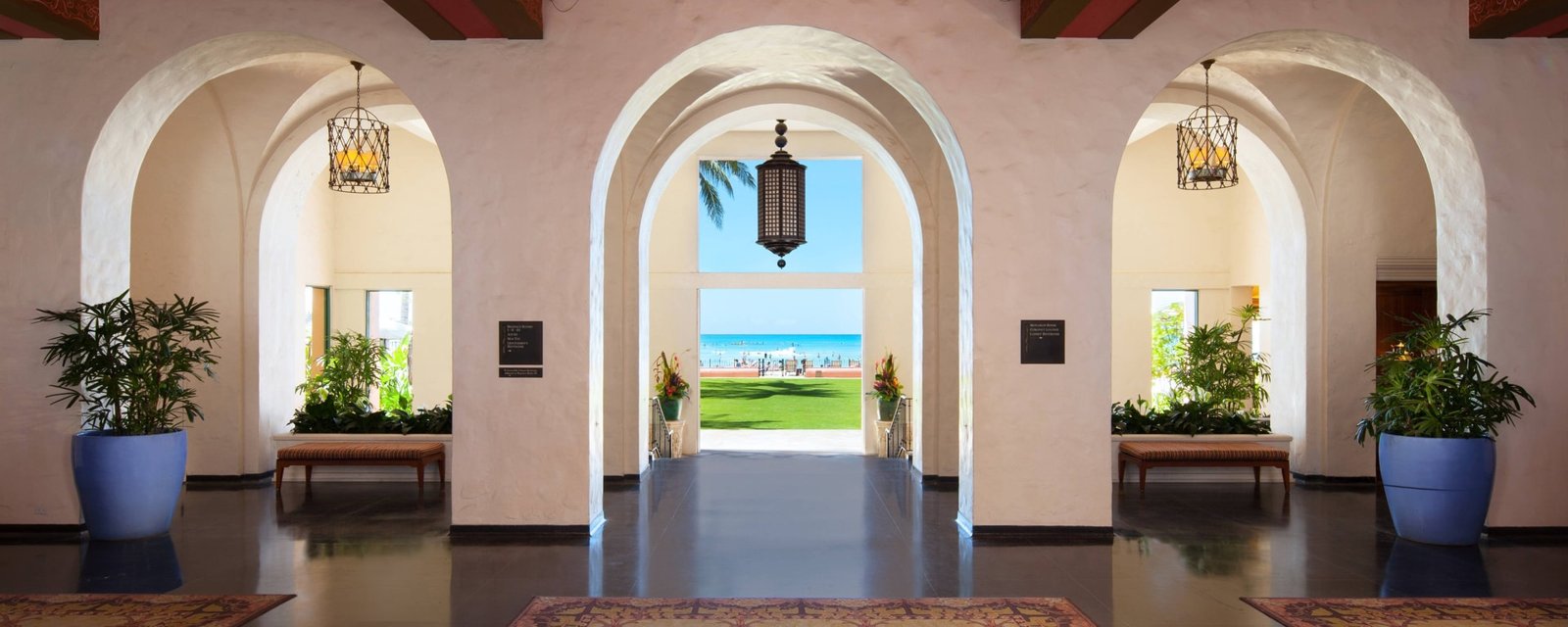
Alohilani Resort Waikiki Beach presents as a large-scale, design-forward resort that trades on presence as much as polish. With 839 rooms and a contemporary architectural stance, it sits squarely in Waikiki’s resort tier where beachfront proximity and breadth of amenities are the primary draws. The property leans toward a confident, modern resort energy rather than boutique intimacy: expect polished public spaces, a strong visual identity and the kind of bustle that comes with a high-capacity hotel on Kalākaua Avenue.
Best For
This resort is best for travelers who prioritize beachfront access and a broad amenity set — families, groups and couples seeking a lively Waikiki base are well served. Its large footprint and full-spectrum offerings make it a practical choice for those looking for convenience and variety rather than highly personalised, small‑scale luxury. It also fits weekend escapes and romantic getaways where ocean proximity and resort infrastructure (pools, dining and activities implied by scale) are central to the stay.
Stay Tips
Plan ahead and set expectations around scale. With nearly 900 rooms and a focus on volume and amenities, reservations (rooms and any resort experiences) should be made early, especially in peak seasons. If you want more bespoke, intimate service, consider boutique alternatives mentioned in the market context; if beachfront convenience and a broad slate of onsite options are your priority, Alohilani is a straightforward pick.
Venue details
Ambiance
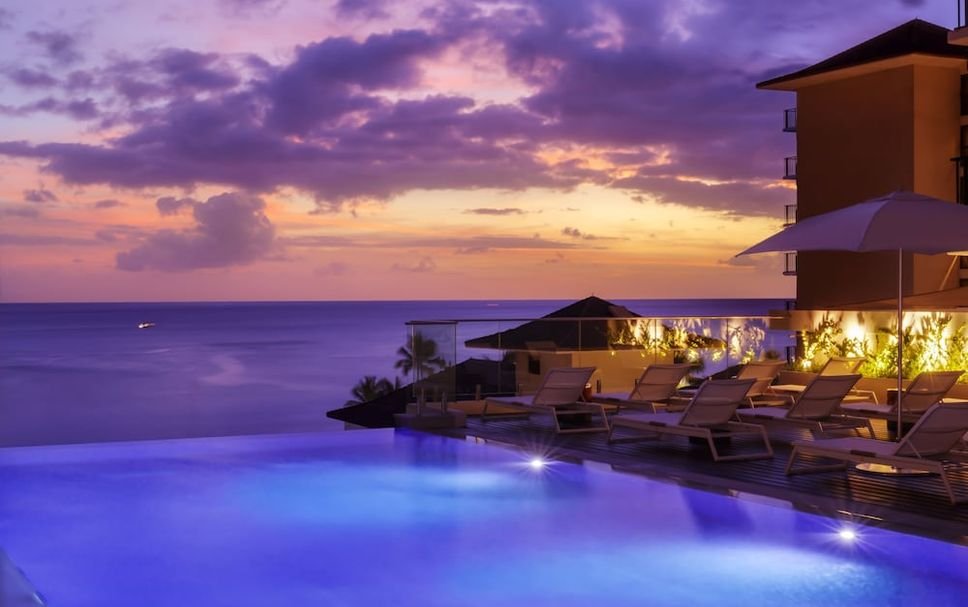
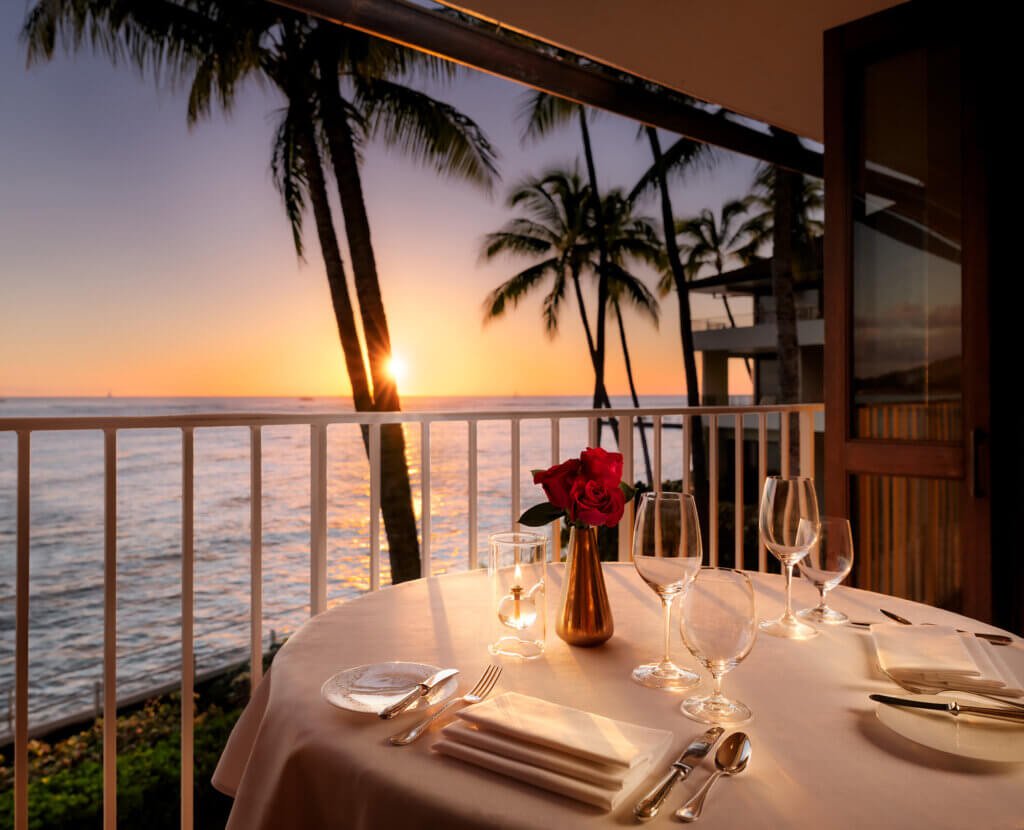
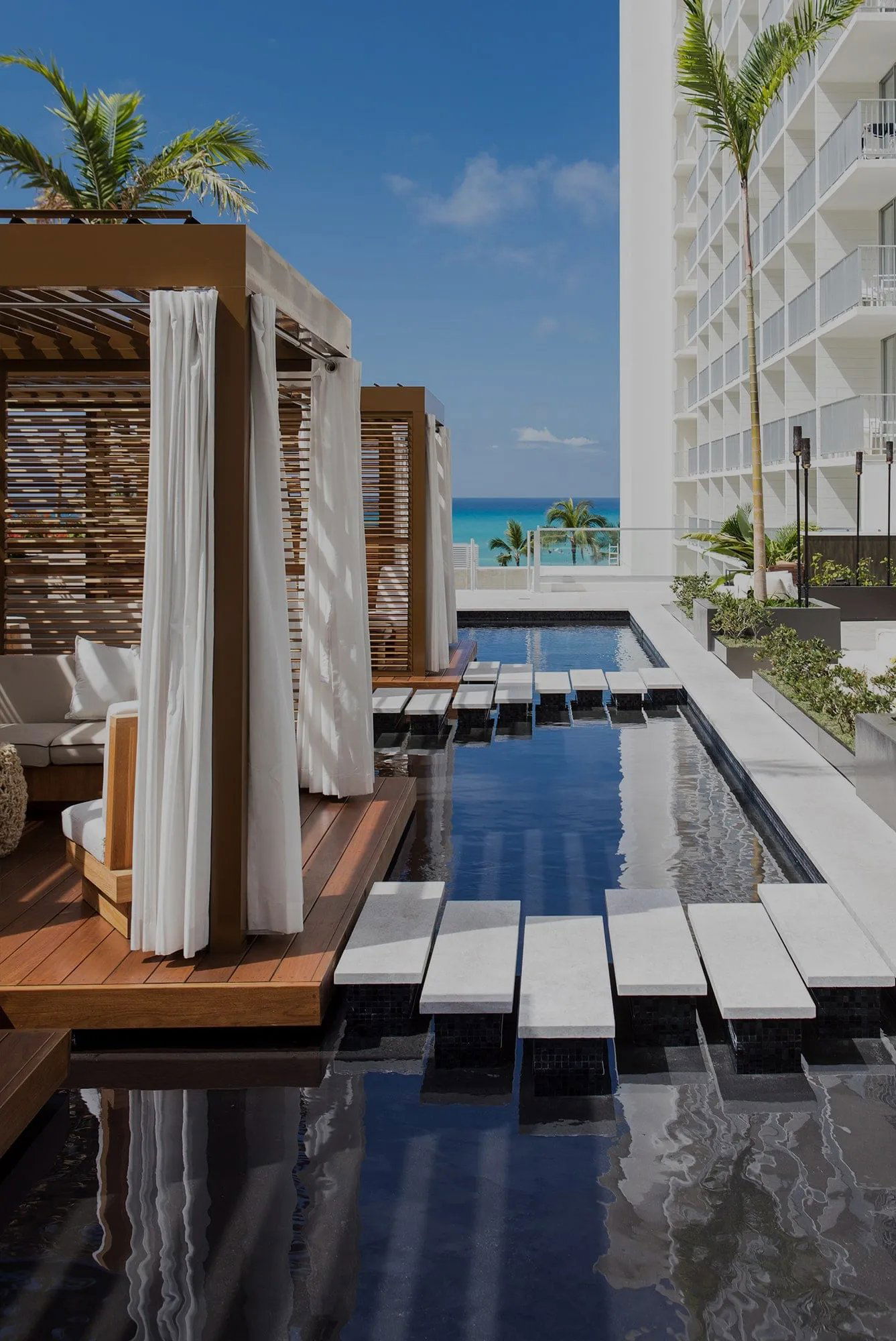
Vibrant and energetic with stunning ocean views from the pool deck, modern luxury in rooms, and a lively poolside atmosphere.
Tags
Vibe
Best For
Experience
Amenities
View
Accessibility
About the Stay
- Rooms
- 839
- Property Style
- Modern Beachfront Resort with Signature Oceanarium and Vibrant Pool Deck
- Design Style
- Contemporary Hawaiian Luxury with Private Lanais and Ocean Views
Know before you go
Know Before You Go
- Getting there
- 2490 Kalākaua Ave, Honolulu, HI 96815
Planning details
Location
Recognition and awards
Also consider
If this is not the right fit
Try Hyatt Regency Waikiki Beach Resort and Spa if a familiar large-resort setup is easier for the trip. Choose The Royal Hawaiian, a Luxury Collection Resort, Waikīkī when the occasion calls for a more classic Waikiki atmosphere.
Hotel context
How it compares in Waikiki
ESPACIO The Jewel of Waikiki is the splurge comparison: choose it when privacy and a more rarefied suite-style stay matter more than broad resort energy. Alohilani Resort Waikiki Beach is the easier fit for travelers who want central Waikiki convenience without committing to that more exclusive-feeling lane.
Hotel Renew is the leaner alternative for guests who care more about location than resort amenities. Hyatt Regency Waikiki Beach Resort and Spa is the safer big-resort cross-shop for travelers who prefer a familiar large-brand format and an easier group stay.
For classic Waikiki atmosphere, compare Moana Surfrider, A Westin Resort & Spa, Waikiki Beach and The Royal Hawaiian, a Luxury Collection Resort, Waikīkī. Those are better fits for travelers who want heritage and a more formal sense of occasion; Alohilani is the more practical pick when the decision is driven by central access, contemporary feel, and a less ceremonial stay.
Explore Honolulu
Around this place
Discover more on Pearl
Unlock the full Alohilani Resort Waikiki Beach guide in Pearl, including awards, comparisons, FAQs, planning details, and nearby places.
Compare Alohilani Resort Waikiki Beach
Where to cross-shop before booking
Book Alohilani Resort Waikiki Beach when Waikiki access and a polished contemporary base are the priority. Choose ESPACIO The Jewel of Waikiki for a higher-touch splurge, Hotel Renew for a simpler location-first stay, Hyatt Regency Waikiki Beach Resort and Spa for a larger resort format, and Moana Surfrider or The Royal Hawaiian for a more heritage-led occasion.
FAQ
Frequently Asked Questions
How is the location of Alohilani Resort Waikiki Beach?
Is Alohilani Resort Waikiki Beach good for business travel?
It may be worth considering for a Honolulu business stay, especially if Preferred Hotels membership is useful to you. Confirm meeting facilities, work amenities, and business services before booking.
Do loyalty programs work at Alohilani Resort Waikiki Beach?
The property is a Preferred Hotels Member (2025). If you already use Preferred Hotels benefits, compare the total value against other Honolulu options such as Hyatt Regency Waikiki Beach Resort and Spa before committing.
Which room category is best at Alohilani Resort Waikiki Beach?
What is check-in like at Alohilani Resort Waikiki Beach?
Check the hotel's current policies before travel.