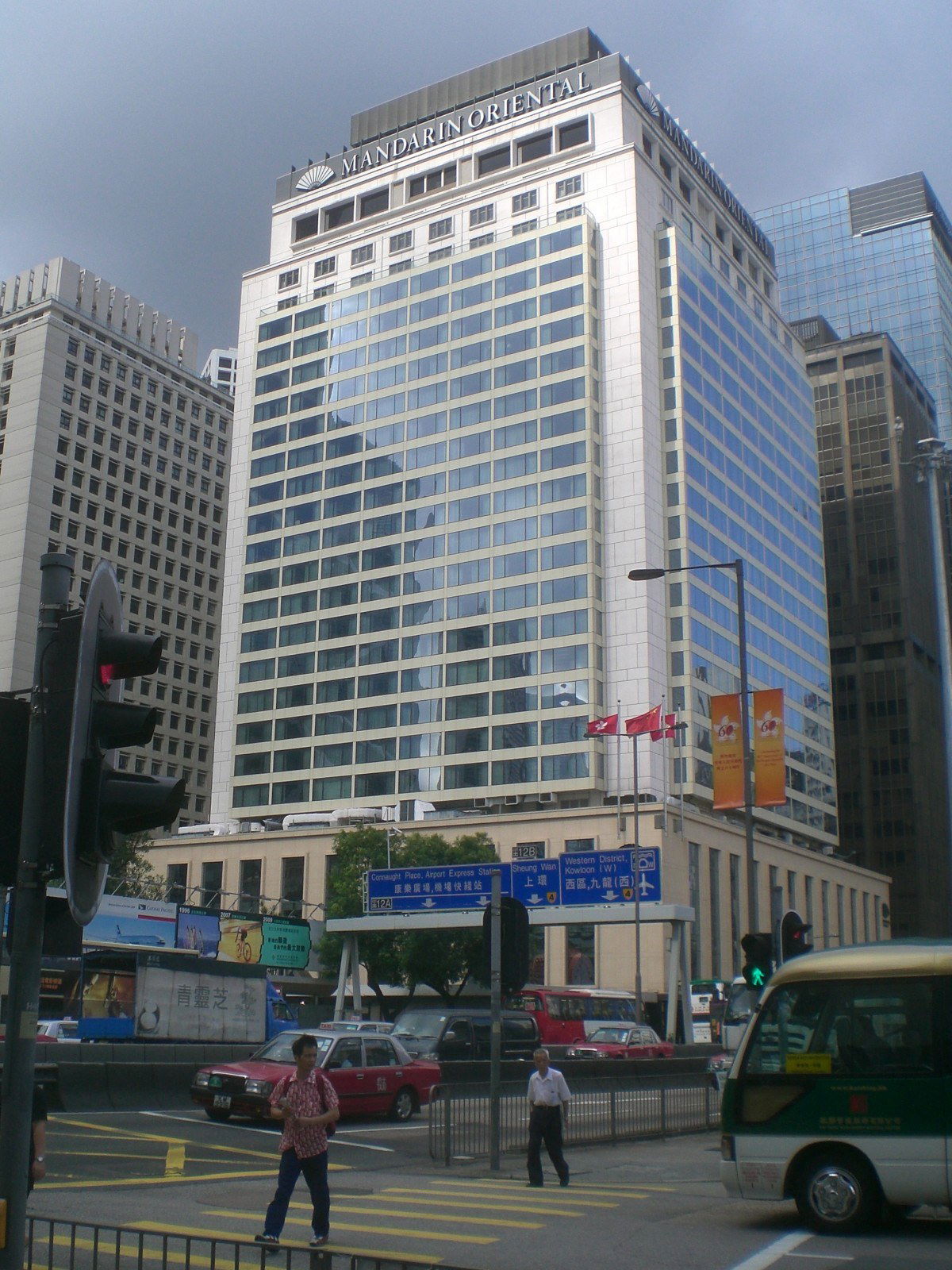







Mandarin Oriental, Hong Kong
Central, Hong Kong
Hotel in Hong Kong, Hong Kong
 Book with Pearl
The Read
Institution-Grade Hospitality
Why go
Mandarin Oriental, Hong Kong is a hotel on Connaught Road in Central.
About Mandarin Oriental, Hong Kong
On a Hong Kong stay, Mandarin Oriental, Hong Kong is best framed as a hotel with a strong independent-recognition profile. Its accolades are substantial: Michelin 1 Key in 2025, Forbes 5-Star in 2026, La Liste Top Hotels 2026 with 99 points, World's 50 Best Hotels #41 in 2025, Food & Wine Top 10 Global Hotels for Food and Drink #8 in 2026, Tatler 2025 recognition in Best Hotels Asia-Pacific, and Virtuoso Lux status.
Mandarin Oriental, Hong Kong is worth considering if the trip calls for a highly recognized Hong Kong hotel and a smart-casual setting. If your decision depends on room types, facilities, service rituals, or specific location advantages, check those details directly before booking. If you want to compare the stay against other Hong Kong hotel options, The Pottinger Hong Kong, The Landmark Mandarin Oriental, Hong Kong, The Murray, Hong Kong, a Niccolo Hotel, and Four Seasons Hotel Hong Kong are natural cross-shops.
A Hong Kong stay with unusually broad recognition
The strongest case for Mandarin Oriental, Hong Kong is its recognition across several major hotel lists and guides. Michelin 1 Key, Forbes 5-Star, La Liste Top Hotels points, a World's 50 Best Hotels placement, and Food & Wine recognition for food and drink all support the view that this is a closely watched Hong Kong hotel. Those accolades do not prove it is the right choice for every traveler, but they do make the hotel easier to shortlist when external recognition matters.
Some stay-defining details still merit a direct check before booking. Specifics such as facilities, address-level convenience, room categories, check-in style, dining venues, or booking patterns should be reviewed directly before a stay. If the decision turns on a particular hotel feel, The Murray, Hong Kong, a Niccolo Hotel and The Landmark Mandarin Oriental, Hong Kong may be useful comparisons. If the decision turns on another major Hong Kong hotel, Four Seasons Hotel Hong Kong deserves a look as well.
Who should book it, and who should cross-shop
Book this for a Hong Kong stay where the hotel's recognition matters: Michelin 1 Key, Forbes 5-Star, La Liste Top Hotels 2026 at 99 points, World's 50 Best Hotels #41 in 2025, Food & Wine Top 10 Global Hotels for Food and Drink #8 in 2026, Tatler 2025 recognition, and Virtuoso Lux status. The dress code is smart casual, which is useful to know when planning the tone of the stay.
Cross-shop if your decision depends on a specific room category, amenity, service style, or exact location preference. The Pottinger Hong Kong may suit travelers comparing another Hong Kong hotel, while The Landmark Mandarin Oriental, Hong Kong, The Murray, Hong Kong, a Niccolo Hotel, and Four Seasons Hotel Hong Kong are relevant hotel comparisons in Hong Kong.
For planning beyond the stay, use Our full Hong Kong hotels guide alongside Our full Hong Kong restaurants guide, Our full Hong Kong bars guide, Our full Hong Kong wineries guide, and Our full Hong Kong experiences guide. Quick reference: pick Mandarin Oriental, Hong Kong for its recognition profile and smart-casual setting; cross-shop if your decision depends on specific details that should be checked directly before booking.
Part of
Mandarin Oriental116 locations on PearlInside Mandarin Oriental, Hong Kong
Planning details
- Location
- 5 Connaught Road, Central
- Website
- mandarinoriental.com/en/hong-kong/victoria-harbour?src=loc.yext.mohkg.ggl
- Phone
- +852 2522 0111
The take
The Take
The Vibe
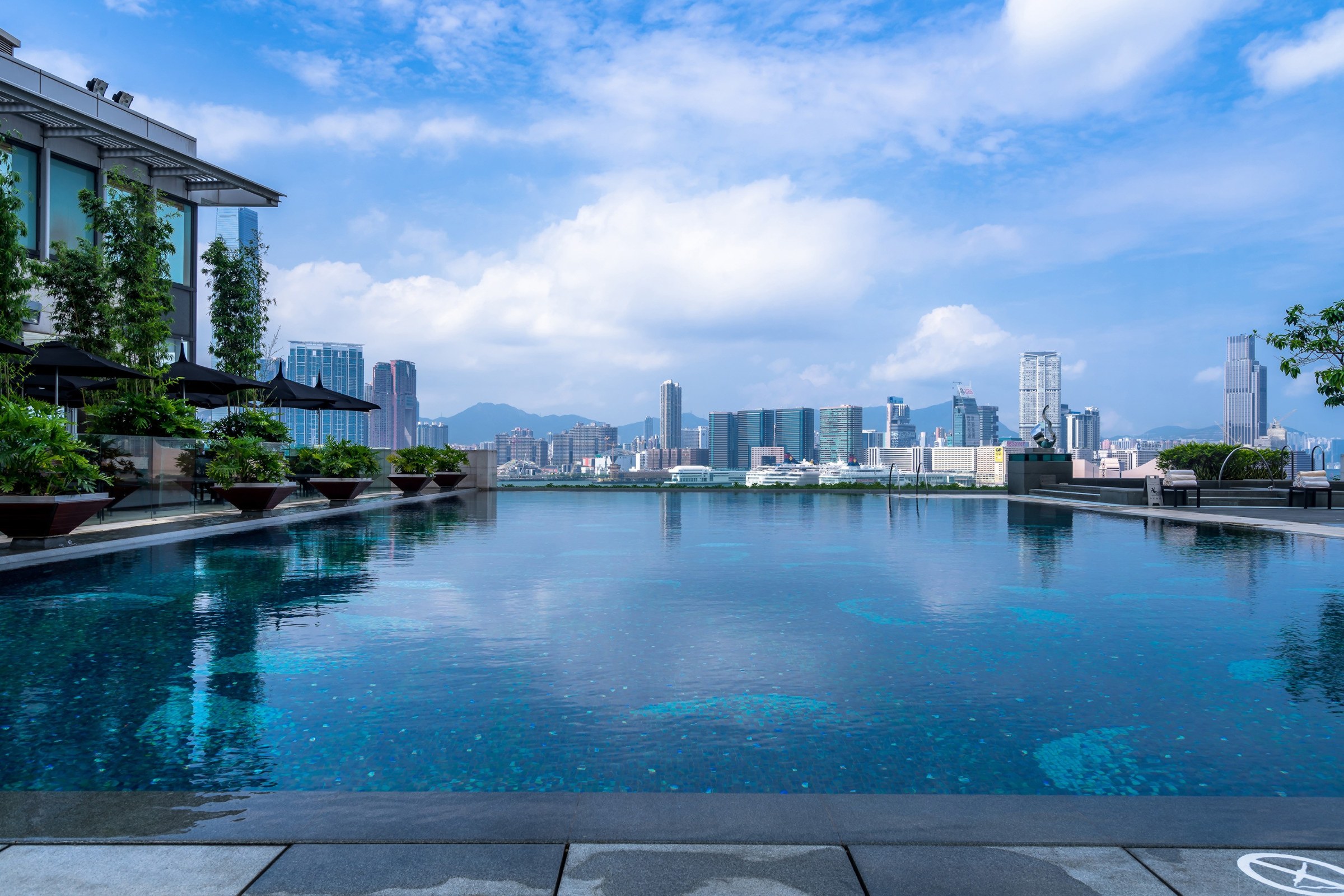
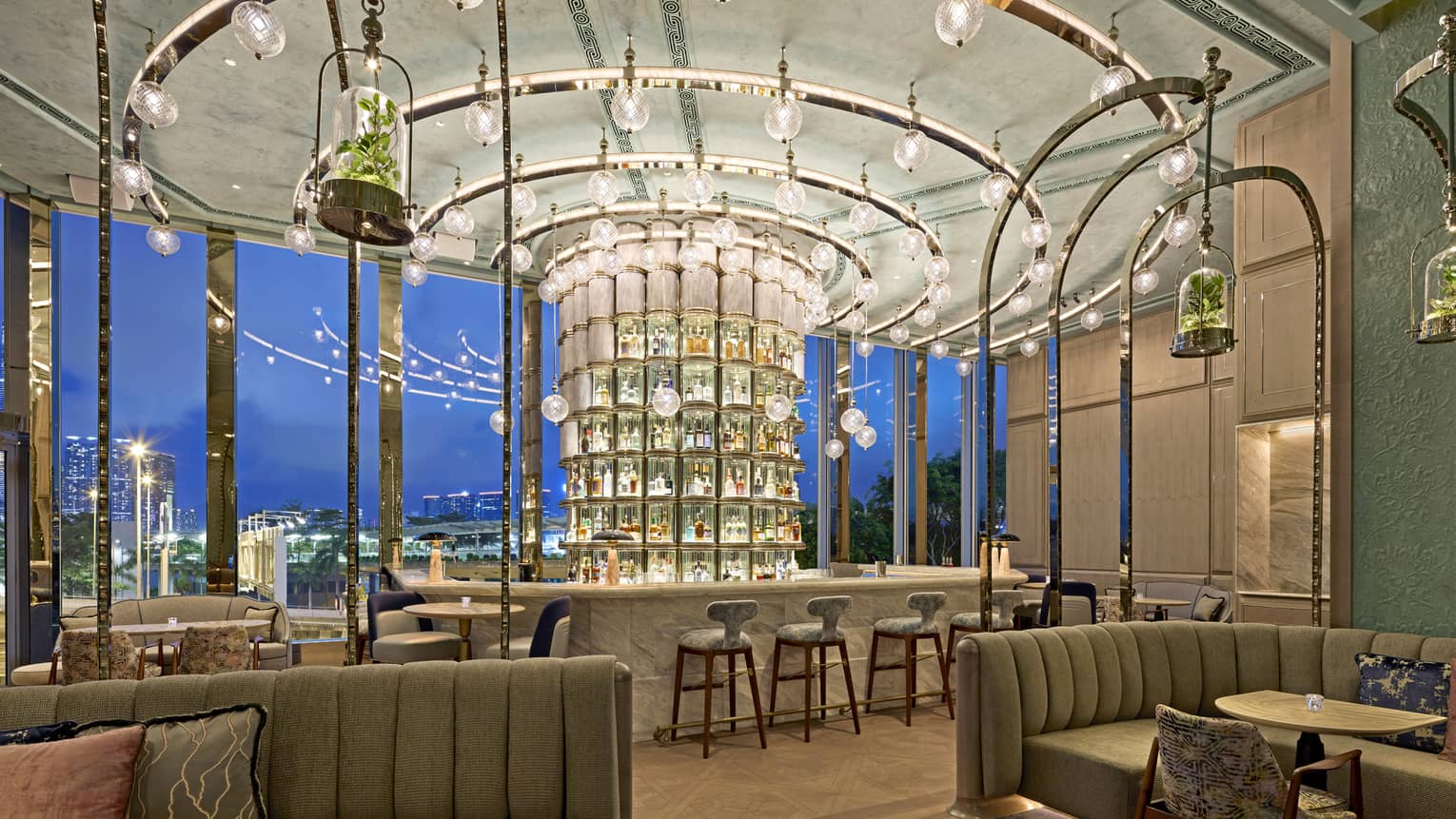
Mandarin Oriental, Hong Kong feels like an institution — a hotel defined by memory and long-term loyalty rather than by constant reinvention. Operating since 1963, it plants itself in Central as a steady presence amid the city’s flux. The public rooms and bars act like civic gathering places: Captain’s Bar, The Chinnery and the Aubrey draw regulars as reliably as a good private club. That blend of historic provenance and lively social programming gives the hotel a comforting, urbane personality: refined and deeply embedded in Hong Kong’s social life rather than chasing novelty.
Best For
This is a destination for after-work drinking, business evenings and memorable stays that lean on tradition. Its Connaught Road address puts guests within a short walk of the financial district and the Star Ferry, so executives and visitors use the hotel as a convenient hub for meetings, dinners and transfers. The hotel's bars function as city venues in their own right, making it an obvious pick for colleagues or friends who want a reputable, well‑stocked spot for evening drinks, and for returning guests who appreciate familiar service and a dependable luxury stay.
Stay Tips
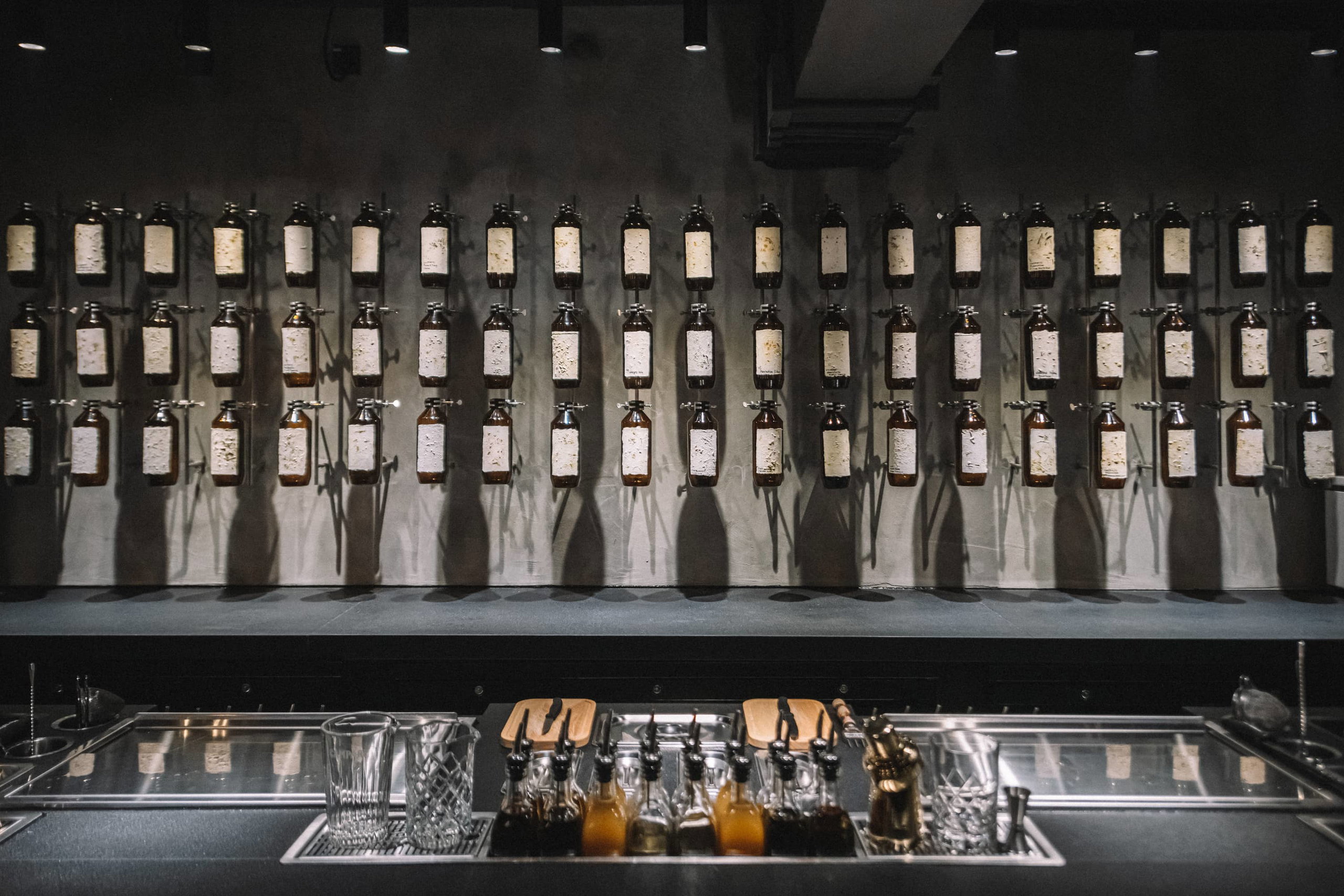
Lean into the hotel's bar offerings: ask for a chilled silver mug at Captain’s Bar, browse The Chinnery’s extensive whisky selection (more than 120 labels) for a tasting flight, or reserve a seat at the Aubrey for its omakase cocktail experience. Because the bars attract after‑work and weekend regulars, consider booking ahead for the Aubrey and peak evening slots. For a quieter moment, arrange treatments on your preferred spa floor in advance — the description highlights long‑standing guest habits around specific treatment rooms, so advance planning secures the exact experience regulars return to.
Venue details
Ambiance
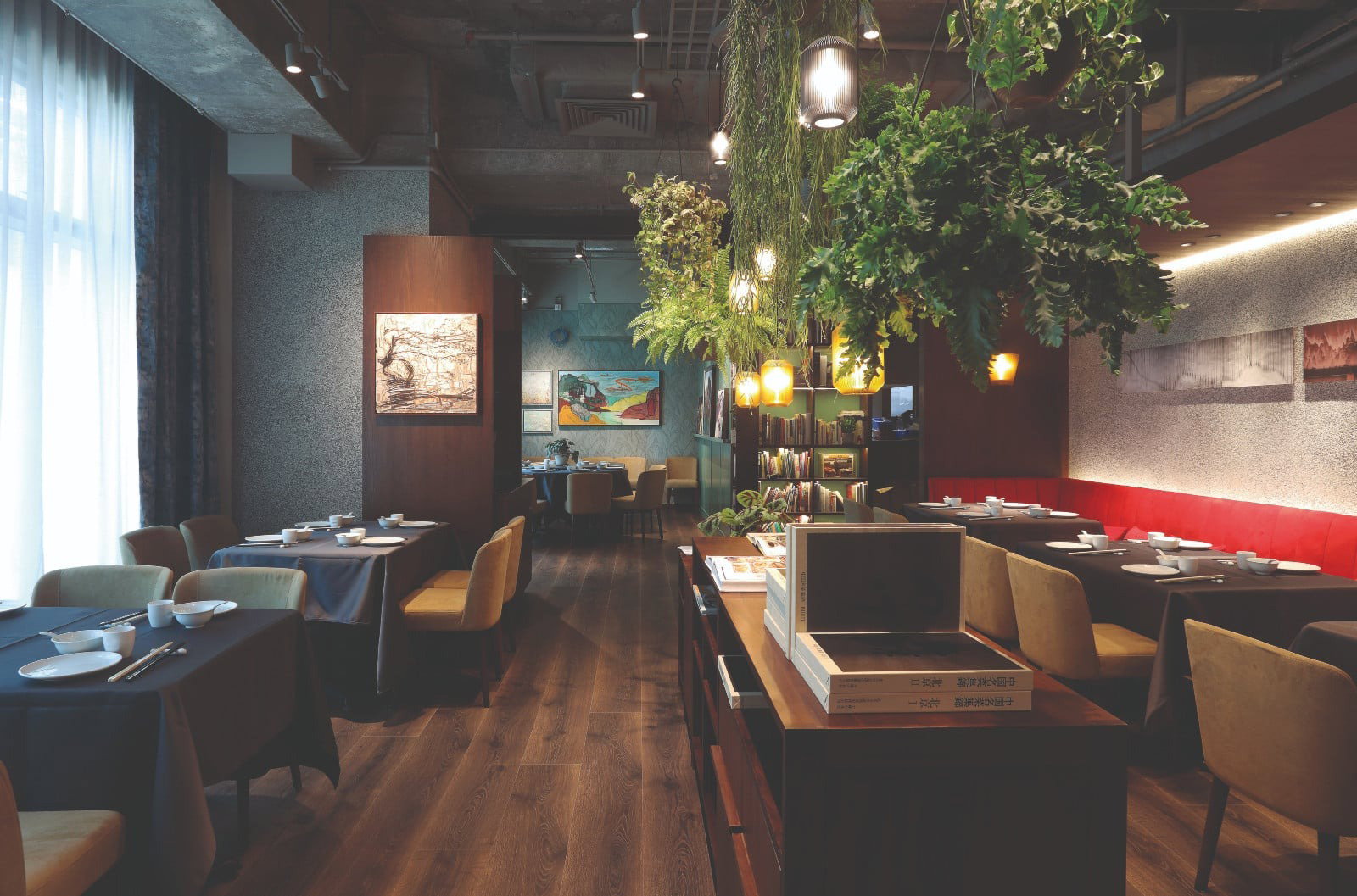
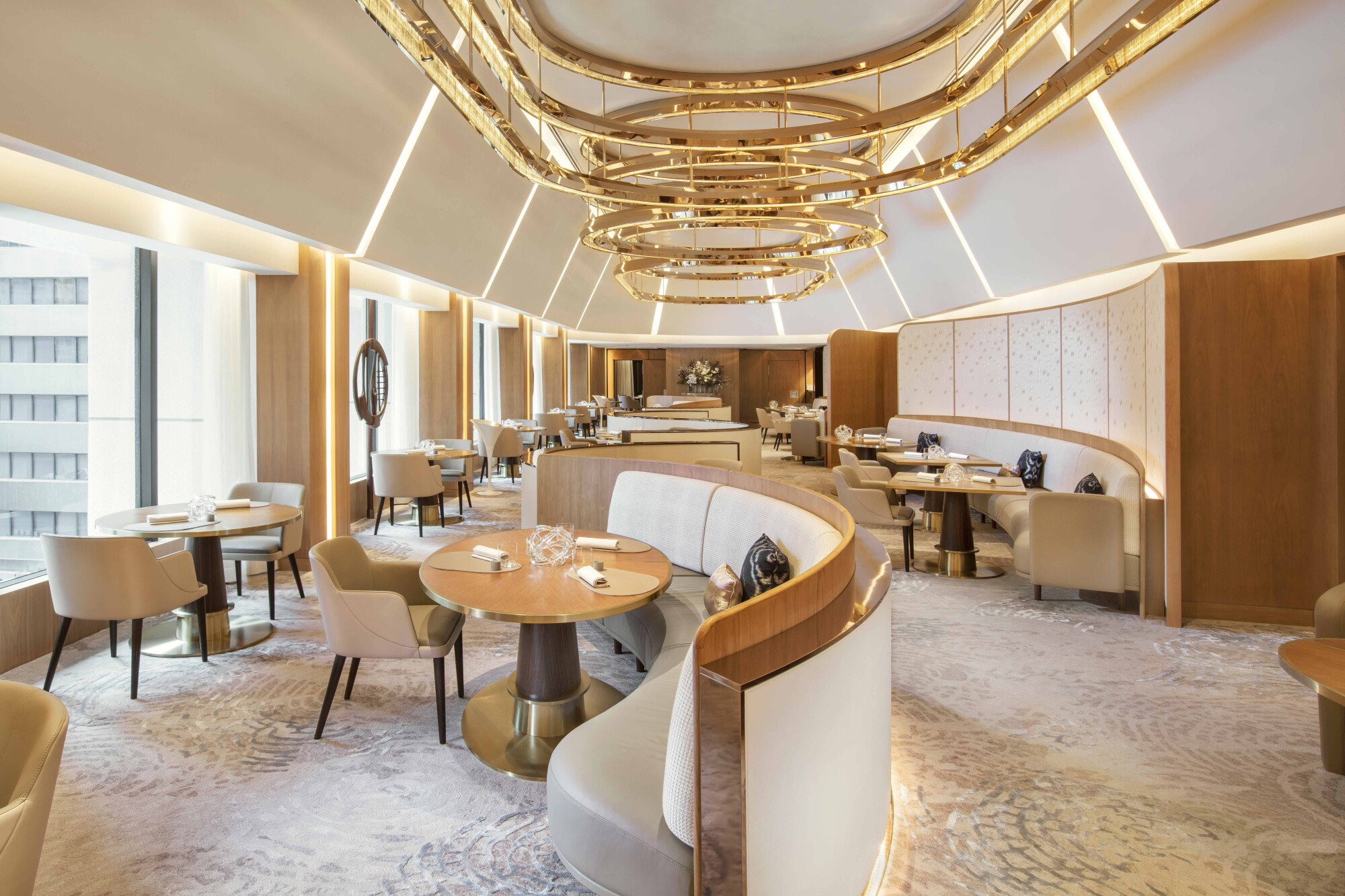
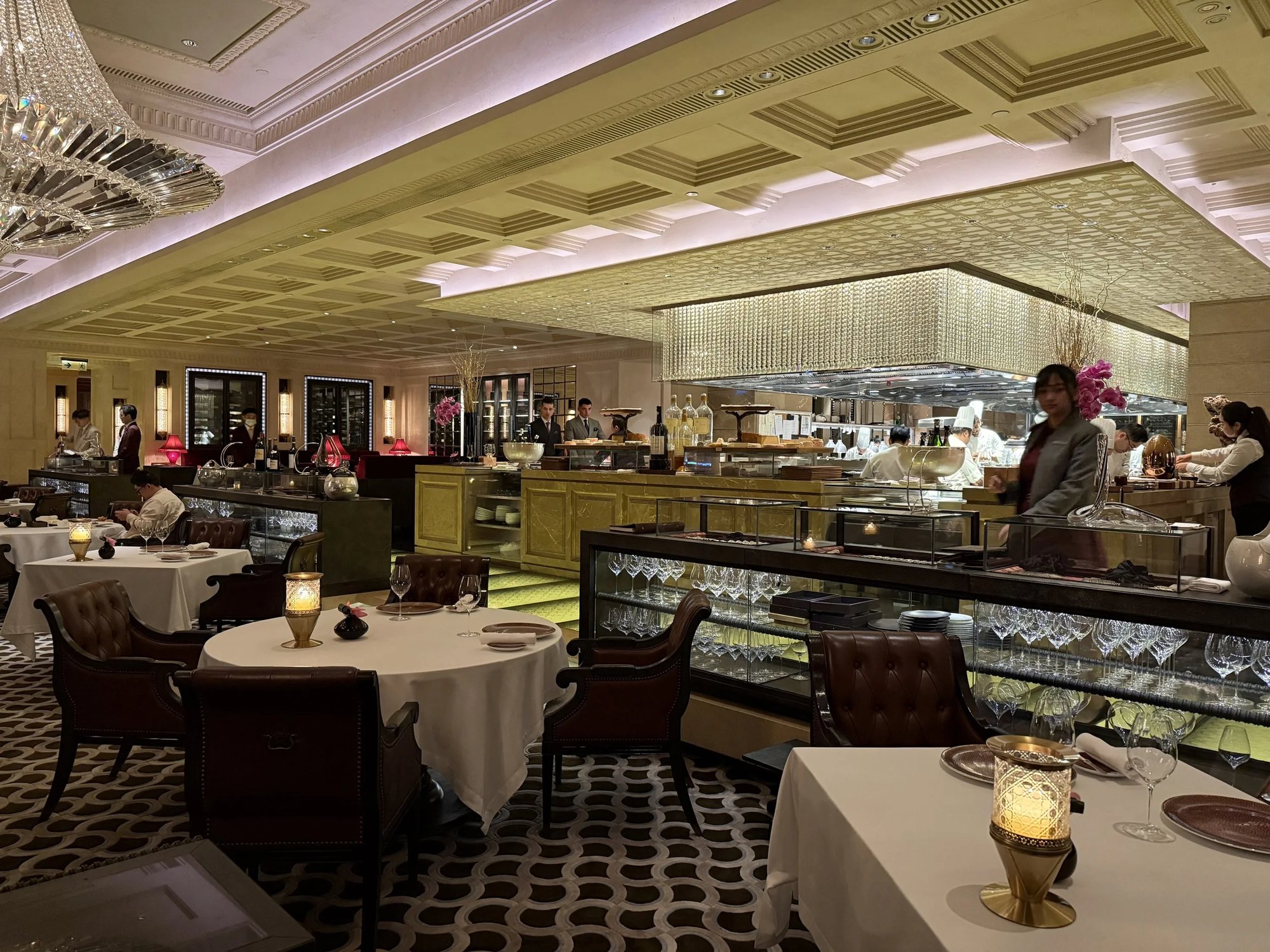
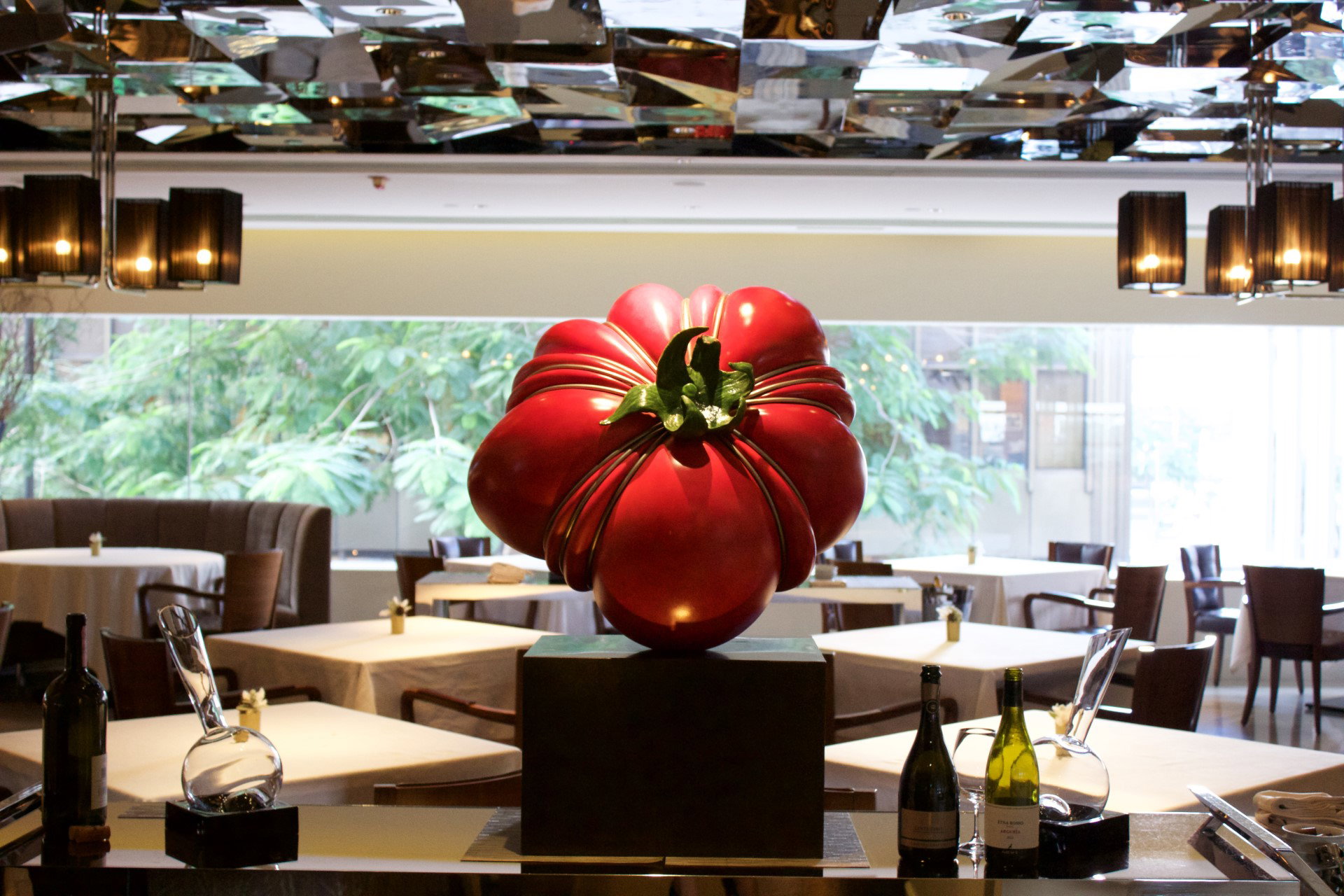
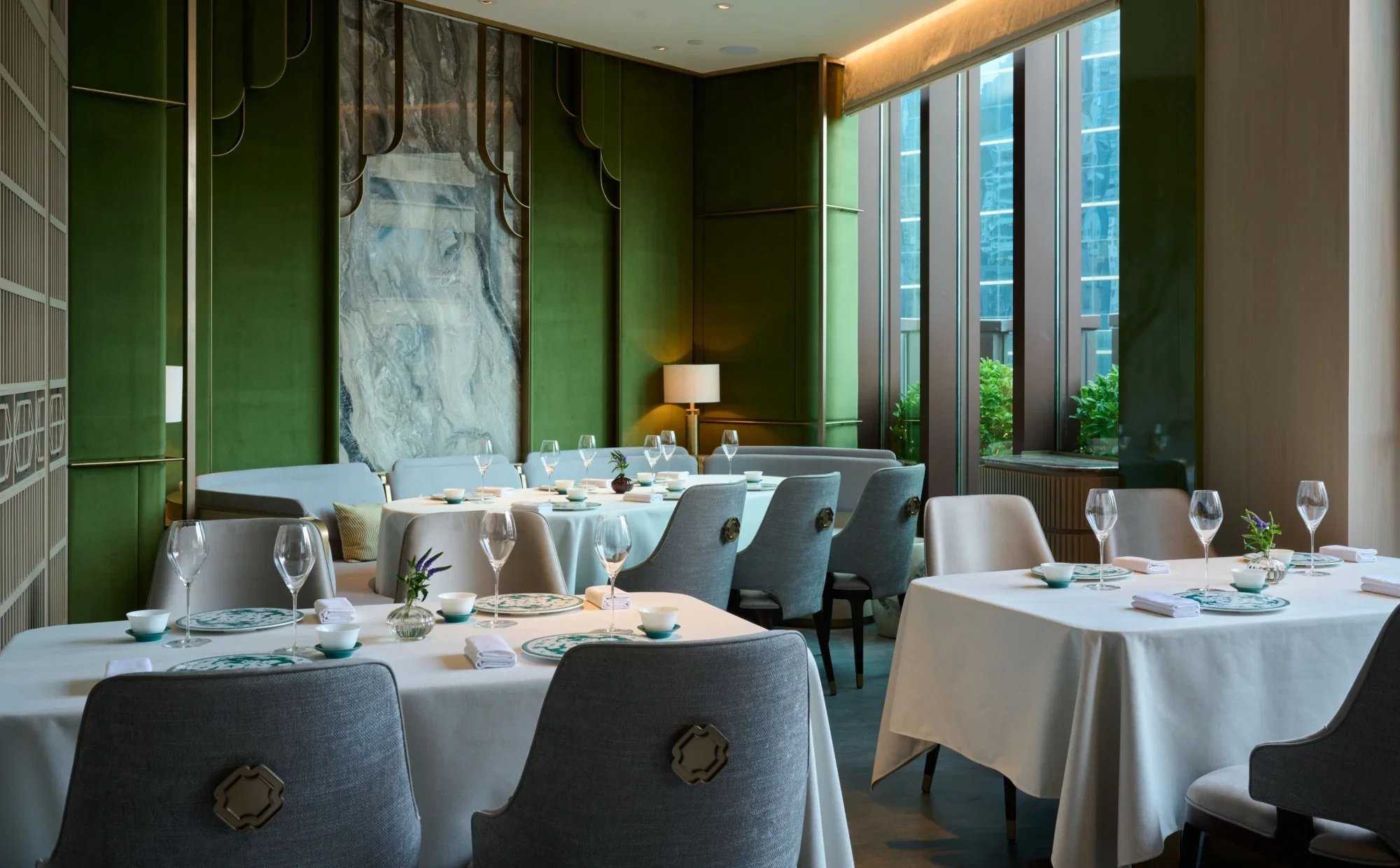
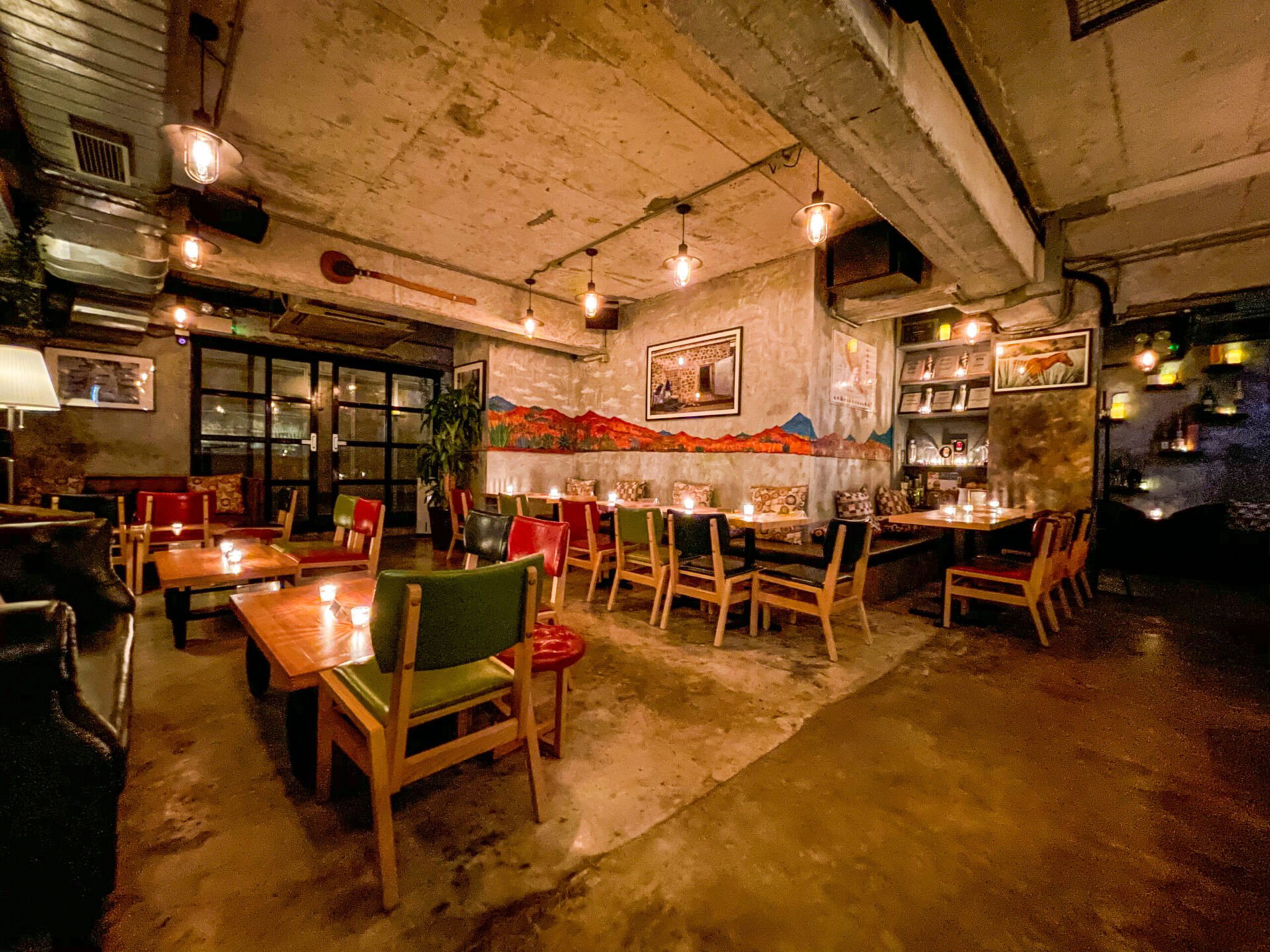
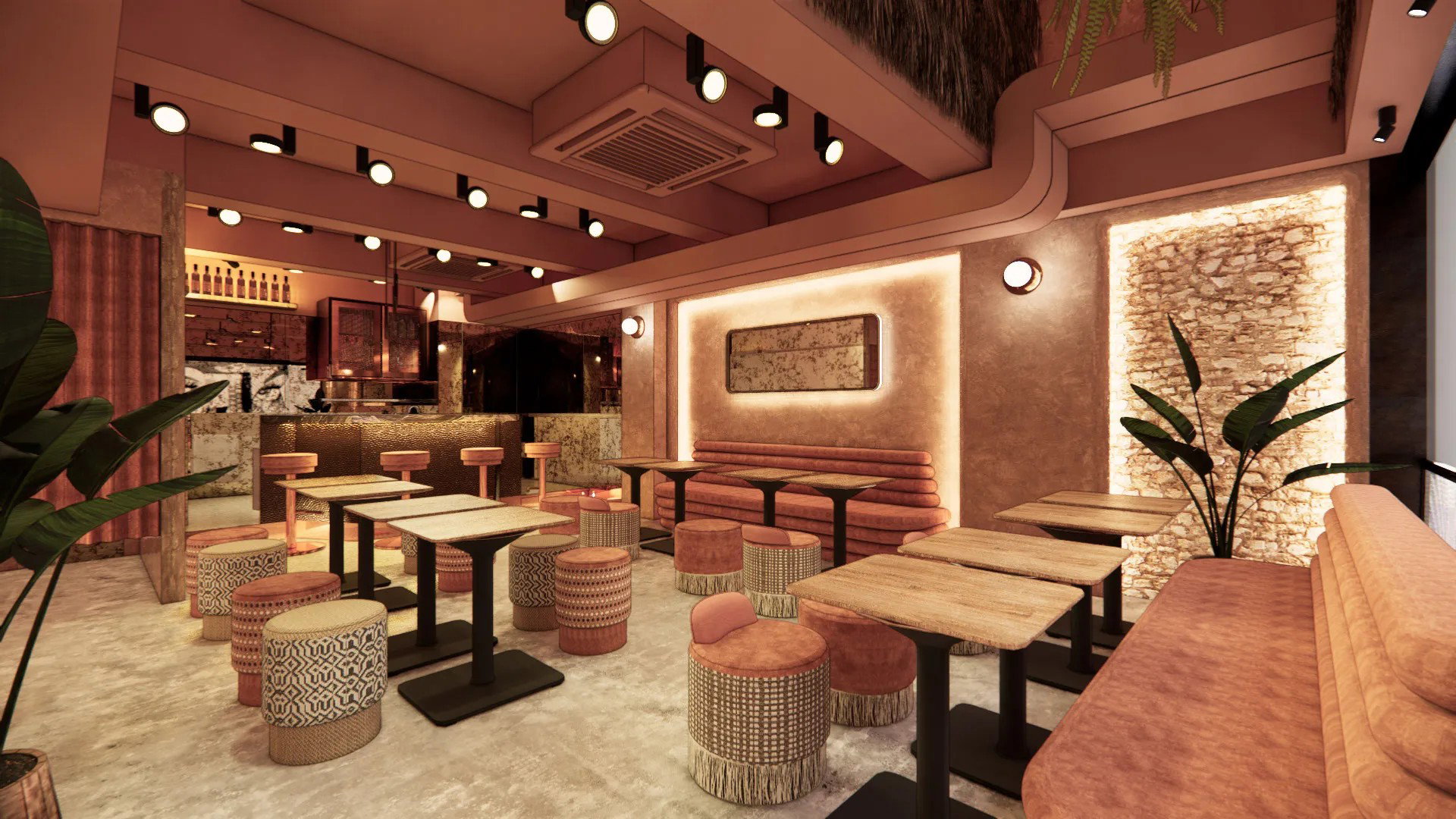
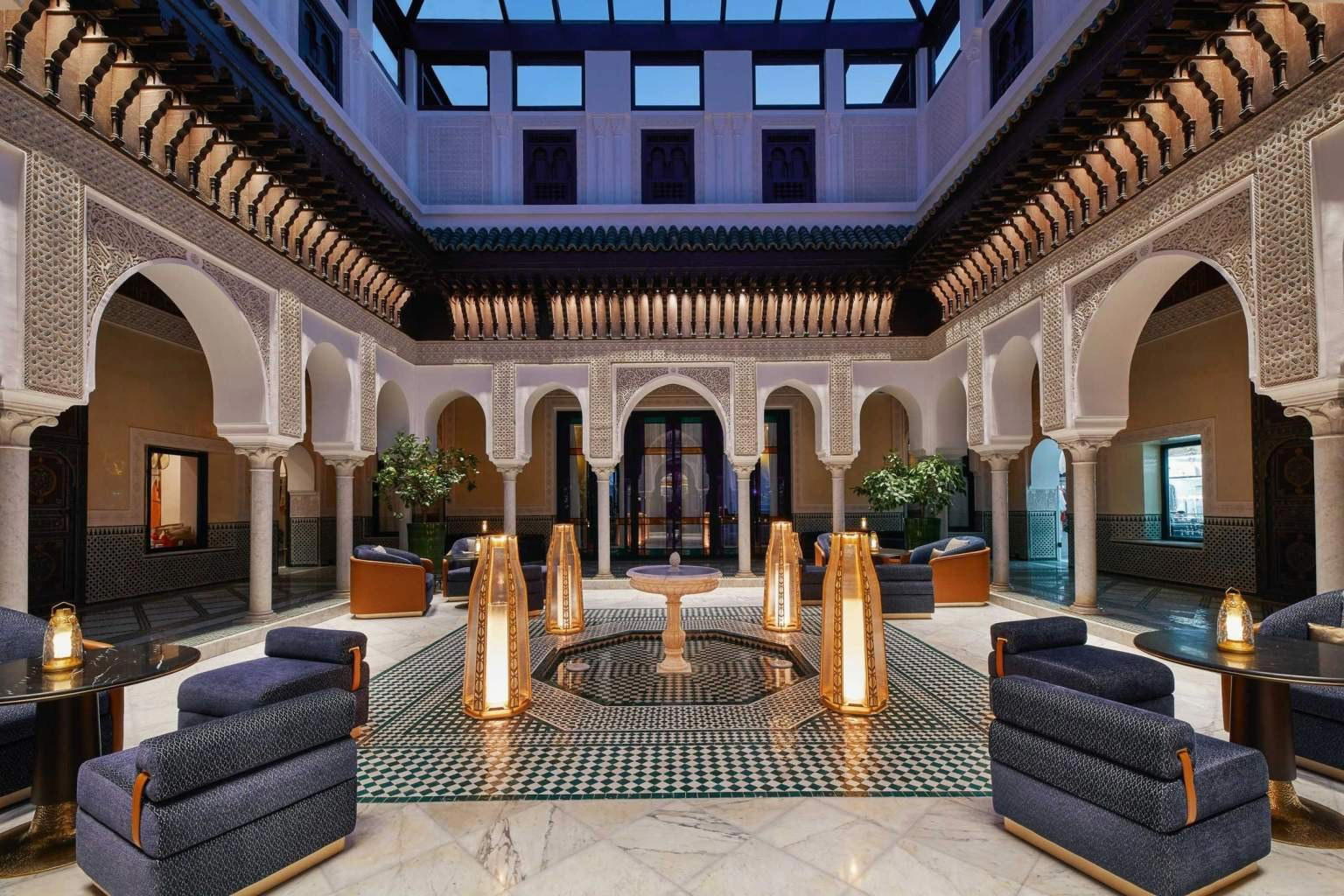
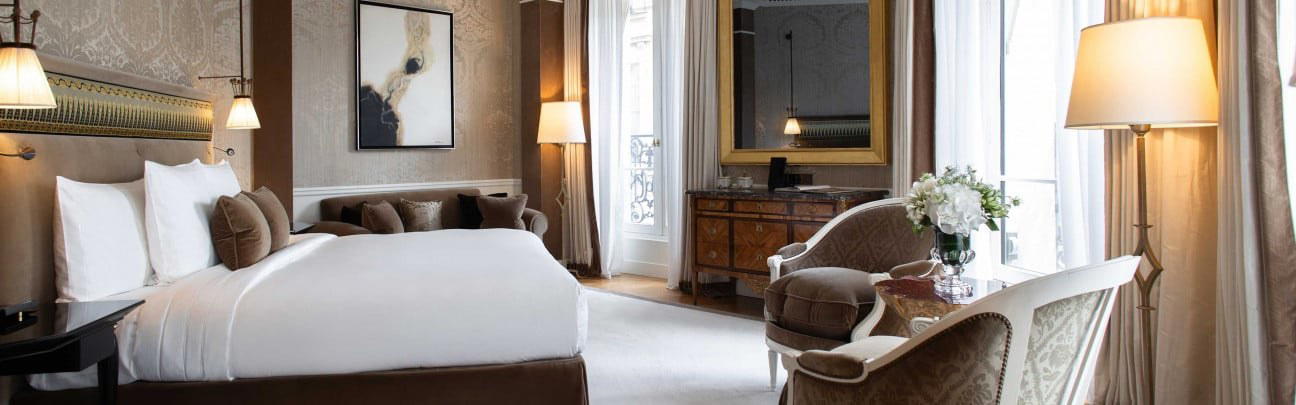
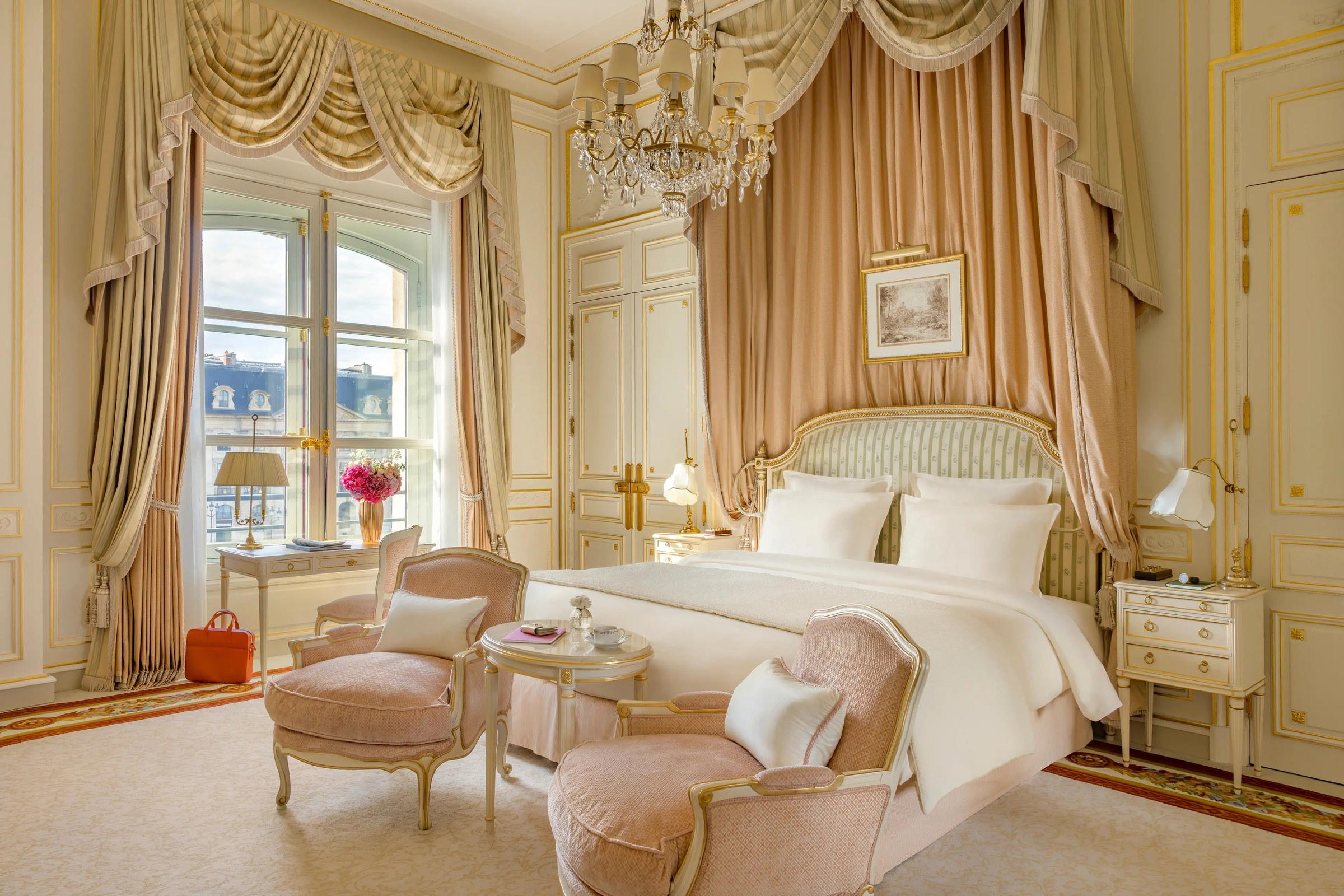
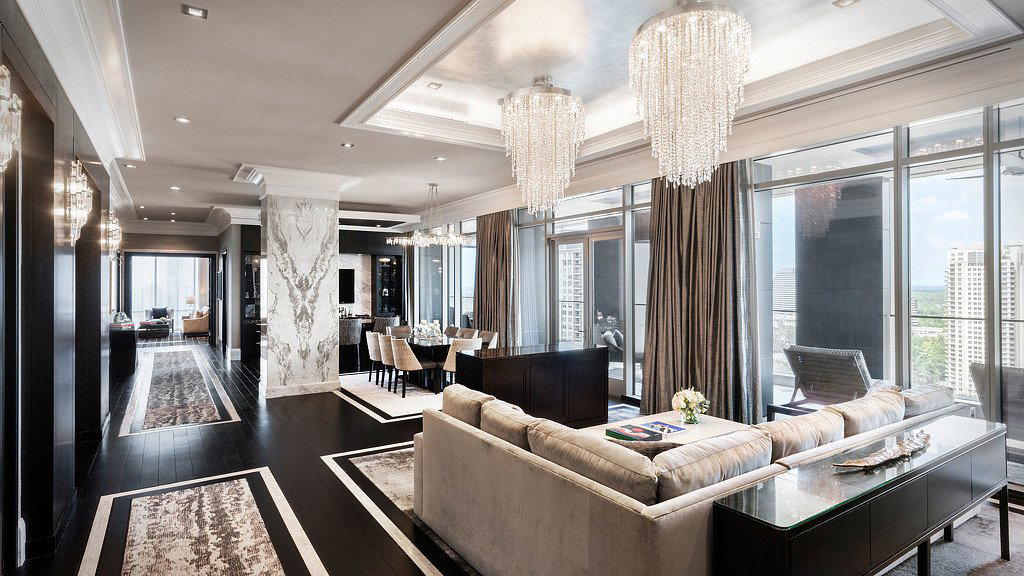
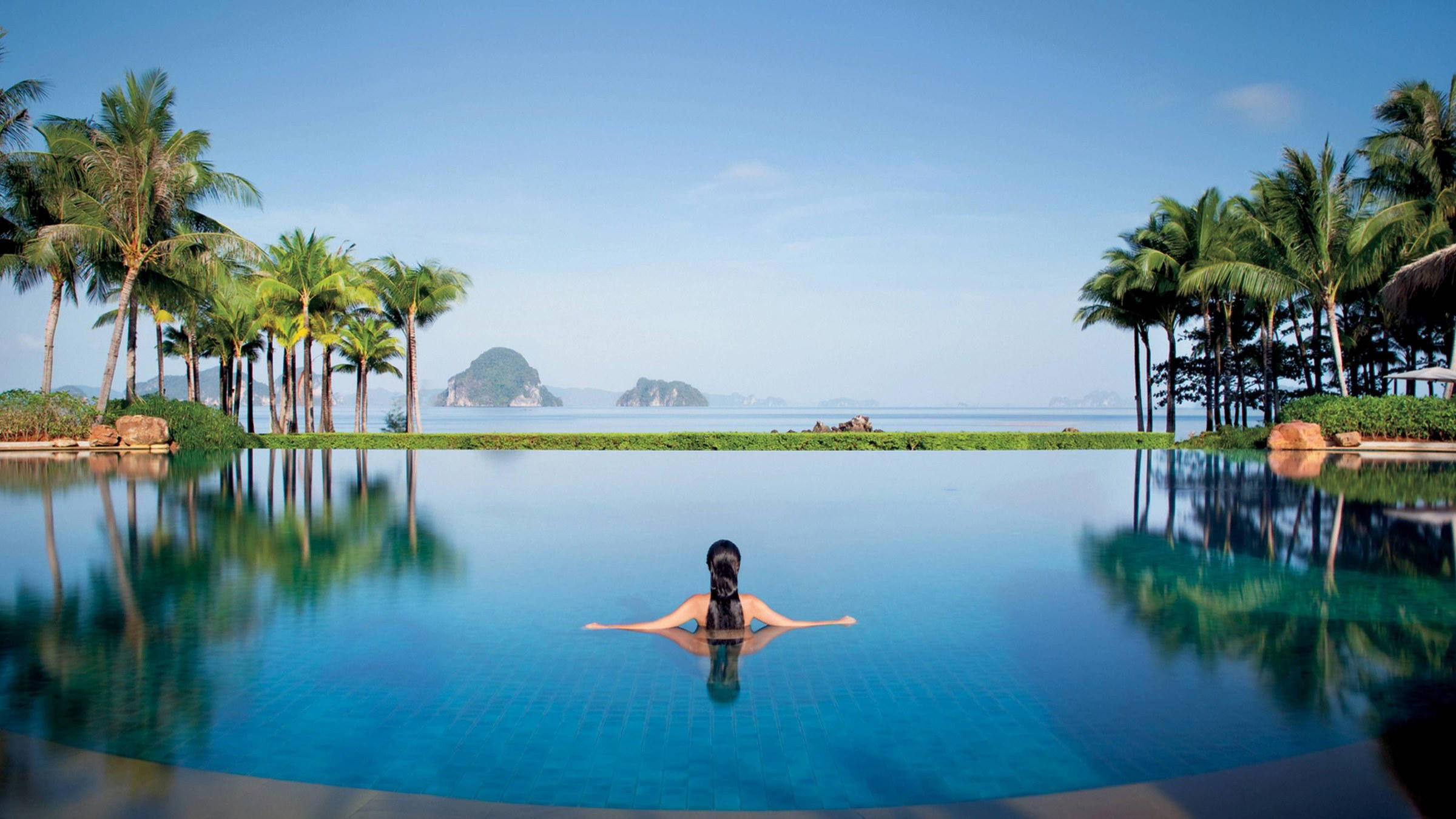
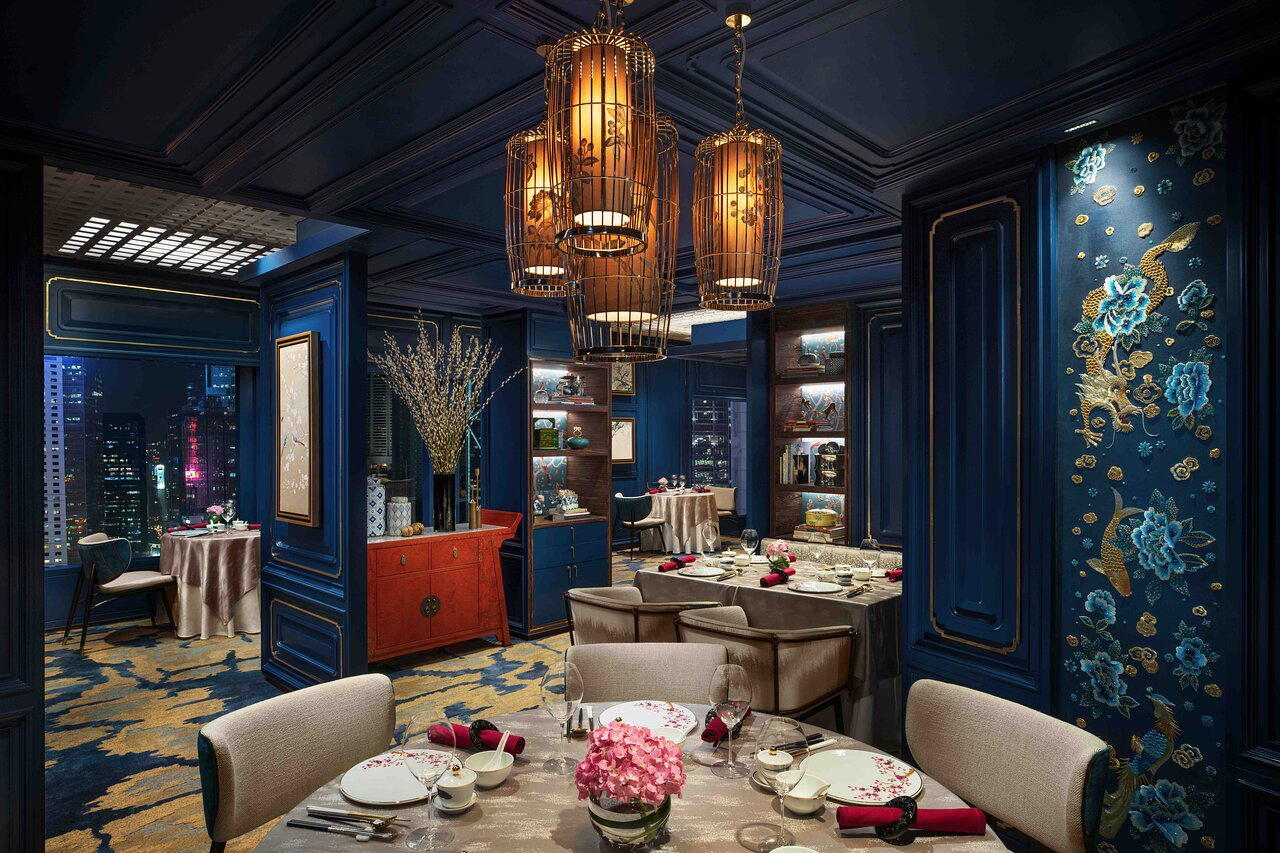
Elegant and refined atmosphere with sophisticated lighting, serene spa areas, and classic Oriental heritage design.
Tags
Vibe
Best For
Experience
Amenities
View
Accessibility
About the Stay
- Rooms
- 499
- Property Style
- Iconic Urban Luxury Heritage Property with Oriental Elegance.
- Design Style
- Classic Asian European Fusion with Dark Woods, Marble Bathrooms, and Sophisticated Red Accents.
Know before you go
Know Before You Go
- Getting there
- 5 Connaught Road, Central
Planning details
Location
5 Connaught Road, Central · Directions
mandarinoriental.com/en/hong-kong/victoria-harbour?src=loc.yext.mohkg.ggl
Recognition and awards




Also consider
Also Consider
- The Landmark Mandarin Oriental, Hong Kong, Notable alternative
- The Murray, Hong Kong, a Niccolo Hotel, Notable alternative
- The Murray, Hong Kong, a Niccolo Hotel, Notable alternative
- The Pottinger Hong Kong, Notable alternative
- Four Seasons Hotel Hong Kong, Notable alternative
Hotel context
How it compares in Central Hong Kong
Against The Landmark Mandarin Oriental, Hong Kong, this is the more classic full-service choice. The Landmark is better for a sleeker, more contemporary stay; Mandarin Oriental, Hong Kong is stronger when the trip needs a larger heritage-hotel feel and a broader in-house experience.
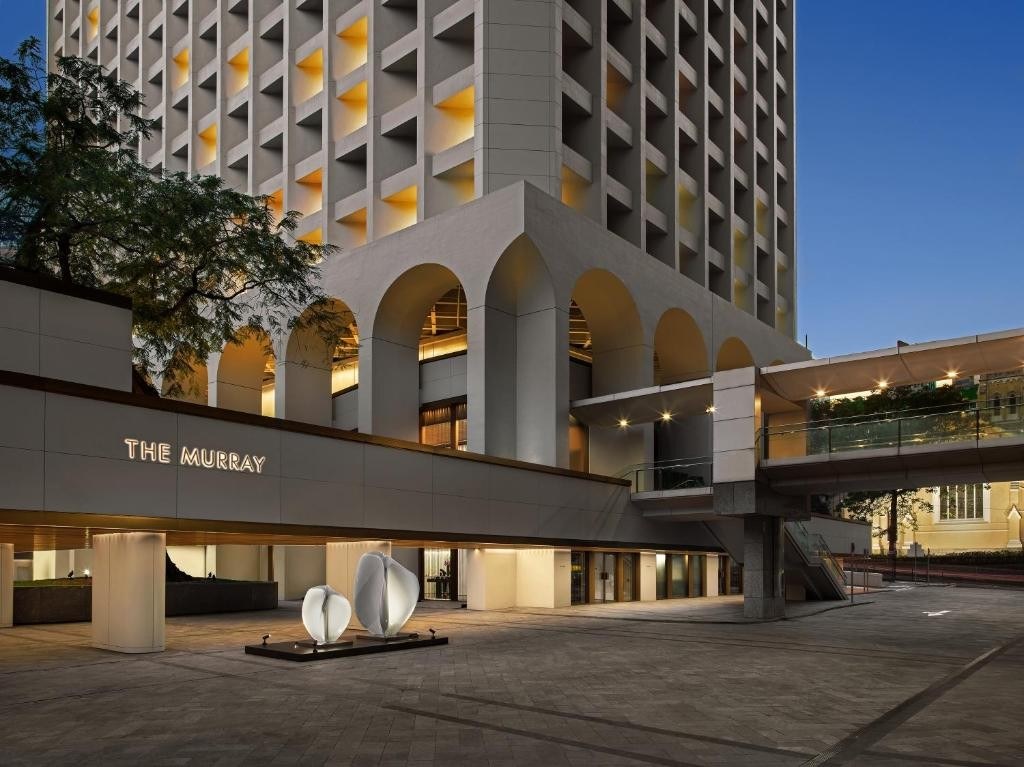
The Murray, Hong Kong, a Niccolo Hotel is the better cross-shop for architecture and a calmer design-hotel mood, while The Pottinger Hong Kong makes more sense for travelers who want a smaller Central base. For a high-stakes celebration, Mandarin Oriental is the safer pick if service depth and hotel infrastructure matter more than intimacy.
Four Seasons Hotel Hong Kong is the main alternative for a luxury stay with a waterfront bias and strong dining appeal. If both are available, choose Four Seasons for harbor-side energy and Mandarin Oriental for a more established Central address. Booking difficulty is high across the set on peak Hong Kong dates, so compare live availability early rather than waiting for one preferred room to open.
Explore Hong Kong
Around this place
Discover more on Pearl
Unlock the full Mandarin Oriental, Hong Kong guide in Pearl, including awards, comparisons, FAQs, planning details, and nearby places.
Compare Mandarin Oriental, Hong Kong
| Venue | Location | Awards |
|---|---|---|
| Mandarin Oriental, Hong Kong | Hong Kong | 2026 Food & Wine Top 10 Global Hotels for Food and Drink · #82026 World’s 50 Best Hotels 51-100 · #592026 Virtuoso Luxury Hotel Collection2026 Forbes 5-Star2026 La Liste Top Hotels2025 World’s 50 Best Hotels · #41Tatler Best Hotels Asia-Pacific 2025Michelin 1 Key 20252025 Forbes 5-Star |
| The Landmark Mandarin Oriental, Hong Kong | Hong Kong | 2026 Virtuoso Luxury Hotel Collection2026 Forbes 5-Star2026 La Liste Top Hotels2025 Forbes 5-Star |
| The Murray, Hong Kong, a Niccolo Hotel | Hong Kong | 2026 Forbes 4-StarLeading Hotels of the World 20262026 La Liste Top HotelsMichelin 1 Key 20252025 Michelin 1 Key2025 Forbes 4-Star |
| The Murray, Hong Kong, a Niccolo Hotel | Hong Kong Island | 2026 Forbes 4-StarLeading Hotels of the World 20262026 La Liste Top HotelsMichelin 1 Key 20252025 Michelin 1 Key2025 Forbes 4-Star |
| The Pottinger Hong Kong | Hong Kong | 2026 La Liste Top Hotels |
| Four Seasons Hotel Hong Kong | Hong Kong | 2026 World’s 50 Best Hotels 51-100 · #862026 Forbes 5-Star2026 La Liste Top Hotels2025 World’s 50 Best Hotels · #86Tatler Best Hotels Asia-Pacific 20252025 Michelin 1 Key2025 Forbes 5-StarFour Seasons Hotels |



How Mandarin Oriental, Hong Kong compares with similar nearby venues.
FAQ
Frequently Asked Questions
Should I check pool or spa details before booking Mandarin Oriental, Hong Kong?
Do loyalty programs work at Mandarin Oriental, Hong Kong?
The hotel has Virtuoso Lux status, along with Michelin 1 Key and Forbes 5-Star recognition. Check any points, benefits, or partner perks directly before reserving.
Which room category is best at Mandarin Oriental, Hong Kong?
What is check-in like at Mandarin Oriental, Hong Kong?
Check current check-in arrangements directly before arrival. The hotel's recognition profile includes Michelin 1 Key, Forbes 5-Star, and World's 50 Best Hotels recognition.
When is the best time to book Mandarin Oriental, Hong Kong?
How is the dining at Mandarin Oriental, Hong Kong?
The hotel is #8 in Food & Wine Top 10 Global Hotels for Food and Drink in 2026. Check current restaurants, dishes, cuisines, menus, or service formats directly if they matter to your stay.
How is the location of Mandarin Oriental, Hong Kong?
Mandarin Oriental, Hong Kong is in Hong Kong. For comparison, The Pottinger Hong Kong, The Landmark Mandarin Oriental, Hong Kong, The Murray, Hong Kong, a Niccolo Hotel, and Four Seasons Hotel Hong Kong are other Hong Kong hotels to consider depending on the style of stay you want.