

Hotel Lilla Roberts
Kaartinkaupunki, Helsinki
Hotel in Helsinki, Finland
 Book with Pearl
The Read
Design District Positioning
Why go
Hotel Lilla Roberts is a good Helsinki choice for travelers who want a central, polished hotel with credible third-party recognition and easy booking. It makes sense for business trips, date weekends, and celebration stays where the room matters, but Pearl would not choose it for a spa-led or destination-dining stay based on the confirmed profile.
About Hotel Lilla Roberts
For a Helsinki stay, Hotel Lilla Roberts is best approached as a polished hotel choice with a clear profile: a Helsinki setting, smart-casual tone, Preferred Hotels Member status for 2025, and selection in the MICHELIN Guide Hotels list for 2025.
Keep the booking case focused. Make the decision around its setting, tone, and hotel recognition rather than assumptions about particular room features, dining formats, wellness facilities, prices, or service extras.
Book it for a polished Helsinki stay
Hotel Lilla Roberts suits travelers who want a smart, recognized hotel base in Helsinki. The smart-casual dress code points to a refined but not overly formal setting, while the Preferred Hotels and MICHELIN Guide Hotels recognition add credibility for travelers comparing premium city stays.
For a business trip, weekend, or short Helsinki visit, the practical appeal is direct: choose it if those signals match the kind of stay you want. The recommendation rests on hotel recognition and general fit, not on claims about specific facilities, dining, room categories, booking difficulty, or amenities.
Where an upgrade makes sense
The upgrade decision should follow the occasion and your budget. If the hotel stay itself will be a meaningful part of the trip, a higher-tier booking may be worth considering. If the stay is mainly about time out in Helsinki, a simpler booking may be enough, depending on your budget and preferences.
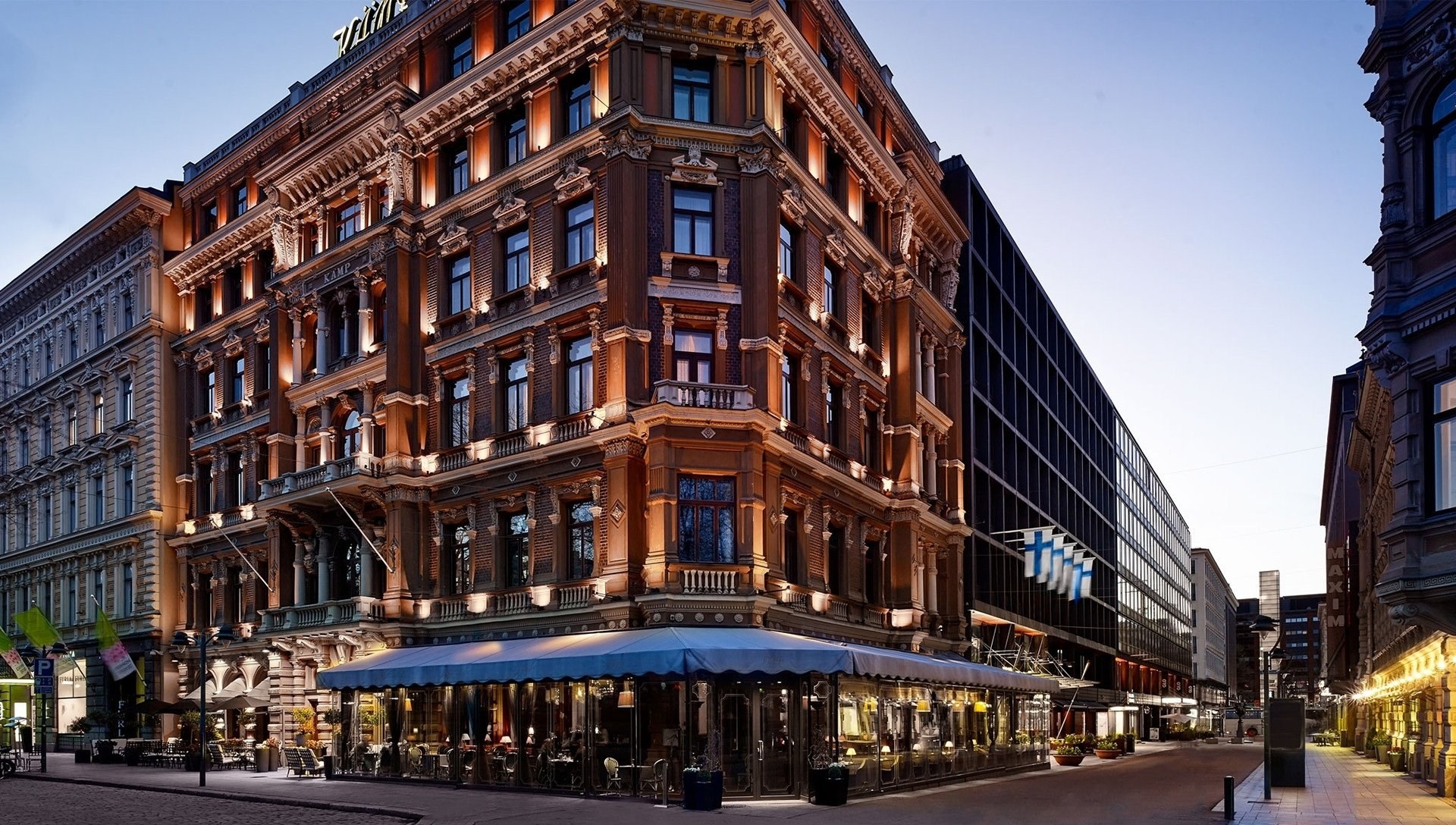
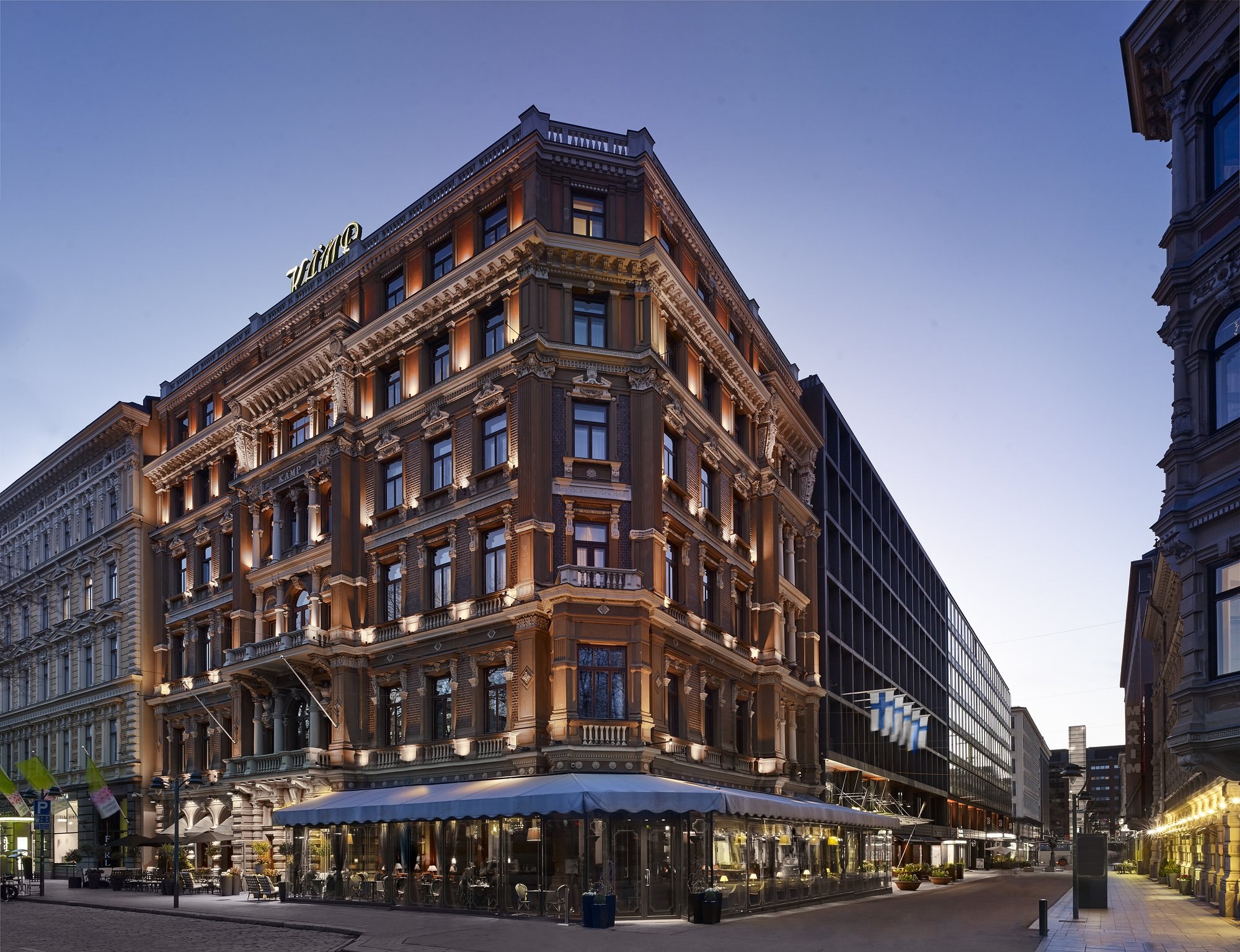
For wider planning, compare it with other Helsinki hotel options such as Hotel F6, Hotel Fabian, Hotel Haven, Hotel Kämp, and Klaus K Hotel. If the trip is built around meals, pair the stay with Helsinki restaurants guide; for evenings out, use Helsinki bars guide.
Planning details
- Location
- Pieni Roobertinkatu 1-3, 00130 Helsinki
- Website
- lillaroberts.com
- Phone
- +358 9 6899880
The take
The Take
The Vibe
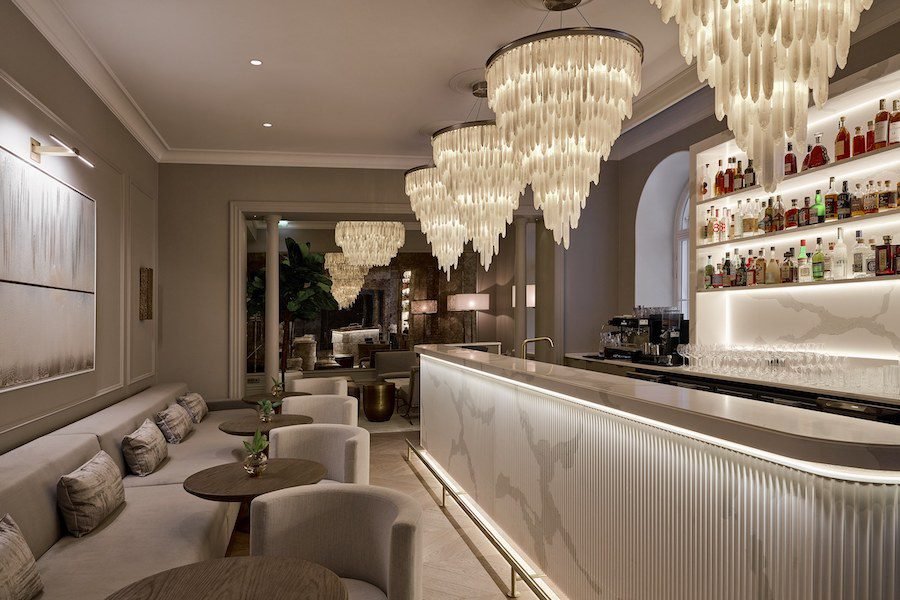
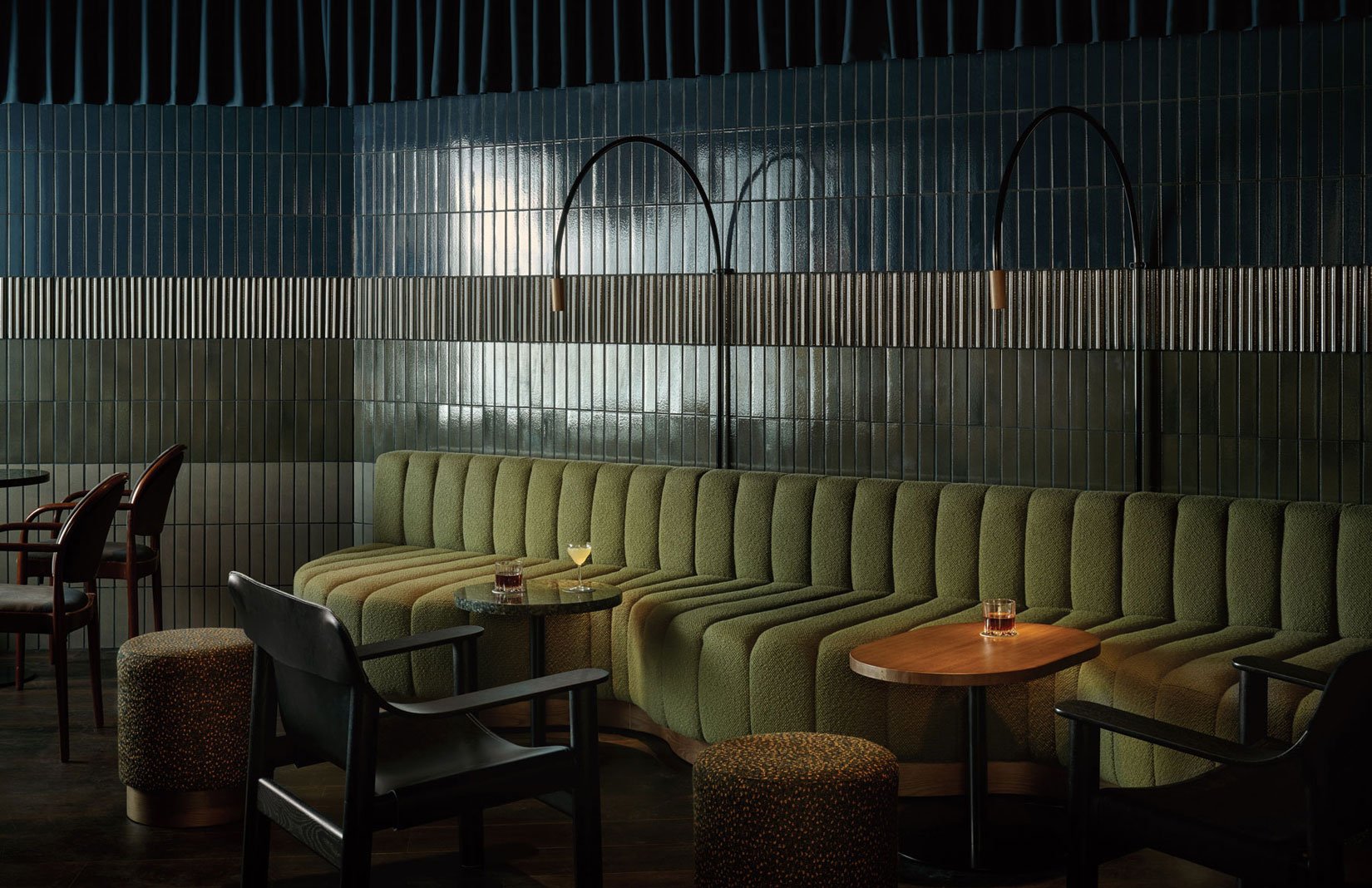
Hotel Lilla Roberts frames contemporary hospitality within an Art Nouveau shell, balancing design-led interiors with the patina of an older building. At 130 rooms the property sits between the intimacy of a boutique and the scale of a larger city hotel, favouring visual coherence over programmatic spectacle. Its location on Pieni Roobertinkatu and rootedness in Punavuori’s residential streets gives the hotel a quietly charming, classic character: you feel the architectural lineage as much as the curated modern touches, an honest blend of heritage and considerate design.
Best For
This hotel suits travelers who want close contact with Helsinki’s Design District: design-minded business guests and culturally curious leisure visitors alike. The address puts galleries, independent boutiques and café-dense blocks within easy walking distance, so stays skew toward neighbourhood exploration rather than tourist-heavy waterfront itineraries. At a mid-tier scale the property offers the operational depth business travelers expect while remaining anchored to local street character, making it a solid pick for short work trips or cultural weekend escapes.
Venue details
Ambiance
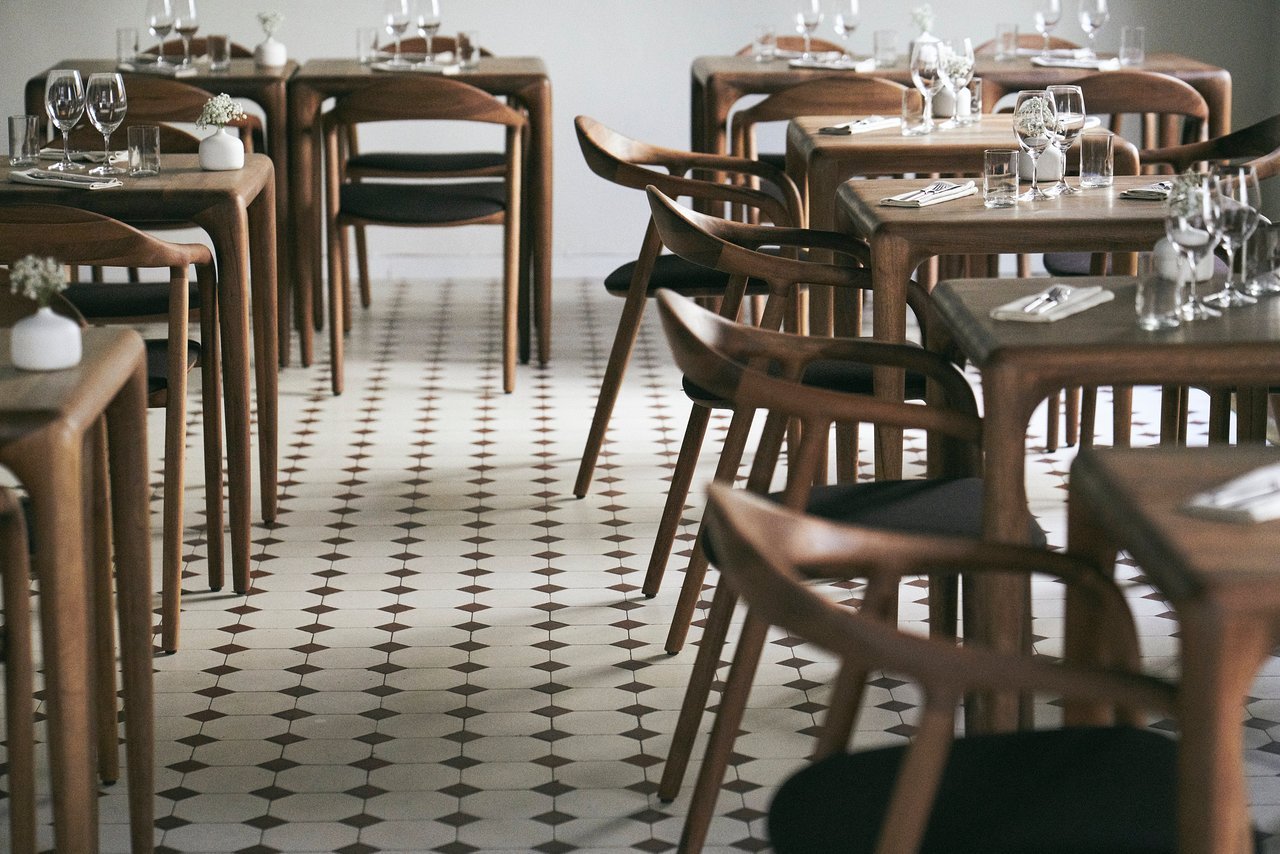
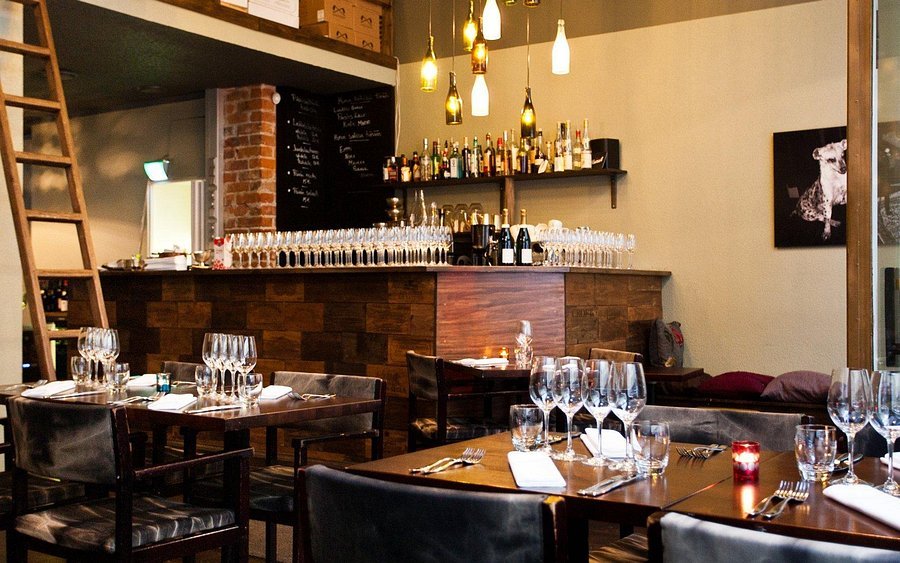
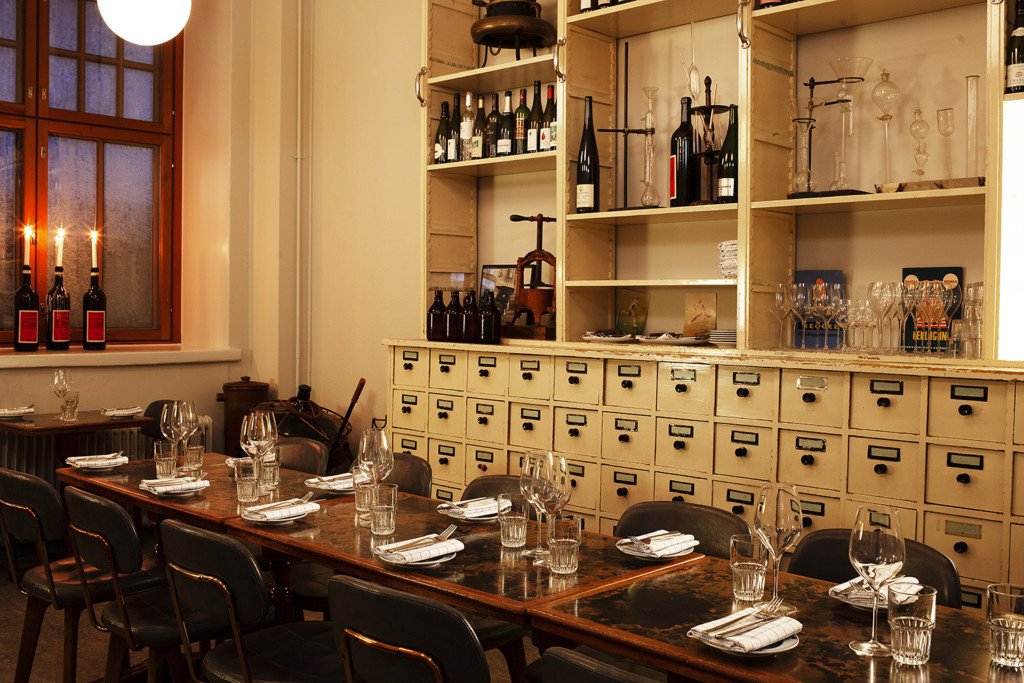
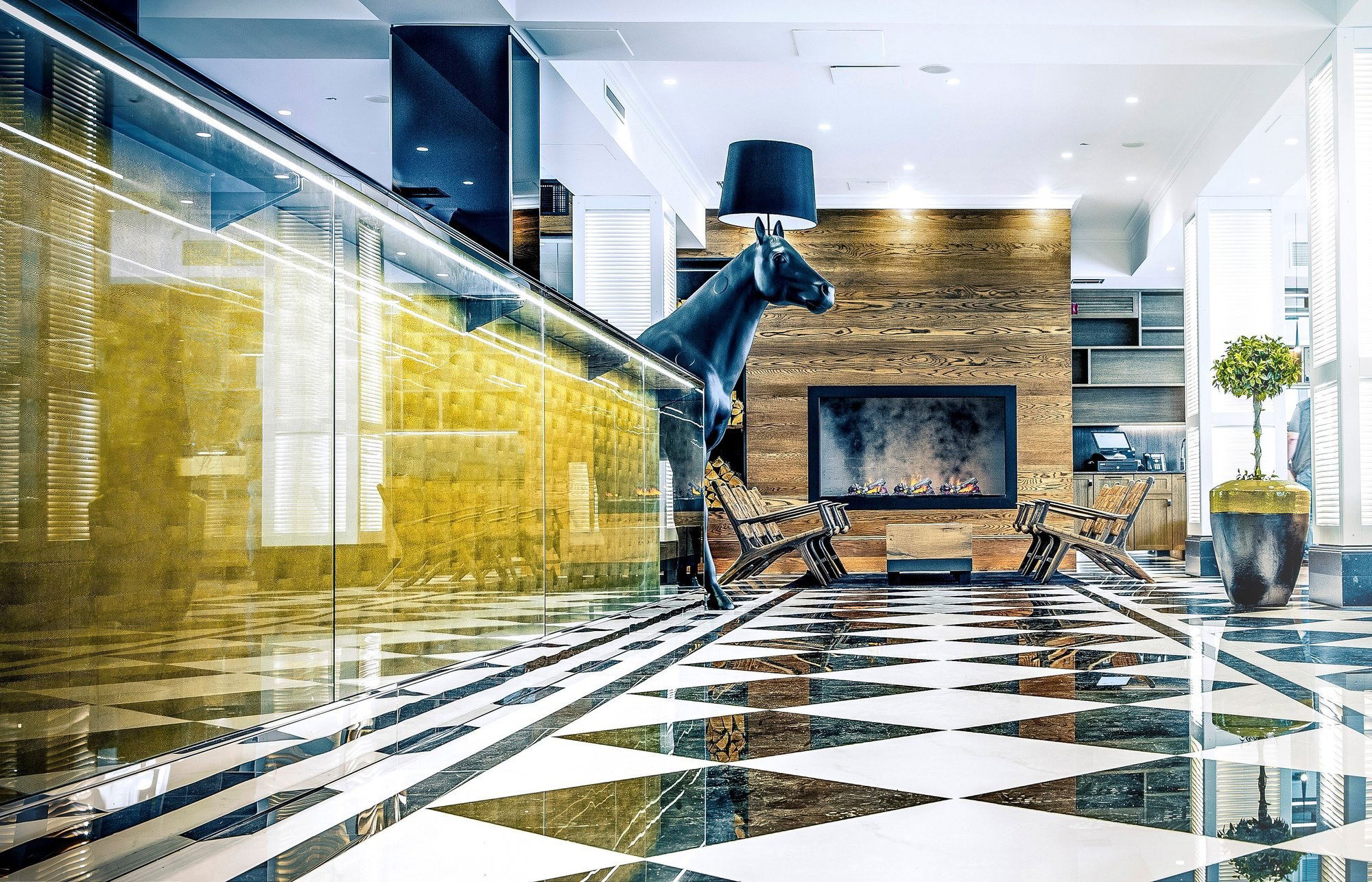
Warm and inviting with high ceilings, fireplace in lobby, tastefully decorated in 1930s Art Deco style blended with contemporary elegance; guests praise the cozy yet sophisticated atmosphere.
Tags
Vibe
Best For
Experience
Amenities
View
Accessibility
About the Stay
- Rooms
- 130
- Check-in
- 15:00
- Check-out
- 11:00
- Property Style
- Art Deco Heritage Boutique Hotel Blending 1930s Architectural Character with Contemporary Luxury and Finnish Design Partnerships.
- Design Style
- 1930s Art Deco with High Ceilings and Period Details, Seamlessly Integrated with Modern Minimalist Furnishings, Eco Friendly Materials, and Curated Finnish Design Elements.
Know before you go
Know Before You Go
- Getting there
- Pieni Roobertinkatu 1-3, 00130 Helsinki
Planning details
Location
Recognition and awards
Also consider
Where to look if this is not the right fit
Try Hotel F6 or Hotel Fabian if the priority is a similarly practical Helsinki base. Choose Hotel Kämp if the stay needs a more formal luxury setting for an anniversary or client-facing trip.
Hotel context
How it compares in Helsinki
Choose Hotel Lilla Roberts when the brief is polished, central, and easy to book. Against Hotel Fabian and Hotel F6, it is the stronger call when outside recognition matters: its 2025 Preferred Hotels membership and 2025 MICHELIN Guide Hotels selection give it a clearer quality signal.
Hotel Haven and Hotel Kämp are the more natural cross-shops for travelers who want a more formal luxury feel. Pick those if the stay is meant to carry the whole occasion. Pick Hotel Lilla Roberts if the hotel needs to feel special without turning the trip into a grand-hotel experience.
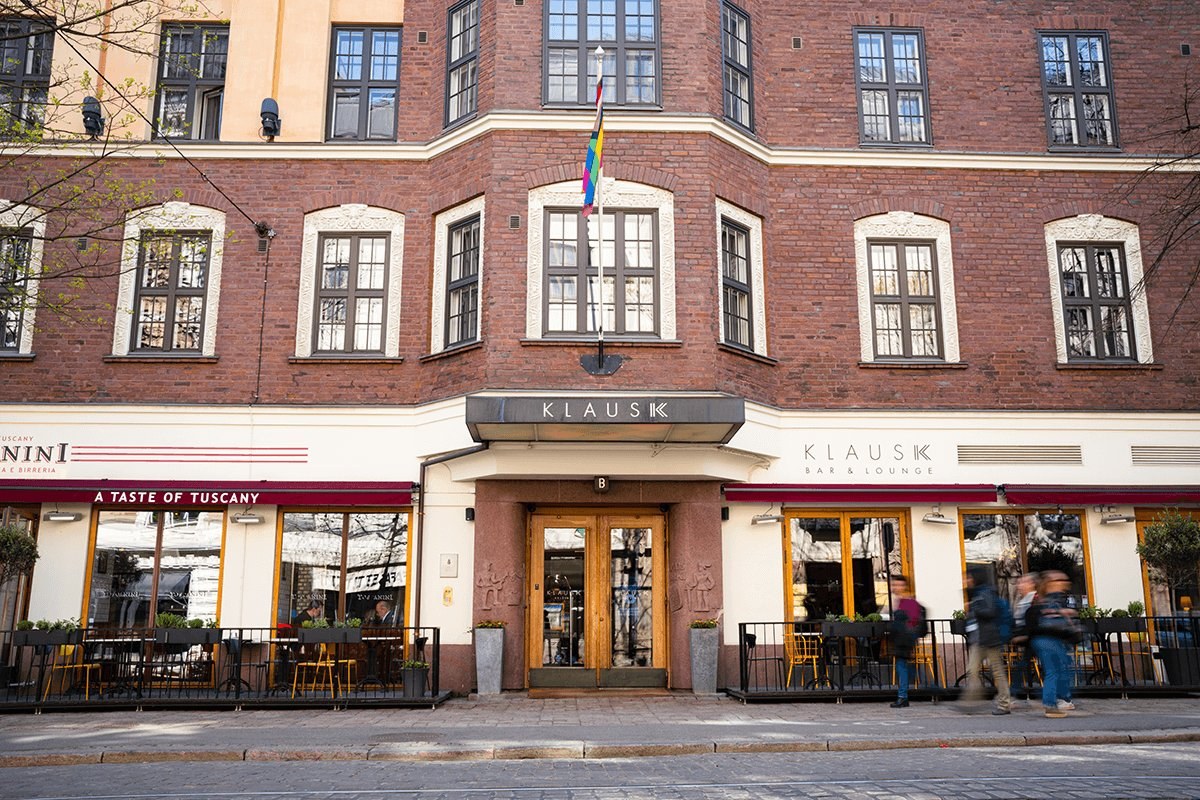
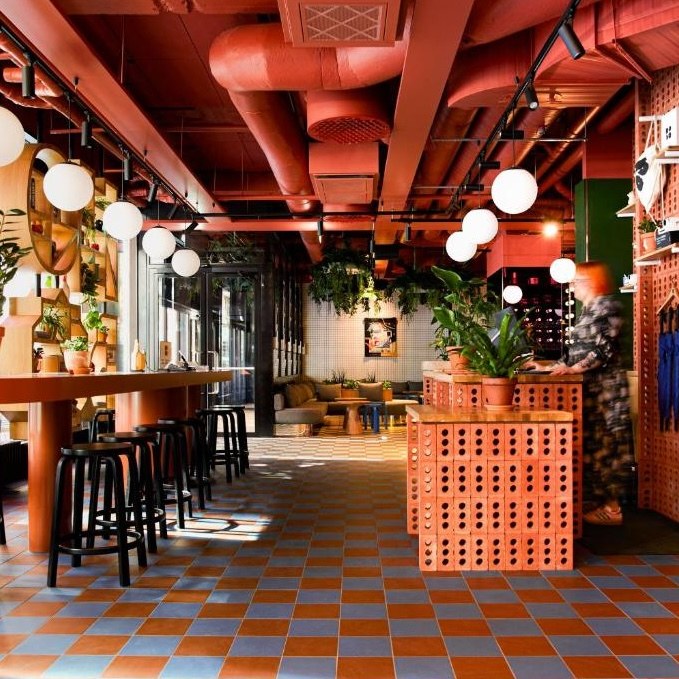
Klaus K Hotel is the better comparison for travelers prioritizing a design-forward mood over formal service cues. For value, booking ease, and a central Helsinki base, Hotel Lilla Roberts is the safer middle choice: more recognized than a casual boutique pick, less ceremonious than the city's more formal luxury options.
Explore Helsinki
Around this place
Discover more on Pearl
Unlock the full Hotel Lilla Roberts guide in Pearl, including awards, comparisons, FAQs, planning details, and nearby places.
Compare Hotel Lilla Roberts
| Venue | Location | Awards |
|---|---|---|
| Hotel Lilla Roberts | Helsinki | 2025 Michelin Selected HotelsPreferred Hotels Member 2025 |
| Hotel Fabian | Helsinki | No published awards |
| Hotel F6 | Helsinki | No published awards |
| Klaus K Hotel | Helsinki | 2025 Michelin Selected HotelsPreferred Hotels Member 2025 |
| Hotel Haven | Helsinki | World Travel Awards 20252025 Michelin Selected HotelsPreferred Hotels Member 2025 |
| Hotel Kämp | Helsinki | Star Wine Lists 2026 · #12026 Virtuoso Luxury Hotel CollectionLeading Hotels of the World 20262025 Michelin Selected Hotels |




How Hotel Lilla Roberts Helsinki compares with similar nearby venues.
FAQ
Frequently Asked Questions
Is Hotel Lilla Roberts good for business travel?
It can be a good fit if you want a polished Helsinki hotel with recognized credentials. Hotel Lilla Roberts is a Preferred Hotels Member for 2025 and is selected in the MICHELIN Guide Hotels list for 2025.
When is the best time to book Hotel Lilla Roberts?
Book once your Helsinki dates are fixed, especially if your trip is tied to meetings, events, or a specific weekend. Avoid relying on last-minute assumptions.
How is the dining at Hotel Lilla Roberts?
Choose Hotel Lilla Roberts for its Helsinki setting, smart-casual tone, Preferred Hotels Member status, and 2025 MICHELIN Guide Hotels selection rather than a specific food-led claim.
Do loyalty programs work at Hotel Lilla Roberts?
Hotel Lilla Roberts is a Preferred Hotels Member for 2025. Check current booking terms directly before assuming specific benefits.