

Klaus K Hotel
Kamppi, Helsinki
Hotel in Helsinki, Finland
 Book with Pearl
The Read
Kalevala-Coded Design
Why go
Klaus K Hotel is a practical Helsinki choice for business travelers who want a central, design-aware base without the formality of a grand hotel. It is easier to book than the city's heavier luxury options, with Preferred Hotels membership and MICHELIN Guide hotel selection adding useful credibility.
About Klaus K Hotel
Klaus K Hotel is a Helsinki hotel with two recognition signals for 2025: Preferred Hotels Member and MICHELIN Guide, Hotels Selected. The dress code is smart casual. Beyond those points, specific claims about facilities, dining, service style, exact location within the city, or booking difficulty should be checked directly with the hotel before you book.
A Helsinki hotel with confirmed 2025 recognition
Klaus K Hotel can be considered by travelers comparing hotels in Helsinki who want a property with clearly confirmed third-party recognition. Its 2025 signals are Preferred Hotels Member and MICHELIN Guide, Hotels Selected. Those facts are useful for quick comparison, but they do not by themselves confirm details such as room categories, amenities, restaurant offerings, meeting facilities, or family services.
If you are cross-shopping hotels in Helsinki, you may also want to compare Klaus K Hotel with Hobo Helsinki, Hotel Kämp, Hotel Lilla Roberts, Hotel St. George, and NH Collection Helsinki Grand Hansa. The right choice will depend on your dates, rates, room needs, and the specific services confirmed by each hotel.
Where it fits for business travelers
Klaus K Hotel is worth considering as a recognized Helsinki hotel, though travelers booking for work should confirm practical needs directly, including workspace, meeting support, breakfast, check-in arrangements, and any loyalty benefits connected to Preferred Hotels membership.
For dining-led travelers, treat the hotel information here separately from the city's restaurant and bar scene. Our full Helsinki restaurants guide is the better starting point for deciding where to eat, while Our full Helsinki bars guide is useful if the evening plan matters as much as the room.
Bottom line: Klaus K Hotel is worth considering if you want a Helsinki hotel with Preferred Hotels membership, MICHELIN Guide hotel selection in 2025, and a smart-casual dress code. For anything more specific, confirm the current details directly before booking.
Planning details
- Location
- Bulevardi 2-4, 00120 Helsinki
- Website
- klauskhotel.com/en
- Phone
- +358 20 7704701
The take
The Take
The Vibe
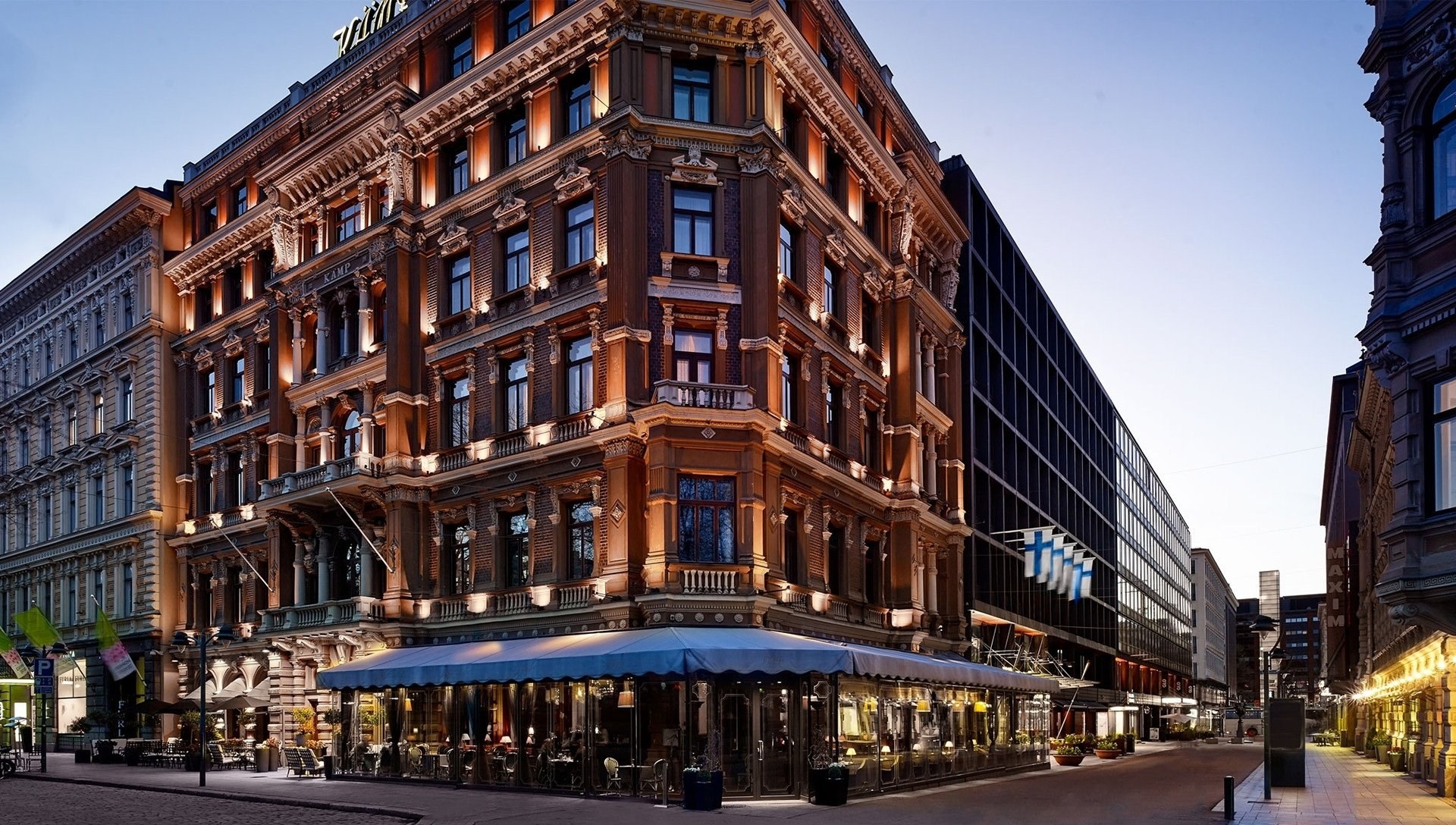
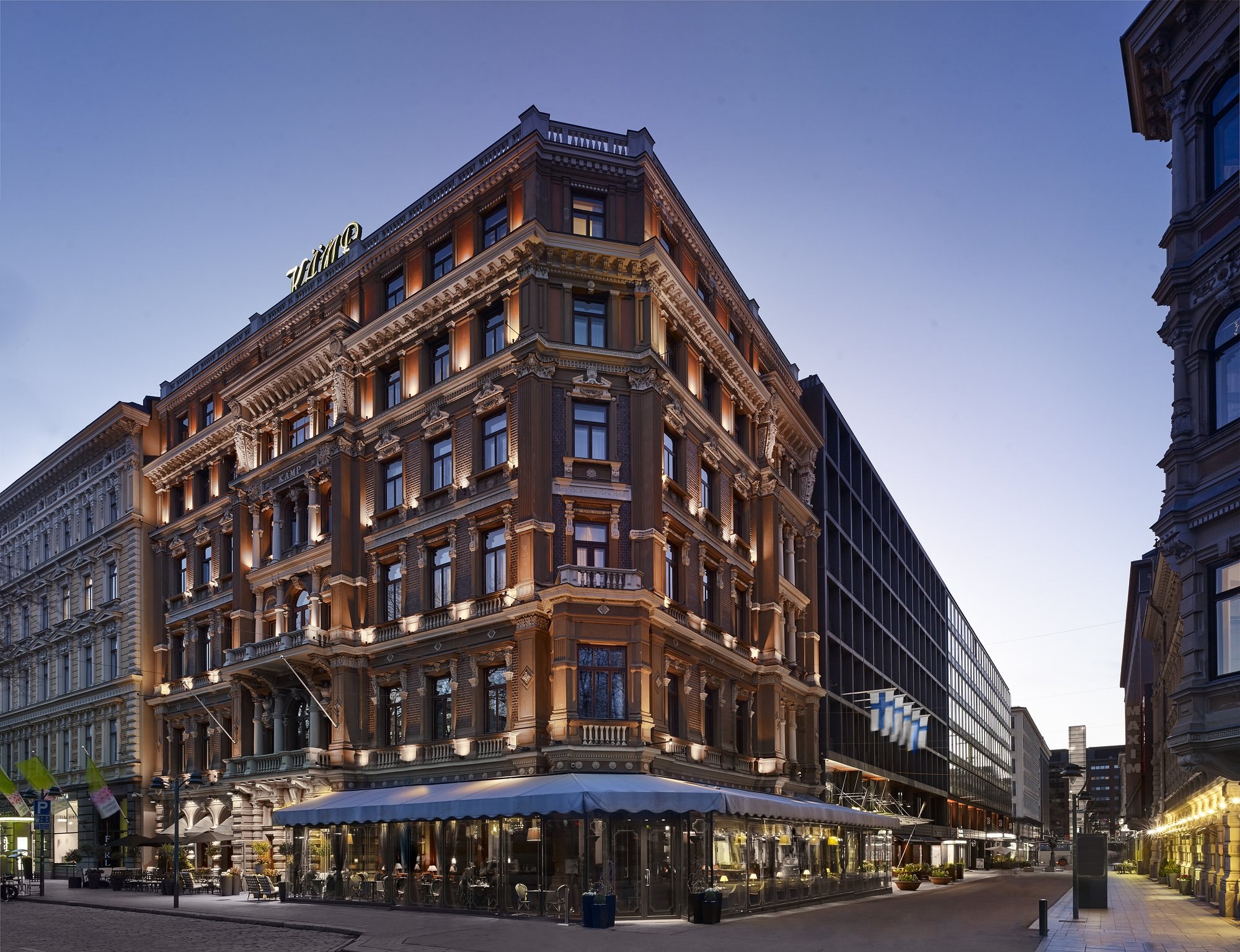
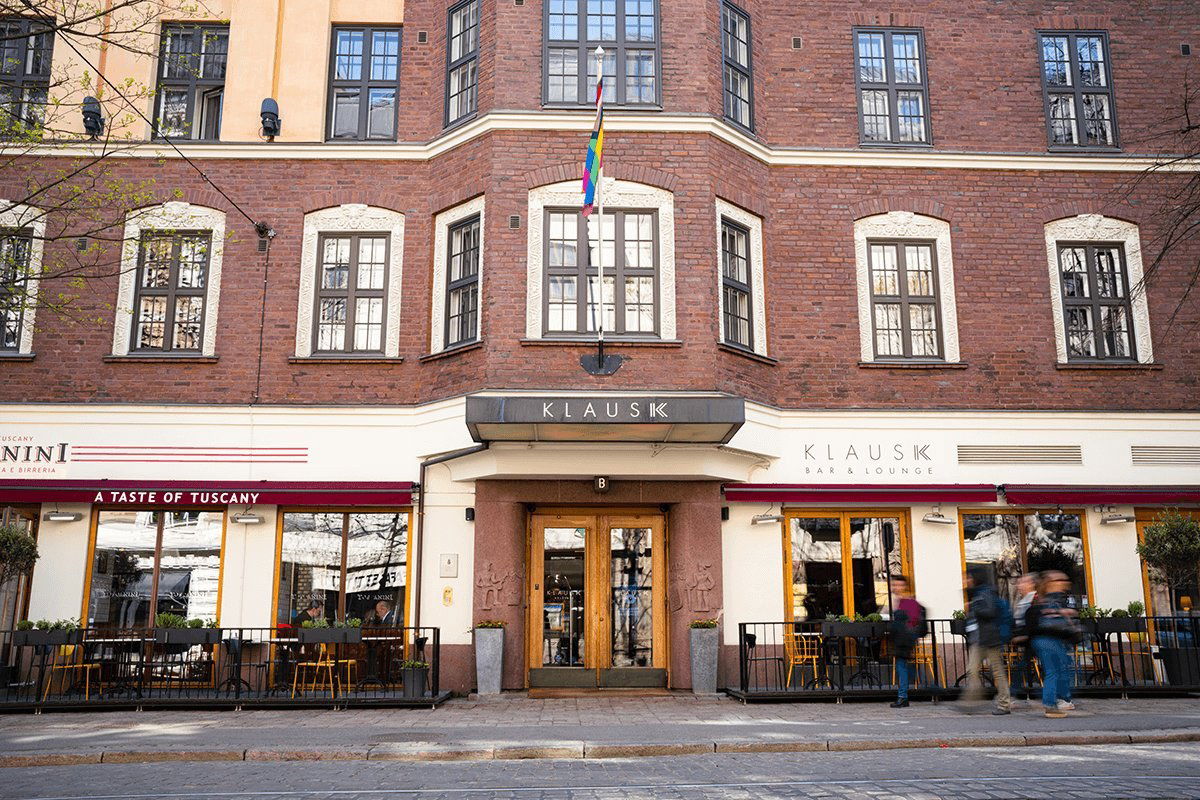
Klaus K Hotel sits on Helsinki’s broad, tree-lined Bulevardi and wears its architecture as identity. The building’s National Romantic facade and late-19th/early-20th-century construction give the property a historic, almost Central European weight that shapes the guest experience. As a design-led independent, the hotel balances period detail with a curated, urban personality: it feels rooted in the street and in the city’s architectural story rather than as a neutral, contemporary box. The boulevard setting and residential scale lend a charming, classic presence that complements the modern design sensibilities already associated with the property.
Best For
Klaus K is well suited to travelers who want a centrally located, design-minded base in Helsinki. Its Bulevardi address places guests within walking distance of the Design District’s galleries and studios, the Esplanade and Market Square, and the residential Eira neighborhood along the coast. At 171 rooms the hotel sits between small boutiques and larger international properties, making it a practical choice for business travelers and people on weekend escapes who value easy access to the city’s cultural corridors without sacrificing an independently curated hotel atmosphere.
Stay Tips
The hotel’s defining features are architectural and locational: note that Klaus K occupies numbers 2–4 on Bulevardi and emphasizes its National Romantic building and role among Helsinki’s design-led independents. When planning a stay, factor in proximity to the Design District to organize gallery and studio visits on foot, and use the Esplanade and Market Square as convenient orientation points for exploring the city center. The description specifies a mid-scale property with 171 rooms, so expect a footprint between intimate boutiques and larger brand hotels when booking.
Venue details
Ambiance
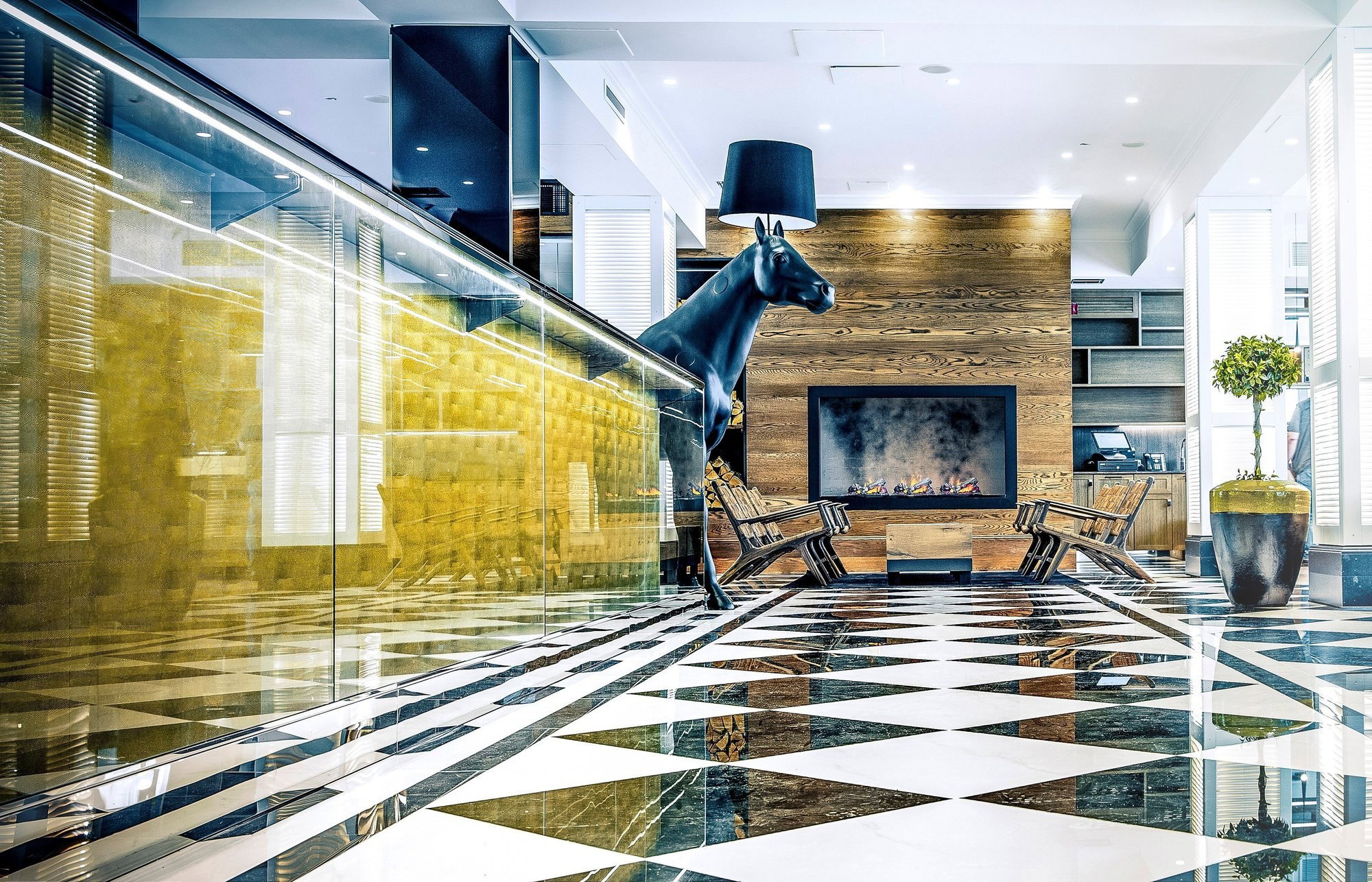
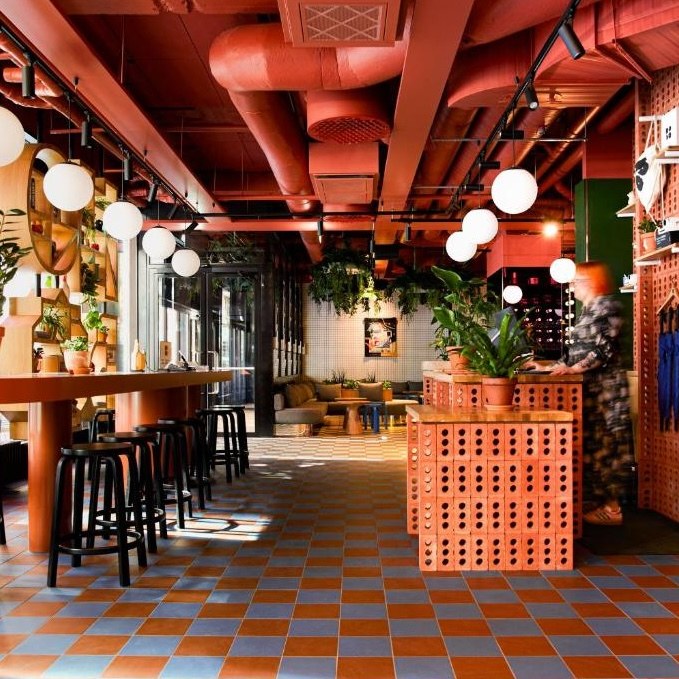
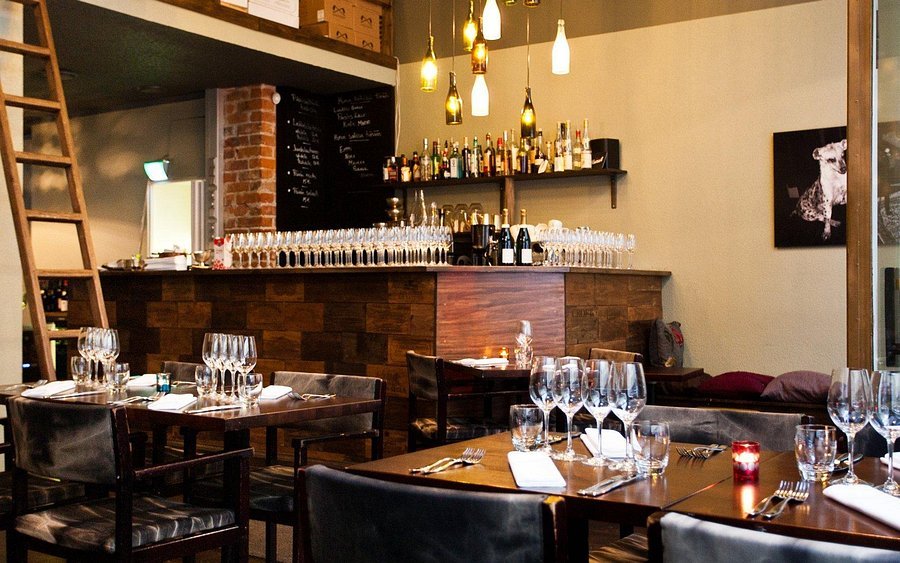
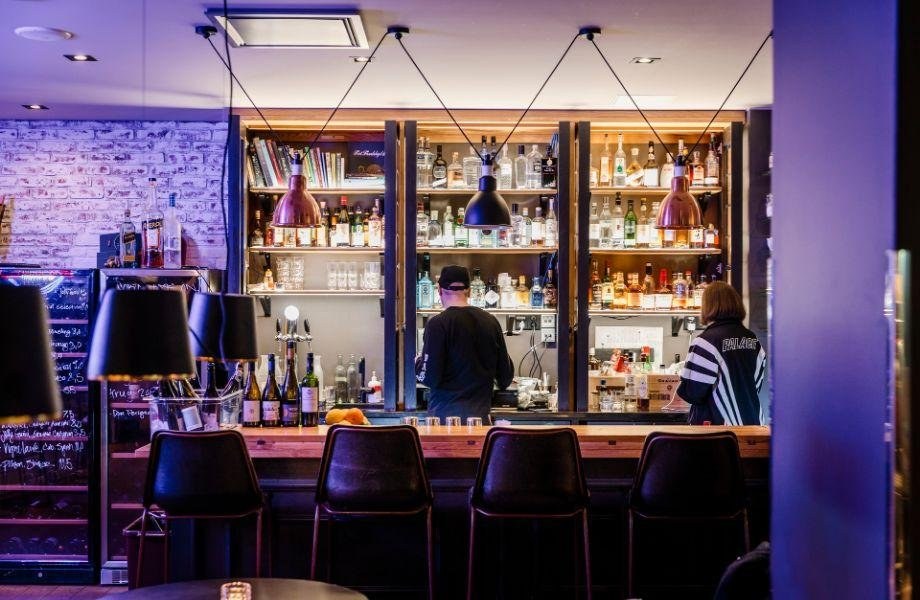
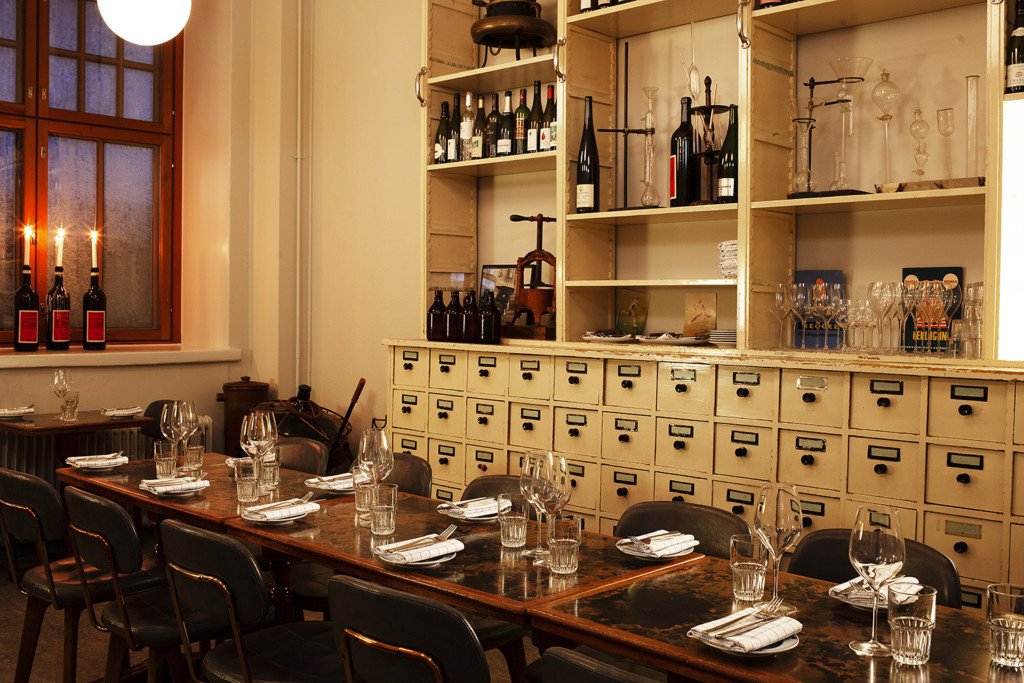
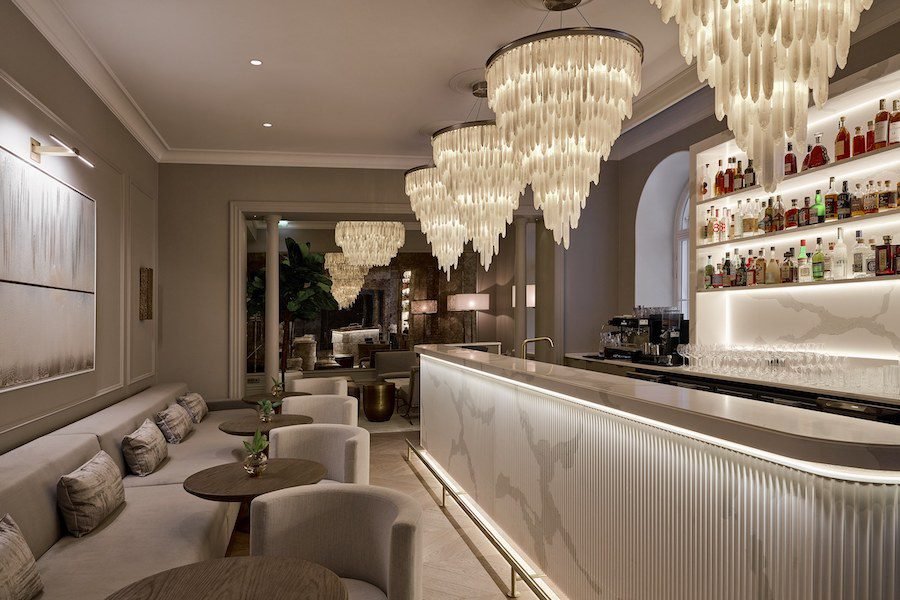
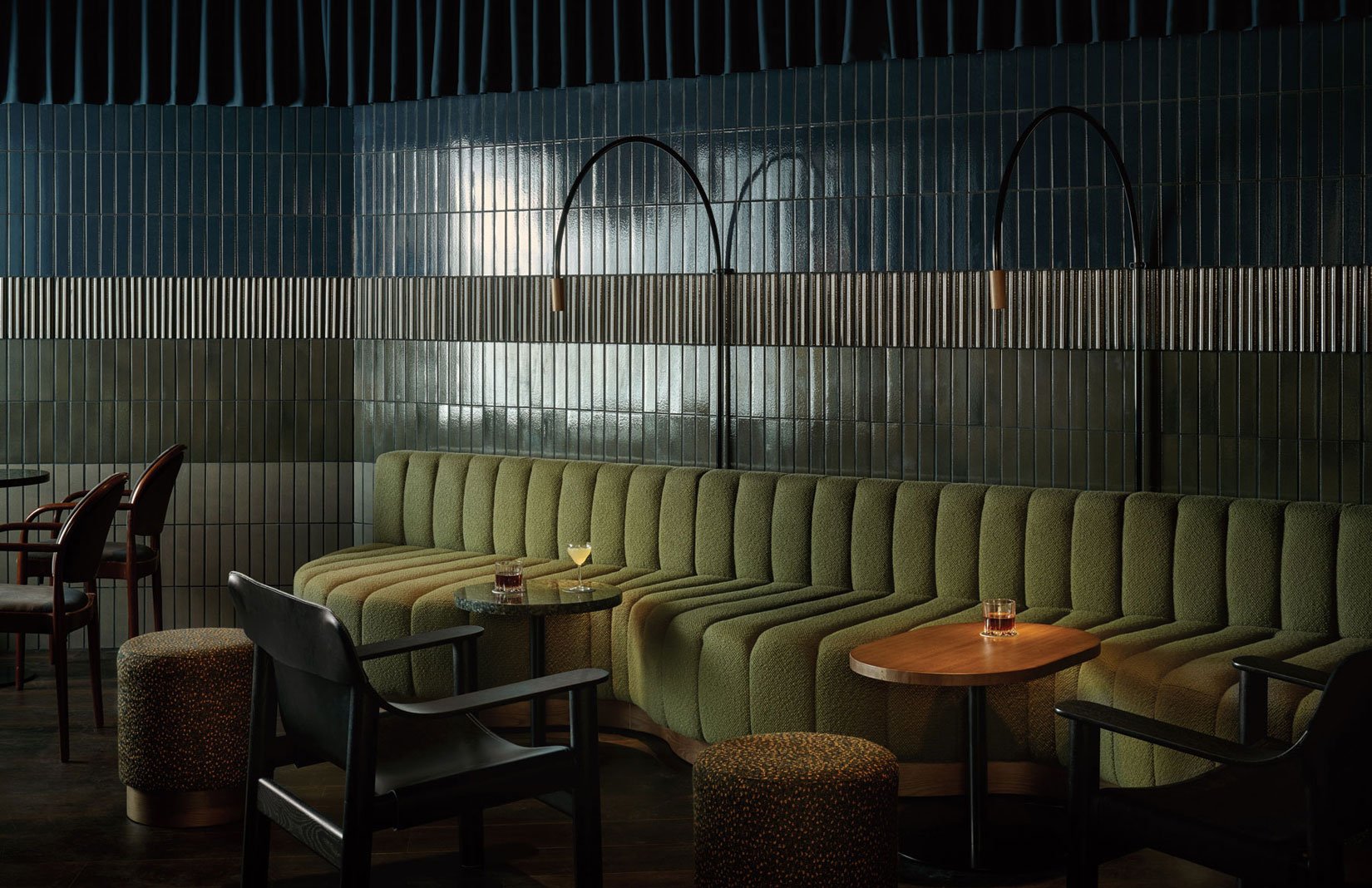
Cozy and intimate boutique atmosphere blending Art Nouveau and modern Scandinavian style with mood lighting and Finnish folklore motifs.
Tags
Vibe
Best For
Experience
Amenities
View
Accessibility
About the Stay
- Rooms
- 171
- Property Style
- Boutique Lifestyle Hotel Emphasizing Humanity, Openness, and Bravery.
- Design Style
- Modern Scandinavian with Kalevala Inspired Motifs, Minimalist Elements, and Artistic Room Designs.
Know before you go
Know Before You Go
- Getting there
- Bulevardi 2-4, 00120 Helsinki
Planning details
Location
Recognition and awards
Also consider
Also Consider
- Hotel St. George, Notable alternative
- Hotel Lilla Roberts, Notable alternative
- Hotel Kämp, Notable alternative
- NH Collection Helsinki Grand Hansa, Notable alternative
- Hobo Helsinki, Notable alternative
Hotel context
How it compares in Helsinki
Klaus K Hotel is the pragmatic choice if booking ease and central design-hotel atmosphere matter more than grand-hotel ceremony. Hotel Kämp is the better fit for travelers who want a more formal luxury stay, while Klaus K is easier to justify for a short work trip where the room is a base, not the main event.
Hotel Lilla Roberts is the closest boutique comparison: choose it if you want a softer, more polished hotel feel. Hotel St. George suits travelers who want a more wellness-leaning upscale stay, while NH Collection Helsinki Grand Hansa is the stronger pick for a larger, more classic city-hotel setup.
Hobo Helsinki is the sharper cross-shop for a more casual, social stay. Choose Klaus K when the brief is business-friendly, central, and design-led; choose Hobo Helsinki when a looser lifestyle-hotel mood is the point.
Explore Helsinki
Around this place
Discover more on Pearl
Unlock the full Klaus K Hotel guide in Pearl, including awards, comparisons, FAQs, planning details, and nearby places.
Compare Klaus K Hotel
| Venue | Location | Awards |
|---|---|---|
| Klaus K Hotel | Helsinki | 2025 Michelin Selected HotelsPreferred Hotels Member 2025 |
| Hotel St. George | Helsinki | No published awards |
| Hotel Lilla Roberts | Helsinki | 2025 Michelin Selected HotelsPreferred Hotels Member 2025 |
| Hotel Kämp | Helsinki | Star Wine Lists 2026 · #12026 Virtuoso Luxury Hotel CollectionLeading Hotels of the World 20262025 Michelin Selected Hotels |
| NH Collection Helsinki Grand Hansa | Helsinki | No published awards |
| Hobo Helsinki | Helsinki | No published awards |



How Klaus K Hotel Helsinki compares with similar nearby venues.
FAQ
Frequently Asked Questions
Is Klaus K Hotel good for business travel?
Klaus K Hotel is a recognized hotel in Helsinki, with Preferred Hotels Member (2025) and MICHELIN Guide, Hotels Selected (2025) status. Travelers should check work-related needs directly with the hotel before booking.
Do loyalty programs work at Klaus K Hotel?
Klaus K Hotel is a Preferred Hotels Member (2025). Travelers who value loyalty recognition or benefits should confirm the current program terms directly with Preferred Hotels or the hotel before booking.
What is check-in like at Klaus K Hotel?
Contact Klaus K Hotel directly for current check-in times, early-arrival options, and late-arrival arrangements.