

Castello di Guarene
Guarene
Hotel in Guarene, Italy
 Book with Pearl
The Read
Baroque Castle Hospitality
Why go
Castello di Guarene is worth booking when the hotel is meant to anchor a polished Langhe trip, especially for couples, parents, or older-family travel. Relais & Châteaux recognition and MICHELIN Guide hotel selection make it a safer first-time choice than simpler countryside stays, but families with young children may prefer a more casual peer.
About Castello di Guarene
Two hotel signals matter: Relais Chateaux Award recognition for 2026 and selection in the MICHELIN Guide hotel list for 2025. For travelers comparing stays in Guarene, those are the clearest markers for Castello di Guarene.
Information regarding room count, pricing, restaurant details, spa facilities, family policy, parking, check-in times, or other operational specifics should be checked directly. The dress code is smart casual, which is useful to know where a dress code applies.
Book for recognition, not unlisted extras
The main reason to shortlist Castello di Guarene is its recognition: Relais Chateaux Award recognition for 2026 and MICHELIN Guide Hotels Selected status for 2025. This makes it a stronger candidate for travelers who want a recognized hotel in Guarene.
The tradeoff is that many practical details are not listed. Without room pricing, amenity lists, dining format, or service inclusions, the decision should be made by checking current booking details directly before committing. If you are comparing other regional stays, Dai Gresy - In Langa or Villa Pattono Wine Country Resort may also be worth checking; if you want Castello di Guarene specifically, keep the comparison focused on known features rather than assumed ones.
Who should choose it, and who should cross-shop
Castello di Guarene is best considered by travelers who value recognition and want to stay in Guarene. Suitability for families, business travel, spa-focused trips, dining-led stays, or budget travel cannot be firmly determined.
For comparison, Arborina Relais is another regional option to review, while Piazza Umberto I, 4 is another named alternative to check if your priority is a different style of stay. Casa Scaparone may also be useful to compare when evaluating other options in the area. Confirm location, current rates, and current amenities directly before booking.
For broader planning around the area, use Our full Guarene restaurants guide and compare Castello di Guarene with other named options such as Arborina Relais, Casa Scaparone, Dai Gresy - In Langa, Piazza Umberto I, 4, and Villa Pattono Wine Country Resort.
Inside Castello di Guarene
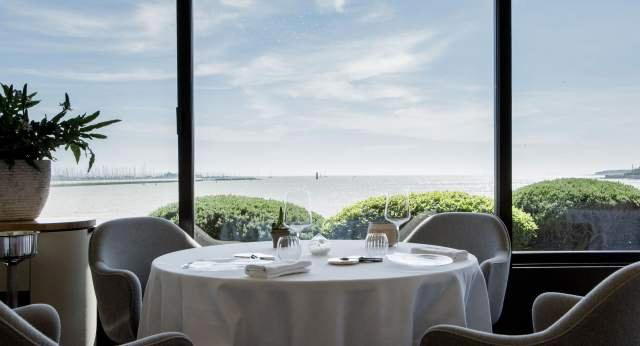
 restaurantRistorante LimonaiaGourmet restaurant at Castello di Guarene.
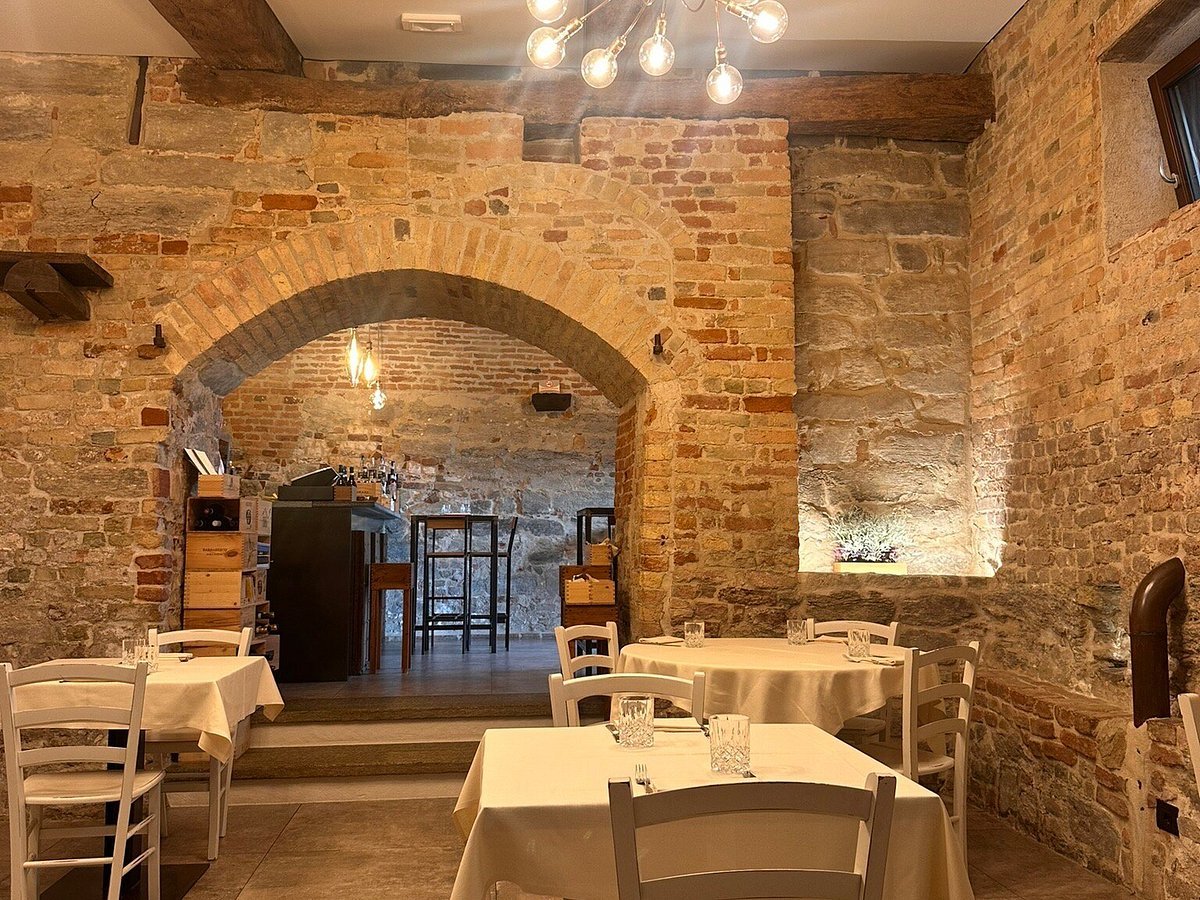
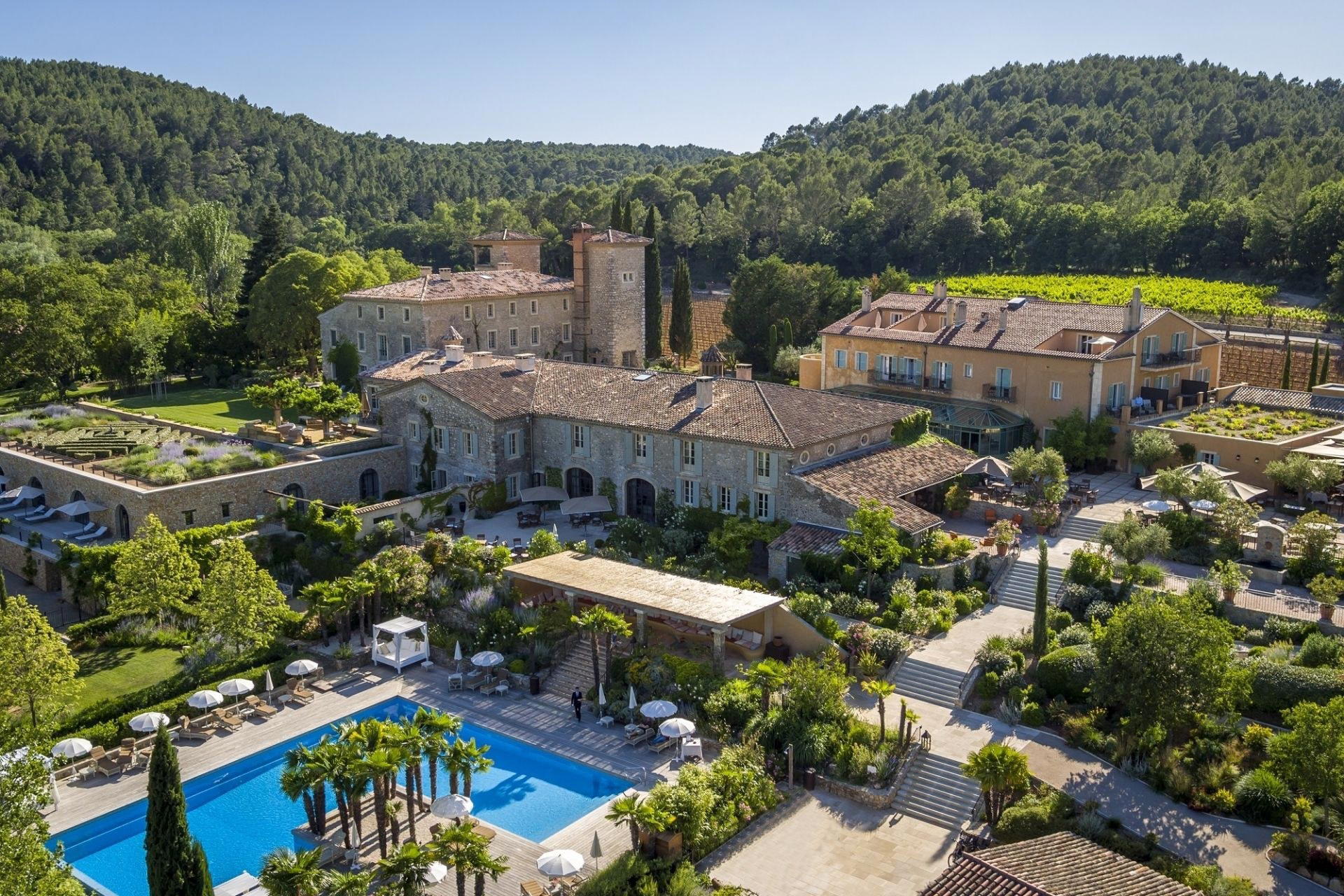
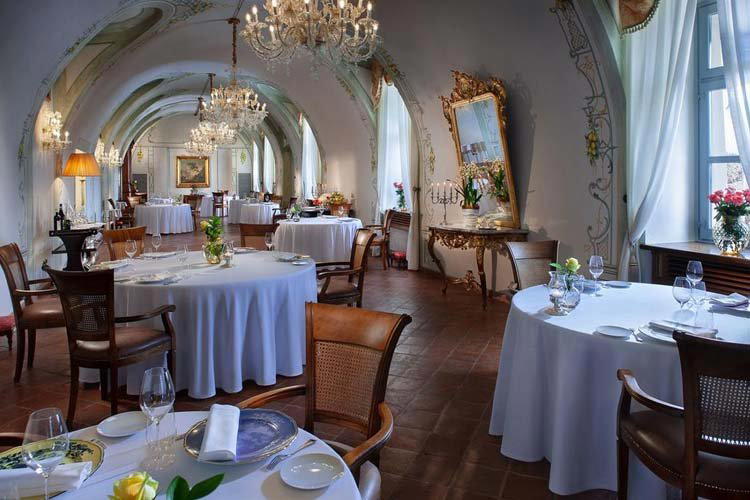 restaurantCastello di GuareneCastello di Guarene places Italian cuisine inside an 18th-century castle setting in Guarene, where Piedmont’s white truffle and wine culture carries more weight than generic luxury dining language. The appeal is the collision of regional appetite and aristocratic architecture: original frescoes, period furnishings, gardens, and a grotto spa shape the stay as much as the table.
Planning details
- Location
- Via Alessandro Roero, 2, 12050 Guarene CN
- Website
- castellodiguarene.com
- Phone
- +39 0173 441332
The take
The Take
The Vibe
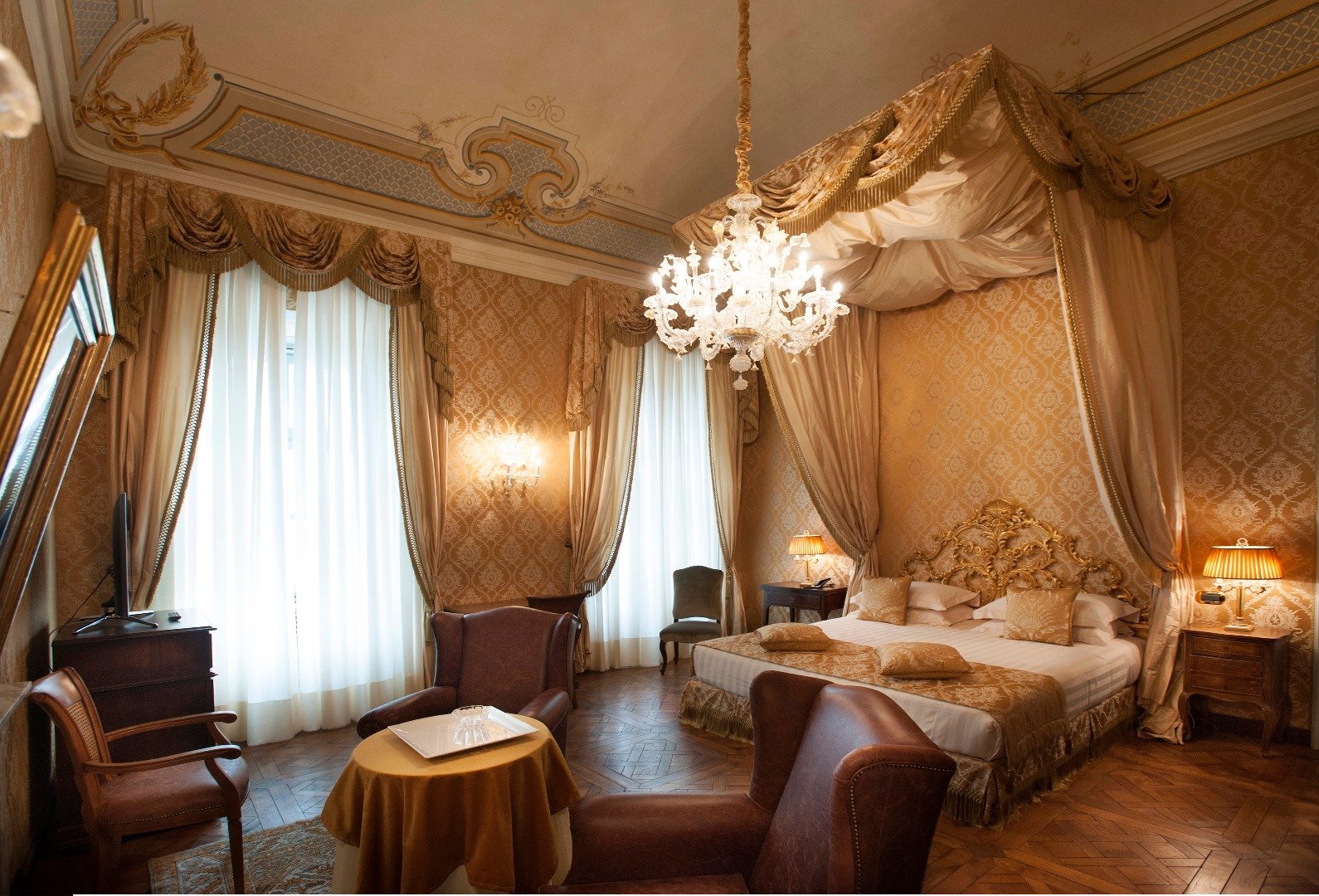
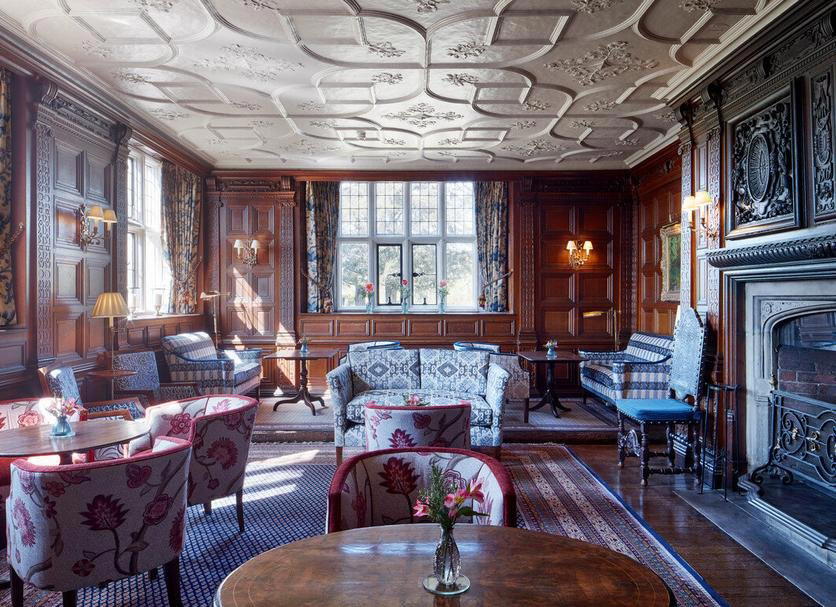
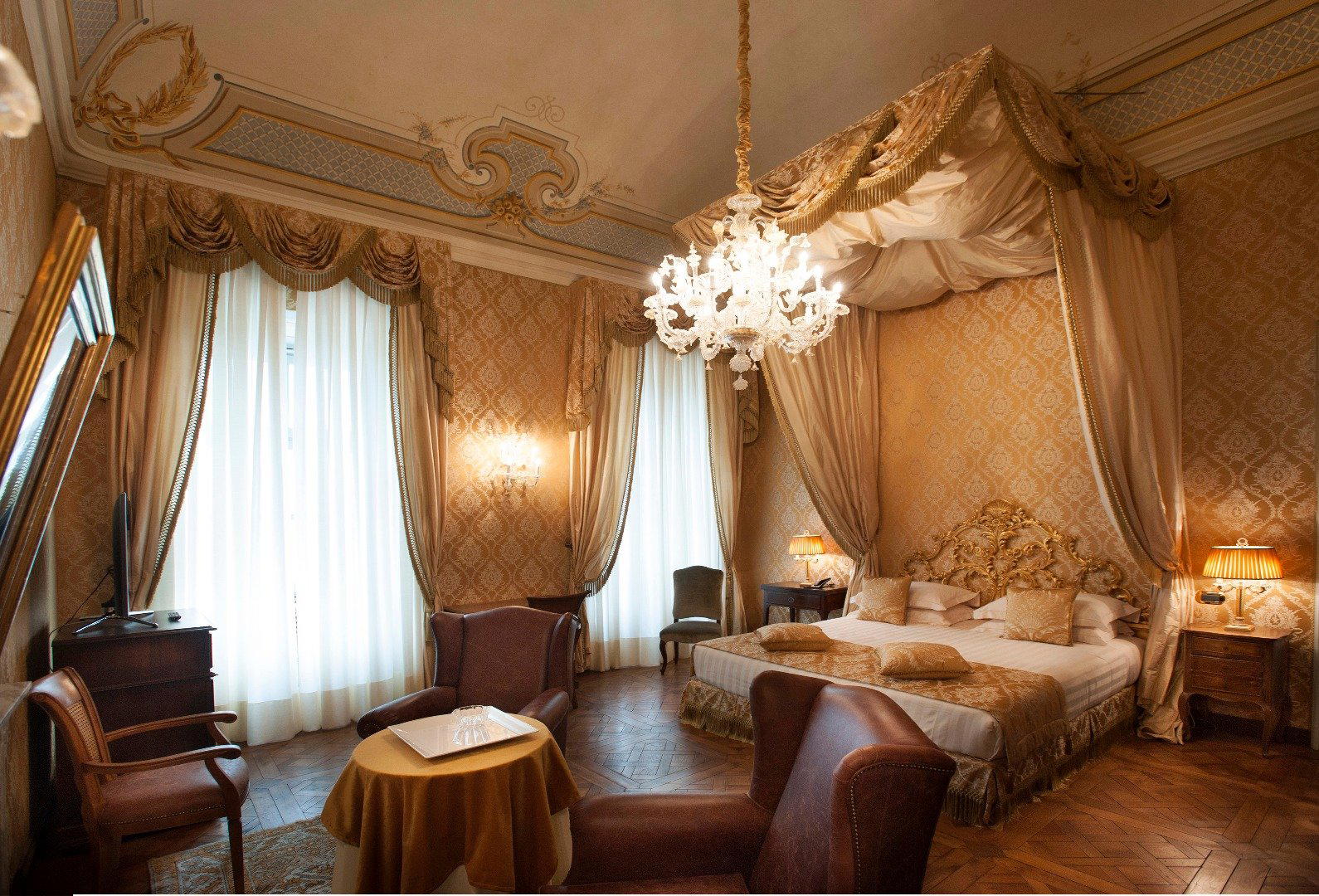
Castello di Guarene reads like a preserved Baroque statement: a composed, symmetric hilltop mass of stone whose early-18th-century architecture is complemented by original frescoes and period furnishings. The exterior remains restrained while the interiors are emphatically decorated, giving the property a strong sense of continuity with its past. Restoration here resists reconstruction; rooms carry their history unreinterpreted, so the experience is one of architectural authenticity rather than modern redesign. The result is a quietly grand, historically anchored hotel that foregrounds its decorative programme and the palpable presence of time.
Best For
This castle is ideal for travelers who prize historic authenticity and an architecturally driven stay. It suits couples seeking a romantic, architecturally rich escape, and it works well for anniversaries, honeymoons and quiet weekend getaways in the Piedmont wine country. More broadly, it appeals to visitors who prefer properties that preserve original decorative programmes—frescoes and period furnishings—over venues that have been fully modernized. Its hilltop setting above the Langhe-Roero divide also makes it a good base for exploring nearby vineyards and countryside.
Stay Tips
The description provides practical approach details worth heeding: the usual route is via the A33 Asti–Cuneo motorway with an exit at Castagnito, after which the road climbs through vineyards to the hilltop castle. Plan to arrive by car and allow for a scenic uphill approach. When booking, inquire about rooms that retain original frescoes and period furnishings if the historic interior is important to you—those rooms are the property’s chief architectural credential and are emphasized in the account of the hotel.
Venue details
Ambiance
Elegant and historical with high ceilings, antique furniture, and a tranquil atmosphere enhanced by manicured gardens and a cave-like indoor pool.
Tags
Vibe
Best For
Experience
Amenities
View
Accessibility
About the Stay
- Rooms
- 15
- Check-in
- 15:00
- Check-out
- 11:00
- Property Style
- Authentic 18th Century Castle Hotel with Preserved Grandeur and Museum Like Public Areas.
- Design Style
- Historical Elegance Featuring Antique Furnishings, Frescoed Ceilings, Marble Bathrooms, and Period Decor.
Know before you go
Know Before You Go
- Getting there
- Via Alessandro Roero, 2, 12050 Guarene CN
Planning details
Location
Recognition and awards

Also consider
Also Consider
- Casa Scaparone, Notable alternative
- Dai Gresy - In Langa, Notable alternative
- Piazza Umberto I, 4, Notable alternative
- Villa Pattono Wine Country Resort, Notable alternative
- Arborina Relais, Notable alternative
Hotel context
How It Compares
Choose Castello di Guarene over Casa Scaparone when recognition, formality, and a more composed hotel experience matter. Casa Scaparone is the better cross-shop for travelers who want a looser countryside feel and a setting that may suit casual family travel more naturally.
Dai Gresy - In Langa and Villa Pattono Wine Country Resort are stronger alternatives if the trip is mainly about wine-country access and value rather than a formal stay. Castello di Guarene is the more convincing pick when the property itself needs to feel like the occasion.
For a contemporary Langhe mood, compare with Arborina Relais. For a simpler location-first stay, check Piazza Umberto I, 4. Booking difficulty is marked easy here, so the decision is less about access and more about whether the polished tone fits the group.
Explore Guarene
Around this place
Discover more on Pearl
Unlock the full Castello di Guarene guide in Pearl, including awards, comparisons, FAQs, planning details, and nearby places.
Compare Castello di Guarene
| Venue | Location | Awards |
|---|---|---|
| Castello di Guarene | Guarene | 2026 Relais Chateaux Hotels2025 Michelin Selected Hotels2025 Relais Chateaux Award |
| Casa Scaparone | Alba | No published awards |
| Dai Gresy - In Langa | Treiso | No published awards |
| Piazza Umberto I, 4 | Roddi | No published awards |
| Villa Pattono Wine Country Resort | Costigliole d'Asti | No published awards |
| Arborina Relais | La Morra | No published awards |
How Castello di Guarene Hotel Review: Recognized Stay in Guarene compares with similar nearby venues.
FAQ
Frequently Asked Questions
What is check-in like at Castello di Guarene?
Check-in procedures or timing should be confirmed directly. The location is Guarene, and the hotel has Relais Chateaux Award recognition for 2026 and MICHELIN Guide Hotels Selected status for 2025.
Which room category is best at Castello di Guarene?
Room categories, views, sizes, or price differences are not specified. Choose only after checking the current room descriptions and rates directly for your dates in Guarene.
How does Castello di Guarene compare to other hotels?
It makes the most sense for travelers who want a recognized hotel in Guarene, given its Relais Chateaux Award recognition for 2026 and MICHELIN Guide Hotels Selected status for 2025. Arborina Relais, Villa Pattono Wine Country Resort, Casa Scaparone, Dai Gresy - In Langa, and Piazza Umberto I, 4 are other named options to compare on current availability, location, and amenities.
Is Castello di Guarene good for business travel?
Business facilities, meeting space, work amenities, or corporate services are not specified. It can be considered as a hotel in Guarene, but business travelers should confirm practical needs directly before booking.
Is Castello di Guarene family-friendly?
Family facilities, child policies, connecting rooms, or activity options are not specified. Families should check current hotel details directly and note that the dress code is smart casual.