
Hotel Boutique Corazón Mexicano
De La Presa, Guanajuato
Hotel in Guanajuato, Mexico
 Book with Pearl
Why go
Hotel Boutique Corazón Mexicano is a good Guanajuato pick for travelers who want a quieter boutique base for a celebration stay rather than a larger, points-driven hotel. Its MICHELIN Guide hotel selection gives it a useful quality signal, but compare exact rates and inclusions before choosing it over Villa Maria Cristina or Hotel Edelmira.
About Hotel Boutique Corazón Mexicano
Hotel Boutique Corazón Mexicano is a hotel in Guanajuato. Details are limited, so it is best evaluated as a city hotel rather than assuming a specific dining program, room count, service style, price level, or amenity set.
The clearest quality signal is its MICHELIN Guide Hotels Selected recognition for 2025. The dress code is smart casual. For anything more specific, such as room types, inclusions, rates, booking terms, dining details, or on-property services, check the hotel's official channels before committing.
A Guanajuato hotel with limited planning detail
For travelers comparing hotels in Guanajuato, Hotel Boutique Corazón Mexicano belongs on the shortlist if the name, location, and MICHELIN Guide hotel recognition fit the trip. The hotel's profile does not offer details that support stronger claims about atmosphere, views, neighborhood character, amenities, or a particular type of stay.
Main limitation is transparency. With no public price range, room-category detail, dining format, or service package available, it is not advisable to over-plan around unconfirmed perks. Compare the exact rate for the dates, confirm what is included, and choose based on the details the hotel provides directly.
Who should book, and who should compare first
Travelers who want a Guanajuato hotel with MICHELIN Guide Hotels Selected recognition may want to consider Hotel Boutique Corazón Mexicano. Travelers who need specific amenities, business facilities, dining information, loyalty benefits, or detailed accessibility information should verify those points directly before booking.
For a Guanajuato stay, cross-shop Hotel Edelmira and Villa Maria Cristina before deciding. For alternatives outside the city, Galeria Plaza Irapuato and HS HOTSSON Hotel Silao may be useful comparisons depending on the wider itinerary.
If this trip is part of a wider Mexico hotel comparison, use broader hotel guides to set expectations across destinations, but evaluate Hotel Boutique Corazón Mexicano only on Guanajuato details, direct hotel information, and the rate available for your dates.
Planning details
- Location
- P.º de La Presa 142, Barrio de la Presa, 36094 Guanajuato, Gto., Mexico
- Website
- corazonmexicanogto.com
- Phone
- +52 473 738 4672
The take
The Take
The Vibe
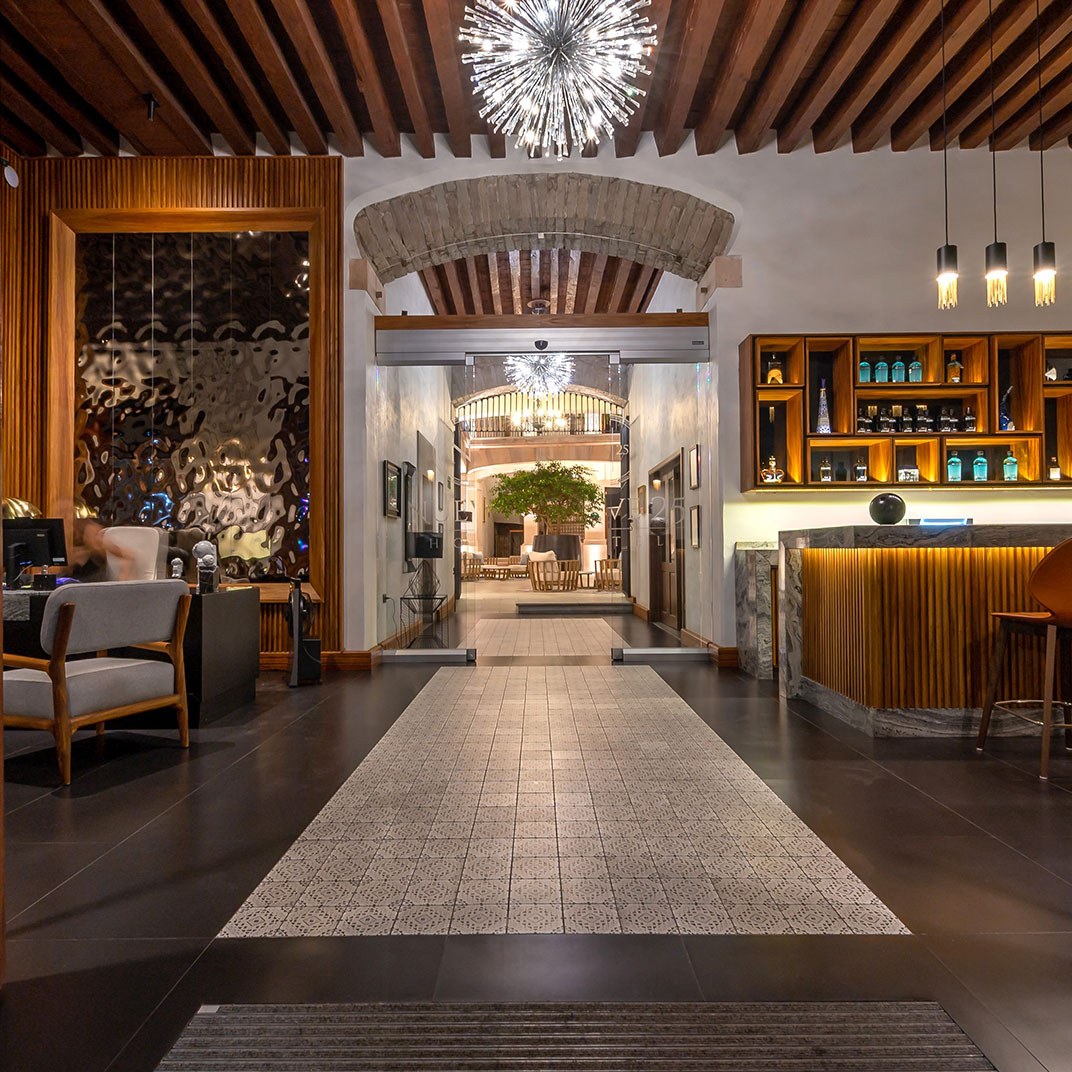
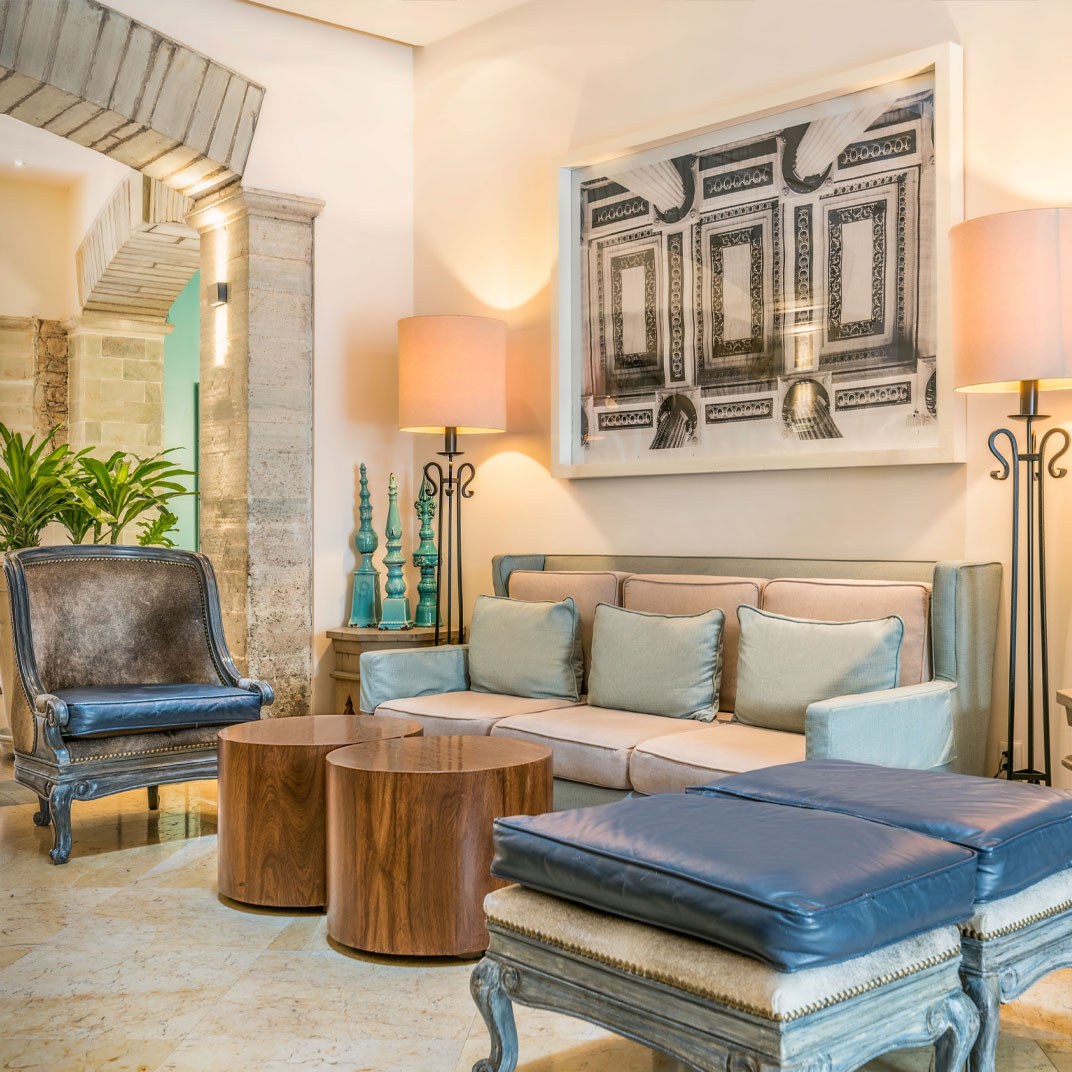
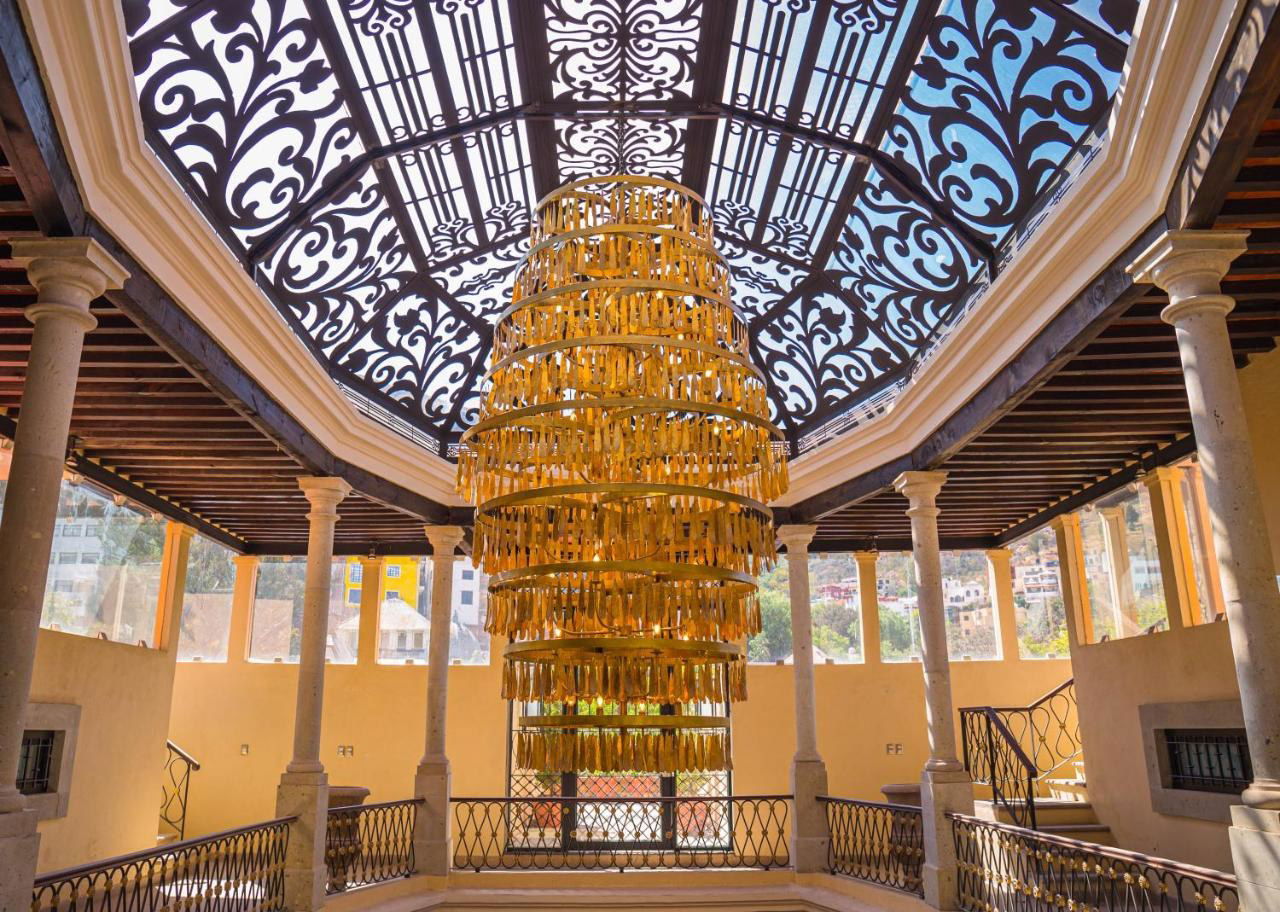
Hotel Boutique Corazón Mexicano presents a quietly historic, design-conscious personality that sits naturally inside Guanajuato’s colonial fabric. The property reads like an extension of the city’s Baroque streetscapes: thick stone walls, narrow callejones and an interior courtyard logic shape both form and mood. Rather than competing with the busiest tourist nodes, the hotel trades bustle for a subdued, invite-only atmosphere on Paseo de La Presa. Its Michelin Selected designation and independent scale underscore a refined, characterful presence—one that appeals to travelers who value architectural authenticity, measured calm and a compact, walkable urban rhythm.
Best For
This hotel is best for travelers who want a quieter, walkable base for exploring Guanajuato at an unhurried pace. It suits visitors who prioritize building character and historic context—design-minded guests and those seeking an intimate alternative to the city’s busier central squares. Couples and solo explorers alike find the promenade location appealing for longer circuits on foot, and the property’s independent, boutique scale makes it a fit for stays focused on architecture, local streets and measured discovery rather than nonstop sightseeing.
Stay Tips
Use Corazón Mexicano as a base for on-foot exploration: the description highlights Paseo de La Presa as a calmer promenade where guests tend to undertake longer, more considered circuits. Expect a strong historic character—thick stone walls and interior courtyards—which influences room placement and the hotel’s microclimate; rooms interfacing with courtyards will feel different from those facing the street. If you prefer a quieter stay away from Jardín de la Unión’s concentrated pedestrian pressure, this stretch is explicitly positioned for that experience.
Venue details
Ambiance
Tranquil and luxurious atmosphere with relaxing spa lighting, garden serenity, and elegant individually decorated rooms praised for cleanliness and comfort.
Tags
Vibe
Best For
Experience
Amenities
View
About the Stay
- Rooms
- 14
- Check-in
- 15:00
- Check-out
- 12:00
- Property Style
- Luxurious Boutique in Colonial Era Building
- Design Style
- Individually Furnished and Decorated with Premium Bedding
Know before you go
Know Before You Go
- Getting there
- P.º de La Presa 142, Barrio de la Presa, 36094 Guanajuato, Gto., Mexico
Planning details
Location
P.º de La Presa 142, Barrio de la Presa, 36094 Guanajuato, Gto., Mexico · Directions
Recognition and awards
Also consider
Also Consider
- Villa Maria Cristina, Notable alternative
- Hotel Edelmira, Notable alternative
- C. 28 de Septiembre 109B, Notable alternative
- HS HOTSSON Hotel Silao, Notable alternative
- Galeria Plaza Irapuato, Notable alternative
Hotel context
How It Compares
Choose Hotel Boutique Corazón Mexicano if the priority is a quieter boutique mood in Guanajuato and booking feels easy for the dates. Villa Maria Cristina is the stronger cross-shop for travelers who want a more polished special-occasion feel, while Hotel Edelmira is the better fit for visitors who want to stay closer to the city's central hotel circuit.
C. 28 de Septiembre 109B should be treated as a practical alternative rather than a like-for-like boutique hotel comparison, especially if location or rate matters more than service depth. HS HOTSSON Hotel Silao makes more sense for airport-corridor or business logistics, not for a romantic Guanajuato stay.
Galeria Plaza Irapuato is the functional pick for travelers whose plans pull them toward Irapuato rather than Guanajuato. For ambiance and a city-focused occasion trip, stay in Guanajuato and compare Corazón Mexicano against Villa Maria Cristina and Hotel Edelmira first.
Explore Guanajuato
Around this place
Discover more on Pearl
Unlock the full Hotel Boutique Corazón Mexicano guide in Pearl, including awards, comparisons, FAQs, planning details, and nearby places.
Compare Hotel Boutique Corazón Mexicano
| Venue | Location | Awards |
|---|---|---|
| Hotel Boutique Corazón Mexicano | Guanajuato | 2025 Michelin Selected Hotels |
| Villa Maria Cristina | Guanajuato | 2026 Virtuoso Luxury Hotel Collection2025 Michelin Selected HotelsSmall Luxury Hotels Member 2025 |
| Hotel Edelmira | Guanajuato | No published awards |
| C. 28 de Septiembre 109B | Guanajuato City | No published awards |
| HS HOTSSON Hotel Silao | Silao | Preferred Hotels Member 2025 |
| Galeria Plaza Irapuato | Irapuato | Preferred Hotels Member 2025 |



How Hotel Boutique Corazón Mexicano compares with similar nearby venues.
FAQ
Frequently Asked Questions
When is the best time to book Hotel Boutique Corazón Mexicano?
Book when the rate, cancellation terms, and room details fit your Guanajuato trip. The hotel has MICHELIN Guide Hotels Selected recognition for 2025, but specific booking patterns and demand periods are not known.
Do loyalty programs work at Hotel Boutique Corazón Mexicano?
Loyalty-program participation is not known. Choose Hotel Boutique Corazón Mexicano for its Guanajuato location and MICHELIN Guide Hotels Selected recognition, and confirm any points, perks, or benefits directly before booking.
How is the dining at Hotel Boutique Corazón Mexicano?
Specific dining details are not available. Do not treat this as a dining-led booking unless the hotel's official channels provide current information that fits your needs. If restaurant quality is a deciding factor, compare with Hotel Edelmira or Villa Maria Cristina and verify details directly.
Is Hotel Boutique Corazón Mexicano family-friendly?
Family-specific amenities and policies are not known. If traveling with children, confirm room setup, bedding, services, and any age-related policies directly with the hotel before booking.
Is Hotel Boutique Corazón Mexicano good for business travel?
Business-travel facilities are not known. If you need meeting space, desk setup, parking, transport convenience, or other work-focused services, confirm those details directly. HS HOTSSON Hotel Silao or Galeria Plaza Irapuato may be practical comparisons for itineraries outside Guanajuato.
Which room category is best at Hotel Boutique Corazón Mexicano?
Room category details are not available. Choose based on the hotel's current room descriptions, rates, cancellation terms, and any details you confirm directly, especially if quiet, space, or views matter to the trip.