

Schloss Schauenstein
Fürstenau
Hotel in Fürstenau, Switzerland
 Book with Pearl
The Read
Medieval Alpine Retreat
Why go
Book Schloss Schauenstein for a focused special-occasion stay in Fürstenau, especially if dinner is the reason for the trip. It is less useful as a broad resort base than Waldhaus Flims, Rocksresort, Tschuggen Grand Hotel, or BelArosa, but stronger for a quiet overnight built around arrival, dinner, and an unrushed departure.
About Schloss Schauenstein
Schloss Schauenstein is a premium stay in Fürstenau with a smart casual dress code and Michelin 1 Key recognition for 2025. For travelers comparing it with Casa Caminada, the most useful basis for comparison is its location, dress expectation, and Michelin Key status.
Plan on Schloss Schauenstein as a destination choice in Fürstenau rather than assuming specific amenities, dining formats, room counts, prices, or service styles. If the trip depends on a different hotel setting, compare it with Waldhaus Flims Wellness Resort, Autograph Collection, Rocksresort, Tschuggen Grand Hotel, and BelArosa without assuming they serve the same type of stay.
Book for a focused Fürstenau stay, not on extras
The confirmed facts support a simple read: Schloss Schauenstein is in Fürstenau, carries Michelin 1 Key recognition for 2025, and sets a smart casual dress code. Beyond that, avoid building the trip around specific menu formats, beverage programs, spa offerings, activity schedules, price levels, or room configurations.
That makes it best to confirm practical details directly before booking if they matter to the trip. Travelers who need a different hotel setup can also consider the broader comparison set, including Waldhaus Flims Wellness Resort, Autograph Collection, Rocksresort, Tschuggen Grand Hotel, and BelArosa.
Fürstenau is the confirmed location
The location to rely on is Fürstenau. Use our full Fürstenau hotels guide and our full Fürstenau restaurants guide if the trip needs other options in town, but do not assume additional Schloss Schauenstein details unless they are confirmed for your dates.
For hotel cross-shopping, compare only what is actually confirmed. Schloss Schauenstein is in Fürstenau with Michelin 1 Key recognition for 2025; the other named hotels may suit different trip styles, but specific differences in facilities, service, or programming should be checked directly before deciding.
Inside Schloss Schauenstein
Planning details
- Location
- Obergass 15, 7414 Fürstenau
- Website
- schauenstein.ch
- Phone
- +41 81 632 10 80
The take
The Take
The Vibe
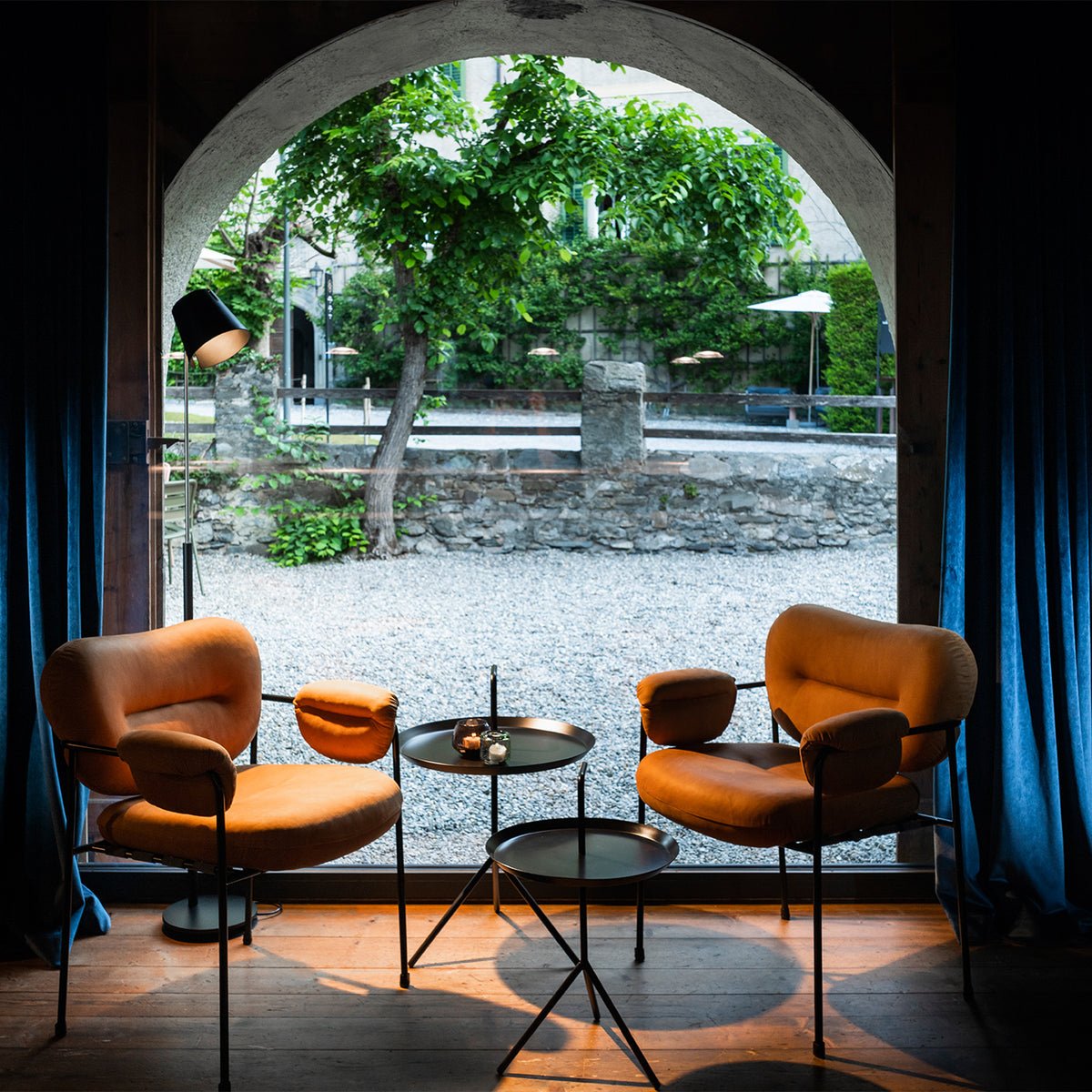
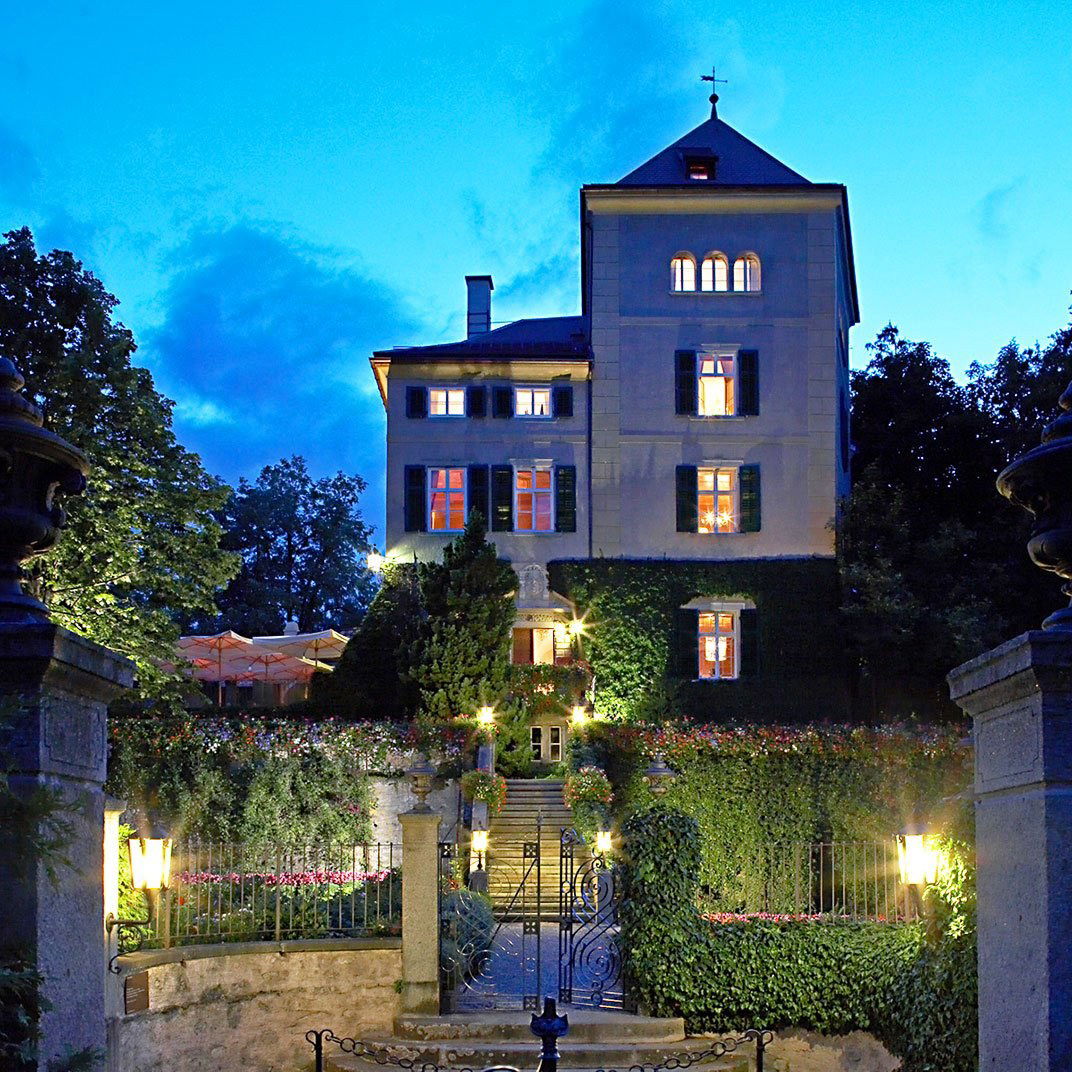
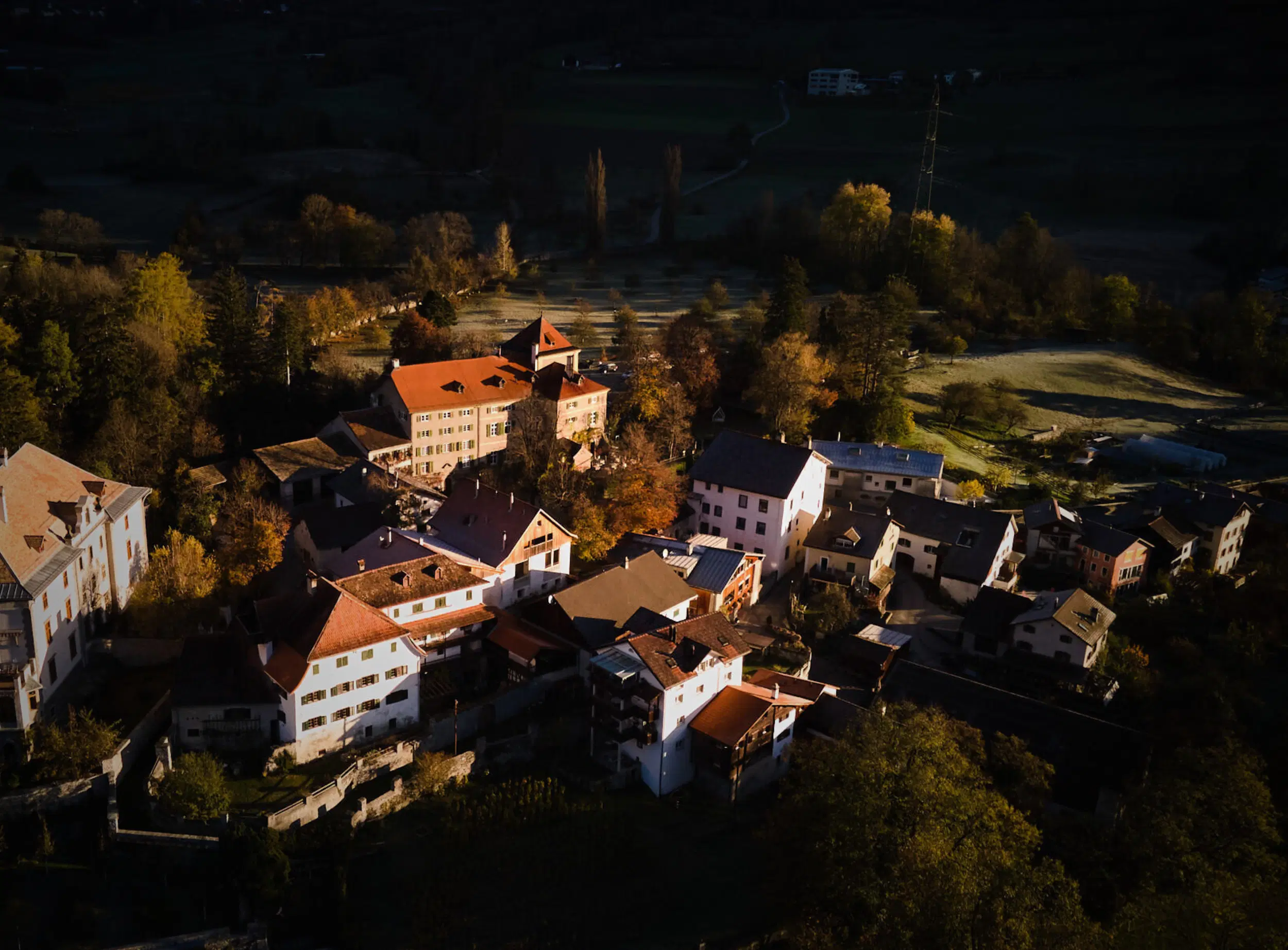
Schloss Schauenstein presents itself as architecture first and hotel second: an ivy-clad medieval castle whose stone and woodwork carry seven centuries of history. Inside, Romanesque archways and carved Swiss-Germanic wood paneling create an immediate sense of material weight and continuity. The surrounding terraced hillsides and alpine crags frame the property, giving the place a deliberately secluded, scenic presence. Design-led hospitality is woven into that historic fabric, so the experience reads as both authentic and curated rather than renovated pastiche. The overall tone is quietly majestic and intimate, ideal for guests who prize atmosphere as much as service.
Best For
Schloss Schauenstein suits travelers who seek a quiet, architecture-forward escape anchored in history and fine dining. It attracts guests who follow European culinary destinations and those who prefer a small-village retreat over busy alpine resorts. The property’s medieval character and attention to design appeal to couples on romantic getaways and travelers celebrating milestones, as well as visitors who value contemplative scenery and craft-driven interiors. Because the hotel is located in a compact village setting, guests should expect a peaceful, scenic environment where the building itself is the central draw.
Venue details
Ambiance
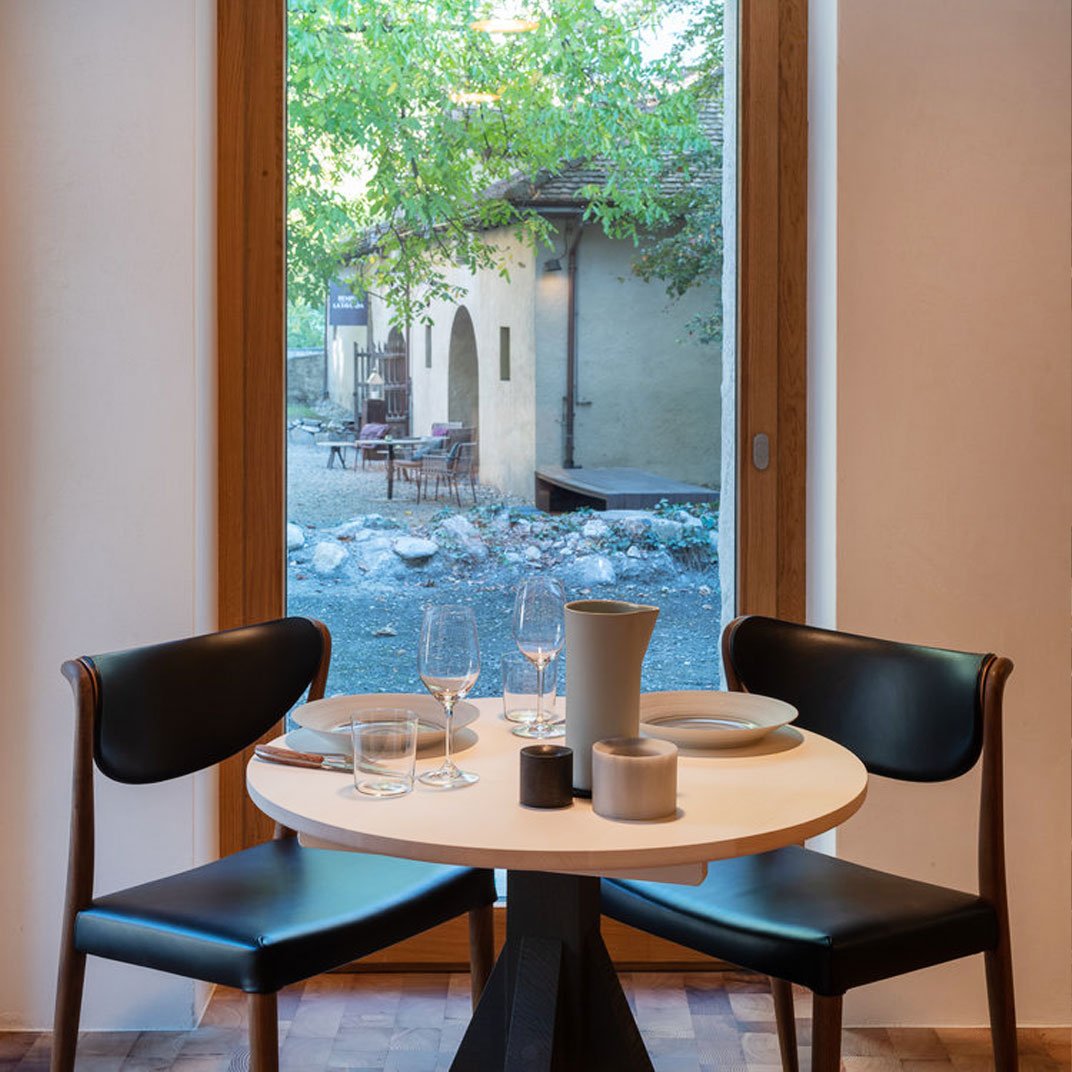
Serene and elegant castle atmosphere blending historical stonework with modern luxury, featuring warm lighting, wood paneling, and intimate dining spaces.
Tags
Vibe
Best For
Experience
Amenities
View
Accessibility
About the Stay
- Rooms
- 9
- Check-in
- 15:00
- Check-out
- 11:00
- Property Style
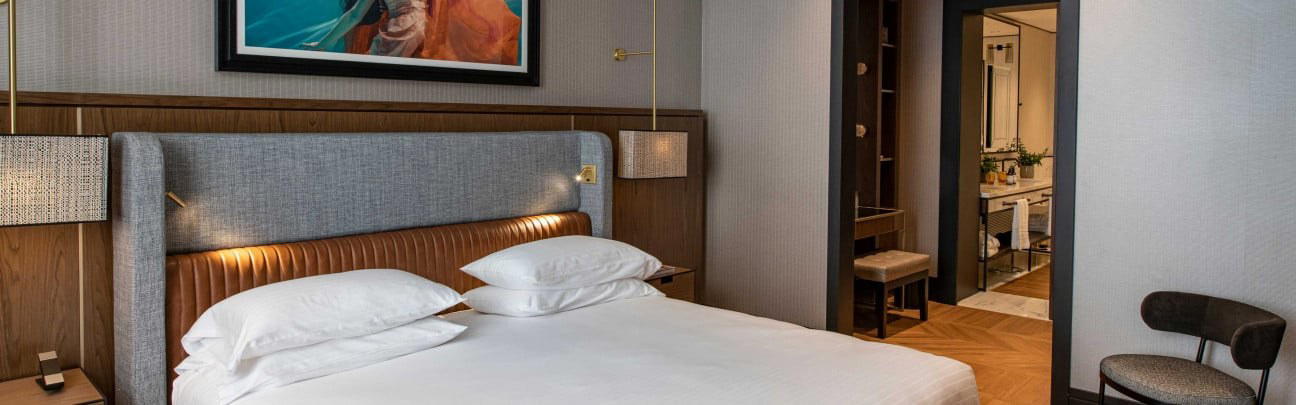
- Historic Castle Renovated with Modern Comforts
- Design Style
- Blend of Traditional Historical Elements and Modern Design
Know before you go
Know Before You Go
- Getting there
- Obergass 15, 7414 Fürstenau
Planning details
Location
Recognition and awards

Also consider
Also Consider
- Casa Caminada, Notable alternative
- Waldhaus Flims Wellness Resort, Autograph Collection, Notable alternative
- Rocksresort, Notable alternative
- Tschuggen Grand Hotel, Notable alternative
- BelArosa, Notable alternative
Hotel context
How It Compares
Choose Schloss Schauenstein over Casa Caminada when the stay needs to feel more formal and occasion-led. Casa Caminada is the easier recommendation for a lower-key Fürstenau overnight, while Schloss Schauenstein is the harder booking and the stronger call when the trip is built around a serious dinner and a quieter room-to-table rhythm.
Against the out-of-metro resort set, the decision is about scope. Waldhaus Flims Wellness Resort, Autograph Collection is better for travelers who want wellness facilities and a larger hotel environment. Rocksresort is the more practical pick for active groups and families who need resort infrastructure rather than a polished celebration stay.
Tschuggen Grand Hotel and BelArosa make more sense for guests who want Arosa as the base and a fuller mountain-hotel experience. Schloss Schauenstein's Michelin 1 Key recognition in 2025 gives it a clear quality signal, but value depends on wanting intimacy over amenities. If the goal is spa, ski, or a multi-day resort itinerary, book one of the larger peers instead.
Explore Fürstenau
Around this place
Discover more on Pearl
Unlock the full Schloss Schauenstein guide in Pearl, including awards, comparisons, FAQs, planning details, and nearby places.
Compare Schloss Schauenstein
| Venue | Location | Awards |
|---|---|---|
| Schloss Schauenstein | Fürstenau | 2026 House & Garden Great Stays Travel Hot List2026 Michelin 1 KeyMichelin 1 Key 20252025 Michelin 1 Key |
| Casa Caminada | Fürstenau | No published awards |
| Waldhaus Flims Wellness Resort, Autograph Collection | Flims | 2026 La Liste Top Hotels |
| Rocksresort | Laax | No published awards |
| Tschuggen Grand Hotel | Arosa | Leading Hotels of the World 20262026 La Liste Top Hotels2026 Michelin 2 Keys2025 Michelin 2 Keys2024 Michelin 2 Keys |
| BelArosa | Arosa | No published awards |




How Schloss Schauenstein Fürstenau compares with similar nearby venues.
FAQ
Frequently Asked Questions
How is the location of Schloss Schauenstein?
When is the best time to book Schloss Schauenstein?
No specific best season, booking window, or availability pattern is established. If the stay is important to the trip, confirm dates, rates, and any package details directly before finalizing plans.
How does Schloss Schauenstein compare to other hotels?
Schloss Schauenstein is a Fürstenau stay with Michelin 1 Key recognition for 2025 and a smart casual dress code. Casa Caminada, Rocksresort, BelArosa, Waldhaus Flims Wellness Resort, Autograph Collection, and Tschuggen Grand Hotel are useful broader comparisons for travelers considering different hotel settings.
Is Schloss Schauenstein good for business travel?
Specific business facilities, meeting spaces, or work-travel services are not detailed here. It may be considered for a stay in Fürstenau, but business travelers should confirm practical requirements directly.
How is the dining at Schloss Schauenstein?
This guide notes the smart casual dress code and the Michelin 1 Key recognition for 2025, but it does not specify a dining format, menu, cuisine, price, or service schedule. Confirm current dining details directly before planning around a meal.