


Tschuggen Grand Hotel
Arosa
Hotel in Arosa, Switzerland
 Book with Pearl
The Read
Modernist Alpine Elevation
Why go
Tschuggen Grand Hotel is the Arosa pick for families and special-occasion travelers who want the hotel to carry the trip, not just provide a room. Its Michelin 2 Keys, Leading Hotels of the World membership, and La Liste 94-point hotel rating make it a splurge-category choice; value-focused travelers should compare BelArosa and Valsana Hotel & Appartements first.
About Tschuggen Grand Hotel
In Arosa, Tschuggen Grand Hotel is a high-recognition hotel option for travelers who want the property itself to be a central part of the stay. Its appeal rests on its recognition. If the priority is a different style of Arosa stay, BelArosa and Valsana Hotel & Appartements are natural local cross-shops.
A high-recognition Arosa stay for travelers who want the hotel to matter
The recent recognition profile is the main reason to take this seriously: Michelin awarded 2 Keys in 2024, the hotel is a Leading Hotels of the World member for 2025, and La Liste rated it 94 points in its 2026 hotel list. That combination puts it in a different decision set from standard mountain lodging. Book it when the hotel's recognition and polished positioning matter to the trip; cross-shop if you only need a simple base in Arosa.
The recommendation is clearest for guests who want an Arosa hotel with a premium profile. The dress code is smart casual, which supports a more polished atmosphere. For travelers comparing local options, the main distinction is recognition: Tschuggen Grand Hotel has these accolades, while BelArosa and Valsana Hotel & Appartements remain relevant Arosa alternatives depending on the kind of stay you want.
Choose this for recognition and polish, not value hunting
Safest way to frame Tschuggen Grand Hotel is as a recognition-led Arosa choice. The decision should be based on the hotel's facts: Michelin 2 Keys, Leading Hotels of the World membership, La Liste's 94-point hotel rating, and a smart-casual dress code.
Pricing is not available, so the decision is based on positioning rather than a quoted rate. If the budget or preferred format points elsewhere, start with Valsana Hotel & Appartements for another Arosa option, or BelArosa for a local comparison. If the trip can move outside Arosa, AlpenGold Hotel in Davos, AMERON Davos Swiss Mountain Resort, and Hotel Seehof Davos give a broader Davos comparison set.
Who should book, and who should cross-shop
Book Tschuggen Grand Hotel when the hotel's recognition is part of the reason for choosing Arosa. Cross-shop if you are comparing formats, budgets, or destinations rather than seeking a specifically accoladed Arosa hotel. For a wider scan, use the full Arosa hotels guide; if meals and après plans will drive the trip, pair that with the Arosa restaurants guide and the Arosa bars guide.
Planning details
- Location
- Hotel Tschuggen, Tschuggentorweg 1, 7050 Arosa
- Website
- tschuggencollection.ch/de/hotel/tschuggen-grand-hotel
- Phone
- +41 81 378 99 99
The take
The Take
The Vibe
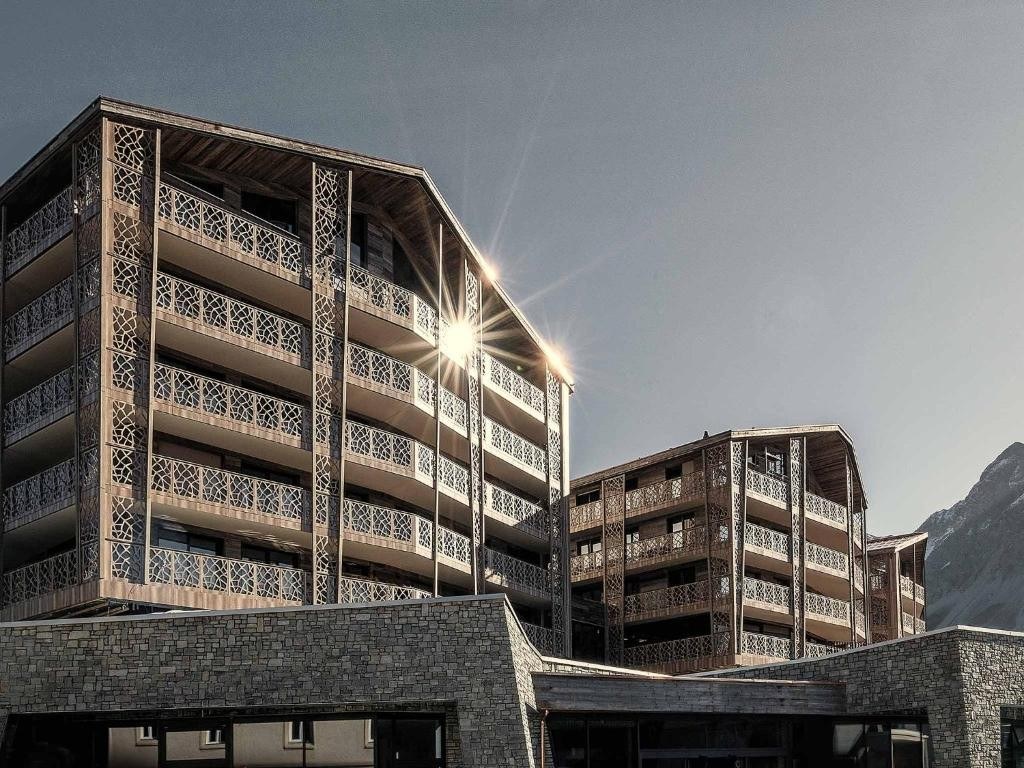
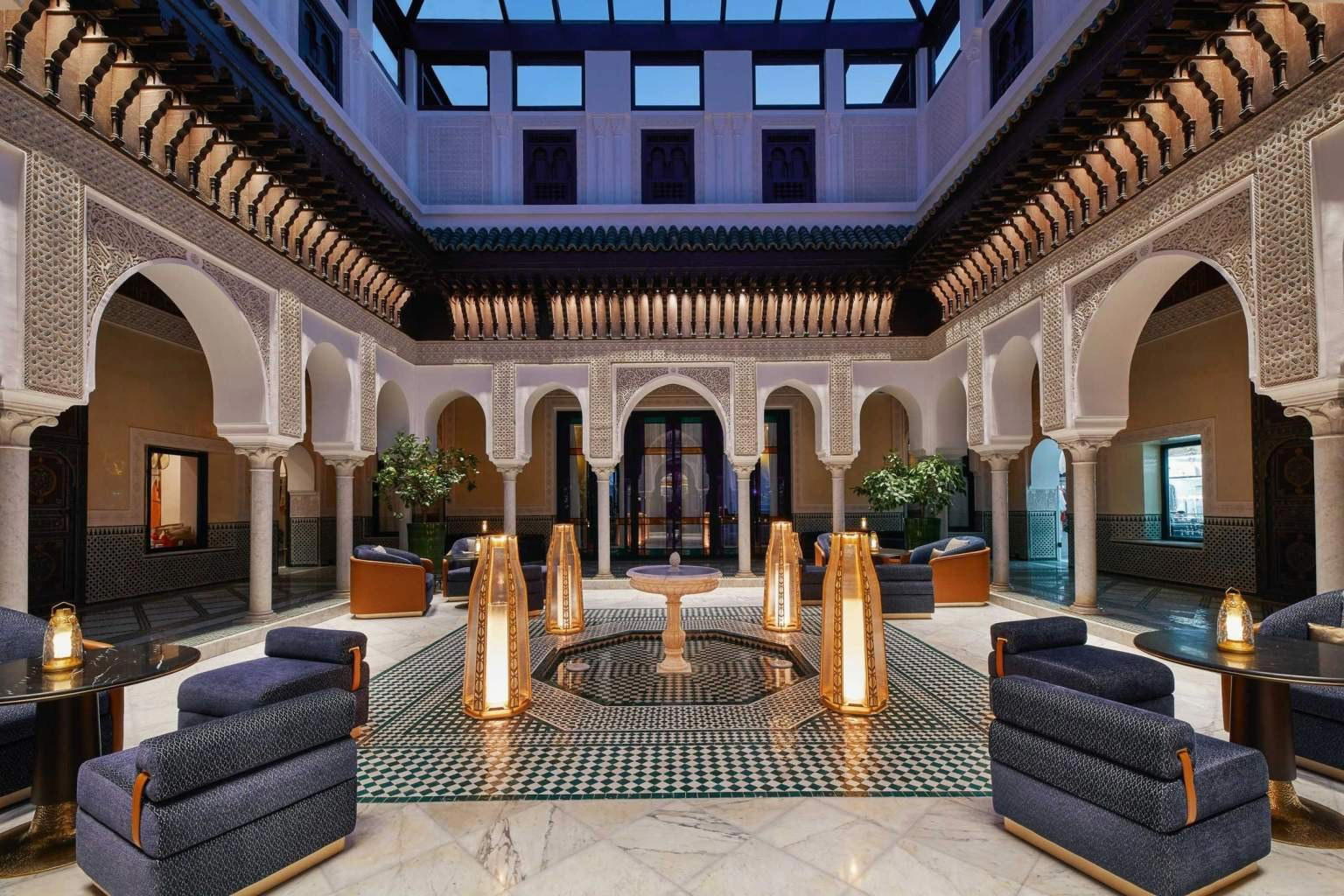
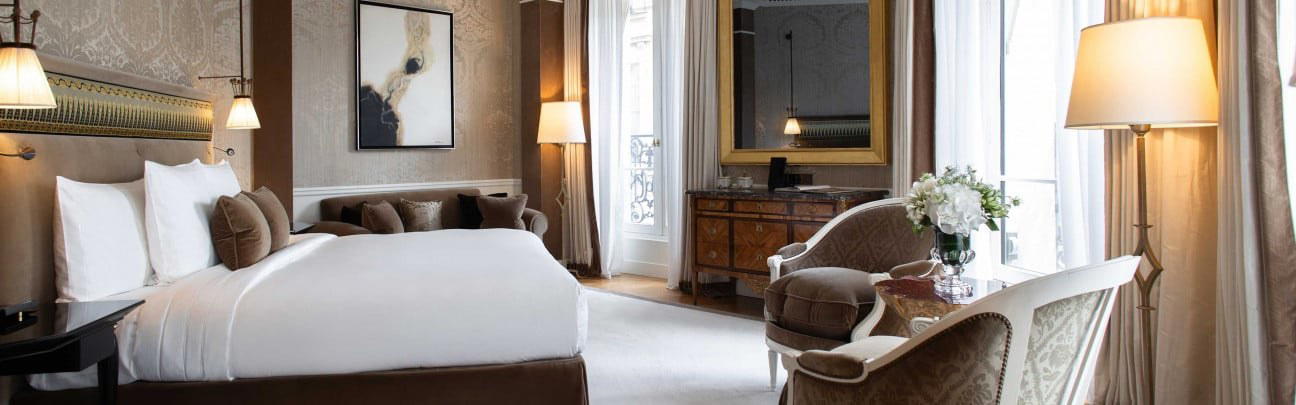
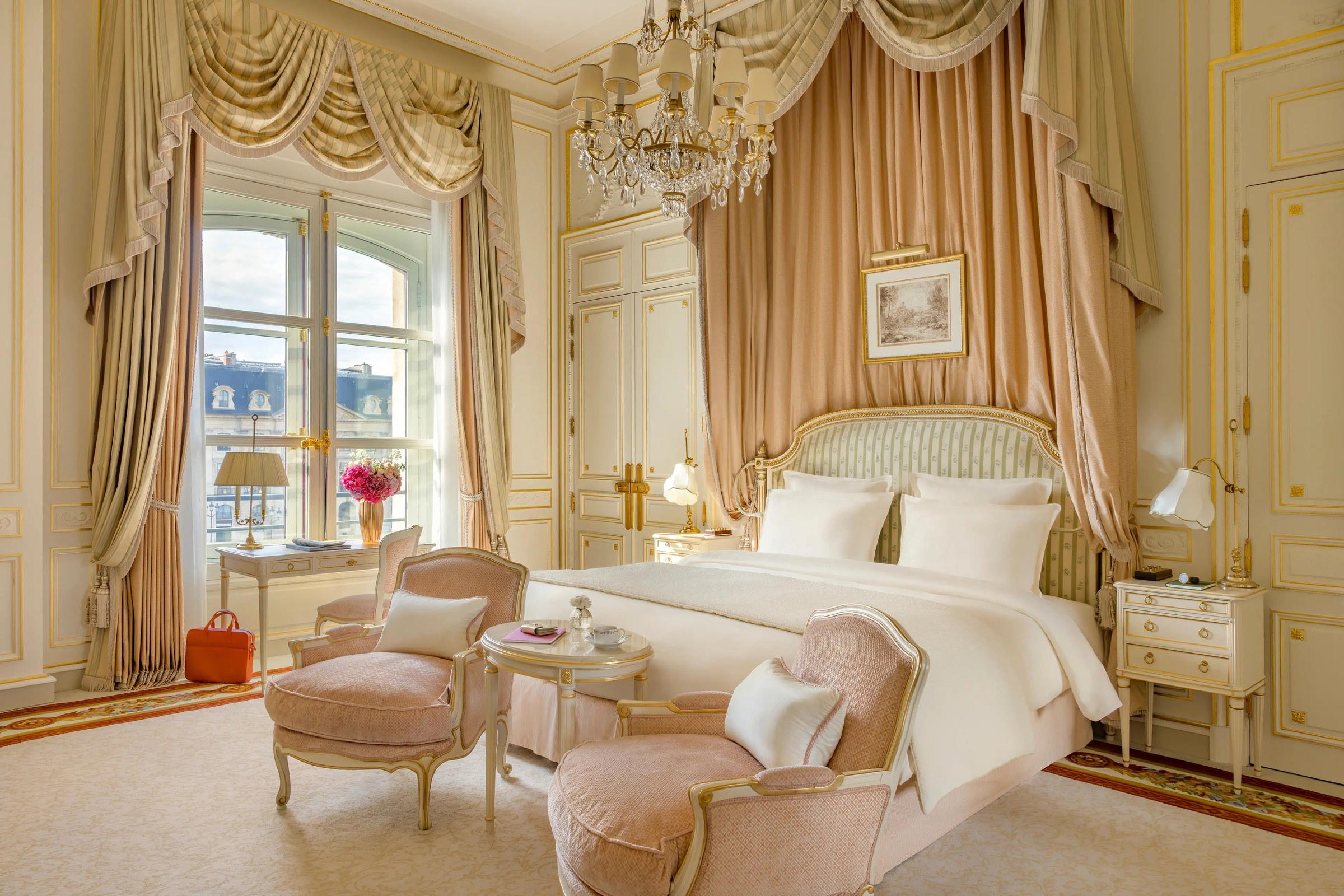
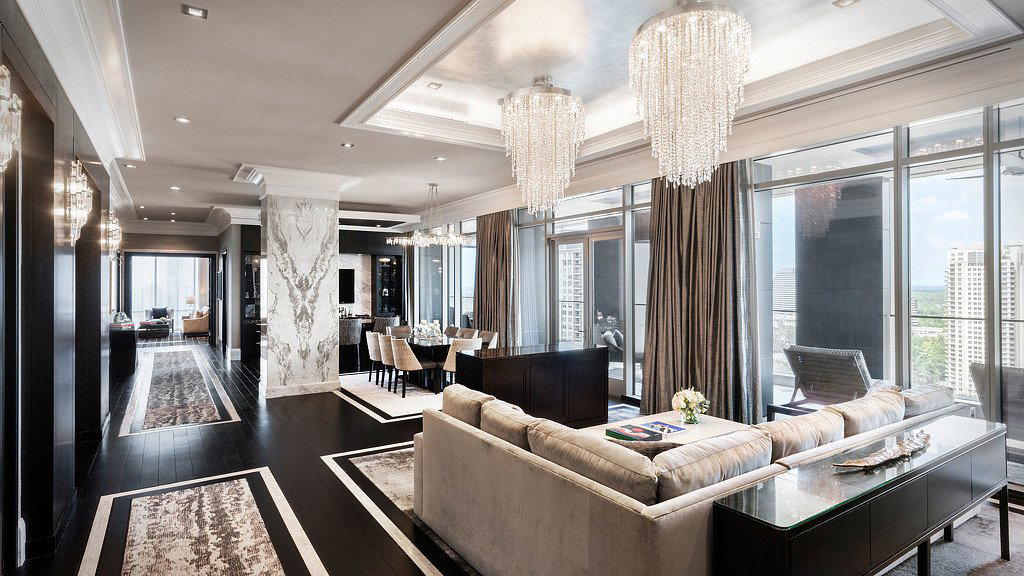
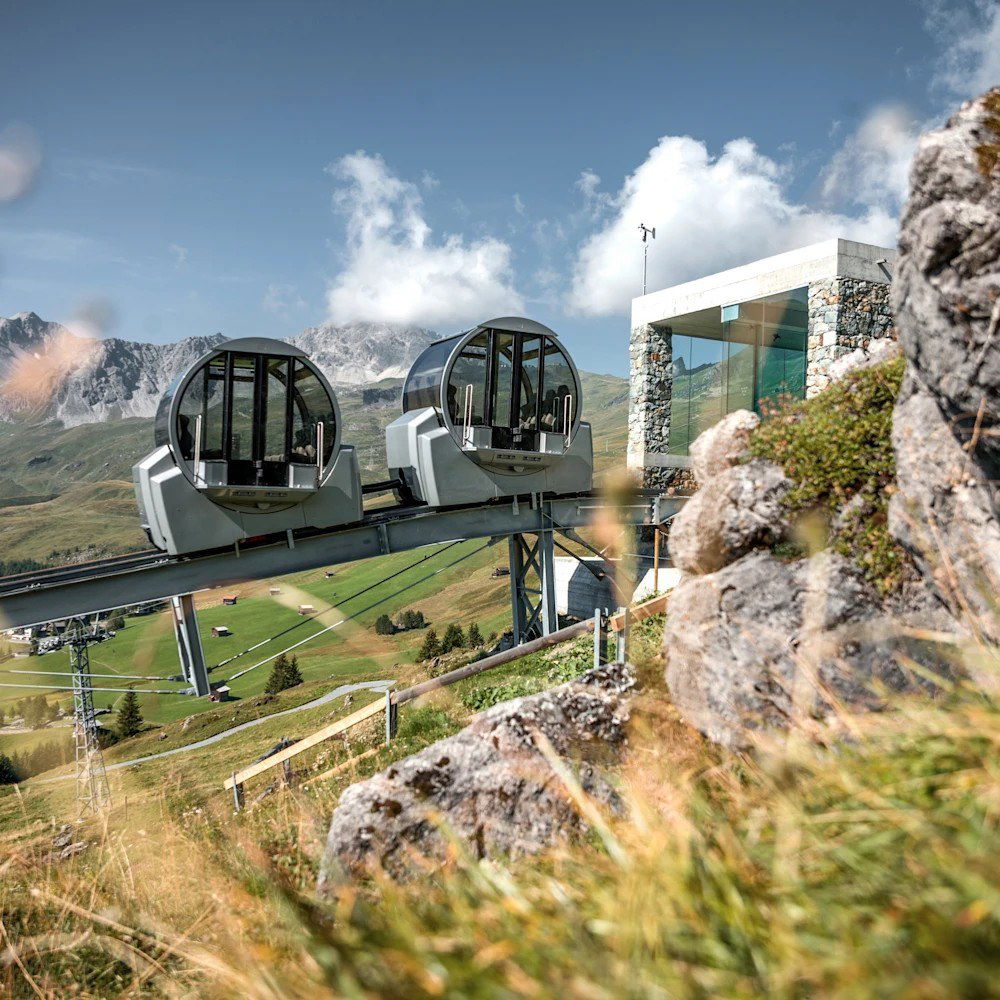
Tschuggen Grand presents a modern rethinking of the alpine hotel rather than a nostalgic reproduction. A 1960s modernist renovation gives the building Scandinavian lines: clean geometries, oversized glazing and a contemporary material palette. Light becomes a defining element — rooms and public spaces feel bright and open at times when traditional mountain hotels can feel dim. The aesthetic reads as a consistent house style across 130 rooms, prioritizing clarity of form and restraint over carved wood ornamentation, so the experience feels intentionally contemporary and quietly refined.
Best For
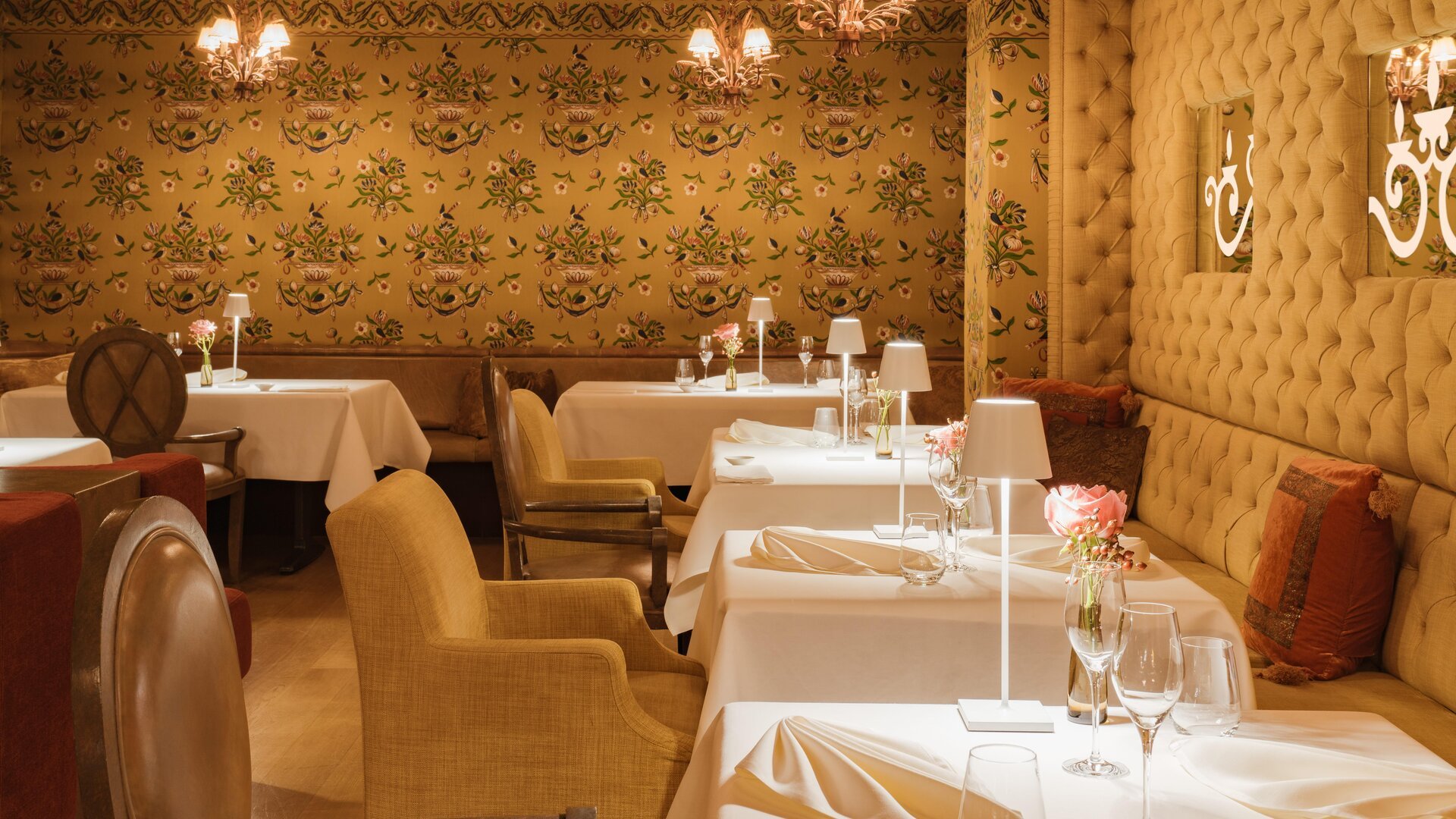
The hotel is best for travelers who prize design-forward, year-round mountain stays and guests who travel for memorable dining. Its La Liste score and membership in Leading Hotels of the World underline a high-end positioning, while La Brezza’s two Michelin stars make the property a genuine culinary destination in the Swiss alpine corridor. The combination of a light-filled, modernist building and a destination restaurant appeals to visitors seeking an elevated alpine base rather than a purely traditional chalet experience.
Stay Tips
Book the restaurant well in advance: La Brezza’s two Michelin stars and reputation mean it draws reservations beyond just hotel guests. When arranging accommodation, request a room that emphasizes the oversized glazing to maximize daylight and alpine outlooks — the property’s large windows are a defining feature. Expect refined, high-level service consistent with the hotel’s Leading Hotels membership when planning dining and guest logistics.
Venue details
Ambiance
Serene and relaxing atmosphere with panoramic mountain views, spacious stylish rooms, and an immaculate spa environment praised for tranquility.
Tags
Vibe
Best For
Experience
Amenities
View
Accessibility
About the Stay
- Rooms
- 128
- Property Style
- Five Star Mountain Resort with Colorful, Surprising Interiors by Carlo Rampazzi and Mario Botta Spa Architecture.
- Design Style
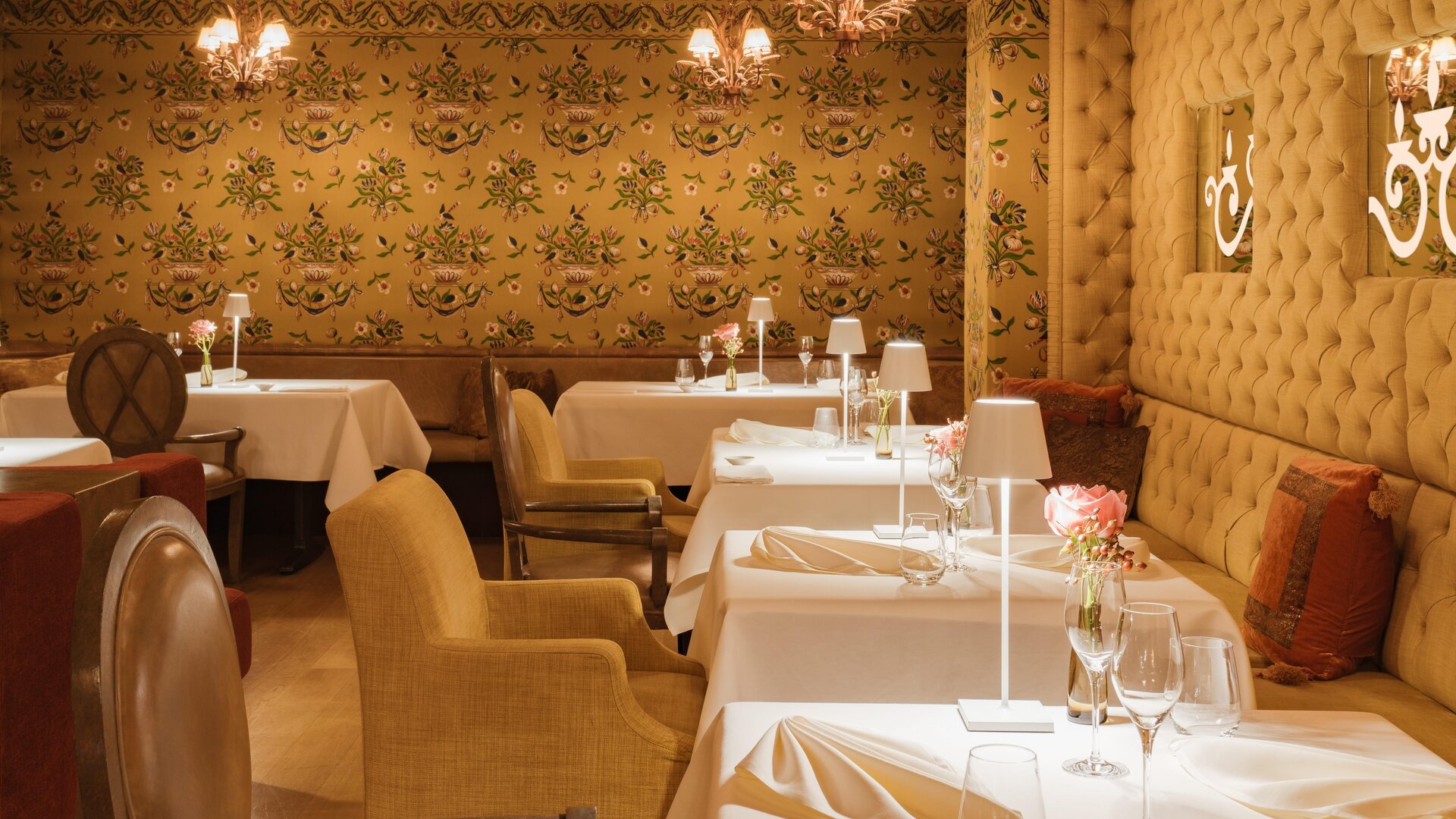
- Colorful and Surprising Modern Alpine Design with Panoramic Mountain Views.
Know before you go
Know Before You Go
- Getting there
- Hotel Tschuggen, Tschuggentorweg 1, 7050 Arosa
Planning details
Location
Hotel Tschuggen, Tschuggentorweg 1, 7050 Arosa · Directions
Recognition and awards


Also consider
Also Consider
- BelArosa, Notable alternative
- Valsana Hotel & Appartements, Notable alternative
- AMERON Davos Swiss Mountain Resort, Notable alternative
- Hotel Seehof Davos, Notable alternative
- AlpenGold Hotel, Notable alternative
Hotel context
Against BelArosa and Valsana Hotel & Appartements, Tschuggen Grand Hotel is the higher-recognition Arosa choice. Pick it when the stay itself is the point: family celebration, ski-week base, or quiet milestone trip. BelArosa is the safer local cross-shop for travelers who want Arosa without chasing the same splurge signal, while Valsana makes more sense for guests who prefer a more independent, apartment-friendly setup.
Davos changes the trade-off. AMERON Davos Swiss Mountain Resort and Hotel Seehof Davos suit travelers who want a broader resort-town base with more external options. Tschuggen Grand Hotel is the better fit if the desired ambiance is quieter and more contained, especially for families who want fewer moving parts.
AlpenGold Hotel is the clearest out-of-Arosa comparison for a bigger statement stay. Choose AlpenGold if Davos location and scale matter more; choose Tschuggen Grand Hotel if Arosa's calmer setting and hotel-led polish are the reason for booking.
Explore Arosa
Around this place
Discover more on Pearl
Unlock the full Tschuggen Grand Hotel guide in Pearl, including awards, comparisons, FAQs, planning details, and nearby places.
Compare Tschuggen Grand Hotel
| Venue | Location | Awards |
|---|---|---|
| Tschuggen Grand Hotel | Arosa | Leading Hotels of the World 20262026 La Liste Top Hotels2026 Michelin 2 KeysMichelin 2 Keys 20252025 Michelin 2 Keys2024 Michelin 2 Keys |
| BelArosa | Arosa | No published awards |
| Valsana Hotel & Appartements | Arosa | 2026 Michelin 2 Keys2025 Michelin 2 KeysSmall Luxury Hotels Member 20252024 Michelin 2 Keys |
| AMERON Davos Swiss Mountain Resort | Davos | 2026 Michelin 1 Key2025 Michelin 1 Key |
| Hotel Seehof Davos | Davos | No published awards |
| AlpenGold Hotel | Davos | No published awards |



How Tschuggen Grand Hotel Arosa compares with similar nearby venues.
FAQ
Frequently Asked Questions
What is check-in like at Tschuggen Grand Hotel?
Specific check-in details are not available. Tschuggen Grand Hotel is in Arosa, has Michelin 2 Keys, and is a Leading Hotels of the World member.
How is the location of Tschuggen Grand Hotel?
Tschuggen Grand Hotel is in Arosa. If you are comparing local stays, BelArosa and Valsana Hotel & Appartements are other Arosa options to consider.
Is Tschuggen Grand Hotel good for business travel?
Business-travel facilities and services are not available. The hotel's profile points to an Arosa hotel with Michelin 2 Keys, Leading Hotels of the World membership, and a 94-point La Liste hotel rating; AMERON Davos Swiss Mountain Resort and Hotel Seehof Davos are Davos comparisons if your trip can be based there instead.
Do loyalty programs work at Tschuggen Grand Hotel?
The hotel is recognized with Leading Hotels of the World membership. Specific loyalty benefits, points earning, or redemption details are not available.
Which room category is best at Tschuggen Grand Hotel?
Specific room categories are not available, so choose based on your own space needs and the hotel's current inventory. For broader comparison, you can also look at AlpenGold Hotel or Hotel Seehof Davos if Davos is an option for the trip.