
Niyama Private Islands Maldives
Dhaalu Atoll
Hotel in Dhaalu Atoll, Maldives
 Book with Pearl
The Read
Dual-Island Resort Architecture
Why go
Niyama Private Islands Maldives is a strong Dhaalu Atoll shortlist pick for travelers who want a polished private-island resort and are willing to manage the room-category spend carefully. Choose a lower tier if the room is mainly a base; upgrade only when the added privacy, space, or inclusions clearly improve the trip.
About Niyama Private Islands Maldives
Niyama Private Islands Maldives is a Dhaalu Atoll venue with a key quality signal: La Liste Top Hotels (2026) lists it at 92.5pts. It is best to avoid assuming specifics that are not confirmed. Treat the accolade as a useful starting point, then confirm current stay details, inclusions, and policies directly before booking.
The dress code is smart casual. Other practical details can vary by package or current operating policy, so decisions should be based on the latest information from the venue rather than assumptions about room types, facilities, dining formats, or service inclusions.
Pay for the room you will actually use
Because room-category details, rates, inclusions, or layouts vary, the sensible approach is to compare any options presented at booking on their stated, written differences. Look for concrete inclusions and practical value rather than relying on mood language or broad luxury claims.
If two options appear close in price, choose based on the benefits you can confirm in writing. If the gap is significant and the upgrade does not clearly change the stay in a way you will use, the more conservative choice may be easier to justify.
Who should choose it over another Maldives resort
Niyama Private Islands Maldives is best considered by travelers who want a Dhaalu Atoll option with a La Liste Top Hotels 2026 score. The 92.5pts listing is a credible recognition point, but it should not replace checking the current details that matter for a specific trip.
For comparison, travelers can also look at The St. Regis Maldives Vommuli Resort, Baglioni Maldives Luxury All-Inclusive, and COMO Maalifushi, depending on what each currently publishes for the dates and stay style in question. Niyama Private Islands Maldives makes the clearest case when Dhaalu Atoll and the recognition are central to the shortlist.
Planning details
- Location
- Olhuveli, Kudahuvadhoo 13080
- Website
- niyama.com
- Phone
- +960 676-2828
The take
The Take
The Vibe
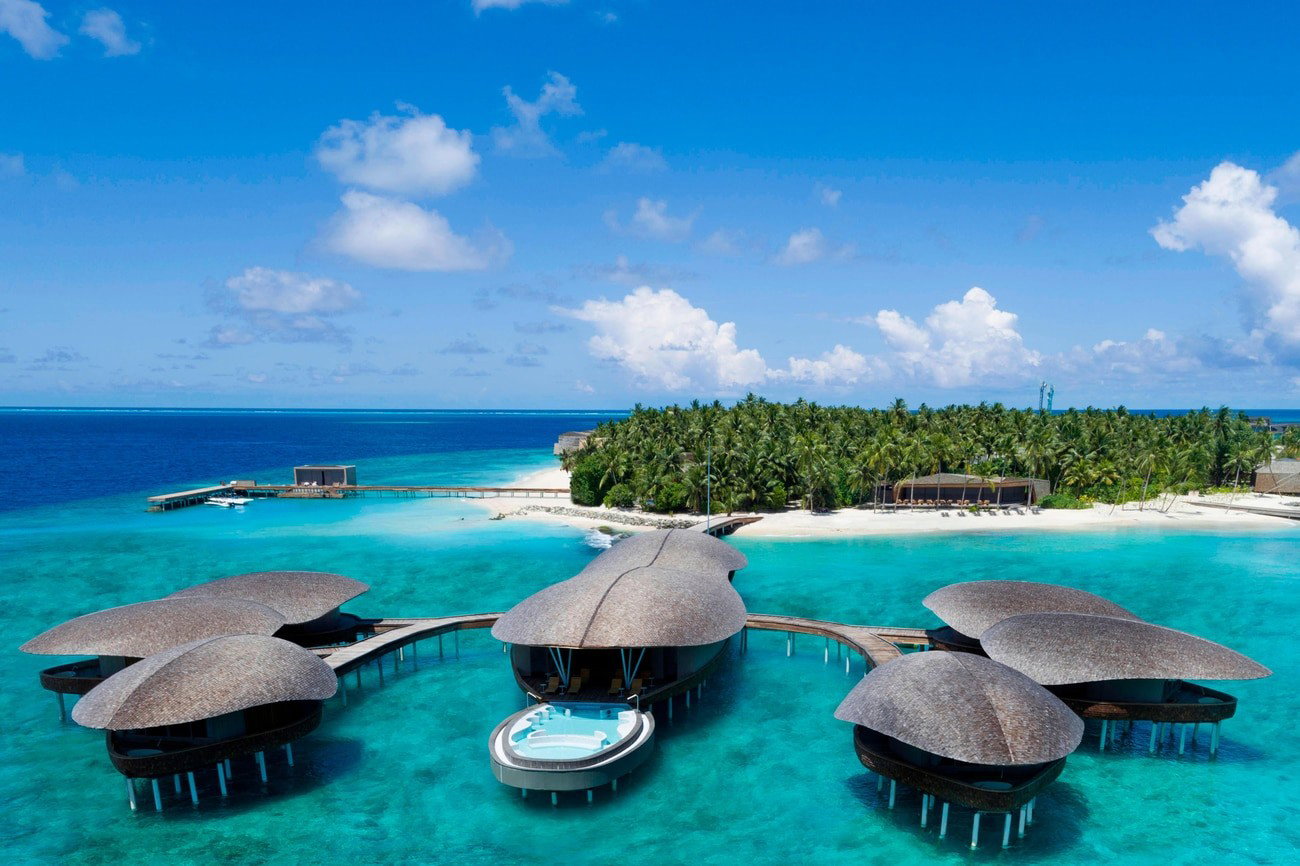
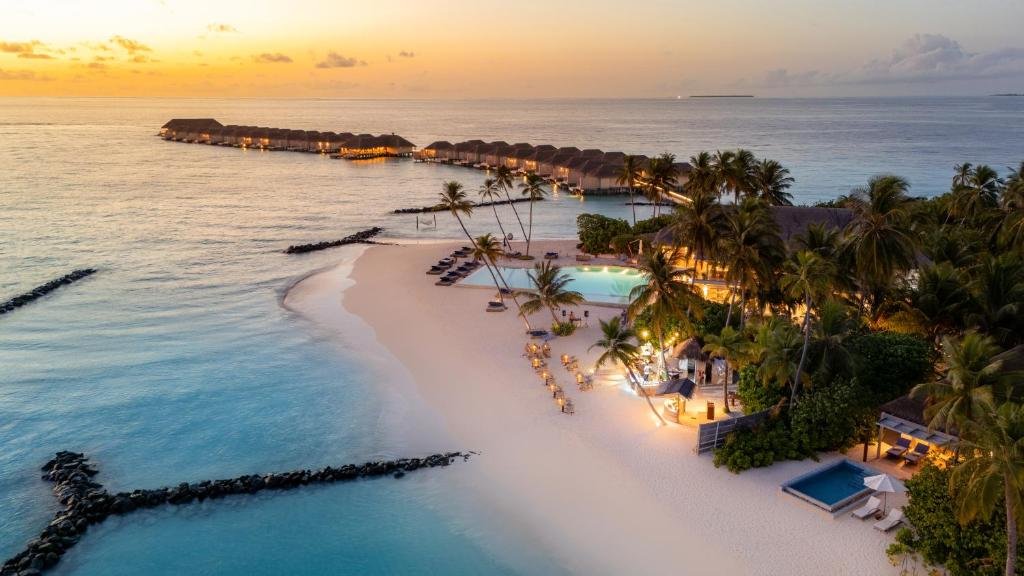
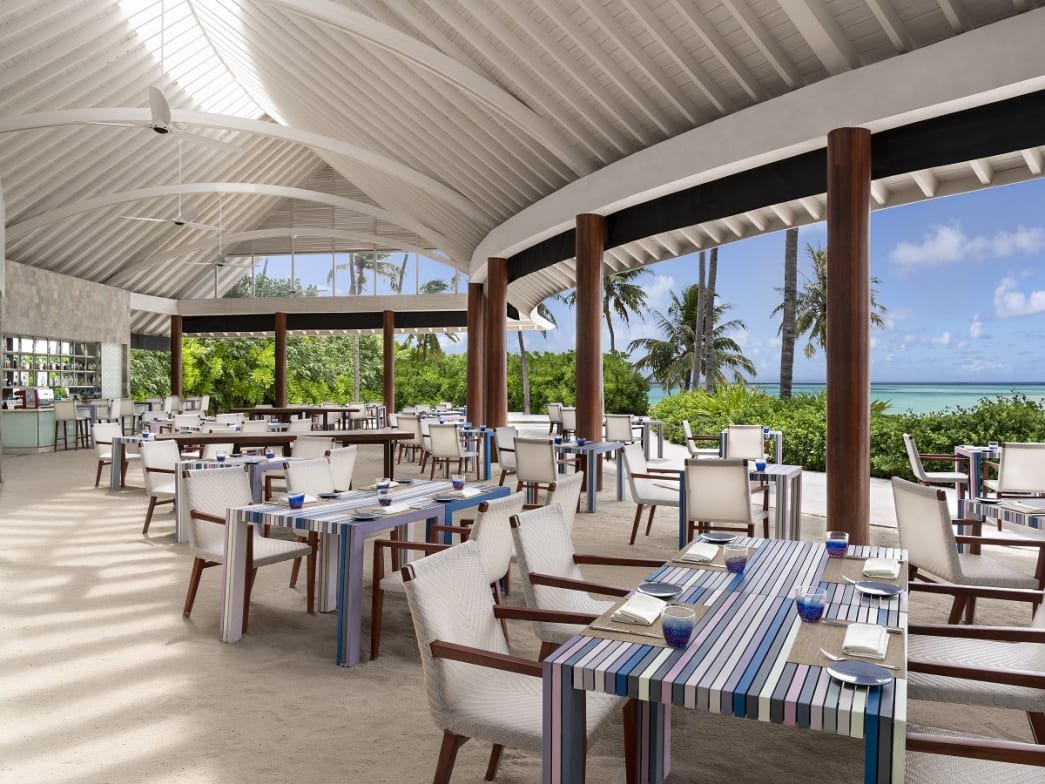
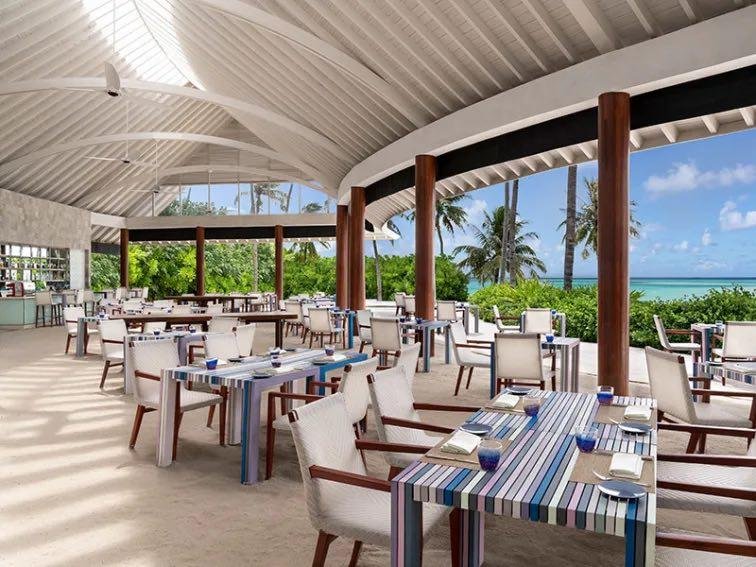
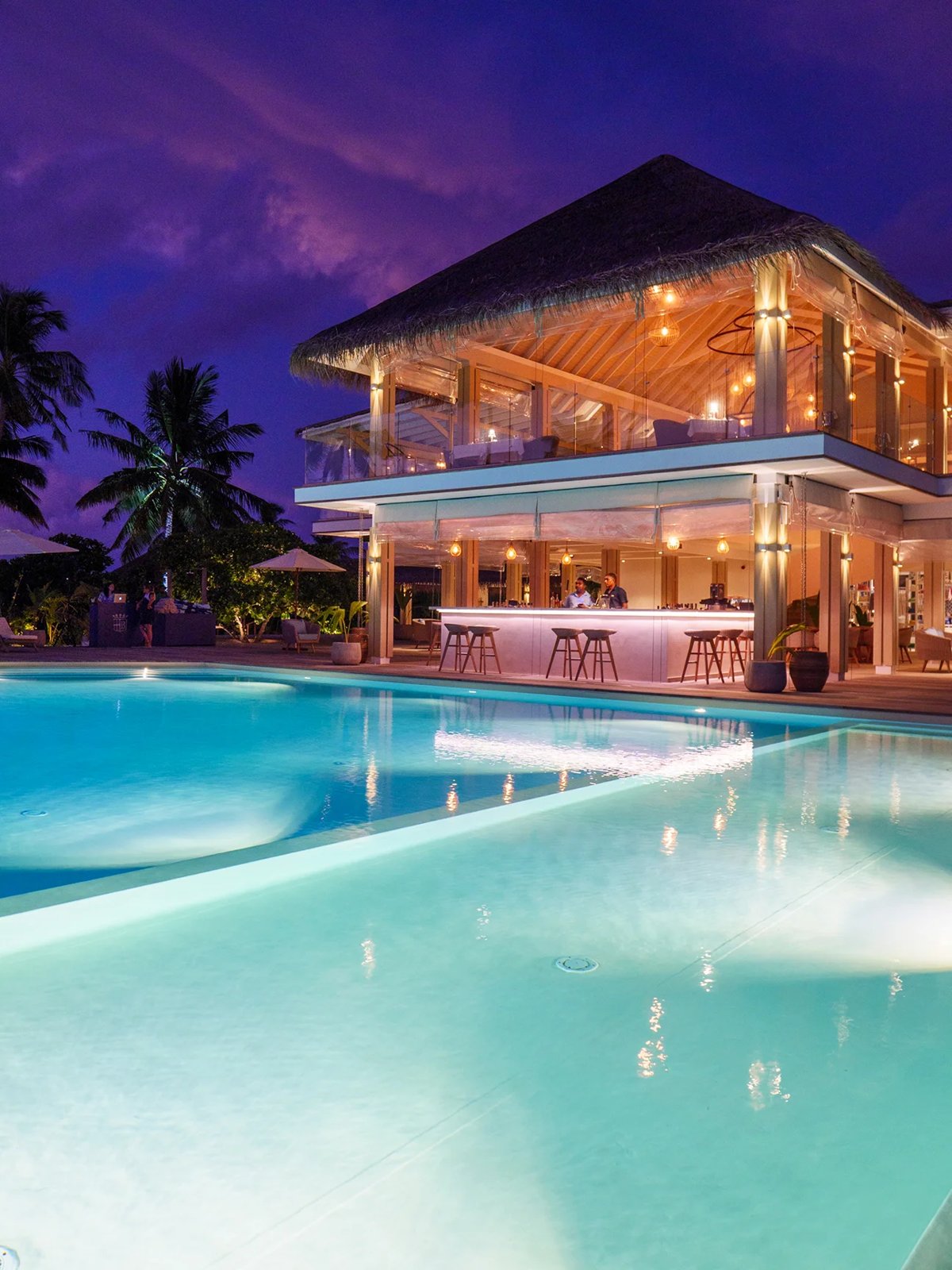
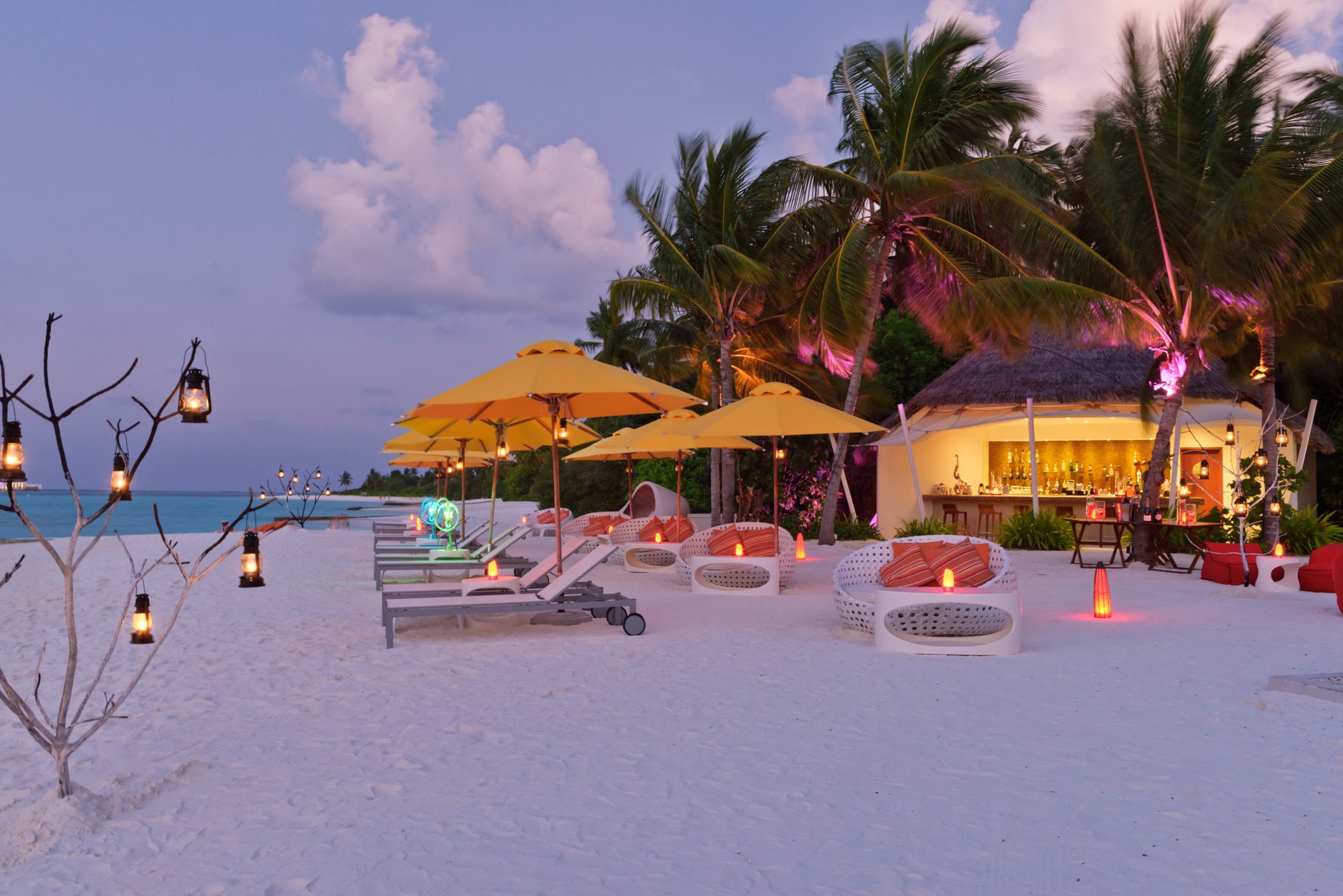
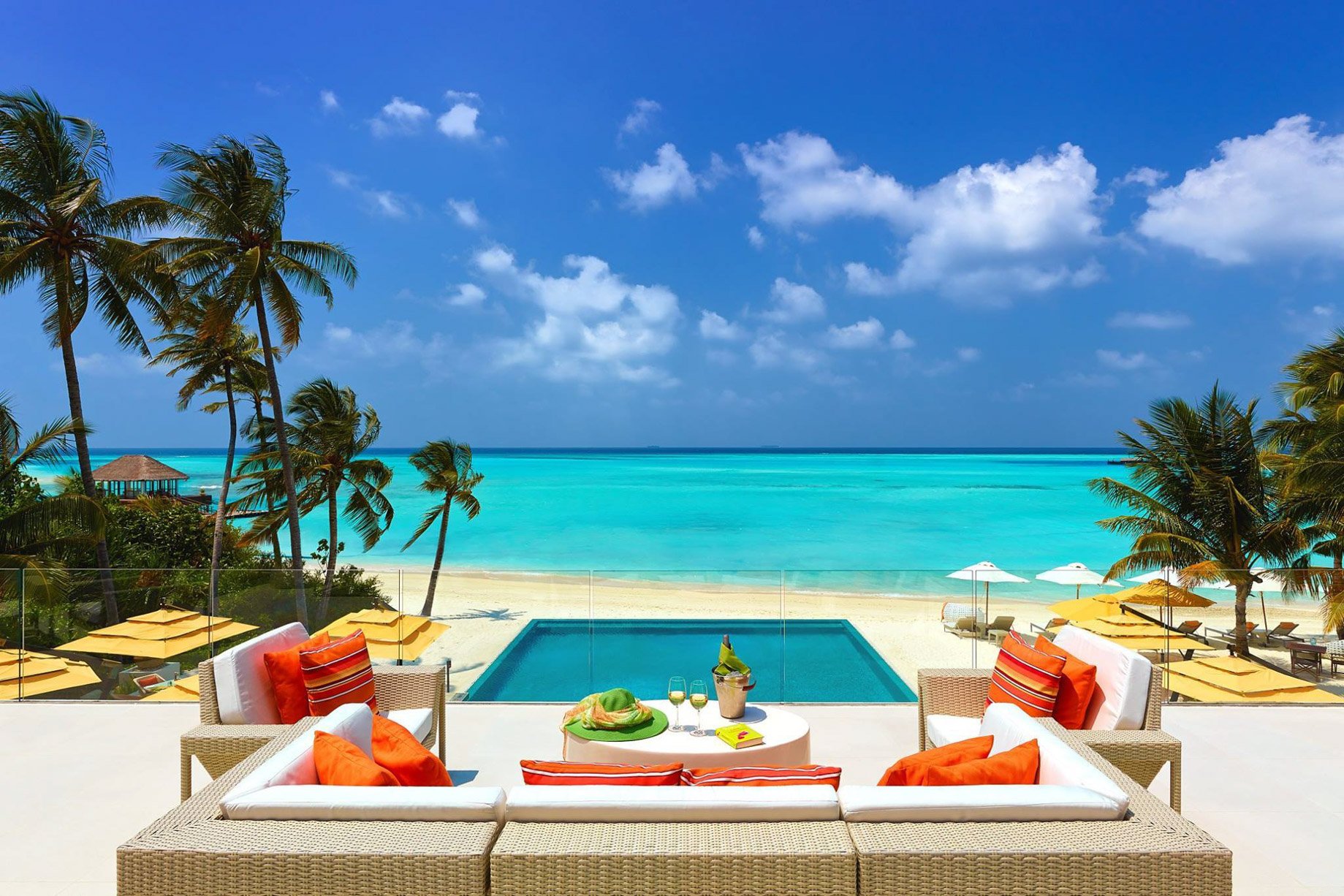
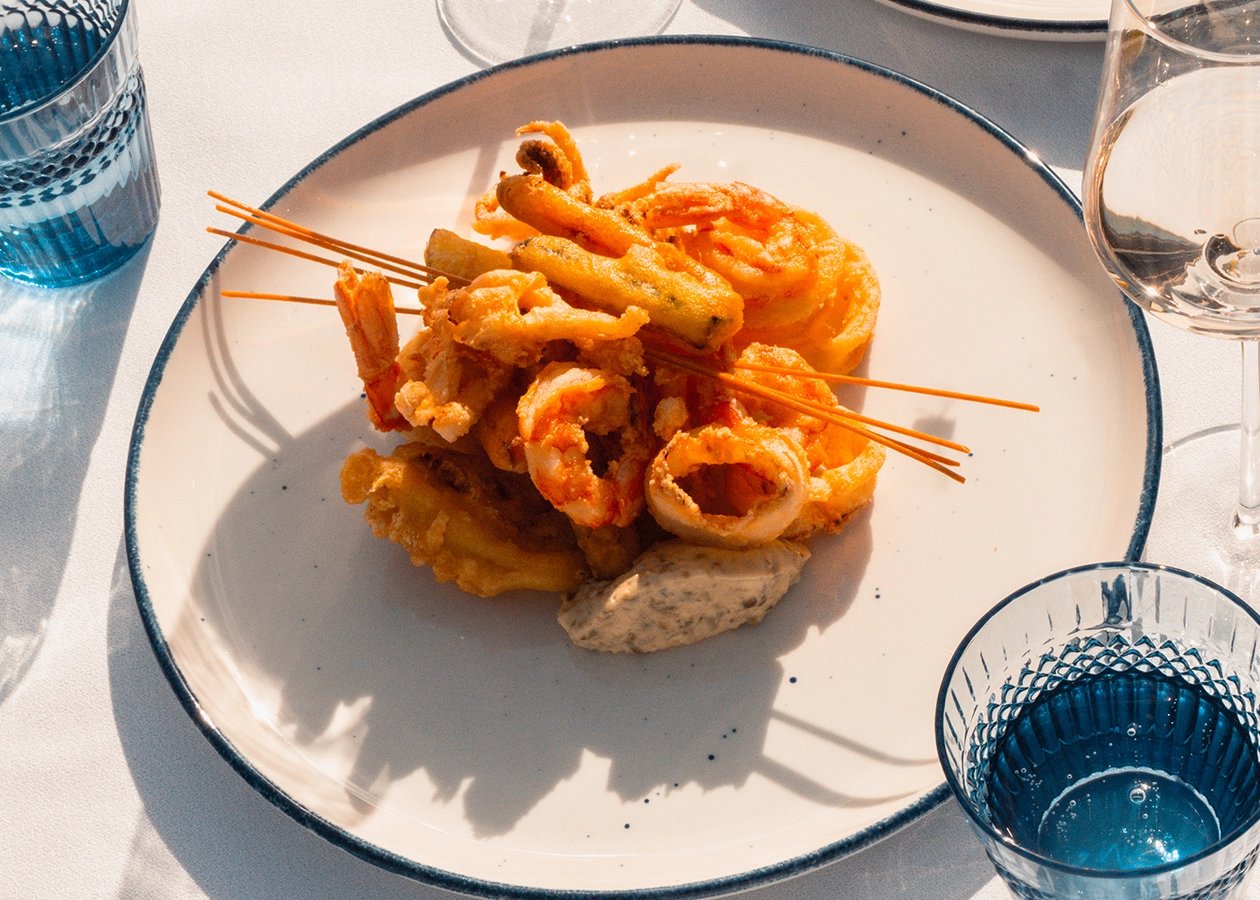
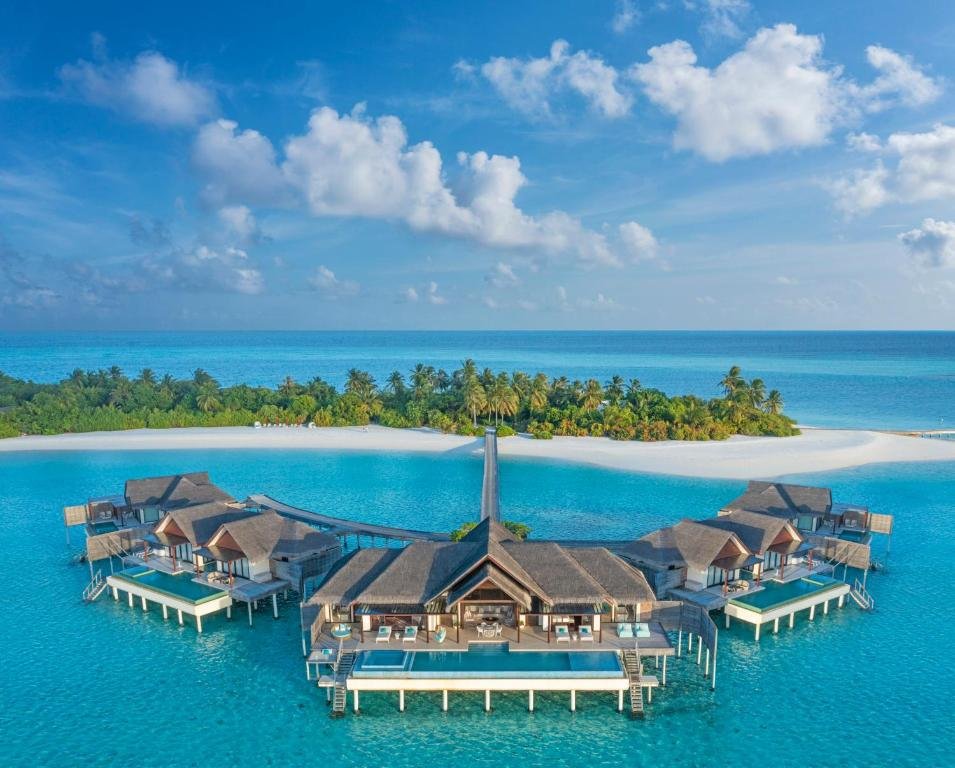
Niyama Private Islands Maldives is built around a deliberate split of moods: Play Island delivers activity and high energy, while Chill Island favors stillness and quiet. That two-island architecture creates an internal contrast that defines the resort’s character — multiple dining venues, varied settings and distinct nighttime options give the property a restless, clubby side and a parallel serene retreat. The tone is premium and curated rather than generic: the copy emphasizes the dining programme as the resort’s central proposition and positions the property within the upper tier of Maldives resorts, framed by the remoteness of Dhaalu Atoll.
Best For
The resort suits travelers who want both variety and a clear personality split during their stay — couples seeking a romantic or honeymoon setting can lean into Chill Island’s stillness, while guests who want activity and social energy find Play Island’s outlets and programming more appealing. Families and wellness-focused travelers also appear in the property’s positioning: the two-island format supports different moods and itineraries across days. Accessibility via a domestic flight plus a short speedboat transfer makes it a considered choice for travelers aiming for a premium Maldivian resort experience that emphasizes dining and island-to-island movement.
Stay Tips
The island’s multiple dining venues are a central part of the appeal, so plan to experience more than one outlet over consecutive nights. The two-island layout means evenings can feel competitive — book time in advance where possible and pace reservations so you can sample both Play Island’s livelier options and Chill Island’s quieter settings. Also account for the domestic flight and the connecting speedboat transfer in your schedule when arranging dinner plans, since arrival logistics affect what you can comfortably do the first and last nights of your stay.
Venue details
Ambiance
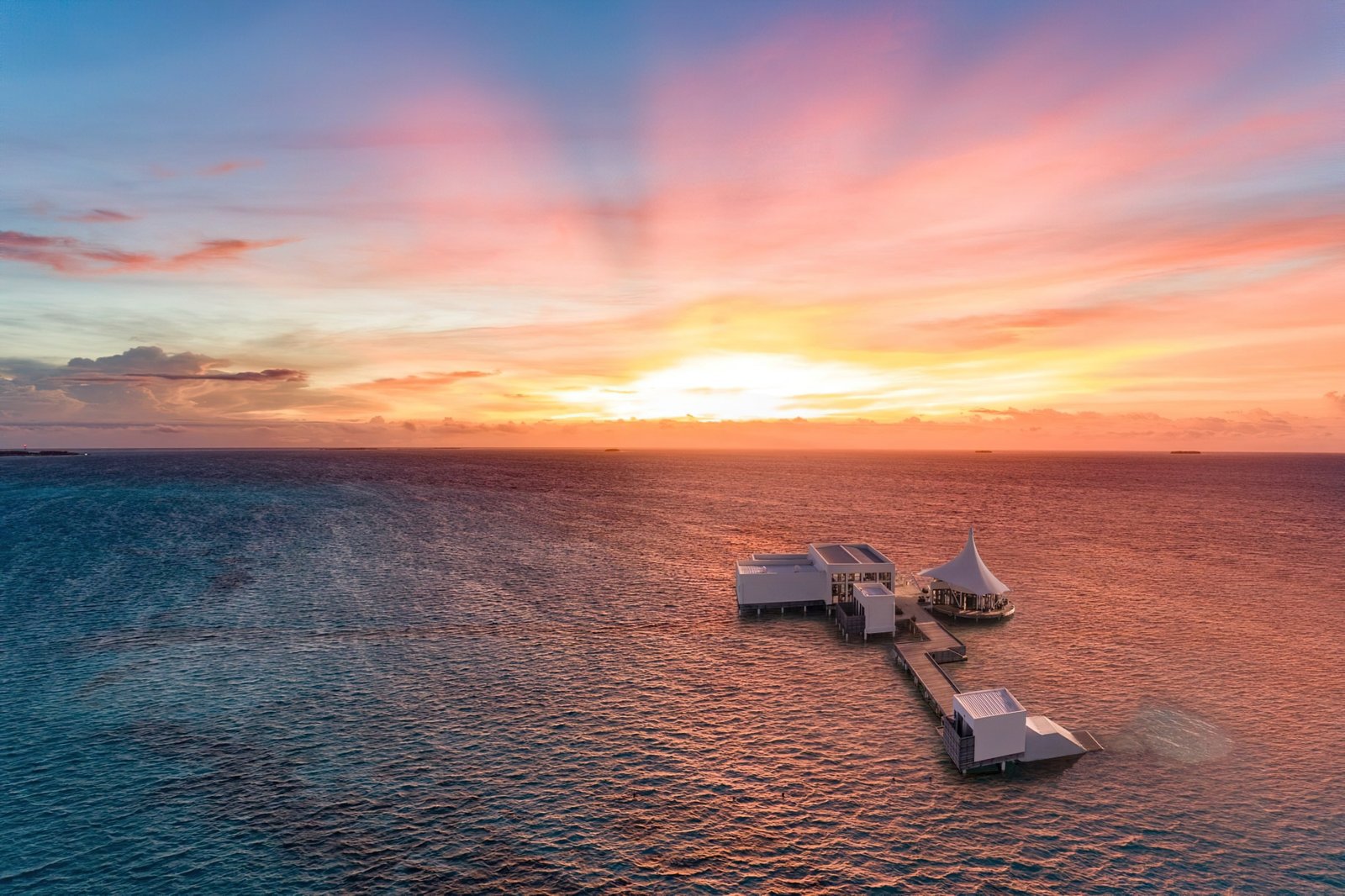
Luxurious and serene with private villas offering sunset and ocean views, enhanced by world-class service and playful yet sophisticated atmosphere.
Tags
Vibe
Best For
Experience
Amenities
View
Accessibility
About the Stay
- Rooms
- 134
- Property Style
- Private Island Luxury Resort with Twin Islands Play and Chill
- Design Style
- Modern Opulent with Private Pools, Jacuzzis, and Overwater Pavilions
- Airport Transfer
- Available
- Pool
- Yes
- Spa
- Yes
- Families
- Welcome
Know before you go
Know Before You Go
- Getting there
- Olhuveli, Kudahuvadhoo 13080
Planning details
Location
Recognition and awards

Also consider
Also Consider
- The St. Regis Maldives Vommuli Resort, Notable alternative
- Baglioni Maldives Luxury All-Inclusive, Notable alternative
- COMO Maalifushi, Notable alternative
- Villa Haven Resort Maldives, Notable alternative
- LUX* South Ari Atoll, Notable alternative
Hotel context
How it compares in and around Dhaalu Atoll
The St. Regis Maldives Vommuli Resort is the safer pick for travelers who want a globally familiar luxury brand and a more predictable high-service frame. Niyama Private Islands Maldives is the better comparison point for guests who care less about brand formality and more about the feel of the island stay, especially if they are trying to avoid overpaying for a room category they will not fully use.
Baglioni Maldives Luxury All-Inclusive is easier for budget control because the all-inclusive positioning makes the total spend clearer before arrival. COMO Maalifushi is the stronger cross-shop for travelers prioritizing quiet, wellness, and a softer resort rhythm. Choose Niyama if the trip needs a broader private-island resort feel rather than a narrowly wellness-led stay.
Villa Haven Resort Maldives and LUX* South Ari Atoll are useful alternatives when availability, package value, or a different atoll location matters more than staying in Dhaalu Atoll. For value-seekers, the practical rule is simple: compare the full stay cost, not just the room rate, and only choose the pricier resort when the inclusions and room setup match the way the trip will actually be spent.
Explore Dhaalu Atoll
Around this place
Discover more on Pearl
Unlock the full Niyama Private Islands Maldives guide in Pearl, including awards, comparisons, FAQs, planning details, and nearby places.
Compare Niyama Private Islands Maldives
| Venue | Location | Awards |
|---|---|---|
| Niyama Private Islands Maldives | Dhaalu Atoll | 2026 La Liste Top Hotels |
| The St. Regis Maldives Vommuli Resort | Dhaalu Atoll | 2026 Virtuoso Luxury Hotel Collection2026 Forbes 5-Star2026 La Liste Top HotelsWorld Travel Awards 2025 · #12025 Forbes 5-Star |
| Baglioni Maldives Luxury All-Inclusive | Dhaalu Atoll | Leading Hotels of the World 2026 |
| COMO Maalifushi | Guraidhoo | No published awards |
| Villa Haven Resort Maldives | South Ari Atoll | Small Luxury Hotels Member 2025 |
| LUX* South Ari Atoll | South Ari Atoll | 2026 Forbes 5-Star2026 Virtuoso Luxury Hotel Collection2026 La Liste Top Hotels2025 Forbes 5-Star |





How Niyama Private Islands Maldives compares with similar nearby venues.
FAQ
Frequently Asked Questions
Do loyalty programs work at Niyama Private Islands Maldives?
Please check directly with the venue regarding loyalty programs. Niyama Private Islands Maldives is in Dhaalu Atoll and has a La Liste Top Hotels (2026) score of 92.5pts.
Is Niyama Private Islands Maldives family-friendly?
What is check-in like at Niyama Private Islands Maldives?
Is Niyama Private Islands Maldives good for business travel?
Information on business-travel facilities and services is not available. If work requirements are important, confirm connectivity, meeting arrangements, and other practical needs directly with the venue before booking.
Which room category is best at Niyama Private Islands Maldives?
Room-category details are not detailed here. Choose only after comparing the current written inclusions, layout information, and pricing from the venue or booking channel.
How is the pool and spa at Niyama Private Islands Maldives?
Pool and spa details are not detailed here. The quality signal is the La Liste Top Hotels (2026) score of 92.5pts; for facilities, check the venue's current official information.