

Morukuru Family De Hoop
De Hoop Nature Reserve
Hotel in De Hoop Nature Reserve, South Africa
 Book with Pearl
The Read
Protected Coastline Exclusivity
Why go
Morukuru Family De Hoop is worth shortlisting for a first De Hoop Nature Reserve stay if the reserve setting matters more than a named restaurant program. The 2026 La Liste Top Hotels score and Relais & Chateaux recognition add confidence, but dining details are thin, so food-led travellers should compare carefully before committing.
About Morukuru Family De Hoop
For a De Hoop Nature Reserve stay, consider Morukuru Family De Hoop for its reserve setting and confirmed hotel recognition. Its public recognition is hotel-focused rather than restaurant-specific, so travellers should not treat it as a standalone dining destination.
Worth booking for the reserve stay, less clear as a dining-only trip
The strongest appeal is the overall stay inside De Hoop Nature Reserve. For planning purposes, treat dining as part of the property experience rather than as a separate restaurant reservation to chase, as specific details on cuisine style, chef, menu format, price, or service model are not provided.
The 2026 recognition from La Liste Top Hotels, with 93.5 points, and the 2026 Relais Chateaux Award give the booking clear hotel credibility. That matters for travellers comparing stays where the setting is central to the decision. The trade-off is that dining-led travellers should avoid over-reading the restaurant promise from hotel recognition alone.
Use it as a De Hoop base, then cross-shop harder if food leads the trip
For a visit, the practical call is simple: choose Morukuru Family De Hoop if De Hoop Nature Reserve is the reason for going and meals are secondary to the stay. If the decision is mainly about restaurants, compare the available De Hoop Nature Reserve dining options more broadly; if the trip is hotel-led, compare it with other stays such as BloomEstate, Grootbos Private Nature Reserve, Mont Eco Game Reserve, Perivoli Lagoon House, and The Robertson Small Boutique Hotel. Quick reference: stronger for a reserve stay than as a dining-only target.
Inside Morukuru Family De Hoop
Planning details
- Location
- De Hoop Avenue, De Hoop Nature Reserve, Swellendam, 6740
- Website
- morukuru.com
- Phone
- +27 11 615 4303
The take
The Take
The Vibe
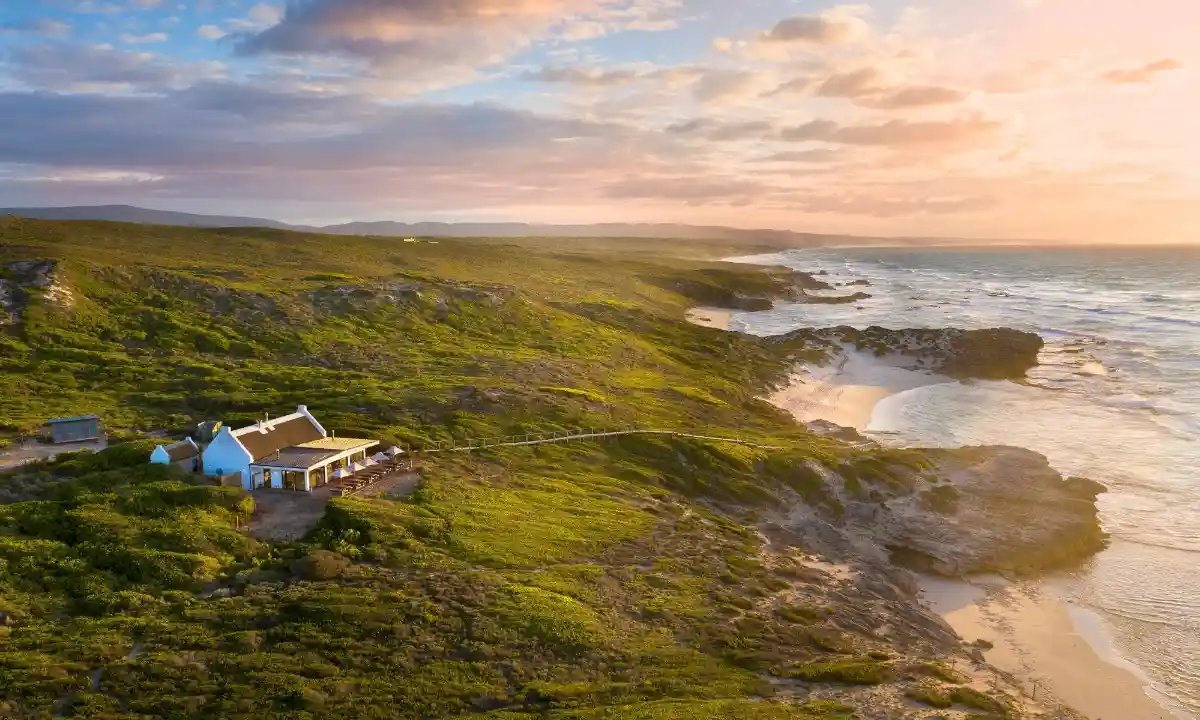
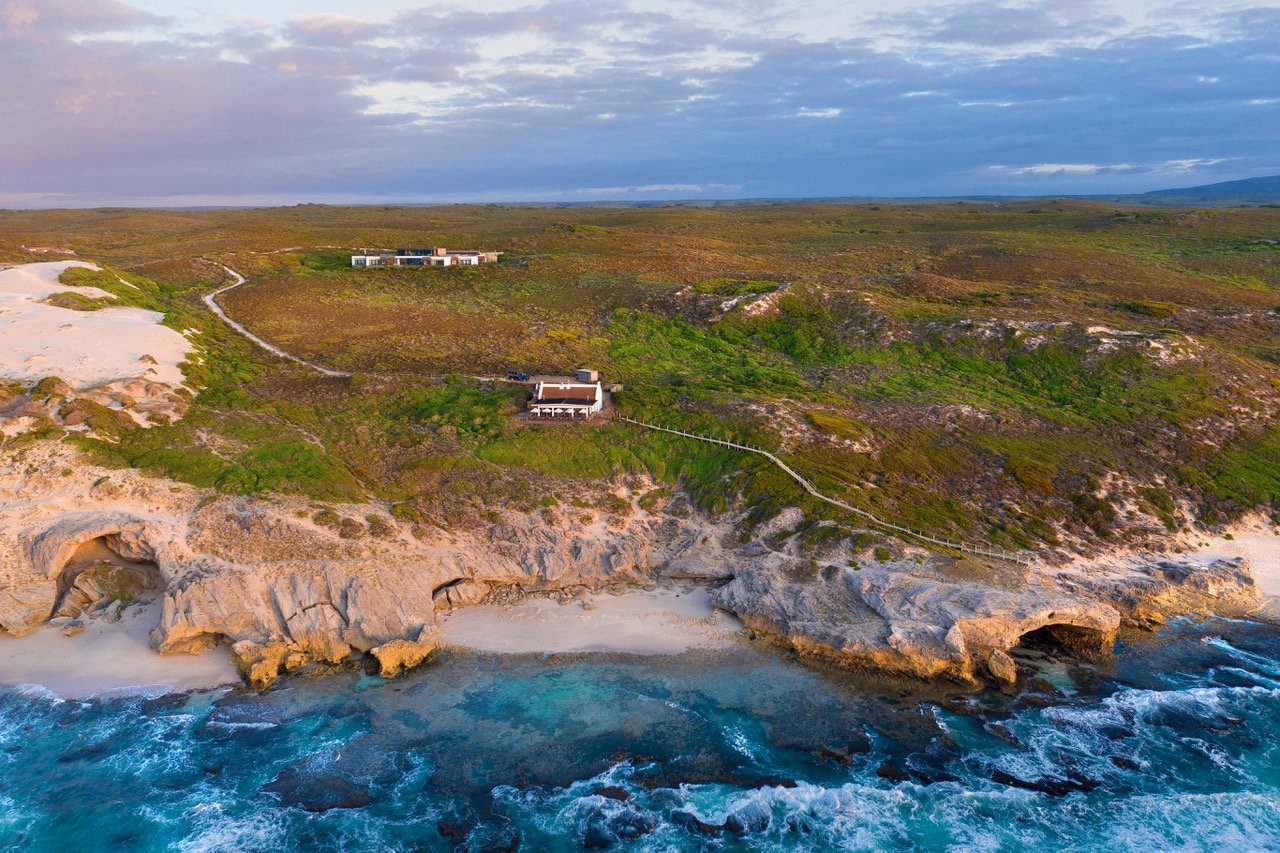
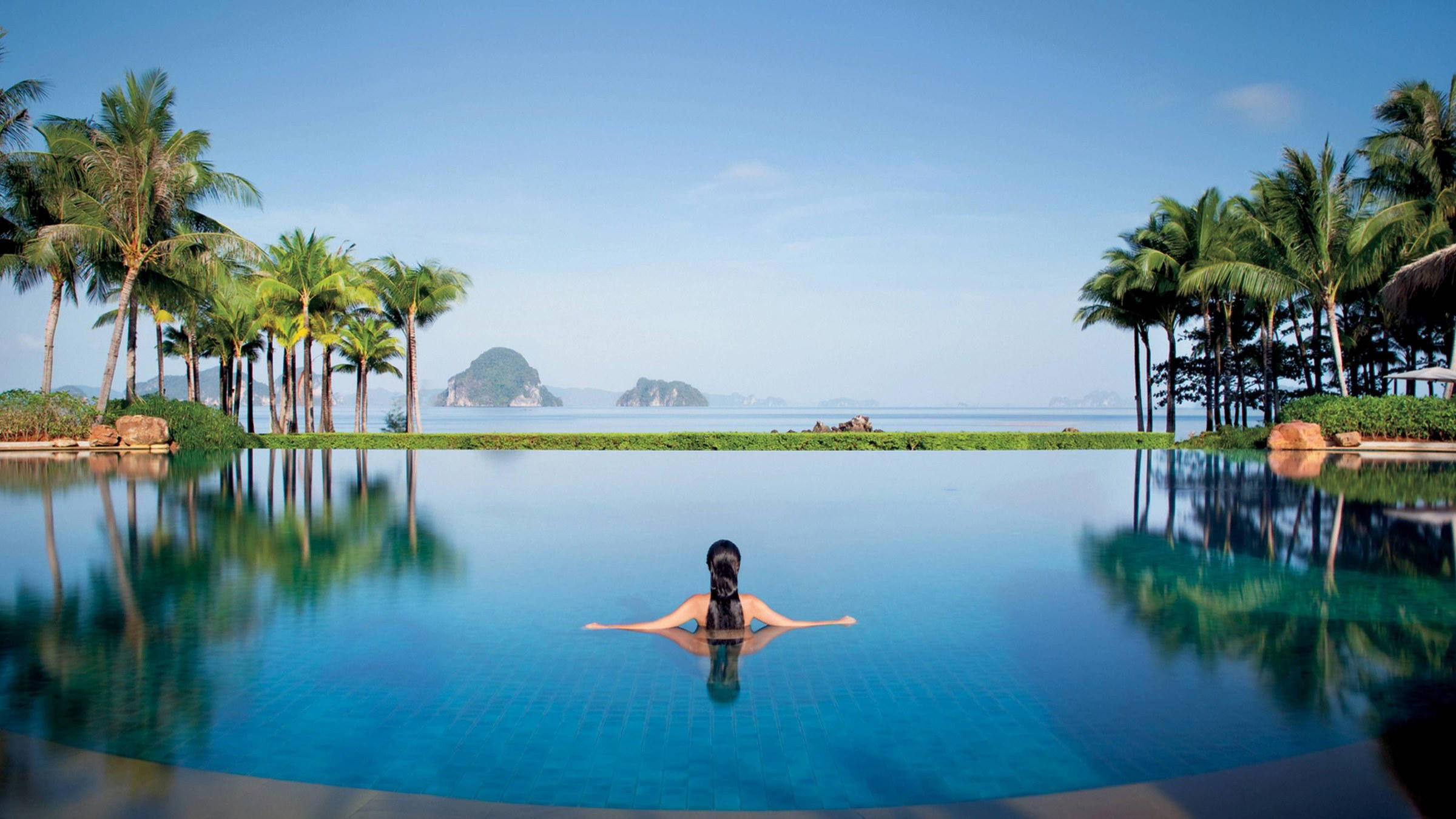
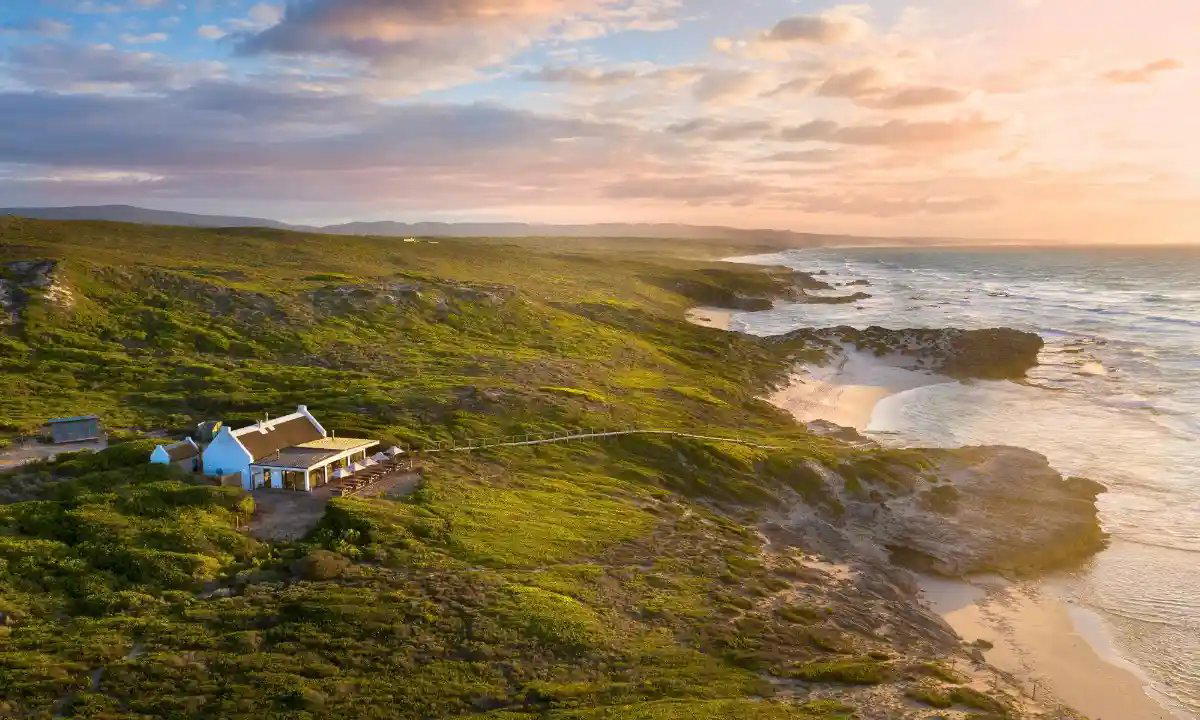
Morukuru Family De Hoop settles where coastal fynbos meets the Indian Ocean, and the landscape shapes the mood. Limestone cliffs, open dunes and an unbroken horizon create a powerfully scenic backdrop, while protection of the reserve since 1957 preserves an almost silent soundtrack of wind and birdcall. Architecture and service deliberately avoid domination of the setting, so the experience feels restrained, intimate and quietly luxurious. Guests encounter a serene, relaxed atmosphere — the sort of secluded coastal retreat that foregrounds nature rather than spectacle.
Best For
This is a place for low-key, nature‑centered stays: romantic getaways and honeymoons that prize private ocean scenery and quiet, anniversary escapes that favor solitude over flash, and weekend escapes aimed at restoring calm. The property name and positioning within De Hoop also align it with family stays where outdoor discovery and wildlife viewing are central. The combination of coastal panoramas and a protected fynbos landscape makes it especially appealing for travelers seeking a slow, scenic retreat rather than a high‑activity safari or urban break.
Stay Tips
Time your visit around the southern whale season — the property notes reliably frequent whale sightings between June and November — if marine wildlife is a priority. Allow the drive into De Hoop to be part of the experience: the approach moves from farmland to dense fynbos to dunes and an expansive coastal horizon, so plan for a measured arrival and daylight travel where possible. Given the reserve setting, prioritize accommodations or room locations that reference the ocean view when booking, and check seasonal availability for peak wildlife months.
Venue details
Ambiance
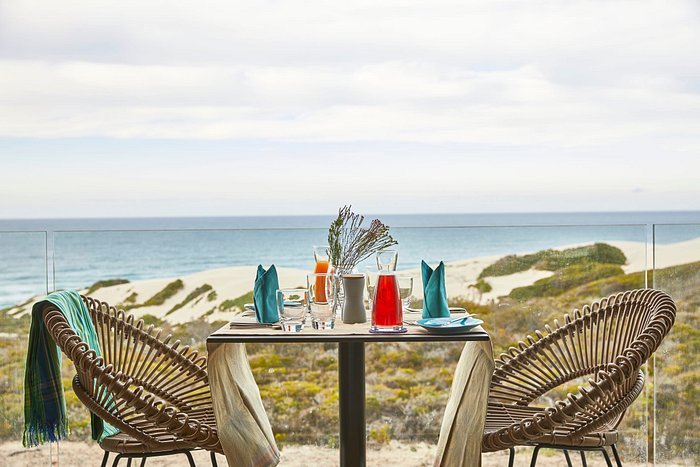
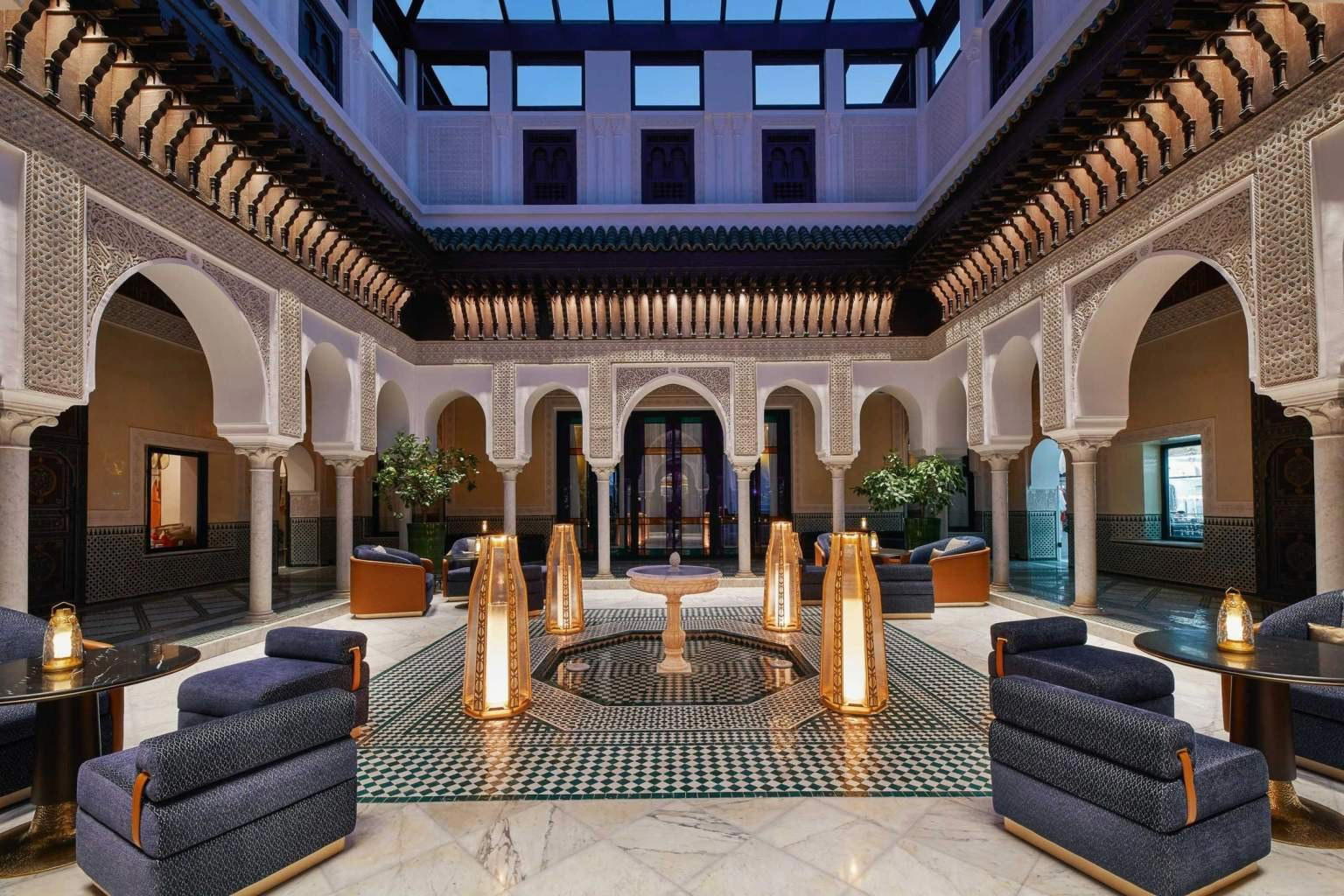
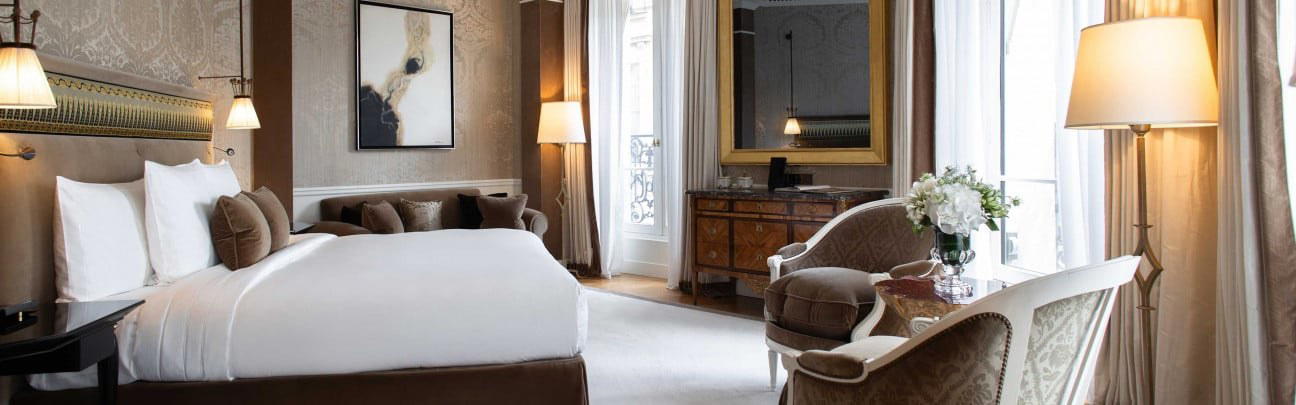
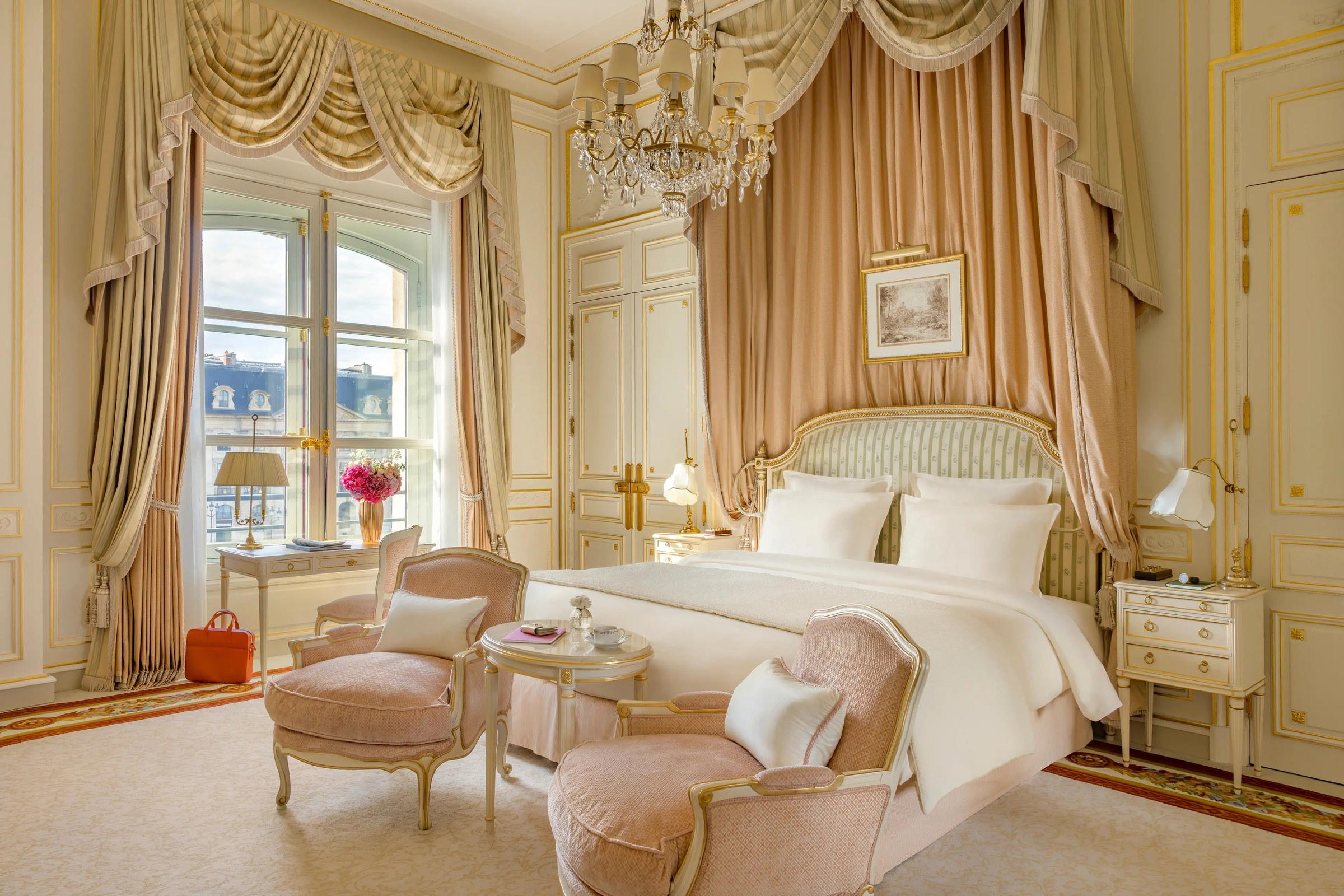
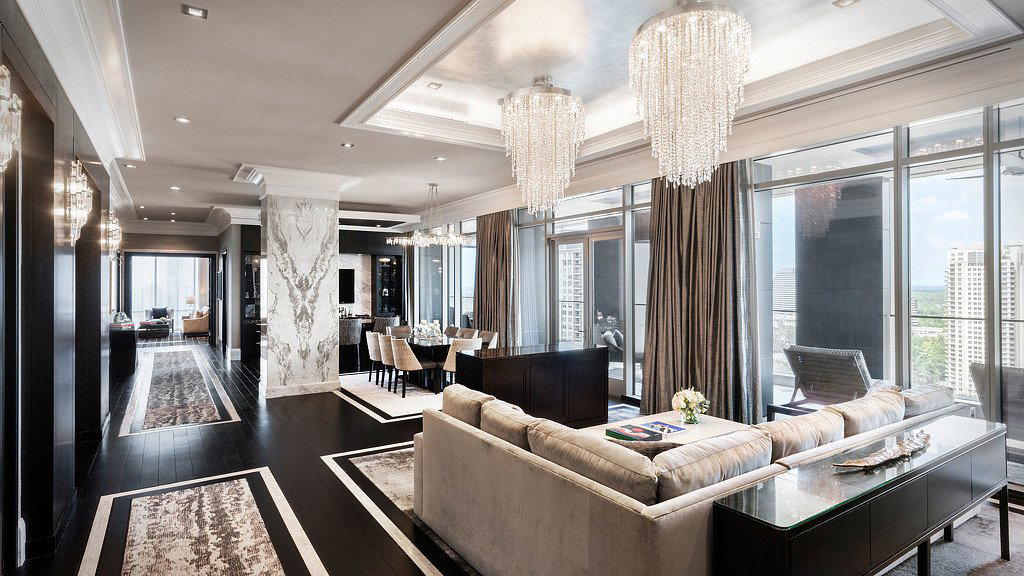
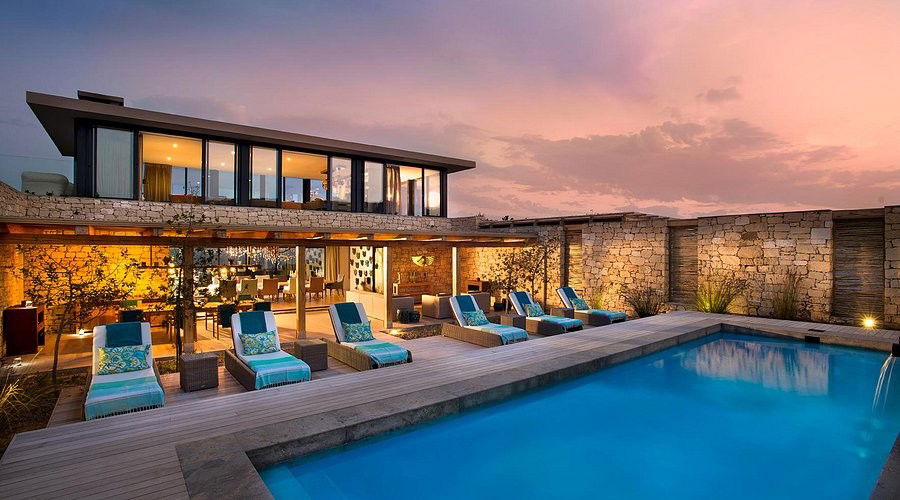
Airy and sophisticated with natural light from floor-to-ceiling windows, cozy fireplaces, wood and stone elements blending seamlessly with fynbos surroundings, and serene ocean vistas.
Tags
Vibe
Best For
Experience
Amenities
View
About the Stay
- Rooms
- 5
- Property Type
- Boutique hotel
- Property Style
- Exclusive Use Luxury Beach Lodge Blending Into Fynbos Landscape
- Design Style
- Airy Scandinavian Inspired with Reclaimed Wood, Stone Cladding, Fynbos Inspired Decor, and Natural Materials
- Breakfast
- Included
- Pool
- Yes
- Families
- Welcome
Know before you go
Know Before You Go
- Getting there
- De Hoop Avenue, De Hoop Nature Reserve, Swellendam, 6740
Planning details
Location
Recognition and awards


Also consider
Also Consider
- BloomEstate, Notable alternative
- Mont Eco Game Reserve, Notable alternative
- The Robertson Small Boutique Hotel, Notable alternative
- Grootbos Private Nature Reserve, Notable alternative
- Perivoli Lagoon House, Notable alternative
Hotel context
How it compares in and around De Hoop
Morukuru Family De Hoop is the safer choice if the priority is a polished reserve stay with external recognition. Perivoli Lagoon House is the closer cross-shop for travellers who want a similarly nature-led stay, while Grootbos Private Nature Reserve is the one to compare if the trip can stretch beyond De Hoop and the brief is a higher-profile private nature reserve experience.
For value and easier planning, BloomEstate and The Robertson Small Boutique Hotel make more sense if the reserve itself is not mandatory. Mont Eco Game Reserve is the better comparison for travellers deciding between wildlife-focused stays rather than hotel polish. Book Morukuru Family De Hoop when location inside De Hoop is the point; cross-shop these peers when price control, restaurant access, or a broader touring route matters more.
Explore De Hoop Nature Reserve
Around this place
Discover more on Pearl
Unlock the full Morukuru Family De Hoop guide in Pearl, including awards, comparisons, FAQs, planning details, and nearby places.
Compare Morukuru Family De Hoop
| Venue | Location | Awards |
|---|---|---|
| Morukuru Family De Hoop | De Hoop Nature Reserve | 2026 Relais Chateaux Hotels2026 La Liste Top Hotels2025 Relais Chateaux Award |
| BloomEstate | Swellendam | No published awards |
| Mont Eco Game Reserve | Montagu | No published awards |
| The Robertson Small Boutique Hotel | Robertson | No published awards |
| Grootbos Private Nature Reserve | Gansbaai | 2026 La Liste Top Hotels |
| Perivoli Lagoon House | Stanford | No published awards |
How Morukuru Family De Hoop compares with similar nearby venues.
FAQ
Frequently Asked Questions
When is the best time to book Morukuru Family De Hoop?
Book once your De Hoop Nature Reserve dates are fixed. The confirmed appeal is the reserve setting and hotel recognition, so timing should be driven by your overall stay plans rather than by a restaurant-specific draw.
Is Morukuru Family De Hoop good for business travel?
It is not possible to assess it as a standard business hotel. The La Liste Top Hotels (2026): 93.5pts and Relais Chateaux Award (2026) signal a recognized stay, while the De Hoop Nature Reserve location points more to a destination-led trip.
How is the dining at Morukuru Family De Hoop?
Treat the dining as part of a broader property stay, not the main reason to come on its own. The strongest confirmed trust signals are the La Liste Top Hotels (2026): 93.5pts and Relais Chateaux Award (2026); details on cuisine, chef, menu format, or price are not provided.
Do loyalty programs work at Morukuru Family De Hoop?
Loyalty-program information is not available. Plan around the De Hoop Nature Reserve stay and the confirmed hotel recognition rather than a points or benefits strategy.