
Grootbos Private Nature Reserve
Gansbaai
Hotel in Gansbaai, South Africa
 Book with Pearl
The Read
Fynbos-Integrated Conservation Lodge
Price
$500–750per night
Why go
Grootbos Private Nature Reserve is worth considering for a first Gansbaai trip if the reserve setting is the point of the stay, not a side benefit. Its La Liste Top Hotels 2026 score adds a credible quality signal, but travelers chasing loyalty perks, dense dining, or a beach-town rhythm should compare carefully before committing.
About Grootbos Private Nature Reserve
For a first Gansbaai stay, the booking case is straightforward: Grootbos Private Nature Reserve is in Gansbaai, has a smart-casual dress code, and is listed in La Liste Top Hotels (2026) with 96pts. That gives travelers a clear quality signal, while room types, dining formats, prices, facilities, and services should be checked directly before booking.
First-timers should contact the venue before booking to confirm current accommodation details, inclusions, dining arrangements, arrival guidance, and any on-property facilities. If the goal is to compare different styles of stay in the area, use broader Gansbaai planning resources to weigh alternatives before committing.
Book for the quality signal, then confirm the details
The strongest hook is the La Liste Top Hotels (2026) score of 96pts. Beyond that, do not assume a specific hotel-program structure, upgrade policy, activity schedule, dining package, or set of included benefits unless the venue confirms it for your dates.
That matters because a premium stay can depend heavily on the details. Before confirming, ask what is included, what the dress code means in practice, how dining is handled, and whether any facilities or experiences you care about are available during your stay. If benefits or specific amenities matter more than the overall venue choice, compare the direct booking information carefully against other options.
Who should choose this property
Choose Grootbos Private Nature Reserve if you want a Gansbaai stay with a premium recognition signal and you are comfortable checking the finer details before booking. It is a weaker fit for travelers who need fully published information on cuisine, pricing, facilities, or service format before they decide. For planning around the area rather than the property itself, cross-check current Gansbaai resources for dining, bars, wineries, and experiences.
For a broader regional hotel comparison, keep the choice focused on the details that matter to your trip rather than assuming a particular style of stay. Birkenhead House, Erinvale Estate Hotel & Spa, Mosselberg on Grotto Beach, Perivoli Lagoon House, and The Marine are useful names to compare when mapping out the wider region, while other dining in Gansbaai can be considered generically once you know how much time you plan to spend away from the property.
The decision is simple: book if Grootbos Private Nature Reserve's Gansbaai setting and La Liste Top Hotels 2026 recognition are enough to make it a priority, and confirm the operational details directly. Skip it if you need specific published information on rooms, dining, pricing, or facilities before choosing.
Planning details
- Location
- R43, Gansbaai, 7220
- Website
- grootbos.com/en
- Phone
- +27 28 384 8053
The take
The Take
The Vibe
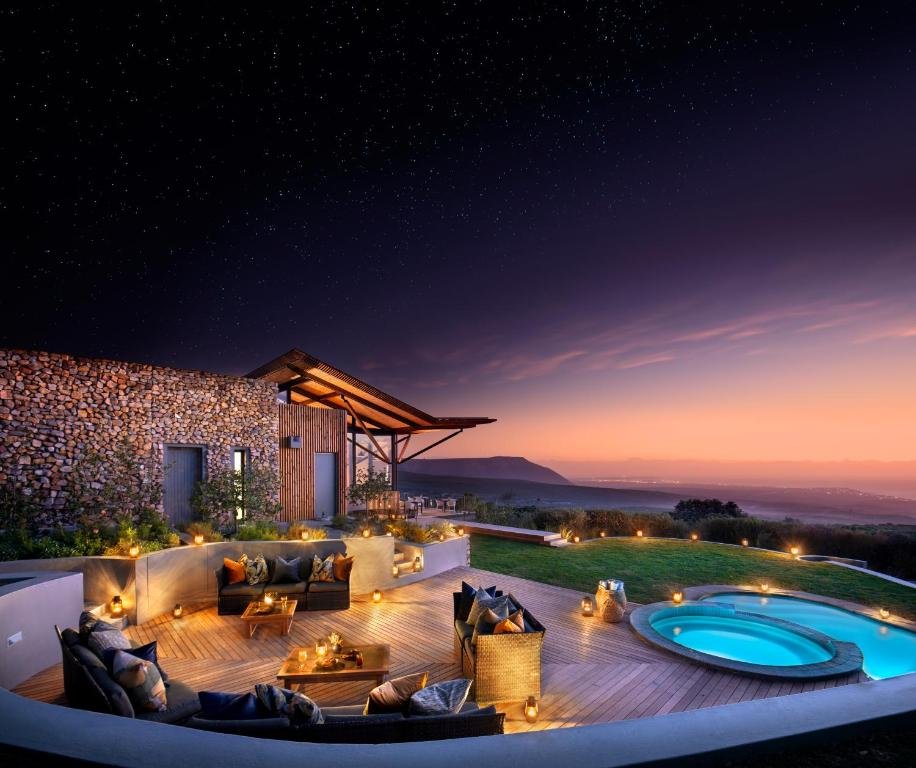
Grootbos reads like a conservation-minded luxury retreat where the landscape is the principal design element. The reserve’s 2,500 hectares of fynbos, milkwood forests and coastal ridgelines create a calm, restorative atmosphere; guests often watch southern right whales breach close to shore from elevated viewpoints. The editorial tone positions the property between serious conservation work and polished hospitality—its placement on La Liste underscores consistent service and design coherence rather than urban flash. The result is a serene, characterful address that feels both iconic within the Cape coast circuit and quietly intimate, built around the rhythms of place rather than metropolitan theatrics.
Best For
Grootbos is best for travelers looking for a nature-focused luxury escape. Couples seeking a romantic getaway or honeymoon will appreciate the sweeping coastal views and secluded setting, while families who enjoy outdoor discovery find a broad, accessible reserve to explore. The property’s quiet, restorative qualities also suit short wellness breaks and weekend escapes when guests want to unplug and reconnect with the landscape. Its conservation-oriented identity appeals to visitors who prioritize biodiversity and thoughtful stewardship alongside elevated accommodation.
Stay Tips
Book well in advance—the property's international recognition and limited, conservation-minded footprint suggest high demand and fewer rooms than typical coastal hotels. Plan time for coastal viewing from the reserve’s ridgelines; the description notes whales can be seen close to shore without optical aids. Pack for outdoor exploration of fynbos and coastal terrain and expect a stay structured around nature experiences rather than urban sightseeing. Confirm arrival logistics ahead of time given the reserve’s location between Gansbaai and Hermanus and ask the property about available interpretive activities or guided walks to make the most of the landscape.
Venue details
Ambiance
Warm and romantic with subtle lighting from cozy fireplaces, panoramic ocean views, and harmonious natural textures creating a peaceful retreat amidst fynbos and ancient forests.
Tags
Vibe
Best For
Experience
Amenities
View
About the Stay
- Rooms
- 27
- Check-in
- 14:00
- Check-out
- 11:00
- Property Type
- Eco-lodge
- Property Style
- Family Run Eco Luxury Nature Reserve with Two Lodges and Private Villas
- Design Style
- Contemporary Freestanding Suites Blending Natural Textures, Timber, Brick, and Large Windows
- Breakfast
- Included
- Airport Transfer
- Available
- Pool
- Yes
- Spa
- Yes
- Families
- Welcome
- Cancellation
- Strict
Know before you go
Know Before You Go
- Getting there
- R43, Gansbaai, 7220
Planning details
Location
Recognition and awards

Also consider
Also Consider
- Perivoli Lagoon House, Notable alternative
- Mosselberg on Grotto Beach, Notable alternative
- Birkenhead House, Notable alternative
- The Marine, Notable alternative
- Erinvale Estate Hotel & Spa, Notable alternative
Hotel context
How it compares in the wider Gansbaai and Overberg set
Perivoli Lagoon House is the closer cross-shop for travelers who want a quieter, residential-feeling escape, while Grootbos Private Nature Reserve makes more sense when the reserve setting is the main event. With booking difficulty marked easy, Grootbos is a practical choice for travelers who do not want a high-friction reservation process but still want a recognised luxury-hotel signal.
Mosselberg on Grotto Beach, Birkenhead House, and The Marine are better comparisons if the reader wants a more obviously coastal hotel mood. Choose those when beach proximity, town access, or a classic seaside stay matters more than being based on a private nature reserve. Choose Grootbos when space, separation, and a destination-reserve feel carry more weight.
Erinvale Estate Hotel & Spa is the more conventional estate-hotel alternative and likely the cleaner fit for travelers prioritising resort-style familiarity. Grootbos is the sharper choice for a first-timer who wants the Overberg landscape to define the stay; Erinvale is easier to justify when the trip needs broader hotel infrastructure over a stronger sense of place.
Explore Gansbaai
Around this place
Discover more on Pearl
Unlock the full Grootbos Private Nature Reserve guide in Pearl, including awards, comparisons, FAQs, planning details, and nearby places.
Compare Grootbos Private Nature Reserve
| Venue | Location | Awards |
|---|---|---|
| Grootbos Private Nature Reserve | Gansbaai | 2026 La Liste Top Hotels |
| Perivoli Lagoon House | Stanford | No published awards |
| Mosselberg on Grotto Beach | Hermanus | 2026 La Liste Top Hotels |
| Birkenhead House | Hermanus | 2026 Virtuoso Luxury Hotel Collection2026 Mr & Mrs Smith Luxury HotelsLeading Hotels of the World 20262026 La Liste Top Hotels |
| The Marine | Hermanus | 2025 Michelin Selected HotelsSmall Luxury Hotels Member 2025 |
| Erinvale Estate Hotel & Spa | Cape Town | Preferred Hotels Member 2025 |





How Grootbos Private Nature Reserve Gansbaai compares with similar nearby venues.
FAQ
Frequently Asked Questions
What is check-in like at Grootbos Private Nature Reserve?
Confirm the check-in process directly with the venue. Grootbos Private Nature Reserve is in Gansbaai, so ask about arrival instructions, timing, parking, and any transfer details before travel.
How is the pool and spa at Grootbos Private Nature Reserve?
Pool and spa details should be checked directly if wellness facilities are important to your stay. The key premium signal is its La Liste Top Hotels (2026) score of 96pts.
How is the location of Grootbos Private Nature Reserve?
Grootbos Private Nature Reserve is in Gansbaai. If location details are important for your itinerary, confirm the exact arrival route and travel time directly with the venue. Compared with The Marine or Birkenhead House, it should be assessed on its own merits rather than assumptions about a specific hotel style.
How does Grootbos Private Nature Reserve compare to regional hotels?
Choose Grootbos Private Nature Reserve if its Gansbaai location and La Liste Top Hotels 2026 recognition are the main draw. For a wider regional comparison, consider Birkenhead House, Erinvale Estate Hotel & Spa, Mosselberg on Grotto Beach, Perivoli Lagoon House, and The Marine, then check each property's current details directly.