
DALAT PALACE HERITAGE HOTEL
Dalat City Center, Dalat City
Hotel in Dalat City, Vietnam
 Book with Pearl
The Read
Price
$100–200per night
Why go
Book DALAT PALACE HERITAGE HOTEL if the Dalat trip is about atmosphere, heritage character, and a quieter mountain-city base. It is a stronger fit for couples and slower return visits than for travelers prioritizing beach-resort facilities, loyalty certainty, or a large pool-and-spa program.
About DALAT PALACE HERITAGE HOTEL
DALAT PALACE HERITAGE HOTEL in Dalat City has 2025 World Luxury Hotel Awards recognition, including WLHA Country Winner and WLHA Regional Winner. With a smart casual dress code, it is a Dalat City hotel worth confirming directly before booking.
For travelers seeking a concise starting point, the key details to check with the hotel are room categories, dining, spa facilities, pool access, prices, service style, and detailed location information.
Book for a Dalat City stay with award recognition
The clearest point is the hotel's 2025 World Luxury Hotel Awards recognition. That makes it relevant for travelers building a shortlist around recognized hotels in Dalat City, especially when the trip is centered on the city rather than a coastal resort stay.
This is not a page to use for comparing pools, spas, room sizes, restaurants, or package inclusions. Confirm those details directly with the hotel before treating them as part of the booking decision.
Who should book, and who should cross-shop
Consider DALAT PALACE HERITAGE HOTEL if you specifically want a Dalat City hotel with 2025 World Luxury Hotel Awards recognition. It is also worth noting the smart casual dress code when planning what to pack.
If your shortlist extends beyond Dalat City, compare the decision against other hotel options such as Best Western Premier Marvella Nha Trang Hotel, Melia Vinpearl Cam Ranh, Mia Resort Nha Trang, Potique Hotel, and Radisson Blu Resort, Cam Ranh. Those properties should be considered on their own terms rather than as Dalat City alternatives.
Planning details
- Location
- 2 Đ. Trần Phú, Xuân Hương - Đà Lạt, Lâm Đồng, Vietnam
- Website
- dalatpalacehotel.com
- Phone
- +84 263 3825 444
The take
The Take
The Vibe
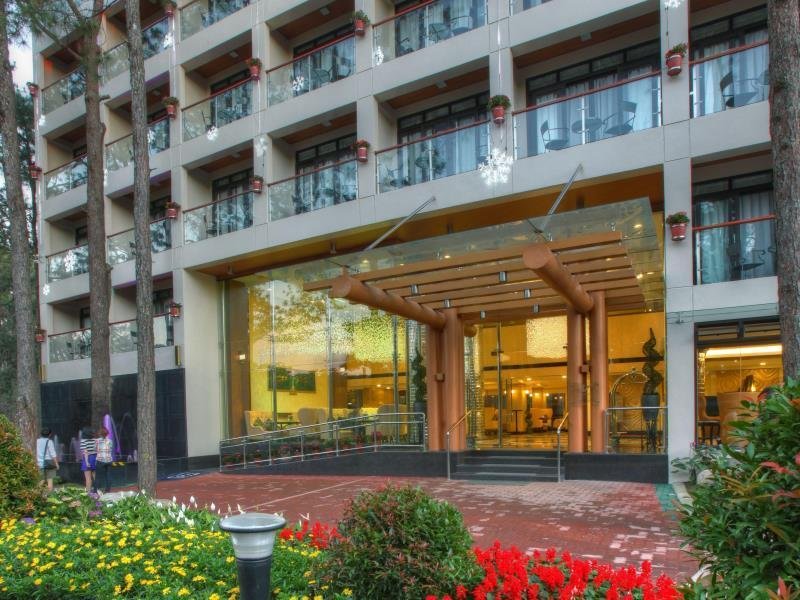
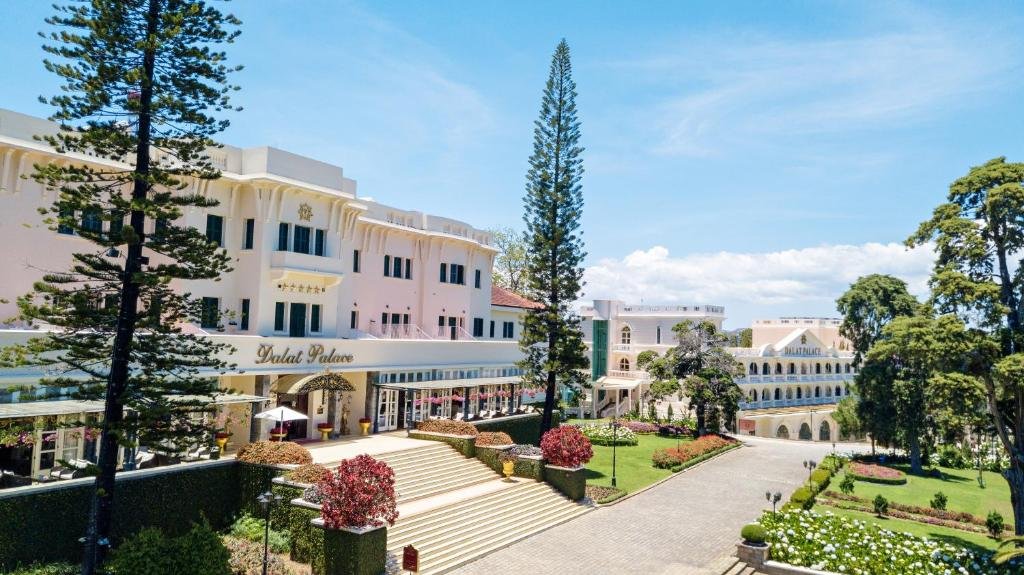
The Dalat Palace Heritage Hotel presents heritage first and hospitality second — a civic‑scale colonial building that reads as an architectural statement as much as a place to stay. Completed in 1922, its colonnaded façade, arched windows at the piano nobile and shuttered openings articulate French colonial eclecticism with restrained refinement. Perched above Xuan Huong Lake and set among pine forests and mist, the property feels measured and timeless rather than trendy. The tone is one of preserved dignity: rooms and public spaces inherit the building’s institutional gravitas, and the overall mood foregrounds history, quiet scenery and an unhurried formality.
Best For
This hotel is well suited to couples seeking a romantic or celebratory escape — its lakeside perch and preserved colonial architecture naturally lend themselves to honeymooners and anniversary stays. At the same time, the property’s recognition as a Luxury Hotel and Conference Centre signals readiness for business travel and organized corporate gatherings; groups and delegates find a dignified, historically anchored setting for meetings and events. Travelers who prioritize architecture, scenic outlooks and a serene pace over contemporary, design‑forward flash will get the most from a stay here.
Stay Tips
When booking, request a room with a lake view to make the most of the hotel’s position overlooking Xuan Huong Lake. The description highlights architectural features such as the piano nobile level; if you care about historic details, ask whether rooms occupy the original, restored wing versus later additions. For planners, the property’s award referencing a conference centre suggests you should reserve event dates well in advance and confirm meeting capacities. Expect a heritage‑forward experience rather than ultra‑modern amenities; flag any specific modern conveniences you need when you book.
Venue details
Ambiance
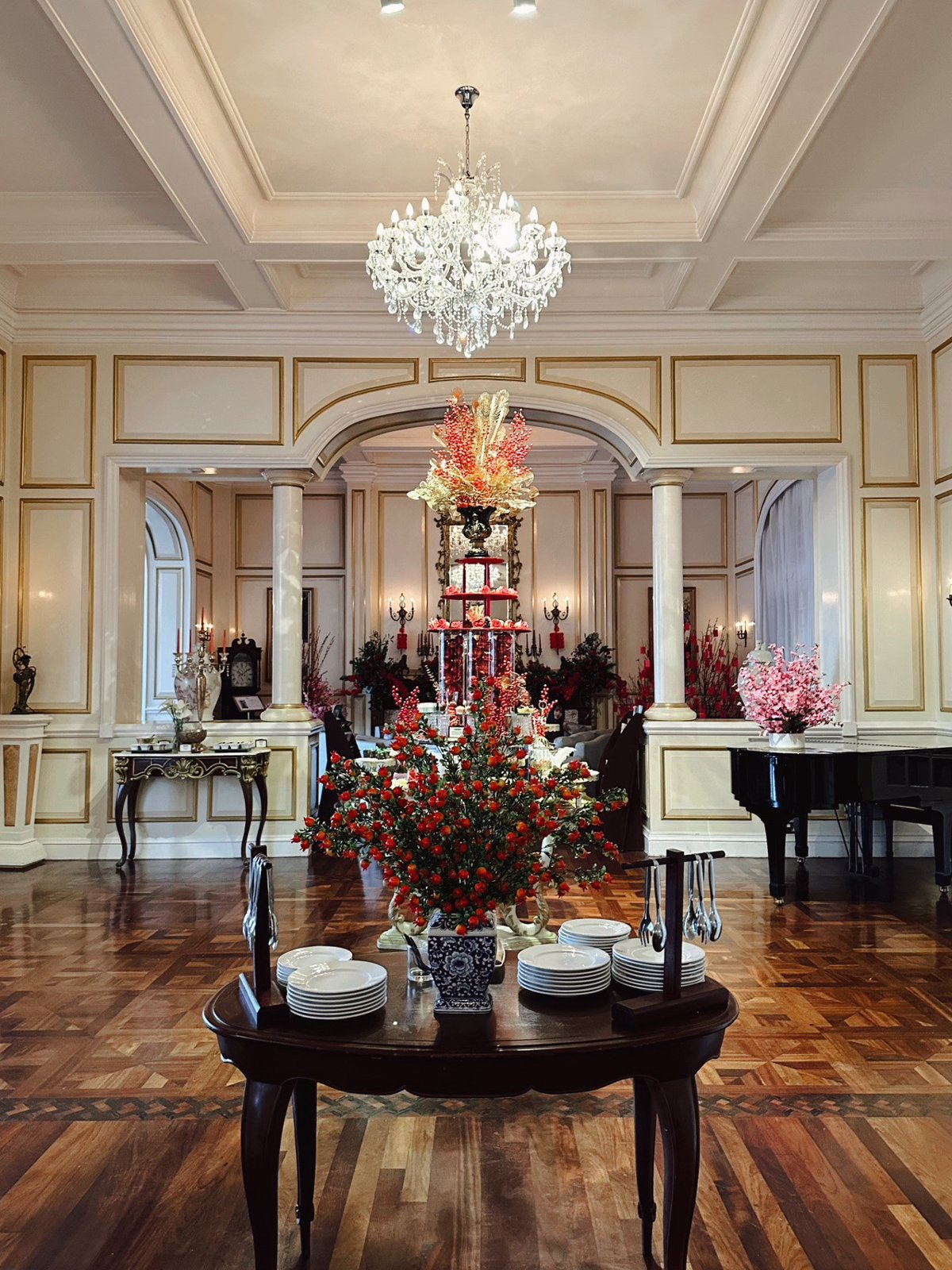
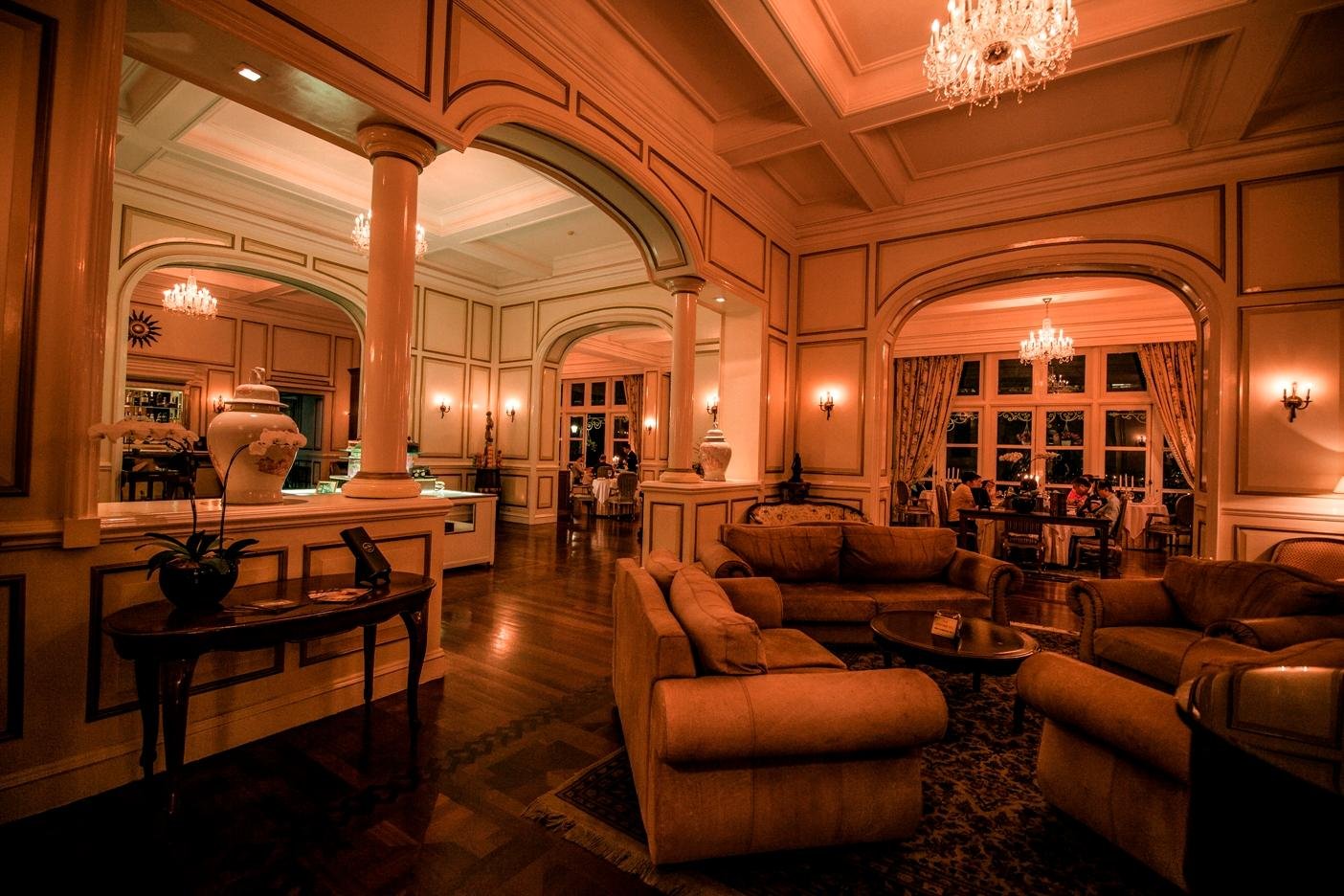
Elegant colonial atmosphere with chandeliers, fireplaces, and serene garden settings praised for its tranquil retreat feel.
Tags
Vibe
Best For
Experience
Amenities
View
Accessibility
About the Stay
- Rooms
- 73
- Property Type
- Heritage hotel
- Property Style
- French Colonial Heritage Property with Art Deco Architecture
- Design Style
- Elegant 1920s Colonial Style Featuring Chandeliers, Fireplaces, Hardwood Floors, and Ornate Furnishings
- Airport Transfer
- Available
- Spa
- Yes
- Families
- Welcome
Know before you go
Know Before You Go
- Getting there
- 2 Đ. Trần Phú, Xuân Hương - Đà Lạt, Lâm Đồng, Vietnam
Planning details
Location
2 Đ. Trần Phú, Xuân Hương - Đà Lạt, Lâm Đồng, Vietnam · Directions
Recognition and awards
Also consider
Also Consider
- Melia Vinpearl Cam Ranh, Notable alternative
- Radisson Blu Resort, Cam Ranh, Notable alternative
- Mia Resort Nha Trang, Notable alternative
- Best Western Premier Marvella Nha Trang Hotel, Notable alternative
- Potique Hotel, Notable alternative
Hotel context
How It Compares
Against the listed peers, DALAT PALACE HERITAGE HOTEL is the Dalat atmosphere pick. Choose it for a cooler city stay with heritage character and easier booking friction. Choose Melia Vinpearl Cam Ranh or Radisson Blu Resort, Cam Ranh if the trip is built around Cam Ranh resort time rather than Dalat's mountain-city pace.
Mia Resort Nha Trang is the better cross-shop for a softer coastal escape, while Best Western Premier Marvella Nha Trang Hotel makes more sense for travelers who want a Nha Trang hotel base with a more conventional city-and-sea setup. Potique Hotel is the closer comparison for guests who want a designed city hotel feel rather than a full resort stay.
Value depends on the trip type. For Dalat, the award signal and heritage mood justify considering this hotel first. For families, beach time, or a facilities-led holiday, the Cam Ranh and Nha Trang options are the safer match.
Explore Dalat City
Around this place
Discover more on Pearl
Unlock the full DALAT PALACE HERITAGE HOTEL guide in Pearl, including awards, comparisons, FAQs, planning details, and nearby places.
Compare DALAT PALACE HERITAGE HOTEL
| Venue | Location | Awards |
|---|---|---|
| DALAT PALACE HERITAGE HOTEL | Dalat City | World Luxury Hotel Awards 2025 |
| Melia Vinpearl Cam Ranh | Cam Ranh | No published awards |
| Radisson Blu Resort, Cam Ranh | Khanh Hoa Province | No published awards |
| Mia Resort Nha Trang | Nha Trang | No published awards |
| Best Western Premier Marvella Nha Trang Hotel | Nha Trang | No published awards |
| Potique Hotel | Nha Trang | No published awards |
How DALAT PALACE HERITAGE HOTEL: Awards compares with similar nearby venues.
FAQ
Frequently Asked Questions
How does DALAT PALACE HERITAGE HOTEL compare to other hotels?
DALAT PALACE HERITAGE HOTEL is a Dalat City hotel with World Luxury Hotel Awards 2025 recognition, including WLHA Country Winner and WLHA Regional Winner. For comparisons outside Dalat City, consider options such as Melia Vinpearl Cam Ranh or Radisson Blu Resort, Cam Ranh.
How is the pool and spa at DALAT PALACE HERITAGE HOTEL?
Do loyalty programs work at DALAT PALACE HERITAGE HOTEL?
Loyalty-program details are not available here. If status benefits or points earning matter, confirm directly before booking and compare with other hotel options such as Best Western Premier Marvella Nha Trang Hotel where relevant.