


Anantara Chiang Mai Resort
Mueang Chiang Mai, Chiang Mai
Hotel in Chiang Mai, Thailand
 Book with Pearl
The Read
Mae Ping Riverside Positioning
Price
$200–300per night
Why go
Anantara Chiang Mai Resort is the right Chiang Mai pick when the hotel needs to feel like part of the occasion, not just a base. Its Chang Khlan location suits couples and celebration trips better than pure business stays, with La Liste, Virtuoso, Mr & Mrs Smith, and MICHELIN hotel recognition adding useful confidence.
About Anantara Chiang Mai Resort
For Chiang Mai trips where the hotel choice needs to be based on strong signals, Anantara Chiang Mai Resort has a useful recognition profile. The accolades include La Liste Top Hotels 2026 with 95.5pts, Virtuoso Luxury Hotel Partner 2026, Mr & Mrs Smith Seal of Approval 2026, and MICHELIN Guide, Hotels Selected 2025. Those third-party signals make it easier to shortlist for a stay in Chiang Mai.
The clearest reason to consider it is simple: it is an award-recognised Chiang Mai resort with several hotel recognitions. The dress code is smart casual.
Book it for a recognised Chiang Mai resort stay
The value case depends on what the guest wants the hotel to do. Compared with Chiang Mai Marriott Hotel and Le Méridien Chiang Mai, Anantara Chiang Mai Resort is best framed as a recognised resort in Chiang Mai. Sala Lanna Chiang Mai Hotel, Meliá Chiang Mai, and Away Chiang Mai Thapae Resort - A Vegan Retreat are also useful Chiang Mai comparisons when building a hotel shortlist.
Recognition stack is the most concrete planning signal here: La Liste Top Hotels 2026, Virtuoso Luxury Hotel Partner 2026, Mr & Mrs Smith Seal of Approval 2026, and MICHELIN Guide, Hotels Selected 2025 all point to a property that has been noticed by multiple hotel-focused sources. Awards do not guarantee a flawless stay, but they can reduce uncertainty for a booking where the hotel itself matters.
Who should choose Anantara Chiang Mai Resort
Guests who want an award-recognised resort in Chiang Mai get the clearest use case. Travelers whose priority is a specific room configuration, exact facilities, loyalty mechanics, dining program, or a particular location within the city should verify those details directly before committing.
For planning, use Pearl's city pages to decide whether this should be the anchor hotel or one stop in a wider itinerary: our full Chiang Mai hotels guide, our full Chiang Mai restaurants guide, our full Chiang Mai bars guide, and our full Chiang Mai experiences guide. Quick reference: choose this if you want a Chiang Mai resort with confirmed third-party hotel recognition and a smart casual dress code.
Part of
Anantara51 locations on PearlPlanning details
- Location
- 123, 1 Charoen Prathet Rd, Tambon Chang Khlan, Amphoe Mueang Chiang Mai, Chang Wat Chiang Mai 50100
- Website
- anantara.com/chiang-mai
- Phone
- +66 53 253 333
The take
The Take
The Vibe
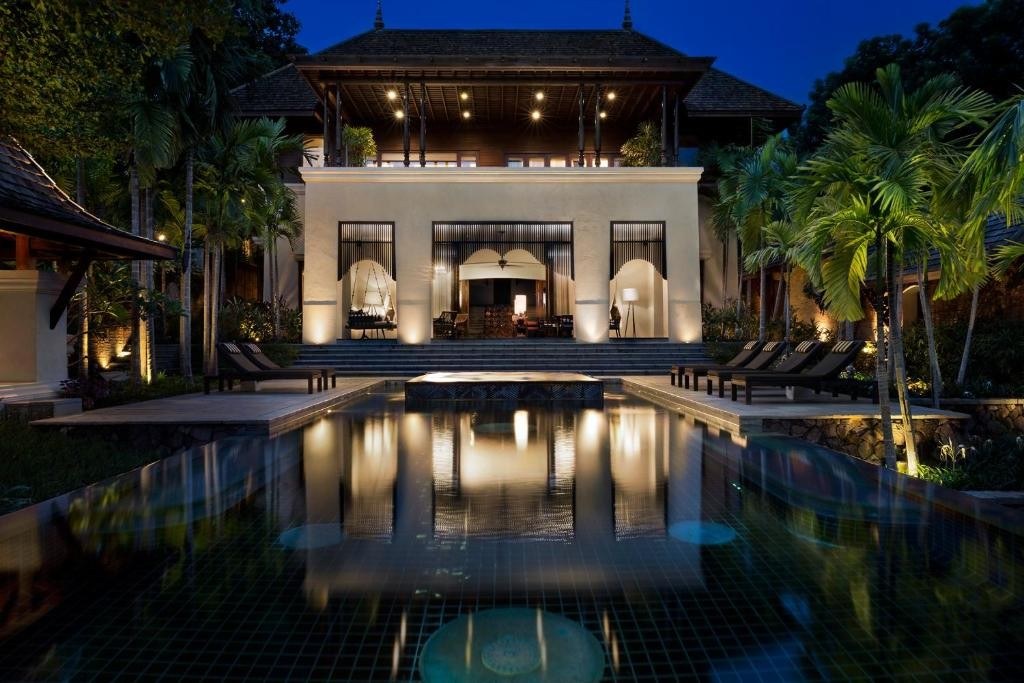
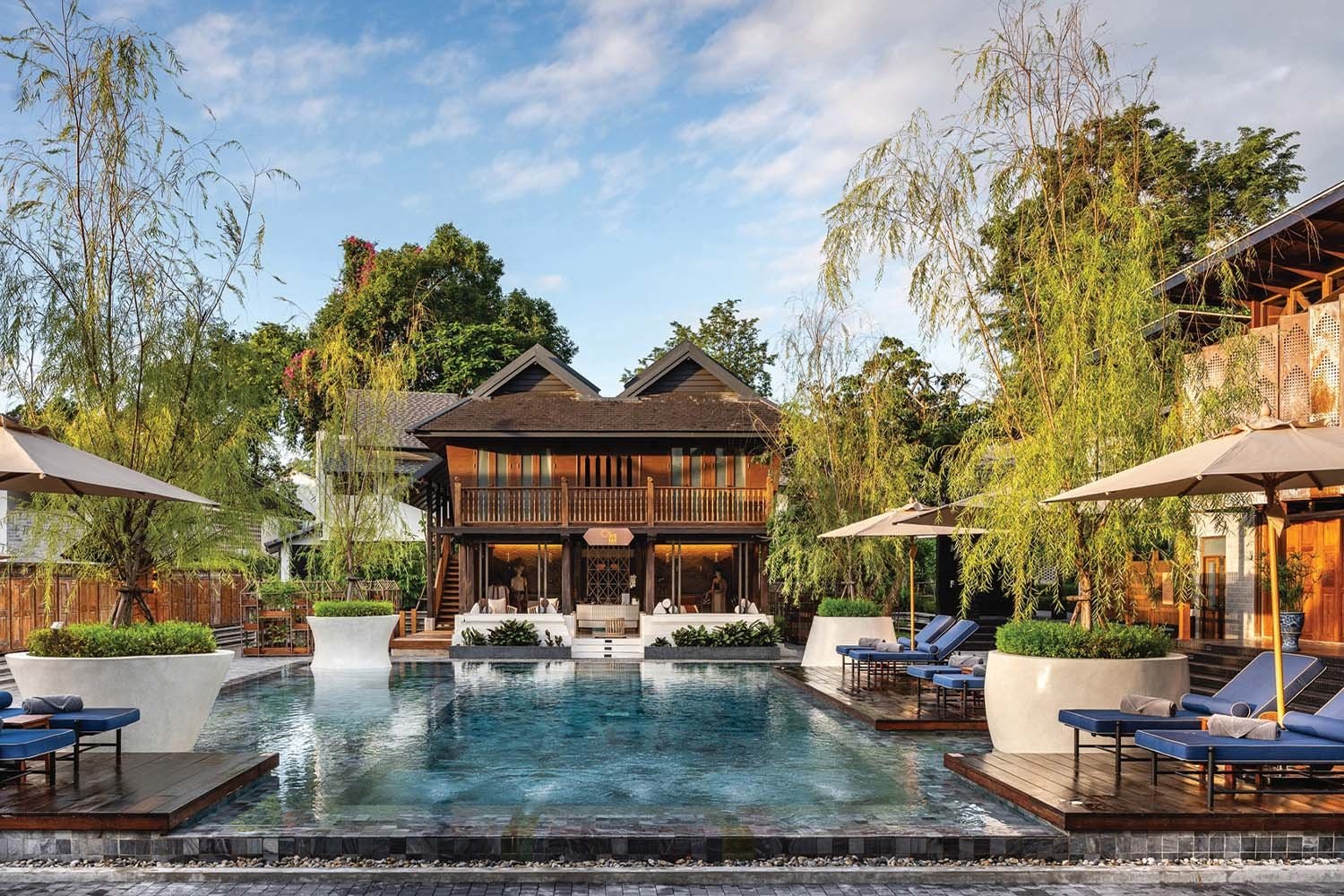
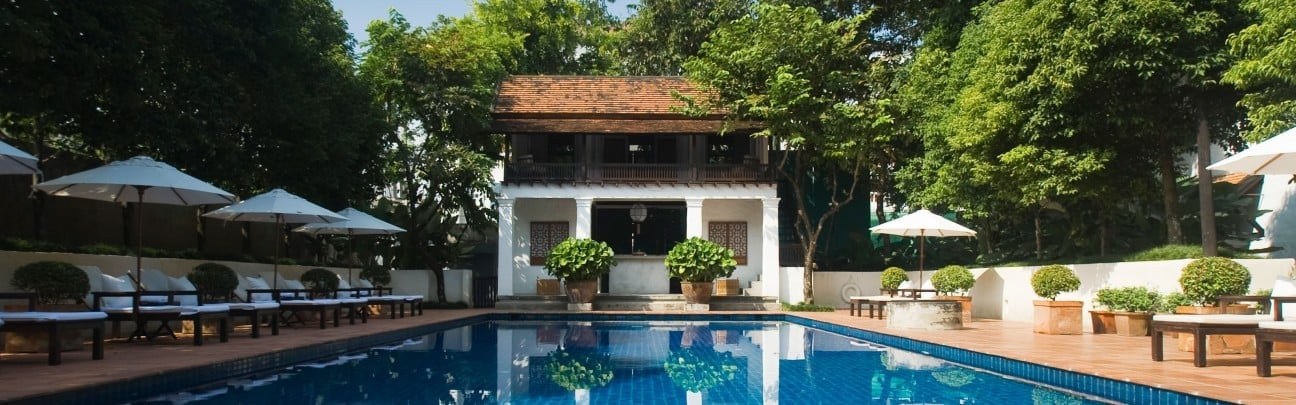
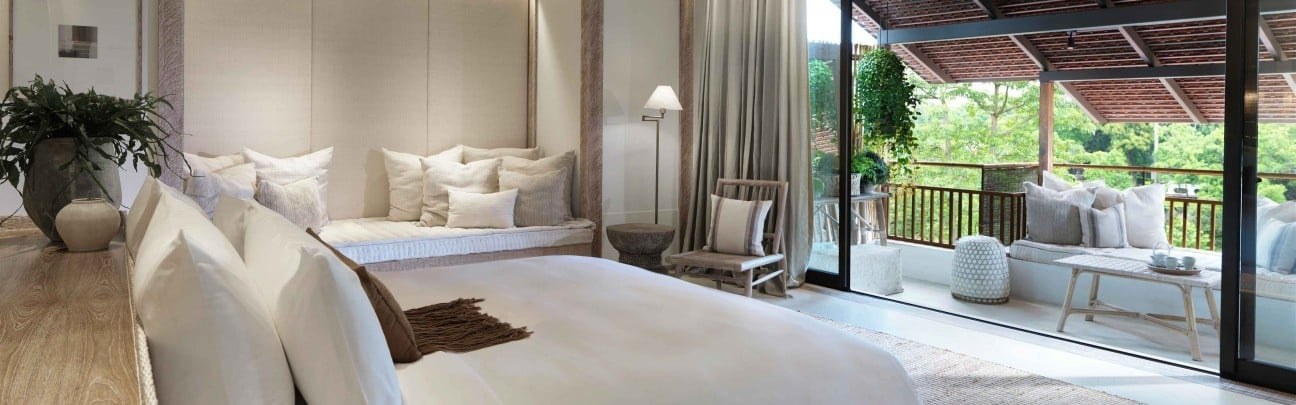
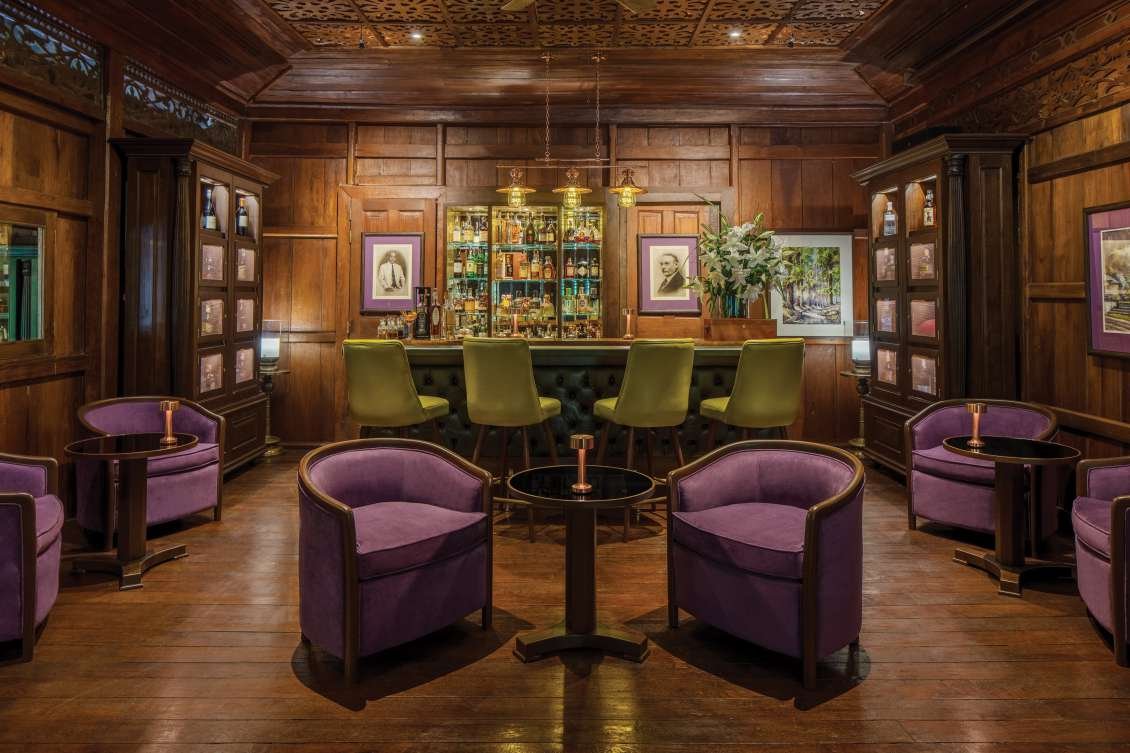
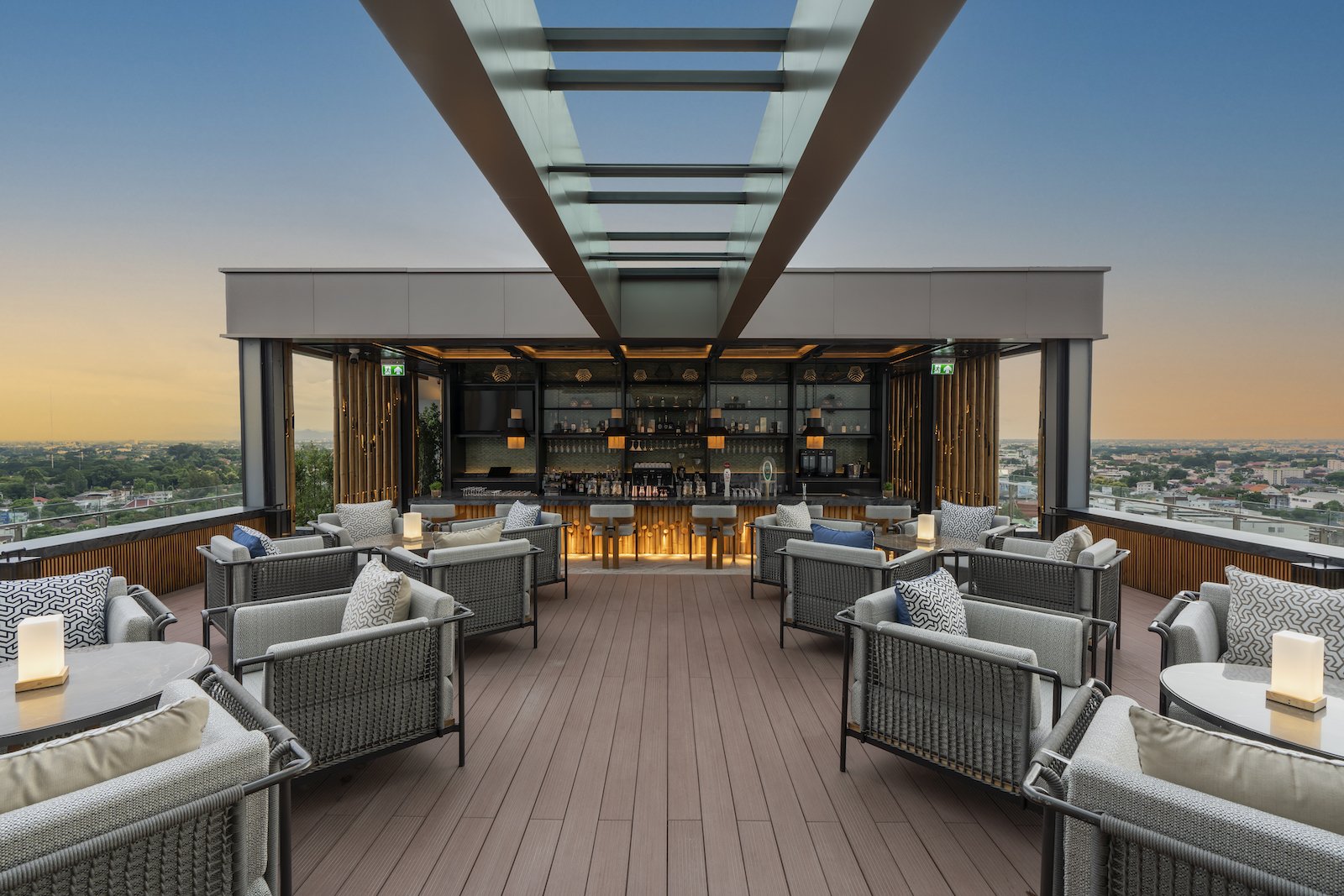
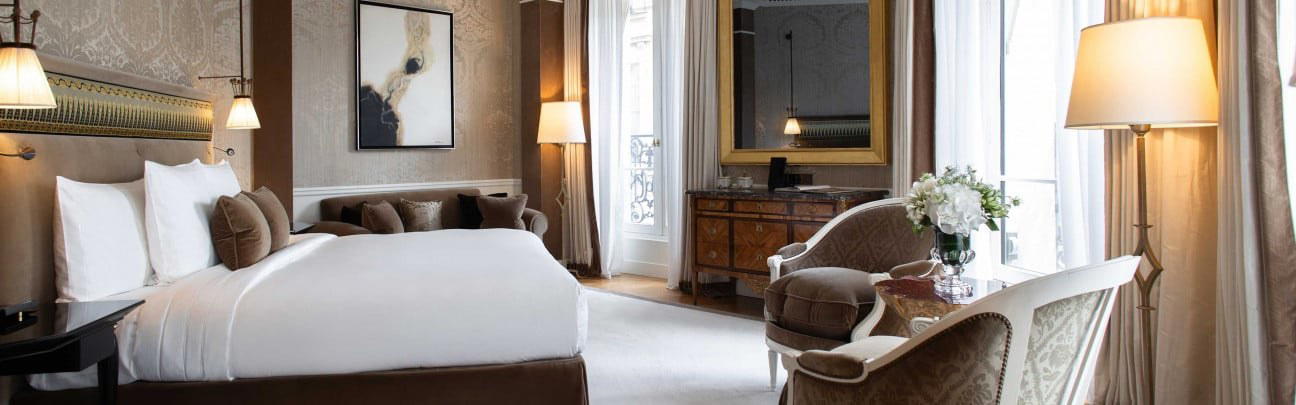
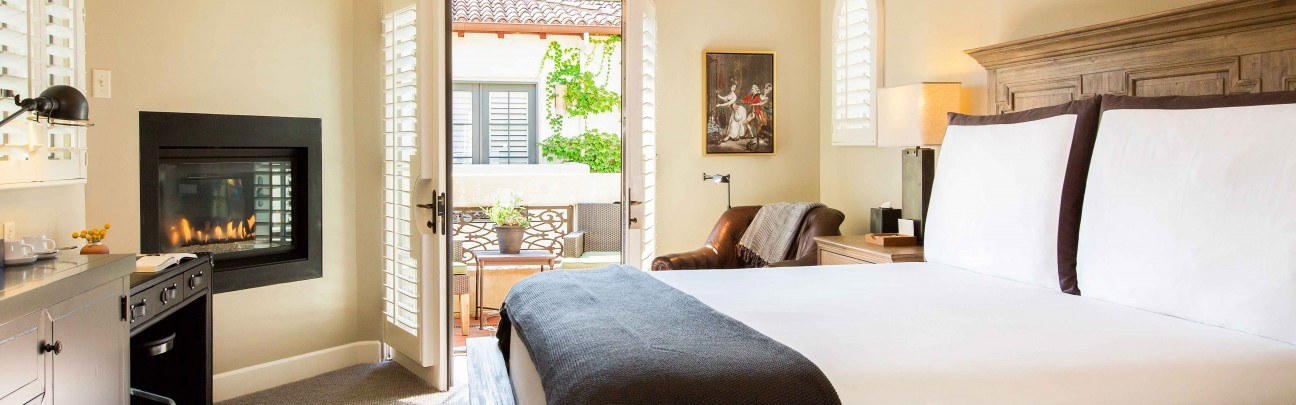
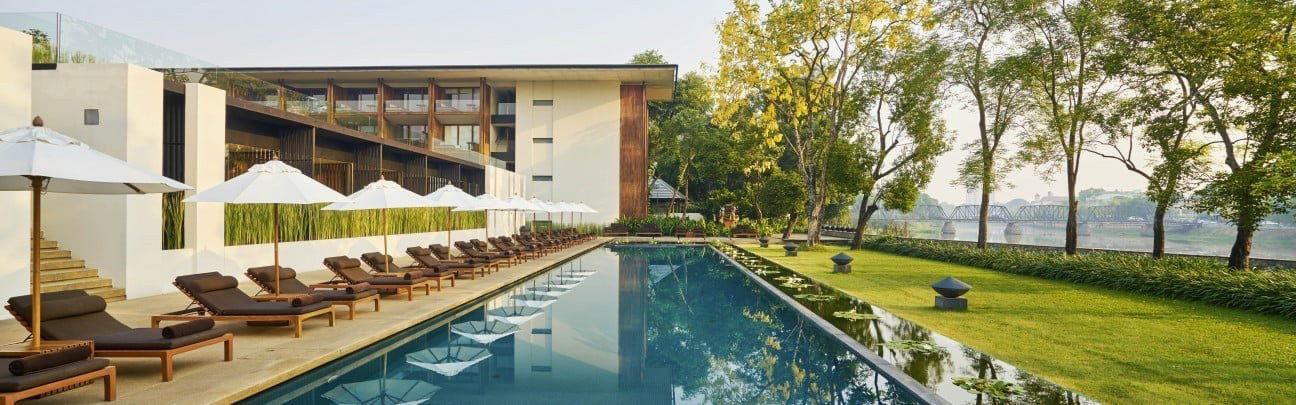
Anantara Chiang Mai Resort presents a measured, classic elegance anchored by its riverside address. The property translates colonial-era Thai architecture — pitched roofs, carved timber details and whitewashed facades — into a quietly composed urban sanctuary. Rooms along the Mae Ping emphasize visual connection to the city, with balcony daybeds and the sound of river traffic setting a rhythmic, scenic tone; courtyard-facing categories offer a more contained, hushed alternative. Overall, the hotel reads as a refined city retreat where architectural heritage and contemporary interventions combine to create a sophisticated, calm atmosphere for guests who value both design and location.
Best For
This hotel is especially well suited to travelers who want to be in the thick of Chiang Mai’s cultural life while staying in a polished, full-service property. It is a natural pick for romantic getaways, honeymoons and anniversaries that prioritize atmosphere and riverside views, and for wellness-minded stays that balance urban access with restful design. Because the hotel places heavy emphasis on dining and is steps from the Night Bazaar and Warorot Market, it also works for visitors who plan to explore the city on foot and pair museum or market days with notable hotel meals.
Stay Tips
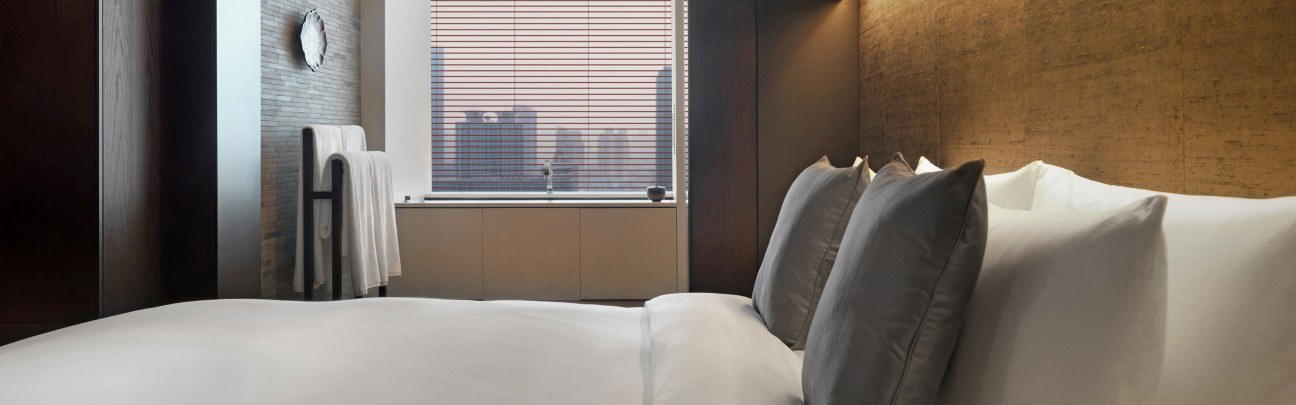
When booking, pay close attention to room category: river-facing rooms offer direct visual and aural contact with the Mae Ping — longtail boats, rowers and barges — and include balcony daybeds that enhance the experience; courtyard rooms are quieter and feel more insulated from street life. Given the property’s emphasis on dining credibility (La Liste recognition is noted), reserve tables in advance if you plan to eat on site. Finally, use the hotel’s central Charoen Prathet location as a base for nightly market visits and early-morning riverside activity, and request a riverside-facing room if the view is a priority.
Venue details
Ambiance
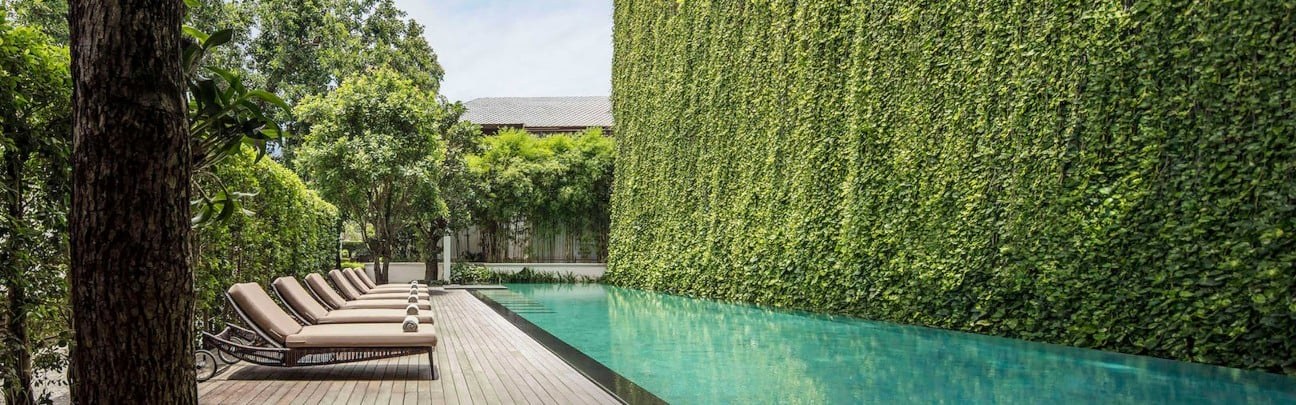
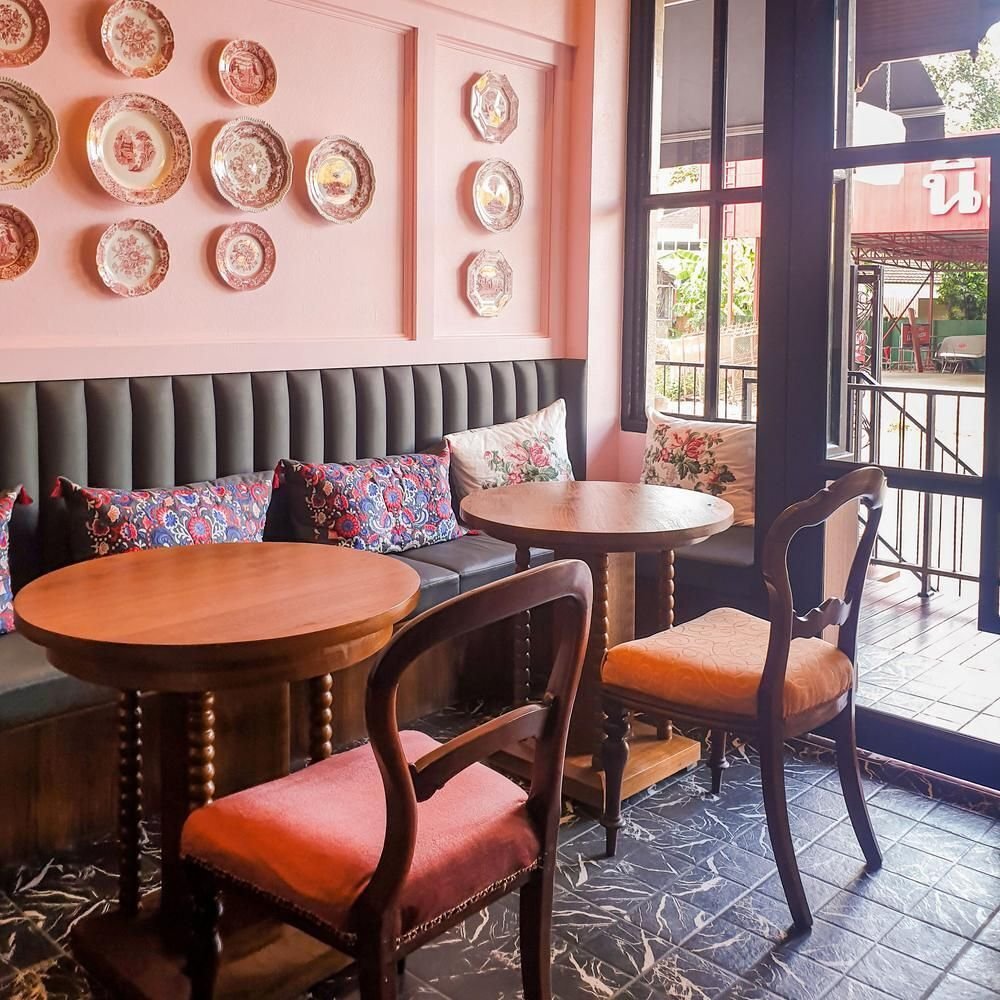
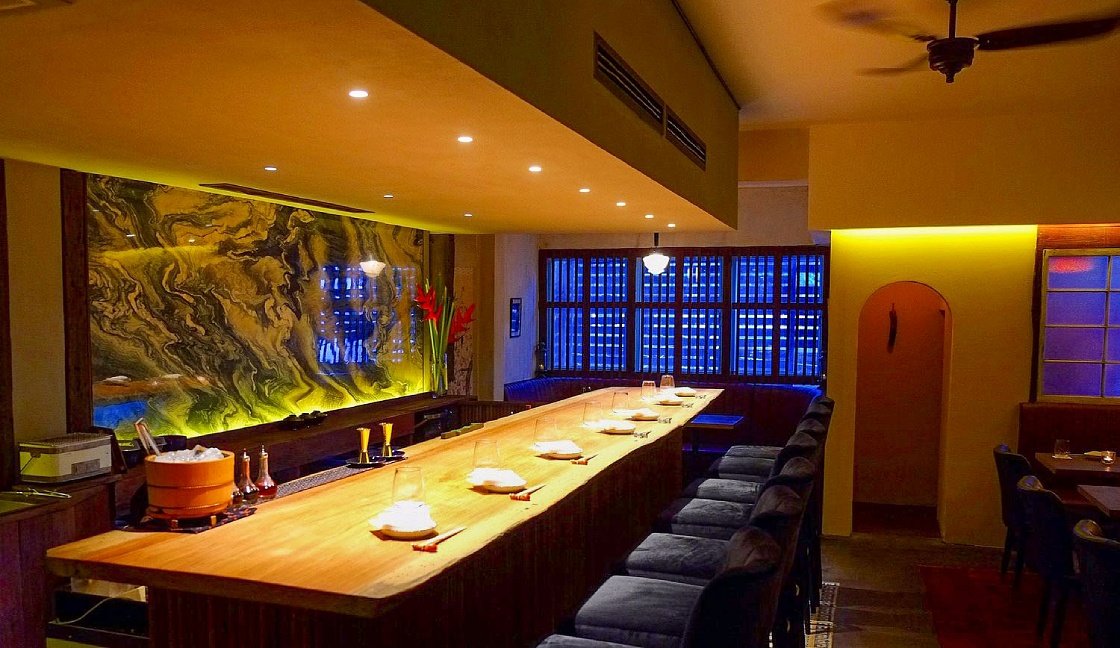
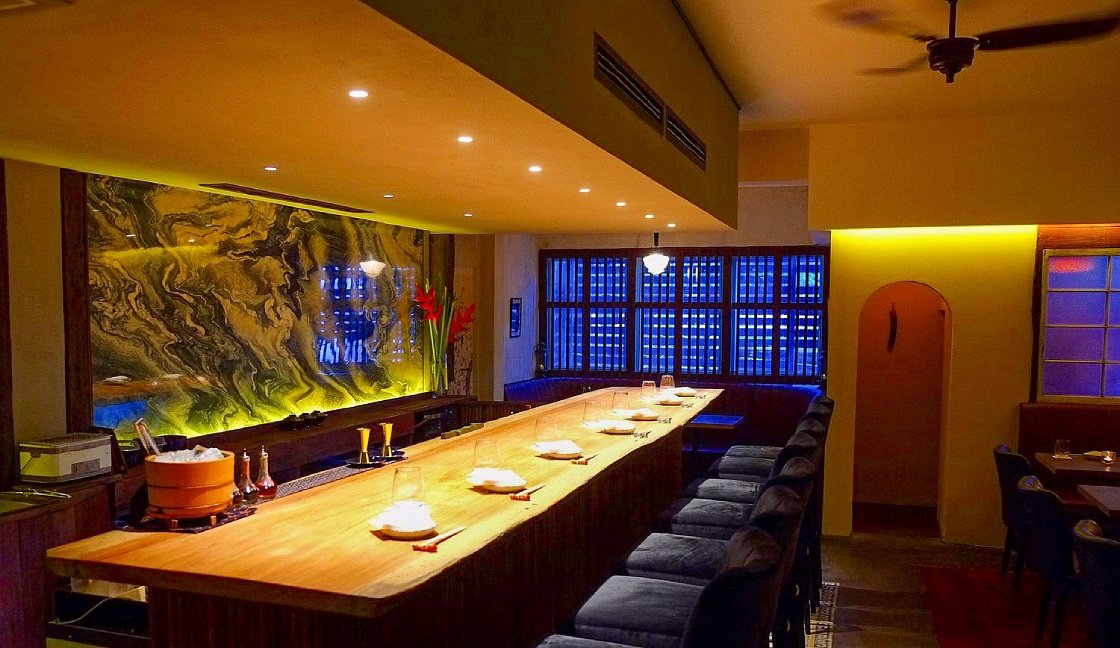
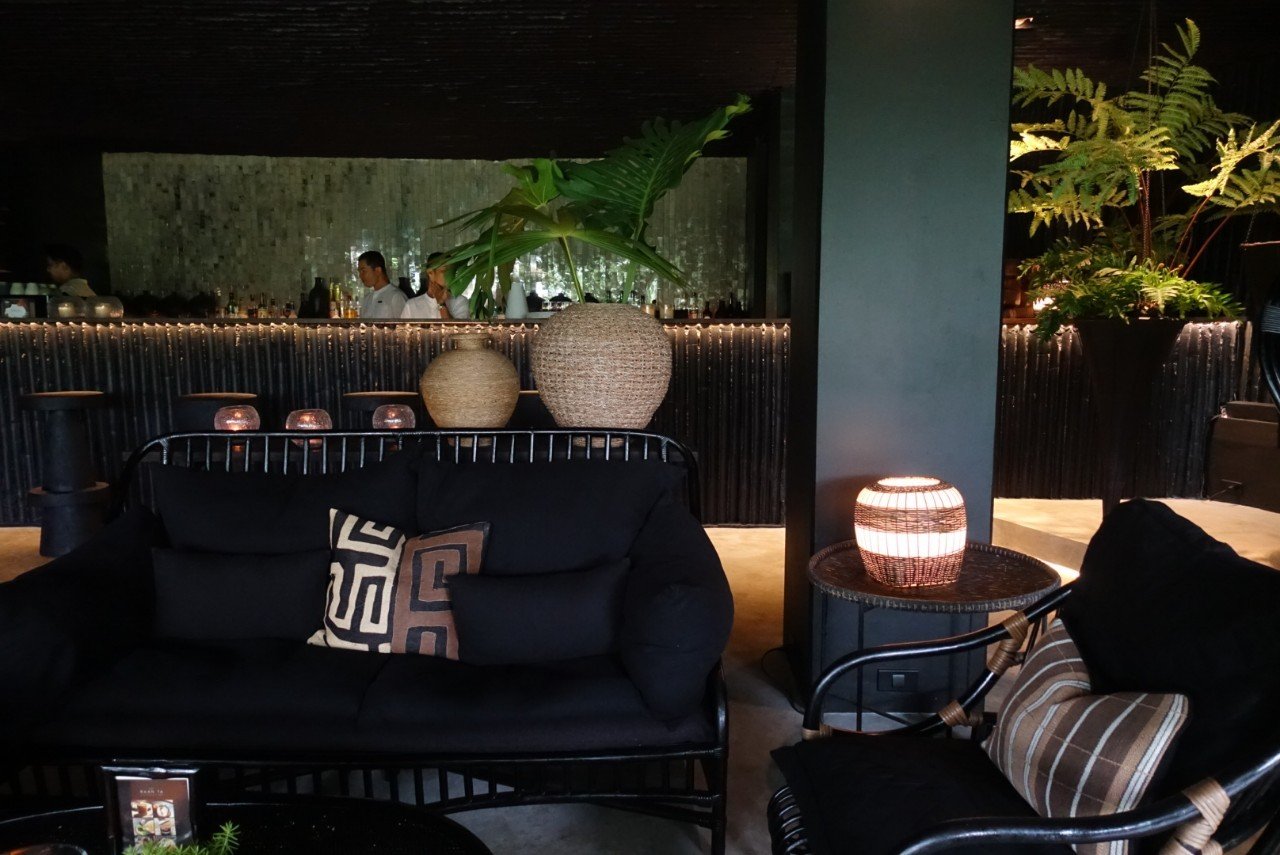
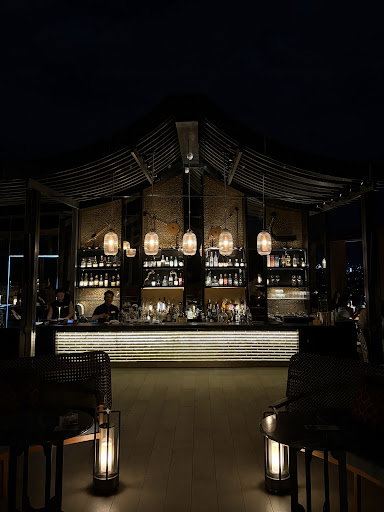
Tranquil and serene with natural sunlight, warm colors, teak floors, and peaceful courtyard atmosphere praised for its relaxing spa and poolside settings.
Tags
Vibe
Best For
Experience
Amenities
View
Accessibility
About the Stay
- Rooms
- 84
- Check-in
- 15:00
- Check-out
- 12:00
- Property Type
- Heritage hotel
- Property Style
- Contemporary Riverside Resort in Historic British Consulate Building
- Design Style
- Sleek Modern with Lanna Touches, Warm Muted Colors, Teak and Terrazzo
- Airport Transfer
- Available
- Pool
- Yes
- Spa
- Yes
- Families
- Welcome
- Cancellation
- Moderate
Know before you go
Know Before You Go
- Getting there
- 123, 1 Charoen Prathet Rd, Tambon Chang Khlan, Amphoe Mueang Chiang Mai, Chang Wat Chiang Mai 50100
Planning details
Location
123, 1 Charoen Prathet Rd, Tambon Chang Khlan, Amphoe Mueang Chiang Mai, Chang Wat Chiang Mai 50100 · Directions
Recognition and awards


Also consider
Where to look if this is not the right fit
If the trip is business-led or rate-sensitive, check Chiang Mai Marriott Hotel first. If the brief is wellness and vegan dining rather than classic luxury-hotel polish, Away Chiang Mai Thapae Resort - A Vegan Retreat is the cleaner match.
Hotel context
How it compares in Chiang Mai
Choose Anantara Chiang Mai Resort over Meliá Chiang Mai, Chiang Mai Marriott Hotel, and Le Méridien Chiang Mai when the stay is a celebration and the hotel atmosphere matters more than pure city-hotel efficiency. Marriott and Le Méridien are the more obvious picks for business-style convenience and brand familiarity; Anantara is the stronger fit for guests who want central Chiang Mai with a calmer resort feel.
Away Chiang Mai Thapae Resort - A Vegan Retreat is the better match for travelers with a vegan or wellness-first brief. Sala Lanna Chiang Mai Hotel is the sharper cross-shop for travelers who want a smaller hotel feel. Anantara is the safer all-round luxury choice when the booking needs fewer compromises around experience quality.
Booking difficulty is easy, so the decision is less about fighting for a room and more about choosing the right style of stay. For value-first travelers, compare rates against Meliá and Marriott. For a date, anniversary, or slower Chiang Mai weekend, Anantara is the more persuasive choice.
Explore Chiang Mai
Around this place
Discover more on Pearl
Unlock the full Anantara Chiang Mai Resort guide in Pearl, including awards, comparisons, FAQs, planning details, and nearby places.
Compare Anantara Chiang Mai Resort
| Venue | Location | Awards |
|---|---|---|
| Anantara Chiang Mai Resort | Chiang Mai | 2026 Virtuoso Luxury Hotel Collection2026 Mr & Mrs Smith Luxury Hotels2026 La Liste Top Hotels2025 Michelin Selected Hotels |
| Meliá Chiang Mai | Chiang Mai | No published awards |
| Chiang Mai Marriott Hotel | Chiang Mai | No published awards |
| Le Méridien Chiang Mai | Chiang Mai | No published awards |
| Away Chiang Mai Thapae Resort - A Vegan Retreat | Chiang Mai | No published awards |
| Sala Lanna Chiang Mai Hotel | Chiang Mai | No published awards |
How Anantara Chiang Mai Resort compares with similar nearby venues.
FAQ
Frequently Asked Questions
Do loyalty programs work at Anantara Chiang Mai Resort?
The partner recognition is that Anantara Chiang Mai Resort is listed as a Virtuoso Luxury Hotel Partner for 2026. For specific benefits, booking channels, or loyalty-program mechanics, confirm directly with the hotel or your travel advisor.
What is check-in like at Anantara Chiang Mai Resort?
The hotel has MICHELIN Guide, Hotels Selected status for 2025, but arrival procedures should be confirmed directly with the property before travel.
Which room category is best at Anantara Chiang Mai Resort?
Choose based on the latest information from the venue's official channels, especially if the stay requires a particular room setup.
How is the location of Anantara Chiang Mai Resort?
Anantara Chiang Mai Resort is in Chiang Mai. Use the hotel's official listing for precise directions. Other Chiang Mai hotels to compare include Away Chiang Mai Thapae Resort - A Vegan Retreat, Sala Lanna Chiang Mai Hotel, Meliá Chiang Mai, Chiang Mai Marriott Hotel, and Le Méridien Chiang Mai.