


Raya Heritage
Mae Rim, Chiang Mai
Hotel in Chiang Mai, Thailand
 Book with Pearl
The Read
Lanna Artisan Immersion
Why go
A quiet Mae Rim base for travelers who want Chiang Mai to feel slower and more retreat-focused. Raya Heritage makes sense for couples and design-led stays, especially when direct or benefits-bearing booking channels add value; city-center travelers should compare 137 Pillars House, Anantara Chiang Mai Resort, or Chiang Mai Marriott Hotel first.
About Raya Heritage
Raya Heritage is a Chiang Mai hotel with a strong recognition profile: it holds a Michelin 1 Key for 2025 and is listed as a Leading Hotels of the World member for 2025. It is also associated with the Conde Nast Gold List for 2026 and the Mr & Mrs Smith Seal of Approval for 2026.
Raya Heritage is a premium Chiang Mai stay worth comparing on recognition, booking terms, and the practical fit of its location within your itinerary. The dress code is smart casual.
Book for a confirmed premium Chiang Mai hotel profile
The strongest case for Raya Heritage is its recognition set, led by Michelin 1 Key status. If you are comparing premium Chiang Mai stays, consider it alongside 137 Pillars House, Cross Chiang Mai Riverside, Art Mai Gallery Hotel, AMANOR Hotel Chiang Mai, and Sala Lanna Chiang Mai Hotel.
Who should choose it over the city hotels
Choose Raya Heritage if you want a Chiang Mai hotel with high-end recognition and you are comfortable checking the finer details directly before arrival. It is a weaker fit for travelers who need every practical detail settled from third-party summaries alone.
For a broader search, use our full Chiang Mai hotels guide. Food-led travelers can pair the hotel choice with our full Chiang Mai restaurants guide, while night-out planning sits better in our full Chiang Mai bars guide. If this trip is part of a wider Thailand itinerary, compare other premium stays by location, recognition, and inclusions rather than relying on extras.
Planning details
- Location
- 157, Tambon Don Kaeo, Amphoe Mae Rim, Chang Wat Chiang Mai 50180
- Website
- rayaheritage.com
- Phone
- +66 53 111 670
The take
The Take
The Vibe
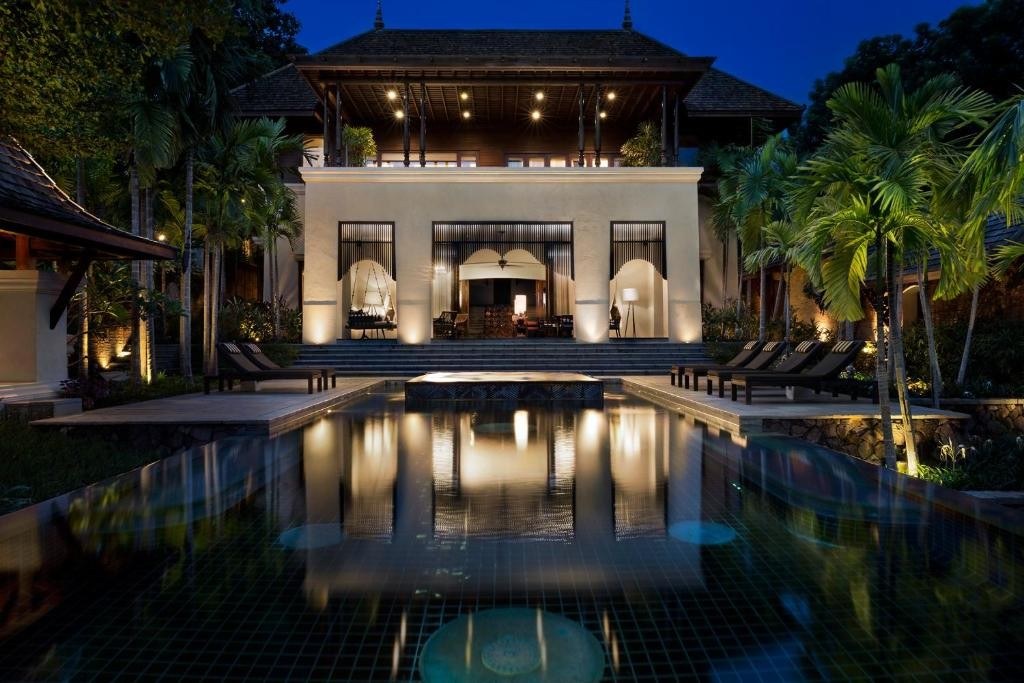
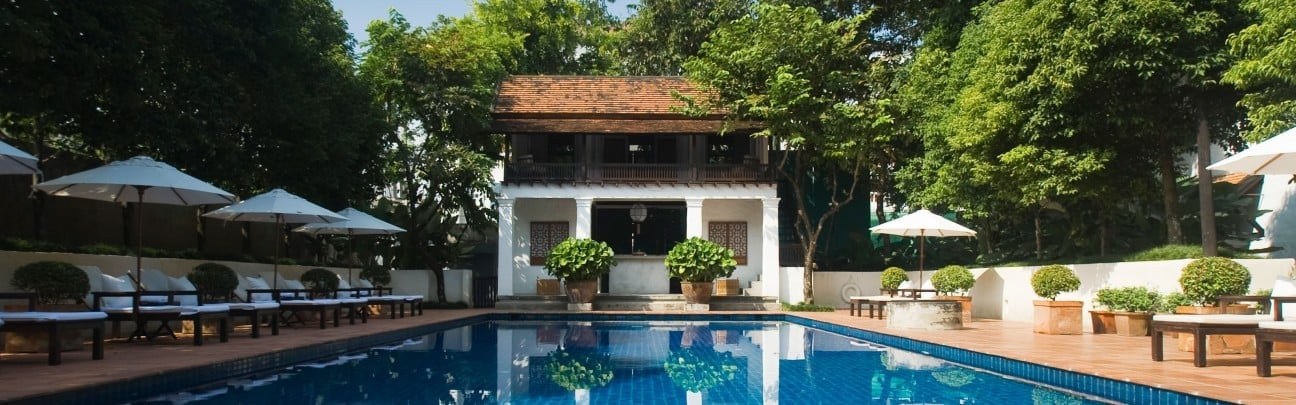
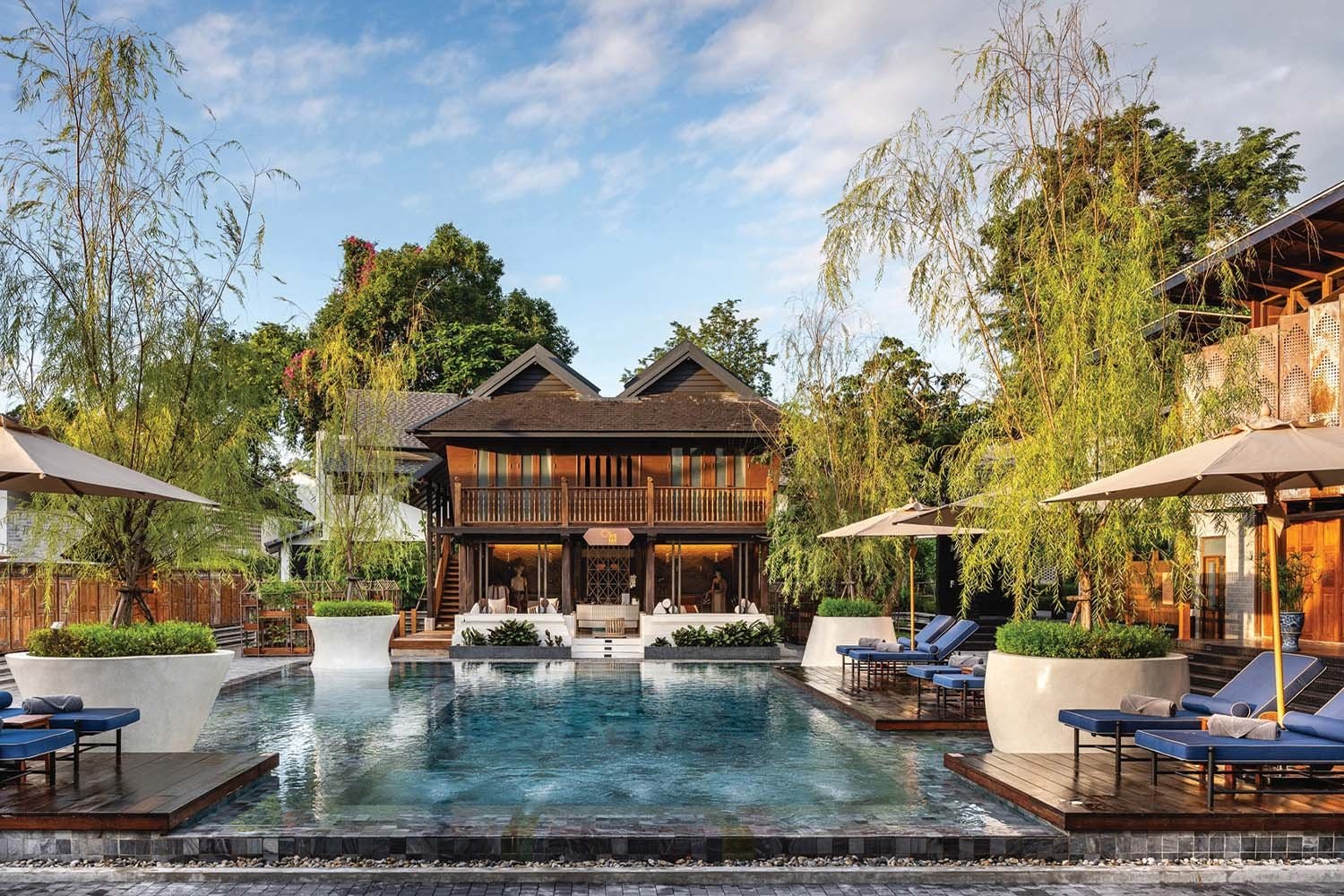
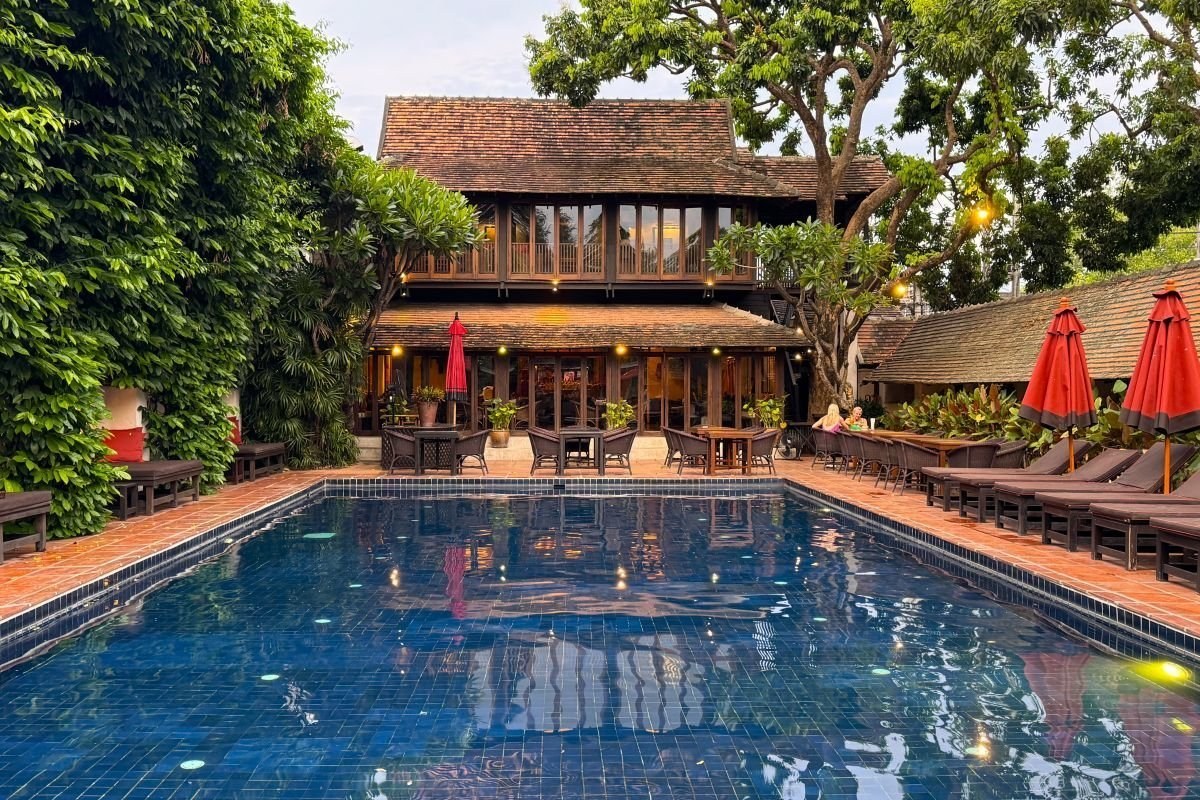
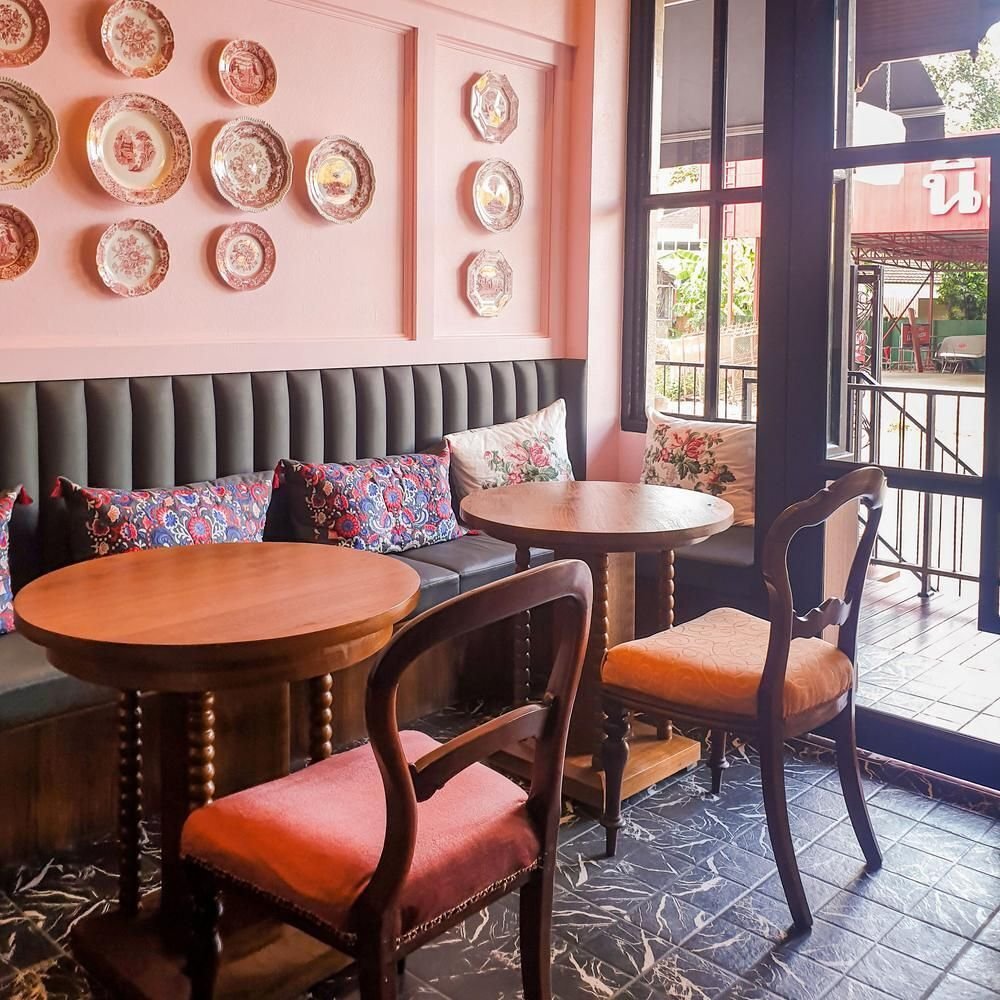
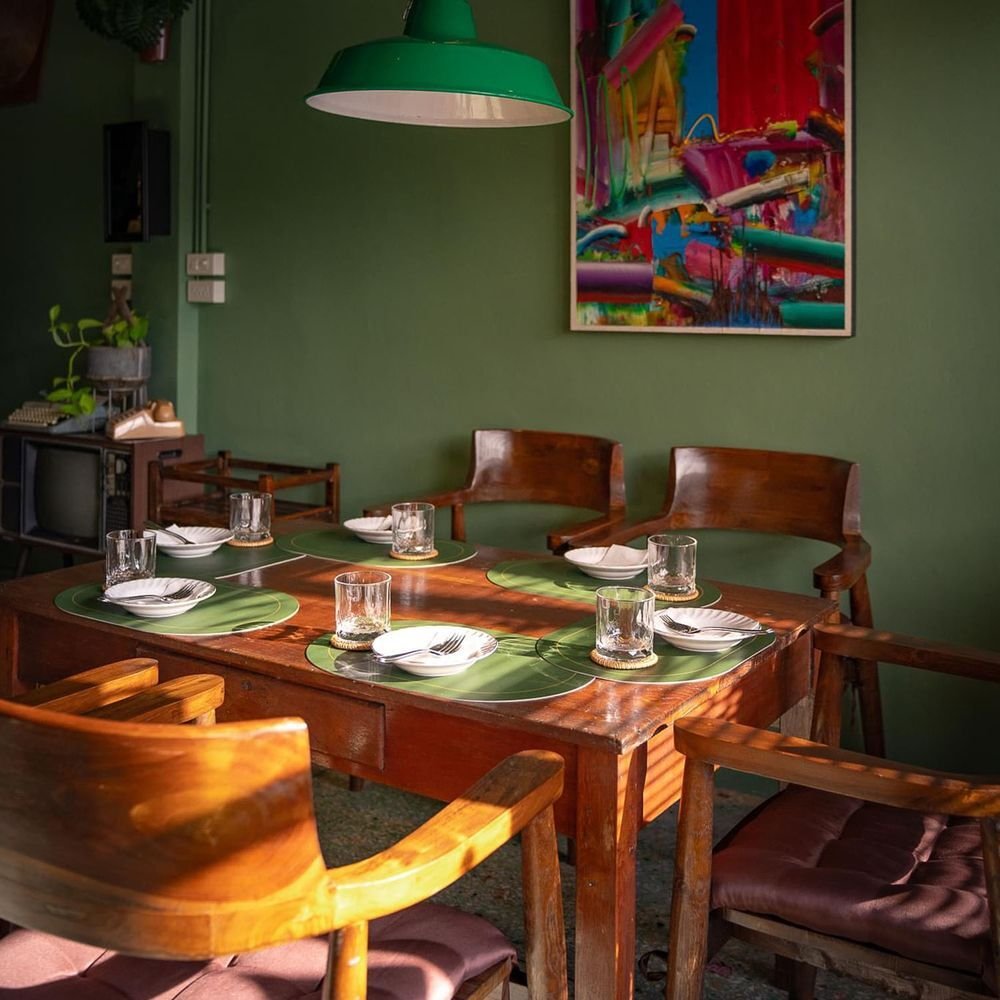
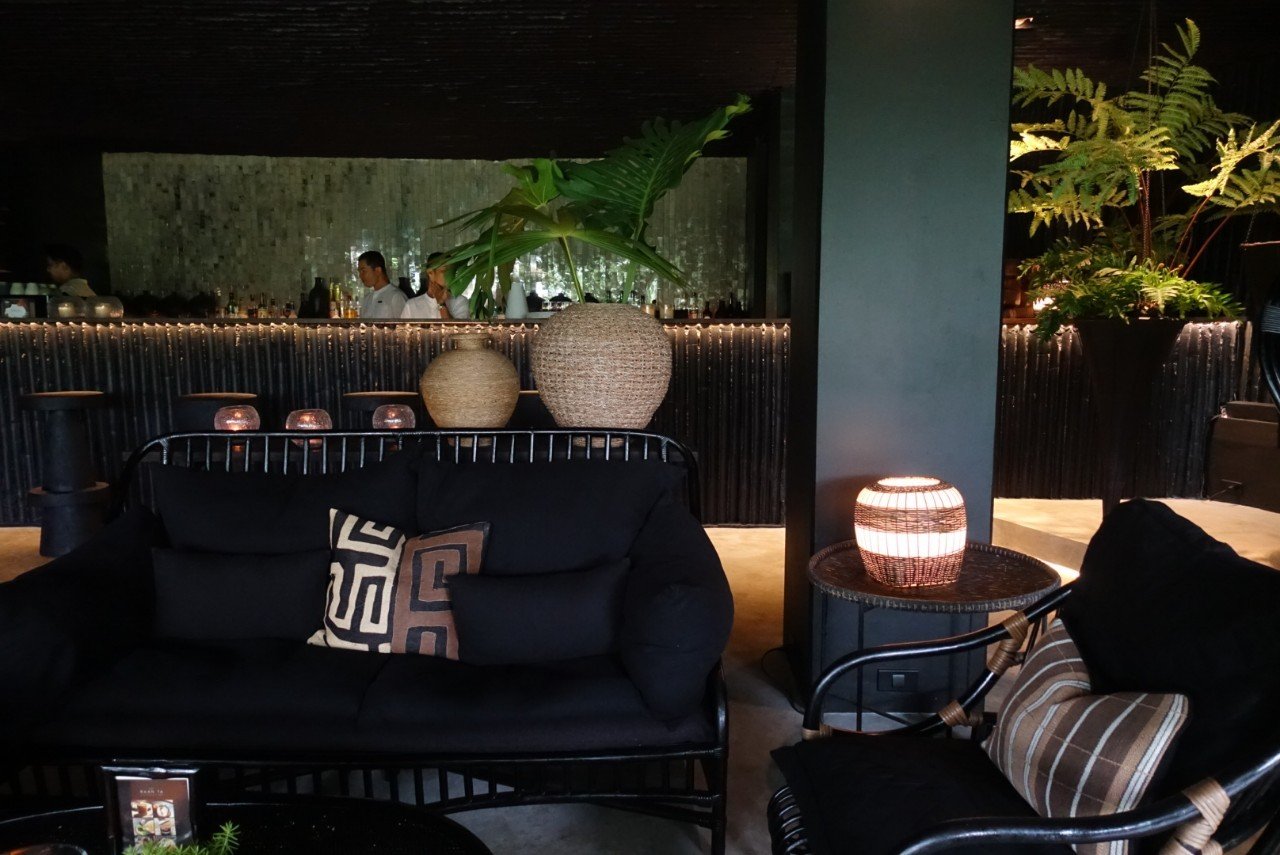
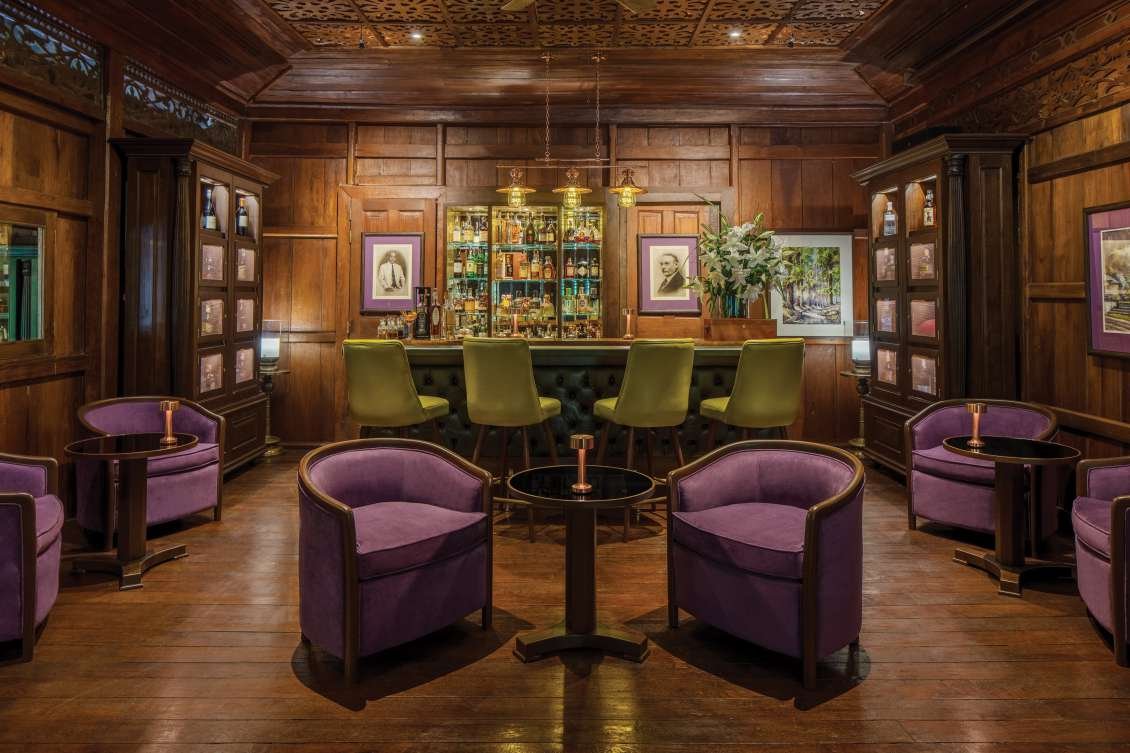
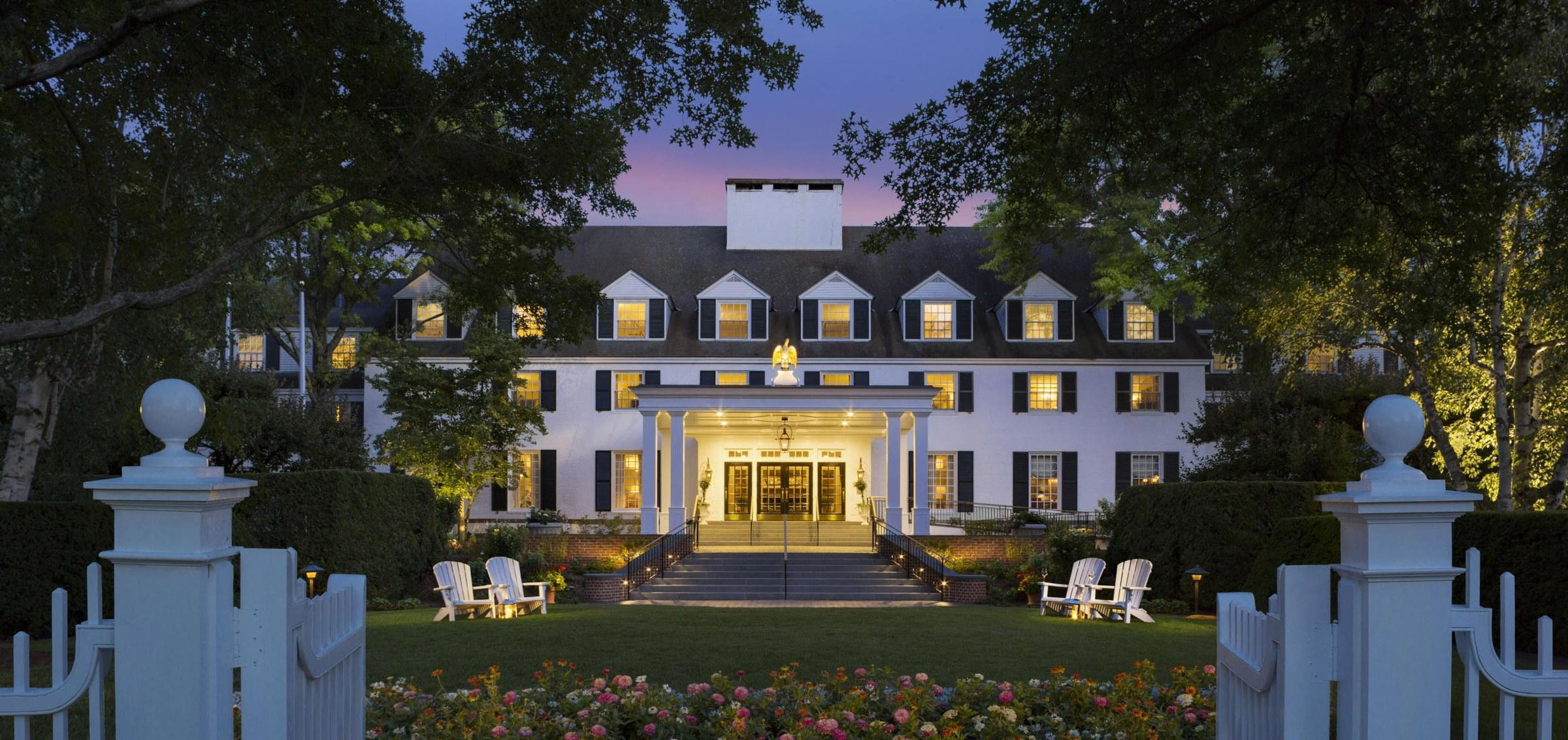
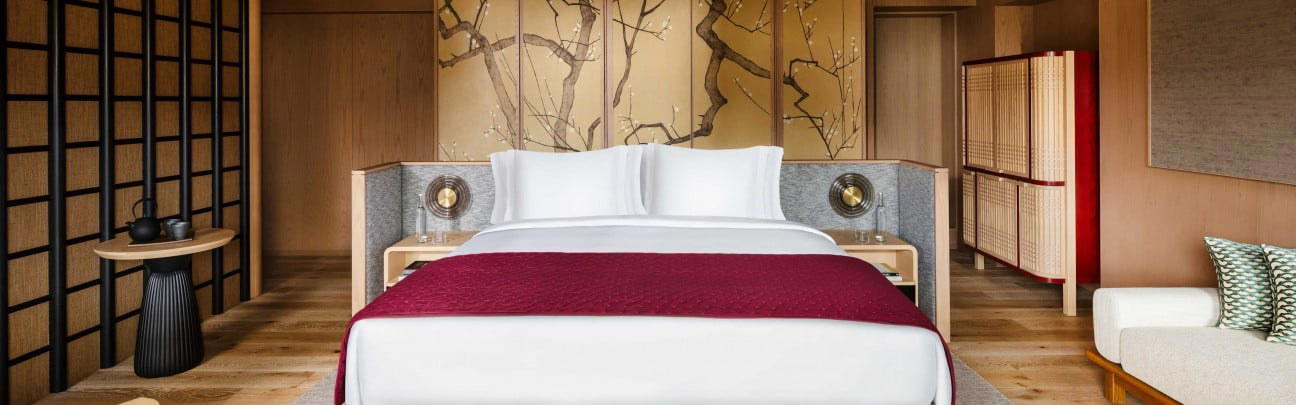
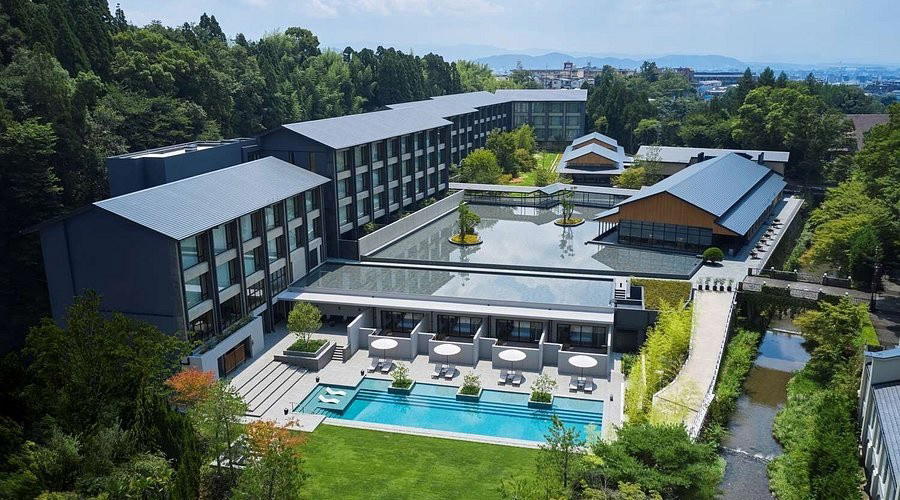
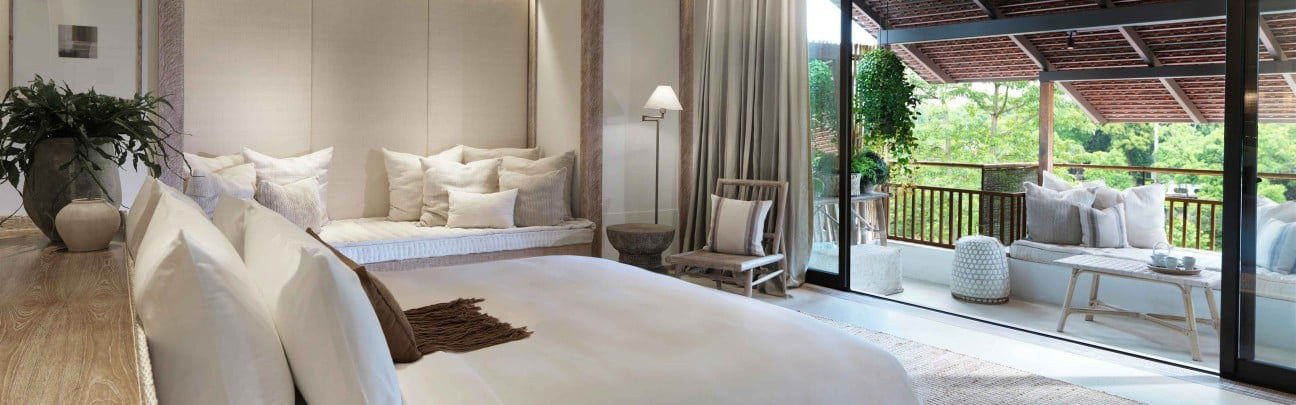
Raya Heritage presents as a quietly intimate, craft-forward resort that foregrounds local materials and makers. The design deliberately distances itself from standardised luxury, commissioning Lanna textiles and regionally produced objects so interiors feel genuinely place-specific rather than decorative pastiche. Set on the slow curve of the Ping River, the property balances a restrained, rustic warmth with refined detailing, delivering a charming, low-key atmosphere. The overall effect is slo‑w luxury — a considered, design-led retreat where quiet afternoons and artisanal touches shape the guest experience rather than brand templates or glossy spectacle.
Best For
Raya Heritage is best for couples and travellers seeking an unrushed, design-focused escape. Its riverside setting and intimate scale suit romantic getaways, honeymoons and anniversaries, while its positioning as an artisanal, place-specific resort also makes it attractive for wellness retreats. The hotel's calm setting twenty minutes from Chiang Mai's old city lends itself to slow days by the river and focused, restorative stays rather than bustling urban itineraries. Guests looking to prioritise craft, quiet and a scenic riverside location find this property particularly well matched to those aims.
Stay Tips
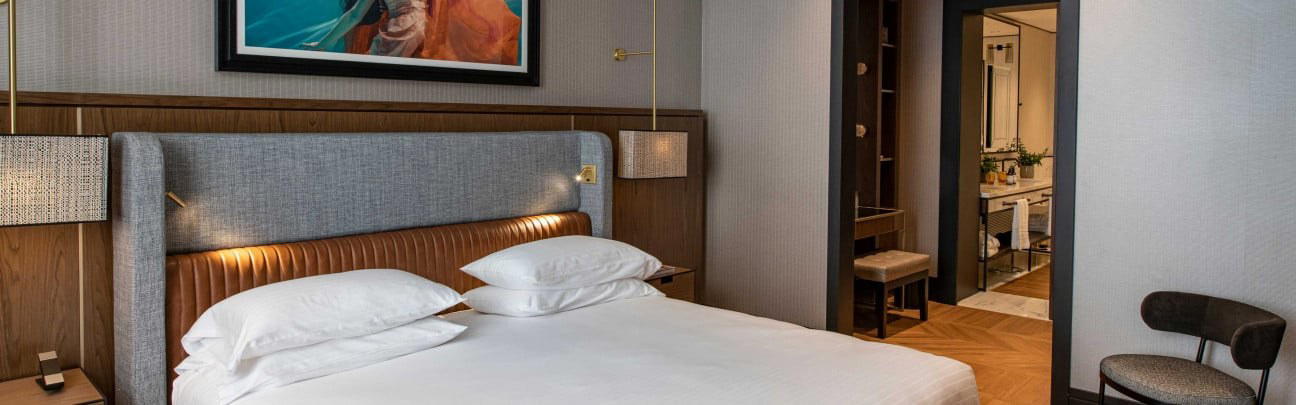
When booking, prioritise river-facing accommodations to make the most of the Ping River setting that the hotel emphasises. Note that the resort’s identity is built around commissioned local craft and Lanna materials, so ask about room features if you want prominent artisanal textiles or locally made objects in your suite. Expect a tranquil pace rather than city energy — plan activities and transfers from Chiang Mai’s old city accordingly. Because the property is positioned explicitly as a design-led, artisanal resort, allow extra time to explore on-site details rather than treating the stay as merely a base for sightseeing.
Venue details
Ambiance
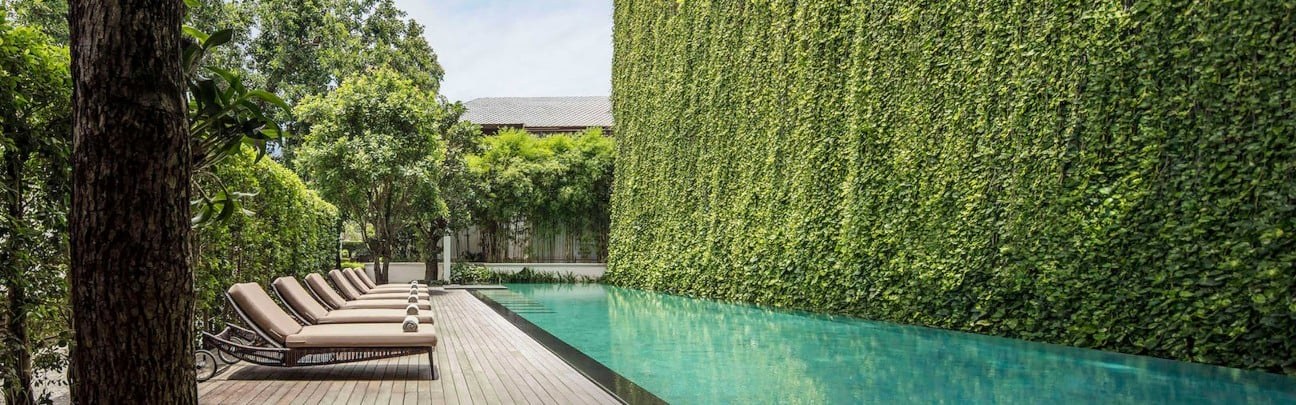
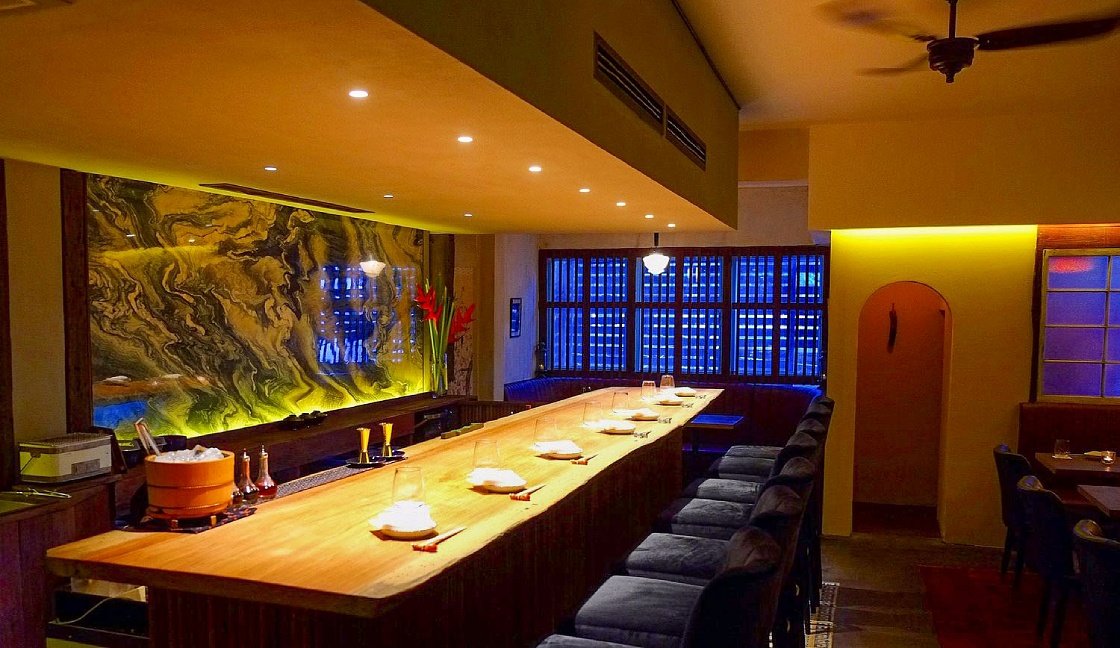
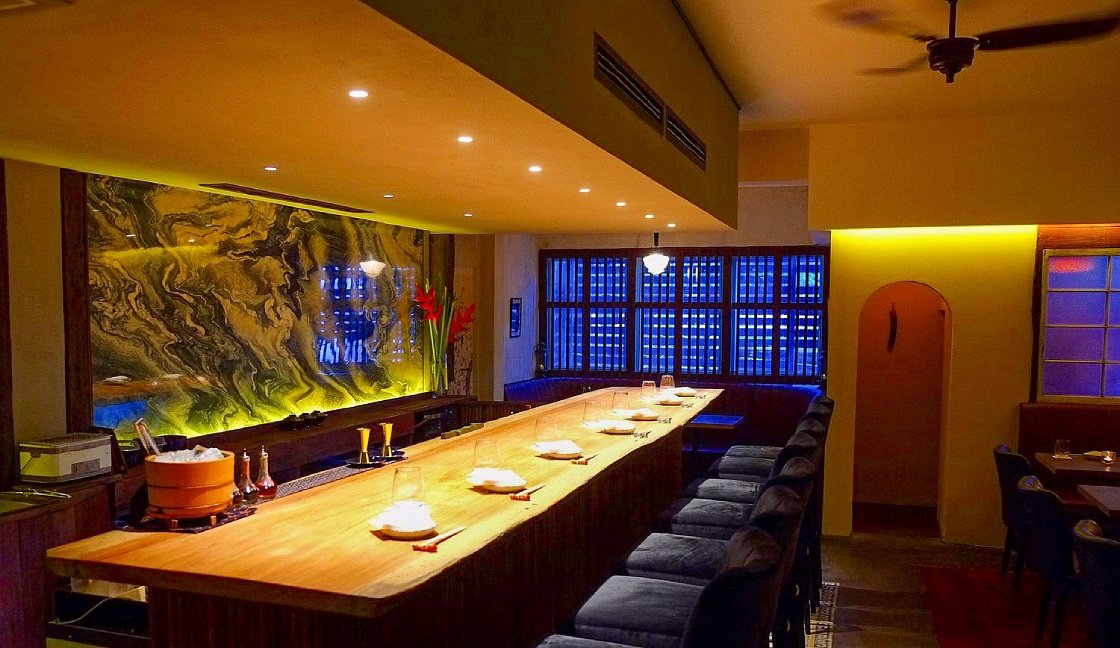
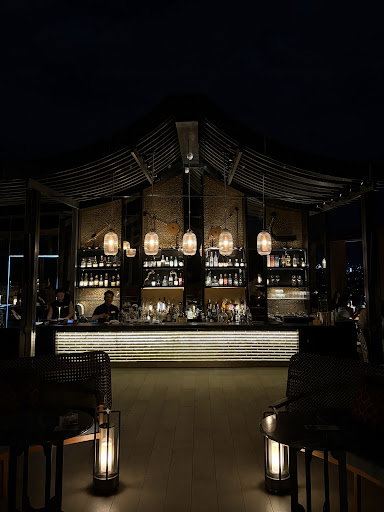
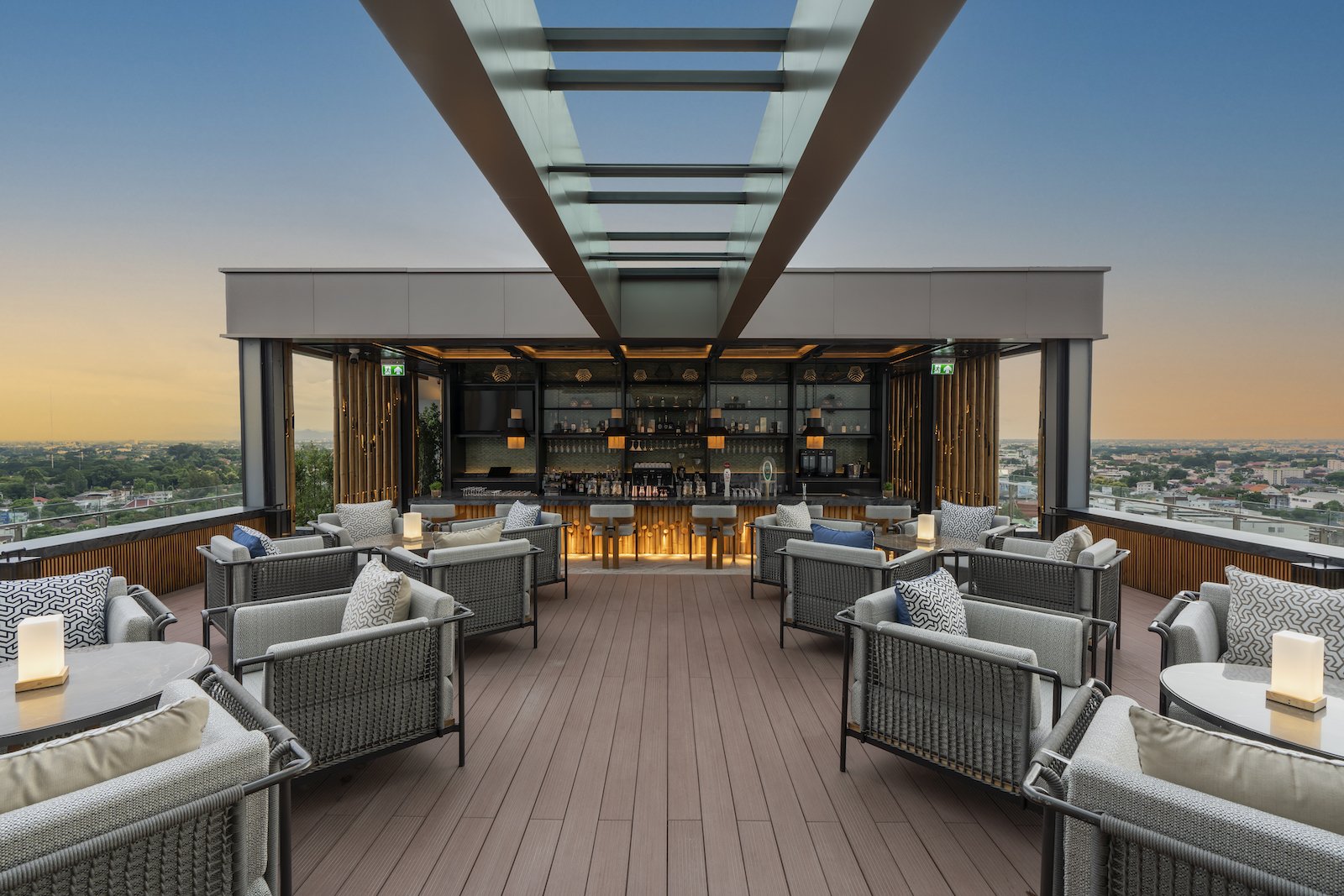
Serene and tranquil with warm lighting from handcrafted elements, lush gardens, and calming river views creating a peaceful oasis.
Tags
Vibe
Best For
Experience
Amenities
View
About the Stay
- Rooms
- 38
- Check-in
- 14:00
- Check-out
- 12:00
- Property Style
- Contemporary Lanna Heritage Luxury Resort
- Design Style
- Modern Twist on Traditional Thai Craftsmanship with Handwoven Textiles and Wood Carvings
Know before you go
Know Before You Go
- Getting there
- 157, Tambon Don Kaeo, Amphoe Mae Rim, Chang Wat Chiang Mai 50180
Planning details
Location
157, Tambon Don Kaeo, Amphoe Mae Rim, Chang Wat Chiang Mai 50180 · Directions


Also consider
Also Consider
- Cross Chiang Mai Riverside, Notable alternative
- Art Mai Gallery Hotel, Notable alternative
- AMANOR Hotel Chiang Mai, Notable alternative
- 137 Pillars House, Notable alternative
- Sala Lanna Chiang Mai Hotel, Notable alternative
Hotel context
How It Compares
Raya Heritage is the calmer, more removed choice in this Chiang Mai set. Choose it over Cross Chiang Mai Riverside if the priority is a quieter retreat feel rather than easier riverfront access. Cross Chiang Mai Riverside is the more convenient cross-shop for travelers who want to stay closer to the city's dining and sightseeing rhythm.
137 Pillars House is the stronger alternative for guests who want heritage character with a more central Chiang Mai base. Art Mai Gallery Hotel and AMANOR Hotel Chiang Mai are better fits for travelers prioritizing urban movement, easier dining access, and a simpler city-stay format.
If Raya Heritage is hard to secure, Sala Lanna Chiang Mai Hotel is the practical river-area fallback, while 137 Pillars House is the closer luxury comparison for travelers who still want a polished Chiang Mai hotel stay. For value, compare the final rate plus inclusions rather than base price alone, since location and transport needs can change the real cost of the stay.
Explore Chiang Mai
Around this place
Discover more on Pearl
Unlock the full Raya Heritage guide in Pearl, including awards, comparisons, FAQs, planning details, and nearby places.
Compare Raya Heritage
| Venue | Location | Awards |
|---|---|---|
| Raya Heritage | Chiang Mai | 2026 Mr & Mrs Smith Luxury HotelsLeading Hotels of the World 2026Conde Nast Gold List 20262026 Michelin 1 KeyMichelin 1 Key 20252025 Michelin 1 Key |
| Cross Chiang Mai Riverside | Chiang Mai | No published awards |
| Art Mai Gallery Hotel | Chiang Mai | No published awards |
| AMANOR Hotel Chiang Mai | Chiang Mai | 2025 Michelin Selected HotelsSmall Luxury Hotels Member 2025 |
| 137 Pillars House | Chiang Mai | 2026 Mr & Mrs Smith Luxury Hotels2026 La Liste Top Hotels2026 Michelin 2 KeysTatler Best Hotels Asia-Pacific 2025Small Luxury Hotels Member 20252025 Michelin 1 Key |
| Sala Lanna Chiang Mai Hotel | Chiang Mai | No published awards |





How Raya Heritage Chiang Mai compares with similar nearby venues.
FAQ
Frequently Asked Questions
Is Raya Heritage family-friendly?
How does Raya Heritage compare to nearby hotels?
Raya Heritage is best compared with other premium Chiang Mai options such as Cross Chiang Mai Riverside, Art Mai Gallery Hotel, AMANOR Hotel Chiang Mai, 137 Pillars House, and Sala Lanna Chiang Mai Hotel. The clearest differentiators here are Raya Heritage's Michelin 1 Key recognition and Leading Hotels of the World membership.
How is the location of Raya Heritage?
Do loyalty programs work at Raya Heritage?
Raya Heritage is a Leading Hotels of the World member. If you care about loyalty-style benefits, check the relevant booking channel and confirm the current terms before reserving.
What is check-in like at Raya Heritage?
When is the best time to book Raya Heritage?
Book when the rate, cancellation policy, and included benefits fit your Chiang Mai dates. For high-demand travel periods, verify availability and terms directly before committing.