
Rachamankha
Mueang Chiang Mai, Chiang Mai
Hotel in Chiang Mai, Thailand
 Book with Pearl
The Read
Lanna Heritage Hospitality
Why go
Rachamankha is the Chiang Mai pick for a quieter special-occasion stay, especially if external recognition matters: Michelin 2 Keys in 2024 and a Mr & Mrs Smith Seal of Approval in 2026 give it strong credibility. Choose it over larger city hotels if atmosphere and service pacing matter more than loyalty points or resort-scale facilities.
About Rachamankha
Rachamankha is a Chiang Mai hotel with notable external recognition: Michelin 2 Keys in 2024 and the Mr & Mrs Smith Seal of Approval in 2026. The strongest way to frame the stay is around that recognition rather than making assumptions about facilities, room count, dining, or service style.
The dress code is smart casual. Travelers should confirm practical details directly with the hotel before booking, especially if a trip depends on specific facilities, room features, dining arrangements, or accessibility needs.
Choose it for confirmed recognition in Chiang Mai
For travelers comparing hotels in Chiang Mai, Rachamankha stands out because its accolades give a clear quality signal. Michelin 2 Keys in 2024 points to recognition of the hotel experience, while the Mr & Mrs Smith Seal of Approval in 2026 adds another endorsement.
Who should cross-shop before committing
Travelers comparing recognized or premium Chiang Mai stays can also look at Chiang Mai Marriott Hotel. Other Chiang Mai options to compare include Away Chiang Mai Thapae Resort - A Vegan Retreat, AMANOR Hotel Chiang Mai, Art Mai Gallery Hotel, and Tamarind Village.
The main booking advice is simple: consider Rachamankha as a Chiang Mai hotel with strong recognition, then check the trip-specific details that matter to you before reserving. For broader planning, use Our full Chiang Mai hotels guide, then add meals from Our full Chiang Mai restaurants guide, drinks from Our full Chiang Mai bars guide, and daytime ideas from Our full Chiang Mai experiences guide.
Planning details
- Location
- 6 Soi Ratchamanka 9, Tambon Si Phum, Amphoe Mueang Chiang Mai, Chang Wat Chiang Mai 50200
- Website
- rachamankha.com
- Phone
- +66 53 904 111
The take
The Take
The Vibe
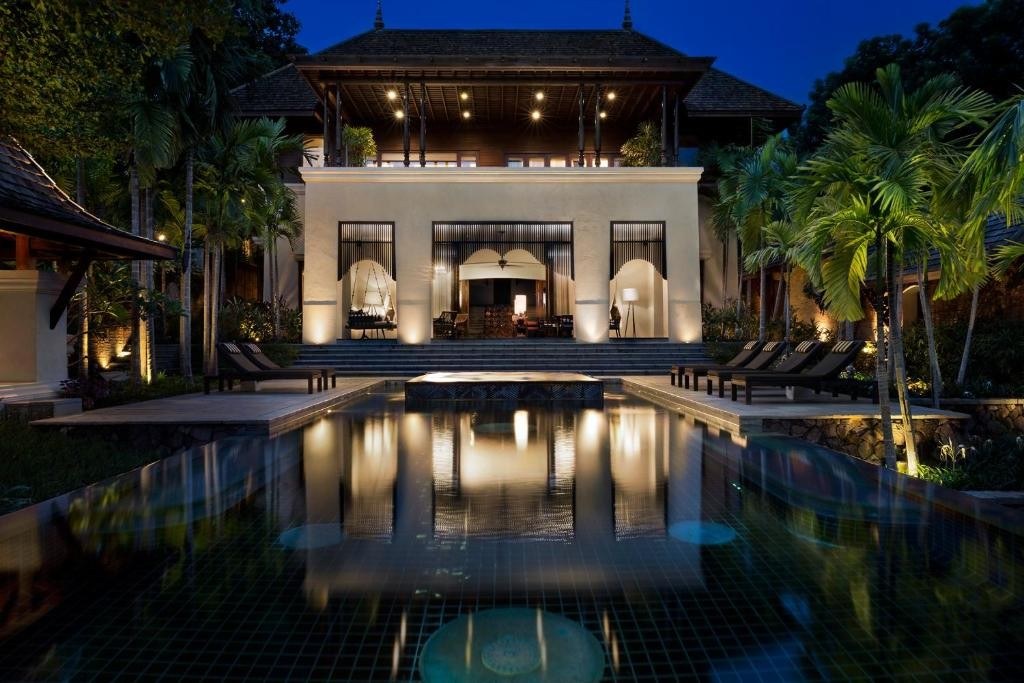
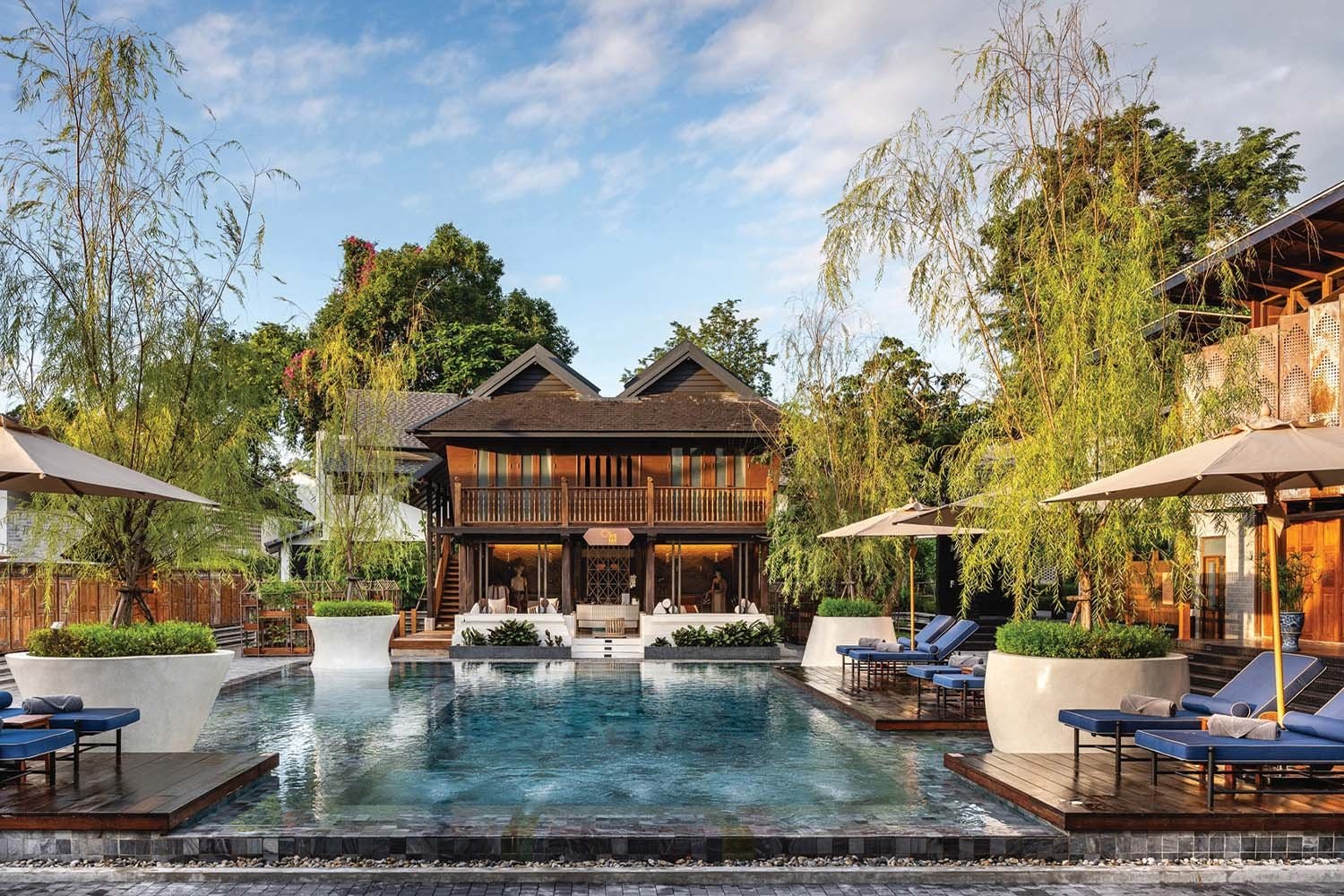
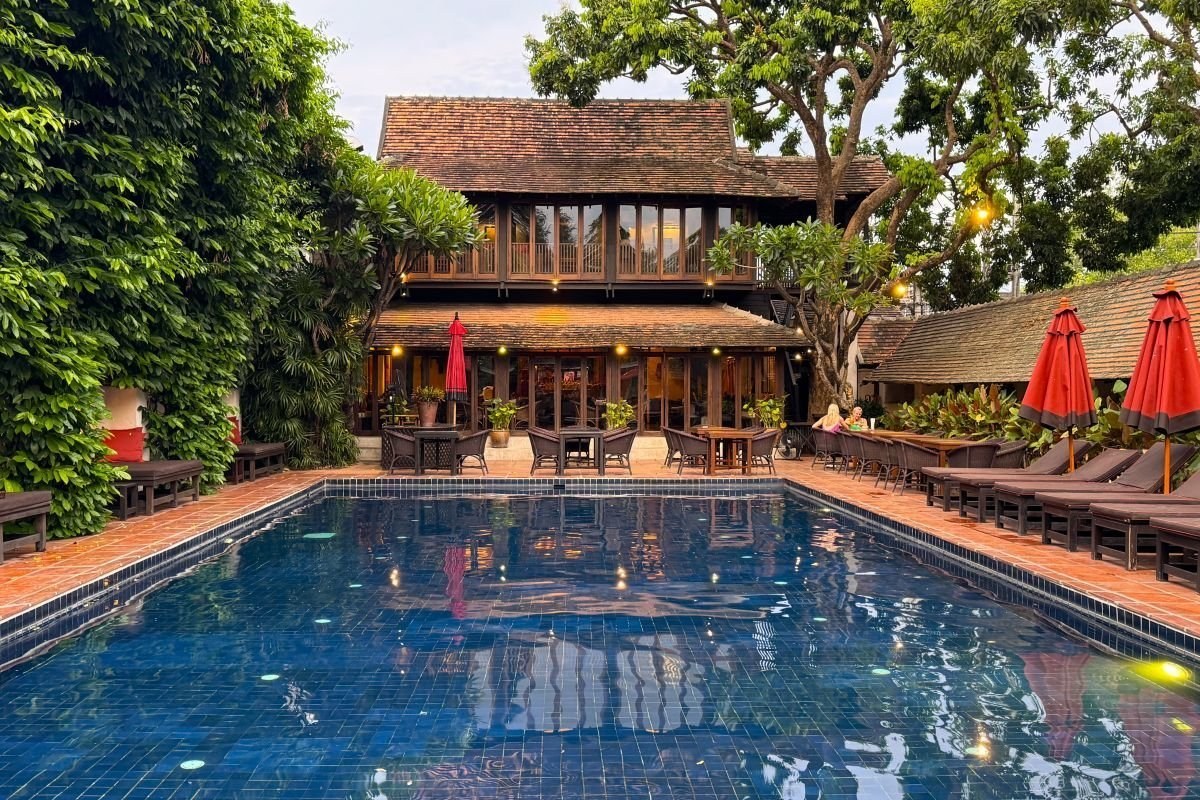
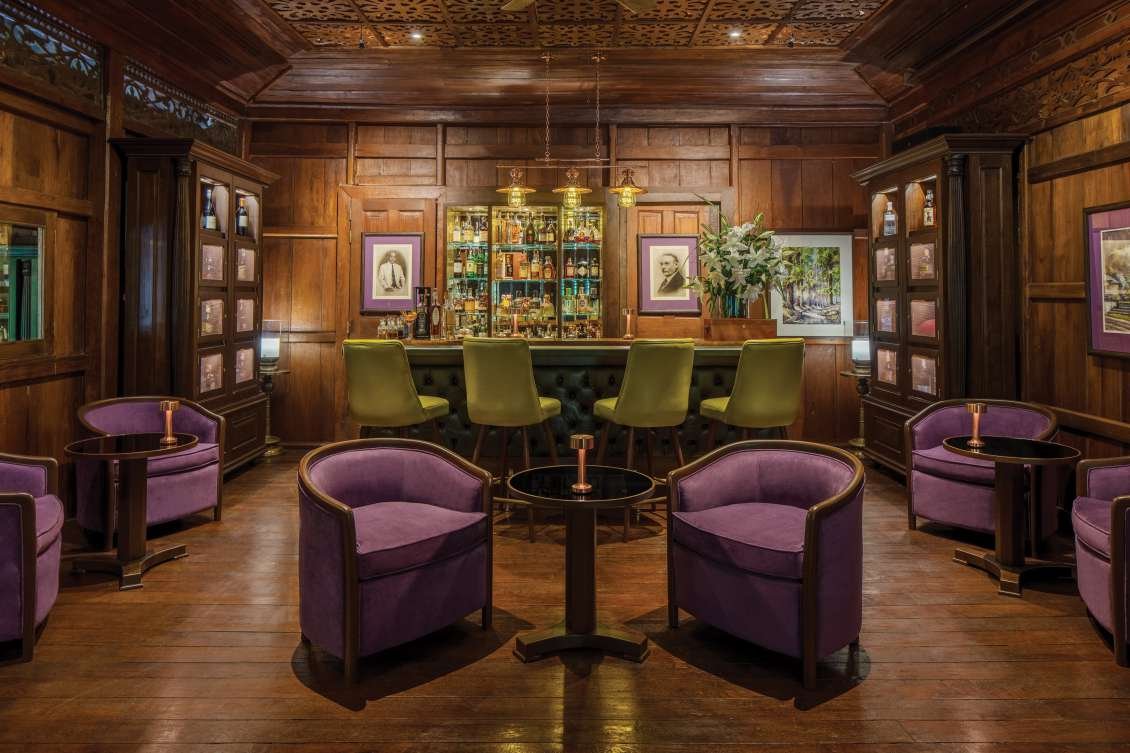
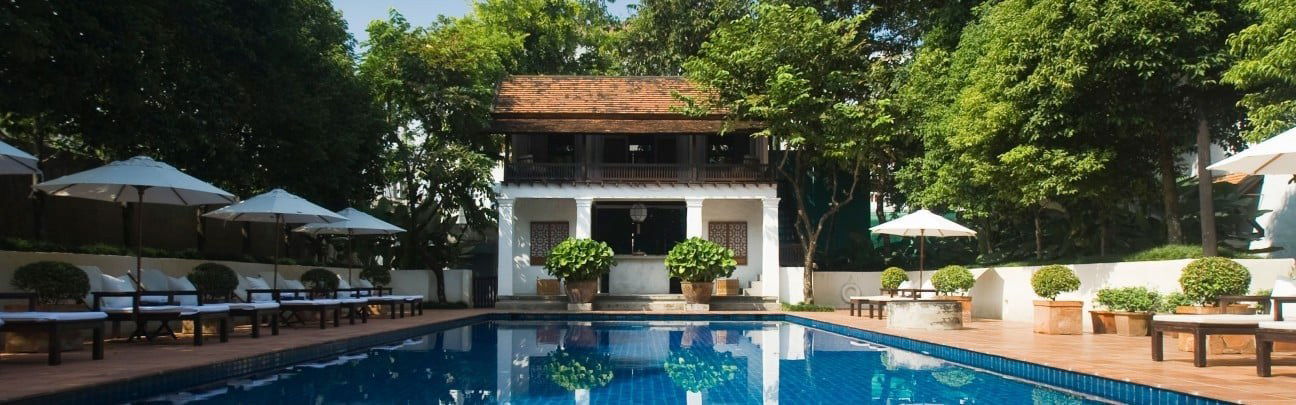
Rachamankha reads like a piece of the old city rather than a modern intrusion. Its main building is modelled on a Lanna-period chapel, so carved timber, whitewashed walls and latticed screens sit comfortably alongside open courtyards. At 25 rooms the scale is intentionally small: the courtyard garden planted with red and white bougainvillea operates as a genuine communal space and the whole property maintains a restrained, measured pace that reflects its proximity to active temple life. The result is a quietly historic, classic-feeling hotel that prioritizes architectural coherence and a serene, intimate atmosphere.
Best For
This is a hotel for travelers seeking heritage-led luxury and a calm, intimate stay in Chiang Mai’s Old City. The small room count and careful use of Lanna architectural language suit couples and solo guests who value quiet communal gardens, close proximity to temples and a sense of place rather than generic resort comforts. Because the property is integrated into the neighbourhood’s fabric, it appeals to visitors who prefer understated design, thoughtful detailing and a slower pace — those who want to experience the city’s historic character up close.
Stay Tips
Rachamankha operates at a deliberately small scale, so availability is limited; book well in advance to secure dates. When making a reservation, note the importance of the courtyard garden in the property’s social life and, if you prefer immediate access to that space, request a room with courtyard-facing orientation. The description emphasizes the boutique 25-room model and the way it shapes service and communal spaces, so expect personalized attention and consider specifying any room or proximity preferences at booking.
Venue details
Ambiance
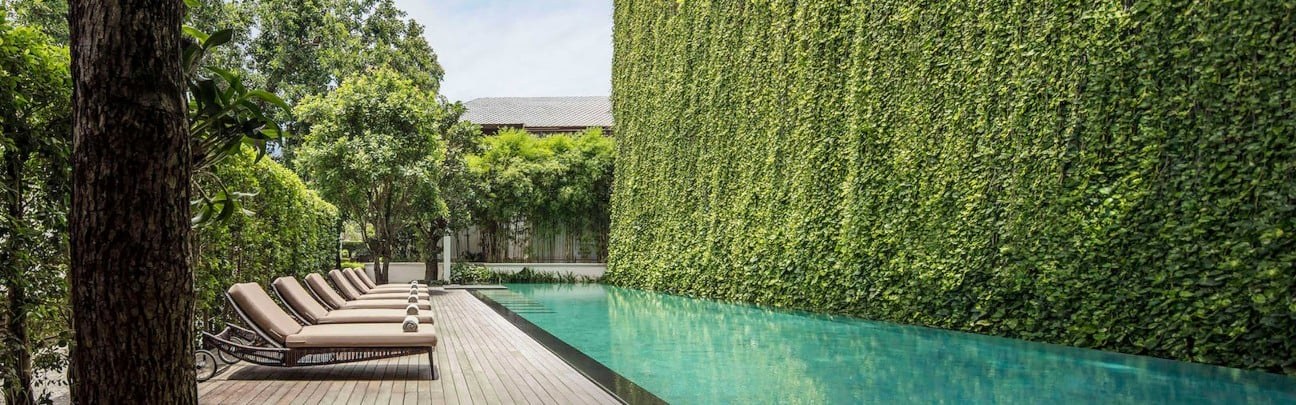
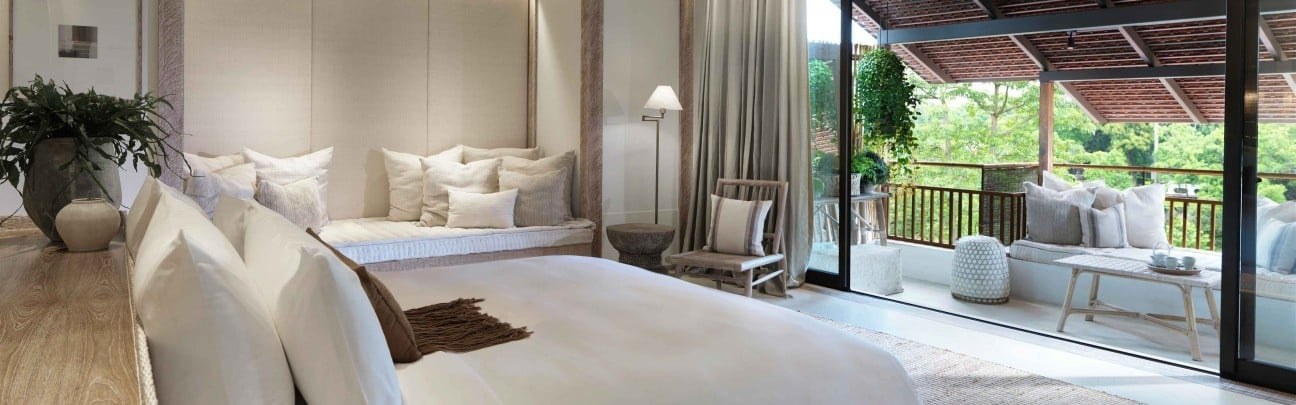
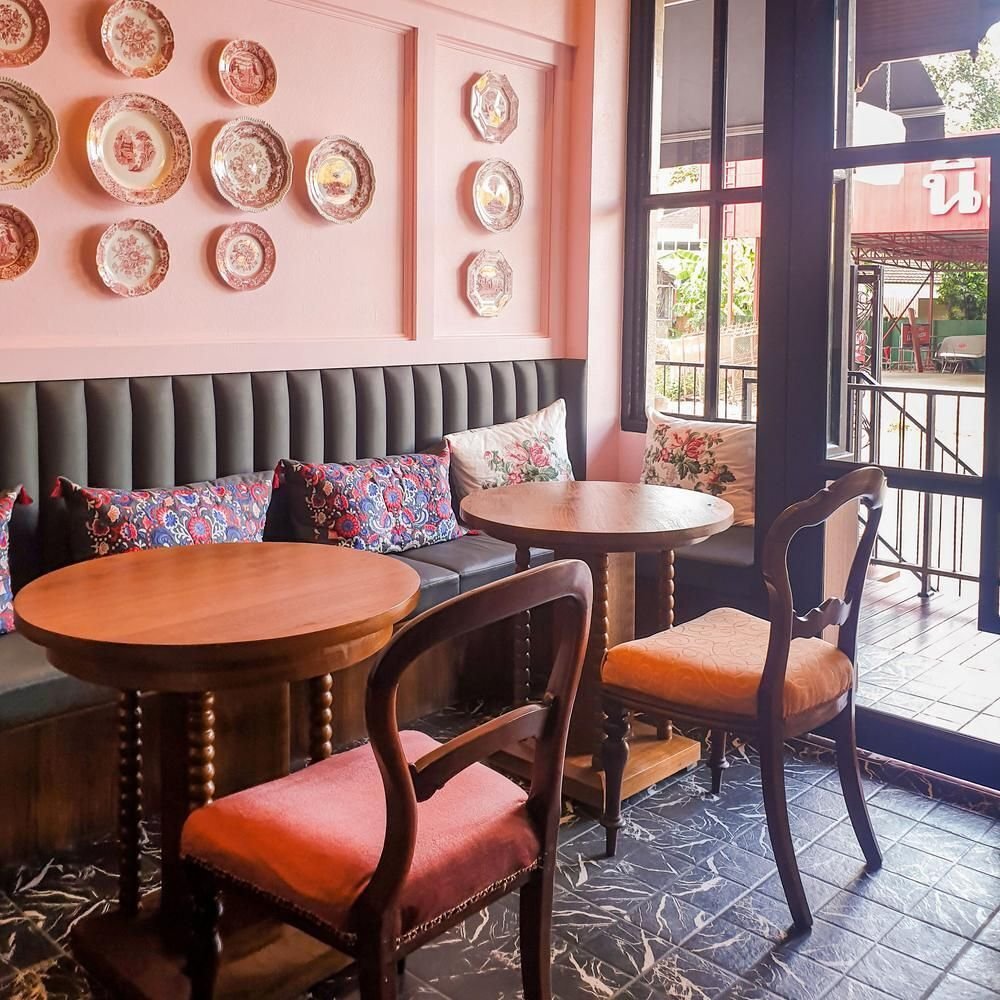
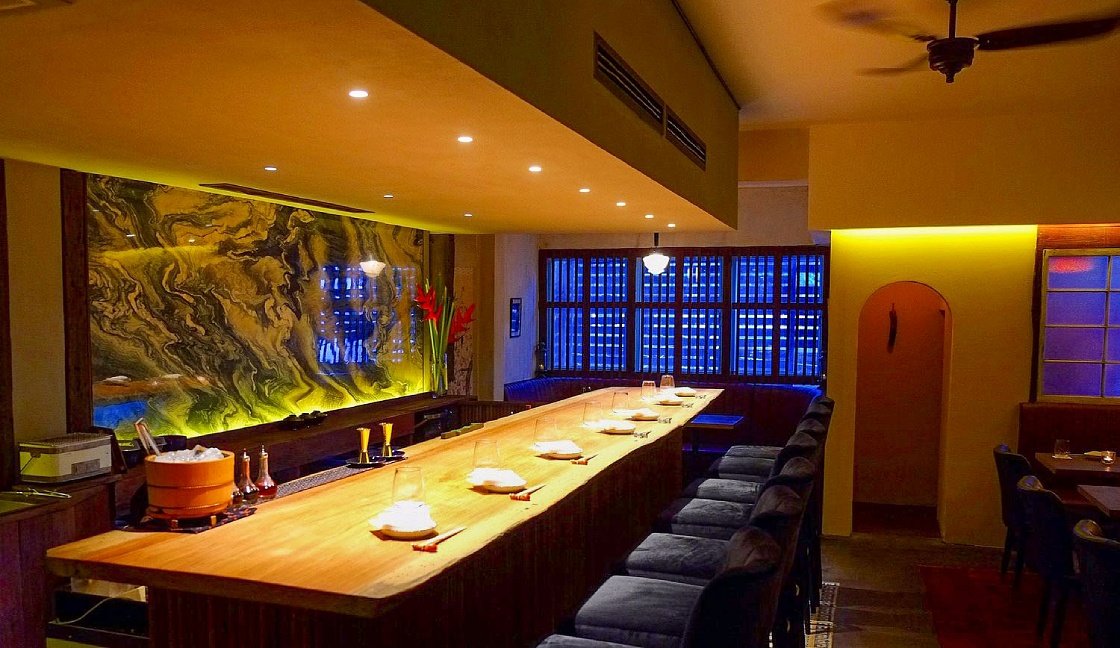
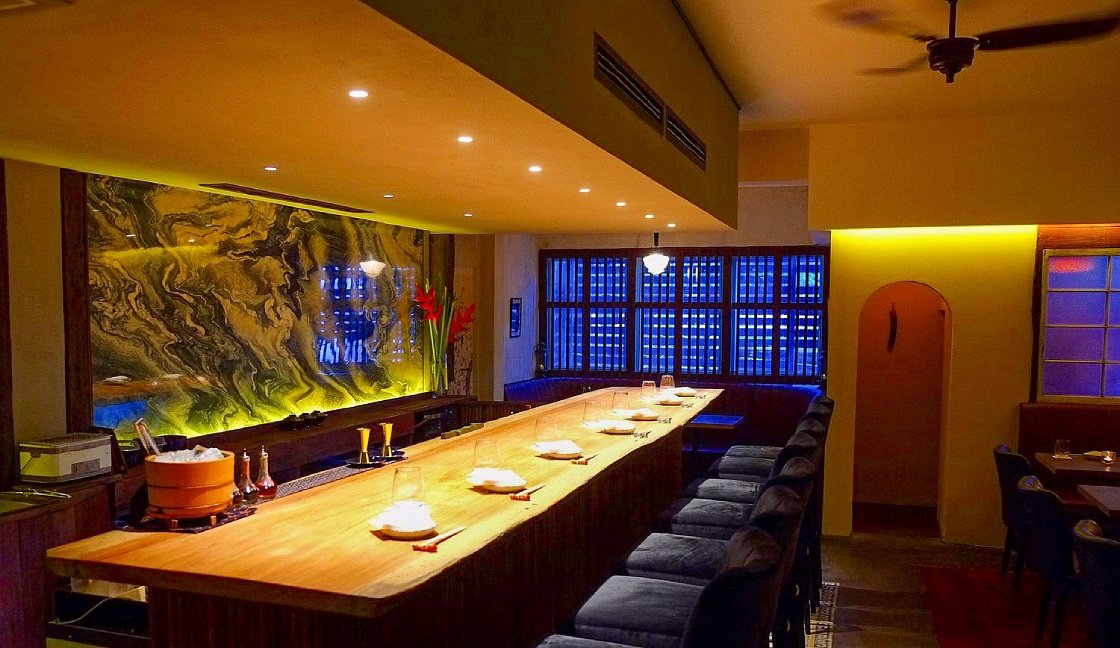
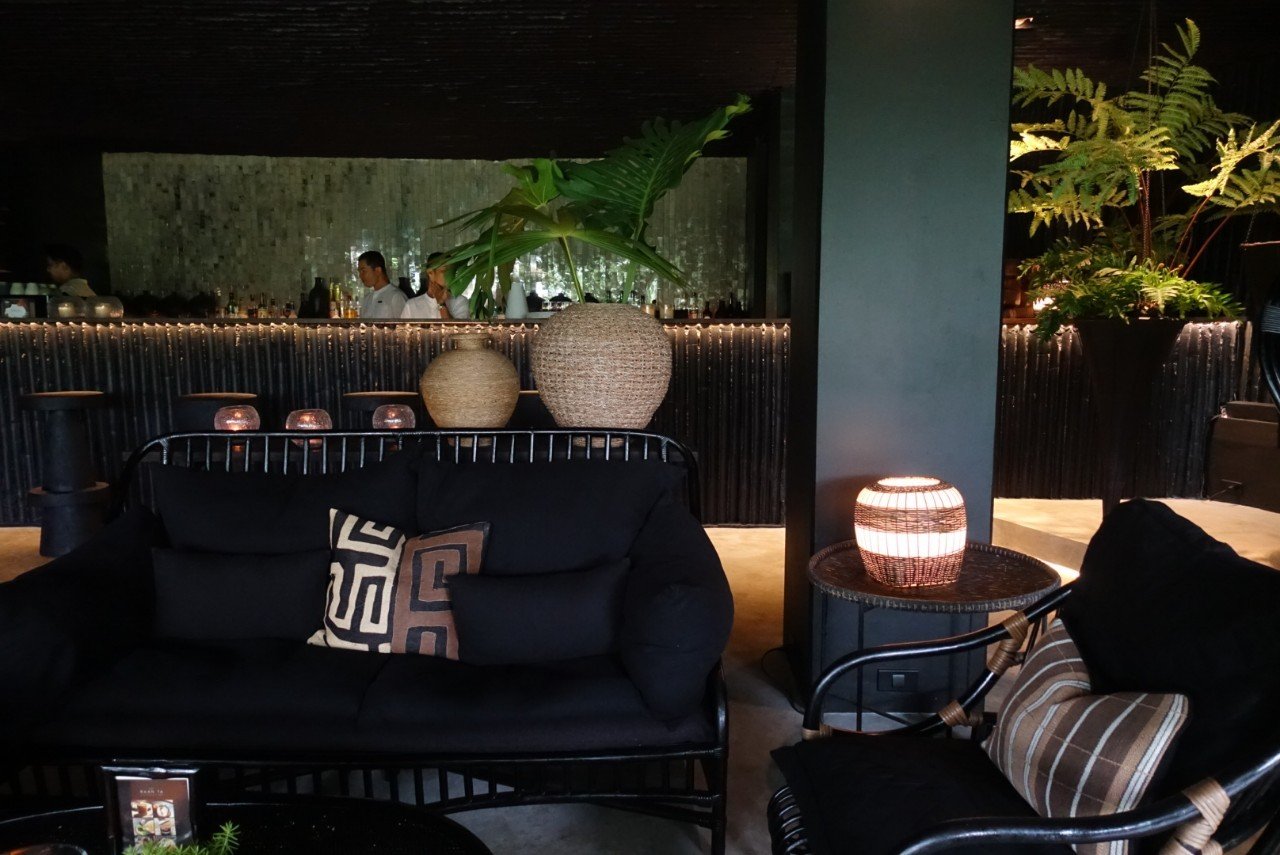
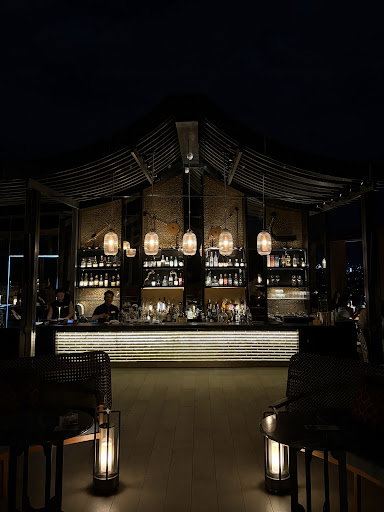
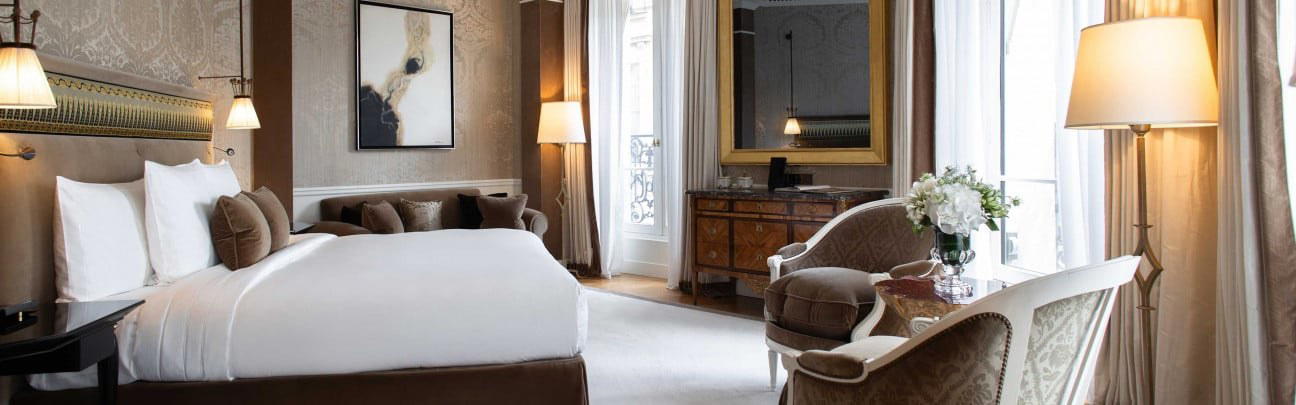
Tranquil and serene with graceful illumination, plush furnishings, and an elegant atmosphere enhanced by antiques, orchids, and manicured gardens.
Tags
Vibe
Best For
Experience
Amenities
View
Accessibility
About the Stay
- Rooms
- 25
- Check-in
- 15:00
- Check-out
- 11:00
- Property Style
- Lanna Inspired Heritage Boutique with Manicured Grounds and Traditional Architecture
- Design Style
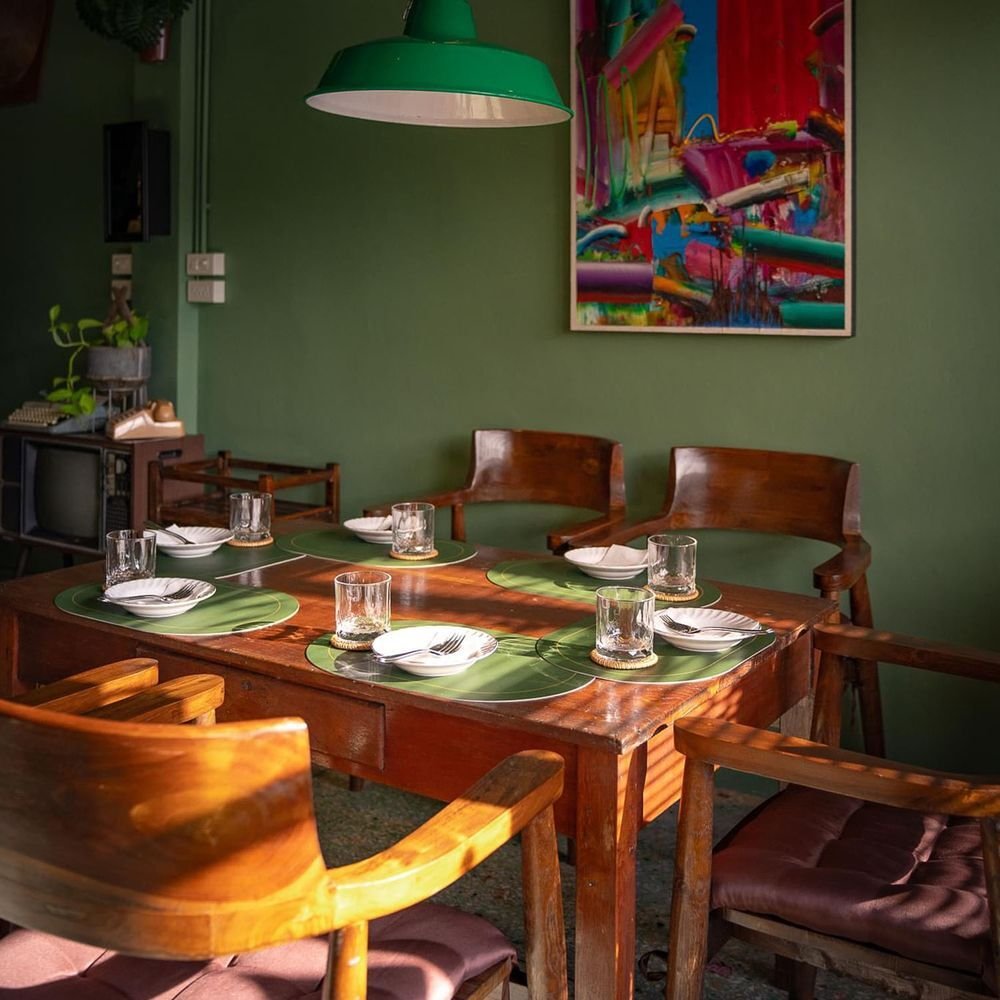
- Asian Eclectic with 19th Century Chinese Antiques, Burmese Art, Lanna Lanterns, and Minimalist Ornate Elements
Know before you go
Know Before You Go
- Getting there
- 6 Soi Ratchamanka 9, Tambon Si Phum, Amphoe Mueang Chiang Mai, Chang Wat Chiang Mai 50200
Planning details
Location
6 Soi Ratchamanka 9, Tambon Si Phum, Amphoe Mueang Chiang Mai, Chang Wat Chiang Mai 50200 · Directions
Recognition and awards
Also consider
Where to look if dates do not work
Start with Tamarind Village if the priority is another Chiang Mai boutique stay with a strong sense of place. Choose Chiang Mai Marriott Hotel instead if the group needs a larger hotel setup and less risk around logistics.
Hotel context
How it compares in Chiang Mai
Rachamankha is the stronger choice for a quiet celebration or design-led Old City stay, while Tamarind Village is the natural cross-shop for travelers who want a similarly local-feeling boutique option. If availability is tight, Tamarind Village is the first place to check before moving into larger hotel territory.
Away Chiang Mai Thapae Resort - A Vegan Retreat is the better fit for travelers who specifically want a vegan retreat format, while Rachamankha is the cleaner call for a broader luxury-hotel brief. AMANOR Hotel Chiang Mai and Art Mai Gallery Hotel make more sense for guests who prefer a contemporary hotel mood over a restrained heritage feel.
For operational ease, Chiang Mai Marriott Hotel is the safer large-hotel alternative: expect a broader service footprint and a more familiar city-hotel experience. Rachamankha is harder to treat as a backup because its appeal is more specific, so book it for atmosphere and occasion value rather than convenience alone.
Explore Chiang Mai
Around this place
Discover more on Pearl
Unlock the full Rachamankha guide in Pearl, including awards, comparisons, FAQs, planning details, and nearby places.
Compare Rachamankha
| Venue | Location | Awards |
|---|---|---|
| Rachamankha | Chiang Mai | 2026 Mr & Mrs Smith Luxury HotelsMichelin 2 Keys 20252025 Michelin 2 Keys2024 Michelin 2 Keys |
| Tamarind Village | Chiang Mai | 2025 Michelin 1 Key |
| Away Chiang Mai Thapae Resort - A Vegan Retreat | Chiang Mai | No published awards |
| AMANOR Hotel Chiang Mai | Chiang Mai | 2025 Michelin Selected HotelsSmall Luxury Hotels Member 2025 |
| Art Mai Gallery Hotel | Chiang Mai | No published awards |
| Chiang Mai Marriott Hotel | Chiang Mai | No published awards |



How Rachamankha Chiang Mai compares with similar nearby venues.
FAQ
Frequently Asked Questions
Is Rachamankha family-friendly?
How is the dining at Rachamankha?
For dining arrangements at Rachamankha, check current options directly with the hotel. The hotel is recognized with Michelin 2 Keys in 2024 and the Mr & Mrs Smith Seal of Approval in 2026, and the dress code is smart casual.
How is the location of Rachamankha?
How is the pool and spa at Rachamankha?
If wellness facilities are important, confirm the current pool and spa facilities directly with Rachamankha and compare with other Chiang Mai hotels such as Chiang Mai Marriott Hotel.
Which room category is best at Rachamankha?
Choose based on the current room descriptions provided by the hotel and confirm any space, bedding, or privacy needs before booking.
Do loyalty programs work at Rachamankha?
For loyalty-program details, check directly with Rachamankha. The main reasons to note the hotel are its Chiang Mai setting, Michelin 2 Keys in 2024, the Mr & Mrs Smith Seal of Approval in 2026, and smart casual dress code.