
Casa Delfino Hotel & Spa
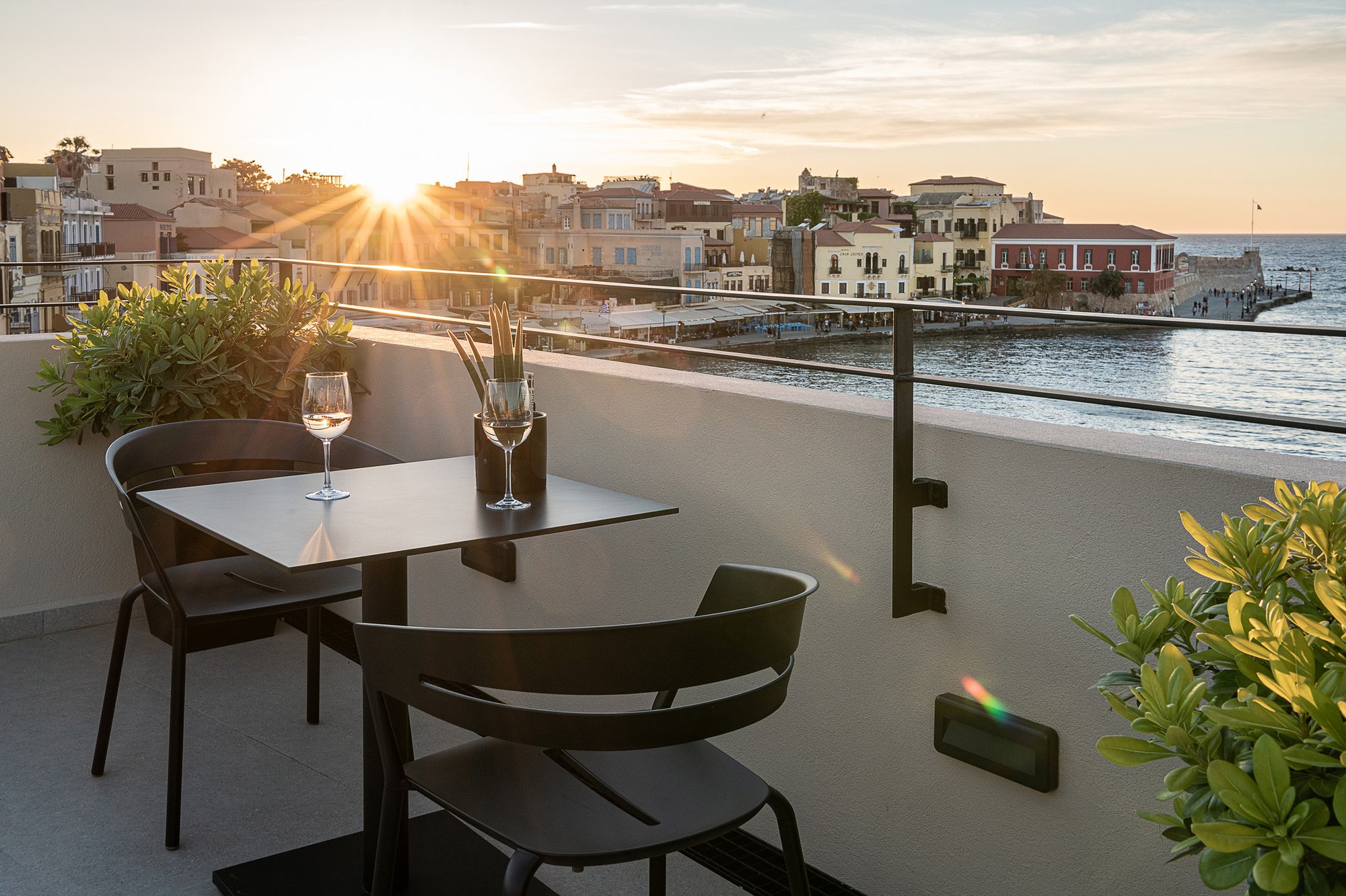
Old Venetian Harbor, Chania
Hotel in Chania, Greece
 Book with Pearl
The Read
Four-Century Family Continuity
Price
$100–200per night
Why go
Book Casa Delfino Hotel & Spa if the goal is a polished boutique base inside Chania rather than a beach-resort stay. The 2025 Small Luxury Hotels of the World membership gives it a useful trust signal, and the suite question matters: upgrade if the room is part of the trip, stay standard if Chania itself is the focus.
About Casa Delfino Hotel & Spa
Casa Delfino Hotel & Spa is a Chania hotel with a smart-casual dress code and Small Luxury Hotels of the World Member recognition for 2025. Details are limited, so the safest way to assess the property is not to assume a specific resort format, dining program, room layout, facility set, or neighborhood position beyond Chania.
The 2025 Small Luxury Hotels of the World membership is the clearest signal. That does not, by itself, indicate particular amenities, room categories, restaurant details, prices, or service formats, so those details should be checked directly before booking.
Book for Chania, with expectations kept precise
The grounded reason to consider Casa Delfino Hotel & Spa is that it is a Chania stay with Small Luxury Hotels of the World membership. If your decision depends on specific logistics, facilities, views, dining, parking, room size, or spa services, treat those as questions to confirm with the hotel rather than assumptions.
For travelers comparing hotels, the useful distinction is the kind of stay you want. Casa Delfino Hotel & Spa should be judged against your need for a Chania base, while alternatives such as Domes Zeen Chania, Domes Zeen, A Luxury Collection Resort, Chania, Domus Blanc Boutique Hotel, Pepper Sea Club Hotel, and The Tanneries Hotel & Spa may suit different trip priorities.
The room-category question needs direct confirmation
Because room-category details, prices, suite sizes, or layouts are not available, the room decision should be made through the current booking channels or by contacting the hotel. Do not assume that a particular category includes extra space, views, special access, or bundled services unless the hotel confirms it for your dates.
The practical rule is simple: decide first how much time you expect to spend at the property, then confirm the exact room type, inclusions, and cancellation terms before committing. Without price bands or detailed category descriptions, it is better to avoid over-interpreting the room names alone.
Who should choose it over another Chania hotel
Choose Casa Delfino Hotel & Spa if a Chania hotel with Small Luxury Hotels of the World Member status in 2025 fits the tone of your trip. The smart-casual dress code also gives guests a clear packing note.
If your decision depends on a resort-style environment, family facilities, business services, dining on site, beach access, parking, or specific spa offerings, compare the latest details directly with other options such as Domes Zeen Chania, Domes Zeen, A Luxury Collection Resort, Chania, Domus Blanc Boutique Hotel, Pepper Sea Club Hotel, and The Tanneries Hotel & Spa before booking.
Planning details
- Location
- Theofanous 9, Chania 731 31
- Website
- casadelfino.com
- Phone
- +30 2821 087400
The take
The Take
The Vibe
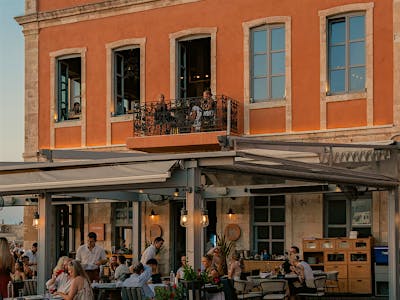
Casa Delfino occupies a genuine Venetian merchant mansion in Chania’s Old Town, and the guest experience is rooted in that architectural authenticity. Thick stone walls, vaulted archways and narrow lanes create an environment that feels lived-in and quietly impressive rather than showy. The hotel reads as part of the historic fabric: a private, context-driven address where the building itself is the principal draw. Visitors encounter a refined, quietly curated atmosphere that foregrounds heritage, setting and walkable urbanity rather than modern resort theatrics.
Best For
This property is best for travelers who prioritize history, architecture and Old Town walkability over beachfront amenities. It suits couples and solo travelers seeking an intimate, heritage-led stay and guests who want immediate access to Chania’s medieval lanes, harbour and cultural sites. If you prefer self-contained resort facilities—pools, long beaches and expansive grounds—those options on the peninsula are a different proposition. Casa Delfino is the clear choice for visitors who want to live inside the town’s historic heart and treat the building itself as the primary attraction.
Stay Tips
Choose Casa Delfino when your priority is location and architectural authenticity: the description frames the hotel as an urban heritage property where the Old Town’s density is the amenity. When deciding between properties in Chania, weigh this against peninsula resorts that explicitly offer beachfront access and pool infrastructure. The hotel’s harbour-facing context is highlighted in the text, so factor proximity to the Venetian harbour and Old Town walking routes into your room-selection and itinerary planning.
Venue details
Ambiance
Refined and tranquil with elegant lighting, original stonework, Italian furnishings, and a peaceful courtyard atmosphere praised for its luxurious charm.
Tags
Vibe
Best For
Experience
Amenities
View
Accessibility
About the Stay
- Rooms
- 24
- Property Type
- Boutique hotel
- Property Style
- Restored 17th Century Venetian Mansion Blending Heritage Architecture with Modern Luxury
- Design Style
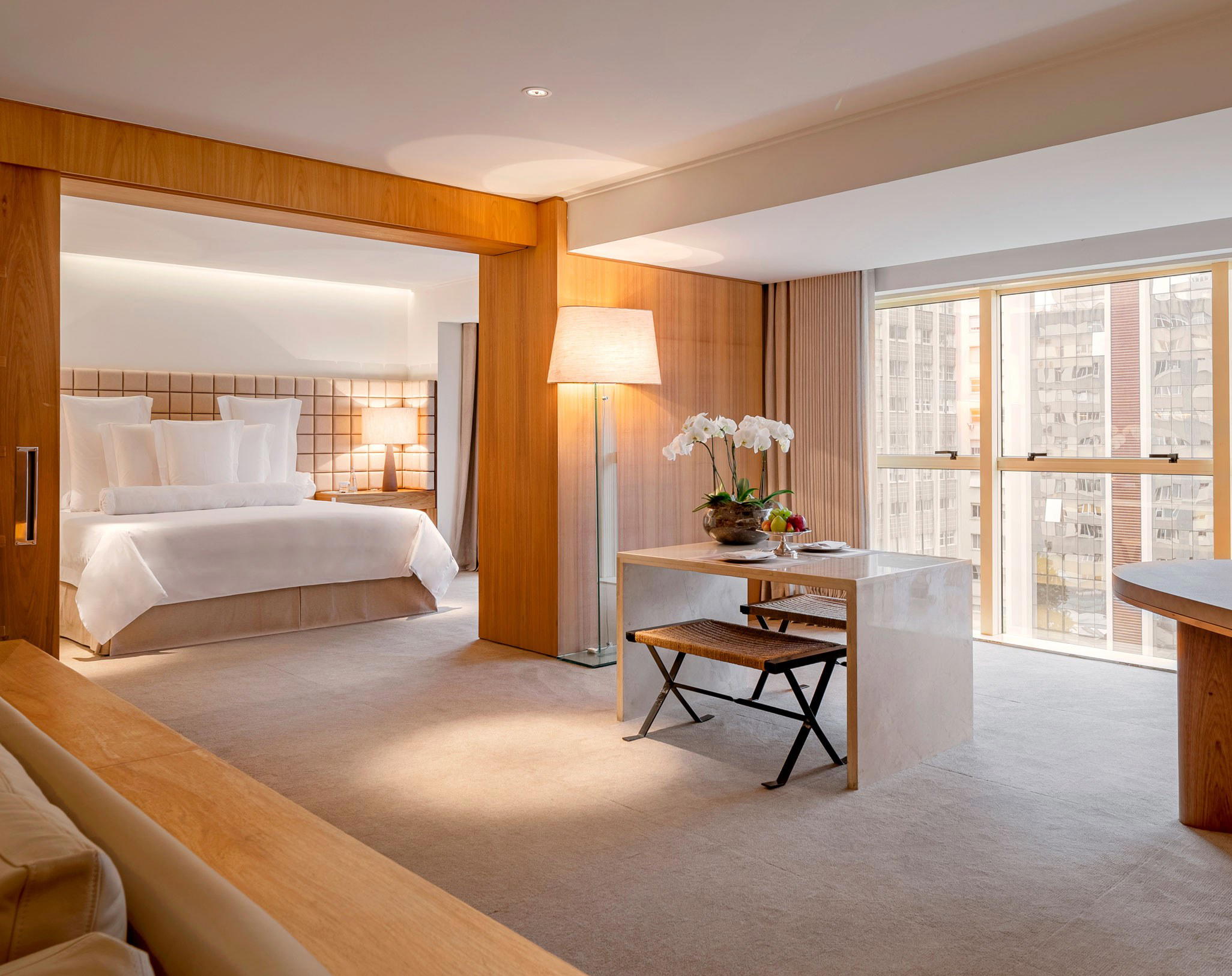
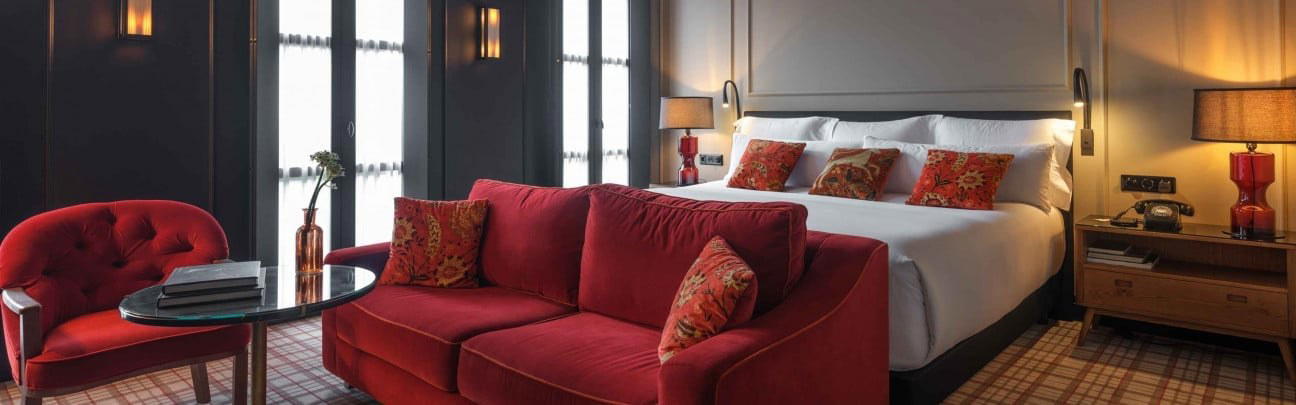
- Mix of Classical and Modern Decor with Custom Italian Furnishings and Marble Bathrooms
- Breakfast
- Included
- Airport Transfer
- Available
- Spa
- Yes
- Families
- Welcome
Know before you go
Know Before You Go
- Getting there
- Theofanous 9, Chania 731 31
Planning details
Location
Recognition and awards

Also consider
Also Consider
- Pepper Sea Club Hotel, Notable alternative
- Domes Zeen, A Luxury Collection Resort, Chania, Notable alternative
- Domes Zeen Chania, Notable alternative
- The Tanneries Hotel & Spa, Notable alternative
- Domus Blanc Boutique Hotel, Notable alternative
Hotel context
How it compares with Chania peers
Casa Delfino Hotel & Spa is the old-town boutique choice: stronger for first-timers who want Chania at their door, weaker for travelers who want a resort frame. Pepper Sea Club Hotel is the better cross-shop for guests who want a more leisure-led hotel rhythm, while Domes Zeen, A Luxury Collection Resort, Chania is the cleaner pick for a resort stay with more of the trip happening on property.
Compared with The Tanneries Hotel & Spa, Casa Delfino is the more obvious fit if old-town walking is the priority. The Tanneries Hotel & Spa is the one to consider when a spa-led stay feels more important than being embedded in the historic center. Domus Blanc Boutique Hotel is the practical alternative for travelers who want boutique scale without necessarily anchoring the stay around the old-town setting.
If booking is easy across the set, choose by trip style rather than chasing availability: Casa Delfino Hotel & Spa for atmosphere and Chania access, Domes Zeen Chania for a more resort-oriented plan, and Pepper Sea Club Hotel when beach-holiday pacing matters more than historic-city immersion.
Explore Chania
Around this place
Discover more on Pearl
Unlock the full Casa Delfino Hotel & Spa guide in Pearl, including awards, comparisons, FAQs, planning details, and nearby places.
Compare Casa Delfino Hotel & Spa
| Venue | Location | Awards |
|---|---|---|
| Casa Delfino Hotel & Spa | Chania | Small Luxury Hotels Member 2025 |
| Pepper Sea Club Hotel | Chania | No published awards |
| Domes Zeen, A Luxury Collection Resort, Chania | Chania | No published awards |
| Domes Zeen Chania | Crete | No published awards |
| The Tanneries Hotel & Spa | Crete | No published awards |
| Domus Blanc Boutique Hotel | Crete | No published awards |
How Casa Delfino Hotel & Spa Chania Guide compares with similar nearby venues.
FAQ
Frequently Asked Questions
How does Casa Delfino Hotel & Spa compare to other hotels?
Casa Delfino Hotel & Spa is a Chania hotel with Small Luxury Hotels of the World Member recognition for 2025 and a smart-casual dress code. For a fuller comparison, check current details directly against Domes Zeen, A Luxury Collection Resort, Chania, Domes Zeen Chania, Domus Blanc Boutique Hotel, Pepper Sea Club Hotel, and The Tanneries Hotel & Spa, especially if amenities, room types, or facilities are deciding factors.
How is the location of Casa Delfino Hotel & Spa?
Casa Delfino Hotel & Spa is in Chania. Specific location details are not provided, so travelers who need exact positioning, access, parking, or walking-distance information should confirm those details directly before booking.
Is Casa Delfino Hotel & Spa good for business travel?
It may suit some Chania stays, but business-travel facilities, meeting services, workspace details, or transport logistics are not available. If those points matter, confirm them directly with the hotel and compare with other options such as Domes Zeen Chania or The Tanneries Hotel & Spa.
When is the best time to book Casa Delfino Hotel & Spa?
Booking window, seasonal pricing pattern, or availability guidance is not available. If your dates are fixed, check current availability and terms directly with Casa Delfino Hotel & Spa before comparing it with other Chania hotels.
How is the dining at Casa Delfino Hotel & Spa?
Dining format, cuisine, restaurant details, bar program, or meal service information is not available. If dining is important to your stay, confirm the current hotel offering directly and compare it with the Chania restaurants or hotel options you are already considering.
Which room category is best at Casa Delfino Hotel & Spa?
Room-category details, suite descriptions, prices, or layouts are not available. The best choice is to review the current room information for your dates and confirm any important inclusions directly with the hotel before booking.
Is Casa Delfino Hotel & Spa family-friendly?
Family facilities, child policies, room configurations, or resort-style amenities are not available. Families should confirm the current setup directly with Casa Delfino Hotel & Spa and compare it with alternatives such as Domes Zeen, A Luxury Collection Resort, Chania if specific family needs are central to the trip.