



Castello di Casole, A Belmond Hotel, Tuscany
Casole d'Elsa
Hotel in Casole d'Elsa, Italy
 Book with Pearl
The Read
Layered Estate Immersion
Why go
Book this if you want Belmond-level handling and a resort-led Italy stay with serious recognition behind it. It is less suited to travelers who need transparent pricing, named dining details, or firm room-category guidance before committing. Cross-shop the Lago di Como peers if waterfront access matters more than the managed retreat feel.
About Castello di Casole, A Belmond Hotel, Tuscany
Castello di Casole, A Belmond Hotel, Tuscany is a luxury-hotel option in Casole d'Elsa with a smart casual dress code and a recognition list that includes Michelin 2 Keys in 2024, La Liste Top Hotels 2026 at 90.5 points, Forbes 4-Star recognition for 2026, and Virtuoso Luxury Hotel Partner status for 2026.
Travelers who need granular pre-trip detail on room-by-room pricing, dining format, spa details, room count, or service inventory should confirm those points directly before booking.
Book for the recognized luxury-hotel stay, not for granular pre-trip certainty
The strongest reason to consider Castello di Casole, A Belmond Hotel, Tuscany is the recognition set: Michelin 2 Keys, La Liste Top Hotels at 90.5 points, Forbes 4-Star recognition, and Virtuoso Luxury Hotel Partner status. Those signals give the property a credible quality floor, while travelers should still confirm pricing, room inventory, dining format, and other stay details directly.
That makes the hotel a better fit for travelers who are comfortable choosing a recognized luxury property in Casole d'Elsa and confirming specifics directly. It is less ideal for guests who want every detail fixed in advance from public information alone. The practical approach is to decide whether the recognition profile and Casole d'Elsa setting match the trip, then confirm the remaining details before committing.
Who should choose it over other Italian luxury-hotel options
Choose Castello di Casole, A Belmond Hotel, Tuscany if the trip is centered on Casole d'Elsa and the hotel recognition matters most. For a different style of Italian luxury stay, Grand Hotel Tremezzo, Grand Hotel Villa Serbelloni, MUSA Lago Di Como, and Filario Hotel & Residences are natural comparison points, particularly for travelers considering a different itinerary instead.
The comparison is less about a single published feature and more about trip shape. Castello di Casole, A Belmond Hotel, Tuscany belongs on the shortlist for a Casole d'Elsa stay with strong third-party recognition. The other properties are better considered when the itinerary is built around a different destination and setting.
Know Before You Go
- Good for: Travelers prioritizing a recognized luxury-hotel stay in Casole d'Elsa.
- Less good for: Travelers who need public detail on pricing, room categories, dining format, or spa programming before deciding.
- Dress code: Smart casual.
- Recognition: Michelin 2 Keys, La Liste Top Hotels 90.5pts, Forbes 4-Star, and Virtuoso Luxury Hotel Partner.
- Useful next step: Confirm current rates, room categories, dining, and service details directly before booking.
Part of
Belmond53 locations on PearlPlanning details
- Location
- Via Regina 8, Tremezzina, Lago di Como, 22016 Italy
- Website
- gc.synxis.com/rez.aspx?Hotel=26937&Chain=10237&template=rLUGTP&shell=rLUGTP&locale=it-IT&arrive=08/10/2017&depart=09/10/2017&adult=2&child=0&_ga=2.120007051.2060432310.1568646612-163316142.1529935928
- Phone
- 39-0344-42491
The take
The Take
The Vibe
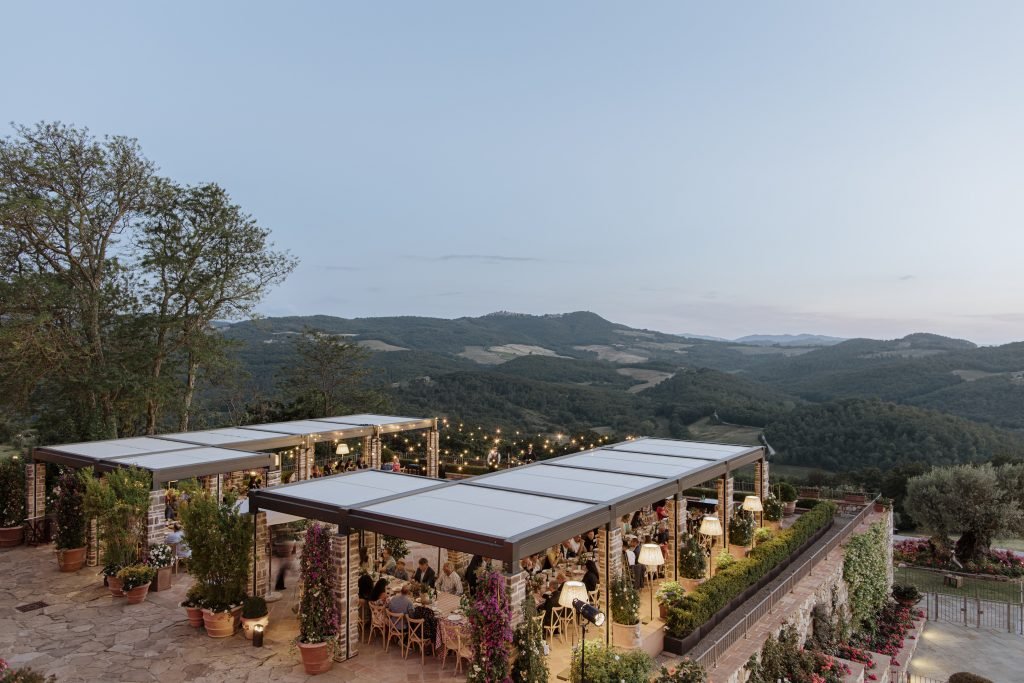
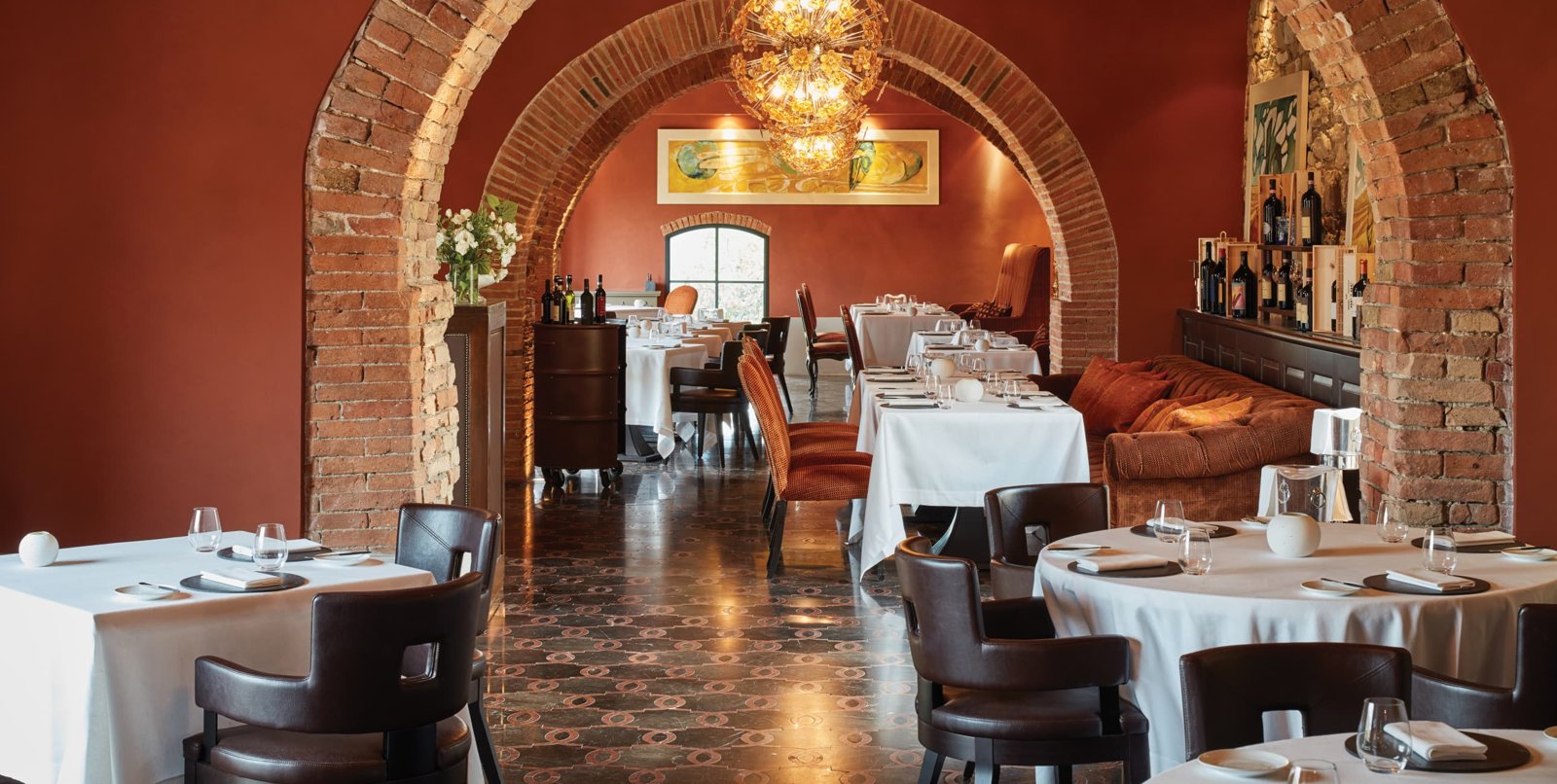
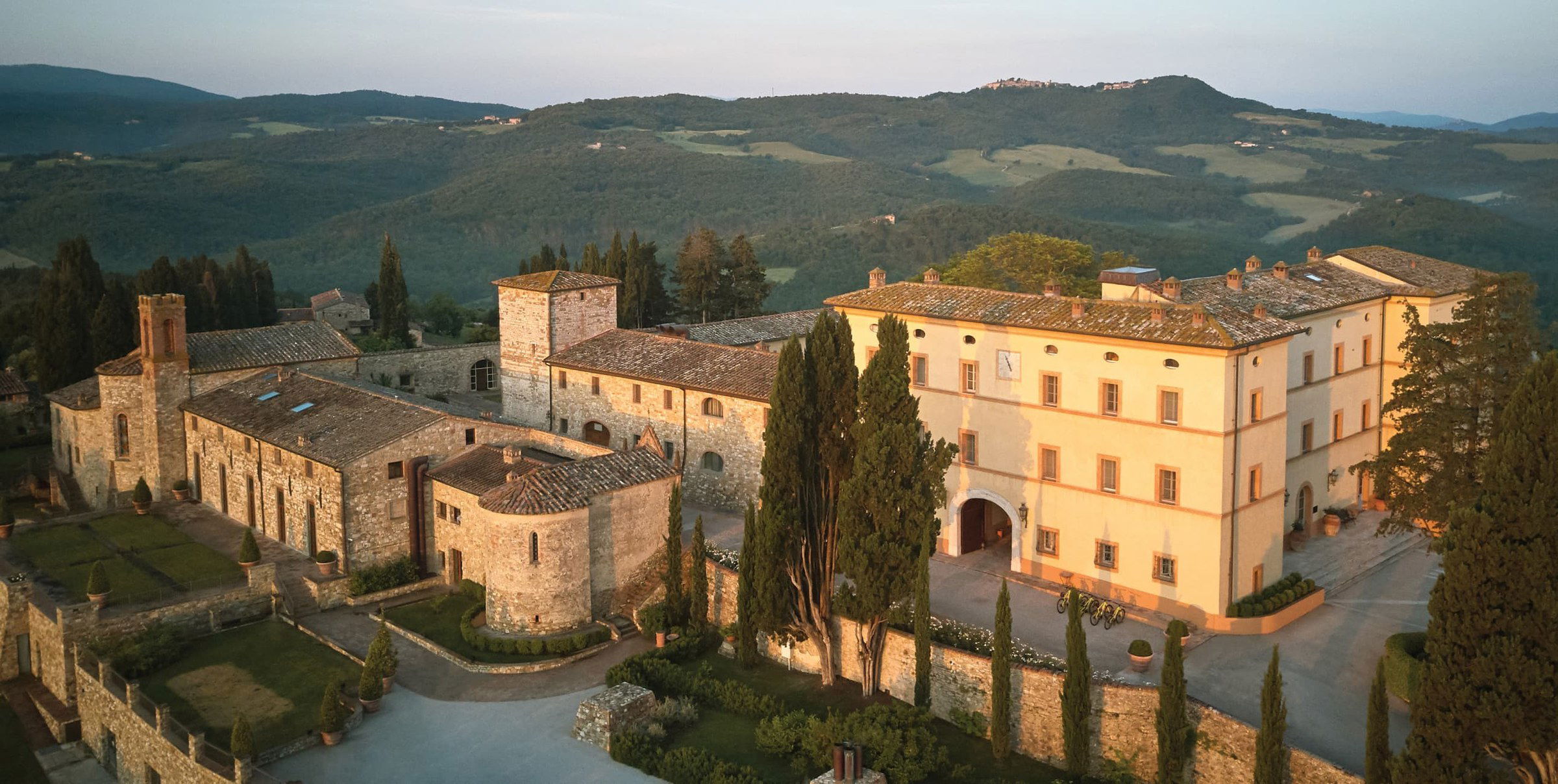
Castello di Casole presents as an authentically layered Tuscan estate where medieval fabric and thoughtful restoration meet pastoral calm. A long avenue of cypress trees leads to a cluster of stone buildings — a restored castle, a former village and converted farmhouses — that keep original brick and stone visible. Open fireplaces recur across the property, reinforcing a warm, cozy feel amid exposed masonry. The surrounding oak woods, olive groves and sweeping vineyards place the architecture within a lived agricultural landscape, so the overall impression is historic, intimate and quietly luxurious rather than slickly renovated.
Best For
This estate is best for travelers seeking a tranquil, romantic escape rooted in history and landscape. It suits honeymooners and couples celebrating anniversaries, small groups looking for a weekend escape and guests after wellness-style downtime; the property's 4,200 acres of vineyards, olive groves and woodlands encourage slow exploration and privacy. The castle and converted village accommodations feel designed for restful stays rather than bustling resort activity, making the hotel a fit for people who prize quiet, scenic surroundings and atmospheric, historically rich lodging.
Venue details
Ambiance
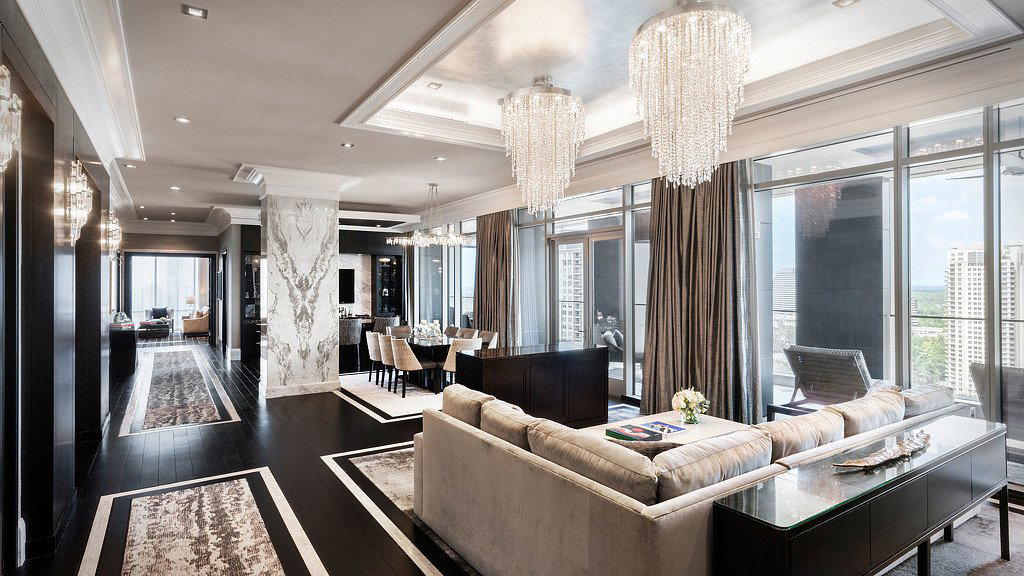
Serene and elegant Tuscan atmosphere with warm lighting from antique details, exposed stone walls, wood-beamed ceilings, and open fireplaces, enhanced by surrounding olive groves and vineyards.
Tags
Vibe
Best For
Experience
Amenities
View
Accessibility
About the Stay
- Rooms
- 41
- Check-in
- 15:00
- Check-out
- 11:00
- Property Style
- Restored Historic Castle on a Vast Tuscan Estate Blending Antique Charm with Modern Luxury.
- Design Style
- Classic Tuscan with Exposed Stone, Wood Beams, Hand Plastered Finishes, and Contemporary Fabrics.
Know before you go
Know Before You Go
- Getting there
- Via Regina 8, Tremezzina, Lago di Como, 22016 Italy
Planning details
Location
Recognition and awards



Also consider
Where to Look If This Is Full
If availability does not work, start with Grand Hotel Tremezzo for a classic Lago di Como alternative with a grand-hotel feel. For a more contemporary lake stay, compare MUSA Lago Di Como and Filario Hotel & Residences before moving to Grand Hotel Villa Serbelloni for a more traditional option.
Hotel context
How It Compares
Castello di Casole, A Belmond Hotel, Tuscany is the safer luxury bet for travelers who value brand handling and third-party recognition over visible pre-booking detail. Against MUSA Lago Di Como and Filario Hotel & Residences, it reads as the more managed resort choice, while those two make more sense for a tighter lake-focused stay.
Grand Hotel Tremezzo and Grand Hotel Villa Serbelloni are stronger if the trip needs a classic grand-hotel mood and a clearer Lago di Como frame. Pick Castello di Casole if the hotel is the main event; pick the lake peers if the location needs to do more of the work.
Value for money comes down to what the traveler is paying to reduce friction. Castello di Casole is easier to justify when service consistency, awards recognition, and a contained stay matter. Filario Hotel & Residences and MUSA Lago Di Como are better cross-shops for travelers who want a more direct sense of place and potentially simpler itinerary logistics.
Around this place
Discover more on Pearl
Unlock the full Castello di Casole, A Belmond Hotel, Tuscany guide in Pearl, including awards, comparisons, FAQs, planning details, and nearby places.
Compare Castello di Casole, A Belmond Hotel, Tuscany
| Venue | Location | Awards |
|---|---|---|
| Castello di Casole, A Belmond Hotel, Tuscany | Casole d'Elsa | 2026 Forbes 4-Star2026 Virtuoso Luxury Hotel Collection2026 La Liste Top Hotels2025 Michelin 2 Keys2025 Forbes 4-Star2024 Michelin 2 Keys |
| MUSA Lago Di Como | Como | No published awards |
| Filario Hotel & Residences | Lezzeno | No published awards |
| Grand Hotel Tremezzo | Tremezzo | 2026 Forbes 4-Star2026 Virtuoso Luxury Hotel Collection2026 Mr & Mrs Smith Luxury Hotels2026 La Liste Top Hotels2025 Michelin 2 Keys2025 Forbes 4-StarPreferred Hotels Member 20252024 Michelin 2 Keys |
| Filario Hotel & Residences | Lake Como | No published awards |
| Grand Hotel Villa Serbelloni | Bellagio | 2026 Virtuoso Luxury Hotel Collection2026 Relais Chateaux Hotels2026 La Liste Top Hotels2025 Michelin Selected Hotels |



How Castello di Casole, A Belmond Hotel, Tuscany Review compares with similar nearby venues.
FAQ
Frequently Asked Questions
When is the best time to book Castello di Casole, A Belmond Hotel, Tuscany?
How is the location of Castello di Casole, A Belmond Hotel, Tuscany?
Castello di Casole, A Belmond Hotel, Tuscany is in Casole d'Elsa.
How is the pool and spa at Castello di Casole, A Belmond Hotel, Tuscany?
How is the dining at Castello di Casole, A Belmond Hotel, Tuscany?
Do loyalty programs work at Castello di Casole, A Belmond Hotel, Tuscany?
Virtuoso Luxury Hotel Partner status applies for 2026. Confirm any loyalty or points-program benefits through your booking channel.