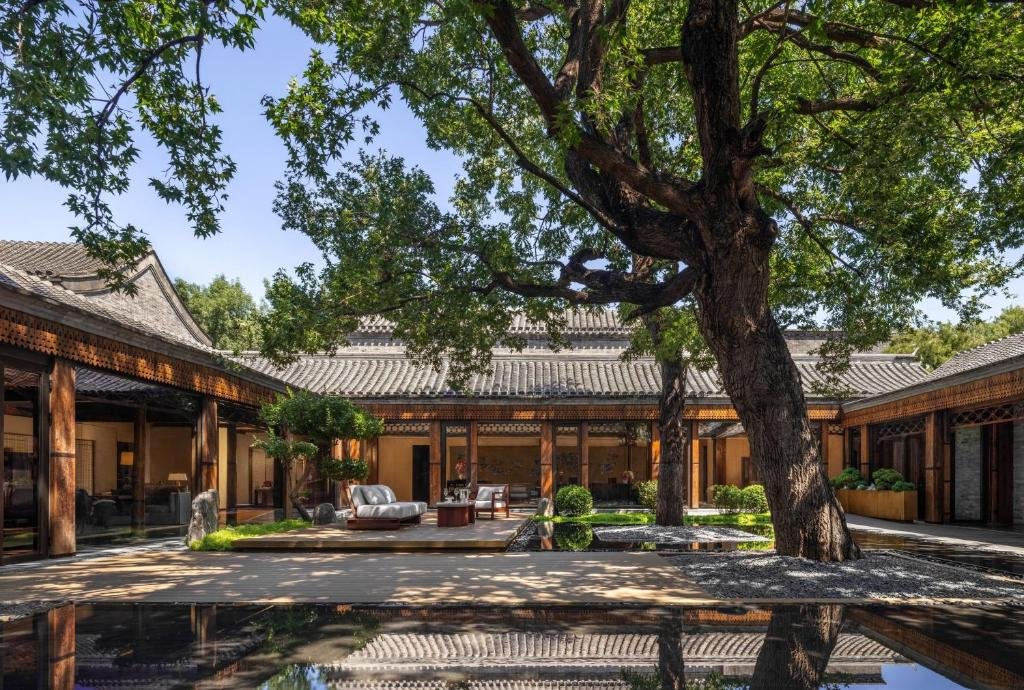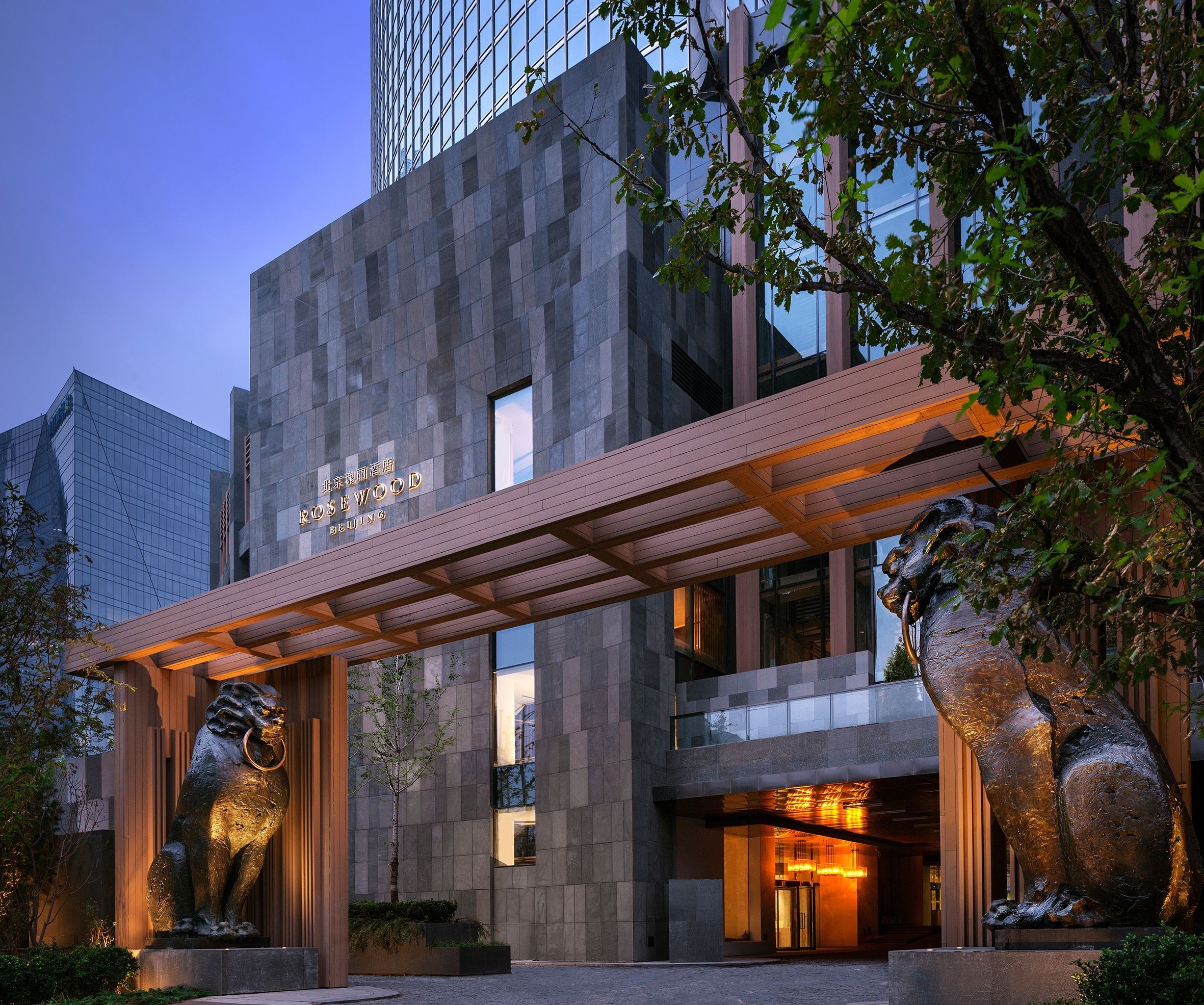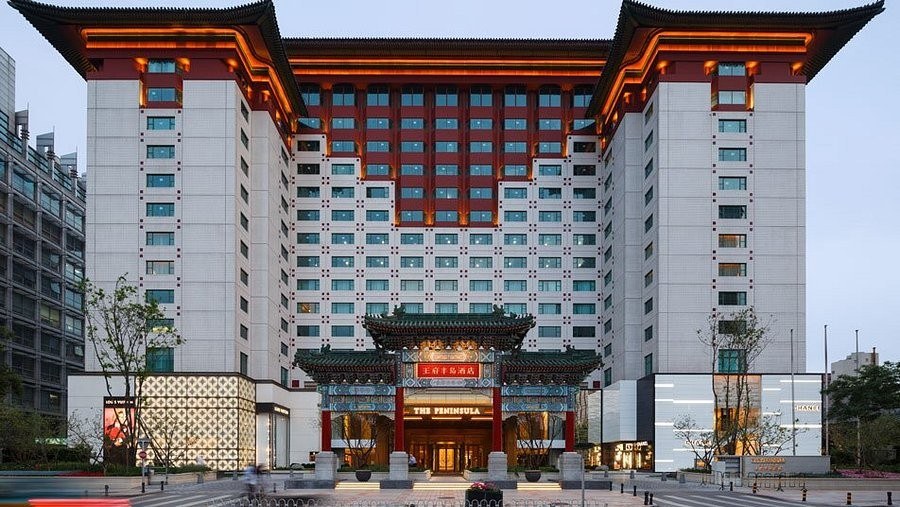

The Opposite House
Sanlitun, Beijing
Hotel in Beijing, China
 Book with Pearl
The Read
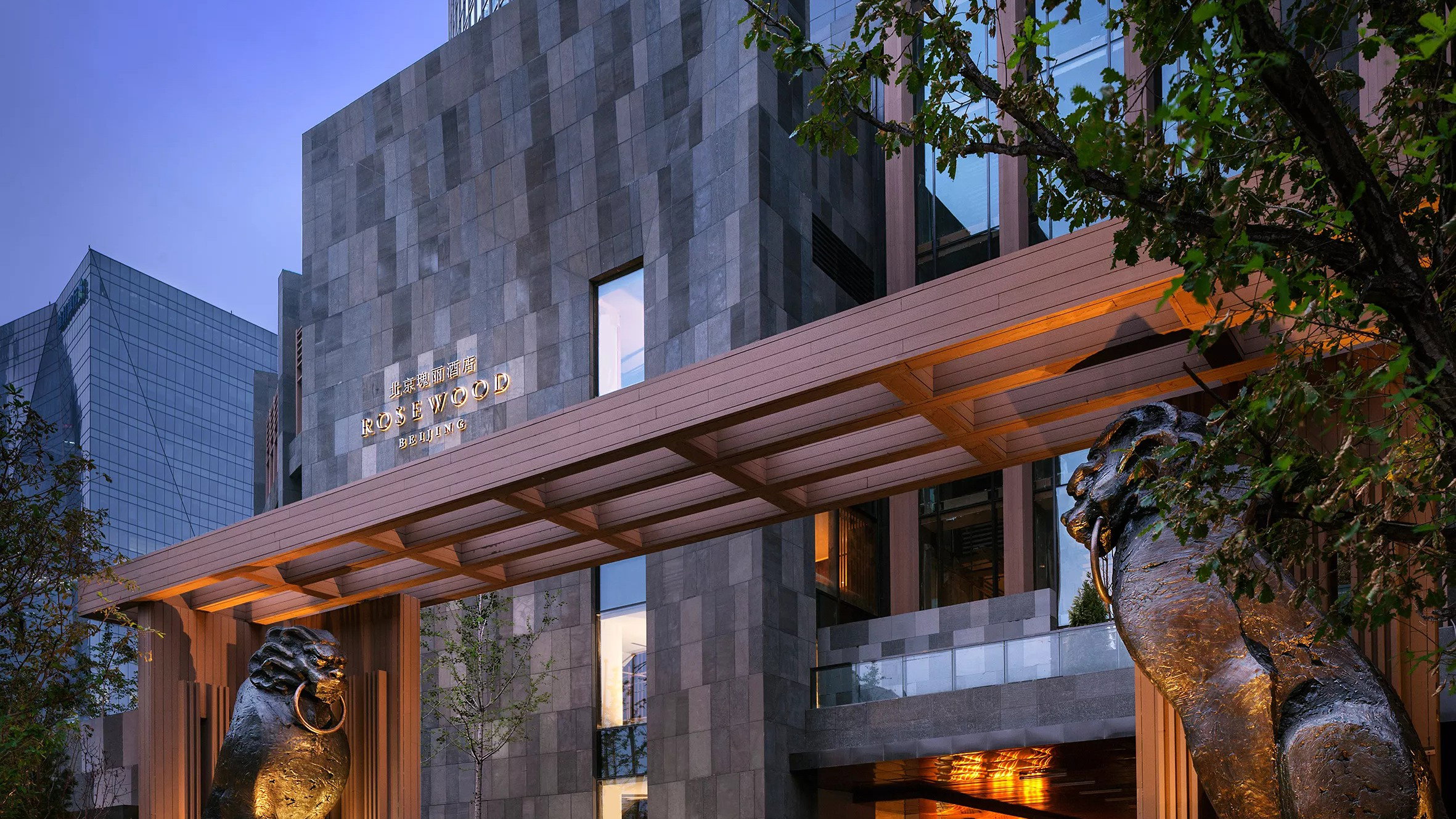
Architectural Restraint
Why go
The Opposite House was a design-led Sanlitun base rather than a formal business hotel. It is strongest for repeat Beijing travelers, couples, and Chaoyang-focused business trips; compare Bvlgari Hotel Beijing for a more secluded luxury feel and CHAO Sanlitun Beijing for a neighborhood-forward alternative.
About The Opposite House
For Beijing hotel planning, The Opposite House is a Beijing option with a smart-casual dress code and a La Liste Top Hotels (2026) score of 95.5pts. If facilities, room types, prices, service formats, neighborhood specifics, or address-level details matter to your trip, check them directly before booking. The practical verdict: consider it as a Beijing stay, then compare it carefully with other named Beijing hotels before booking.
The Opposite House is in Beijing. If the exact position of the hotel is central to your trip, confirm it directly before committing. The safest planning approach is to decide whether this Beijing base works for your itinerary, then compare it with other hotel options in the city.
A Beijing hotel to compare on essentials
The key information for The Opposite House is limited but useful. The hotel has a smart-casual dress code, and La Liste Top Hotels lists it for 2026 with a score of 95.5pts. Those are credible signals; assess amenities, design features, dining, room categories, pricing, and service style directly before booking.
Travelers comparing Beijing hotels can include The Opposite House alongside Bvlgari Hotel Beijing, CHAO Sanlitun Beijing, Conrad Beijing, Four Seasons Hotel Beijing, and InterContinental Beijing Sanlitun. Use those comparisons to evaluate what matters for your own stay, but confirm current details directly with each hotel before booking.
Who should book it, and who should cross-shop
Book here if the profile fits your needs: a Beijing hotel with smart-casual expectations and La Liste Top Hotels (2026) recognition. If your decision depends on specific amenities, room size, dining, wellness facilities, meeting spaces, transport times, or loyalty benefits, check those details directly before paying.
Cross-shop The Opposite House with Bvlgari Hotel Beijing, CHAO Sanlitun Beijing, Conrad Beijing, Four Seasons Hotel Beijing, and InterContinental Beijing Sanlitun. The right choice should come down to location, rate, availability, and the specific services you need for the trip. Use our full Beijing hotels guide for the broader hotel set, and pair the stay planning with our full Beijing restaurants guide.
Planning details
- Location
- 11 San Li Tun Lu, 使馆区 Chao Yang Qu, Bei Jing Shi, 100027
- Website
- thehousecollective.com/sc/the-opposite-house
- Phone
- +86 10 6417 6688
The take
The Take
The Vibe
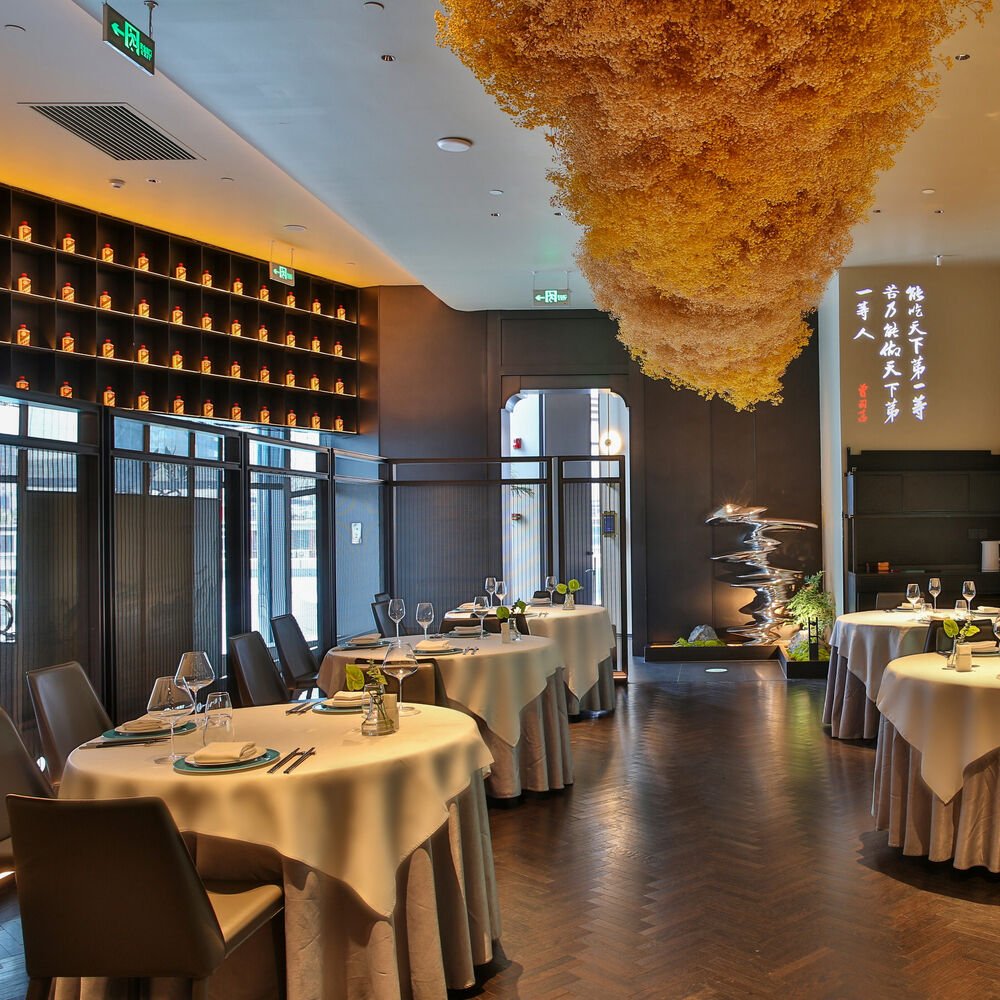
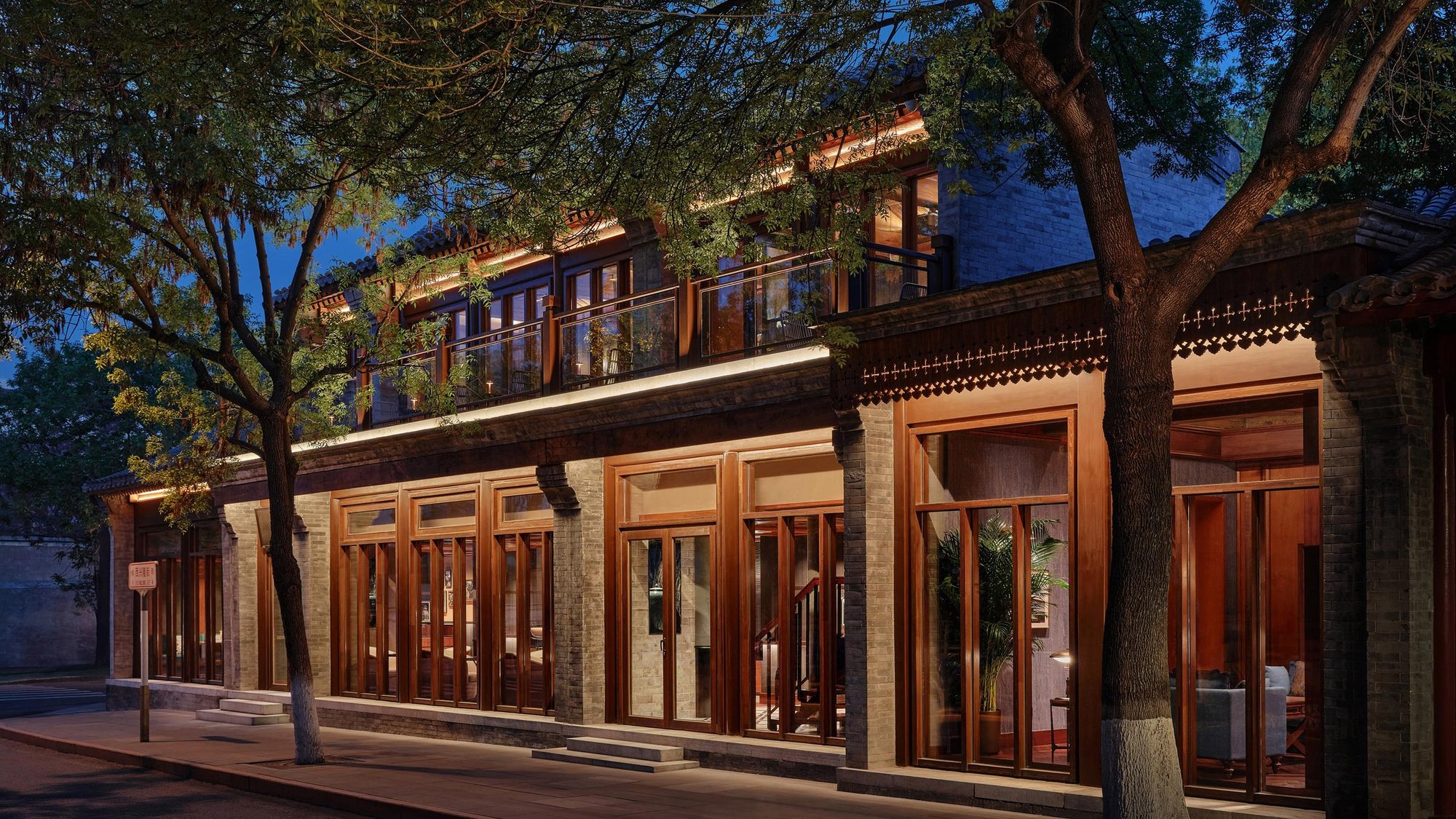
The Opposite House presents itself as a design-led, upper-tier independent that privileges spatial identity over amenity checklists. It reads as quietly confident rather than ostentatious: lower room counts and a focus on deliberate atmosphere produce an understated luxury that contrasts with international flag carriers. The text frames the property as consistently excellent — La Liste recognition underscores reliable quality — and the setting in Sanlitun's embassy district amps up a cosmopolitan, discreetly refined mood. Guests who value architecture, interiors and a curated sense of place find the hotel more about experience than spectacle.
Best For
This property is best for travelers seeking a memorable, design-focused stay rather than a standardized brand experience. Business travelers who want a quietly sophisticated base in Sanlitun and couples looking for a distinctive romantic getaway both find the hotel appropriate; it's also well suited to weekend escapes and other milestone stays where the environment contributes to the occasion. The profile favors guests who prioritize atmosphere and spatial quality — those booking for a special occasion or a short, design-driven break will get the most from a stay here.
Venue details
Ambiance
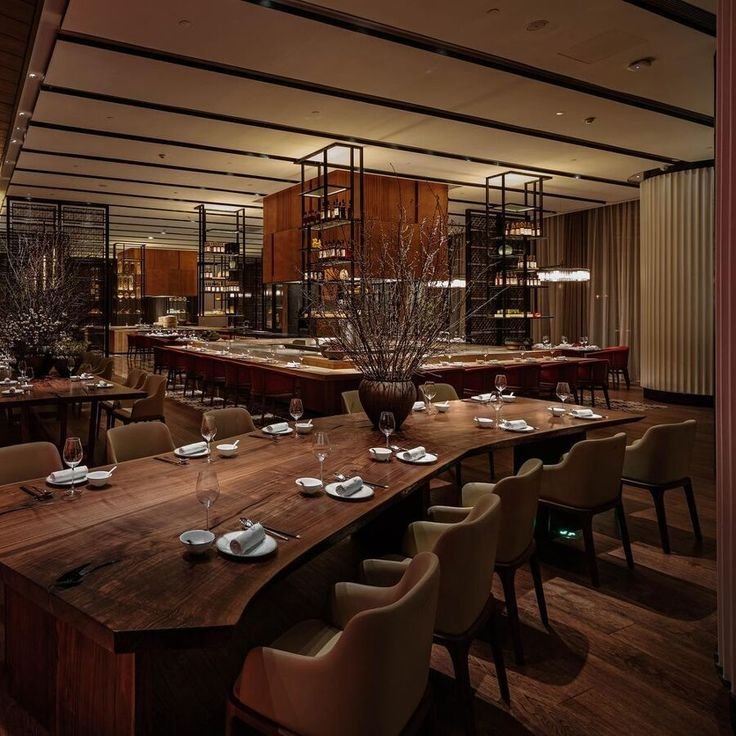
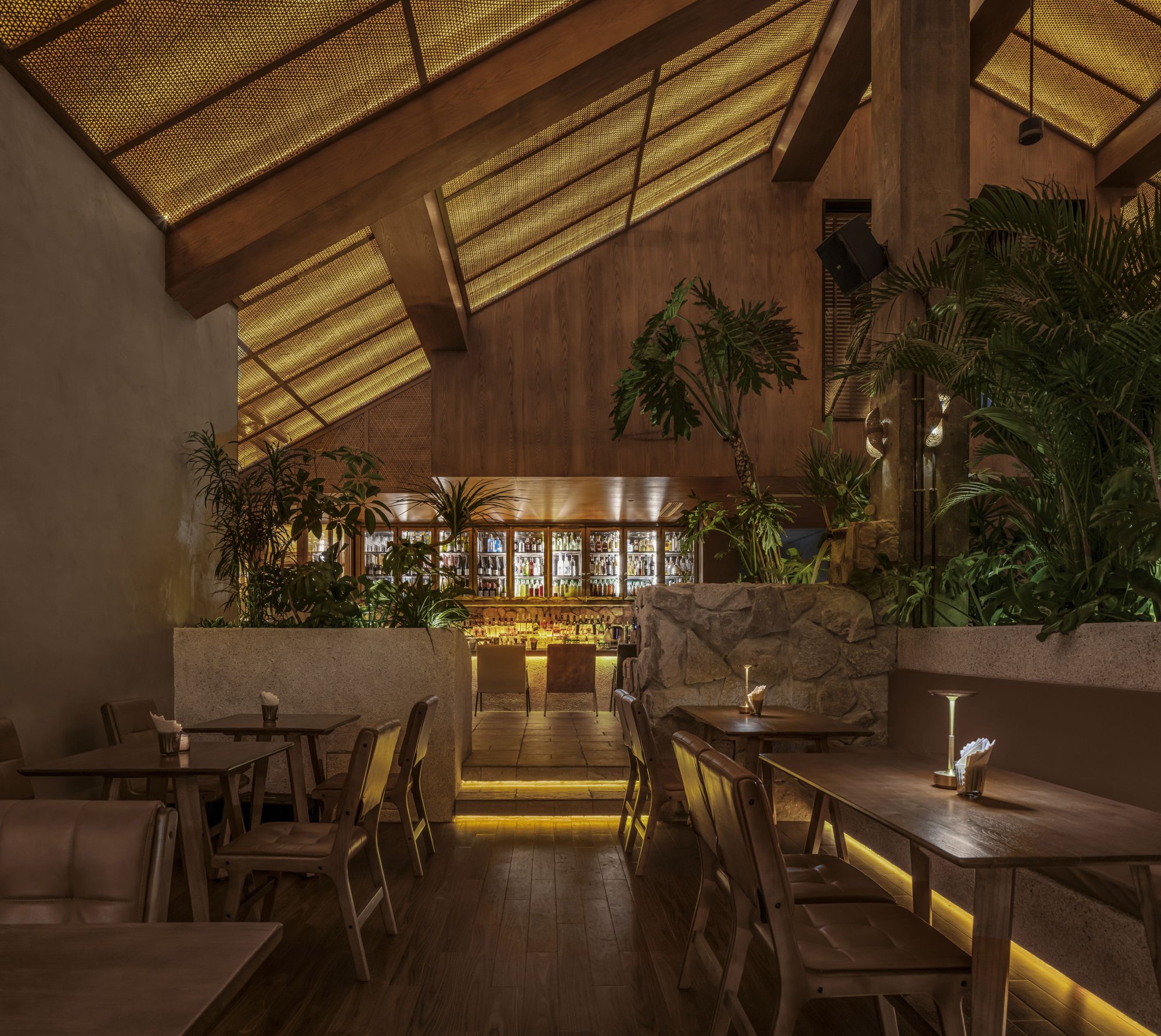
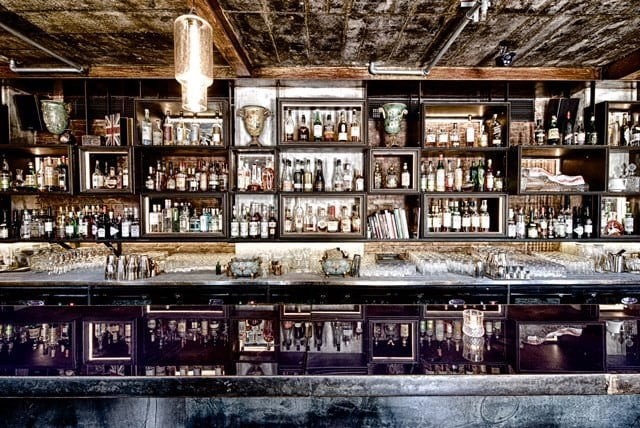
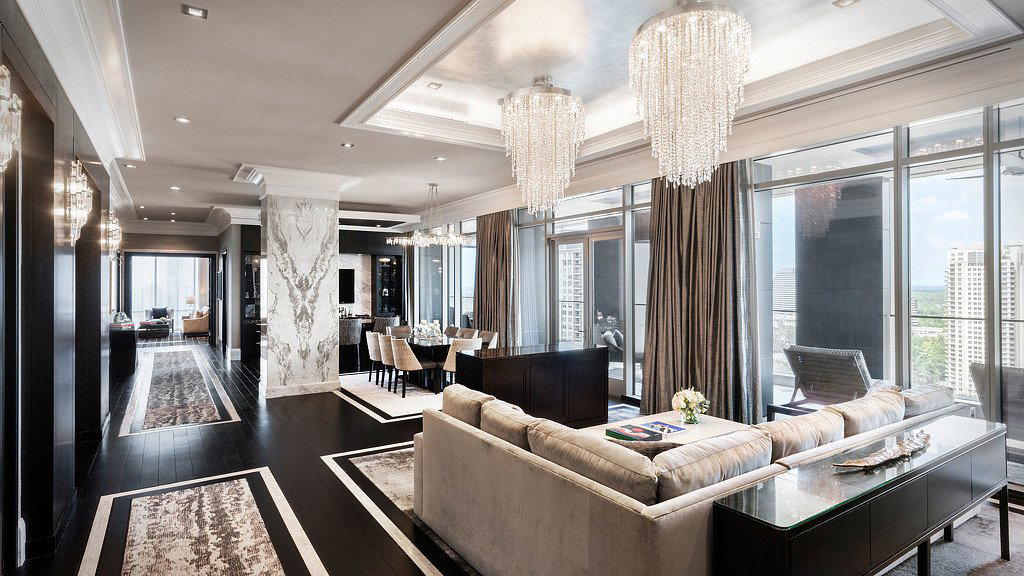
Sleek minimalist atmosphere with soft lighting in the dark yet warm pool and gym areas, complemented by contemporary wooden interiors.
Tags
Vibe
Best For
Experience
Amenities
View
Accessibility
About the Stay
- Rooms
- 99
- Property Type
- Boutique hotel
- Property Style
- Trendy Urban Residence with Art Gallery Vibe
- Design Style
- Minimalist Japanese Inspired with Bold Wood Elements
- Airport Transfer
- Available
- Pool
- Yes
- Spa
- Yes
- Pets
- Allowed
- Families
- Welcome
- Cancellation
- Moderate
Know before you go
Know Before You Go
- Getting there
- 11 San Li Tun Lu, 使馆区 Chao Yang Qu, Bei Jing Shi, 100027
Planning details
Location
11 San Li Tun Lu, 使馆区 Chao Yang Qu, Bei Jing Shi, 100027 · Directions
Recognition and awards

Also consider
Also Consider
- CHAO Sanlitun Beijing, Notable alternative
- InterContinental Beijing Sanlitun, Notable alternative
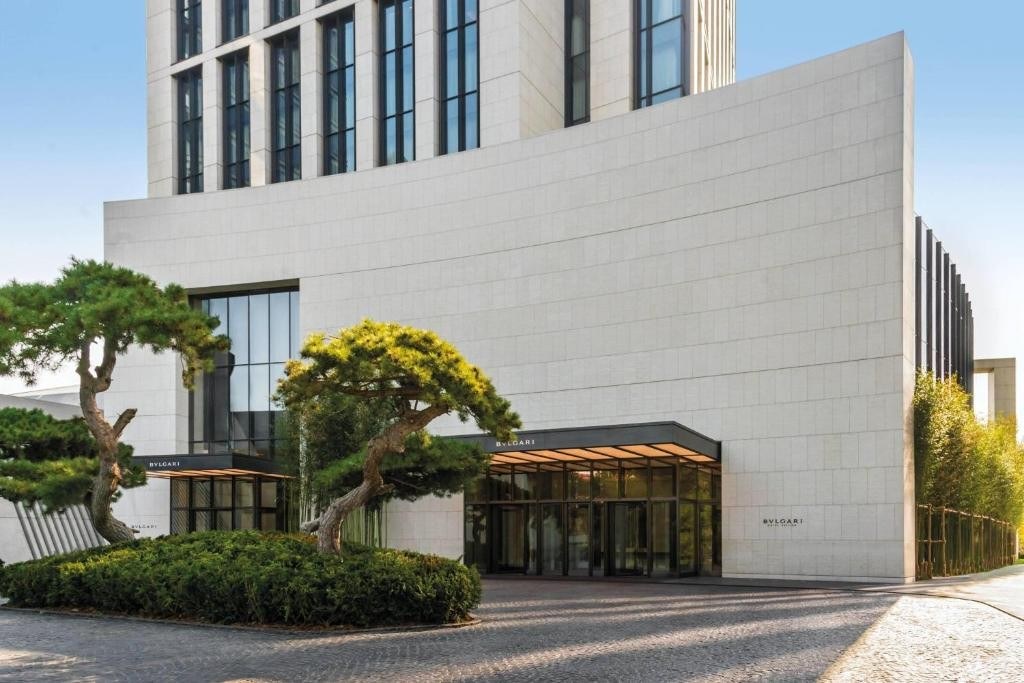
- Bvlgari Hotel Beijing, Notable alternative
- Conrad Beijing, Notable alternative
- Four Seasons Hotel Beijing, Notable alternative
Hotel context
How it compares in Beijing
CHAO Sanlitun Beijing is the closest mood match: both make sense for travelers who want Sanlitun energy over a formal hotel district. Choose The Opposite House if design-hotel credibility and a more established luxury feel matter more; choose CHAO Sanlitun Beijing if the priority is a social, neighborhood-forward stay.
InterContinental Beijing Sanlitun is the safer corporate comparison, especially for travelers who prefer large-brand predictability. The Opposite House is the better fit for atmosphere; InterContinental is the easier recommendation for travelers who want familiar systems and less design risk.
Bvlgari Hotel Beijing is the splurge cross-shop for a more polished luxury stay, while Conrad Beijing and Four Seasons Hotel Beijing make more sense for travelers prioritizing business-hotel consistency. The Opposite House has La Liste Top Hotels recognition for 2026 at 95.5pts, which supports it as a serious design-led option rather than just a good-looking Sanlitun address.
Explore Beijing
Around this place
Discover more on Pearl
Unlock the full The Opposite House guide in Pearl, including awards, comparisons, FAQs, planning details, and nearby places.
Compare The Opposite House
| Venue | Location | Awards |
|---|---|---|
| The Opposite House | Beijing | 2026 La Liste Top Hotels |
| CHAO Sanlitun Beijing | Beijing | No published awards |
| InterContinental Beijing Sanlitun | Beijing | 2026 Forbes 4-Star2026 La Liste Top Hotels2025 Michelin Selected Hotels2025 Forbes 4-Star |
| Bvlgari Hotel Beijing | Beijing | 2026 Virtuoso Luxury Hotel Collection2026 Forbes 5-Star2026 La Liste Top Hotels2026 Michelin 2 KeysWorld Travel Awards 20252025 Michelin 2 Keys2025 Forbes 5-Star |
| Conrad Beijing | Beijing | 2026 Forbes Recommended2025 Forbes Recommended |
| Four Seasons Hotel Beijing | Beijing | 2026 Forbes 4-Star2026 Virtuoso Luxury Hotel Collection2026 La Liste Top Hotels2025 Forbes 4-Star2025 Michelin Selected HotelsFour Seasons Hotels |








How The Opposite House Beijing compares with similar nearby venues.
FAQ
Frequently Asked Questions
How does The Opposite House compare to other Beijing hotels?
The main comparison points are that The Opposite House is a Beijing hotel with a smart-casual dress code and a La Liste Top Hotels (2026) score of 95.5pts. For a fuller decision, compare it with Bvlgari Hotel Beijing, CHAO Sanlitun Beijing, Conrad Beijing, Four Seasons Hotel Beijing, and InterContinental Beijing Sanlitun, then confirm current details directly.
What is check-in like at The Opposite House?
Is The Opposite House good for business travel?
It may be worth considering for a Beijing business trip. If business facilities, meeting spaces, transport times, and work-focused amenities matter, compare it with Conrad Beijing, Four Seasons Hotel Beijing, and InterContinental Beijing Sanlitun before booking.
When is the best time to book The Opposite House?
Book when your Beijing dates, rate, and cancellation terms work for your trip, and compare availability with CHAO Sanlitun Beijing and InterContinental Beijing Sanlitun before locking in.
Do loyalty programs work at The Opposite House?
Which room category is best at The Opposite House?
Choose only after checking current room descriptions, rates, and cancellation terms directly with the hotel or your booking channel.