

Kimpton Vividora Barcelona
Barri Gotic, Barcelona
Hotel in Barcelona, Spain
 Book with Pearl
The Read
Price
$100–200per night
Why go
A strong first-timer pick for central Barcelona if the rate stays in the sensible mid-luxury lane. Kimpton Vividora Barcelona is worth booking for location and a polished contemporary feel, but room choice should be driven by trip length: entry categories for short city breaks, larger rooms for work or longer stays.
About Kimpton Vividora Barcelona
Kimpton Vividora Barcelona is a hotel in Barcelona with a smart casual dress code. recognition includes MICHELIN Guide, Hotels Selected (2025) and Virtuoso Luxury Hotel Partner (2026). Beyond those points, travelers should avoid assuming specific details about room layouts, dining, services, pricing, or on-property amenities unless they confirm them directly before booking.
The best reason to consider Kimpton Vividora Barcelona is that it is a recognized hotel option in Barcelona. If you are comparing it with other Barcelona stays, keep the decision practical: confirm the current rate, the room category, and any services that matter for your trip before treating it as the right fit.
Choose the room category by trip length, not status anxiety
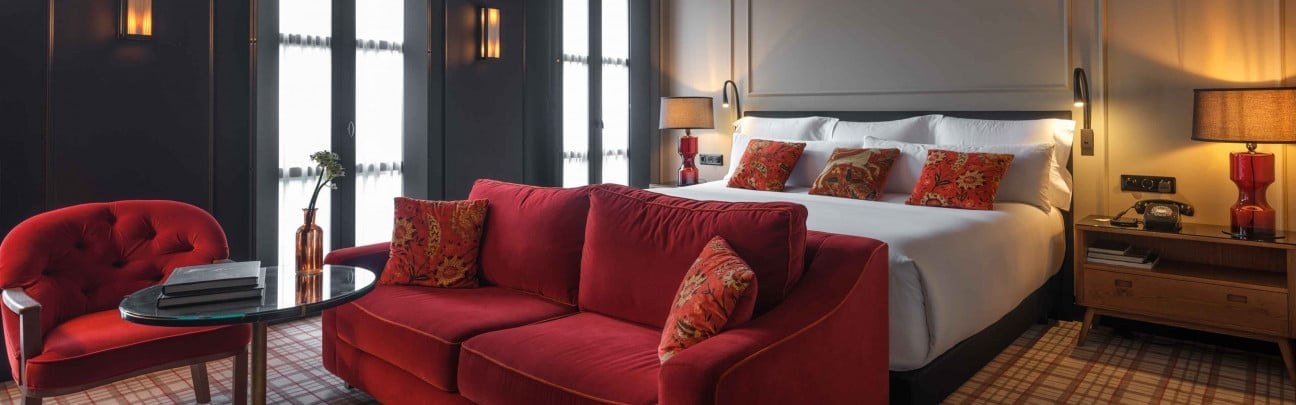
Because room-by-room details are not available here, the safest booking approach is to match the room category to the trip rather than rely on a premium label. For a short stay, confirm whether the room type you are considering is sufficient for how much time you expect to spend at the hotel. For a longer stay, check directly for the space and features you need before paying more.
Guests should also verify practical details before booking, especially if quiet, workspace, storage, or a particular bed setup is important. Those specifics are not confirmed in the data, so they should be treated as questions for the hotel rather than assumptions.
A Barcelona base that works when the details match your trip
Kimpton Vividora Barcelona fits into the broader Barcelona hotel set as a recognized option with confirmed MICHELIN Guide and Virtuoso recognition. If you want to compare it with other named Barcelona hotels, consider H10 Madison, Hotel 1898, Hotel Bagués, Hotel Neri, or Ohla Barcelona depending on the style and practical details you want to verify.
The value case depends on the live rate and the confirmed inclusions at the time of booking. Kimpton Vividora Barcelona is worth considering when its price, room category, and confirmed services align with your plans. If the rate is close to other hotels you are considering, compare the specific room type and booking terms rather than relying on reputation alone.
Use our full Barcelona hotels guide to compare the broader set, then map the trip around meals and evenings with our full Barcelona restaurants guide, our full Barcelona bars guide, our full Barcelona experiences guide, and our full Barcelona wineries guide.
Planning details
- Location
- Carrer del Duc, 15
- Phone
- +34 936 425 400
The take
The Take
The Vibe
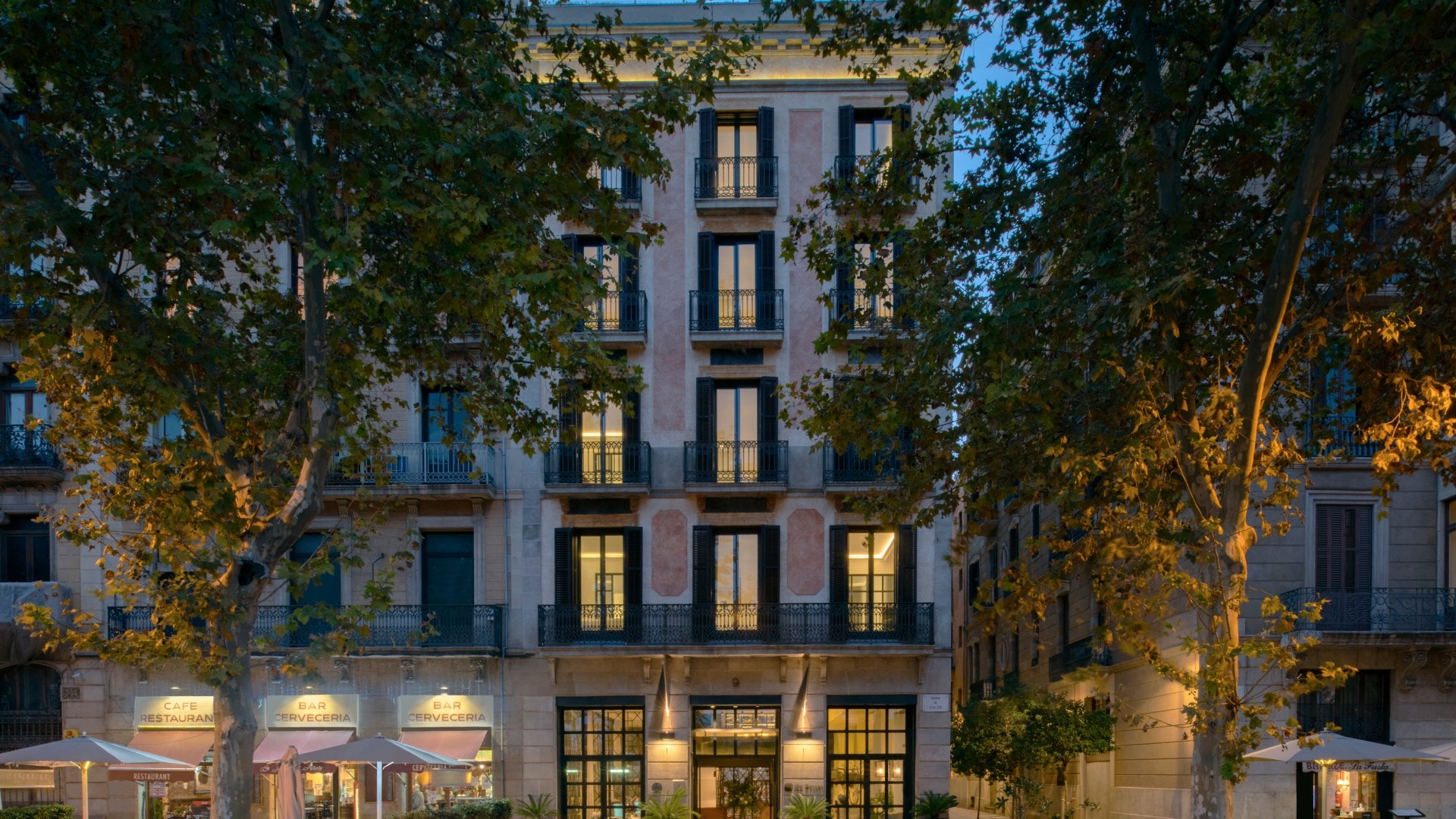
Kimpton Vividora positions you squarely inside Barcelona’s most storied quarter, trading boulevard distance for immediate neighbourhood life. The copy emphasizes the city’s layered history — Roman foundations, medieval lanes and Baroque facades — and everyday local details like coffee counters and laundry between windows. That combination produces an intimate, charming hotel experience: you do not observe the Gothic Quarter from a comfortable remove, you become part of it. The hotel’s siting on a pedestrian lane cultivates a quieter, more personal urban immersion than a property on a busy avenue would offer.
Best For
This property suits travelers who want to be immersed in the Gothic Quarter’s rhythms and who plan around Barcelona’s distinctive dining clock. The neighborhood placement makes the hotel a natural base for daytime exploration and late-evening meals; the copy highlights that lunch is the city’s primary meal and that dinners typically start very late. Guests who enjoy wandering narrow streets, popping into longstanding cafés and syncing mealtimes with local customs will get the most from a stay here.
Stay Tips
Plan arrivals and meal times deliberately. The description warns that private vehicles and many ride‑hail services cannot enter the pedestrian zone, so arriving guests should book a city taxi or pre-arranged shuttle to avoid a difficult drop‑off with luggage. For dining, expect local hours: prioritize a leisurely lunch (often from about 2pm) and book dinner for late evening service, since restaurants here commonly don’t fill until around 10pm. Treat the neighbourhood’s dining pace as ritual rather than a schedule to be rushed.
Venue details
Ambiance
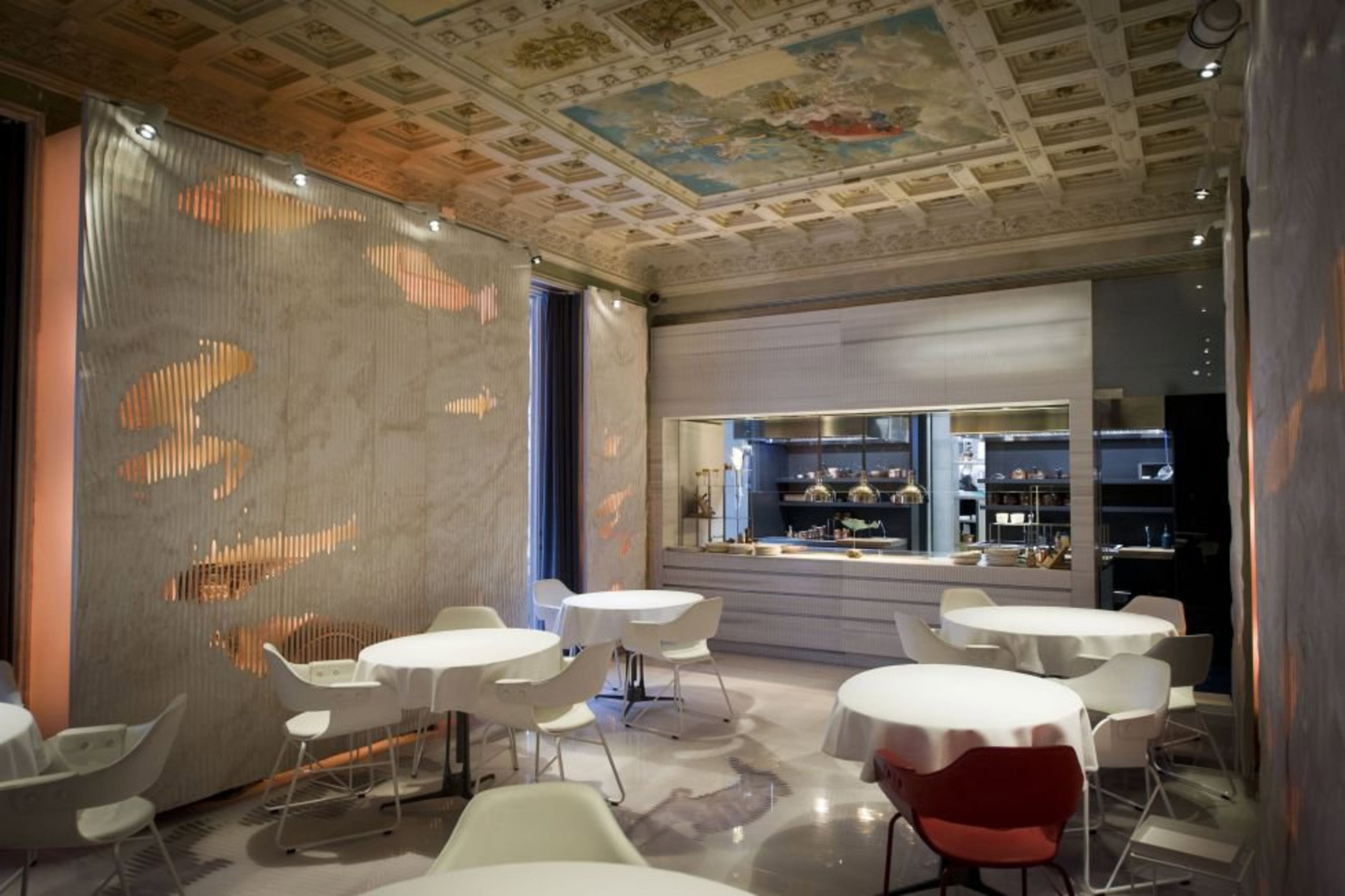
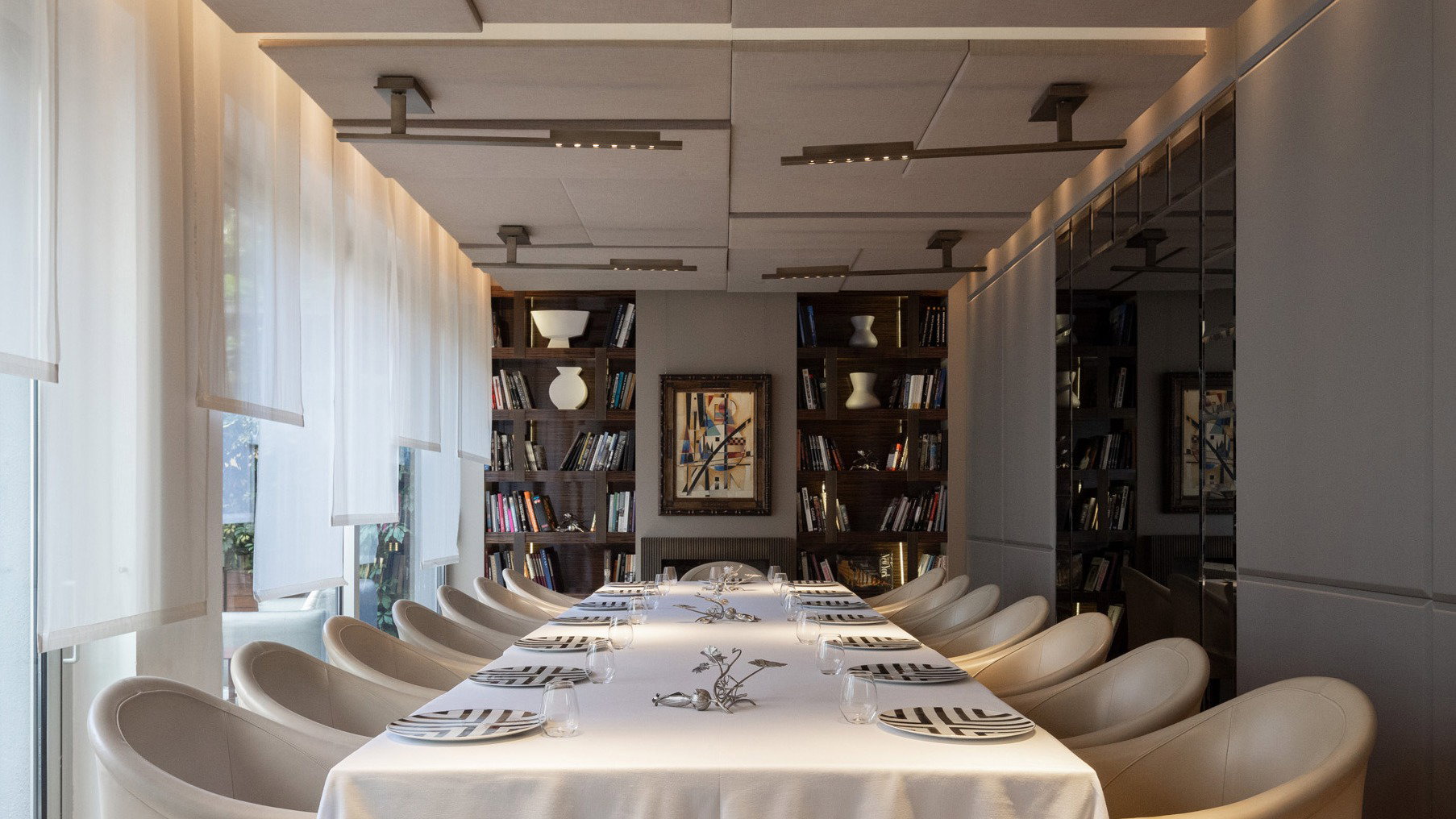
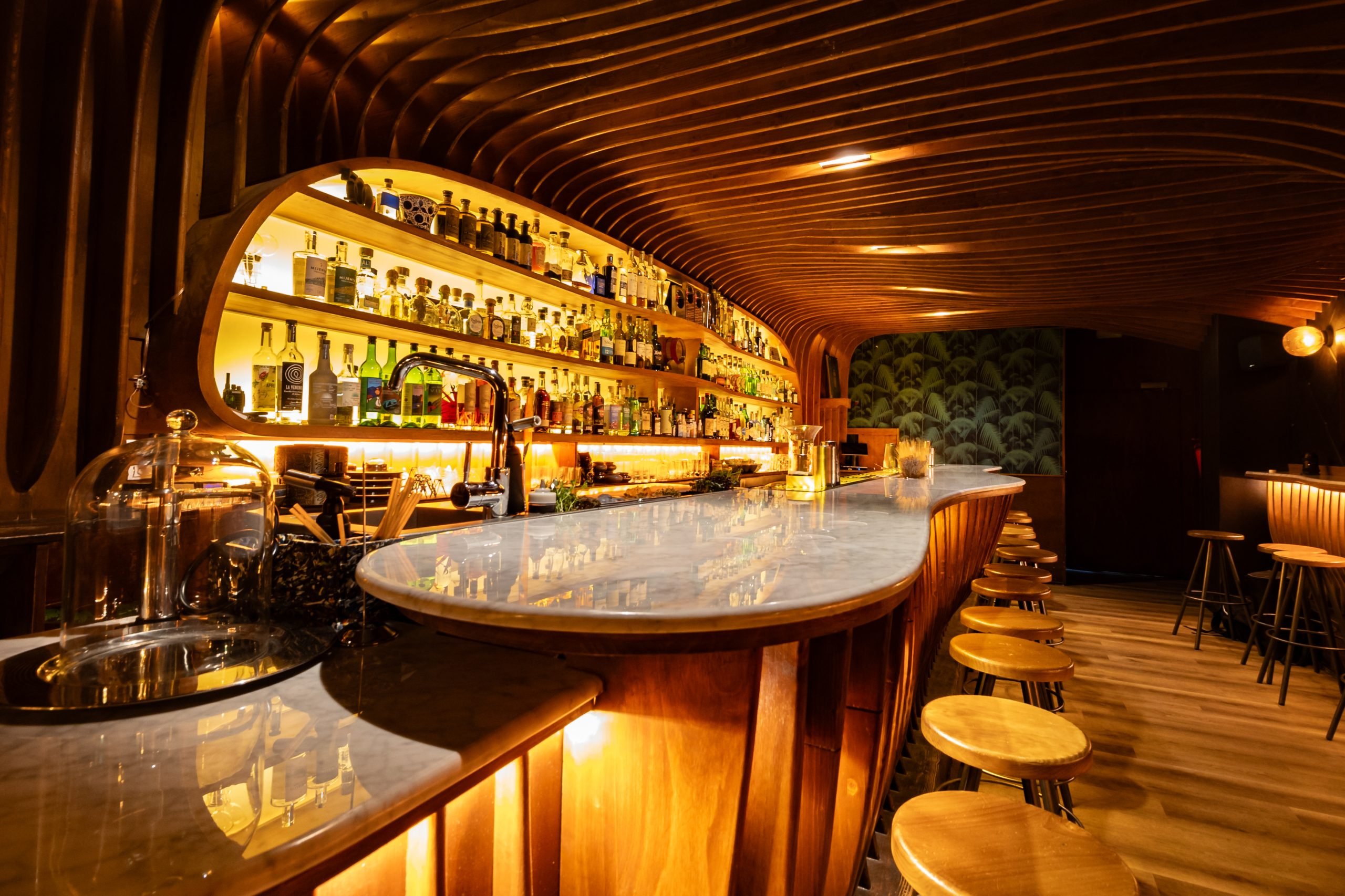
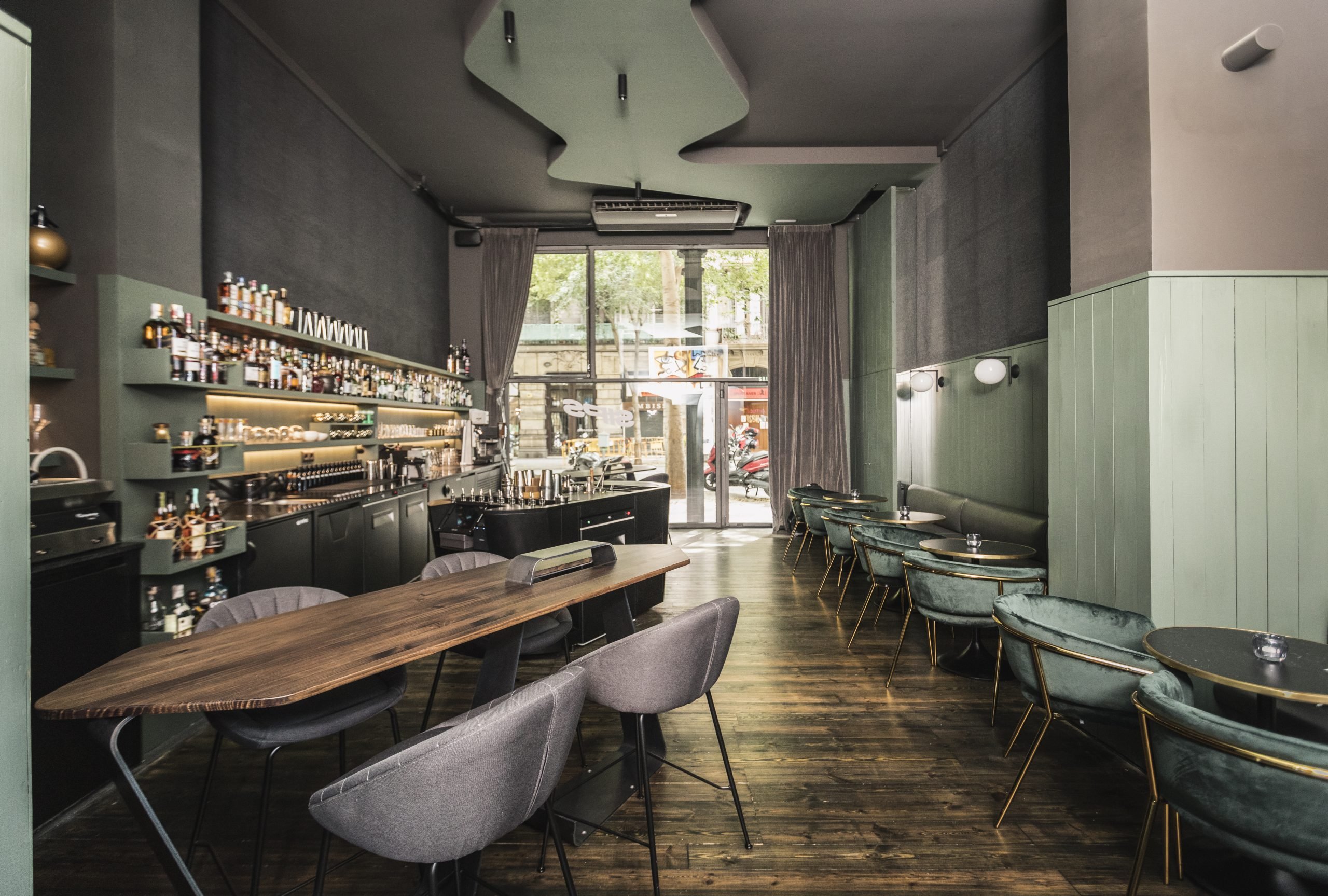
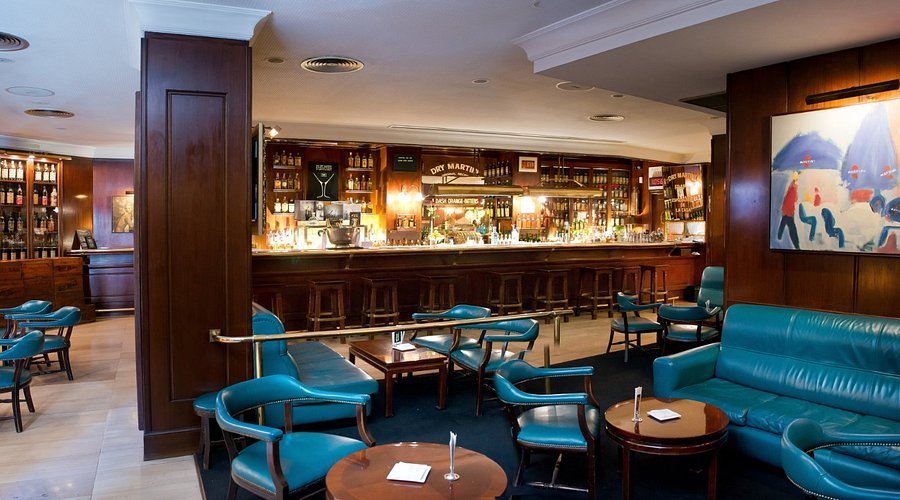
Sophisticated and relaxing with warm earthy tones, soundproofed rooms, and vibrant rooftop terrace atmosphere.
Tags
Vibe
Best For
Experience
Amenities
View
Accessibility
About the Stay
- Rooms
- 156
- Check-in
- 15:00
- Check-out
- 11:00
- Property Type
- Boutique hotel
- Property Style
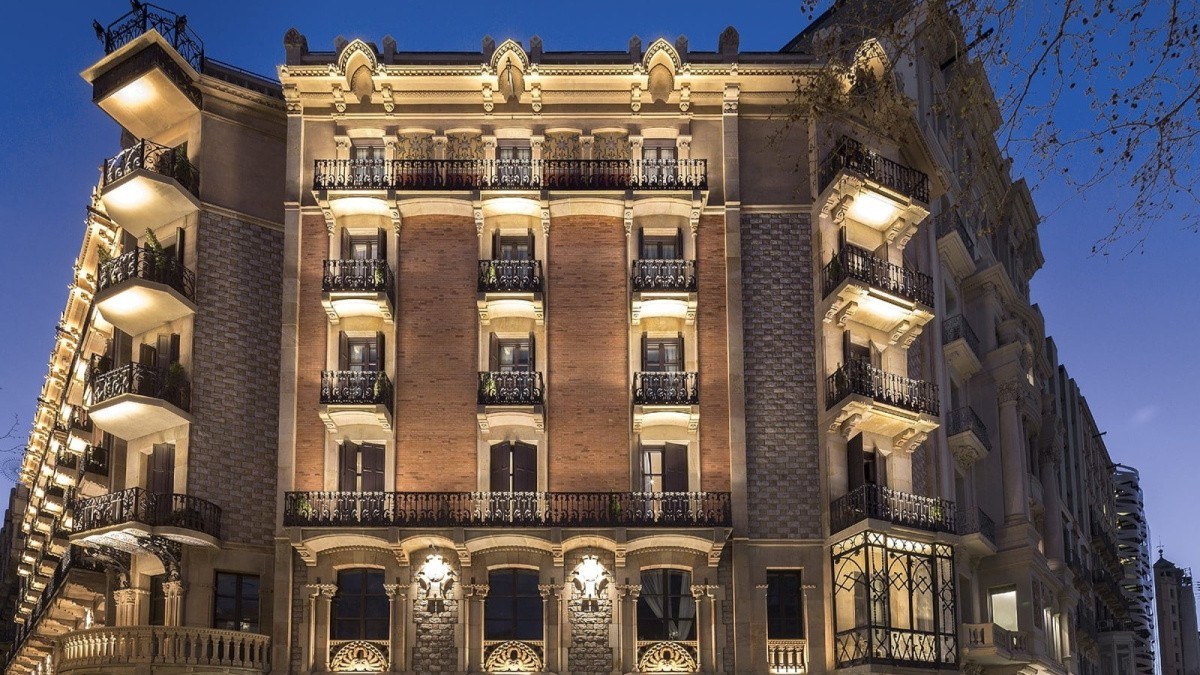
- Luxury Boutique Hotel Inspired by Traditional Barcelona Apartments in a 19th Century Building.
- Design Style
- Contemporary Mediterranean with Warm Earthy Tones and Rich Blue Accents.
- Airport Transfer
- Available
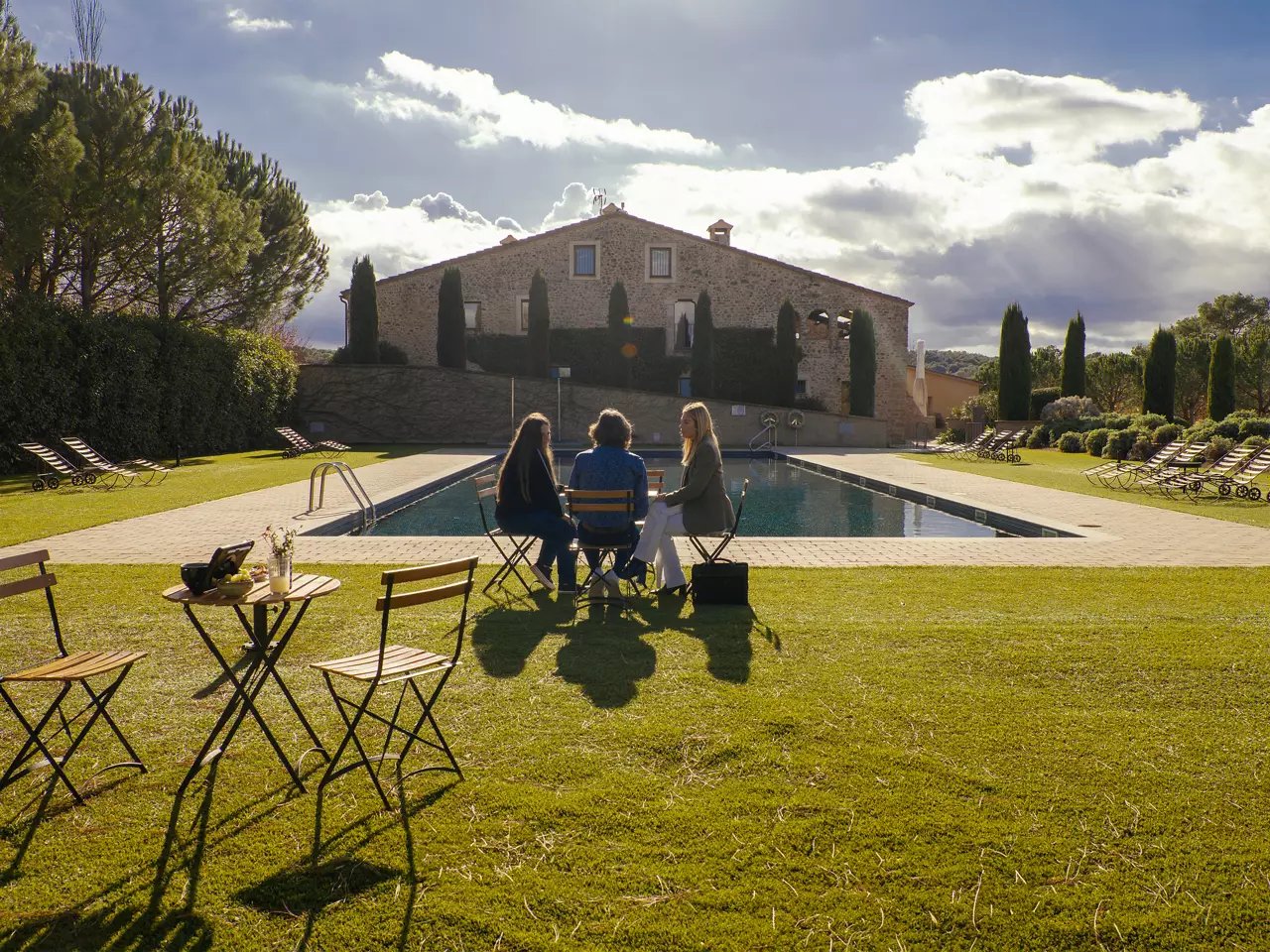
- Pool
- Yes
- Spa
- Yes
- Pets
- Allowed
- Families
- Welcome
- Cancellation
- Moderate
Know before you go
Know Before You Go
- Getting there
- Carrer del Duc, 15
Planning details
Location
Carrer del Duc, 15 · Directions
Recognition and awards

Also consider
Also Consider
- Hotel 1898, Notable alternative
- Hotel Bagués, Notable alternative
- H10 Madison, Notable alternative
- Hotel Neri, Notable alternative
- Ohla Barcelona, Notable alternative
Hotel context
How It Compares
Choose Kimpton Vividora Barcelona over Hotel 1898 if a contemporary, lifestyle-hotel feel matters more than a classic Barcelona stay. Hotel 1898 is the safer cross-shop for travelers who want a more established central-hotel mood, while Kimpton Vividora Barcelona is the better fit for guests who want something lighter and less formal.
Hotel Bagués and Hotel Neri are stronger if the trip calls for a smaller, more character-led hotel. Pick those for atmosphere and a more intimate feel. Pick Kimpton Vividora Barcelona when booking ease, brand familiarity, and a broader hotel setup matter more than a boutique mood.
H10 Madison is the value-minded alternative to check when rates are high, especially for travelers who want central convenience without paying for lifestyle polish. Ohla Barcelona is the stronger splurge comparison when a sharper design-forward stay is the goal. If Kimpton Vividora Barcelona is priced between H10 Madison and Ohla Barcelona, it occupies the useful middle ground.
Around this place
Discover more on Pearl
Unlock the full Kimpton Vividora Barcelona guide in Pearl, including awards, comparisons, FAQs, planning details, and nearby places.
Compare Kimpton Vividora Barcelona
| Venue | Location | Awards |
|---|---|---|
| Kimpton Vividora Barcelona | Barcelona | 2026 Virtuoso Luxury Hotel Collection2025 Michelin Selected Hotels |
| Hotel 1898 | Barcelona | 2025 Michelin Selected Hotels |
| Hotel Bagués | Barcelona | 2025 Michelin Selected HotelsSmall Luxury Hotels Member 2025 |
| H10 Madison | Barcelona | No published awards |
| Hotel Neri | Barcelona | 2026 Michelin Guide New Hotels2026 Mr & Mrs Smith Luxury Hotels2026 Relais Chateaux Hotels2026 Michelin 1 Key2025 Michelin Selected Hotels2025 Relais Chateaux Award |
| Ohla Barcelona | Barcelona | No published awards |



How Kimpton Vividora Barcelona compares with similar nearby venues.
FAQ
Frequently Asked Questions
When is the best time to book Kimpton Vividora Barcelona?
Book when the available rate, room category, and booking terms match your trip. The hotel has recognition as MICHELIN Guide, Hotels Selected (2025) and Virtuoso Luxury Hotel Partner (2026), so it is reasonable to compare it carefully with other Barcelona hotel options.
How is the location of Kimpton Vividora Barcelona?
Kimpton Vividora Barcelona is in Barcelona. For any more specific location needs, verify the exact placement and travel times directly before booking. Compared with H10 Madison, the better choice depends on the room, rate, and trip style you prefer.
Do loyalty programs work at Kimpton Vividora Barcelona?
Kimpton Vividora Barcelona is as a Virtuoso Luxury Hotel Partner (2026). Any specific loyalty benefits, booking perks, or recognition should be confirmed through the booking channel before you reserve.
How does Kimpton Vividora Barcelona compare to nearby hotels?
It is a recognized Barcelona hotel option to compare with H10 Madison, Hotel 1898, Hotel Bagués, Hotel Neri, and Ohla Barcelona. The right choice depends on live rates, room categories, booking terms, and any services you confirm before booking.