

Hotel Bagués
el Raval, Barcelona
Hotel in Barcelona, Spain
 Book with Pearl
The Read
Heritage-Embedded Boutique
Price
$100–200per night
Why go
Hotel Bagués is a strong fit for first-time Barcelona visitors who want a polished base in Ciutat Vella with easy access to La Rambla and the old town. Book it for location and small-hotel feel, not as a destination dining hotel; food-focused travelers should cross-shop properties with a clearly defined restaurant program.
About Hotel Bagués
Hotel Bagués is a Barcelona hotel with recognition from Small Luxury Hotels of the World and the MICHELIN Guide hotel selection. While these are useful signals, travelers should confirm specific details about its exact setting, on-property dining, room mix, service format, or amenities directly with the hotel before booking, especially if any of those points would materially shape the trip.
The trade-off is clarity. This is best framed as a recognized Barcelona hotel rather than as a resort-style base, a dining-led destination, or a property with unconfirmed amenities. This positioning keeps the decision clean, focusing on the hotel's Barcelona location and its recognition. Readers choosing it should value a hotel stay in Barcelona and confirm practical details that matter to their trip. For broader planning, compare it against Pearl's Barcelona hotels guide, then use the Barcelona restaurants guide if dining is carrying the trip.
Book it as a recognized Barcelona hotel, not for a self-contained dining trip
The right guest is a traveler who wants a Barcelona hotel with recognition and is comfortable confirming trip-specific details before committing. Details on restaurant format, chef, cuisine, menu, price, or service style are not available, so the safer planning move is to treat Hotel Bagués as the hotel base and make dining decisions separately. That approach is especially useful for travelers who separate the hotel decision from the restaurant itinerary and prefer to build each part of the trip with clear details.
For the on-site dining question, set expectations carefully. Information on restaurant format, chef, cuisine, menu, or price is not available, so do not book this as a food-led hotel. Treat the hotel as a recognized Barcelona base and make restaurant decisions elsewhere in the plan. That is not a knock; it is the practical way to use the property well, without making assumptions about details that are not provided.
The appeal is direct: Hotel Bagués is in Barcelona, has smart casual dress guidance, and is recognized as a Small Luxury Hotels of the World member and a MICHELIN Guide hotel selection. If the brief is simply a Barcelona hotel with those signals, it belongs on the shortlist alongside options such as Hotel 1898, Hotel Casa Camper, Hotel España, Hotel Neri, and Kimpton Vividora Barcelona. The key is to keep that shortlist comparison disciplined, weighing like against like rather than making assumptions about unspecified differences.
Who should choose it, and who should cross-shop
Choose it when the priority is a Barcelona hotel with recognition and a smart casual tone. Cross-shop if the hotel restaurant, apartment-style space, a resort atmosphere, or highly specific room and amenity requirements are central to the trip, as those details are not specified. In other words, Hotel Bagués makes the most sense when the known signals are enough, and less sense when the deciding factor depends on details that require direct inquiry.
For another Barcelona city-stay comparison, look at Hotel 1898, Hotel Casa Camper, Hotel España, Hotel Neri, or Kimpton Vividora Barcelona depending on the kind of stay you want. Quick reference: book Hotel Bagués for a recognized Barcelona hotel stay; cross-shop other Barcelona options if dining format, room configuration, or a different hotel style matters more. This approach keeps the recommendation useful.
Planning details
- Location
- La Rambla, 105, Ciutat Vella, 08002 Barcelona
- Website
- hotelbagues.com
- Phone
- +34 933 43 50 00
The take
The Take
The Vibe
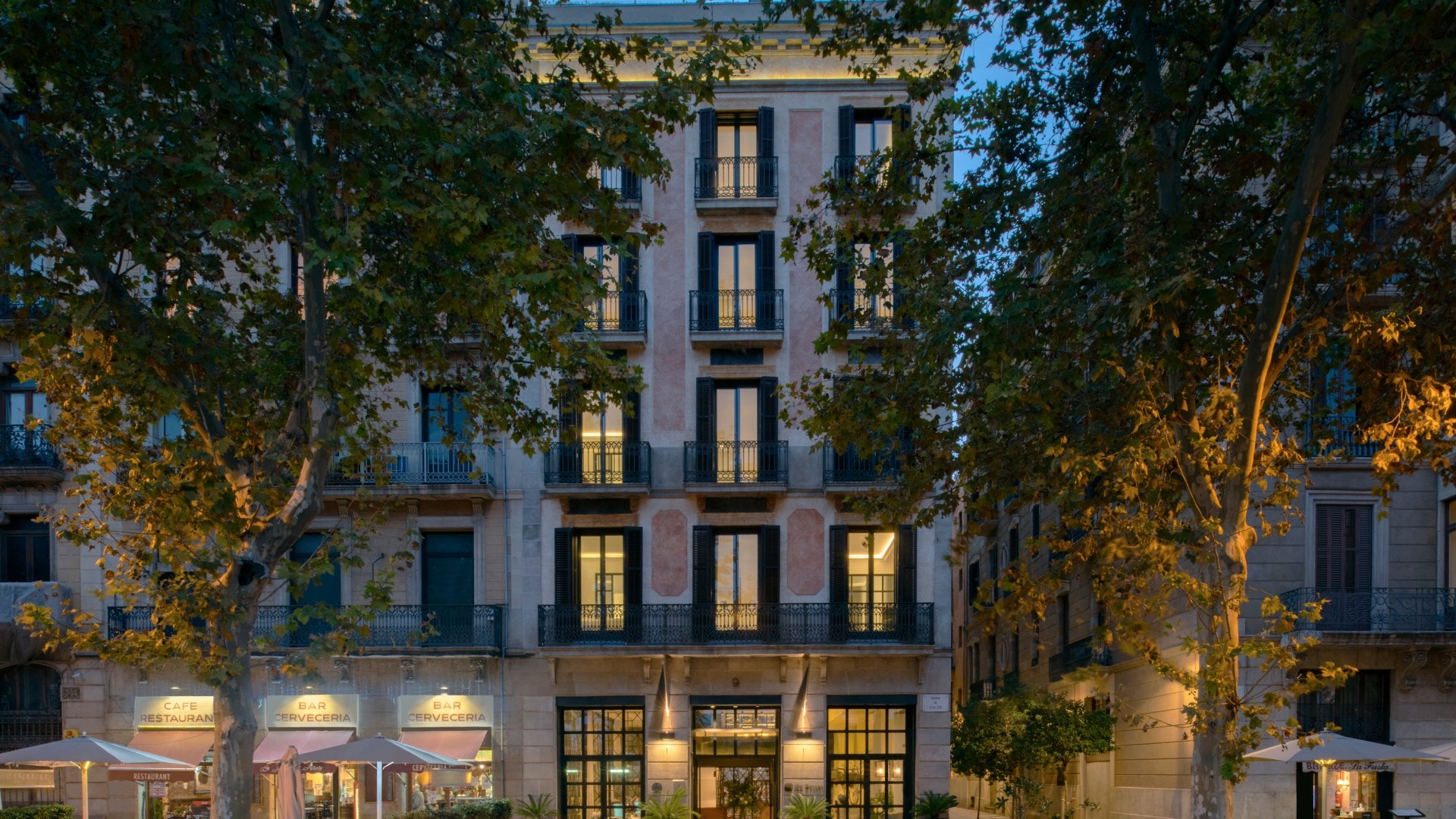
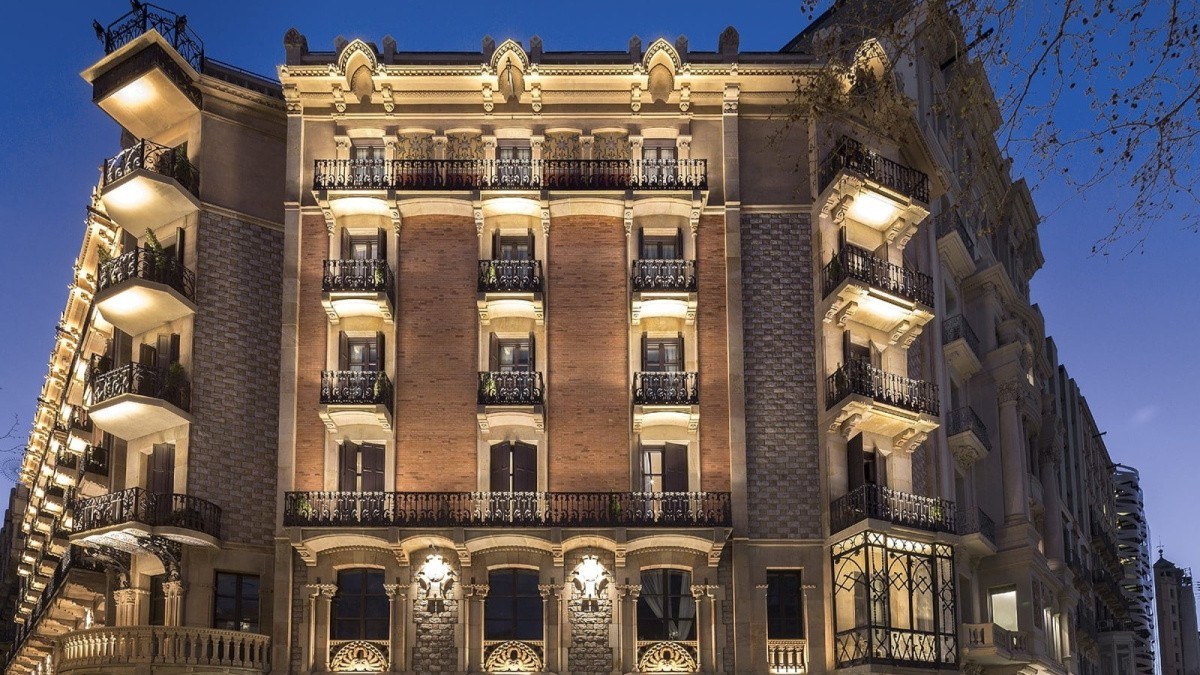
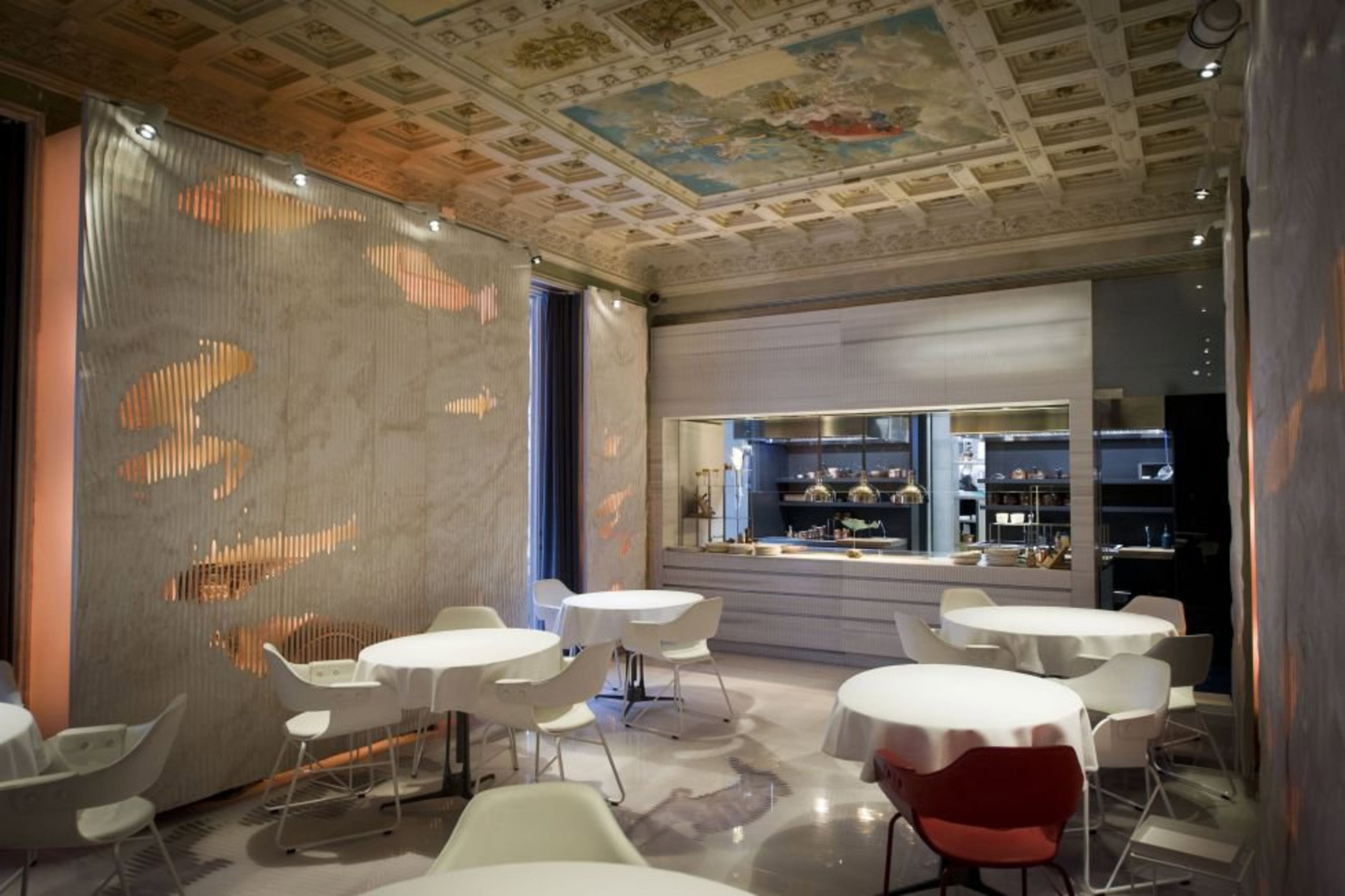
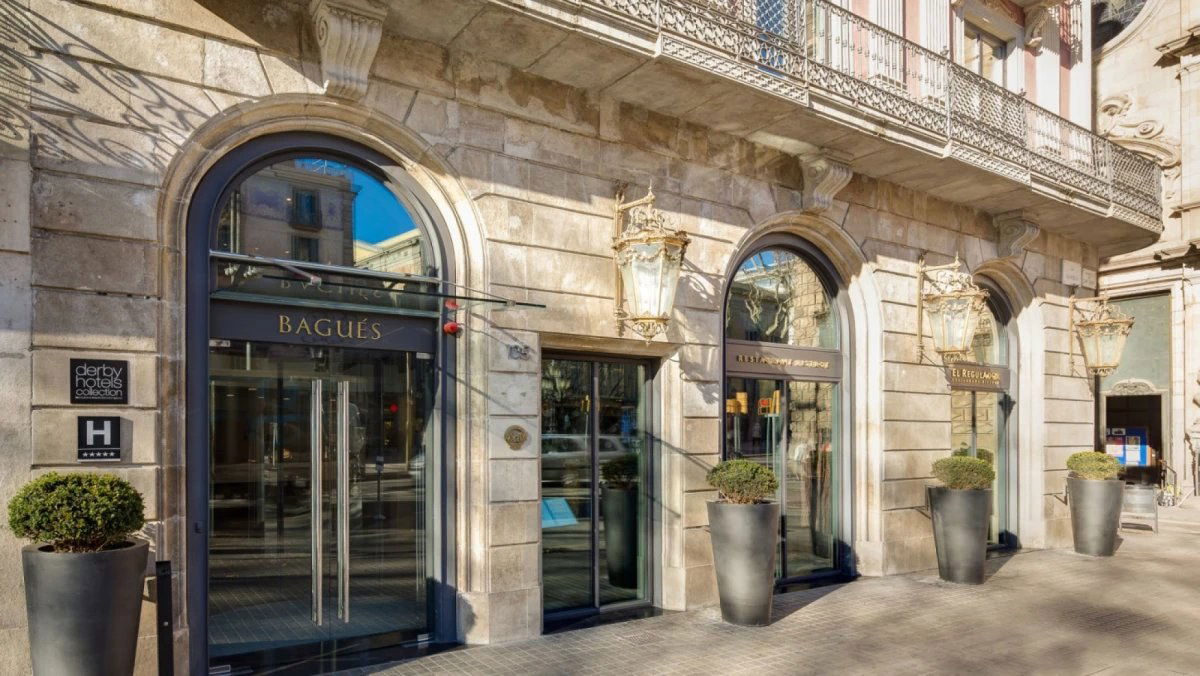
Hotel Bagués presents itself as a palace within La Rambla’s contested bustle, locating its character in the building rather than in street-level spectacle. The property lives inside the Palau del Regulador and foregrounds the Bagués Masriera jewellery collection as an integrated museum, so the guest experience consistently reads as curated and culturally attuned. Rather than papering over or freezing its heritage, the hotel responds to the original fabric—resulting in a boutique, inward-facing atmosphere that privileges historic detail, art and a quiet, refined sense of place amid one of Barcelona’s busiest boulevards.
Best For
This hotel is best for travelers who prize history, design and an art-focused stay in the heart of Barcelona. Cultural visitors and collectors appreciate the onsite presentation of the Bagués Masriera jewellery collection, while guests who want a palatial, boutique alternative to generic city-center hotels find the property particularly appealing. It suits couples seeking a refined romantic getaway or anniversary stay and anyone who wants a central La Rambla address but prefers an interior experience that foregrounds heritage and quiet refinement over pavement-level commerce.
Venue details
Ambiance
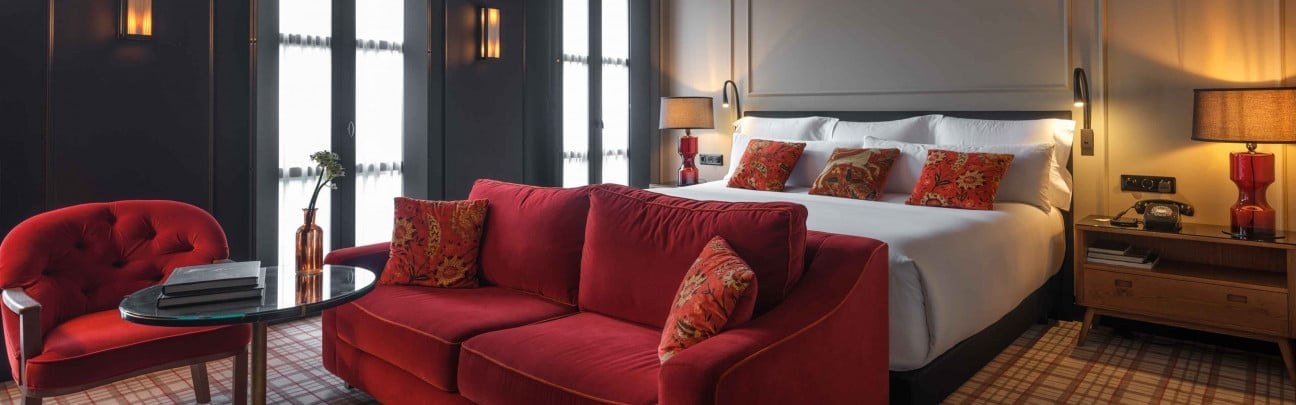
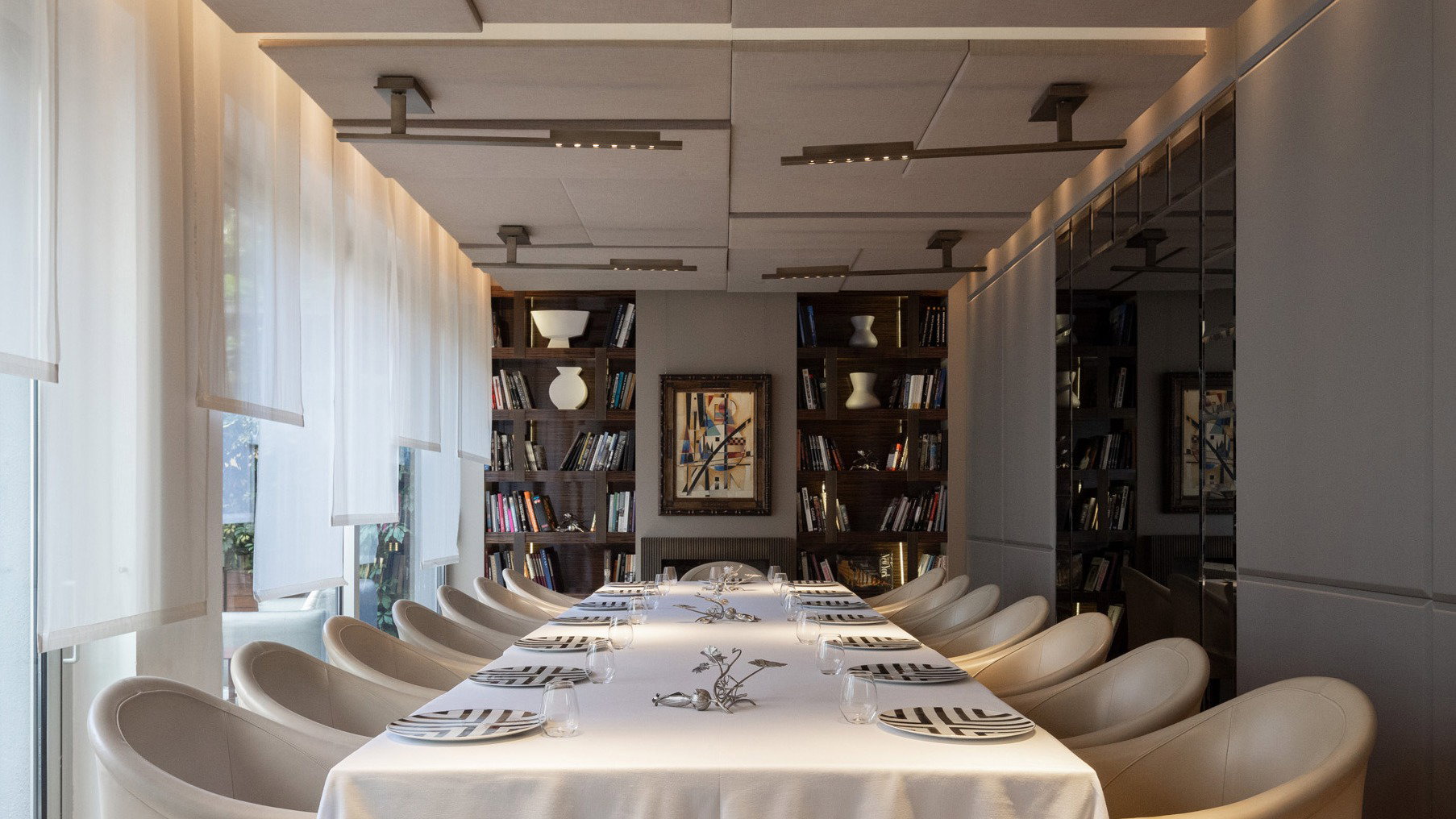
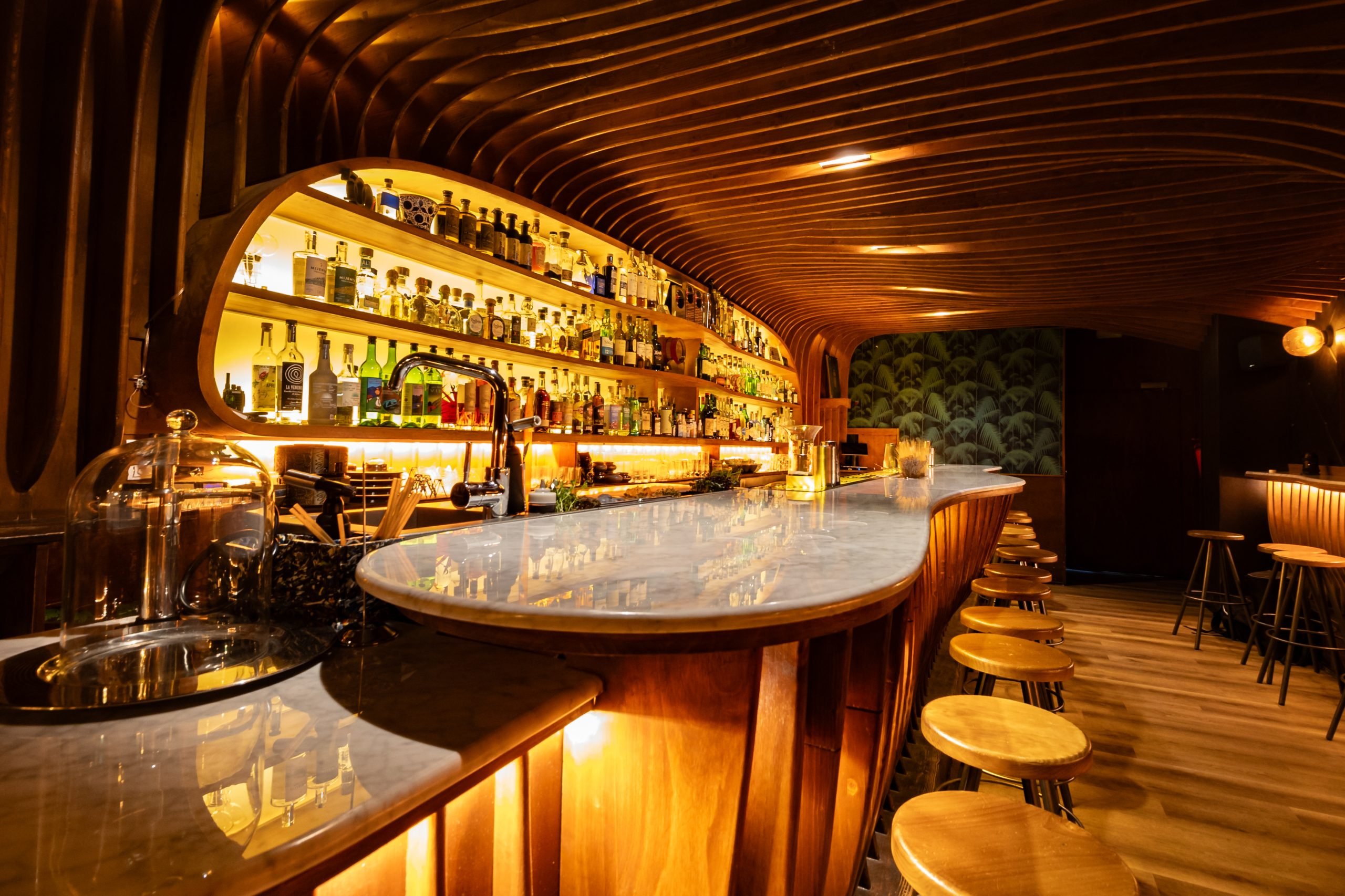
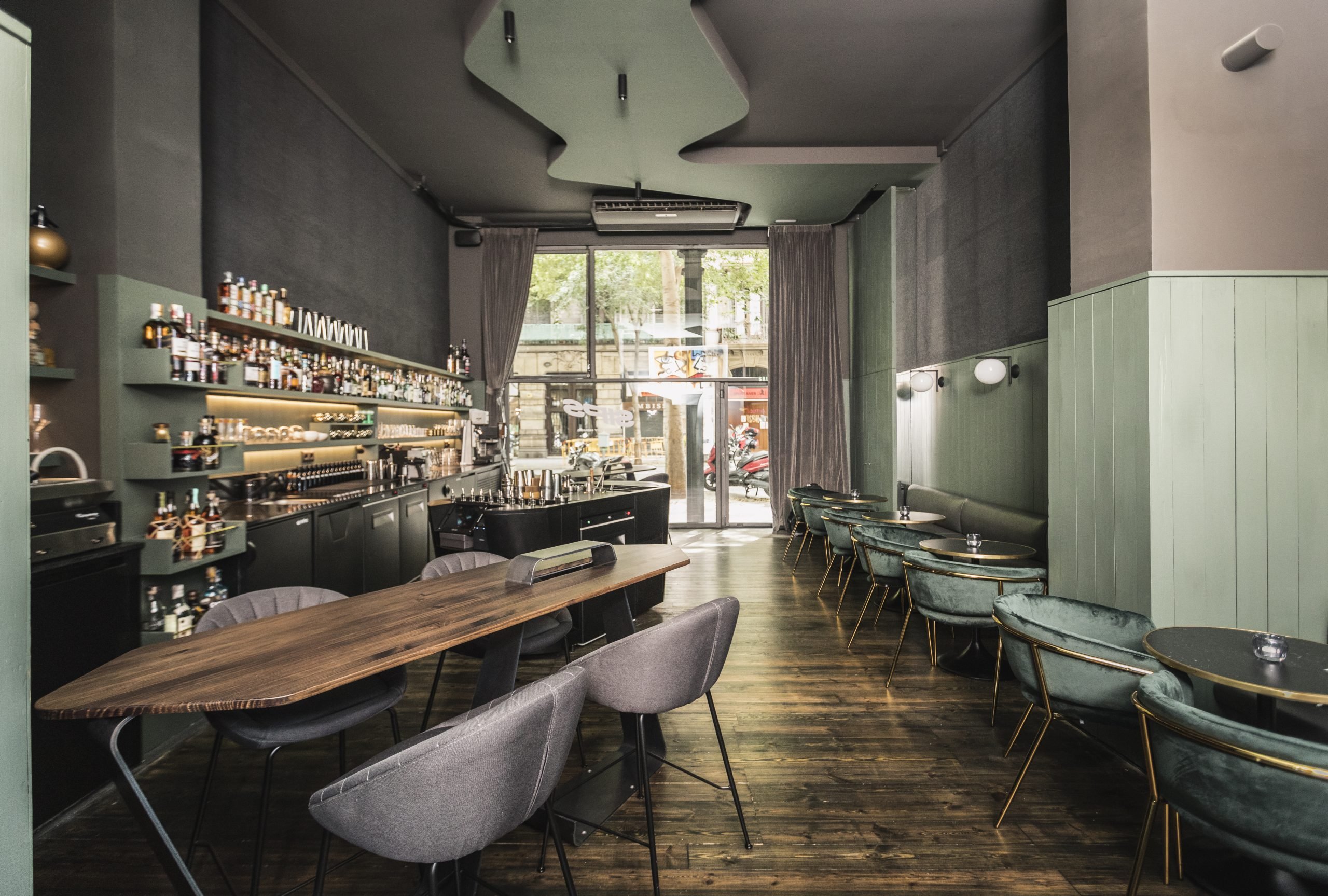
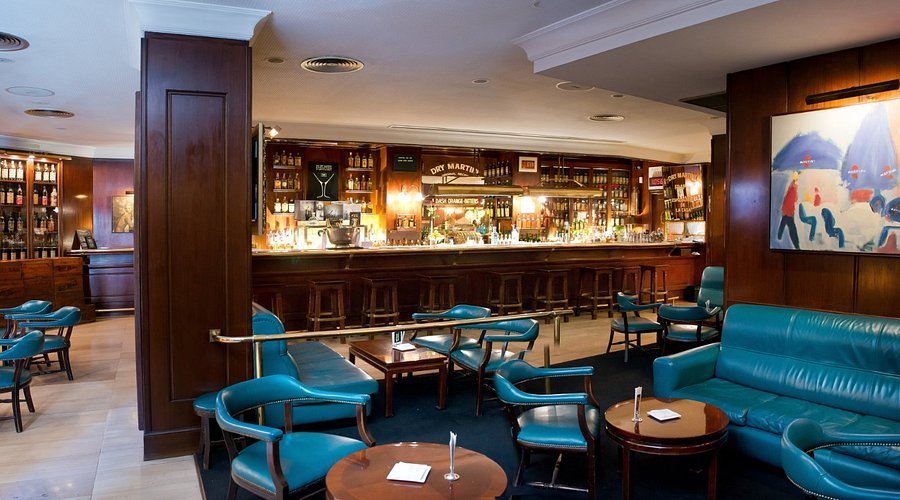
Elegant and sophisticated with deep colors, gold leaf details, and a clubby feel; soundproofed rooms ensure quiet despite central location.
Tags
Vibe
Best For
Experience
Amenities
View
Accessibility
About the Stay
- Rooms
- 31
- Check-in
- 15:00
- Check-out
- 12:00
- Property Type
- Boutique hotel
- Property Style
- Luxury Boutique Design Hotel in a Historic Building on Las Ramblas
- Design Style
- Modernist Jewelry Inspired with Deep Colors, Ebony Furniture, and Gold Leaf Accents
- Pool
- Yes
- Spa
- Yes
- Pets
- Allowed
Know before you go
Know Before You Go
- Getting there
- La Rambla, 105, Ciutat Vella, 08002 Barcelona
Planning details
Location
Recognition and awards

Also consider
Where to look if this is not the right fit
If Hotel Bagués is not available, start with Hotel 1898 for a central stay with a larger-hotel profile. For a more romantic old-town choice, check Hotel Neri instead.
Hotel context
How Hotel Bagués compares in Barcelona
Against Hotel 1898, Hotel Bagués is the cleaner pick for travelers who want a more intimate luxury feel on the same central axis. Hotel 1898 is the safer cross-shop if a larger hotel atmosphere and broader facilities matter more than small-scale polish.
Kimpton Vividora Barcelona is the better call for readers who want a livelier lifestyle-hotel mood, while Hotel Bagués makes more sense for a quieter, more composed first stay. Hotel Casa Camper should be on the list for value-conscious travelers who care more about practical comfort than a classic luxury frame.
For old-town character, compare Hotel Neri and Hotel España. Hotel Neri is the stronger romantic cross-shop, while Hotel España is useful for readers who want historic atmosphere with an easier, less precious feel. Hotel Bagués sits between them: central, polished, and easier to justify when the trip is built around walking Barcelona rather than staying in the hotel all day.
Around this place
Discover more on Pearl
Unlock the full Hotel Bagués guide in Pearl, including awards, comparisons, FAQs, planning details, and nearby places.
Compare Hotel Bagués
| Venue | Location | Awards |
|---|---|---|
| Hotel Bagués | Barcelona | 2025 Michelin Selected HotelsSmall Luxury Hotels Member 2025 |
| Hotel 1898 | Barcelona | 2025 Michelin Selected Hotels |
| Kimpton Vividora Barcelona | Barcelona | No published awards |
| Hotel Casa Camper | Barcelona | No published awards |
| Hotel Neri | Barcelona | 2026 Michelin Guide New Hotels2026 Mr & Mrs Smith Luxury Hotels2026 Relais Chateaux Hotels2026 Michelin 1 Key2025 Michelin Selected Hotels2025 Relais Chateaux Award |
| Hotel España | Barcelona | Preferred Hotels Member 2025 |



How Hotel Bagués Barcelona compares with similar nearby venues.
FAQ
Frequently Asked Questions
Is Hotel Bagués family-friendly?
It may work for some families seeking a Barcelona hotel, but family-specific facilities or room-layout details are not provided. The Small Luxury Hotels of the World membership and MICHELIN Guide hotel selection point to recognized hotel standing, but larger or multi-room family groups should check room layouts and policies directly before committing.
How is the location of Hotel Bagués?
Hotel Bagués is in Barcelona. Specific location details are not provided, so travelers should confirm the exact address and fit for their itinerary through the hotel's official channels before booking.
What is Hotel Bagués known for?
Hotel Bagués is a Barcelona hotel with Small Luxury Hotels of the World membership, MICHELIN Guide hotel selection, and a smart casual dress code.