
Hotel 1898
el Raval, Barcelona
Hotel in Barcelona, Spain
 Book with Pearl
The Read
Colonial-Era Rambla Address
Price
$100–200per night
Why go
Hotel 1898 is a smart Barcelona pick if location is the main filter: central, easy to use, and better suited to repeat visitors who want Ciutat Vella access over a resort-style stay. Its 2025 MICHELIN Guide hotel selection helps justify considering it above simpler nearby options, but travelers seeking a quieter base should cross-shop outside La Rambla.
About Hotel 1898
Hotel 1898 is a Barcelona hotel with a smart-casual dress code and MICHELIN Guide Hotels Selected recognition for 2025. If you are deciding whether to book, confirm the current practical details directly with the hotel before relying on them for an itinerary.
Use it as a cautious starting point rather than a full hotel brief. Check the current location details, amenities, service style, room count, pricing, dining, and wellness facilities directly with the hotel before booking.
Book it for a Barcelona stay with MICHELIN Guide hotel recognition
Hotel 1898 appears in the MICHELIN Guide Hotels Selected list for 2025. That makes it a relevant option to consider for travelers comparing vetted hotels in Barcelona.
Do not make the booking decision around assumptions about a spa, dining program, bar scene, room style, or exact neighborhood. For meals, pair the stay with our full Barcelona restaurants guide; for drinks-led evenings, use our full Barcelona bars guide.
Who should cross-shop before committing
Consider Hotel 1898 if you want a Barcelona hotel with MICHELIN Guide Hotels Selected recognition. If you are comparing other Barcelona stays, Eco Boutique Hostal Grau, Hotel Bagués, Hotel Casa Camper, Hotel Pulitzer, and Kimpton Vividora Barcelona are natural names to review alongside it, depending on your priorities and each property's current details.
For a wider scan, use our full Barcelona hotels guide. Narrow your choice by checking the hotel's current location details, amenities, rates, and policies directly before booking.
Planning details
- Location
- La Rambla, 109, Ciutat Vella, 08002 Barcelona
- Website
- hotel1898.com
- Phone
- +34 935 52 95 52
The take
The Take
The Vibe
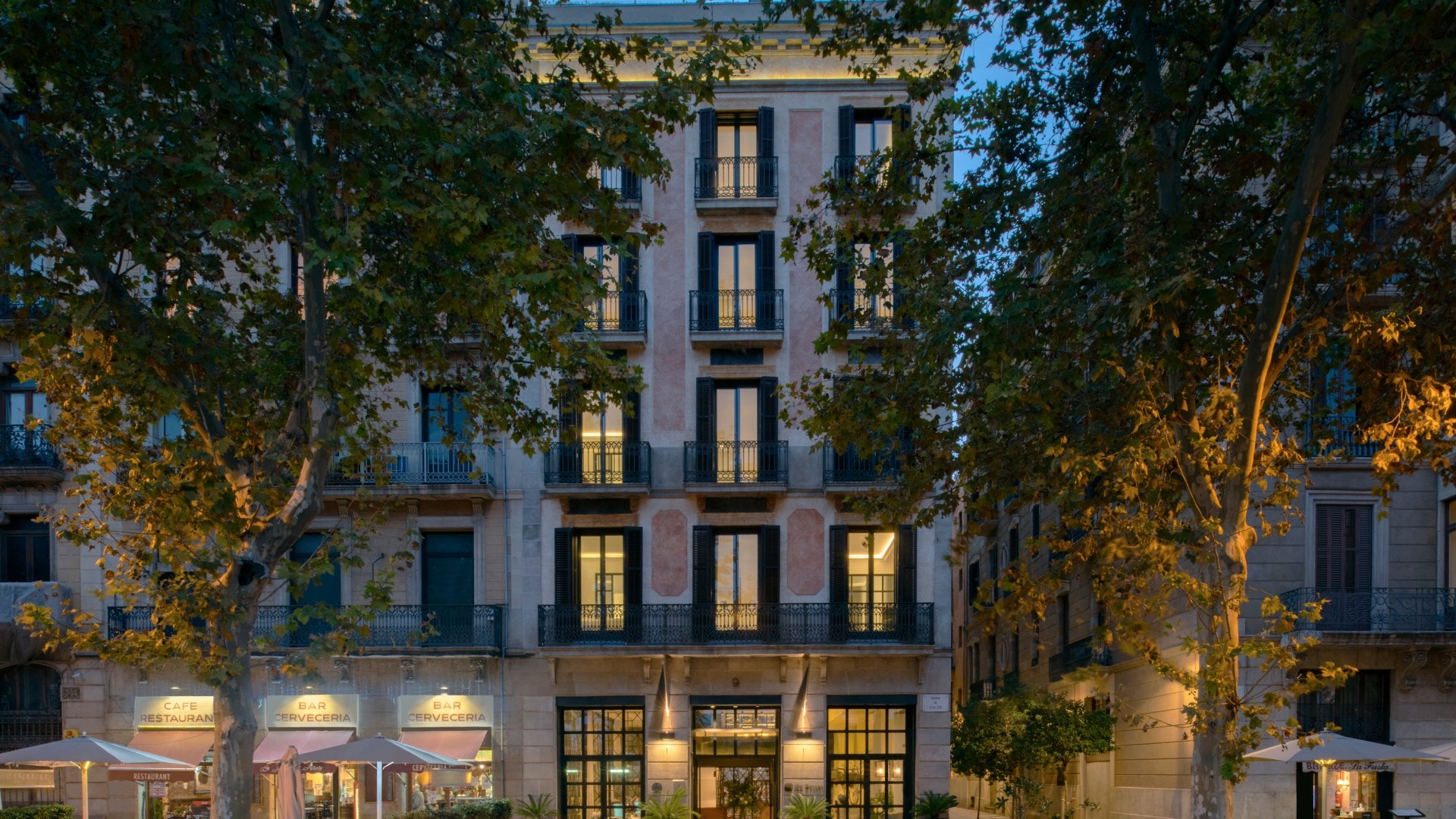
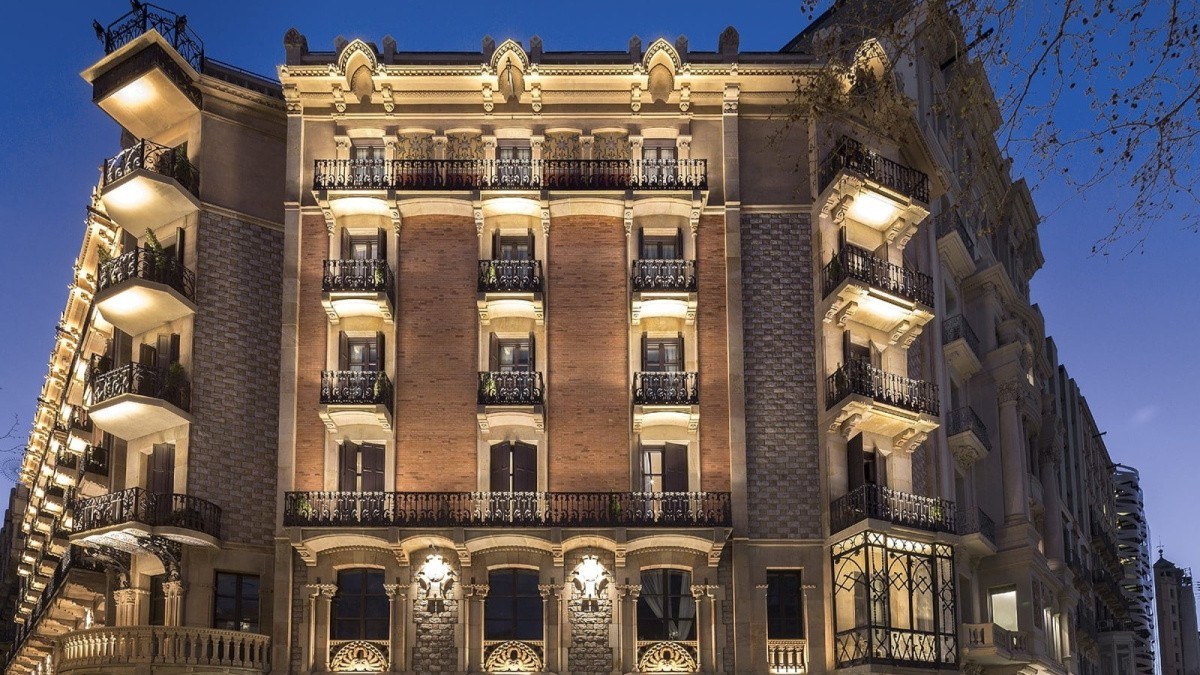
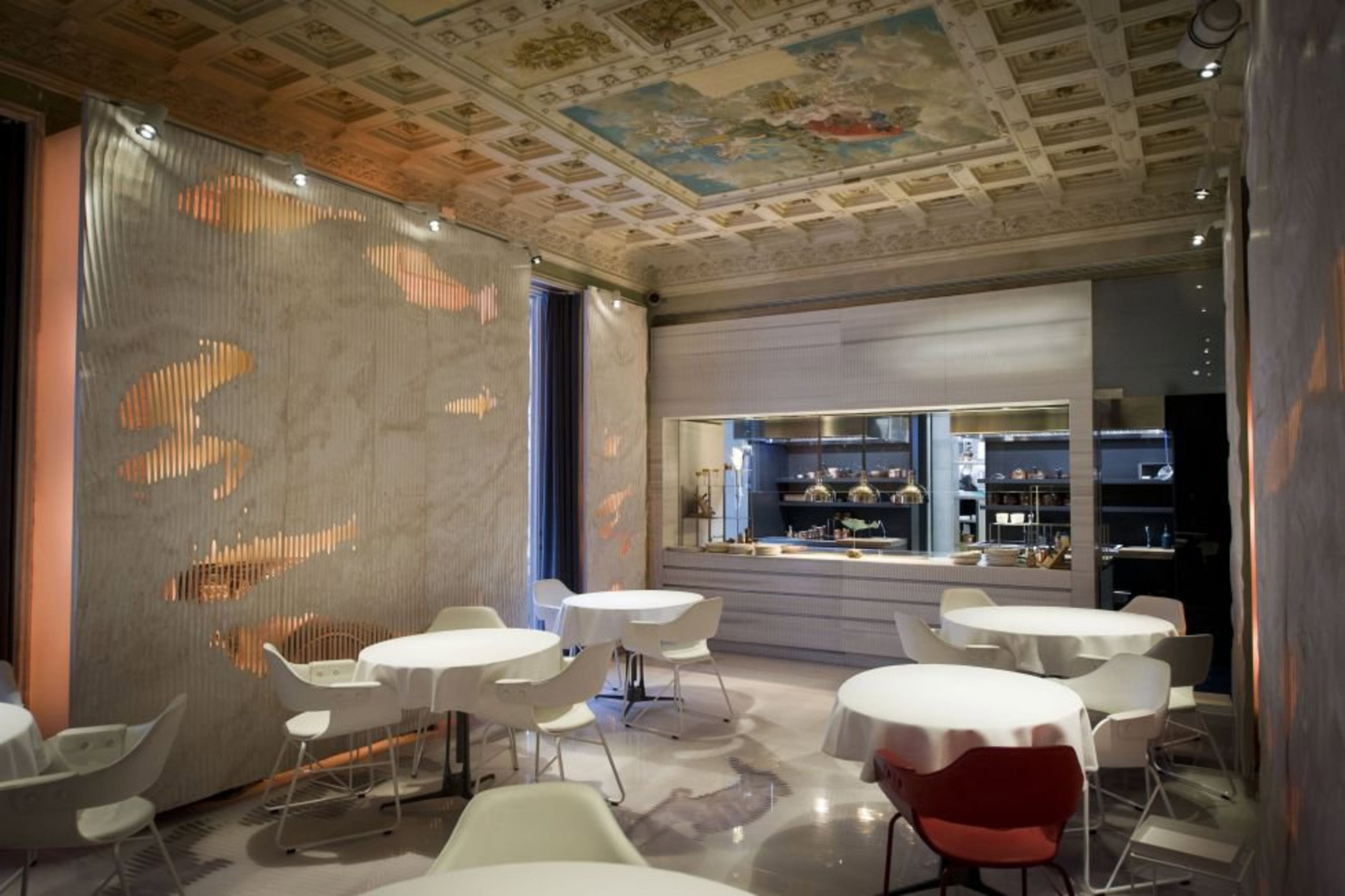
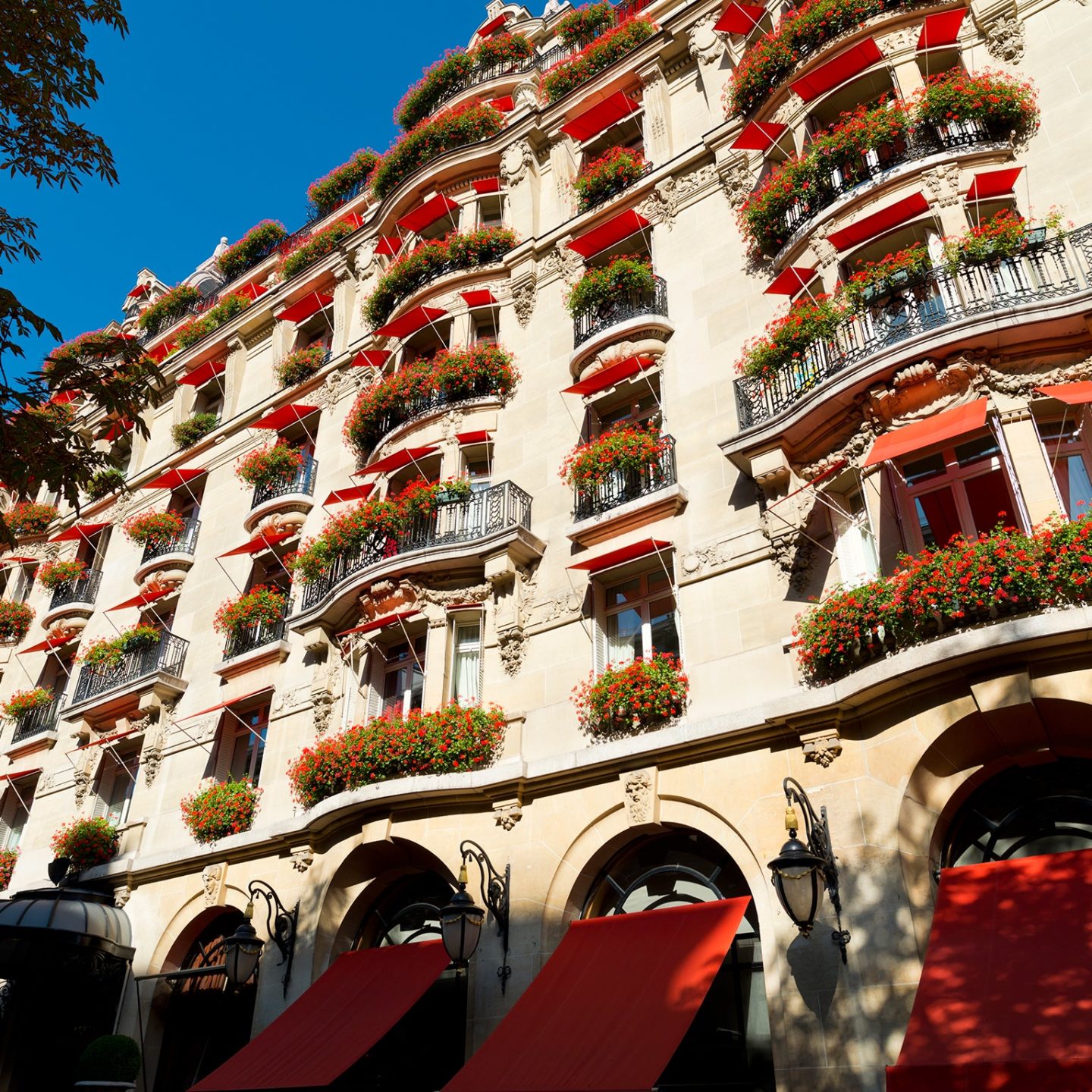
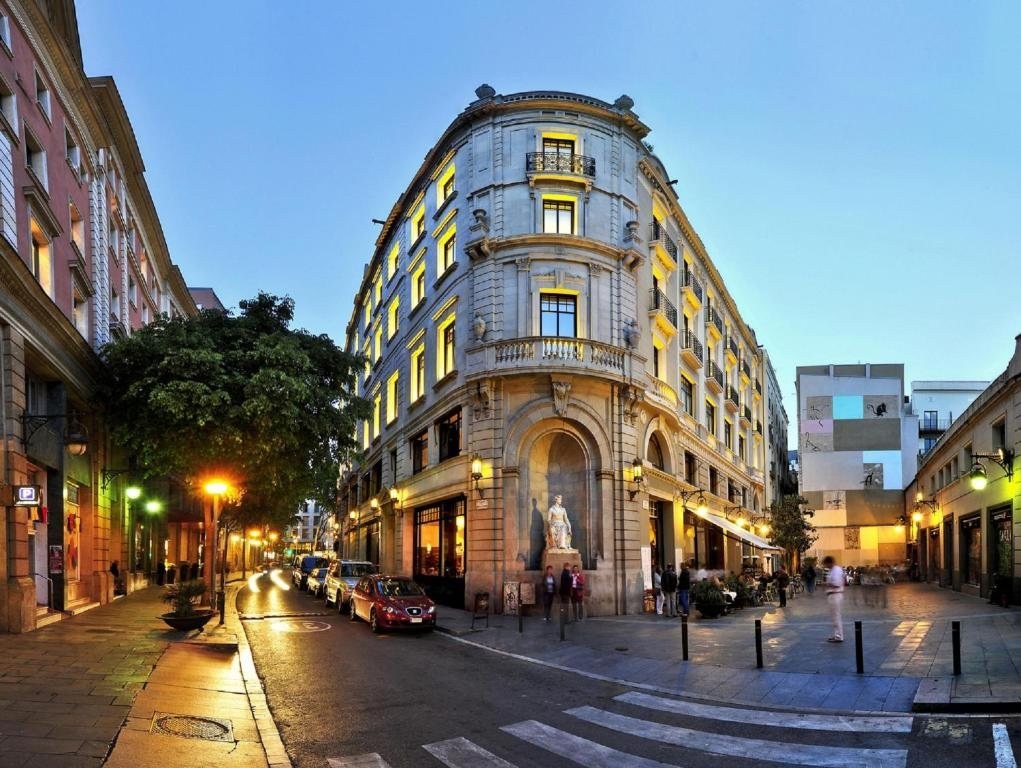
Hotel 1898 leans into the gritty, layered history of La Rambla rather than trying to erase it. Housed in an 18th– and 19th‑century merchant building and a former corporate headquarters, the property foregrounds high ceilings, period proportions and an internal courtyard that set its spatial grammar apart from Eixample modernista hotels. The writing in the rooms and public spaces favors specificity over sleek neutrality, so guests sense a tangible connection to Barcelona’s colonial‑era past. That historic solidity sits against the boulevard’s bustle, creating a lively, characterful stay rather than a muted urban retreat.
Best For
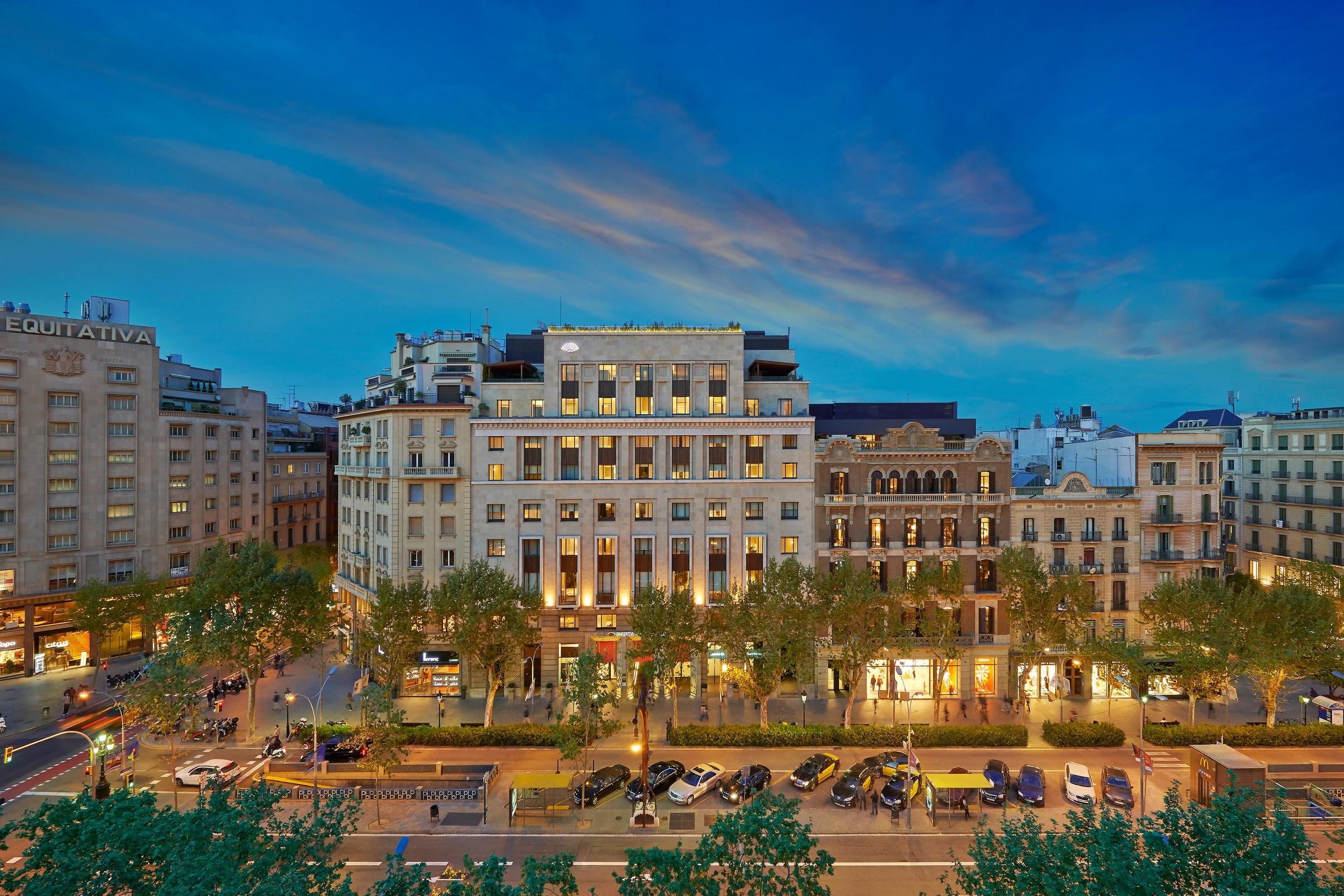
This hotel is best for travelers who want to be in the thick of Barcelona while staying somewhere with architectural soul. It’s one of the city’s most walkable bases—Boqueria is adjacent, the Gothic Quarter begins immediately to the east, and the waterfront is a ten‑minute stroll—so it suits guests who plan to explore on foot. The property also appeals to visitors interested in the city’s layered history and those seeking an upper‑mid to luxury hotel with a distinct, period character. Travelers seeking total quiet should note La Rambla’s busy, noisy street life.
Venue details
Ambiance
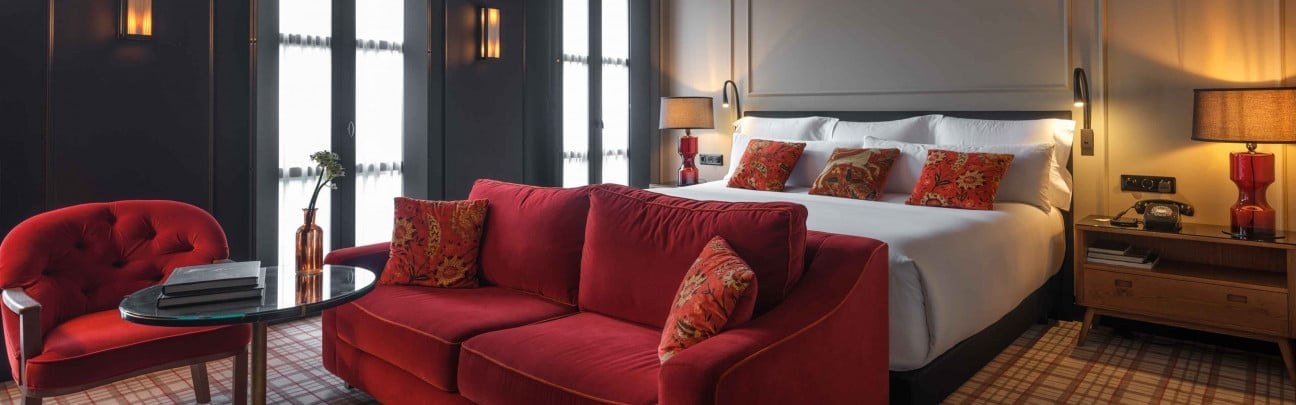
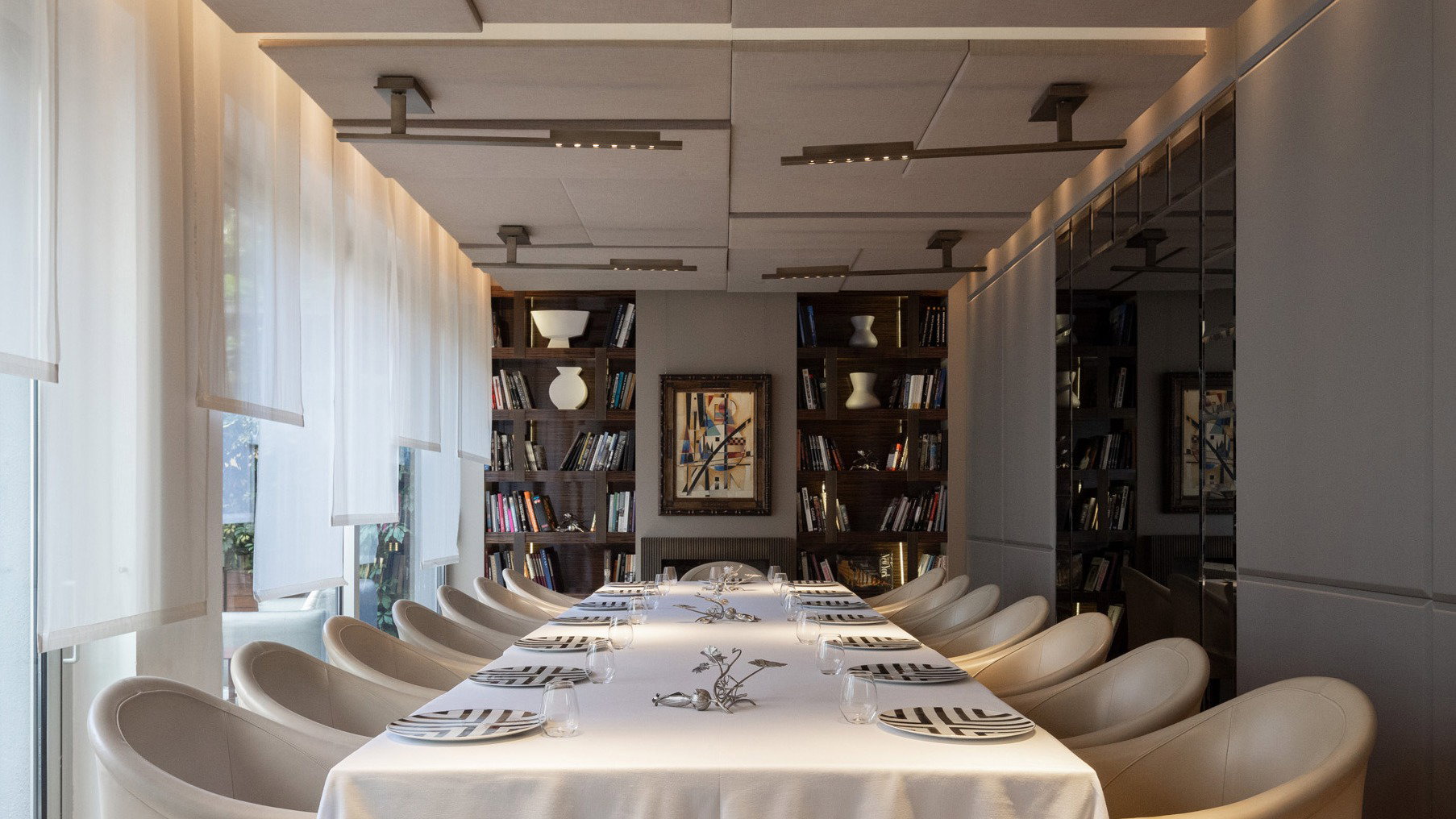
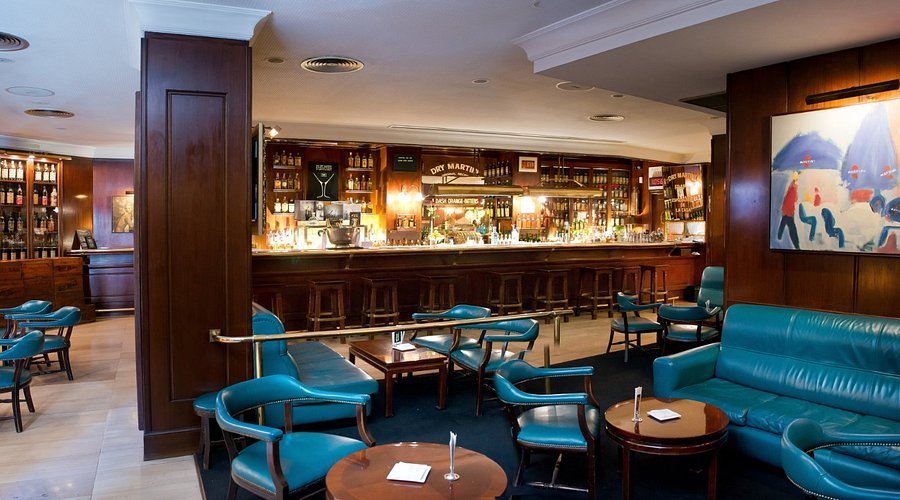
Elegant colonial-style interiors with dark woods, rich walls, sophisticated lighting, and a tranquil yet lively atmosphere enhanced by live music in the lobby.
Tags
Vibe
Best For
Experience
Amenities
View
Accessibility
About the Stay
- Rooms
- 169
- Check-in
- 15:00
- Check-out
- 12:00
- Property Type
- Heritage hotel
- Property Style
- Historic Colonial Elegance in the Heart of La Rambla
- Design Style
- Colonial with Dark Woods, Rich Red Walls, and Modern Luxury Bathrooms
- Pool
- Yes
- Spa
- Yes
- Cancellation
- Moderate
Know before you go
Know Before You Go
- Getting there
- La Rambla, 109, Ciutat Vella, 08002 Barcelona
Planning details
Location
Recognition and awards
Also consider
Also Consider
- Hotel Bagués, Notable alternative
- Kimpton Vividora Barcelona, Notable alternative
- Hotel Casa Camper, Notable alternative
- Eco Boutique Hostal Grau, Notable alternative
- Hotel Pulitzer, Notable alternative
Hotel context
How it compares with nearby Barcelona stays
Choose Hotel 1898 over Eco Boutique Hostal Grau if the trip needs a more polished city-hotel feel and central positioning matters more than a lower-impact, simpler stay. Pick Eco Boutique Hostal Grau when value and a lighter footprint are the bigger priorities. Booking should be easier here than at smaller, more character-led properties, so it works well for a less complicated Barcelona plan.
Hotel Bagués is the closer cross-shop for travelers who want a more intimate, design-forward feel on a similar central axis. Hotel 1898 is the safer recommendation for visitors who want a broader city-hotel setup; Hotel Bagués is better if ambiance matters more than scale. Hotel Casa Camper is the stronger alternative for a more casual, neighborhood-feeling stay near the old city.
Compare Kimpton Vividora Barcelona and Hotel Pulitzer if the decision is less about La Rambla access and more about social energy. Kimpton Vividora is the better fit for a lively, contemporary hotel mood; Hotel Pulitzer is useful for travelers who want central Barcelona without leaning as hard into the La Rambla setting. Hotel 1898 wins when the brief is simple: stay central, move around easily, and avoid overcomplicating the booking.
Around this place
Discover more on Pearl
Unlock the full Hotel 1898 guide in Pearl, including awards, comparisons, FAQs, planning details, and nearby places.
Compare Hotel 1898
| Venue | Location | Awards |
|---|---|---|
| Hotel 1898 | Barcelona | 2025 Michelin Selected Hotels |
| Hotel Bagués | Barcelona | 2025 Michelin Selected HotelsSmall Luxury Hotels Member 2025 |
| Kimpton Vividora Barcelona | Barcelona | No published awards |
| Hotel Casa Camper | Barcelona | No published awards |
| Eco Boutique Hostal Grau | Barcelona | No published awards |
| Hotel Pulitzer | Barcelona | No published awards |

How Hotel 1898 Barcelona compares with similar nearby venues.
FAQ
Frequently Asked Questions
How is the location of Hotel 1898?
Hotel 1898 is in Barcelona. Confirm the exact location directly before booking. Hotel Casa Camper is another Barcelona option to compare if you are reviewing stays in the city.
What is check-in like at Hotel 1898?
What is Hotel 1898 known for?
Hotel 1898 is a Barcelona hotel with MICHELIN Guide Hotels Selected recognition for 2025 and a smart-casual dress code.