


SO/ Bangkok
Suan Lumphini, Bangkok
Hotel in Bangkok, Thailand
 Book with Pearl
The Read
Elemental Design Architecture
Price
$100–200per night
Why go
SO/ Bangkok is the right Bangkok pick if you want a central, design-led stay with more energy than a classic business hotel. Its independent recognition gives it credibility, but the booking decision comes down to fit: choose it for Silom-Sathorn access and a livelier mood, not for a quiet resort-style escape.
About SO/ Bangkok
SO/ Bangkok is a Bangkok hotel to keep on the shortlist when you want a city stay with notable outside recognition. The grounded case is simple: SO/ Bangkok holds Michelin 1 Key (2025), appears in La Liste Top Hotels (2026) with 93pts, and is Forbes Recommended (2026).
Evaluate the hotel by fit. Consider it a recognized Bangkok base and compare it with other Bangkok hotels on the details that matter for your trip: room type, current rates, cancellation terms, and the kind of atmosphere you prefer.
Book it for a recognized Bangkok stay, not an over-specified promise
SO/ Bangkok is best framed as a Bangkok hotel with notable recognition. If specifics such as district, address, facilities, dining program, or resort-style experience are central to your decision, check the current hotel details before booking. If you are comparing stays, look at SO/ Bangkok alongside Andaz One Bangkok, Banyan Tree Bangkok, The Ritz-Carlton, Bangkok, The Sukhothai Bangkok, and Villa Deva Resort & Hotel Bangkok.
The decision point is practical rather than a fabricated checklist. Use the accolades as a signal, then check the current booking details directly for the stay you are planning. SO/ Bangkok also has a smart casual dress code, which is useful context when planning what to pack.
The service test is consistency, especially on a busy stay
The practical question is whether SO/ Bangkok suits the rhythm of your Bangkok trip. For a short city stay, outside recognition can help narrow the field, but the final choice should come down to current room availability, price, policies, and how the hotel presents its own services at the time of booking.
Travelers planning a food-led trip should pair the hotel search with our full Bangkok restaurants guide and our full Bangkok bars guide. For broader planning, use our full Bangkok hotels guide, our full Bangkok experiences guide, and our full Bangkok wineries guide.
Planning details
- Location
- 2 N Sathon Rd, Si Lom, Khet Bang Rak, Krung Thep Maha Nakhon 10500
- Website
- so-hotels.com/en/bangkok
- Phone
- +66 2 624 0000
The take
The Take
The Vibe
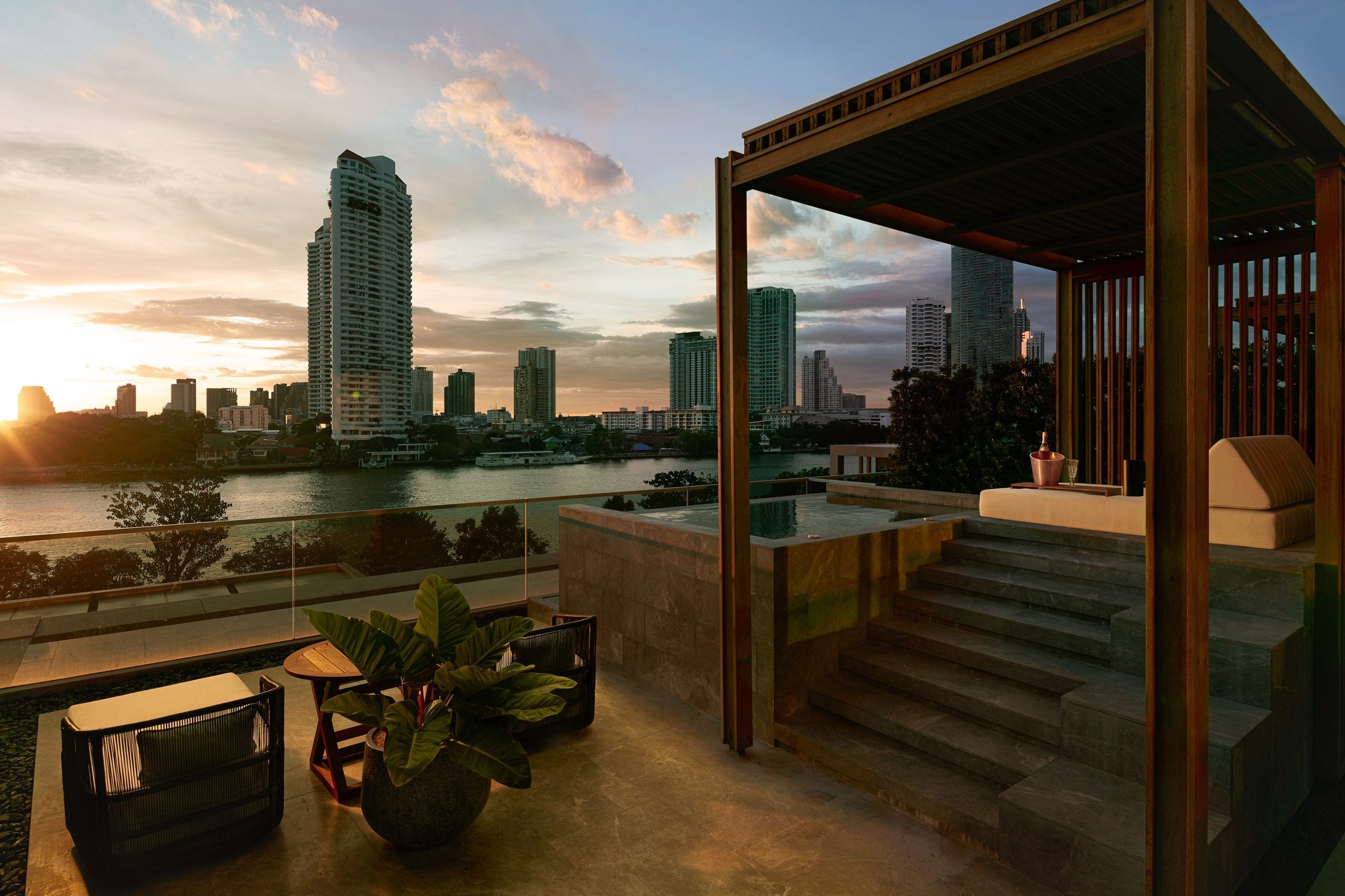
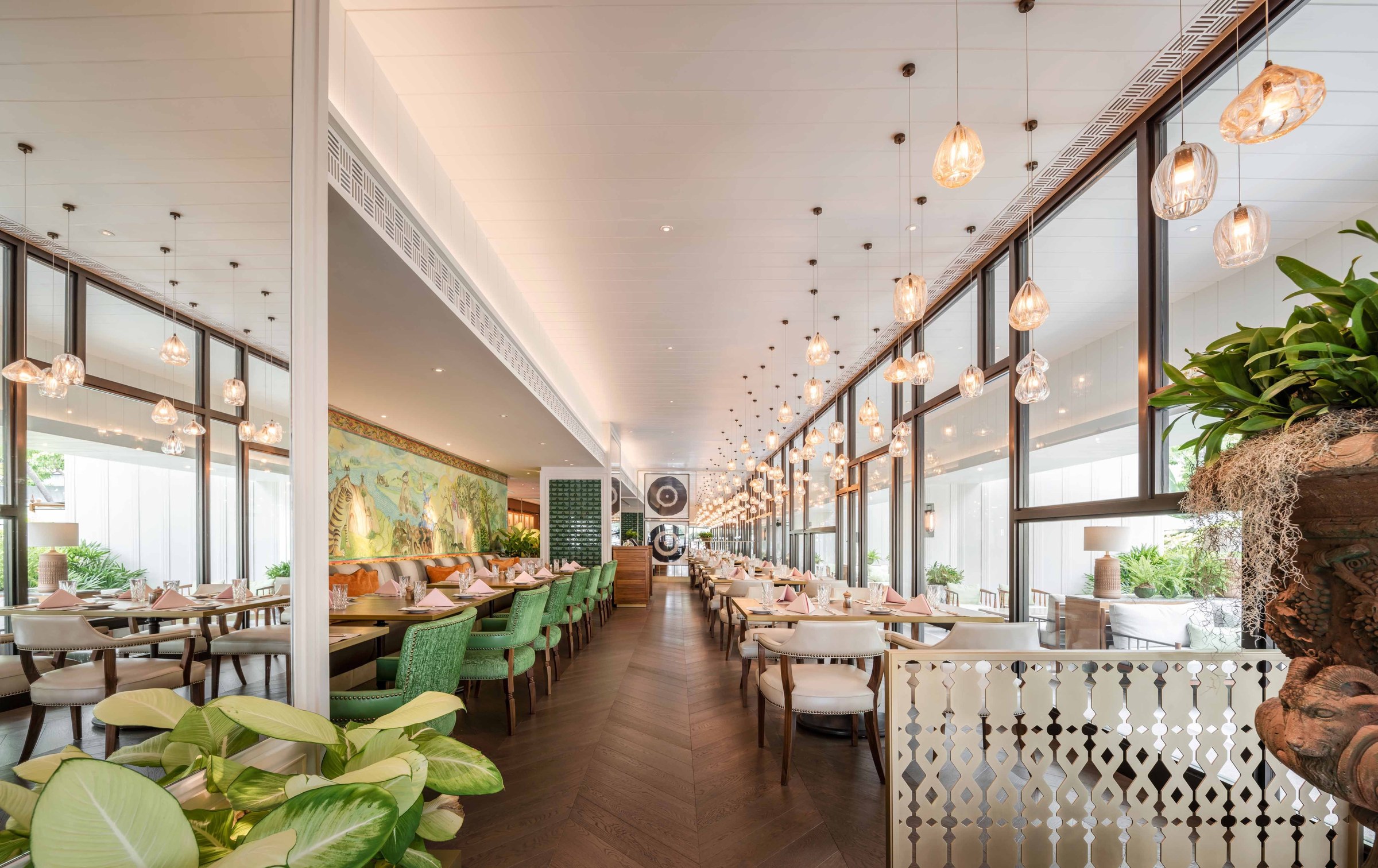
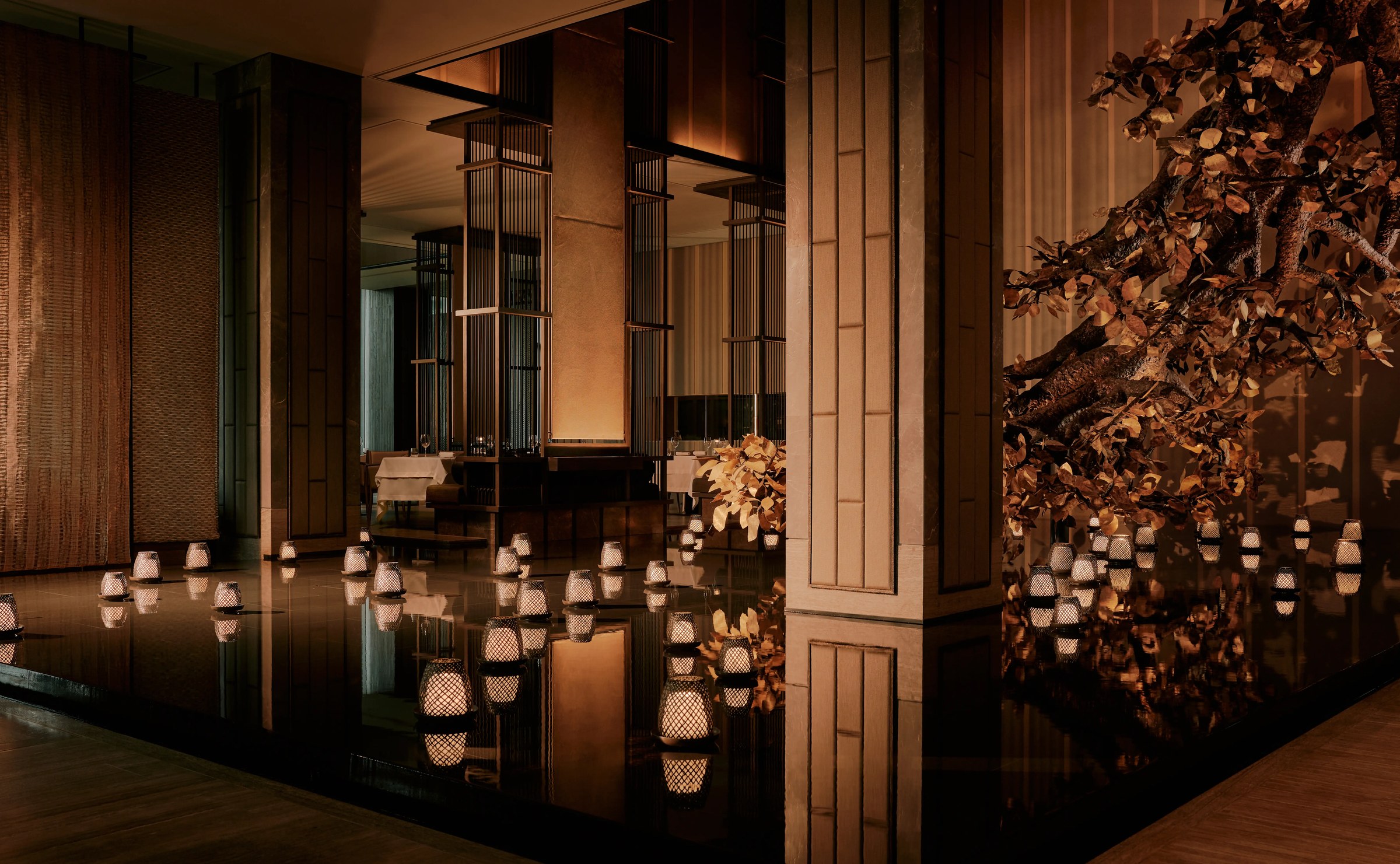
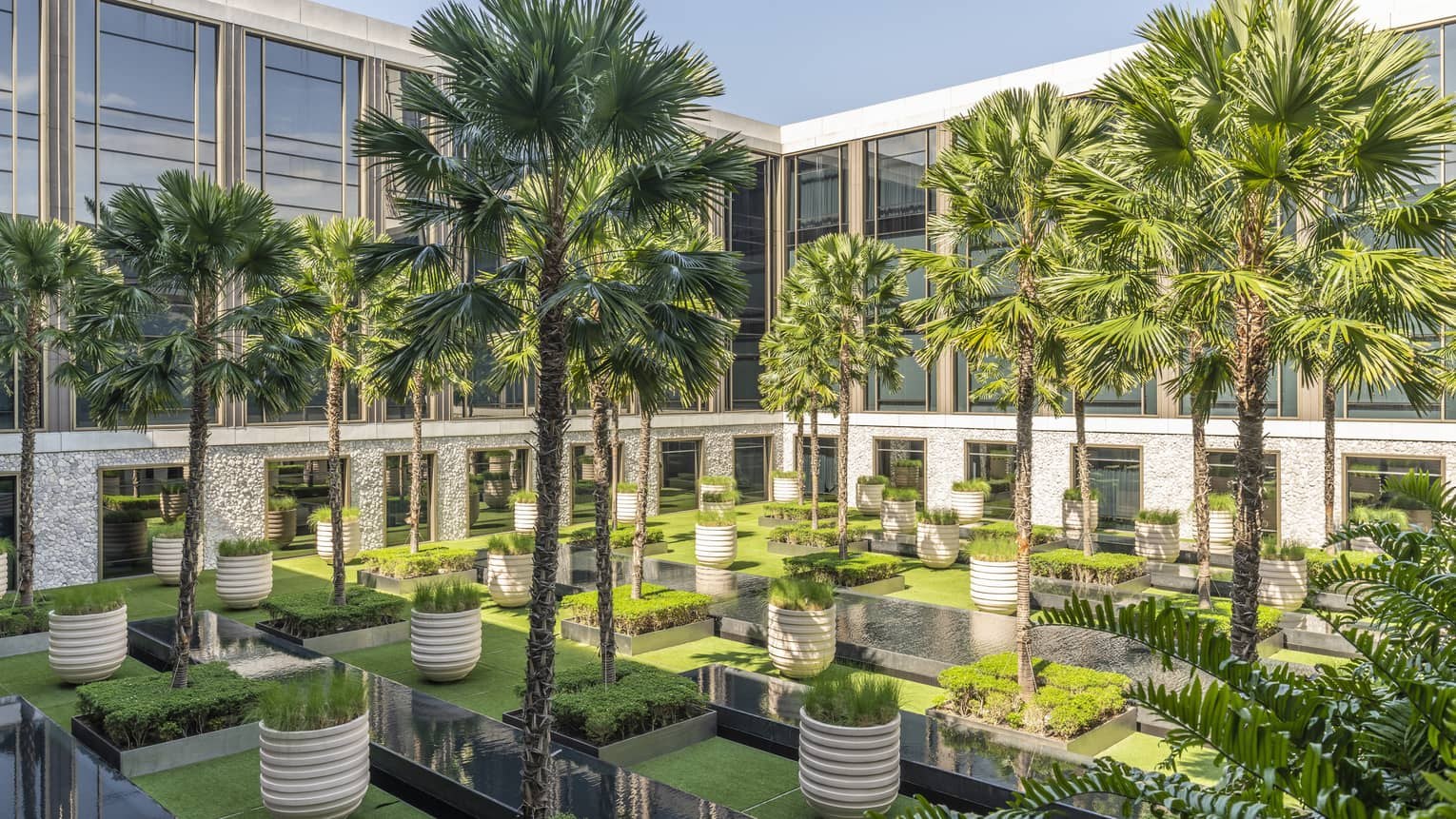
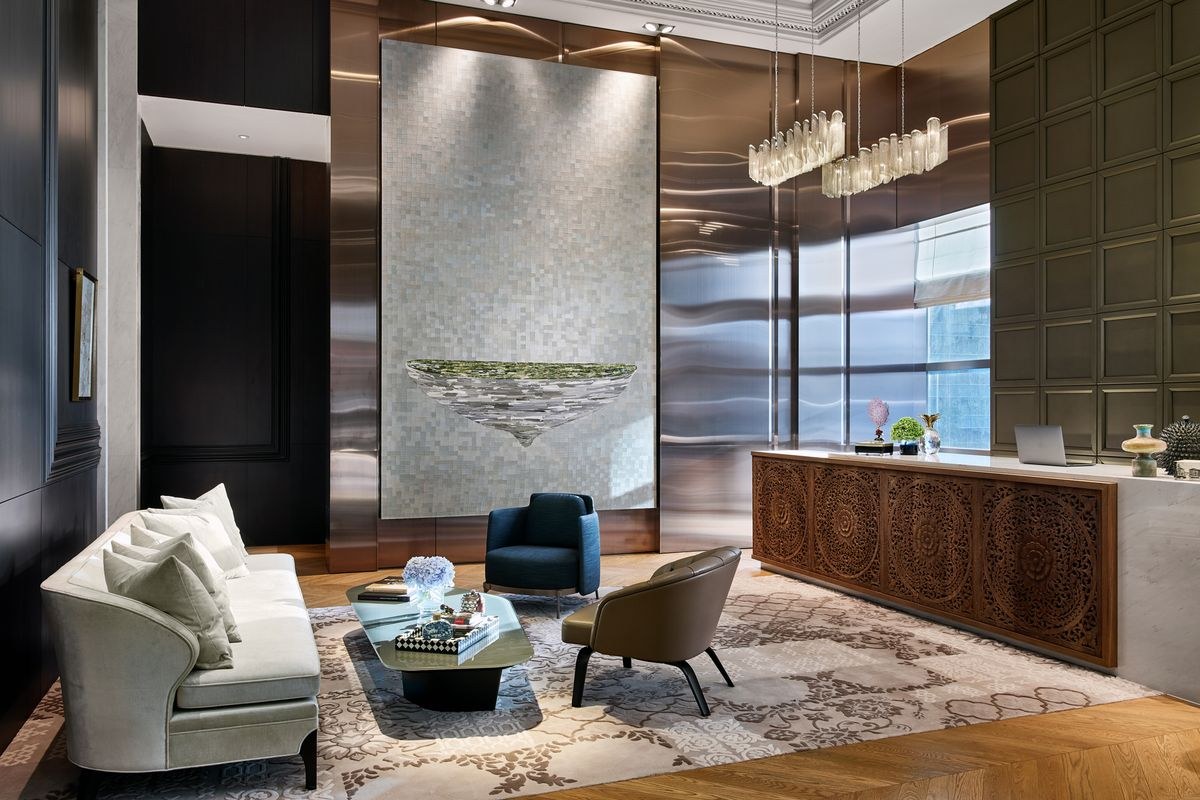
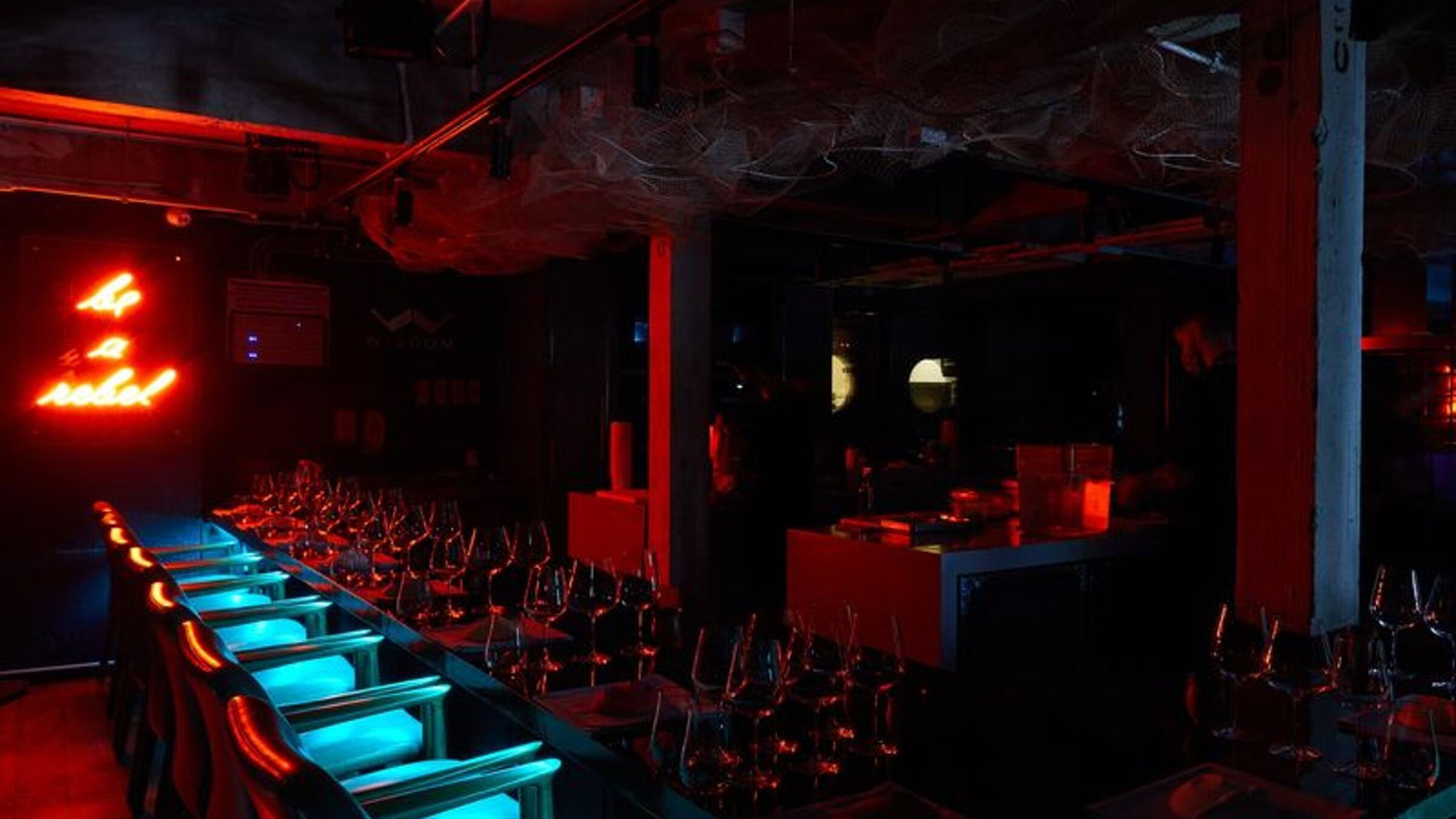
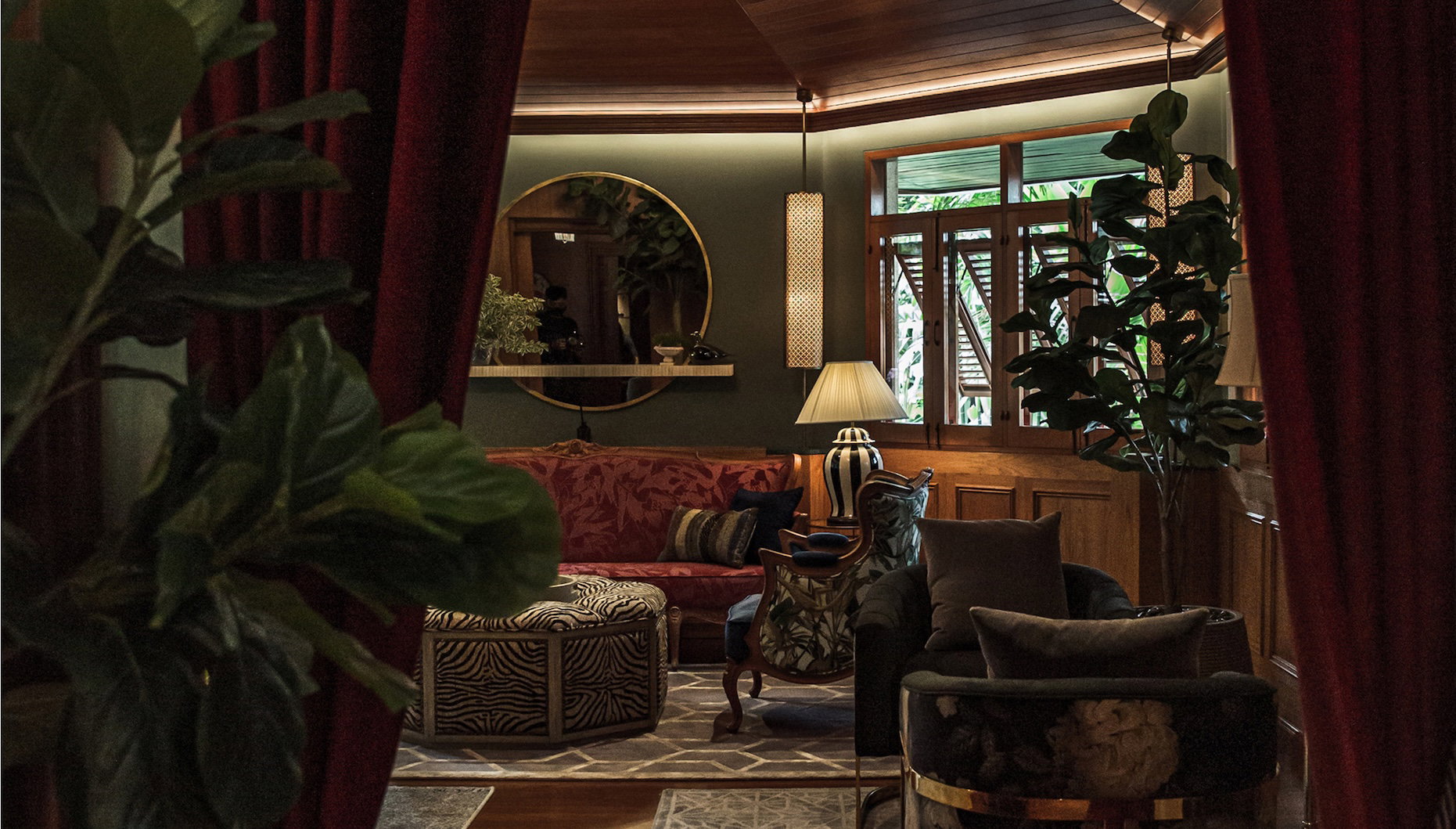
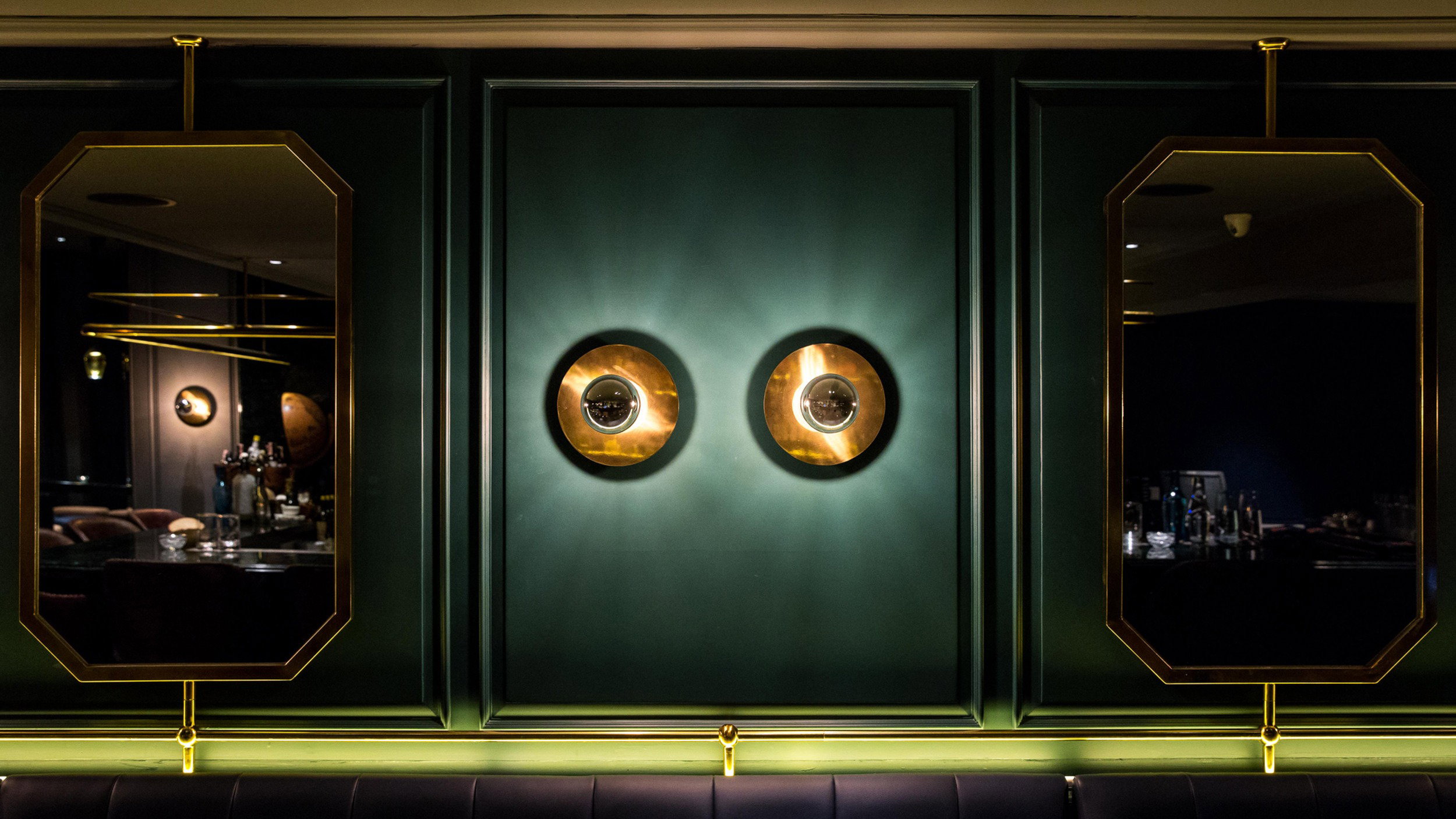
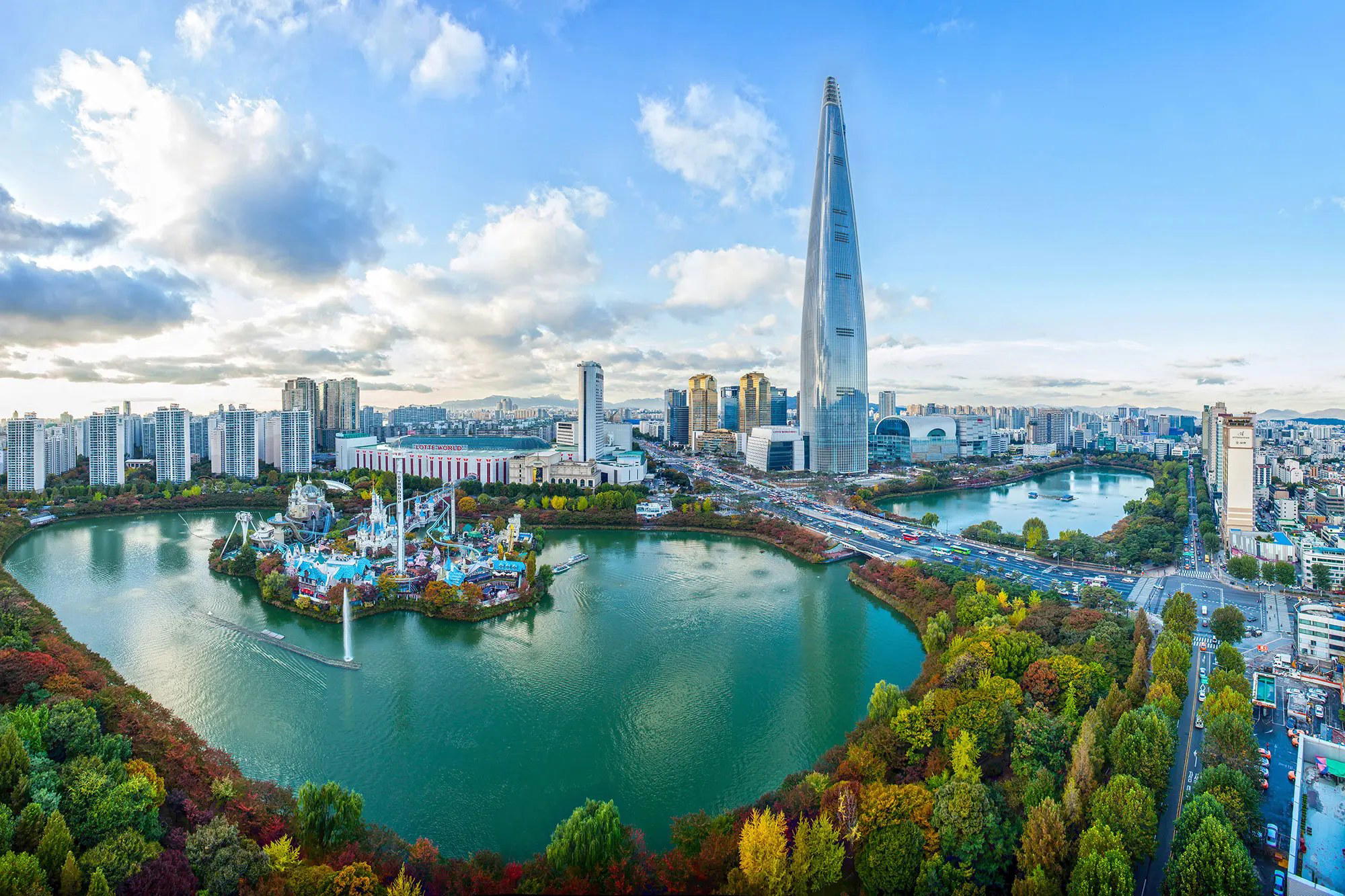
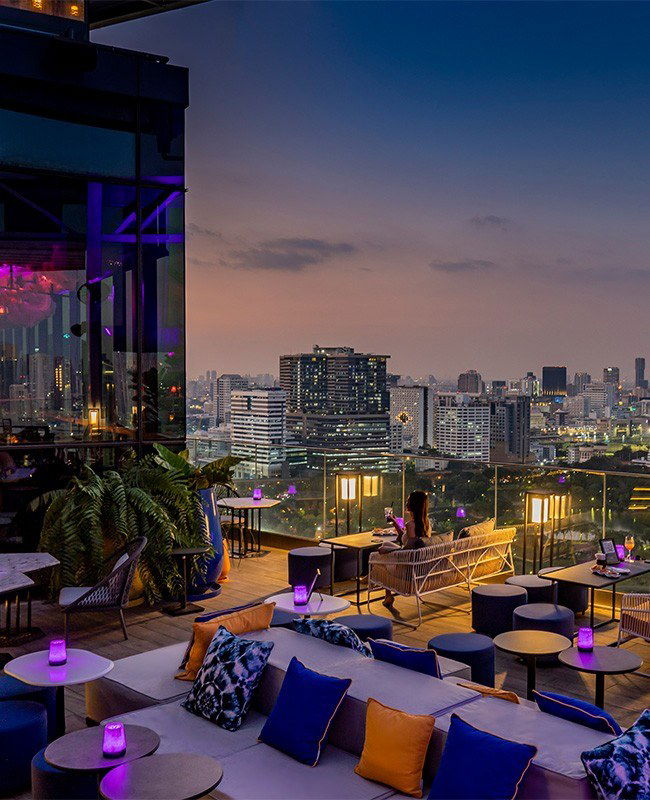
SO/ Bangkok presents itself as a design-first, theatrical take on contemporary luxury in the city. The 30-story tower reads as a deliberate creative statement, pairing European creative direction with local design talent to produce interiors that prioritize architecture and visual drama over heritage reverence. Located at the green edge of Lumpini Park and within reach of the financial district, the hotel balances an urban, editorial sensibility with moments of leafy respite. The property leans toward a stylish, scenically minded personality that appeals to guests who value bold interior concepts as much as location.
Best For
The hotel is particularly well suited to business travellers who need proximity to Sathorn’s financial core but want a more visually interesting stay; the location also makes it a natural pick for weekend escapes that trade riverfront spectacle for park-side calm. Design-focused guests flock here for the hotel's curated interiors and theatrical programme, while couples seeking a contemporary urban retreat find its blend of central access and green views appealing. The La Liste recognition underscores its position among Bangkok’s upper-tier, design-led hotels.
Stay Tips
When booking, prioritize higher-floor rooms and request park- or garden-facing accommodations to make the most of the hotel's location on the green edge of Lumpini Park. If travel dates fall on weekends or during business conferences, reserve early — the property's combination of central access and design reputation attracts both corporate and leisure travellers. For design-minded stays, ask the reservations team about rooms that highlight the hotel's signature interior treatments or any curated design features; this helps ensure the experience aligns with the property's theatrical design programme.
Venue details
Ambiance
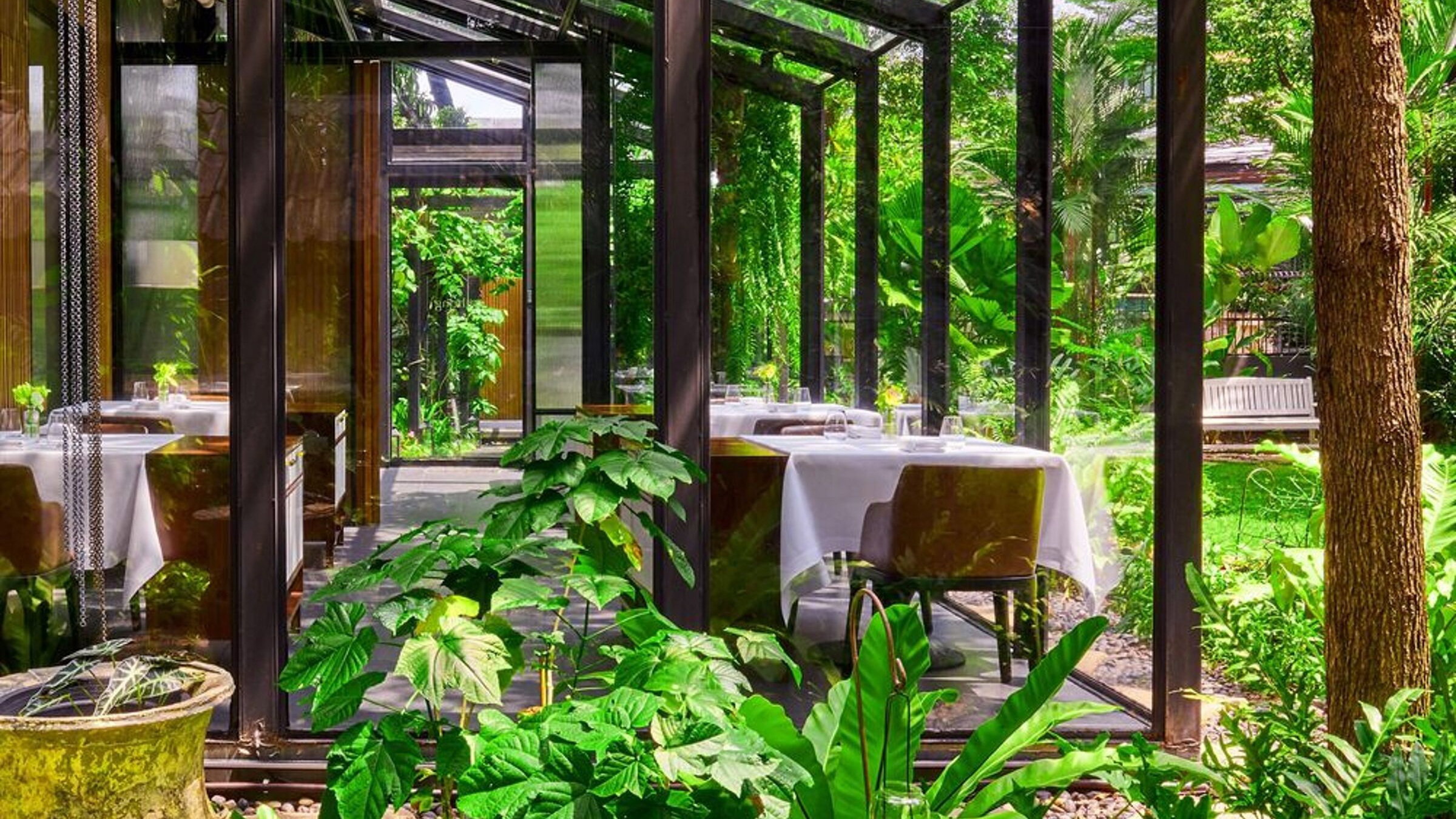
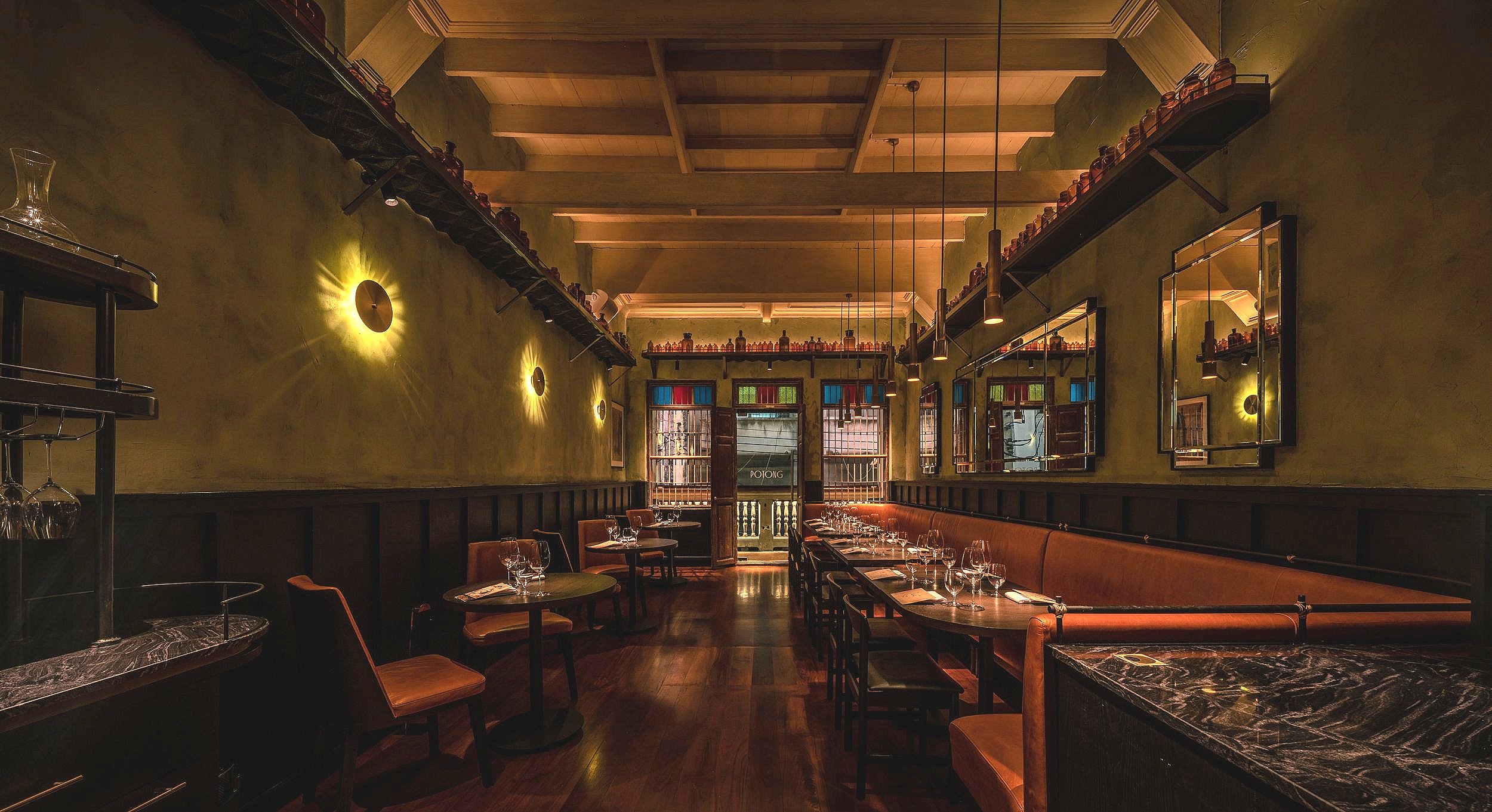
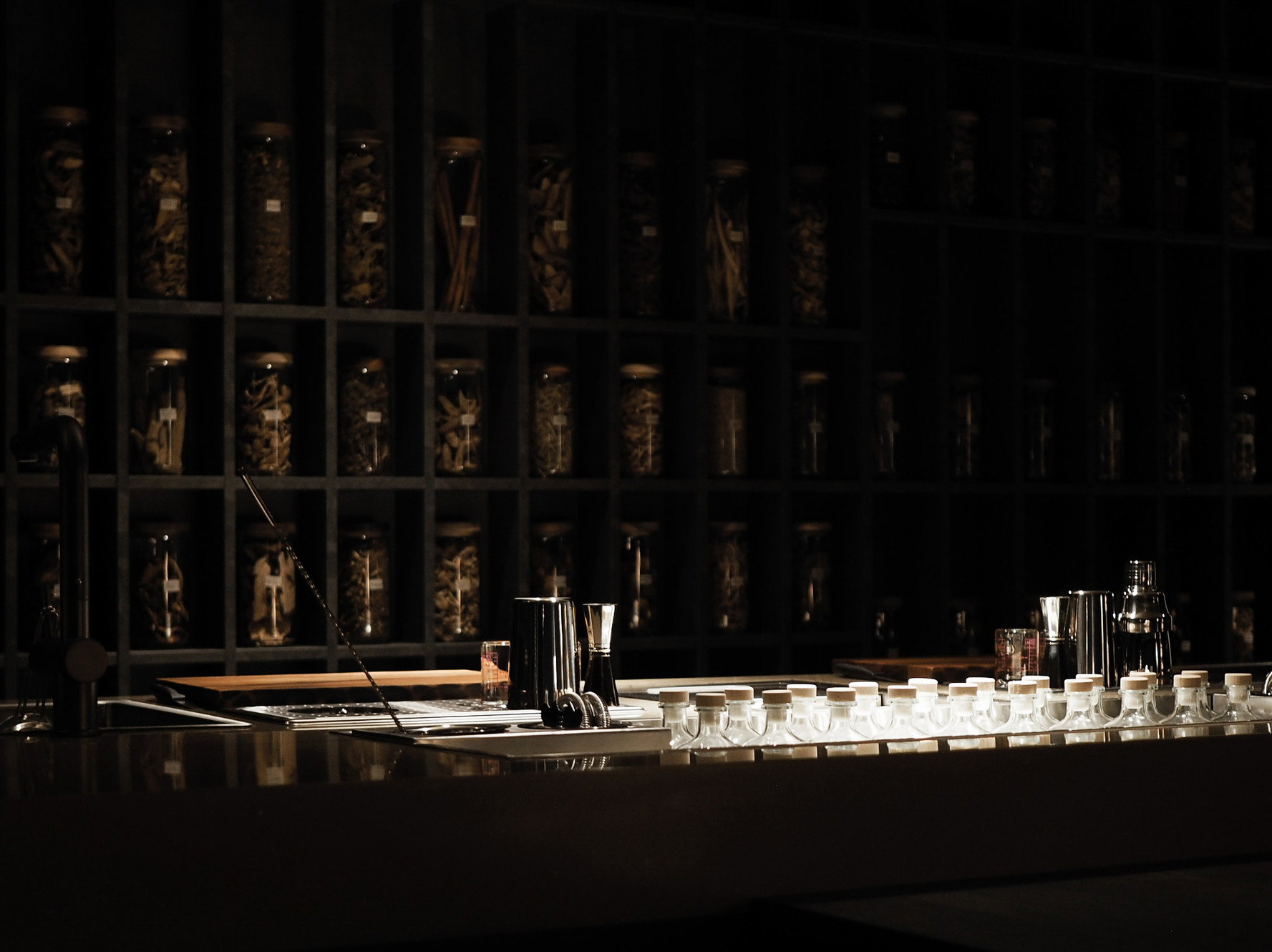
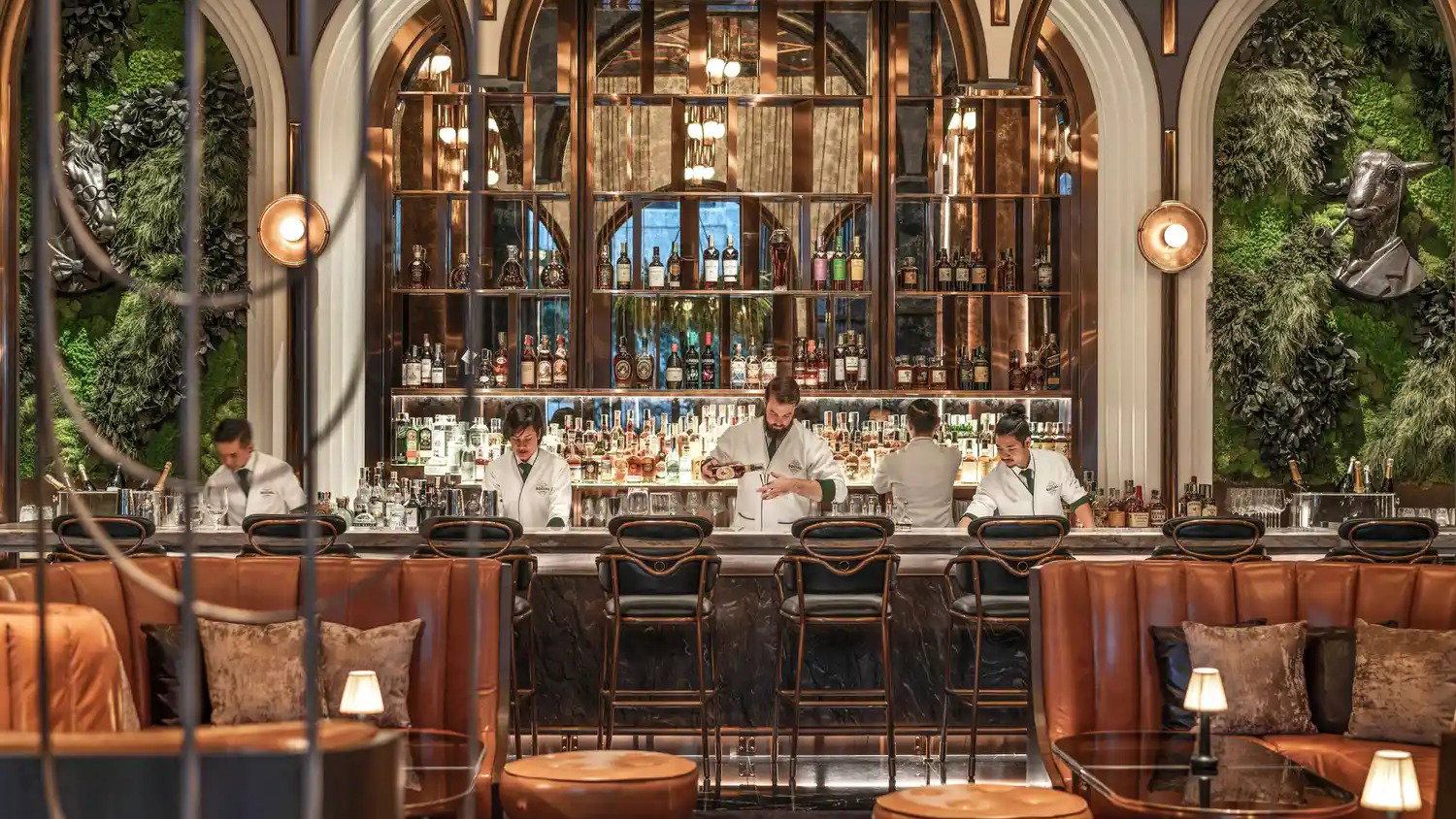
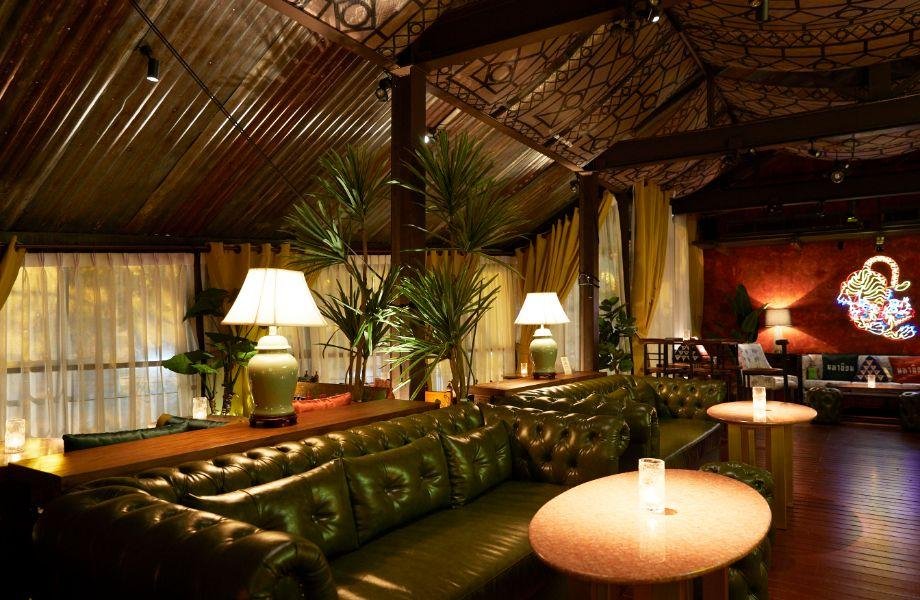
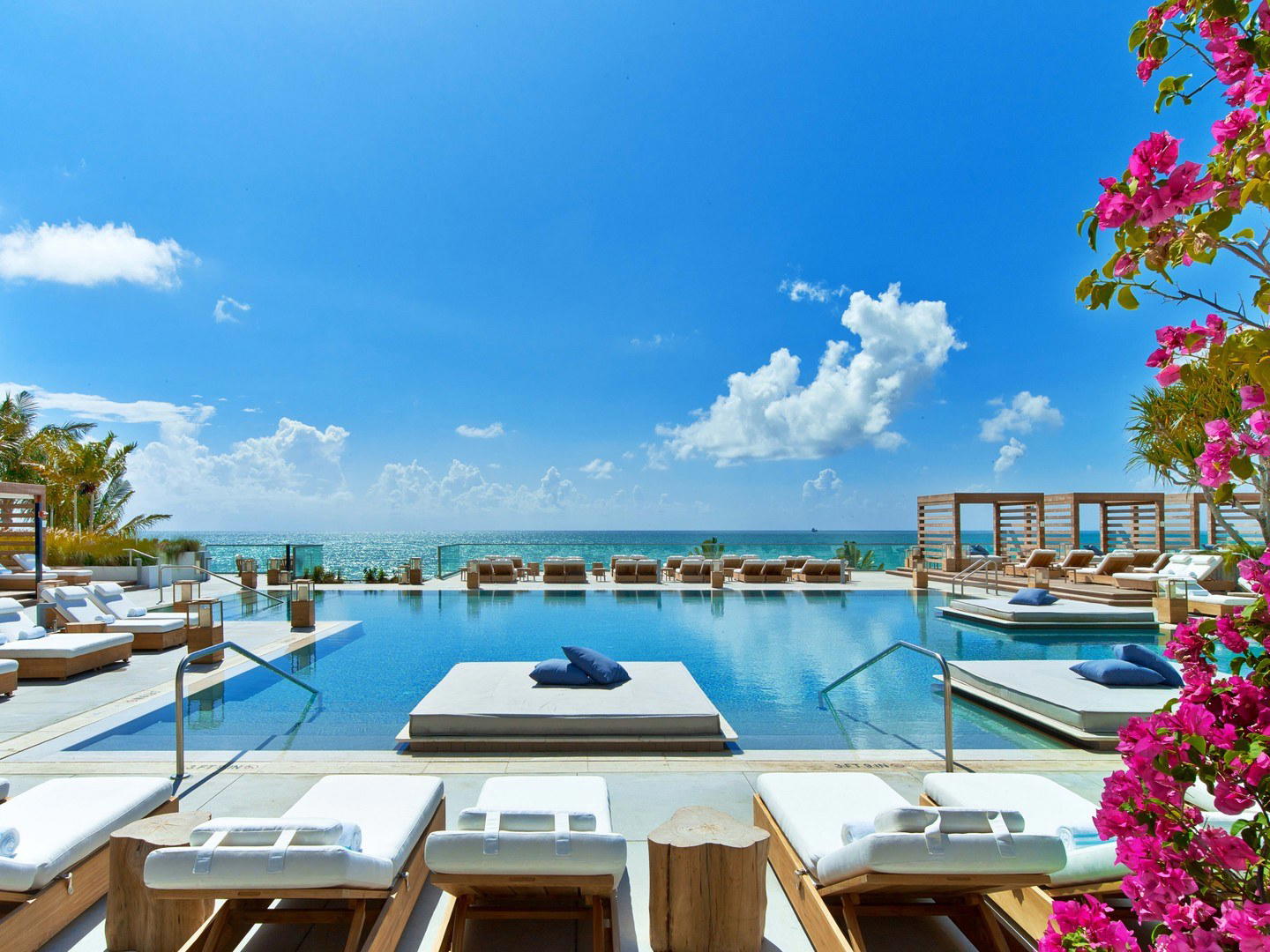
Chic and contemporary atmosphere with stylish lighting, vibrant poolside vibes, and elegant lounge areas praised for comfort and luxury.
Tags
Vibe
Best For
Experience
Amenities
View
Accessibility
About the Stay
- Rooms
- 237
- Check-in
- 15:00
- Check-out
- 12:00
- Property Type
- Design hotel
- Property Style
- Luxury Design Hotel Overlooking Lumpini Park with Element Themed Interiors.
- Design Style
- Contemporary Fusion of Thai Design and French Elegance by Christian Lacroix.
- Airport Transfer
- Available
- Pool
- Yes
- Spa
- Yes
- Families
- Welcome
Know before you go
Know Before You Go
- Getting there
- 2 N Sathon Rd, Si Lom, Khet Bang Rak, Krung Thep Maha Nakhon 10500
Planning details
Location
2 N Sathon Rd, Si Lom, Khet Bang Rak, Krung Thep Maha Nakhon 10500 · Directions
Recognition and awards


Also consider
Where to book if this is full
Try Andaz One Bangkok first if the appeal is a modern Bangkok lifestyle stay. Choose The Ritz-Carlton, Bangkok instead if the trip needs more formal service polish and the budget can stretch.
Hotel context
How SO/ Bangkok compares in Bangkok
Choose SO/ Bangkok if location and energy matter more than hushed formality. Andaz One Bangkok is the closer cross-shop for a modern lifestyle stay, while The Ritz-Carlton, Bangkok is the safer call for travelers who want a more traditional luxury-service frame and are less price-sensitive.
Villa Deva Resort & Hotel Bangkok should be higher on the list for a quieter, more tucked-away stay. The Sukhothai Bangkok is the more composed choice if calm ambiance matters more than a social city-hotel feel. For a Bangkok stay built around skyline views and a familiar high-rise experience, Banyan Tree Bangkok is the practical alternative.
Booking difficulty is the reason to keep backups ready. If SO/ Bangkok is unavailable, Andaz One Bangkok is the cleanest like-for-like lifestyle comparison; if the trip is a splurge and service polish is the priority, move to The Ritz-Carlton, Bangkok instead.
Explore Bangkok
Around this place
Discover more on Pearl
Unlock the full SO/ Bangkok guide in Pearl, including awards, comparisons, FAQs, planning details, and nearby places.
Compare SO/ Bangkok
| Venue | Location | Awards |
|---|---|---|
| SO/ Bangkok | Bangkok | 2026 Forbes Recommended2026 La Liste Top Hotels2025 Michelin 1 KeyMichelin 1 Key 20252025 Forbes Recommended |
| Andaz One Bangkok | Bangkok | No published awards |
| The Ritz-Carlton, Bangkok | Bangkok | No published awards |
| Villa Deva Resort & Hotel Bangkok | Bangkok | No published awards |
| The Sukhothai Bangkok | Bangkok | 2026 Forbes 4-Star2026 La Liste Top Hotels2026 Michelin 2 Keys2025 Forbes 4-Star2025 Michelin 2 KeysSmall Luxury Hotels Member 20252024 Michelin 2 Keys |
| Banyan Tree Bangkok | Bangkok | 2026 Forbes Recommended2026 Great Hotels of the World Collection2025 Forbes Recommended |




How SO/ Bangkok compares with similar nearby venues.
FAQ
Frequently Asked Questions
How is the pool and spa at SO/ Bangkok?
For pool or spa planning, check the hotel directly for current facility details before booking. The grounded reason to consider SO/ Bangkok is its recognition: Michelin 1 Key (2025), La Liste Top Hotels (2026): 93pts, and Forbes Recommended (2026).
How is the location of SO/ Bangkok?
SO/ Bangkok is in Bangkok. Confirm the location against your itinerary before booking.
How does SO/ Bangkok compare to other Bangkok hotels?
SO/ Bangkok is a recognized Bangkok option to compare with Andaz One Bangkok, Banyan Tree Bangkok, The Ritz-Carlton, Bangkok, The Sukhothai Bangkok, and Villa Deva Resort & Hotel Bangkok. The best choice depends on current rates, room type, policies, and the hotel atmosphere you prefer.
What is SO/ Bangkok known for?
SO/ Bangkok is known as a Bangkok hotel with Michelin 1 Key (2025), La Liste Top Hotels (2026): 93pts, and Forbes Recommended (2026). The dress code is smart casual.