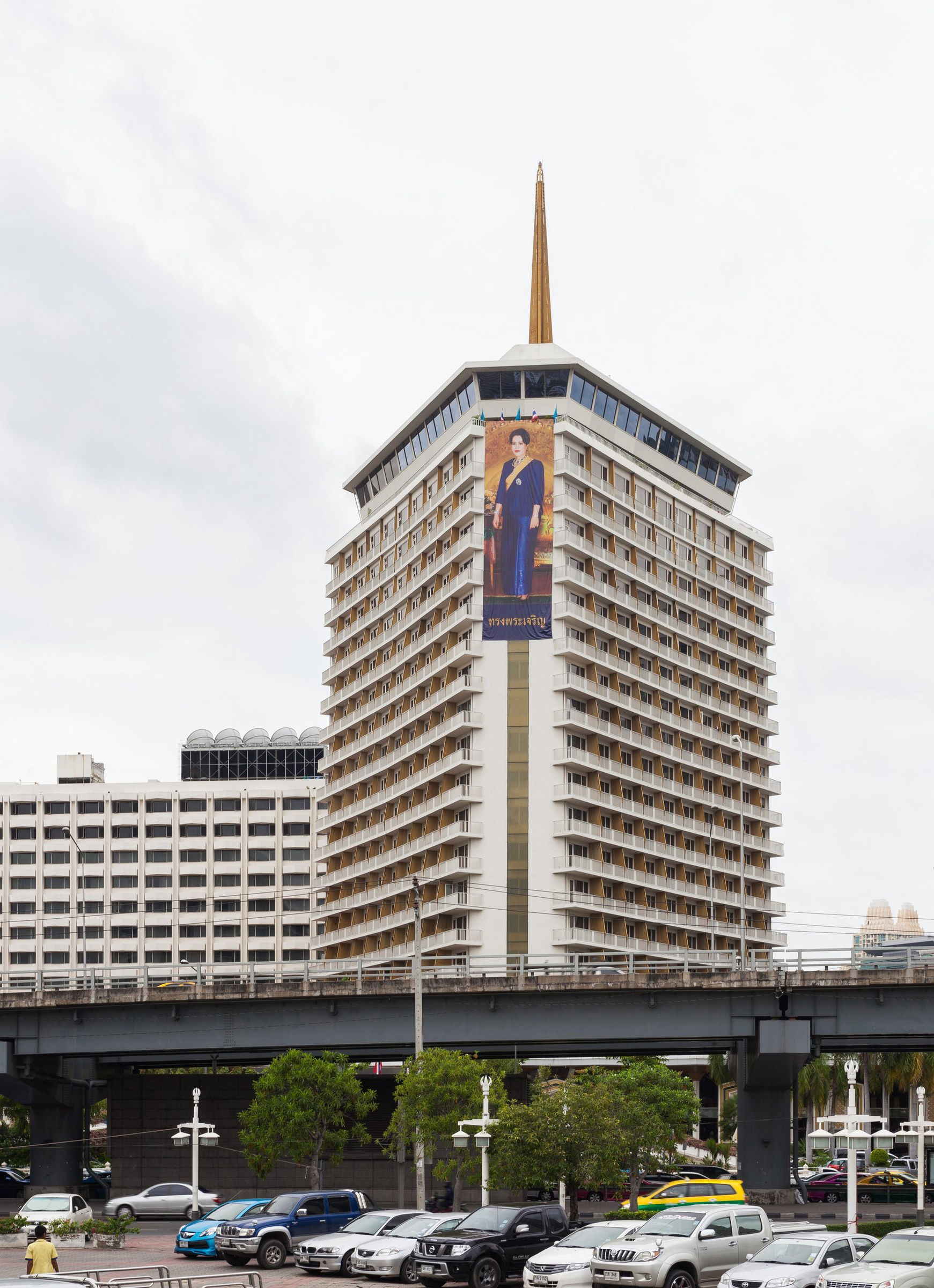





Dusit Thani Bangkok
Si Lom, Bangkok
Hotel in Bangkok, Thailand
 Book with Pearl
The Read
Heritage Rebuilt, Park-Facing
Price
$200–300per night
Why go
Dusit Thani Bangkok is worth booking for a polished central stay where the hotel itself matters: anniversaries, client travel, or a high-comfort Bangkok base near Silom, Sathorn, and Lumphini. Its 2025 Michelin 1 Key and major hotel-list recognition justify serious consideration, but value is strongest when guests will actually use the property rather than treat it as a sleep-only address.
About Dusit Thani Bangkok
On a Bangkok stay, Dusit Thani Bangkok is easiest to justify when the hotel itself is part of the reason for the trip. The case rests on its Bangkok setting, smart casual dress code, and recent hotel recognition rather than on specific room, dining, spa, or service details.
The decision is therefore direct: consider it for a stay where confirmed recognition matters, and check any practical details directly before booking. If the trip only needs a simple place to sleep, the confirmed information here may not be enough on its own to make Dusit Thani Bangkok the necessary choice.
A recognized Bangkok hotel for stays where the hotel matters
Dusit Thani Bangkok's confirmed 2025 recognition includes a Michelin 1 Key, Preferred Hotels membership, a place on The World's 50 Best Hotels list at #60, and Tatler hotel honors, including Best New Hotel recognition. Those signals do not verify a specific room category, facility, restaurant format, or service style, but they do make the hotel a notable Bangkok option to consider.
For the stay itself, the safest confirmed framing is simple: Dusit Thani Bangkok is a Bangkok hotel with a smart casual dress code and a strong recent recognition profile. Details such as facilities, dining concepts, and room preferences should be confirmed directly when booking.
Who should choose it over Bangkok's other hotels
Choose Dusit Thani Bangkok if recent recognition is central to the decision. Compared with Banyan Tree Bangkok, it is the choice to consider when Dusit Thani Bangkok's confirmed 2025 accolades matter. Compared with COMO Metropolitan Bangkok, Dusit Thani Bangkok is the stronger pick when awards visibility carries weight; COMO Metropolitan Bangkok remains a useful alternative for comparison.
Against The Sukhothai Bangkok, the decision is taste and trip priorities. The Sukhothai Bangkok is another Bangkok hotel to compare, while Dusit Thani Bangkok stands out here for its confirmed recent recognition. SO/ Bangkok and Andaz One Bangkok are also worth cross-shopping if you are weighing other Bangkok hotel stays.
The verdict: worth booking when Dusit Thani Bangkok's confirmed recognition and Bangkok setting match the purpose of the trip. If your decision depends on specific facilities, dining, room types, or services, verify those details directly before committing.
Inside Dusit Thani Bangkok
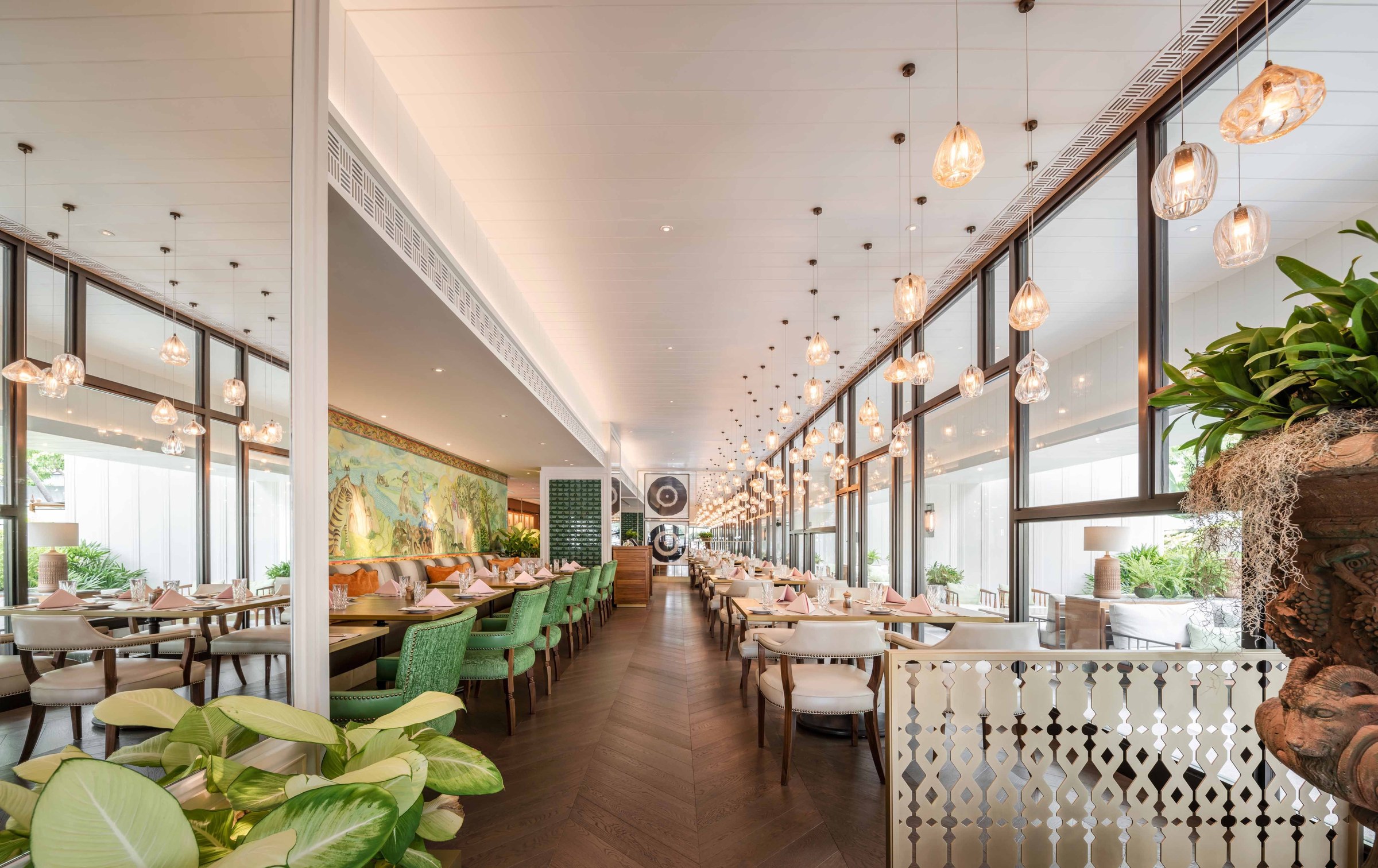
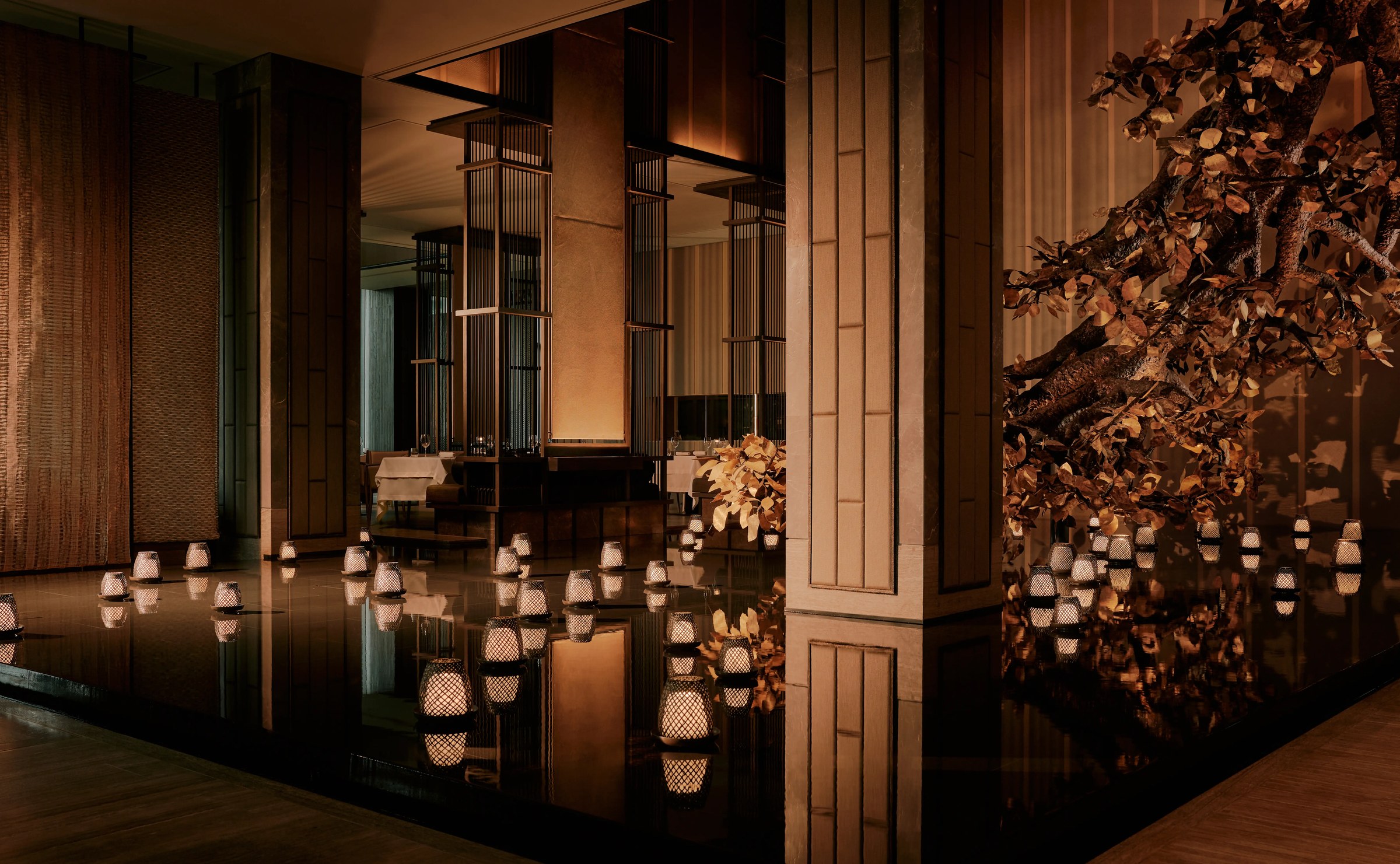
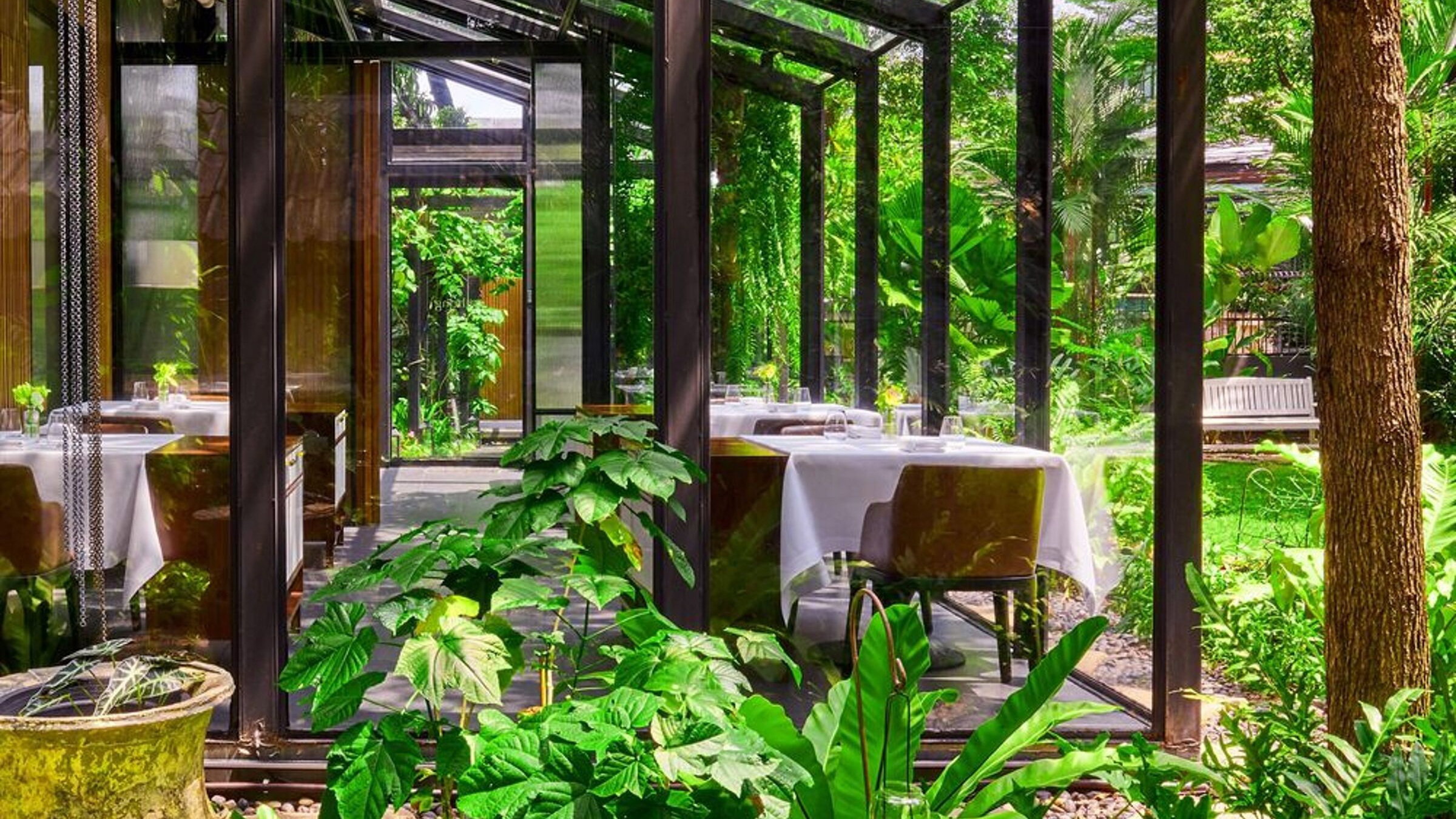
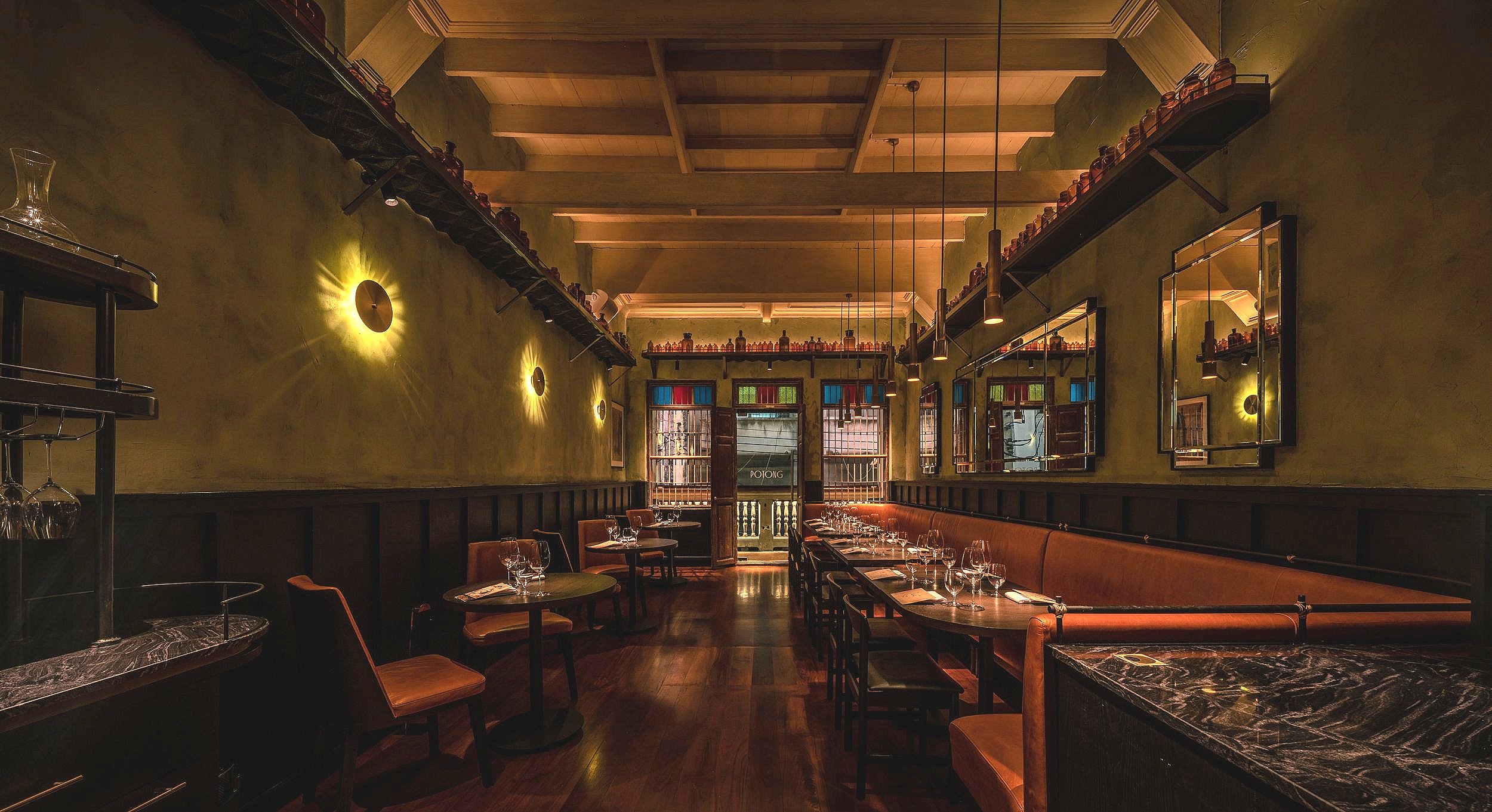
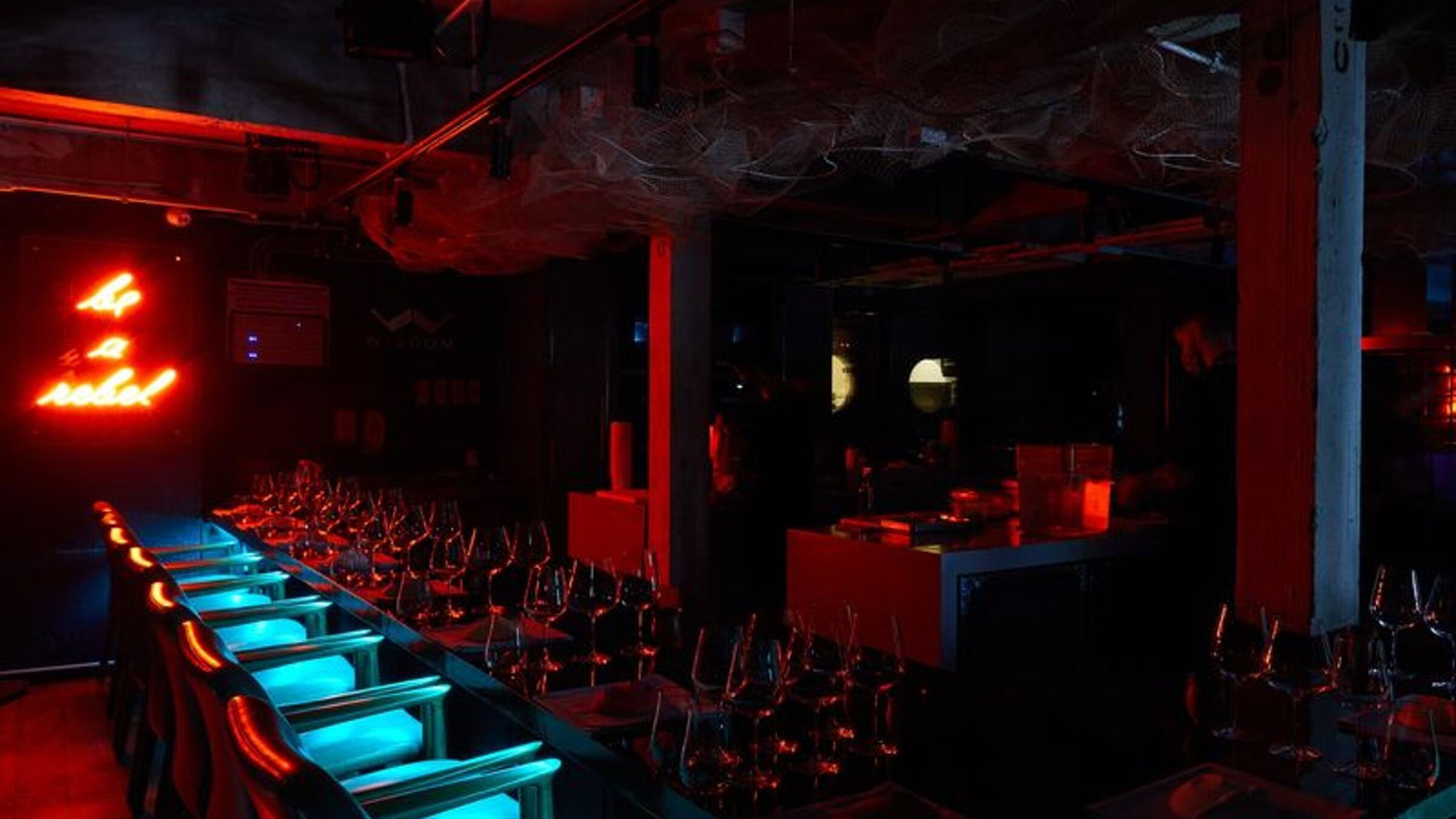
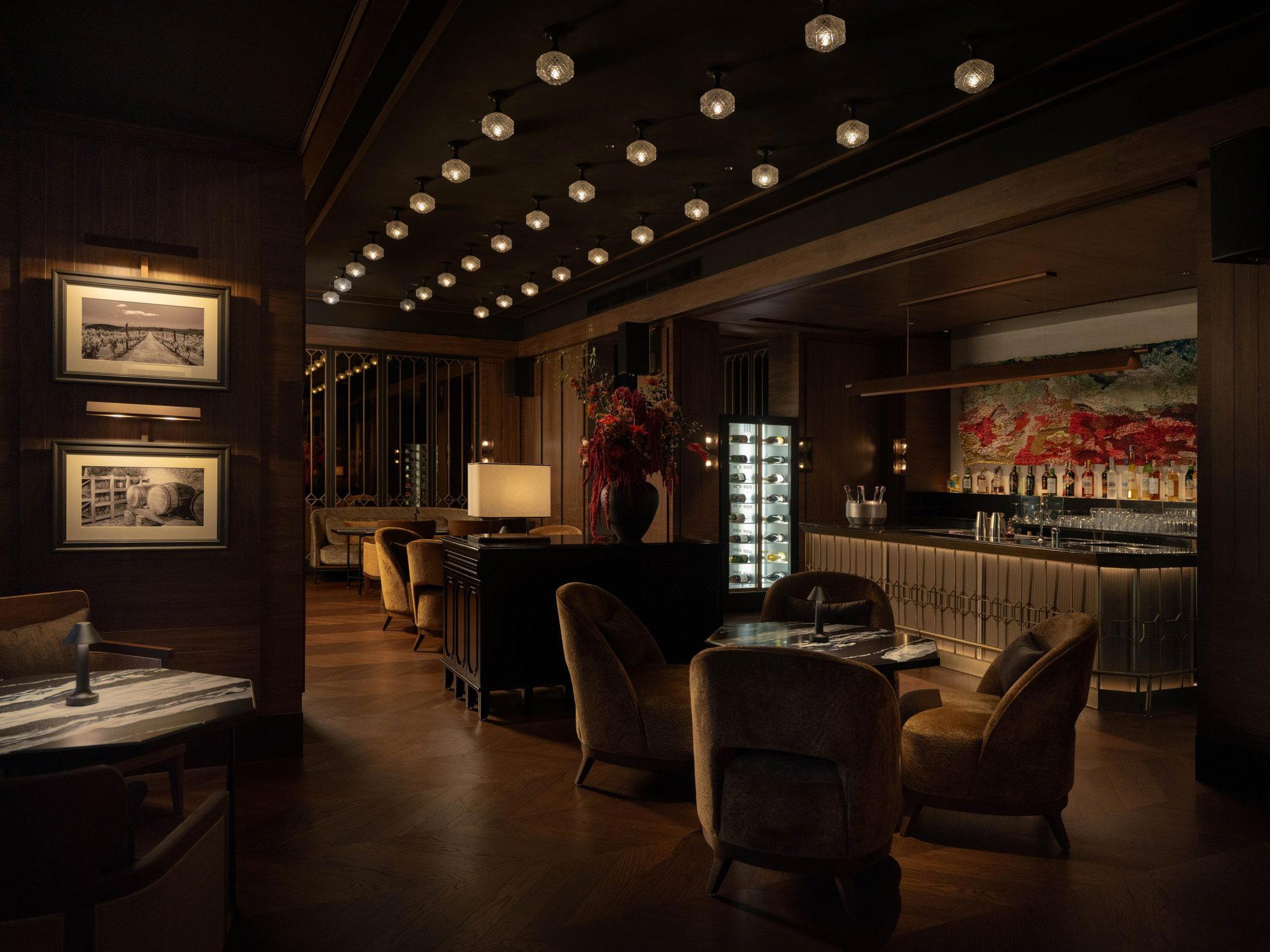 restaurantCannubi by Umberto BombanaCannubi by Umberto Bombana brings classical Italian technique to the Dusit Thani Bangkok, with a 350-label wine cellar overseen by a dedicated sommelier team and recognition from Star Wine List's White Star programme. The room pairs warm lighting and plush seating with a view over a courtyard waterfall, offering both a concise set lunch and a full dinner tasting format. In Bangkok's increasingly competitive fine-dining tier, it occupies a specific niche: European classicism executed with confidence in a Southeast Asian capital.
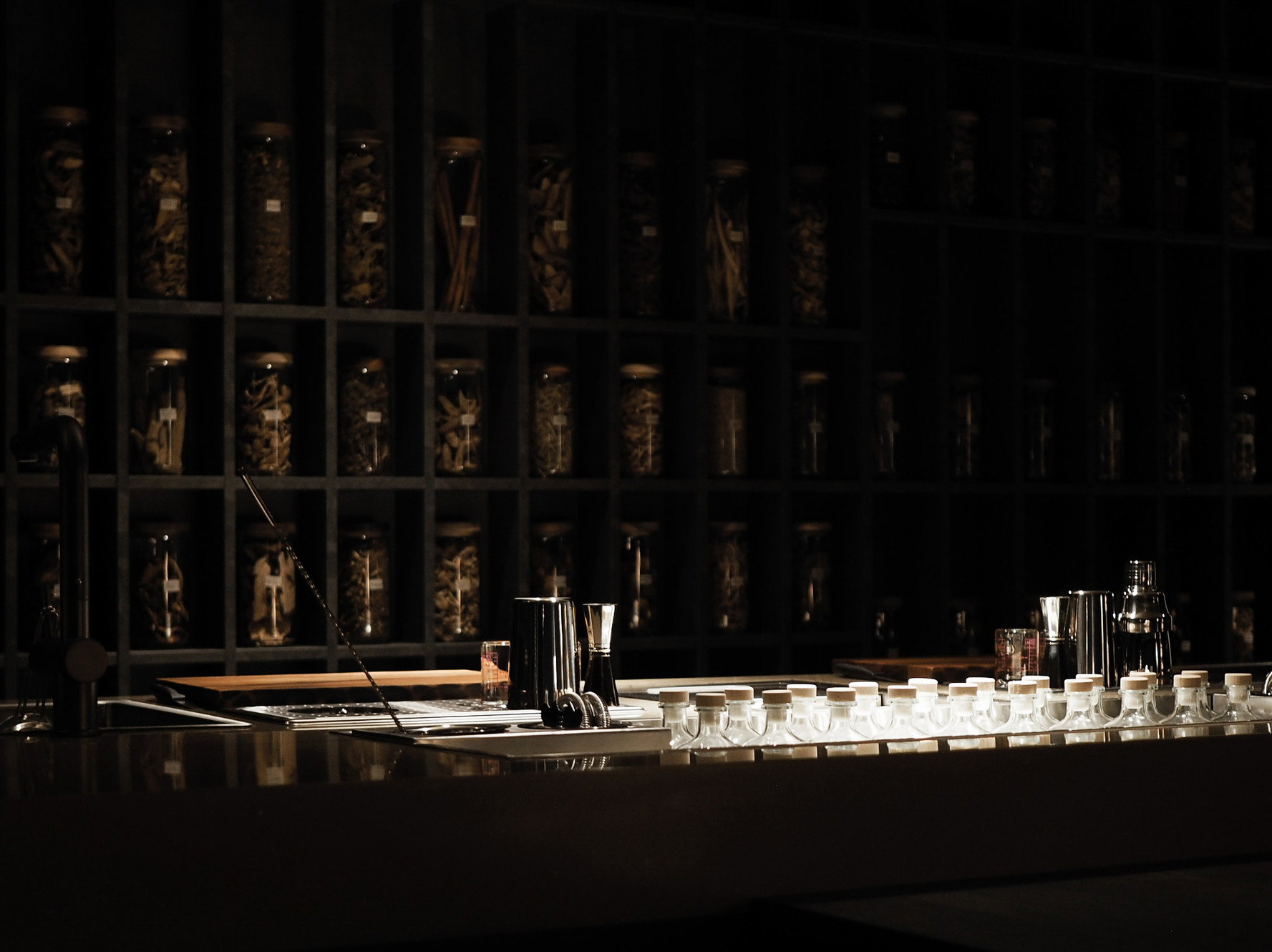
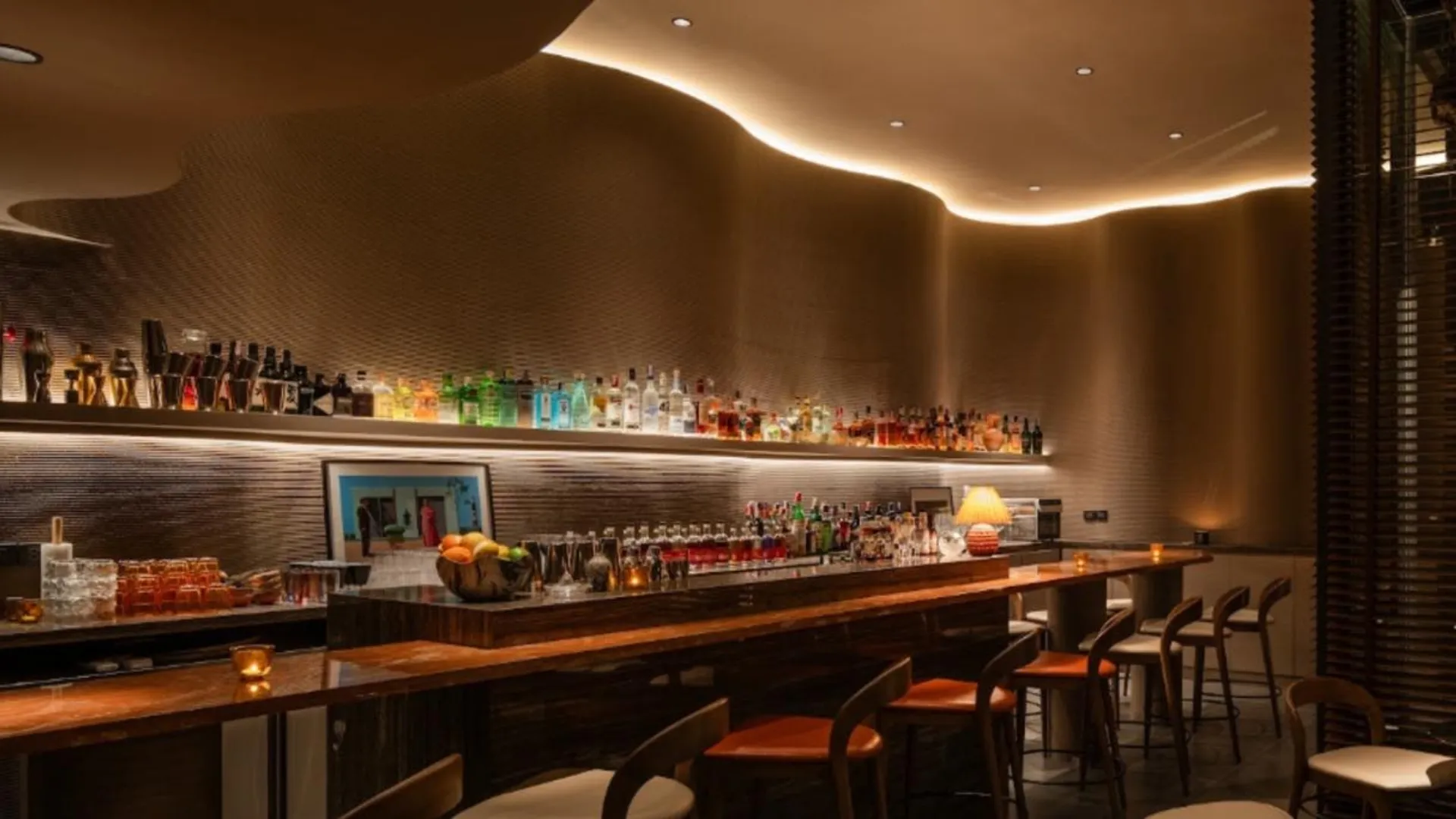
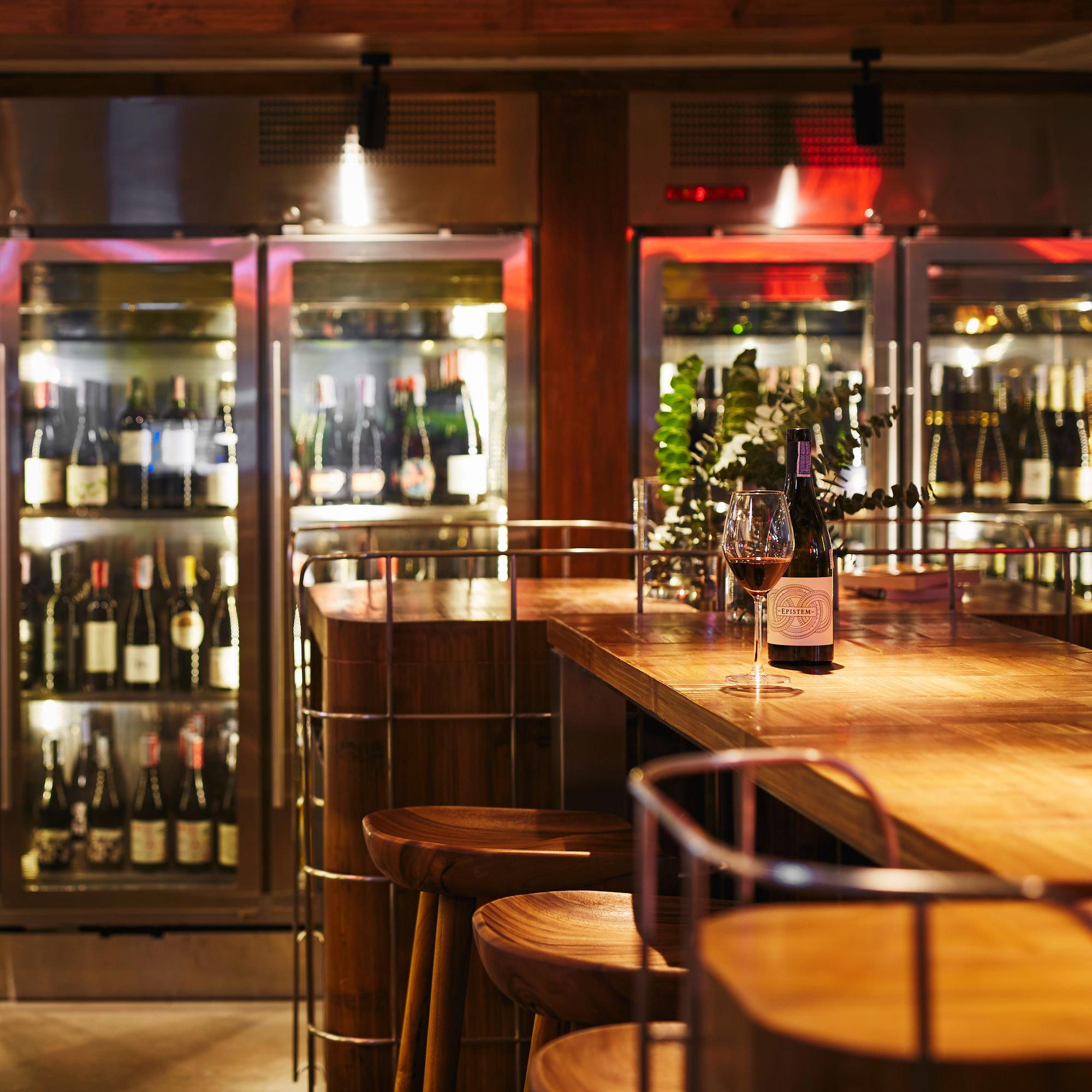 barCloud WineCloud Wine occupies a wine-bar slot inside The Commons, the community mall on Sala Daeng Road that has reshaped how Si Lom residents spend their early evenings. The format is deliberately low-key: a bottle of wine paired with snacks sourced from the food vendors sharing the same building. For Bangkok visitors who find the city's rooftop bars too loud and its hotel lounges too formal, Cloud Wine offers a different register entirely.
Planning details
- Location
- 98 Thanon Rama IV, Si Lom, Khet Bang Rak, Krung Thep Maha Nakhon 10500
- Website
- dusit.com/dusitthani-bangkok/main
- Phone
- +66 2 200 9000
The take
The Take
The Vibe
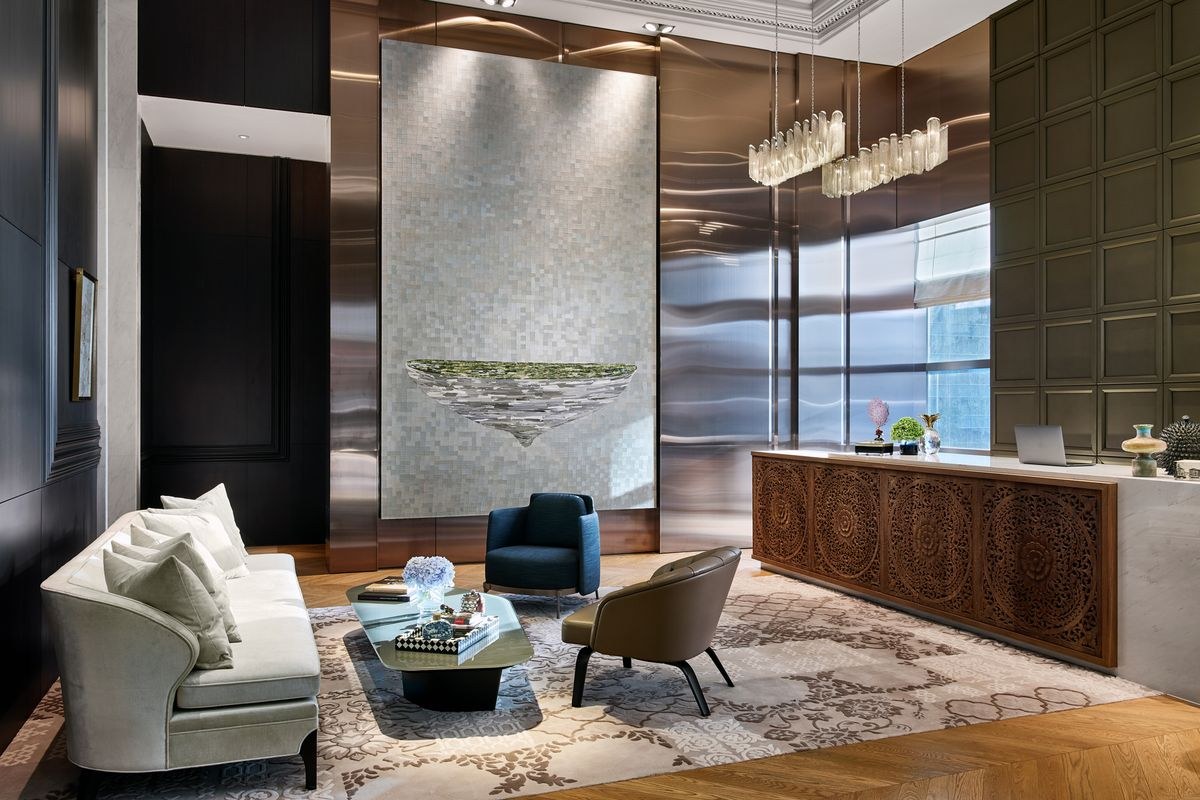
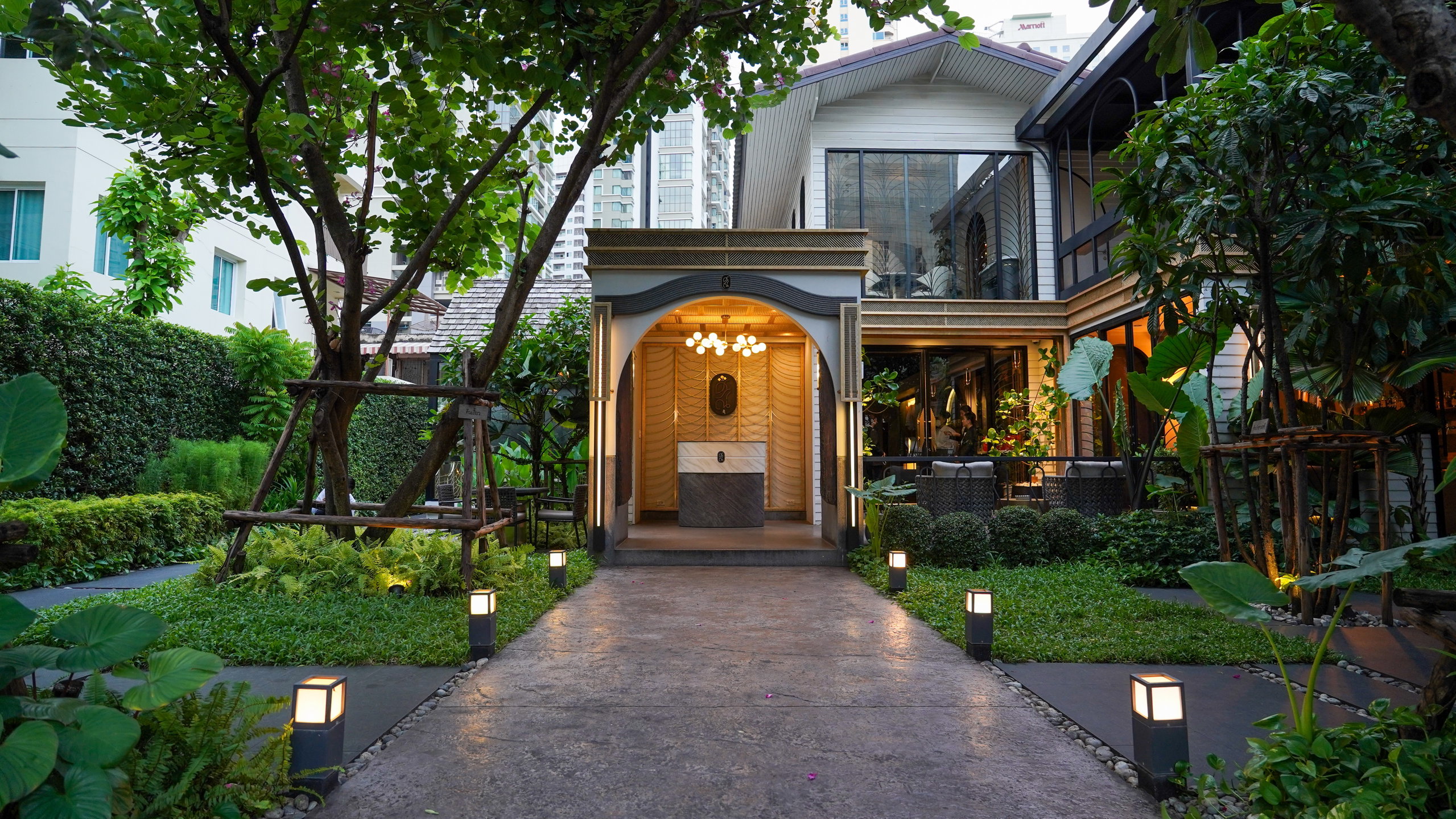
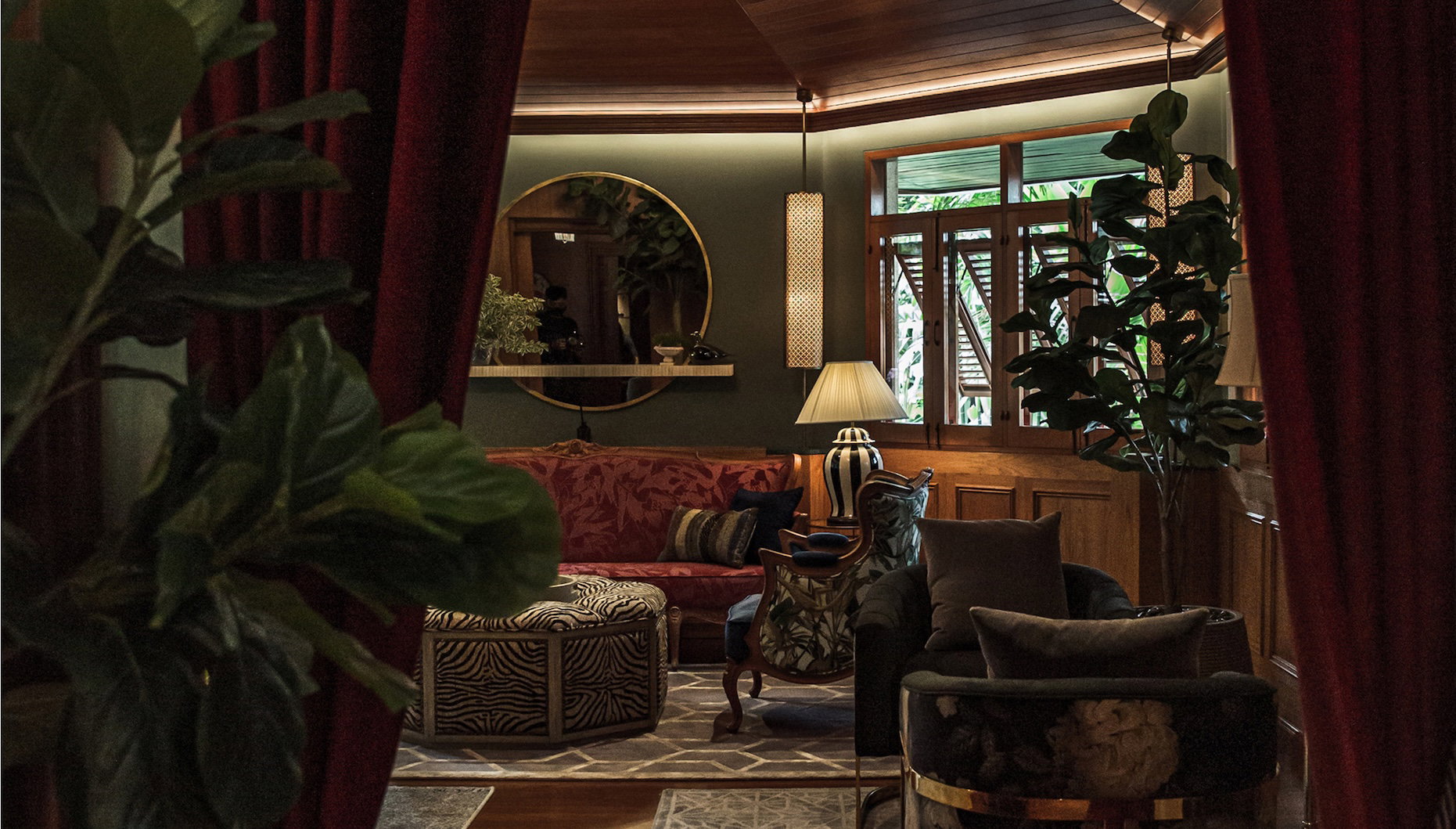
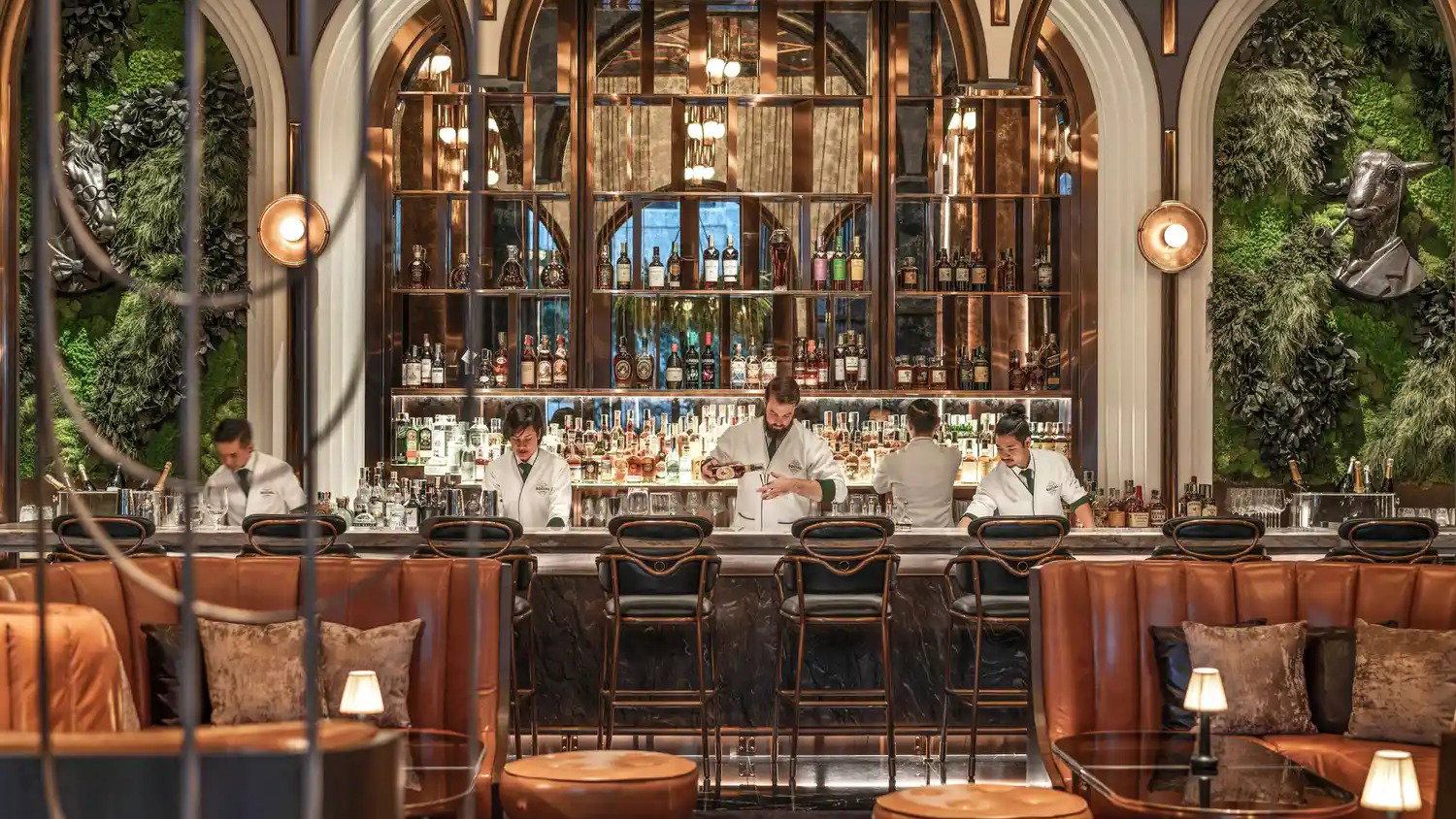
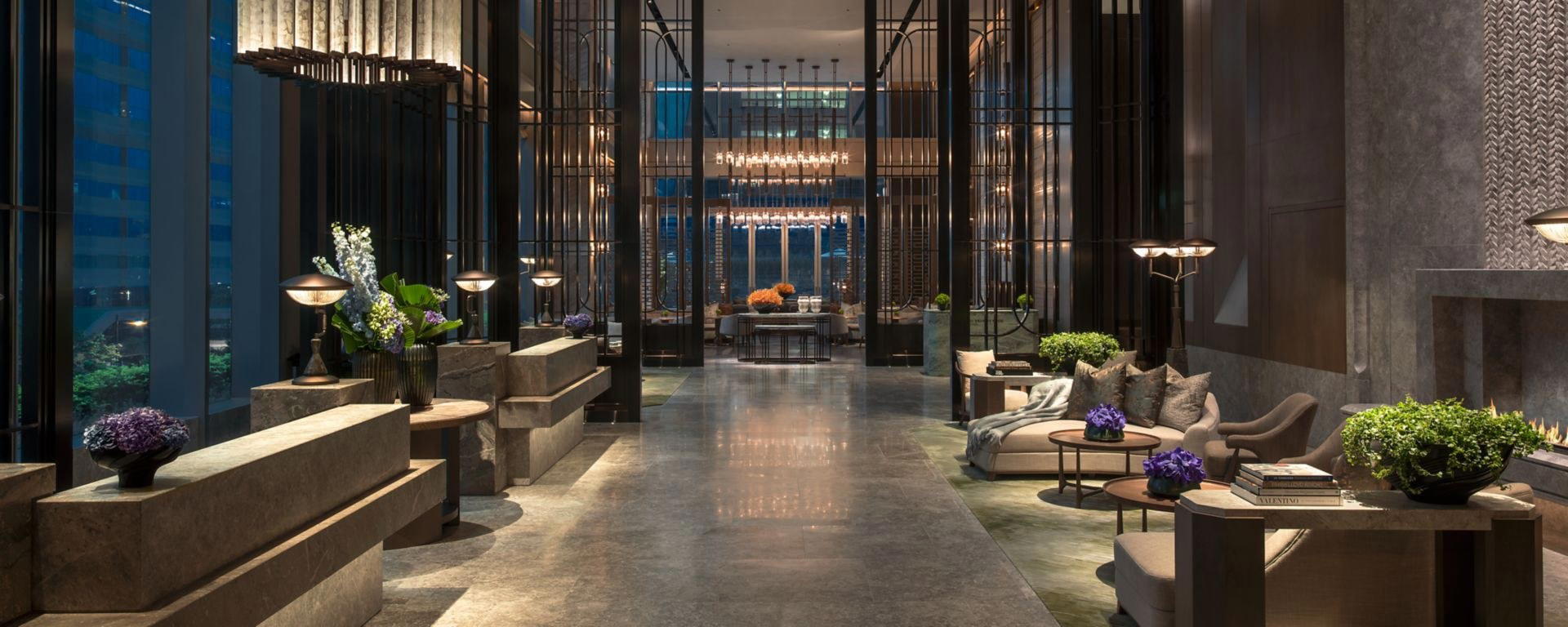
Dusit Thani Bangkok returns in 2024 as a rebuilt, architecturally distinct tower that blends the gravitas of a long-standing institution with contemporary design. The copy frames the property as a heavyweight in Bangkok’s luxury set — an 'institution' with 'significant institutional weight' — while highlighting a modern sensibility through the involvement of designer André Fu. The result reads as iconic and design-forward: a hotel that carries history in name but presents itself through fresh architecture and curated interiors aimed at today’s high-end traveler.
Best For
Dusit Thani Bangkok serves travelers seeking upscale, polished stays — from business visitors to couples and guests focused on wellness. The profile positions the property at the top end of Bangkok’s market, referencing its placement on Tatler’s Leading Hotels list and the World’s 50 Best Hotels ranking, signals that matter for travelers booking special trips or business travel. Its Silom address and competition with other landmark luxury hotels make it a logical choice for those who want central, high-caliber accommodations with contemporary design pedigree.
Stay Tips
Book early: the hotel relaunched in 2024 and earns prominent industry recognition, so demand can be strong. Prioritize rooms that showcase the André Fu design and the new tower’s finishes — the editorial argument for choosing Dusit Thani centers on 'what happens inside the room.' Use the hotel’s standing and awards as a guide when selecting room categories or packages, and factor in peak-season pricing given the property’s rapid return to the top-tier hotel set.
Venue details
Ambiance
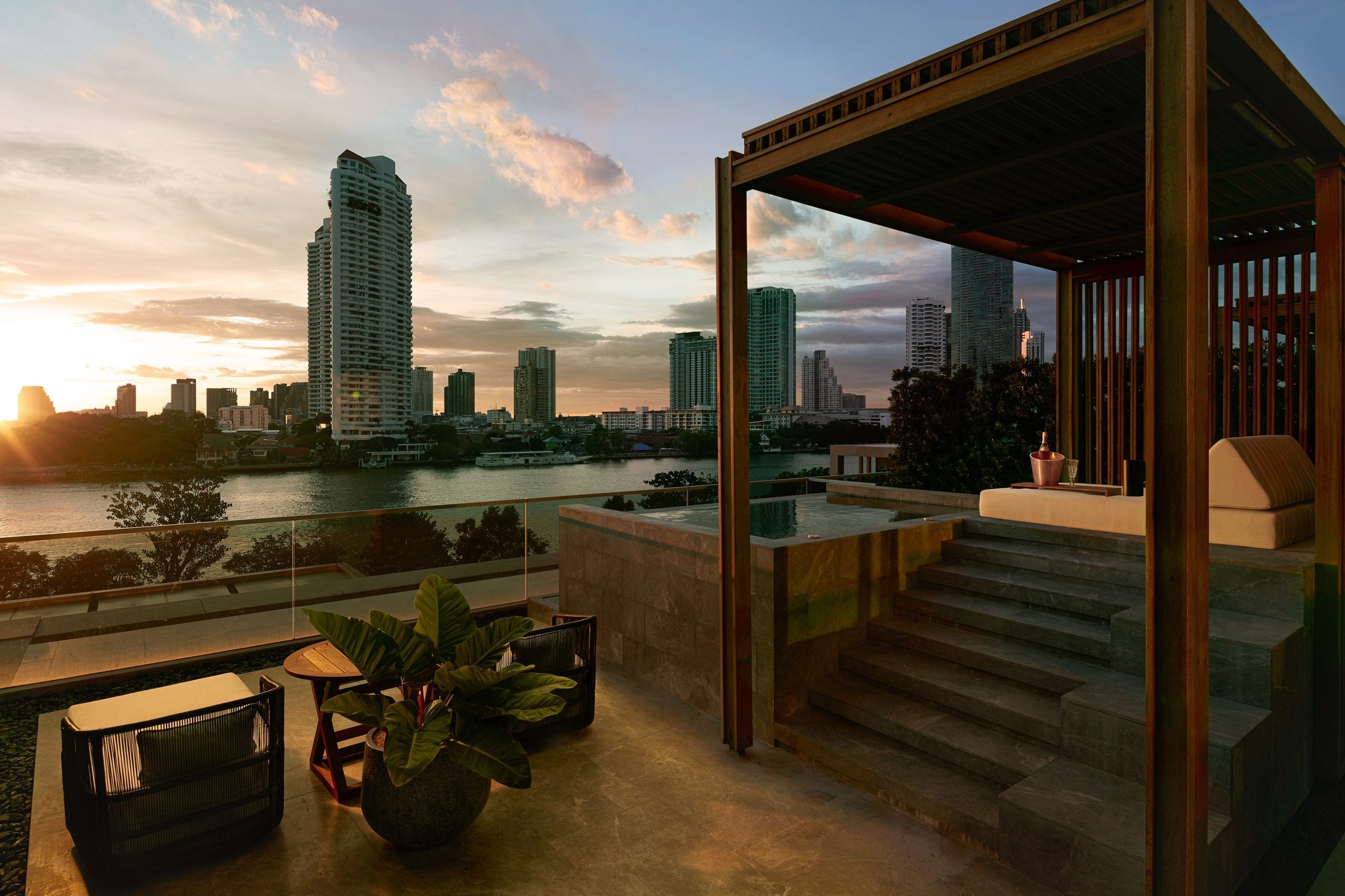
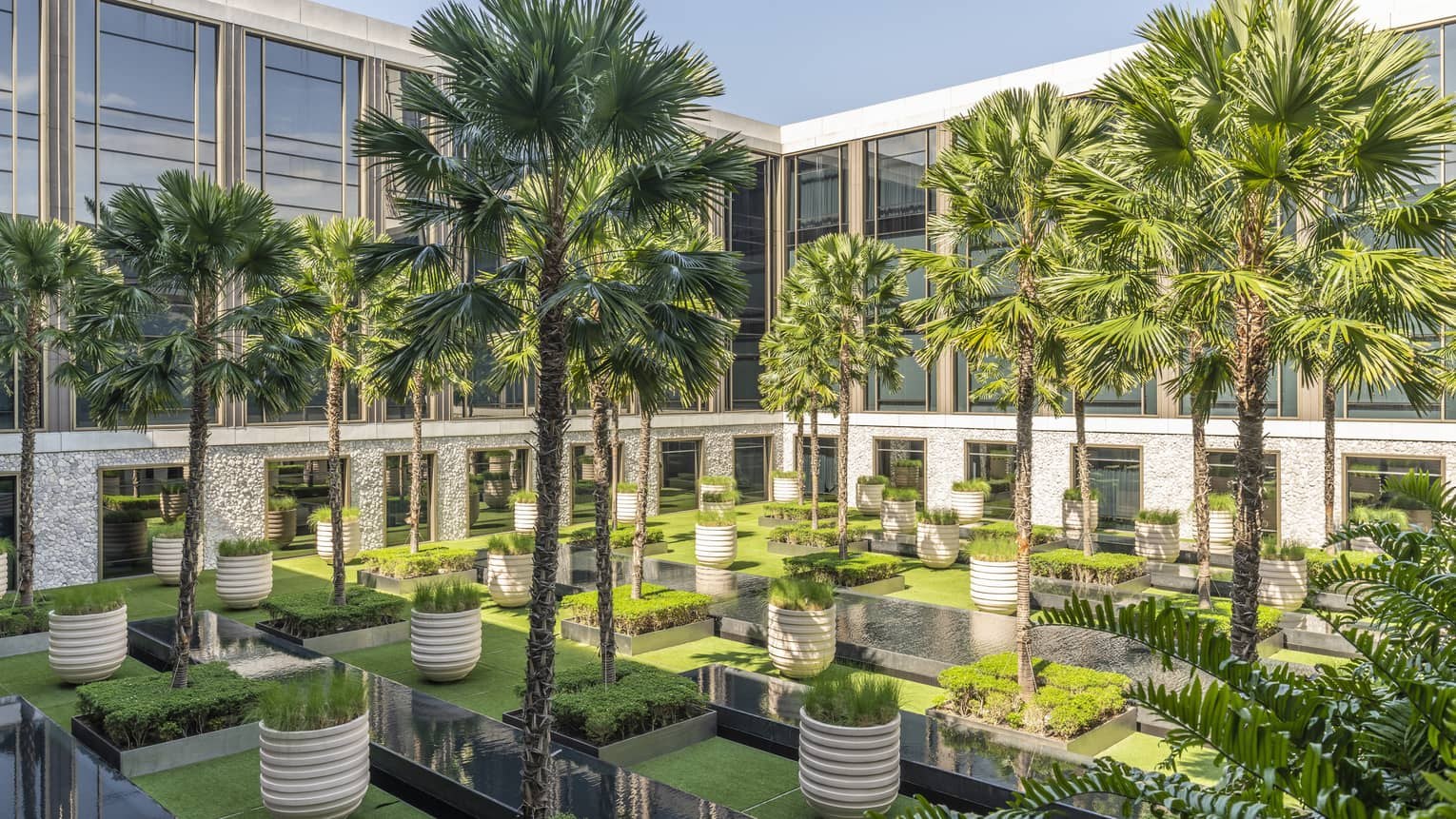
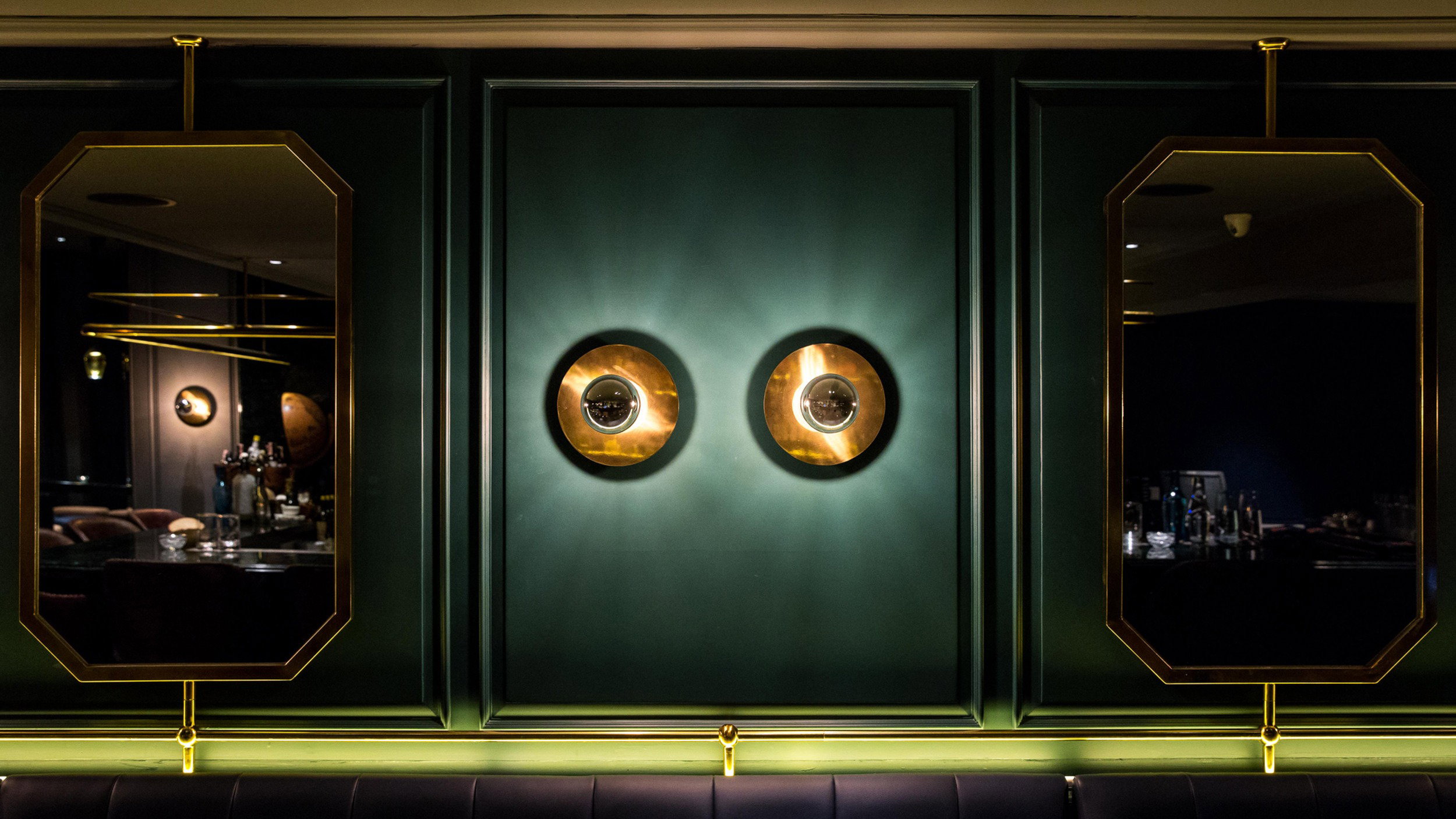
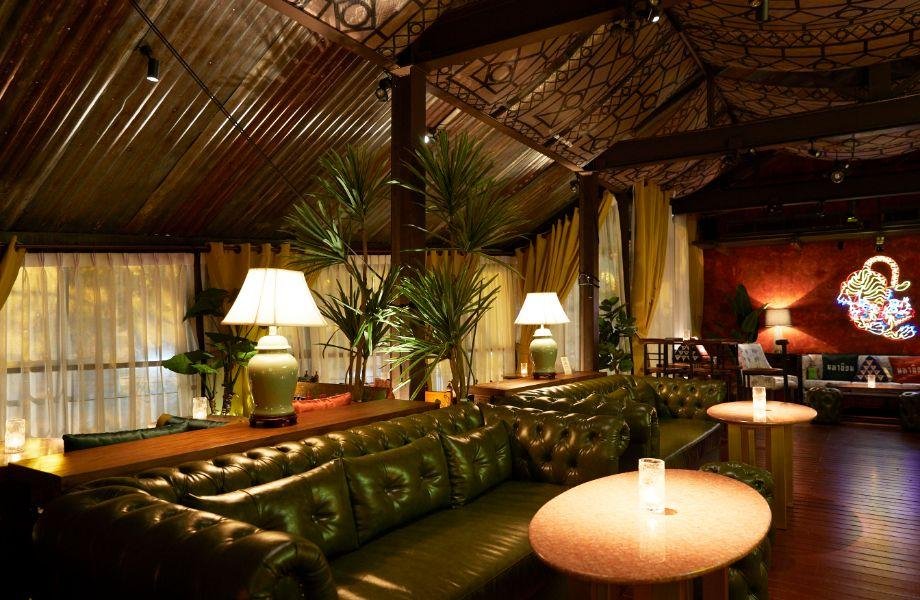
Elegant and serene atmosphere with natural light, Thai-inspired design, soundproof rooms, and calming park views.
Tags
Vibe
Best For
Experience
Amenities
View
Accessibility
About the Stay
- Rooms
- 257
- Check-in
- 15:00
- Check-out
- 12:00
- Property Type
- Heritage hotel
- Property Style
- Urban Luxury Resort with Thai Heritage Influences
- Design Style
- Thai Inspired Contemporary with Elegant Bespoke Furnishings
- Pool
- Yes
- Spa
- Yes
- Families
- Welcome
- Cancellation
- Moderate
Know before you go
Know Before You Go
- Getting there
- 98 Thanon Rama IV, Si Lom, Khet Bang Rak, Krung Thep Maha Nakhon 10500
Planning details
Location
98 Thanon Rama IV, Si Lom, Khet Bang Rak, Krung Thep Maha Nakhon 10500 · Directions

Also consider
Where to look if this is full
For a calmer classic Bangkok stay, check The Sukhothai Bangkok. For a livelier design-led alternative near the same broad central area, consider SO/ Bangkok.
Hotel context
How it compares in Bangkok
Choose Dusit Thani Bangkok over COMO Metropolitan Bangkok if awards visibility, a formal arrival, and a central landmark feel matter. COMO is the cleaner cross-shop for guests who prefer a quieter, wellness-leaning stay and are less concerned with the hotel feeling like part of the occasion.
Banyan Tree Bangkok is the better fit for travelers chasing a high-rise destination-hotel mood, while Dusit Thani Bangkok is easier to recommend for polished business travel and celebrations that need a more composed city-center base. SO/ Bangkok skews more playful and design-forward, making it better for social weekends than formal client trips.
Cross-shop The Sukhothai Bangkok if a calmer classic Bangkok atmosphere matters more than newer-hotel energy. Andaz One Bangkok is the more obvious alternative for travelers focused on Bangkok's newer luxury corridor; Dusit Thani Bangkok is the safer choice for Silom, Sathorn, and Lumphini access.
Explore Bangkok
Around this place
Discover more on Pearl
Unlock the full Dusit Thani Bangkok guide in Pearl, including awards, comparisons, FAQs, planning details, and nearby places.
Compare Dusit Thani Bangkok
| Venue | Location | Awards |
|---|---|---|
| Dusit Thani Bangkok | Bangkok | 2026 Michelin 2 Keys2025 World’s 50 Best Hotels · #602025 AFAR Best New HotelsTatler Best Hotels Asia-Pacific 2025Michelin 1 Key 20252025 Michelin 1 KeyPreferred Hotels Member 2025 |
| COMO Metropolitan Bangkok | Bangkok | 2026 Forbes 4-Star2026 Mr & Mrs Smith Luxury Hotels2026 Michelin 1 Key2025 Forbes 4-Star2025 Michelin 1 Key |
| Banyan Tree Bangkok | Bangkok | 2026 Forbes Recommended2026 Great Hotels of the World Collection2025 Forbes Recommended |
| SO/ Bangkok | Bangkok | 2026 Forbes Recommended2026 La Liste Top Hotels2025 Michelin 1 Key2025 Forbes Recommended |
| The Sukhothai Bangkok | Bangkok | 2026 Forbes 4-Star2026 La Liste Top Hotels2026 Michelin 2 Keys2025 Forbes 4-Star2025 Michelin 2 KeysSmall Luxury Hotels Member 20252024 Michelin 2 Keys |
| Andaz One Bangkok | Bangkok | No published awards |






How Dusit Thani Bangkok compares with similar nearby venues.
FAQ
Frequently Asked Questions
When is the best time to book Dusit Thani Bangkok?
If the trip depends on a specific room type, arrival plan, or other practical detail, confirm availability directly before booking. Dusit Thani Bangkok has confirmed 2025 recognition including a Michelin 1 Key, Preferred Hotels membership, The World's 50 Best Hotels #60, and Tatler hotel honors.
How is the location of Dusit Thani Bangkok?
Dusit Thani Bangkok is in Bangkok. Banyan Tree Bangkok is another option to compare if you are deciding among Bangkok hotels.
How is the pool and spa at Dusit Thani Bangkok?
The strongest confirmed case for Dusit Thani Bangkok is its 2025 recognition profile, while The Sukhothai Bangkok is a useful comparison if you are weighing another Bangkok hotel stay.
Do loyalty programs work at Dusit Thani Bangkok?
Dusit Thani Bangkok is listed as a Preferred Hotels Member in 2025. That is the clearest membership signal here, though Andaz One Bangkok is another hotel to compare if a different hotel program is central to the decision.
How is the dining at Dusit Thani Bangkok?
Treat dining as something to check directly when booking, and compare with other Bangkok hotel options such as SO/ Bangkok if dining plans are a major part of the trip.
How does Dusit Thani Bangkok compare to other hotels?
Choose Dusit Thani Bangkok for its confirmed recent recognition and Bangkok setting. COMO Metropolitan Bangkok, Banyan Tree Bangkok, The Sukhothai Bangkok, SO/ Bangkok, and Andaz One Bangkok are useful alternatives to compare depending on the style of hotel stay you prefer.
Is Dusit Thani Bangkok good for business travel?
Dusit Thani Bangkok may make sense for a work trip if you want a Bangkok hotel with strong recent recognition.