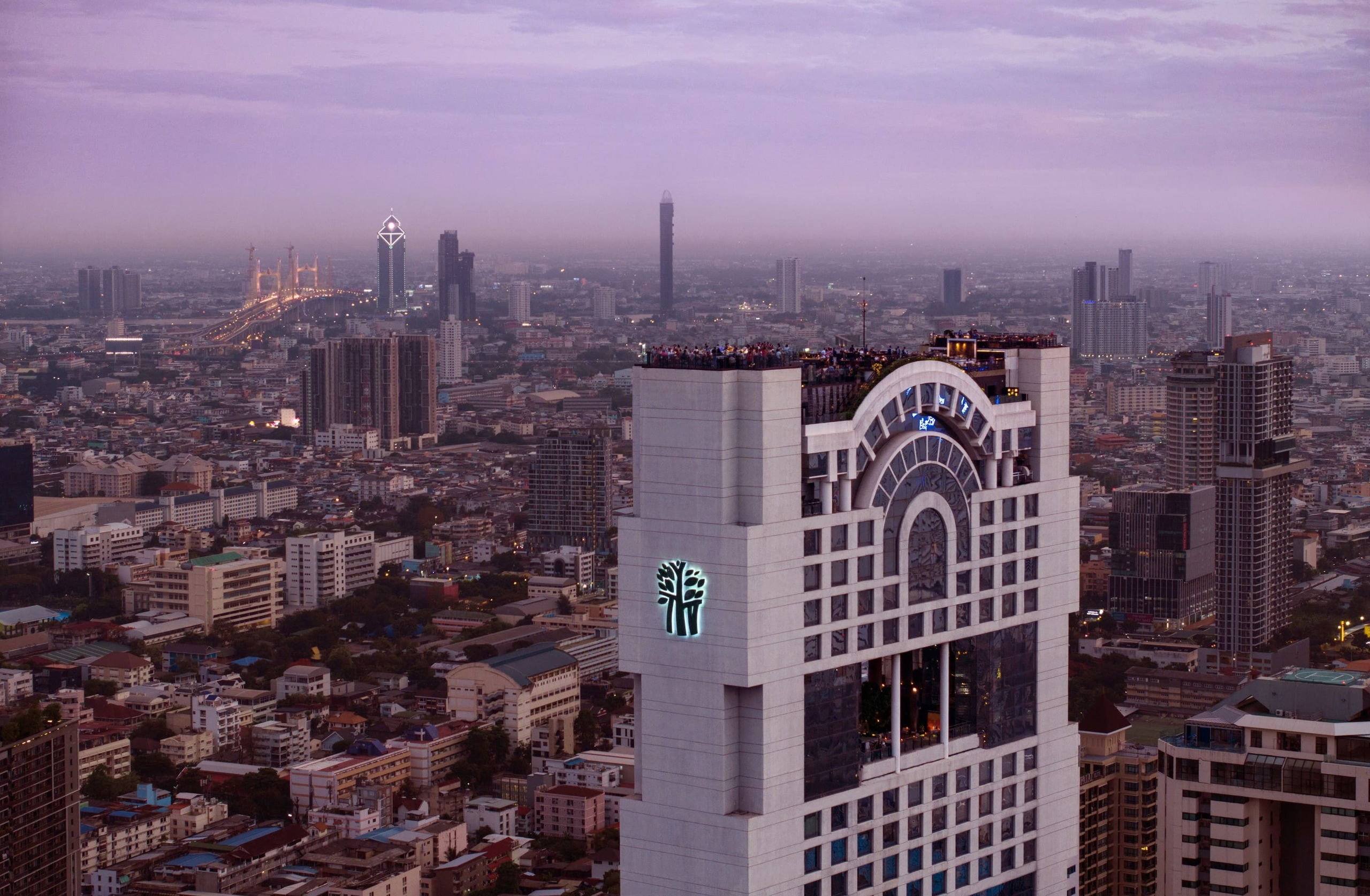


Banyan Tree Bangkok
Si Lom, Bangkok
Hotel in Bangkok, Thailand
 Book with Pearl
The Read
Altitude-Anchored Urban Luxury
Why go
Banyan Tree Bangkok is worth booking if you want a Sathon base with a vertical, city-hotel feel rather than a riverside resort or shopping-district address. It suits first-timers who plan to mix dining, business-district movement, spa time, and skyline-focused downtime, especially in Bangkok's cooler, drier months.
About Banyan Tree Bangkok
Book Banyan Tree Bangkok if you want a Bangkok hotel with a smart-casual dress code and recognition that includes Forbes Recommended 2026 and Great Hotels of the World GHOTW Collection Member 2026 status.
For trip planning, compare Banyan Tree Bangkok against other hotels in the city. If you need a hotel because of a particular facility, dining outlet, view, room configuration, or transport detail, confirm that directly before booking.
Bangkok is the reason to choose it, not just the backdrop
Banyan Tree Bangkok is in Bangkok. That makes it relevant for travelers comparing stays in the city.
That distinction matters. Travelers comparing Banyan Tree Bangkok with other Bangkok options can also consider Our full Bangkok hotels guide for a wider view of the city. Banyan Tree Bangkok is best evaluated on the facts available here: Bangkok location, smart-casual dress code, Forbes Recommended 2026 recognition, and Great Hotels of the World GHOTW Collection Member 2026 recognition.
Who should book, and who should cross-shop
This is a sensible shortlist candidate for travelers who want a recognized hotel in Bangkok and are comfortable confirming practical details directly before committing. Those should not be treated as guaranteed from this page alone.
For broader planning, use Our full Bangkok hotels guide, then pair the stay with Our full Bangkok restaurants guide and Our full Bangkok bars guide. If you are comparing hotel options, Banyan Tree Bangkok can also be weighed against COMO Metropolitan Bangkok, SO/ Bangkok, The Sukhothai Bangkok, The Sukhothai Residences, and Villa Deva Resort & Hotel Bangkok.
Part of
Banyan Tree27 locations on PearlPlanning details
- Location
- Located in: Thai Wah Plaza Co.,LTD, 21/100 S Sathon Rd, Khwaeng Thung Maha Mek, Khet Sathon, Krung Thep Maha Nakhon 10120
- Website
- banyantree.com/thailand/bangkok
- Phone
- +66 2 679 1200
The take
The Take
The Vibe
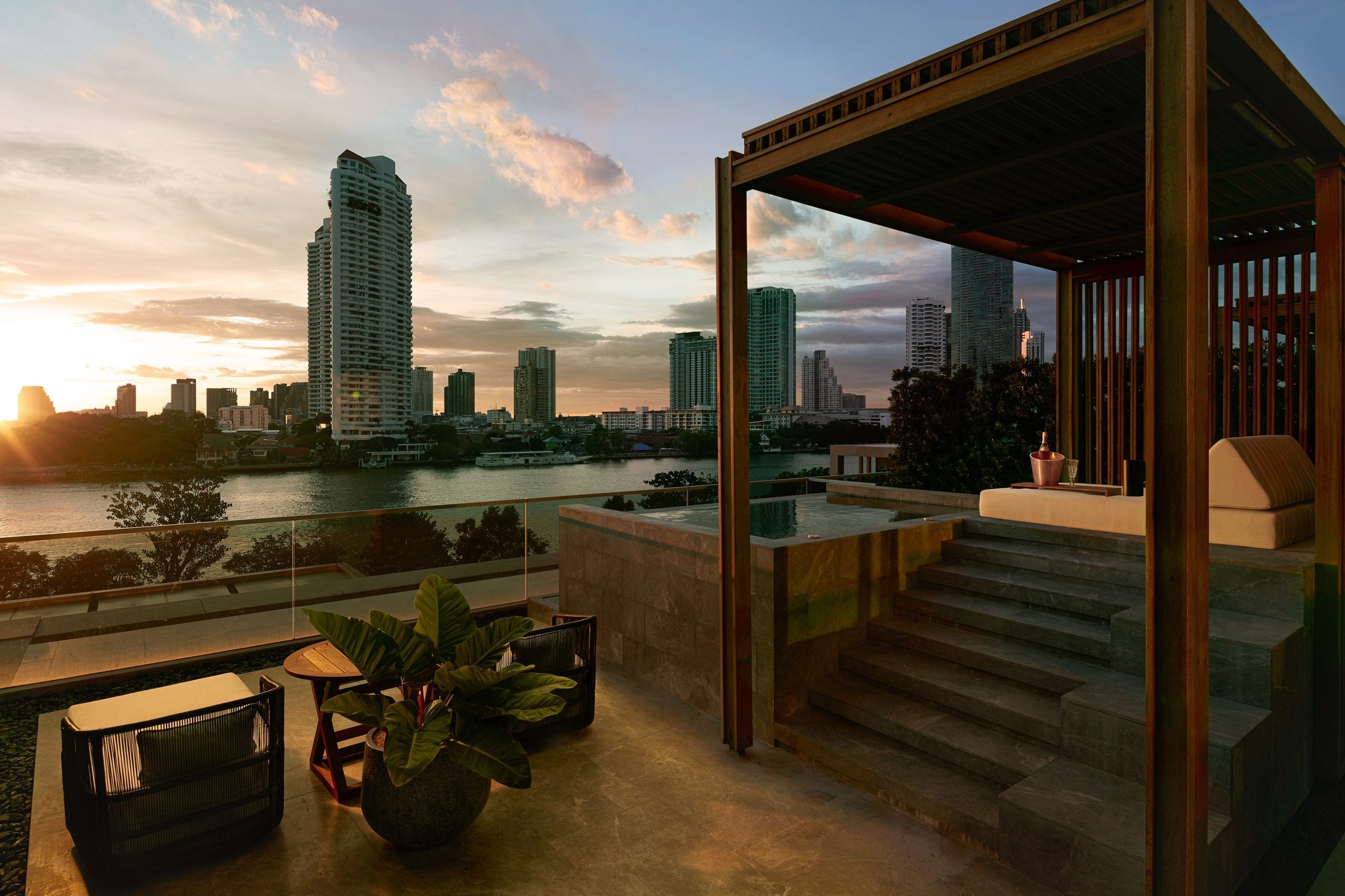
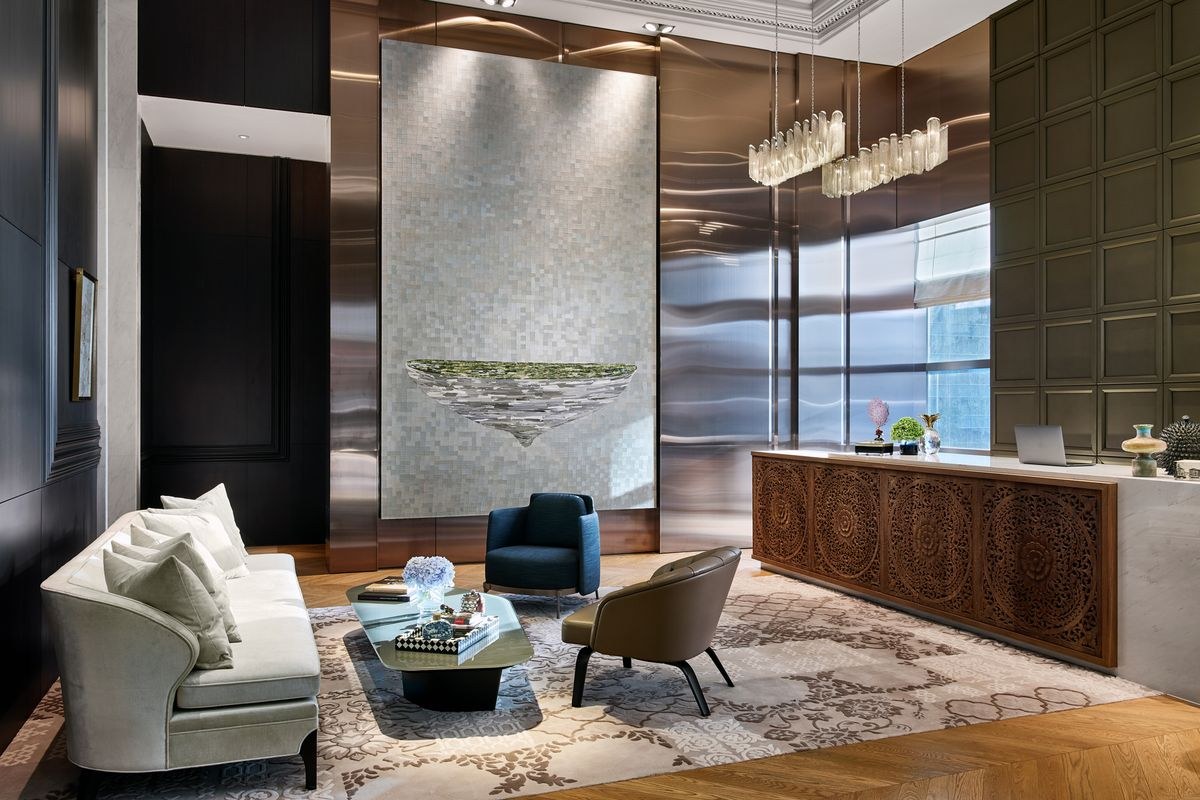
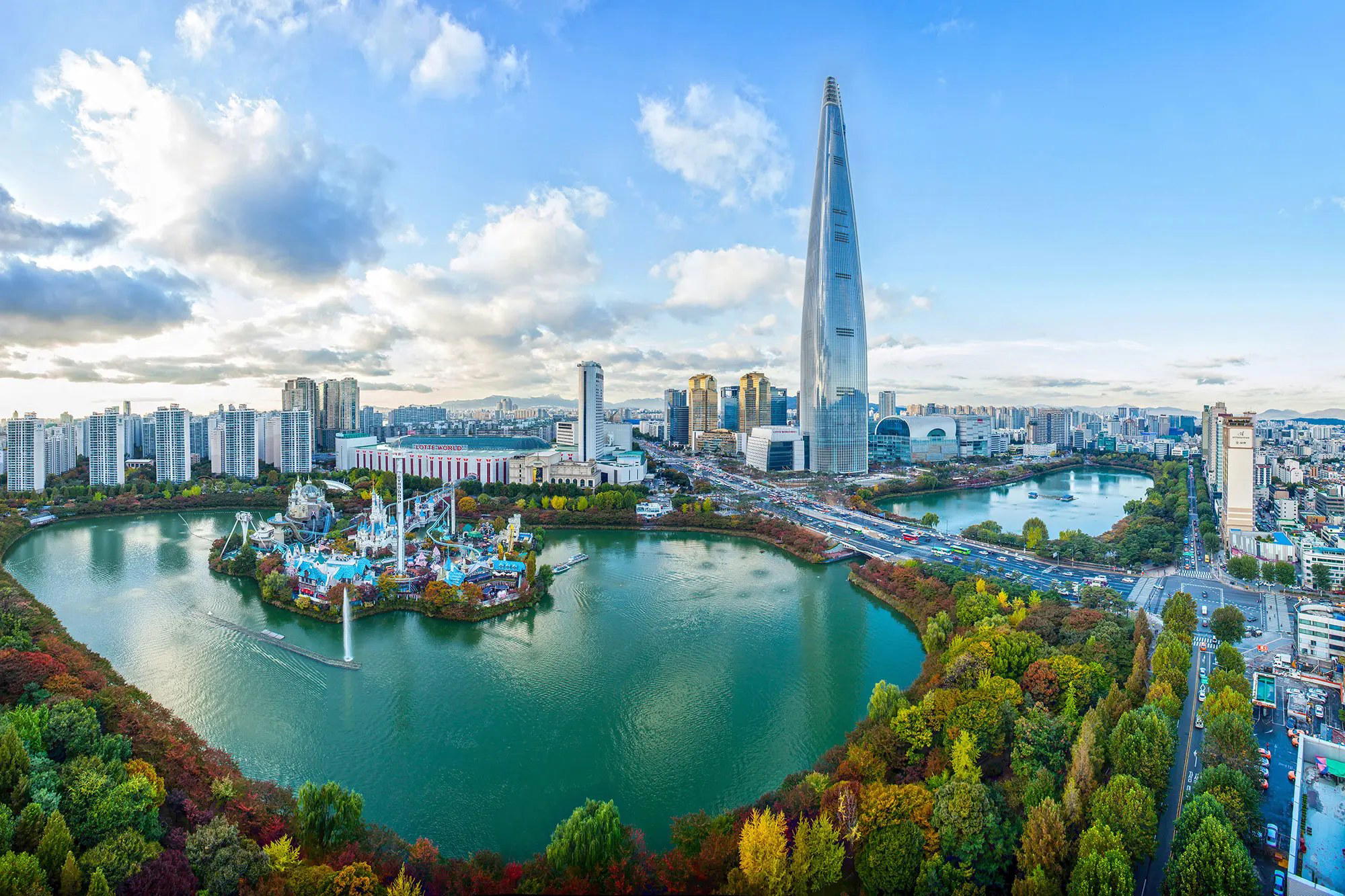
Banyan Tree Bangkok reads as a confident, modern presence on the Sathorn skyline. The narrow glass-and-steel tower establishes a distinctive silhouette while the interiors invert that assertion — floor-to-ceiling windows turn the city into the primary interior adornment. Its long-standing presence since 2002 gives the building a settled, recognizable profile in Bangkok’s architectural grammar. The hotel’s placement in a quieter, residential-leaning business district tempers the metropolitan drama with a restrained calm: elevated, scenic and contemporary rather than ostentatious.
Best For
This is a choice property for travelers who prioritize high-rise perspectives and a centrally practical base. The tower’s altitude and floor-to-ceiling glazing make it especially rewarding for guests who want sweepingly framed skyline views from their rooms. Situated in Sathorn — a neighborhood that houses major financial and diplomatic addresses but leans more residential and less retail-focused — the hotel suits business travelers seeking proximity to offices and diplomatic sites, as well as visitors who prefer a quieter, more composed part of the city while remaining well connected.
Stay Tips
When booking, prioritize rooms on higher floors to maximize the hotel’s principal amenity: the view. The copy emphasizes altitude as an amenity and notes floor-to-ceiling windows across all 327 guest rooms, so specifying a high-floor or skyline-facing room will deliver the clearest perspectives. Also note the hotel’s location in Sathorn for practical access to business and diplomatic districts; if transit convenience matters, confirm proximity to the BTS Skytrain when arranging your reservation.
Venue details
Ambiance
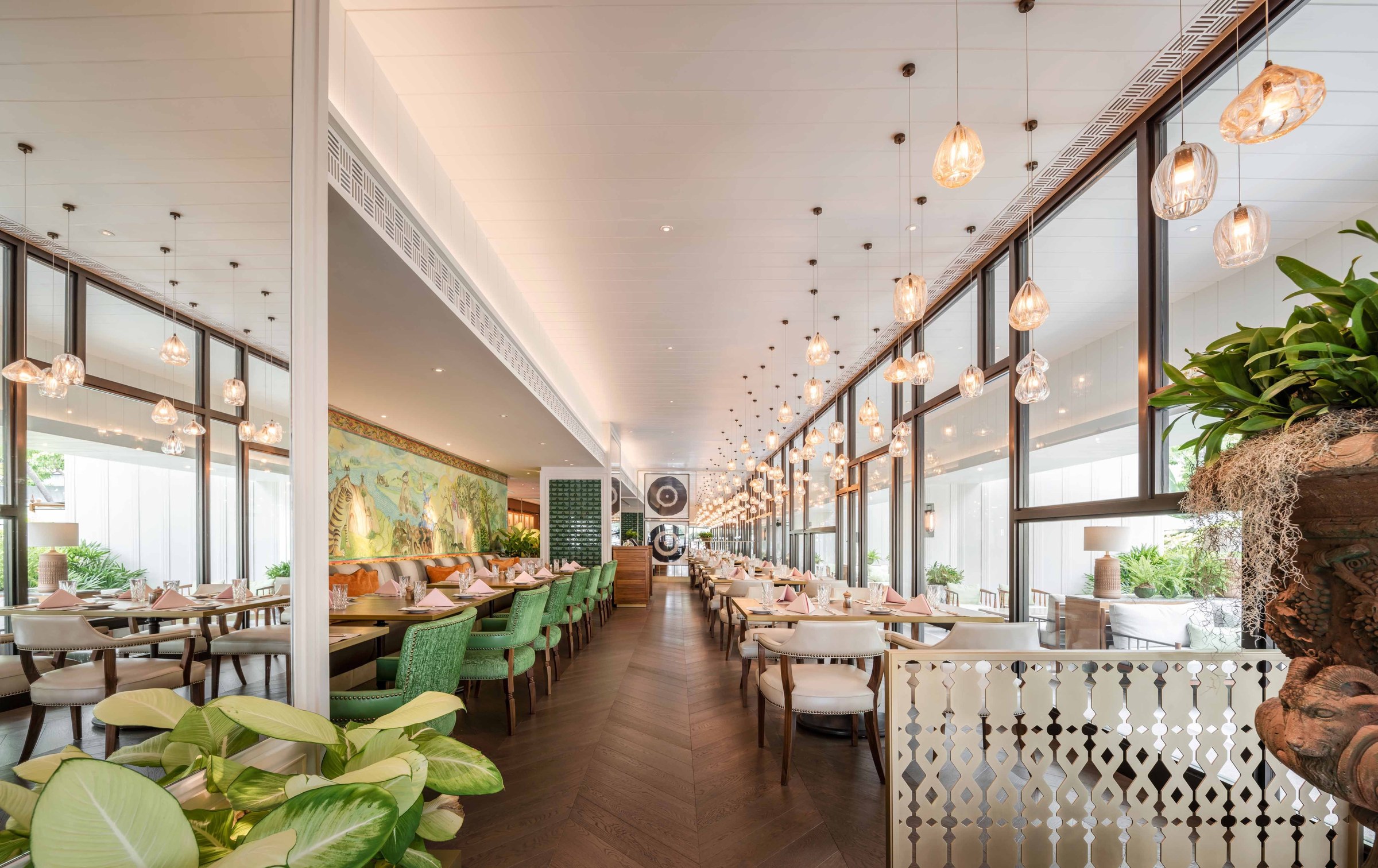
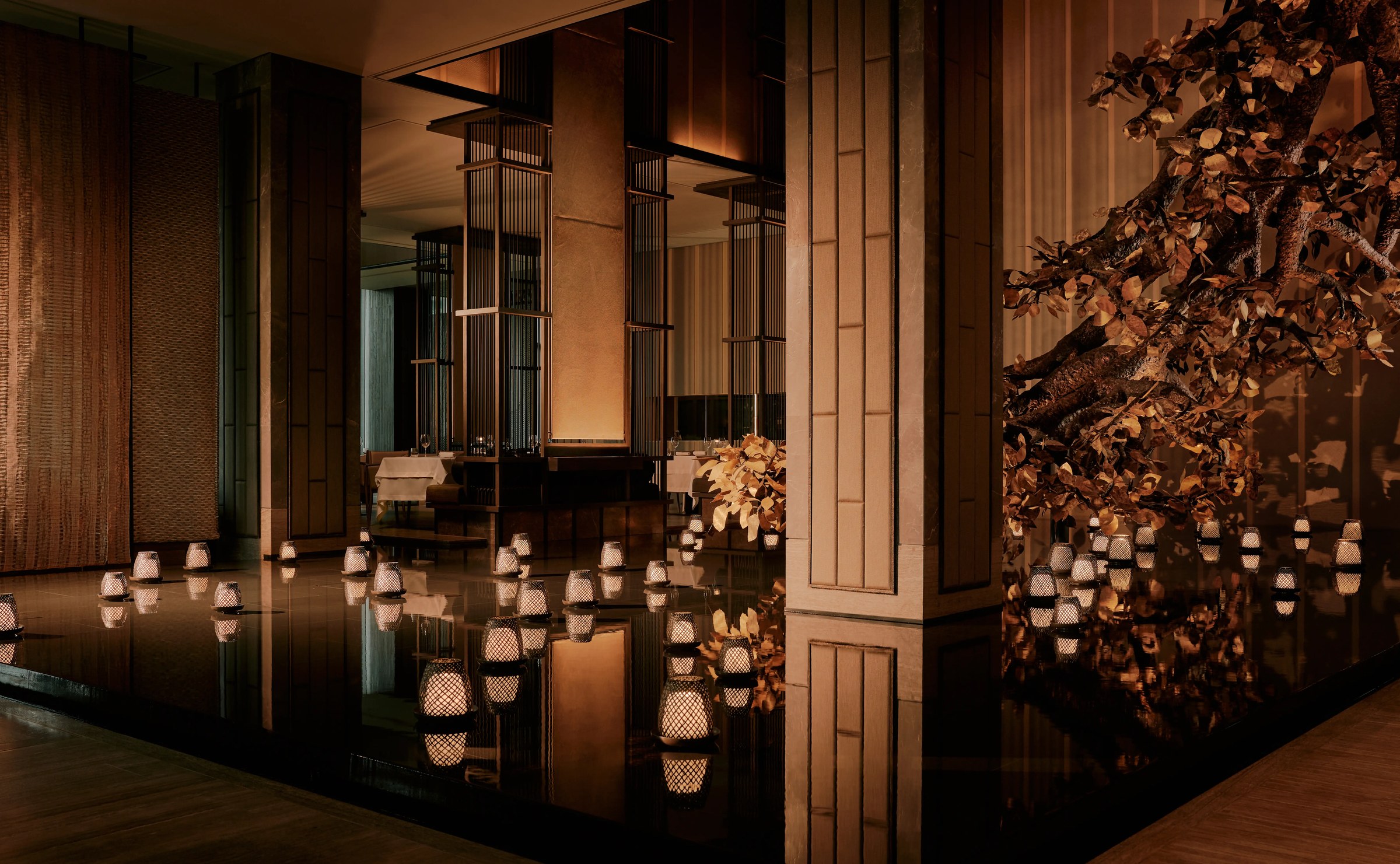
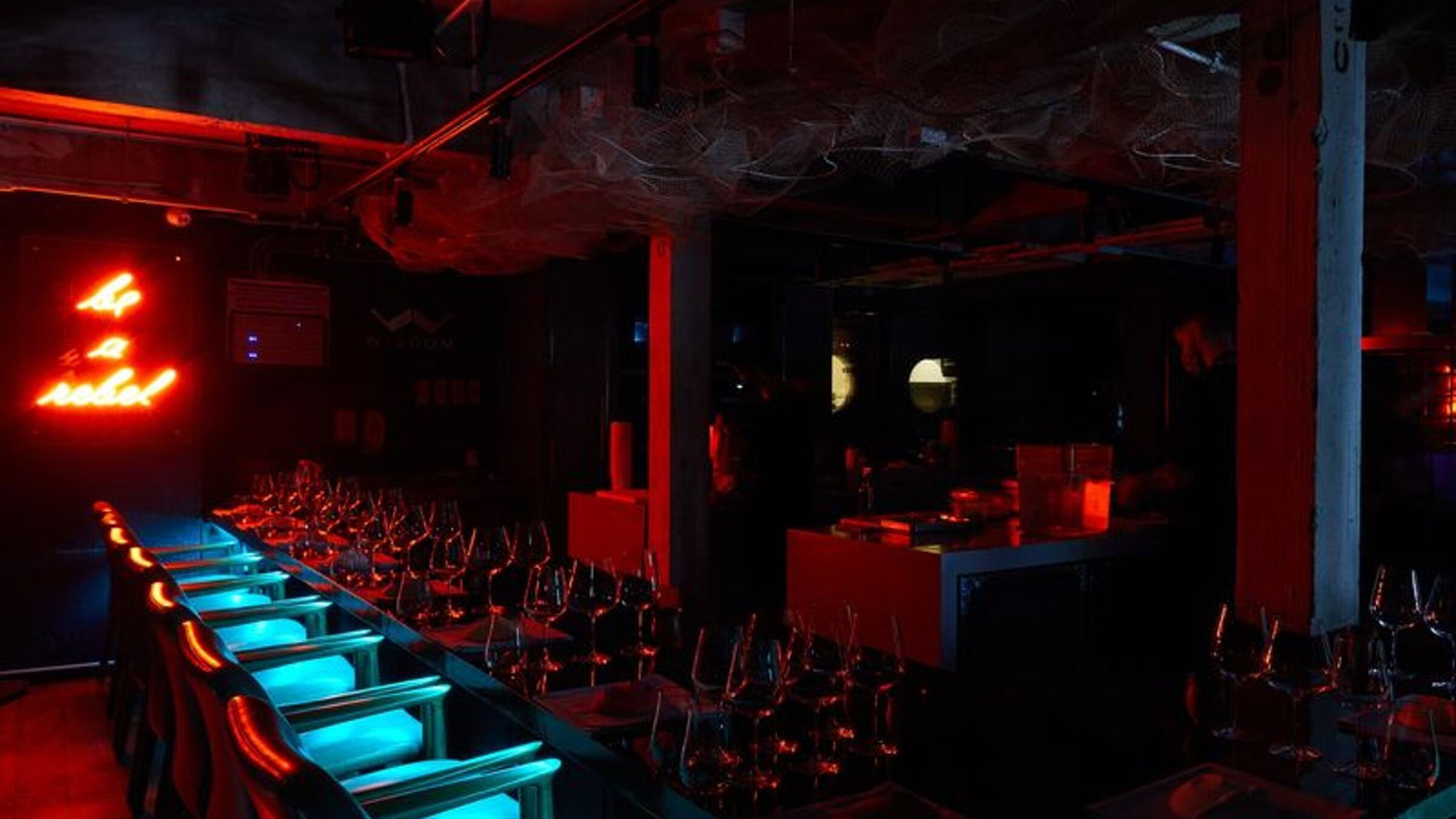
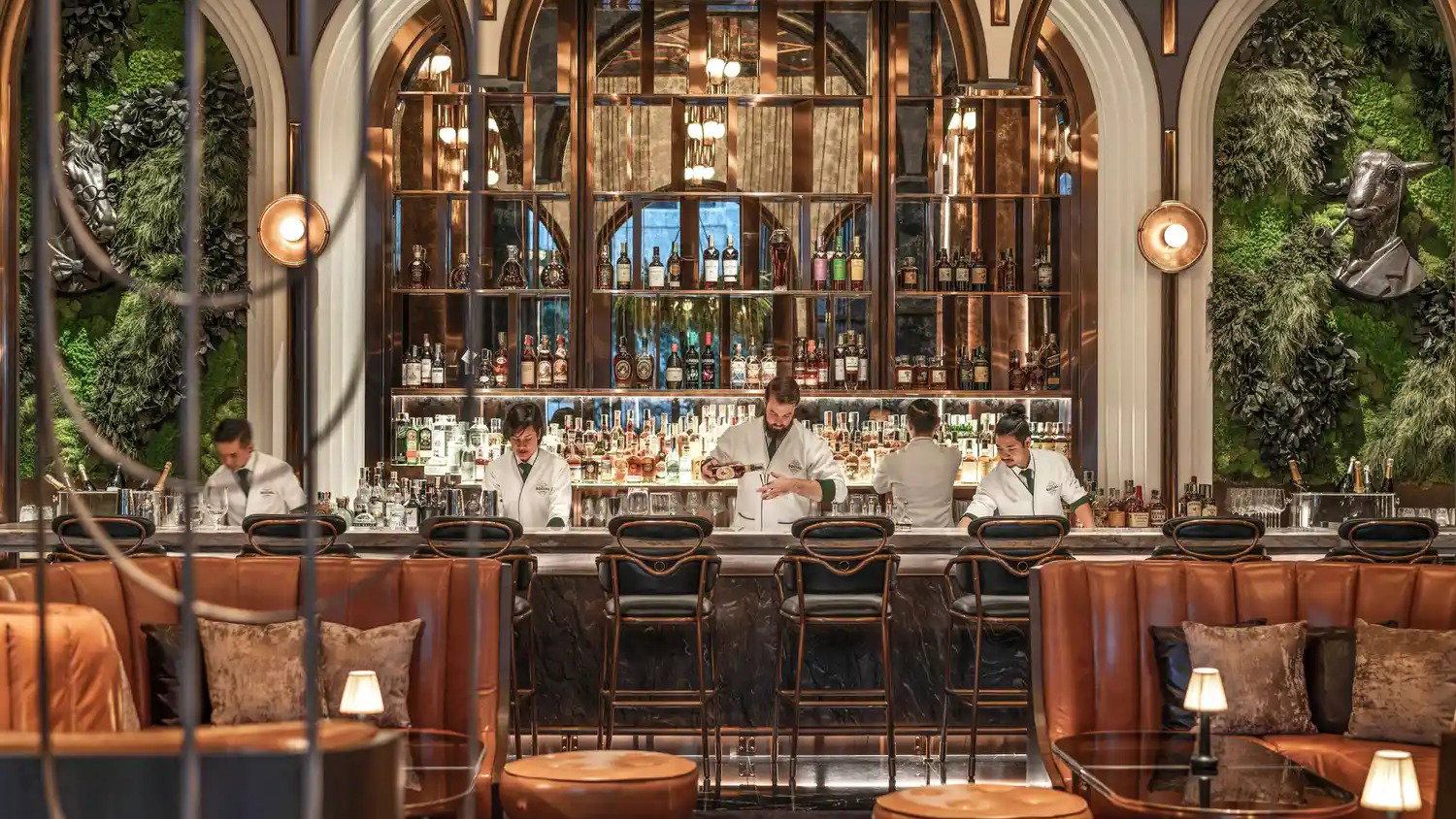
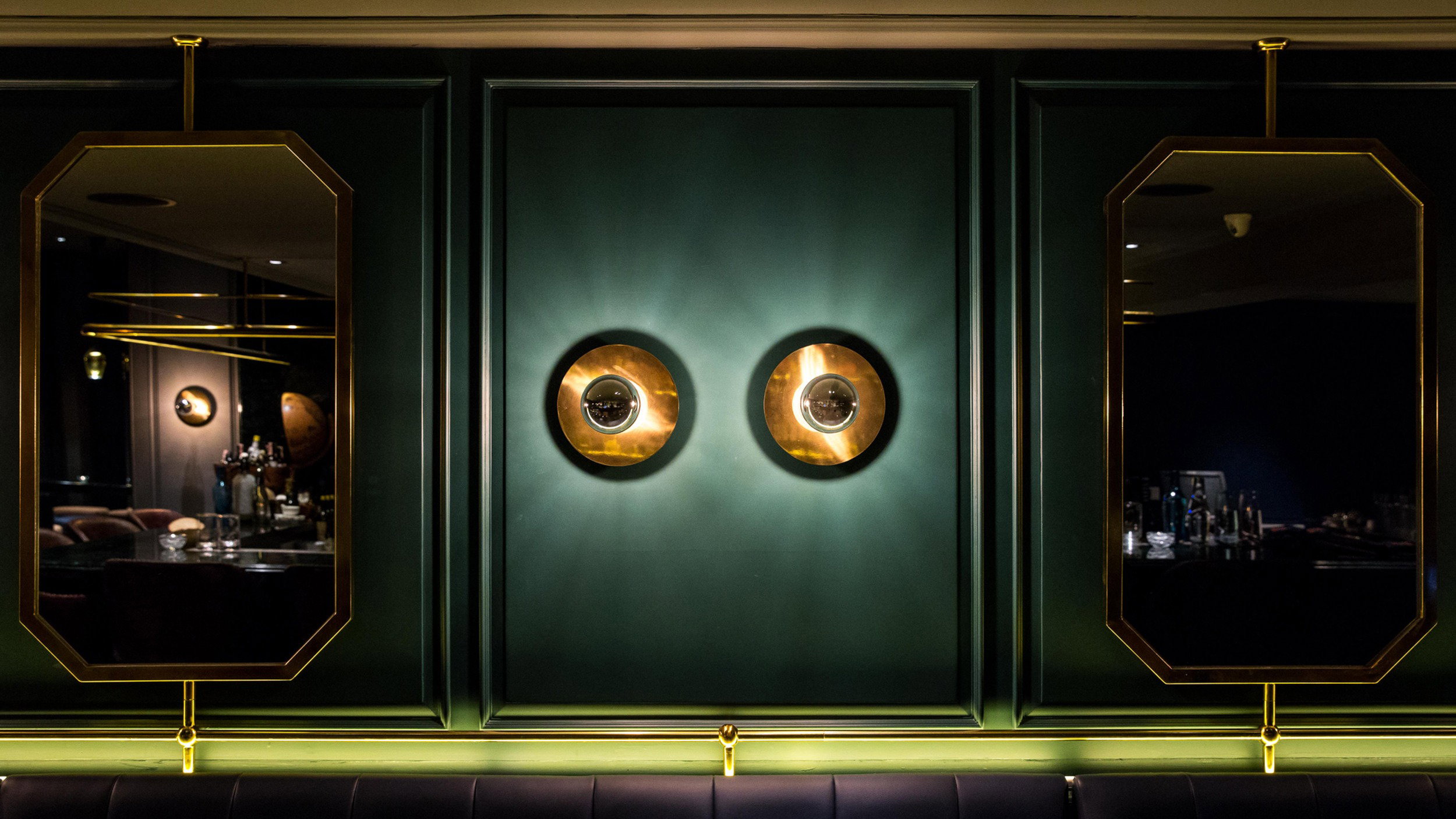
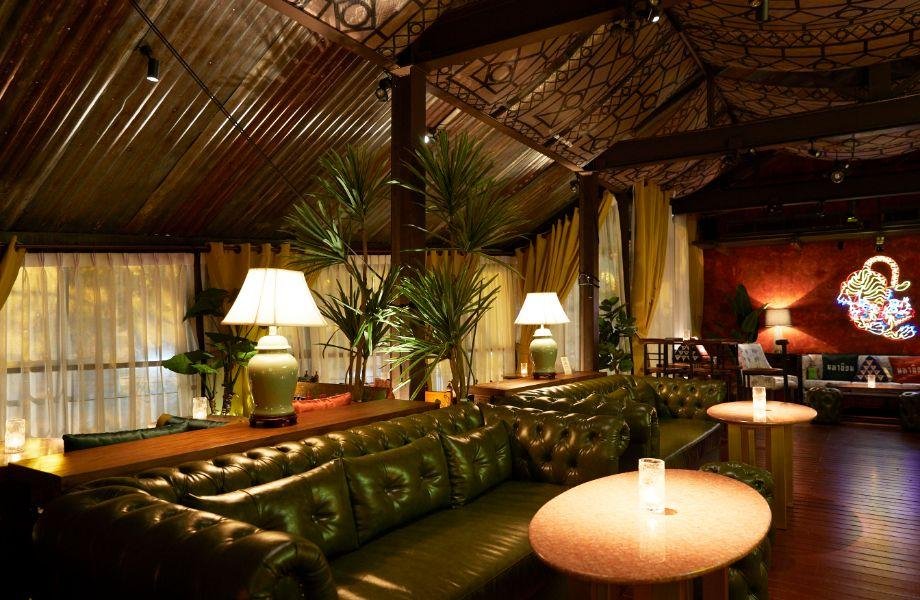
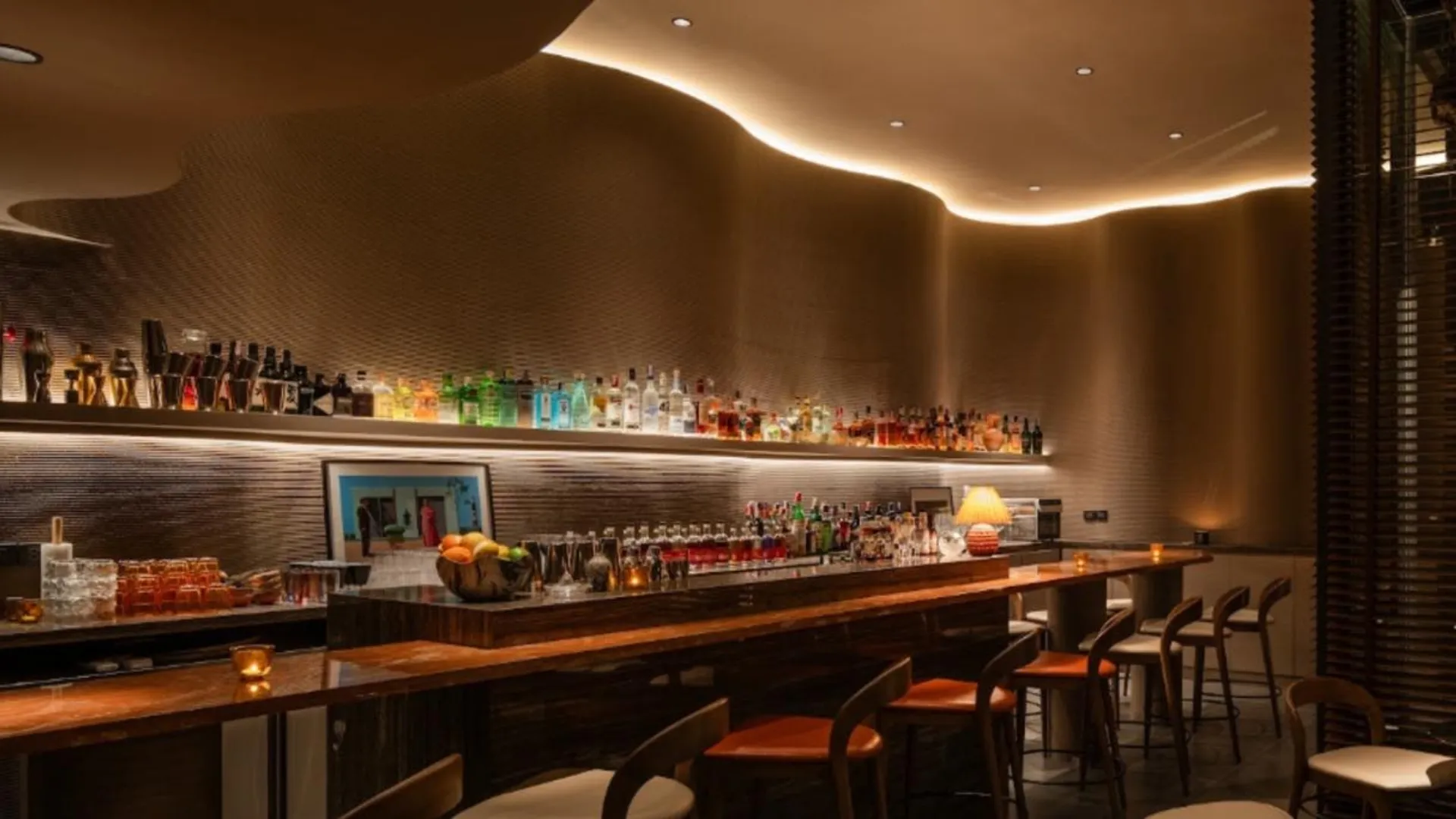
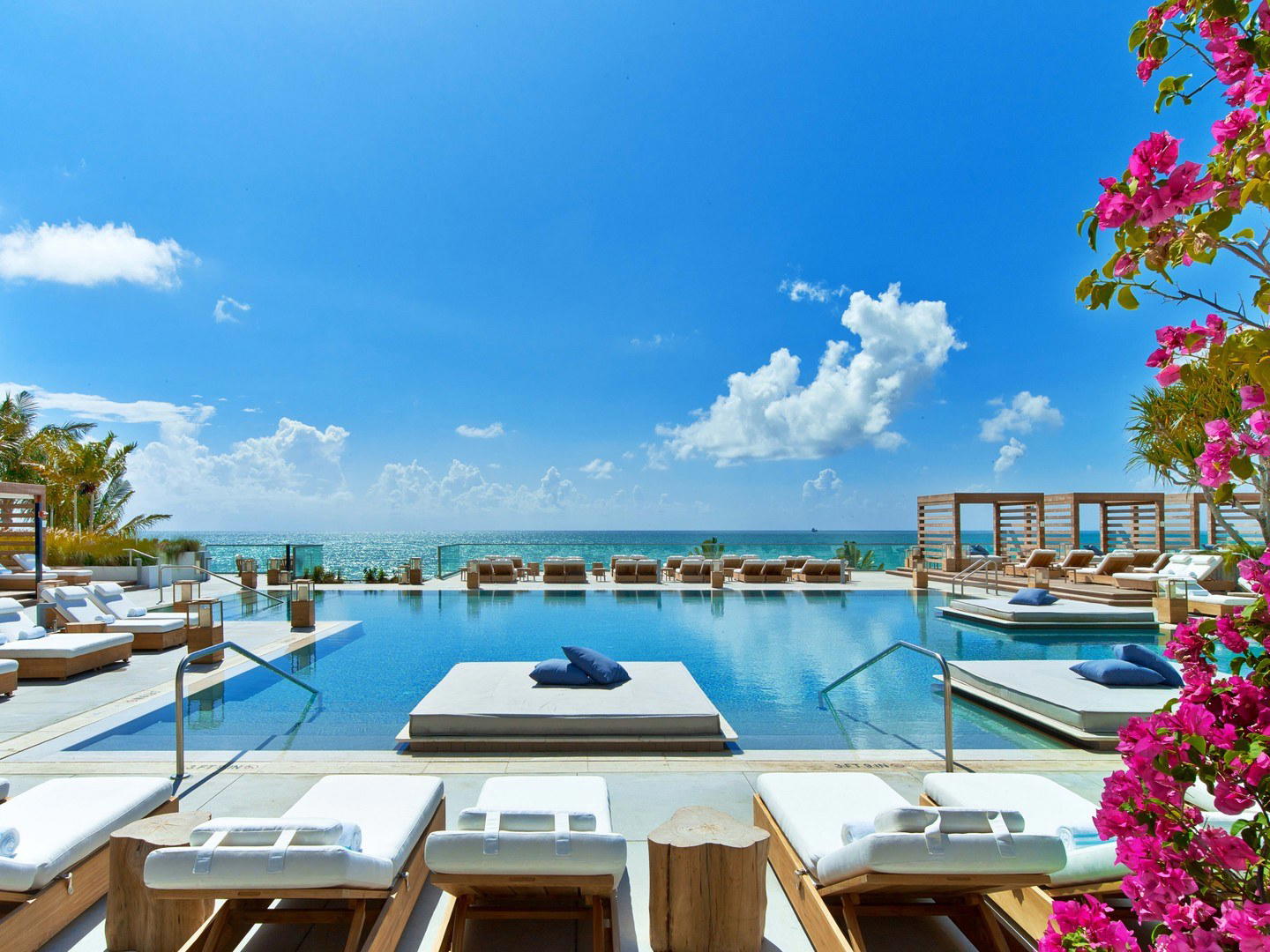
Tranquil and luxurious atmosphere with relaxing spa treatments, poolside serenity, and elegant club lounge featuring soft lighting and premium amenities.
Tags
Vibe
Best For
Experience
Amenities
View
Accessibility
About the Stay
- Rooms
- 327
- Property Type
- Boutique hotel
- Property Style
- Urban Luxury Resort with Thai Inspired Elegance and Panoramic River and City Vistas.
- Design Style
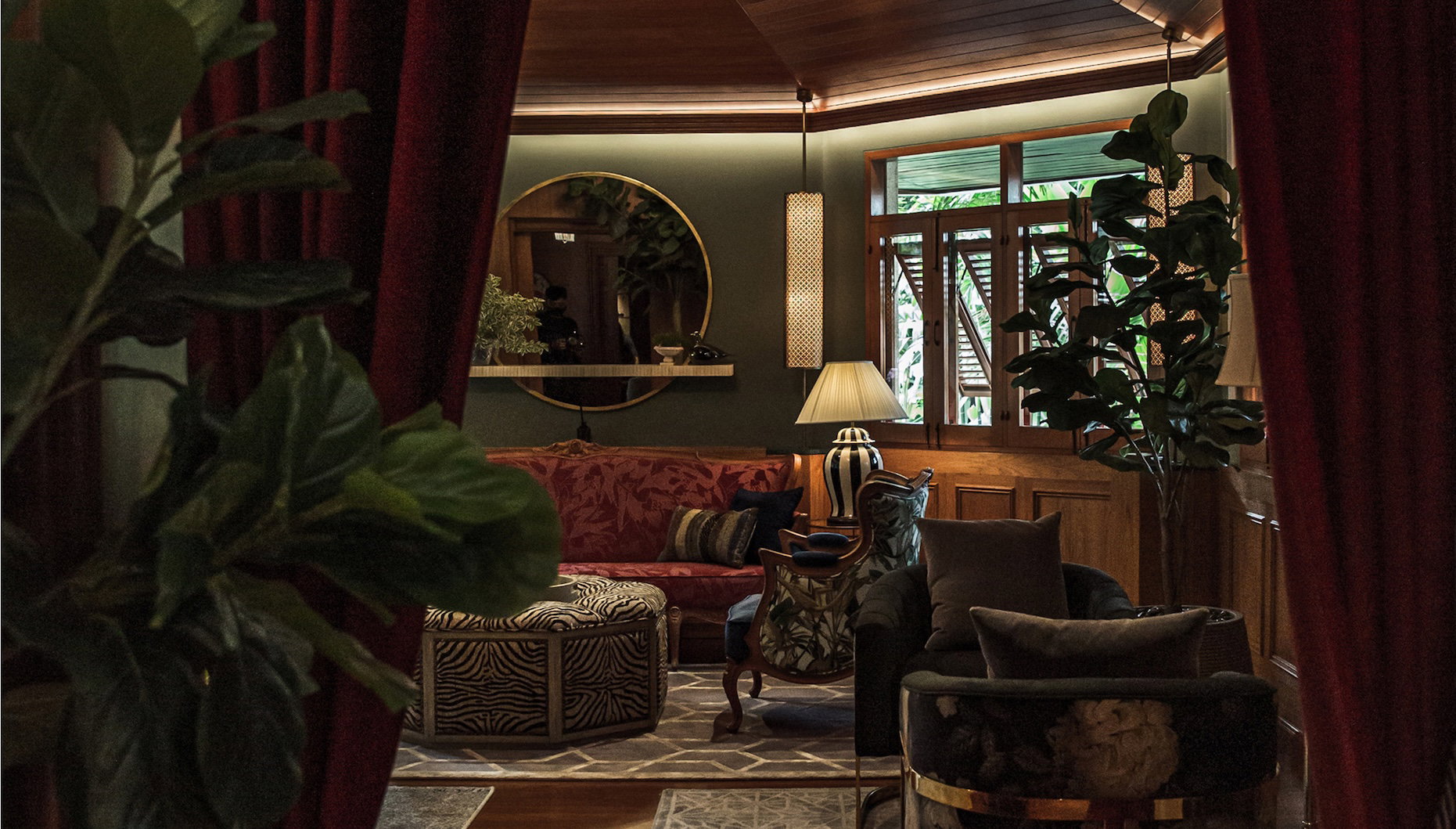
- Natural Wood, Warm Silk, and Contemporary Thai Aesthetic with Spacious, Spotless Rooms.
- Airport Transfer
- Available
- Pool
- Yes
- Spa
- Yes
- Families
- Welcome
Know before you go
Know Before You Go
- Getting there
- Located in: Thai Wah Plaza Co.,LTD, 21/100 S Sathon Rd, Khwaeng Thung Maha Mek, Khet Sathon, Krung Thep Maha Nakhon 10120
Planning details
Location
Located in: Thai Wah Plaza Co.,LTD, 21/100 S Sathon Rd, Khwaeng Thung Maha Mek, Khet Sathon, Krung Thep Maha Nakhon 10120 · Directions
Recognition and awards

Also consider
Also Consider
- COMO Metropolitan Bangkok, Notable alternative
- The Sukhothai Bangkok, Notable alternative
- The Sukhothai Residences, Notable alternative
- SO/ Bangkok, Notable alternative
- Villa Deva Resort & Hotel Bangkok, Notable alternative
Hotel context
How it compares in Sathon and central Bangkok
Choose COMO Metropolitan Bangkok if the priority is a quieter, design-led stay in the same broad business-district orbit. Banyan Tree Bangkok is the better fit for travelers who want height, skyline energy, and a fuller luxury-hotel feel; COMO is easier to justify for guests who prefer a more restrained mood and less emphasis on the big-view hotel experience.
The Sukhothai Bangkok is the stronger cross-shop for a low-rise, garden-style city stay, while The Sukhothai Residences makes more sense for longer stays or travelers who want residential space over hotel drama. Banyan Tree Bangkok wins when the location decision is tied to Sathon access plus a more vertical, destination-hotel atmosphere.
SO/ Bangkok is the sharper pick for a more fashion-forward, social stay near Lumphini, while Villa Deva Resort & Hotel Bangkok is better for guests who want a smaller resort mood in the city. If booking difficulty is a concern, cross-shop early across all five; the right choice comes down less to raw luxury and more to whether the trip needs skyline scale, calm design, residence-style space, or boutique quiet.
Explore Bangkok
Around this place
Discover more on Pearl
Unlock the full Banyan Tree Bangkok guide in Pearl, including awards, comparisons, FAQs, planning details, and nearby places.
Compare Banyan Tree Bangkok
| Venue | Location | Awards |
|---|---|---|
| Banyan Tree Bangkok | Bangkok | 2026 Forbes Recommended2026 Great Hotels of the World Collection2025 Forbes Recommended |
| COMO Metropolitan Bangkok | Bangkok | 2026 Forbes 4-Star2026 Mr & Mrs Smith Luxury Hotels2026 Michelin 1 Key2025 Forbes 4-Star2025 Michelin 1 Key |
| The Sukhothai Bangkok | Bangkok | 2026 Forbes 4-Star2026 La Liste Top Hotels2026 Michelin 2 Keys2025 Forbes 4-Star2025 Michelin 2 KeysSmall Luxury Hotels Member 20252024 Michelin 2 Keys |
| The Sukhothai Residences | Bangkok | No published awards |
| SO/ Bangkok | Bangkok | 2026 Forbes Recommended2026 La Liste Top Hotels2025 Michelin 1 Key2025 Forbes Recommended |
| Villa Deva Resort & Hotel Bangkok | Bangkok | No published awards |





How Banyan Tree Bangkok compares with similar nearby venues.
FAQ
Frequently Asked Questions
Which room category is best at Banyan Tree Bangkok?
What facilities should I confirm before booking Banyan Tree Bangkok?
If particular facilities are important to your stay, confirm the current offering directly before booking. For comparison, The Sukhothai Bangkok and SO/ Bangkok are other Bangkok options to consider.
What is Banyan Tree Bangkok known for?
Banyan Tree Bangkok is a hotel in Bangkok with a smart-casual dress code and recognition as Forbes Recommended 2026 and a Great Hotels of the World GHOTW Collection Member 2026.
Where is Banyan Tree Bangkok located?
Banyan Tree Bangkok is located in Bangkok.