
ASAI Bangkok Chinatown
Talat Noi, Bangkok
Hotel in Bangkok, Thailand
 Book with Pearl
Why go
A practical Chinatown base for travelers who want Bangkok street access over resort-style amenities. The 2025 MICHELIN Guide Hotels Selected recognition gives it a useful quality signal, but the main reason to choose it is location and value when the city's larger luxury hotels price above what the trip requires.
About ASAI Bangkok Chinatown
ASAI Bangkok Chinatown is a Bangkok hotel with a casual dress code and MICHELIN Guide Hotels Selected recognition for 2025. Beyond that, the safest way to evaluate it is not through invented details about rooms, dining, service style, or amenities, but through whether this specific Bangkok stay fits the trip you are planning.
Treat the hotel as a property to check directly before booking. Confirm the current room types, rates, facilities, dining details, and policies through official channels, then compare those details with the kind of Bangkok stay you want.
Choose it for a direct Bangkok stay
The clearest quality signal is that ASAI Bangkok Chinatown is listed as MICHELIN Guide Hotels Selected for 2025. That recognition supports considering it for a Bangkok trip, but it should not be stretched into claims about specific amenities, service rituals, dining, or room formats.
The dress code is casual, which fits a relaxed hotel choice rather than a formal one. For travelers deciding between Bangkok hotels, the practical question is simple: does ASAI Bangkok Chinatown offer the location, rate, room type, and facilities you need for your dates? If those details matter, confirm them before committing.
Rate strategy: compare it against the Bangkok stay you actually want
Use price as part of the decision, but avoid assuming a fixed value position without checking live rates. If ASAI Bangkok Chinatown is attractively priced for your dates and the hotel details match your needs, it may be a sensible Bangkok booking. If you want a more established luxury-hotel experience, compare it with other Bangkok options before deciding.
For a more complete decision, look at the exact room, cancellation terms, included services, and current guest-facing policies. Those details can change the value calculation more than a general label can.
Use the wider city shortlists carefully: Our full Bangkok hotels guide is the right starting point if the trip brief is still open, while Our full Bangkok restaurants guide and Our full Bangkok bars guide are useful once you are planning the rest of the trip. For this hotel, the grounded verdict is direct: consider it as a casual Bangkok hotel with MICHELIN Guide Hotels Selected 2025 recognition, and confirm the current specifics before booking.
Planning details
- Location
- 4th Fl, 531 ถ. เจริญกรุง Pom Prap, Pom Prap Sattru Phai, Bangkok 10100, Thailand
- Website
- dusit.com/asai-bangkok-chinatown
- Phone
- +66 2 220 8999
The take
The Take
The Vibe
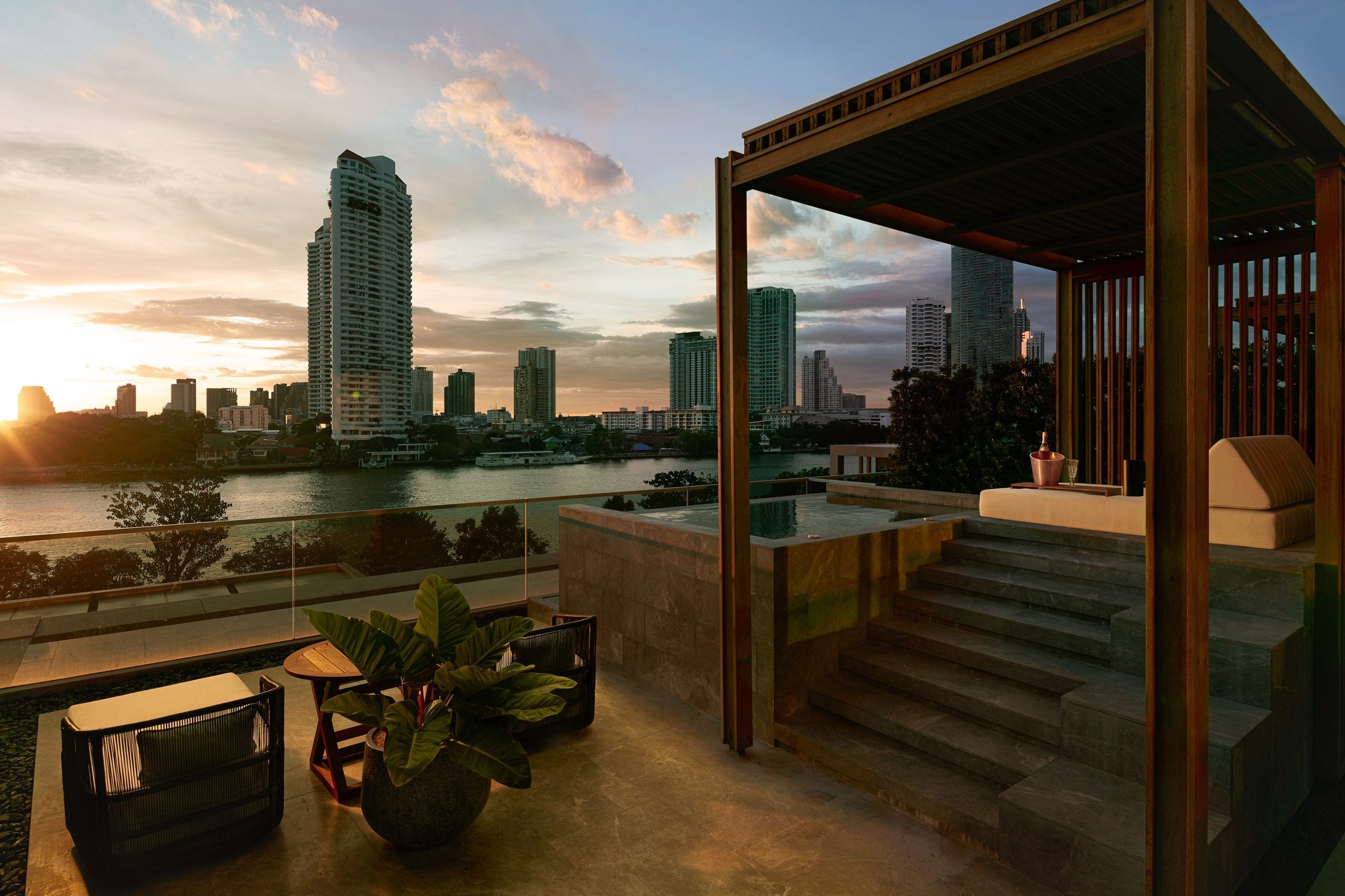
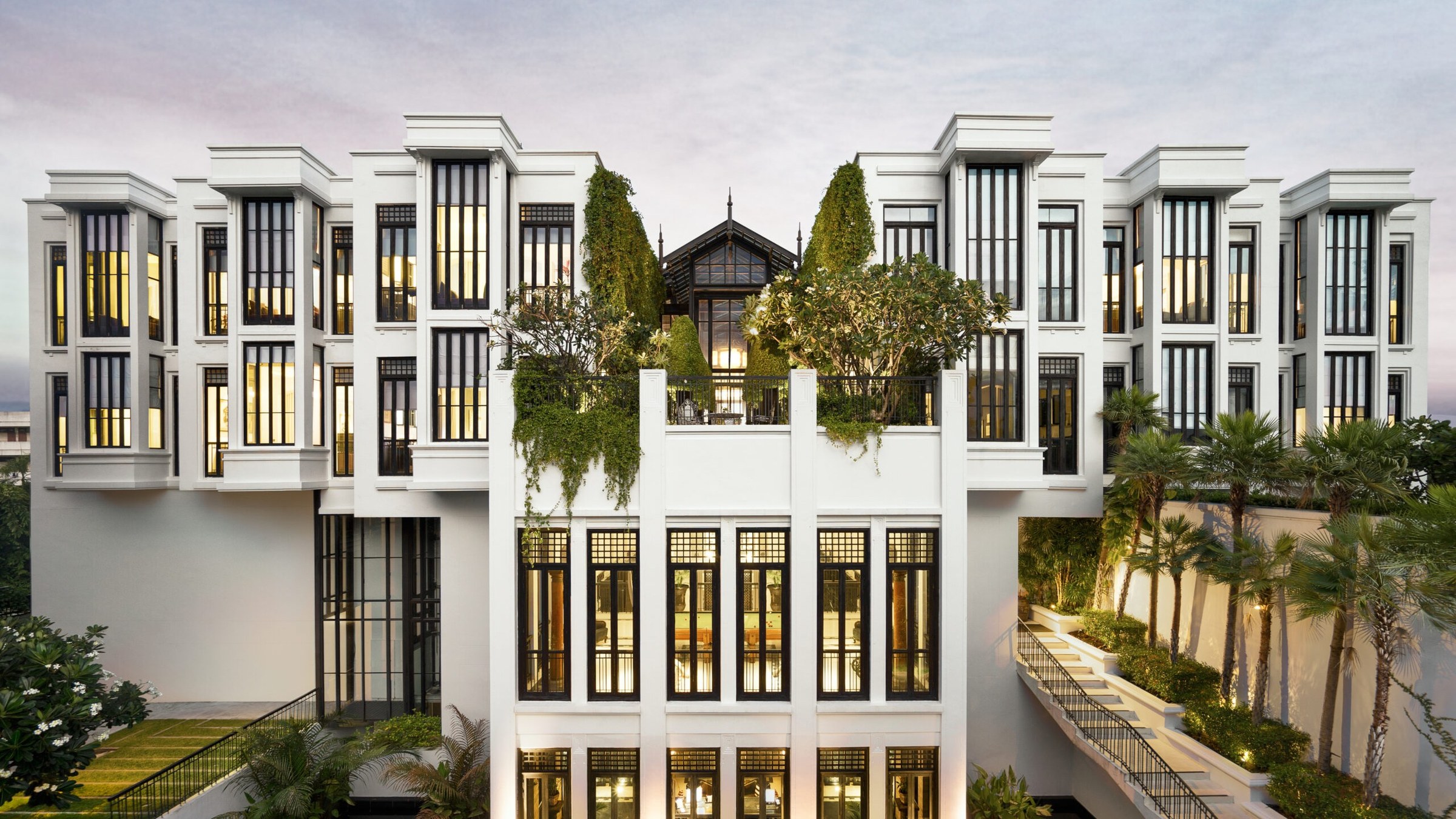
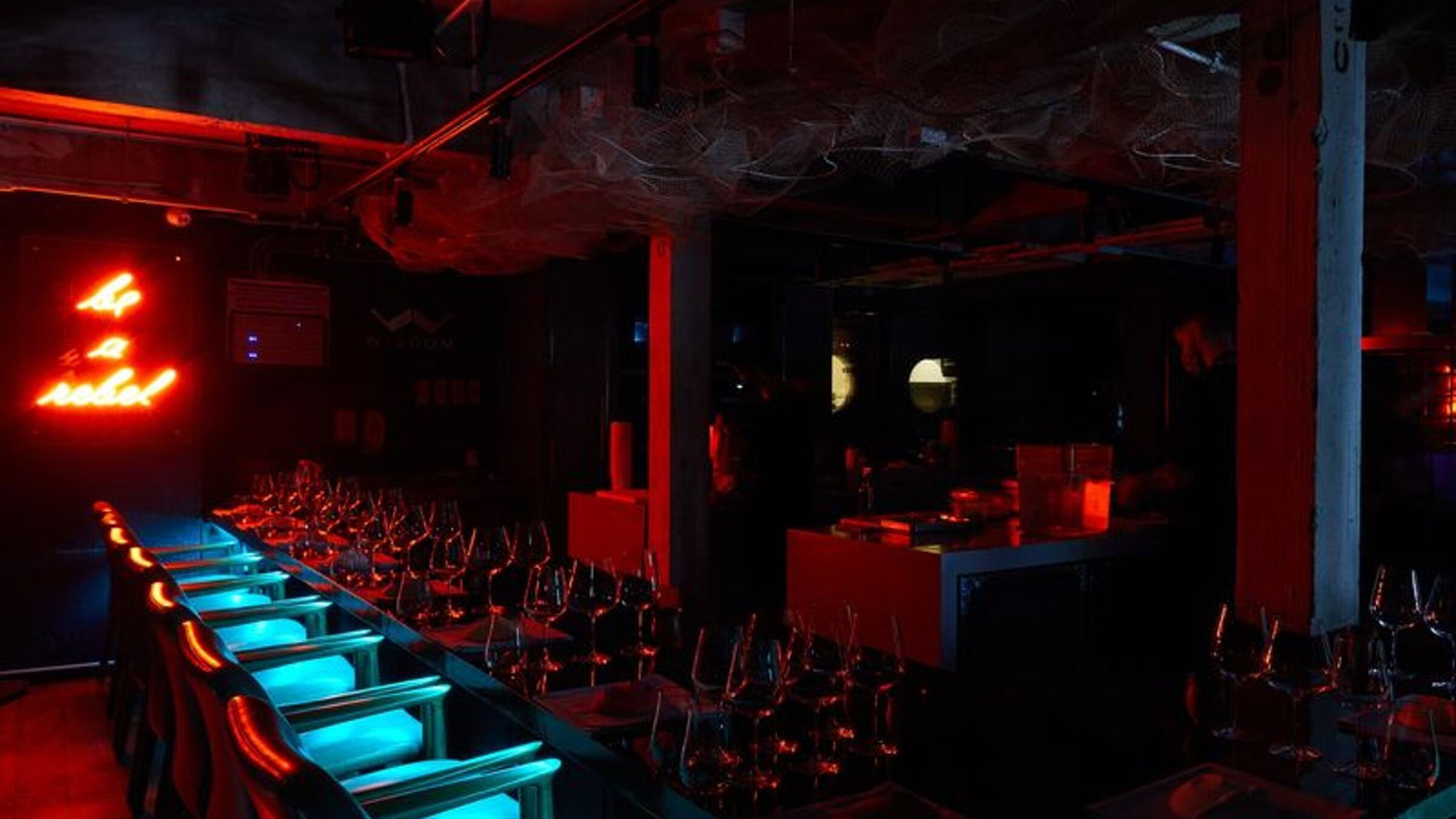
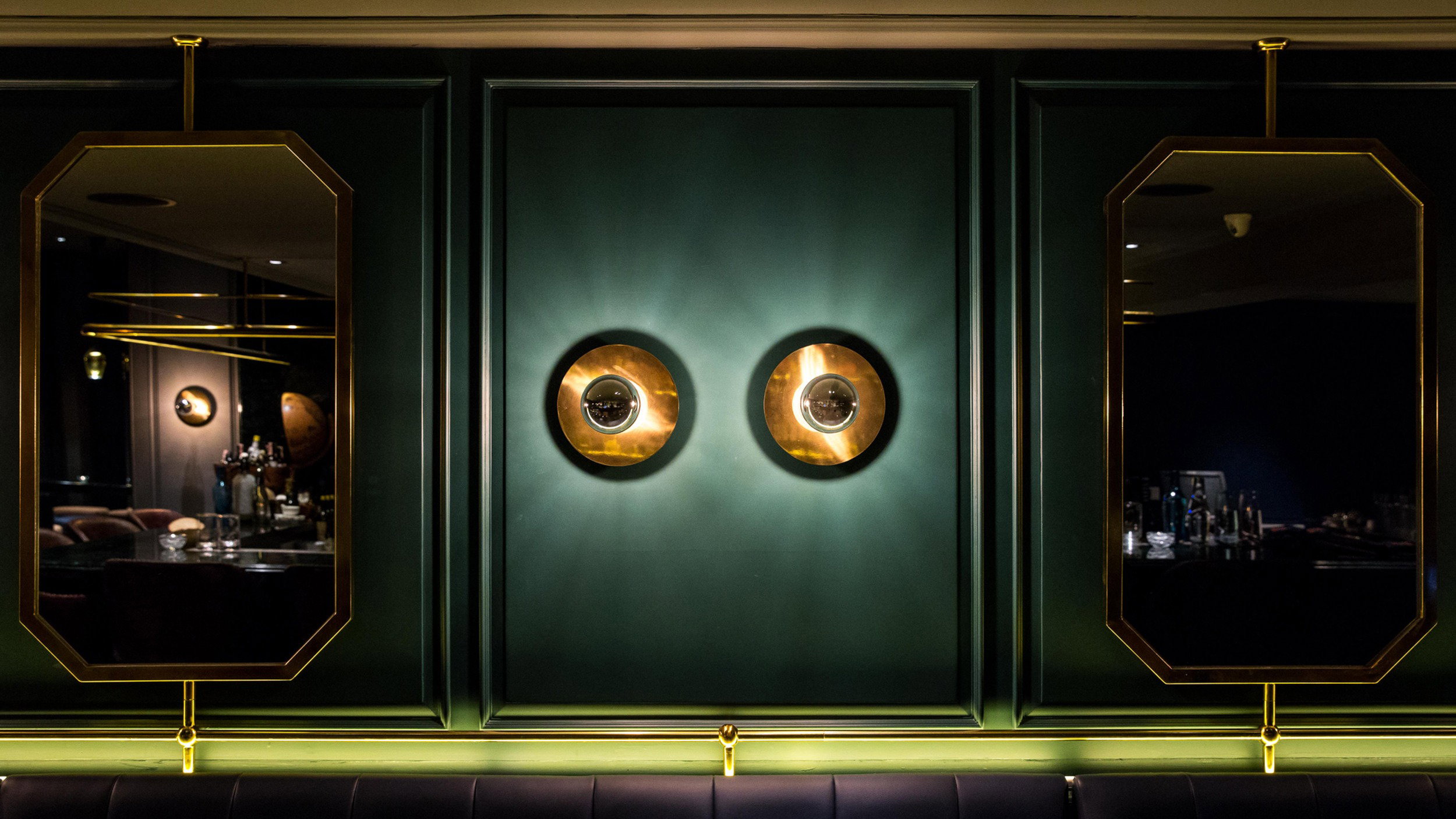
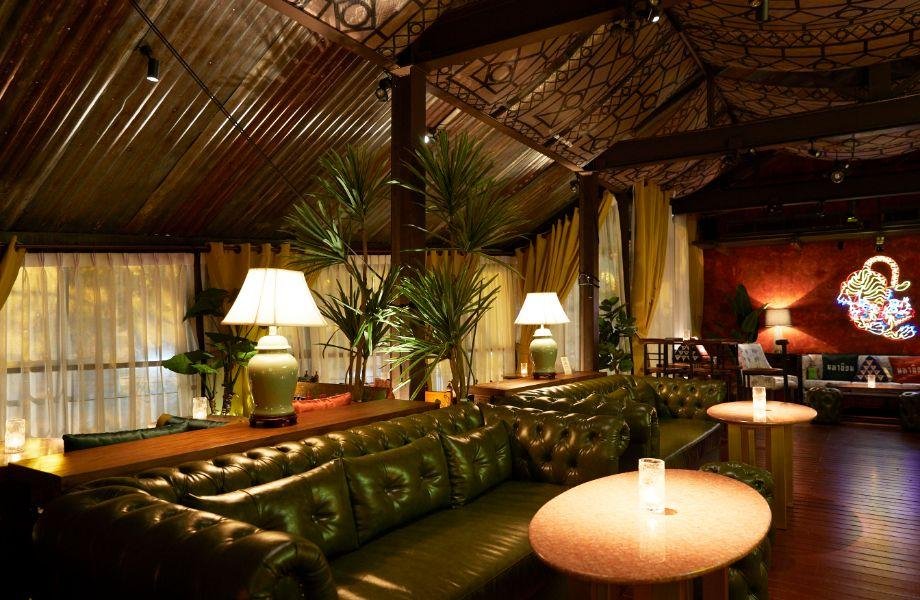
ASAI Bangkok Chinatown positions contemporary design against the layered history of Yaowarat. The property reads as a modern, design-led hotel that deliberately embeds itself in Chinatown's oldest commercial artery rather than buffering guests from the city. The surrounding blocks of warehouses, temples and wholesale markets lend a distinctly historic and textural backdrop, while the hotel’s placement and editorial framing make it feel like a trendy, neighbourhood-forward choice. It’s a place that emphasizes being inside the district’s everyday energy—authentic, lively and quietly curated rather than opulent or formal.
Best For
This hotel suits food-minded travelers and photographers who want to be at ground zero of Bangkok’s ingredient networks. The copy explicitly calls out 'food tourists, photographers, and travellers' and highlights the five-minute proximity to Yaowarat’s markets, so it’s ideal for guests who plan to explore street stalls, source-driven restaurants and market rows on foot. It also works well for solo travelers and anyone seeking a neighbourhood stay where the surrounding streets are as much the attraction as the hotel itself.
Stay Tips
Think of the hotel as a base for wandering: many of Chinatown’s wholesale markets and street stalls are described as being minutes from the door, so plan to eat on the street rather than relying solely on in-house dining. Use the location to sample dried seafood rows and market stalls in Yaowarat, timing visits for cooler morning or evening hours when vendors are active. Book with the intention of exploring by foot—menus and meals around the hotel are driven by the immediate ingredient geography the description highlights.
Venue details
Ambiance
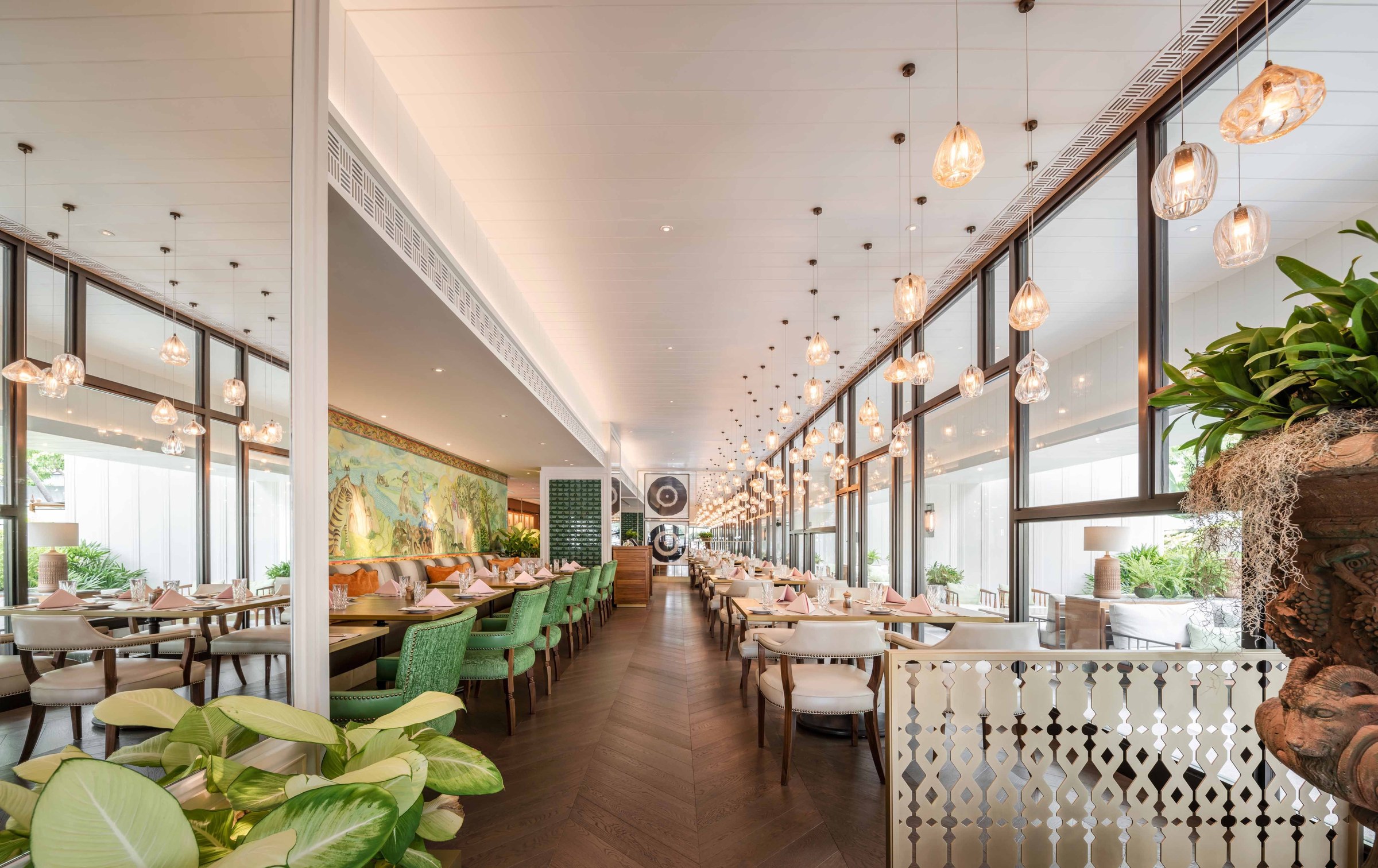
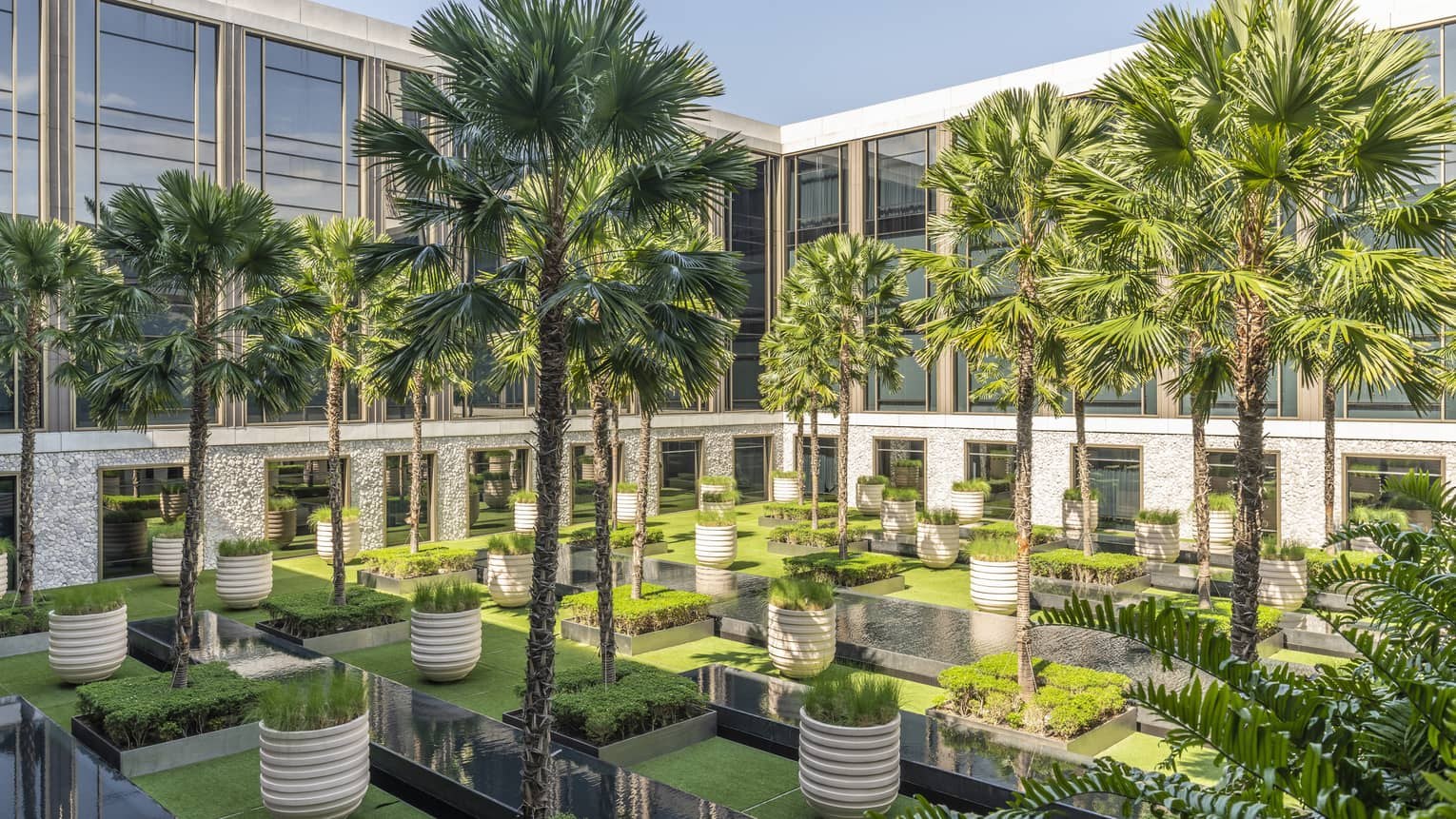
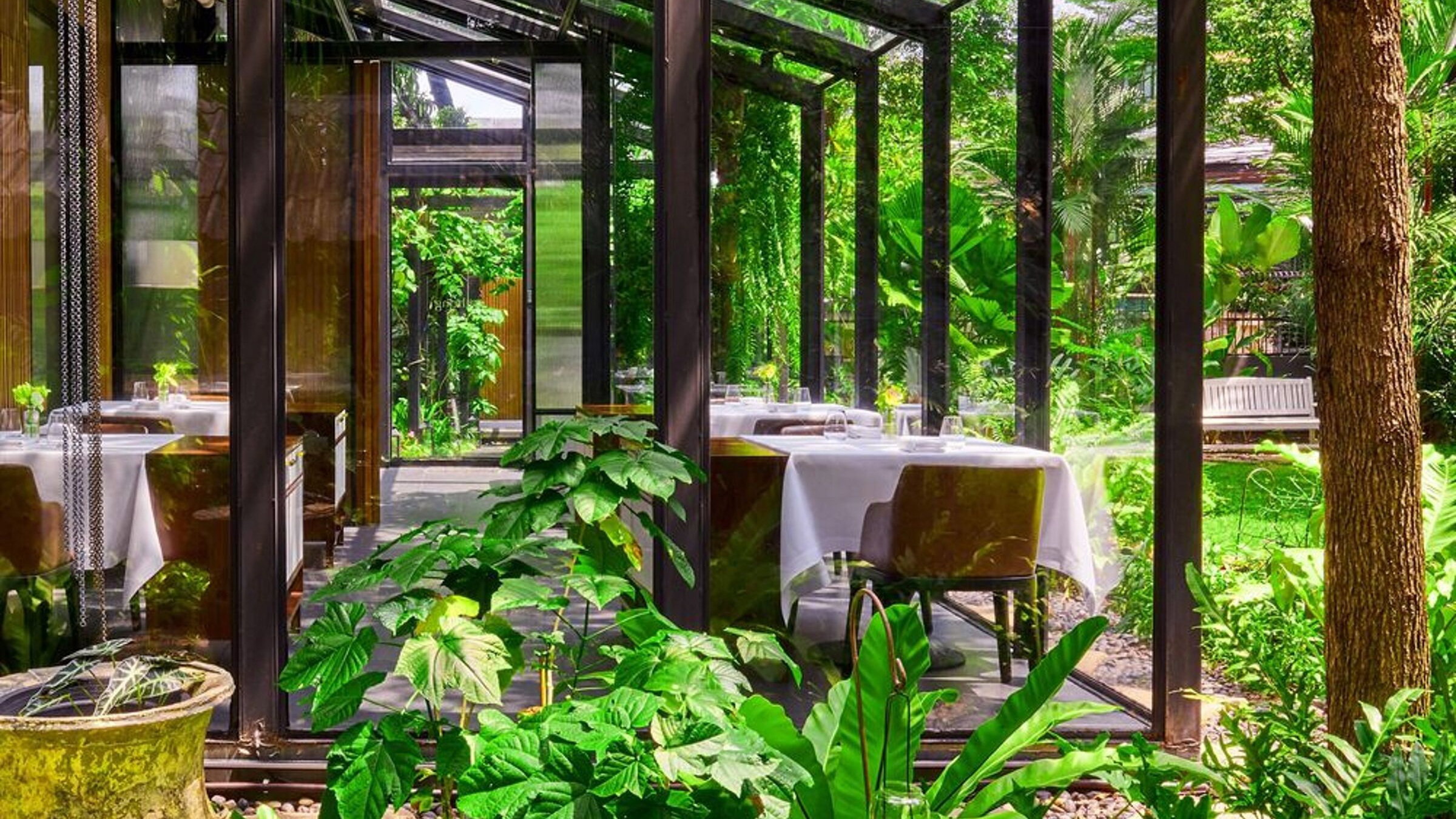
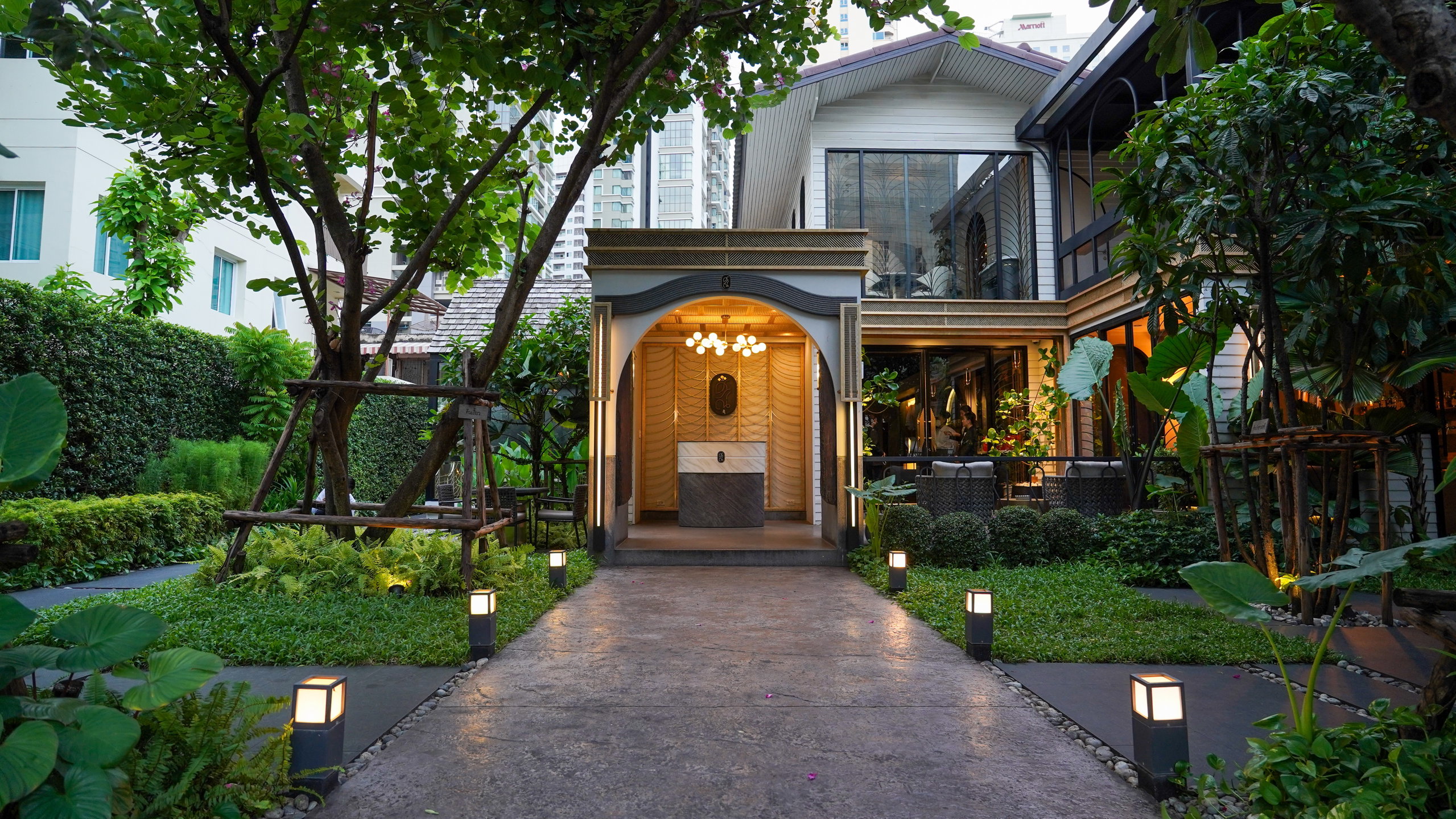
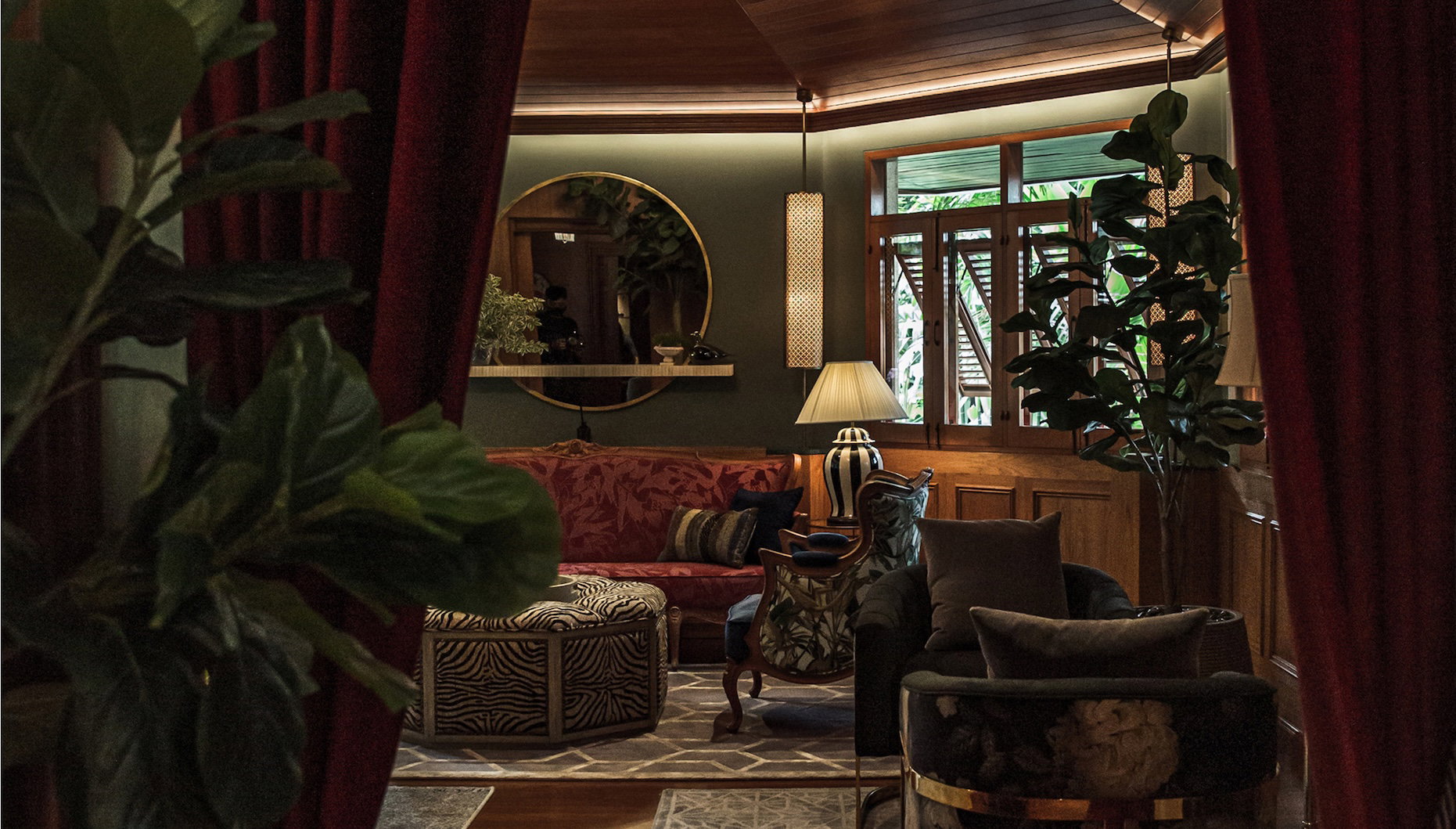
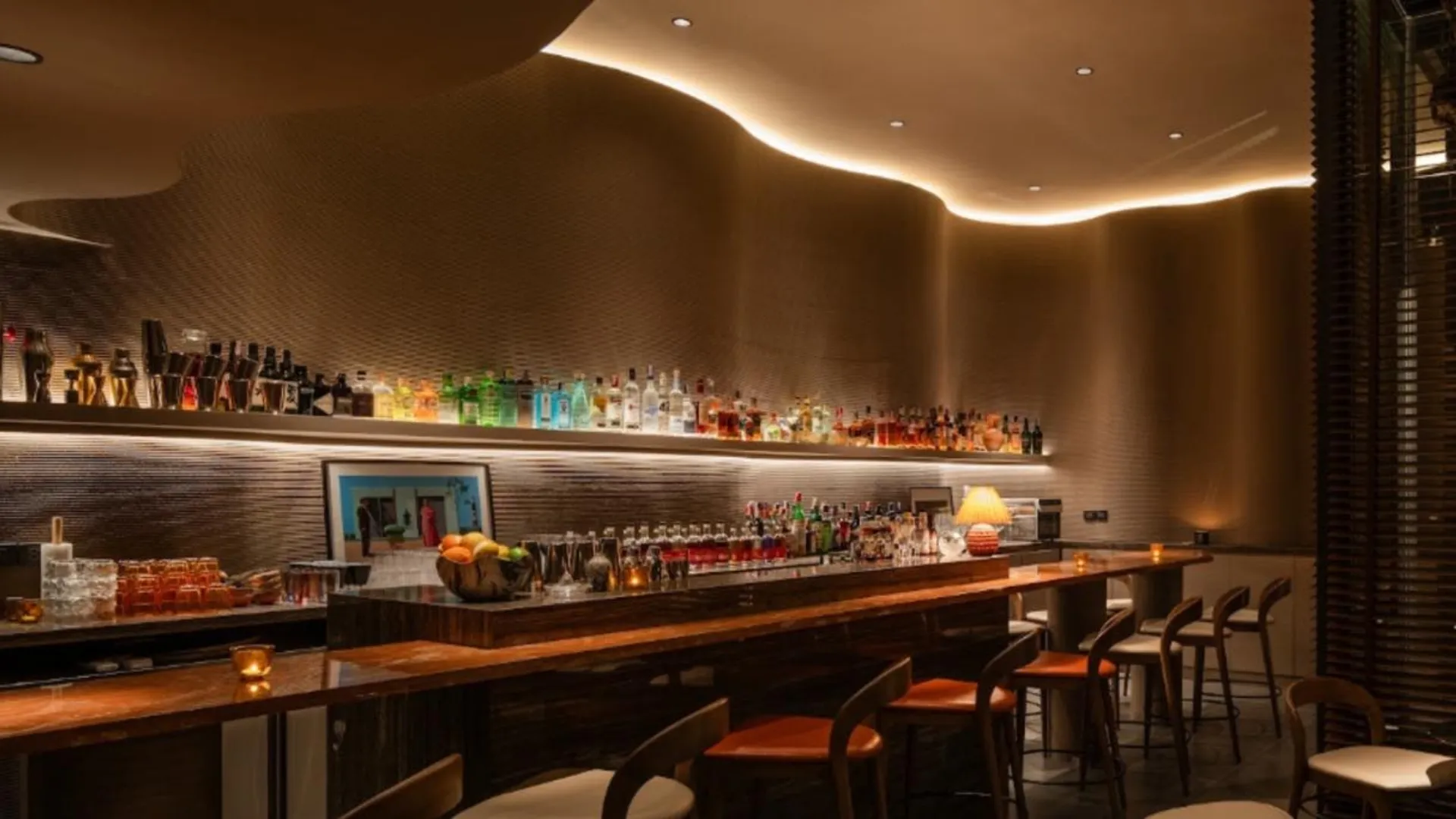
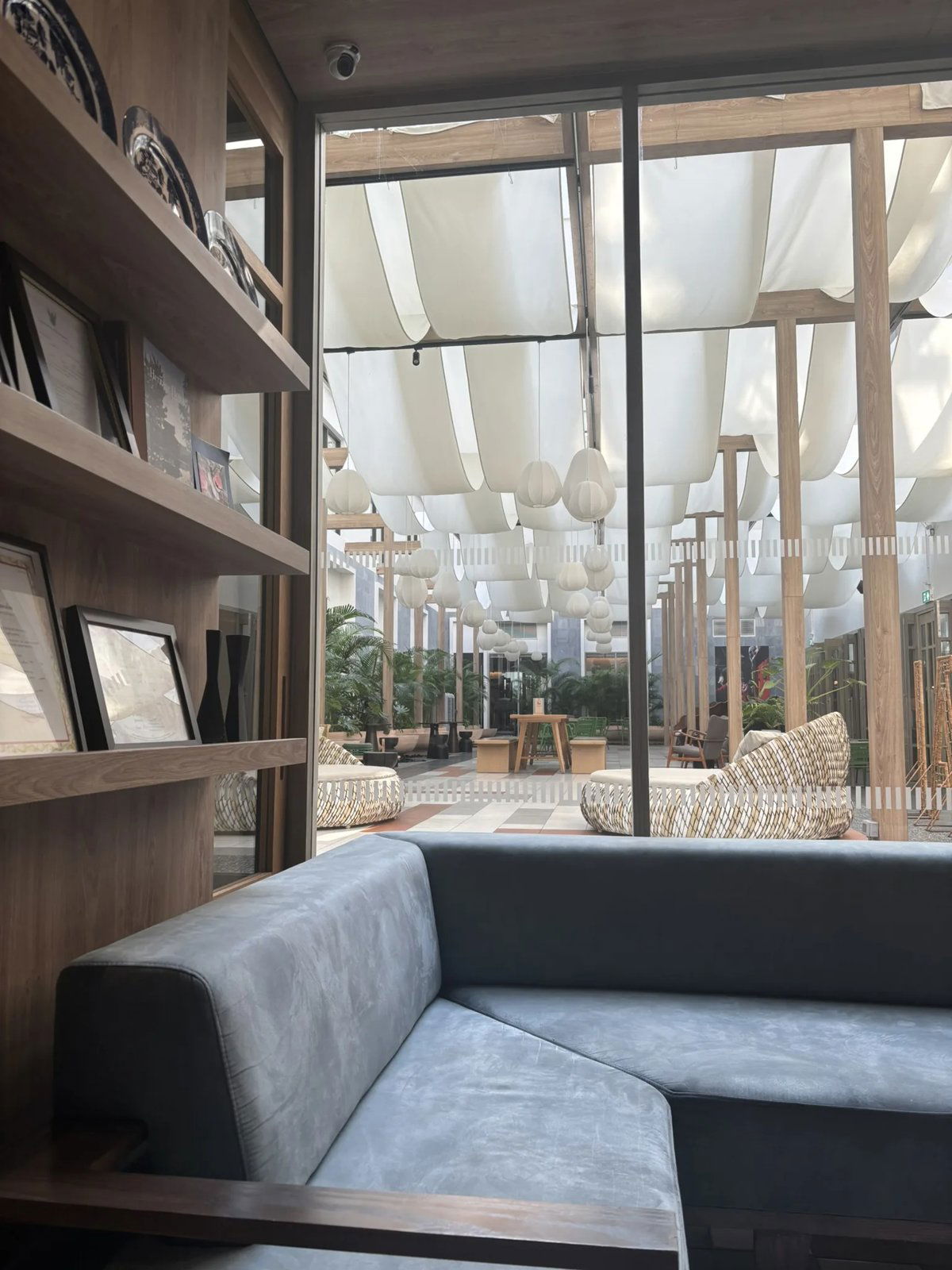
Modern, clean, and minimalist design with serene courtyard featuring organic herb garden; contemporary aesthetic balances vibrant Chinatown energy with peaceful interior spaces.
Tags
Vibe
Best For
Experience
Amenities
View
Accessibility
About the Stay
- Rooms
- 224
- Check-in
- 14:00
- Check-out
- 11:00
- Property Style
- Affordable Lifestyle Hotel with Thoughtfully Lean Concept Emphasizing in Stay Essentials and Communal Spaces Over Traditional Luxury Amenities.
- Design Style
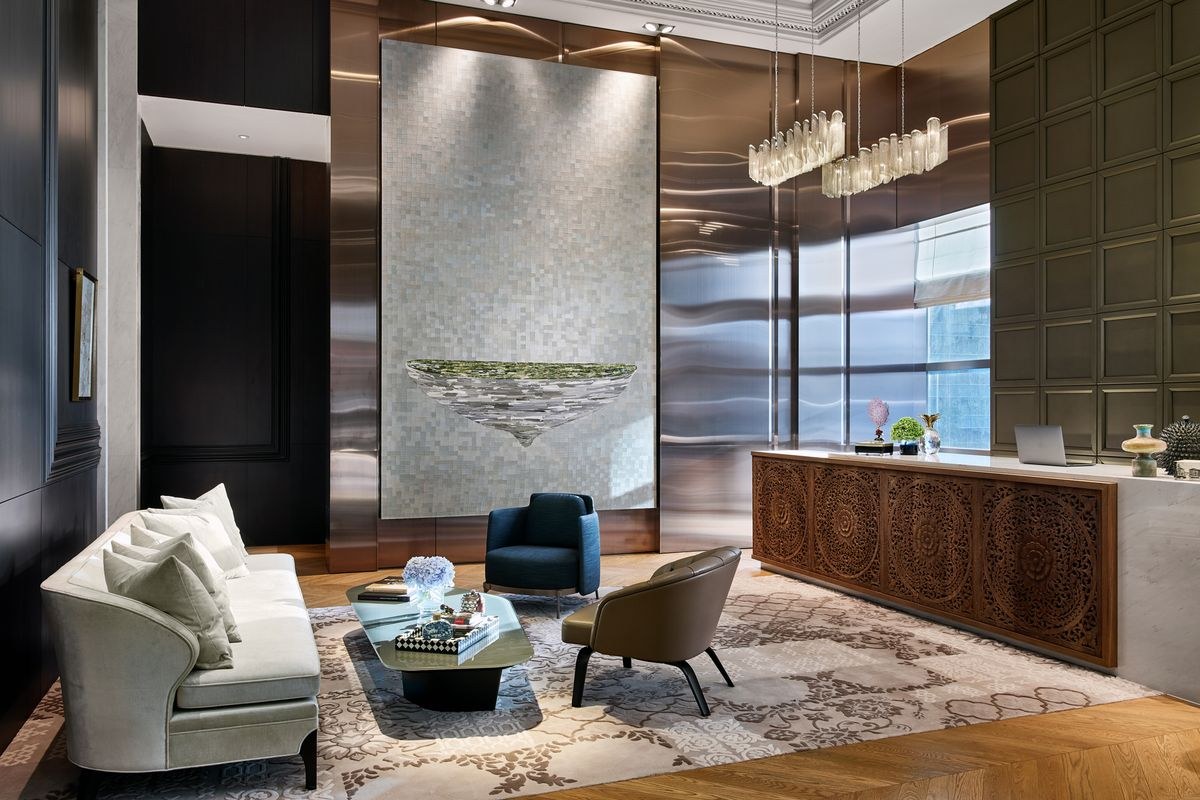
- Contemporary Minimalist with Clean Lines, Modern Furnishings, and Emphasis on Functional Design; Compact Rooms (18 26 Sq M) Feature High Pressure Rain Showers, Quality Beds, and Work Desks with Usb Charging.
Know before you go
Know Before You Go
- Getting there
- 4th Fl, 531 ถ. เจริญกรุง Pom Prap, Pom Prap Sattru Phai, Bangkok 10100, Thailand
Planning details
Location
4th Fl, 531 ถ. เจริญกรุง Pom Prap, Pom Prap Sattru Phai, Bangkok 10100, Thailand · Directions
Recognition and awards
Also consider
Also Consider
- Bangkok Marriott Hotel The Surawongse, Notable alternative
- Chakrabongse Villas, Notable alternative
- Mandarin Oriental Bangkok, Notable alternative
- The Peninsula Bangkok, Notable alternative
- Shangri-La Hotel, Bangkok, Notable alternative
Hotel context
How it compares in Bangkok
ASAI Bangkok Chinatown is the value-and-location play. Compared with Mandarin Oriental Bangkok and The Peninsula Bangkok, it is the easier recommendation for travelers who will spend most of the day out in the city rather than using the hotel as the main event. Those two are stronger choices for river setting, service depth, and a more formal Bangkok stay.
Shangri-La Hotel, Bangkok and Bangkok Marriott Hotel The Surawongse sit in the middle of the decision: more conventional full-service hotels, better suited to travelers who want broader facilities without going all the way to the city's classic luxury tier. ASAI is the sharper pick when the neighborhood is the draw and the hotel room is mainly a base.
Chakrabongse Villas is the more character-led alternative for travelers who want a smaller, more atmospheric stay. Choose it if the brief is charm and a slower old-city mood. Choose ASAI when the priority is practical Chinatown access, simpler booking, and keeping more of the trip budget for Bangkok itself.
Explore Bangkok
Around this place
Discover more on Pearl
Unlock the full ASAI Bangkok Chinatown guide in Pearl, including awards, comparisons, FAQs, planning details, and nearby places.
Compare ASAI Bangkok Chinatown
| Venue | Location | Awards |
|---|---|---|
| ASAI Bangkok Chinatown | Bangkok | 2025 Michelin Selected Hotels |
| Bangkok Marriott Hotel The Surawongse | Bangkok | 2026 La Liste Top Hotels |
| Chakrabongse Villas | Bangkok | 2026 La Liste Top Hotels2025 Michelin Selected Hotels |
| Mandarin Oriental Bangkok | Bangkok | 2026 World’s 50 Best Hotels 1-50 · #102026 Travel + Leisure 100 Favorite Hotels in the World · #112026 Virtuoso Luxury Hotel Collection2026 Forbes 5-Star2026 La Liste Top Hotels2025 World’s 50 Best Hotels · #72025 Travel + Leisure 100 Favorite Hotels in the World · #38Tatler Best Hotels Asia-Pacific 20252025 Michelin 3 Keys |
| The Peninsula Bangkok | Bangkok | 2026 Virtuoso Luxury Hotel Collection2026 Forbes 5-Star2026 La Liste Top Hotels2025 Michelin 2 Keys2025 Forbes 5-Star2024 Michelin 2 Keys |
| Shangri-La Hotel, Bangkok | Bangkok | 2026 Forbes 4-Star2026 La Liste Top Hotels2025 Forbes 4-Star |










How ASAI Bangkok Chinatown compares with similar nearby venues.
FAQ
Frequently Asked Questions
Which room category is best at ASAI Bangkok Chinatown?
Choose the room category only after checking the hotel's current options and rates directly. ASAI Bangkok Chinatown in Bangkok has a casual dress code and MICHELIN Guide Hotels Selected recognition for 2025, but specific room categories or layouts are not detailed in this guide.
Is ASAI Bangkok Chinatown family-friendly?
Specific family facilities or policies are not detailed in this guide. If you are booking for a family, check the hotel's current room options, occupancy rules, and amenities directly before reserving.
Is ASAI Bangkok Chinatown good for business travel?
It may work if its Bangkok location, room setup, and current facilities match your work trip, but business-specific amenities are not detailed in this guide. Compare the current details with Bangkok Marriott Hotel The Surawongse or Mandarin Oriental Bangkok if you are deciding between different Bangkok hotel styles.
When is the best time to book ASAI Bangkok Chinatown?
A specific booking window or price pattern is not detailed in this guide. Compare live rates and terms for ASAI Bangkok Chinatown with options such as The Peninsula Bangkok and Shangri-La Hotel, Bangkok before choosing.