




Interalpen-Hotel Tyrol
Telfs-Buchen, Austrian Alps
Hotel in Austrian Alps, Austria
 Book with Pearl
The Read
Plateau Altitude Retreat
Why go
Interalpen-Hotel Tyrol is the awards-backed Austrian Alps choice for a polished celebration stay, especially if booking through a benefit-bearing luxury travel channel improves the total value. Cross-shop Alpine Resort Sacher Seefeld for a resort-town feel, Alpenresort Schwarz for wellness emphasis, and Eriro for quieter alpine immersion.
About Interalpen-Hotel Tyrol
Interalpen-Hotel Tyrol is a hotel in the Austrian Alps with several external recognitions. Its credentials include La Liste Top Hotels 2026 with 98.5 points, Forbes 4-Star recognition for 2026, Forbes Recommended status for 2025, Preferred Hotels membership for 2025, Virtuoso Luxury Hotel Partner status for 2026, and MICHELIN Guide hotel selection for 2025.
Book for a credentialed Austrian Alps hotel stay
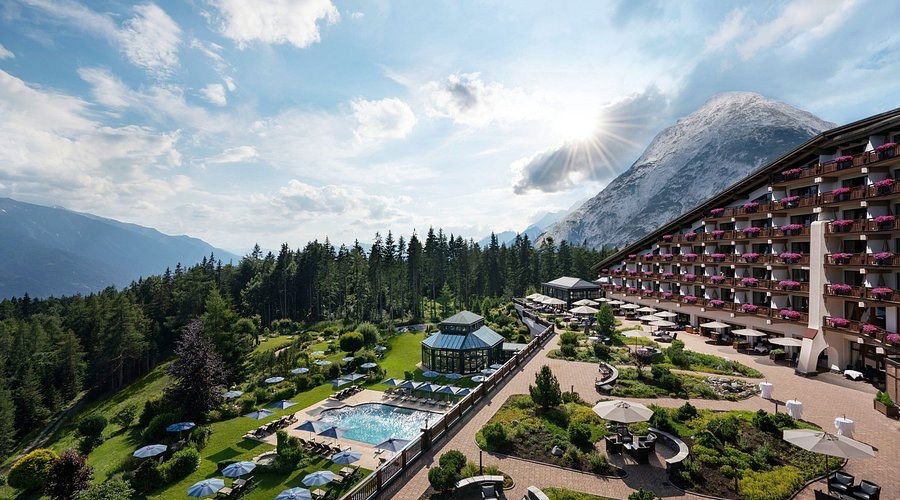
Located in the Austrian Alps, Interalpen-Hotel Tyrol is best considered for a hotel-led mountain stay rather than a quick city-style stopover. The dress code is smart casual, which fits a polished hotel setting without requiring more specific assumptions about service style, dining format, or facilities.
The strongest practical angle is booking strategy. Preferred Hotels membership, Virtuoso Luxury Hotel Partner status, MICHELIN hotel selection, Forbes recognition, and La Liste scoring all make it worth comparing available booking channels and terms before committing. For a stay where hotel credentials matter, check what each channel actually includes rather than relying only on the headline rate.
Where it fits against other alpine alternatives
Interalpen-Hotel Tyrol can be compared with Nidum Hotel, Hotel Klosterbräu, Alpine Resort Sacher Seefeld, Alpenresort Schwarz, and Eriro when travellers are weighing different alpine hotel options. Its distinction is Interalpen-Hotel Tyrol's set of hotel recognitions across La Liste, Forbes, Preferred Hotels, Virtuoso, and the MICHELIN Guide.
The decision is simple: choose Interalpen-Hotel Tyrol when a credentialed Austrian Alps hotel is the priority; compare the other options when a different atmosphere, setting, or booking proposition matters more.
The booking move is to compare benefits before committing
This is not a hotel to assess only by a single headline rate if several channels are available. Compare the directly listed terms with any relevant Preferred Hotels or Virtuoso options, and check what is included before locking in. That is especially useful here because the property's affiliations give booking channels a clearer role than at hotels without comparable partnerships.
For readers building a wider Austrian Alps itinerary, Interalpen-Hotel Tyrol is best treated as a credentialed hotel choice within the region. It appeals to travellers who value external hotel recognition, while details such as specific facilities, dining formats, and seasonal booking patterns should be checked directly before planning around them.
Inside Interalpen-Hotel Tyrol
Planning details
- Location
- Doktor-Hans-Liebherr-Alpenstraße 1, 6410 Telfs
- Website
- interalpen.com
- Phone
- +43 50 80930
The take
The Take
The Vibe
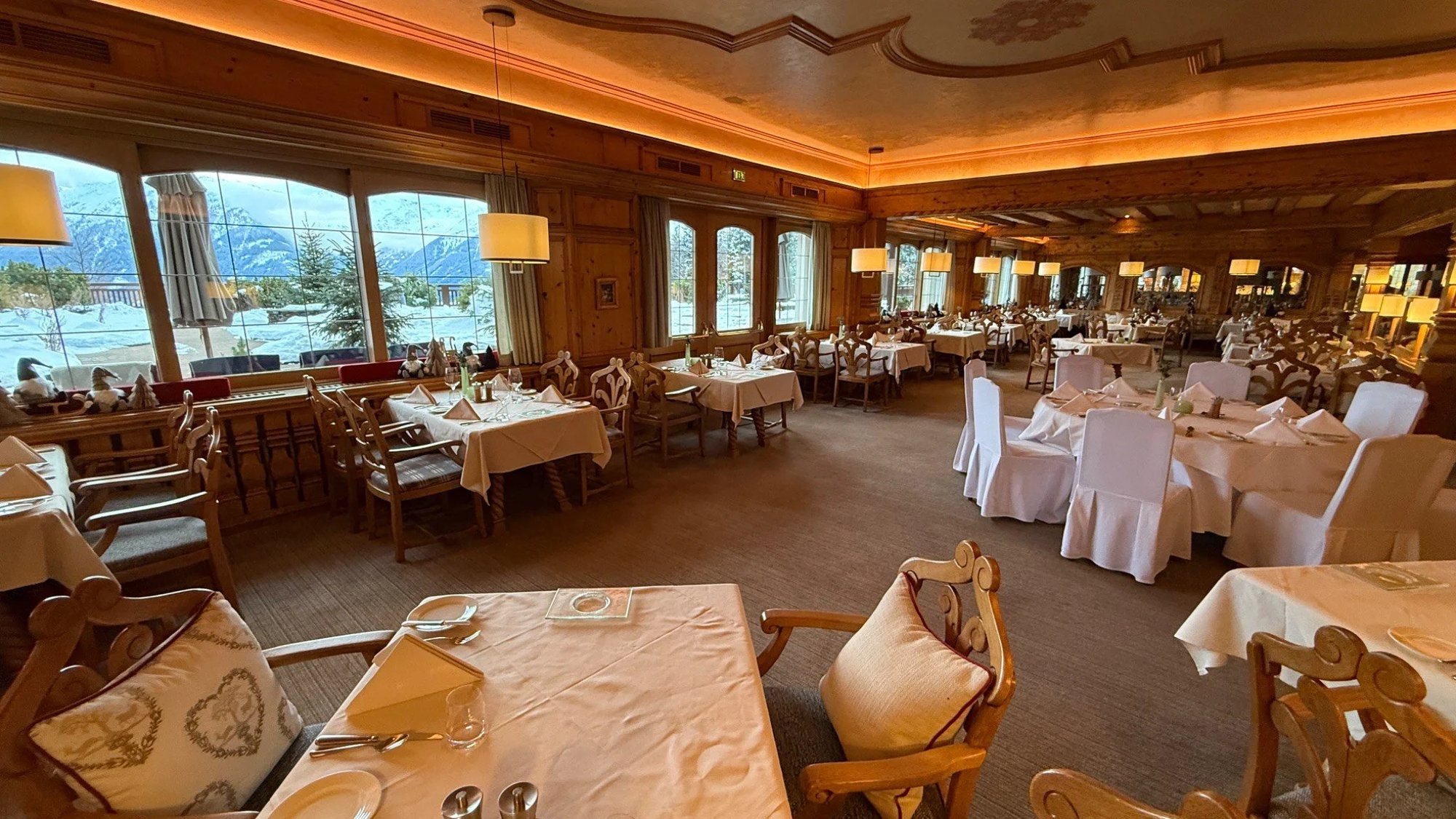
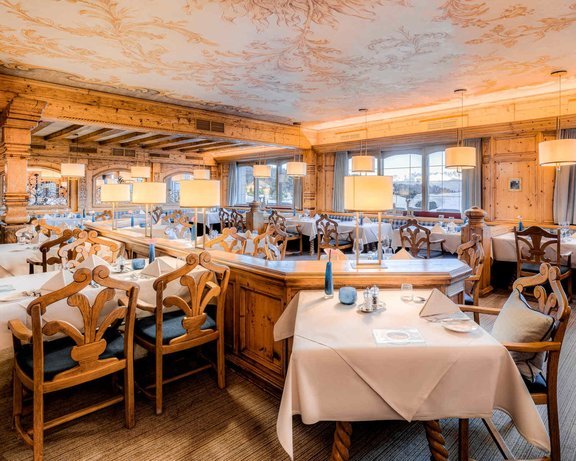
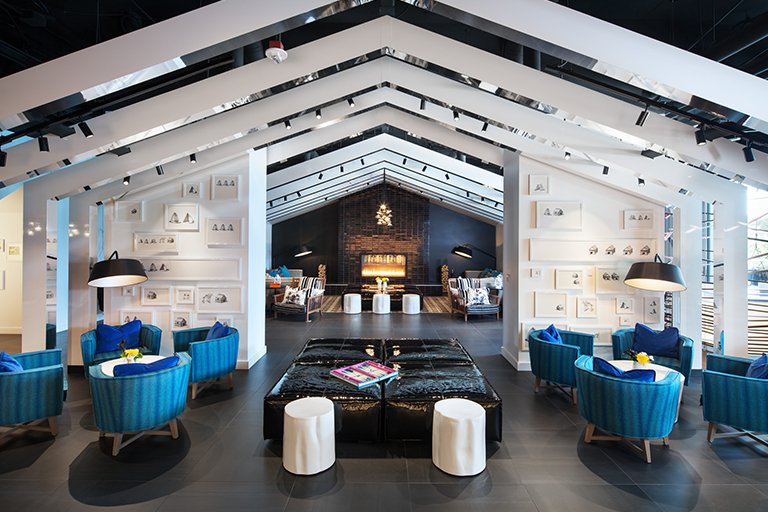
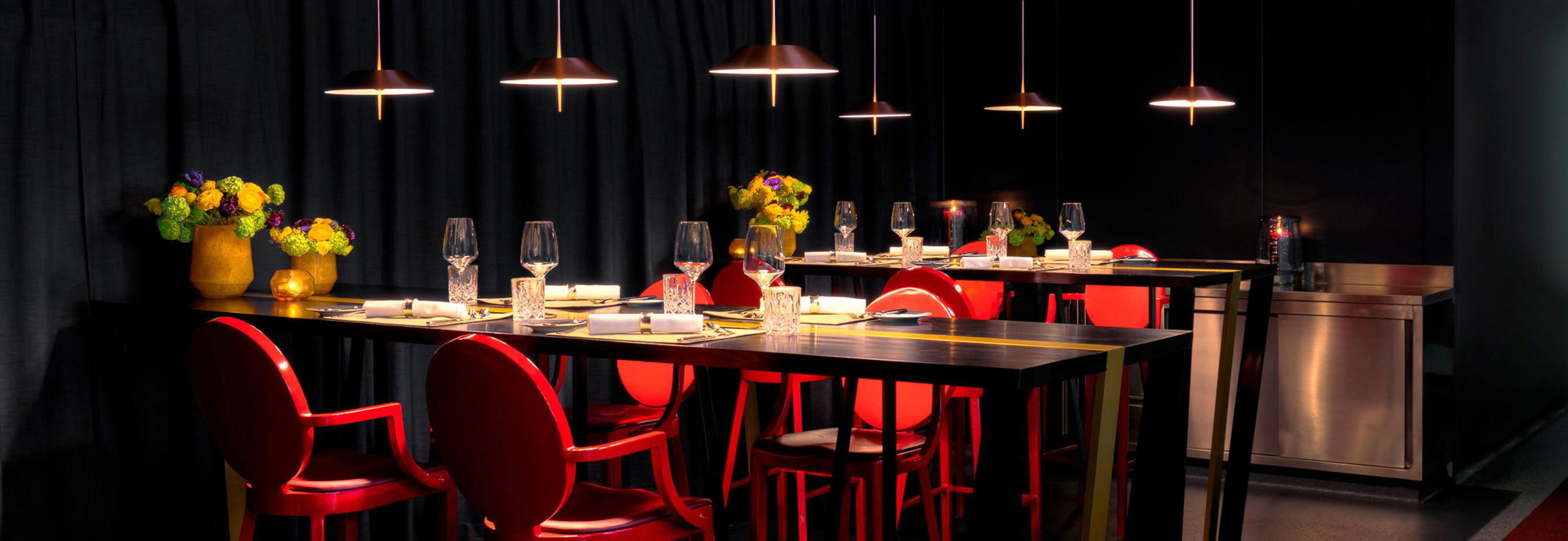
Interalpen-Hotel Tyrol presents itself as a grand alpine lodge that leans into a palatial, maximalist tradition rather than rustic minimalism. Public spaces are arranged around an imperial wooden staircase and oversized chandeliers, with antique-style tapestries and paintings reinforcing a formal, historic register. Warm timber and fresh flowers temper the opulence, keeping the interiors cultivated rather than overwrought. The overall effect is a dignified, old‑world alpine house—rich, considered and ceremonious—where scale and ornament deliberately signal luxury in a mountain setting.
Best For
This is a hotel for short escapes and milestone stays. Perched on a plateau at 1,300 metres and close to Seefeld’s ski terrain, it works well as a weekend base for winter sports or a winter-slope retreat. The property’s separation from valley noise and its grand, intimate public rooms also make it a good fit for romantic getaways and wellness-oriented breaks, while families seeking a higher-end alpine experience will find the scale and services appropriate. Easy access to Innsbruck keeps city connections practical for multi‑destination trips.
Venue details
Ambiance
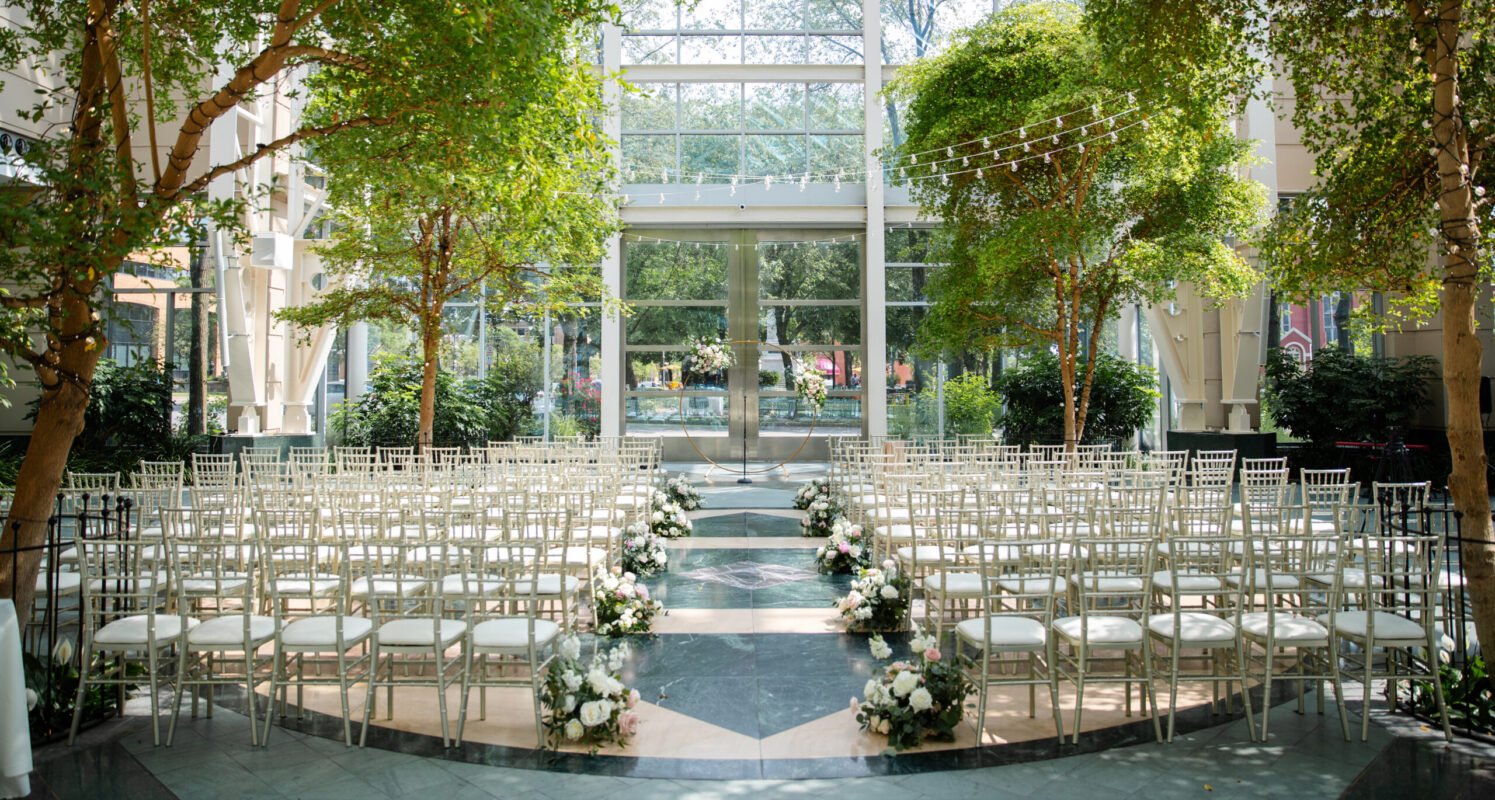
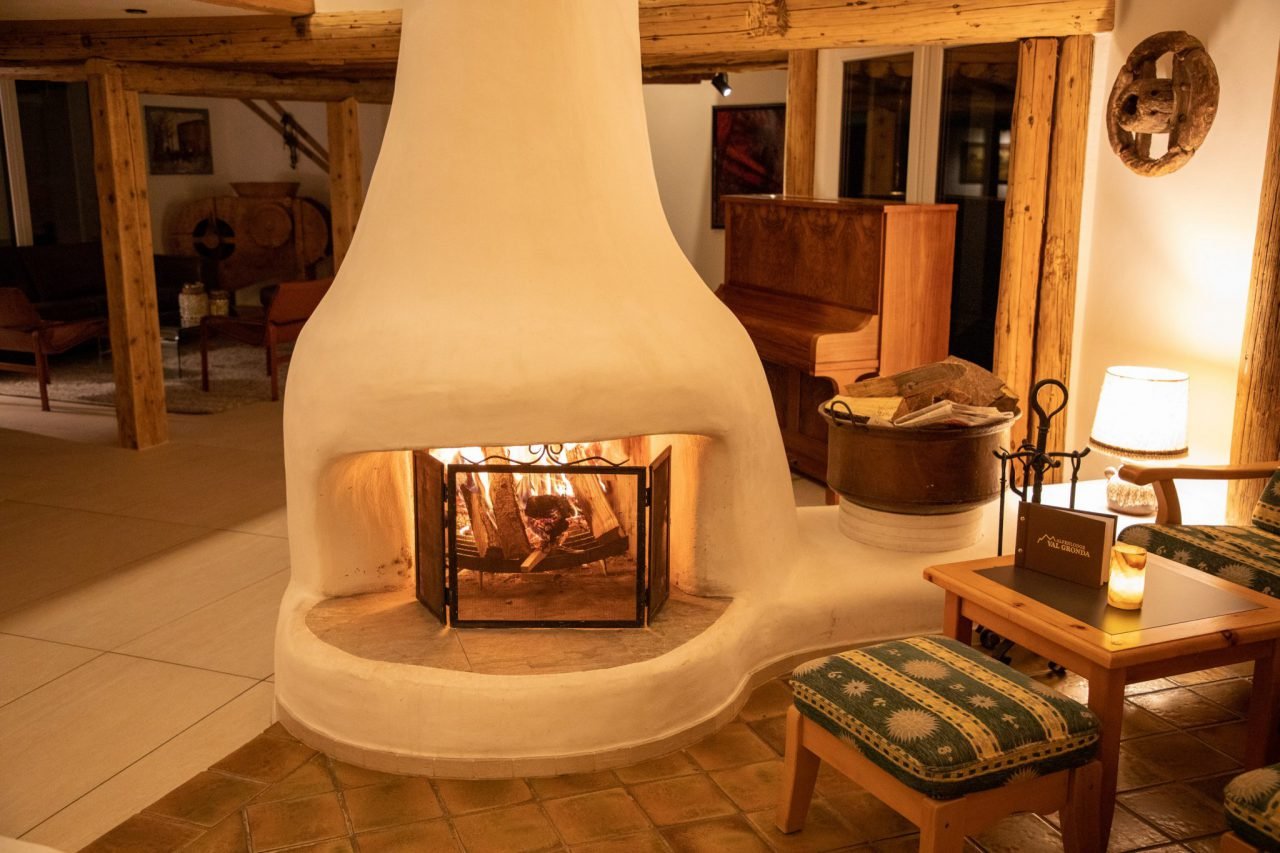
Light-filled spaces with natural woods, stone, and roaring fireplaces create a warm, grand yet inviting mountain retreat atmosphere.
Tags
Vibe
Best For
Experience
Amenities
View
Accessibility
About the Stay
- Rooms
- 274
- Check-in
- 15:00
- Check-out
- 11:00
- Property Style
- Contemporary Alpine Luxury Resort Blending Chalet Inspired Grandeur with Modern Comforts.
- Design Style
- Rustic Wood Accents, Natural Stone, and Wide Open Interiors with Panoramic Mountain Views.
Know before you go
Know Before You Go
- Getting there
- Doktor-Hans-Liebherr-Alpenstraße 1, 6410 Telfs
Planning details
Location
Recognition and awards



Also consider
Where to look if this is not available
If availability is tight, look first at Alpine Resort Sacher Seefeld for a classic luxury stay closer to Seefeld's resort rhythm. For a wellness-first trip, Alpenresort Schwarz is the better backup.
If the brief is quieter and more intimate, Eriro is the more relevant alternative than trying to force a late booking here.
Hotel context
How it compares in the Austrian Alps
Interalpen-Hotel Tyrol is the credentials-led pick in this set, with La Liste, Forbes, MICHELIN hotel selection, Preferred Hotels, and Virtuoso recognition all supporting a higher-confidence splurge. Nidum Hotel is the stronger choice if the priority is a more contemporary design feel, while Hotel Klosterbräu makes more sense for travellers who want a Seefeld-linked stay with a more town-centred rhythm.
Alpine Resort Sacher Seefeld is the closest cross-shop for a classic luxury-resort decision: pick it if the Seefeld setting matters more than a self-contained mountain address. Alpenresort Schwarz should be compared for wellness-led trips, especially if the spa program is the main reason to travel.
Eriro is the alternative for a quieter alpine mood and a smaller-scale feel. For value, the right move is not simply the lowest rate; compare booking benefits, cancellation terms, and upgrade potential. Interalpen-Hotel Tyrol is the safer special-occasion choice when recognition and full-property polish matter, while the peers are better when the trip has a narrower brief.
Explore Austrian Alps
Around this place
Discover more on Pearl
Unlock the full Interalpen-Hotel Tyrol guide in Pearl, including awards, comparisons, FAQs, planning details, and nearby places.
Compare Interalpen-Hotel Tyrol
| Venue | Location | Awards |
|---|---|---|
| Interalpen-Hotel Tyrol | Austrian Alps | 2026 Forbes 4-Star2026 Virtuoso Luxury Hotel Collection2026 La Liste Top Hotels2025 Michelin Selected Hotels2025 Forbes RecommendedPreferred Hotels Member 2025 |
| Nidum Hotel | Seefeld In Tirol | No published awards |
| Hotel Klosterbräu | Seefeld | 2025 Michelin 1 Key |
| Alpine Resort Sacher Seefeld | Seefeld | No published awards |
| Alpenresort Schwarz | Obermieming | 2026 The Longevity Hotels Collection2026 Michelin 1 Key2025 Michelin 1 Key |
| Eriro | Ehrwald | 2026 Mr & Mrs Smith Luxury Hotels2026 Michelin 1 Key2025 Michelin 1 Key |



How Interalpen-Hotel Tyrol compares with similar nearby venues.
FAQ
Frequently Asked Questions
Is Interalpen-Hotel Tyrol family-friendly?
Specific family facilities or children's services are not detailed. Travellers planning a family stay should ask the hotel directly about room setup, age policies, and any current family-oriented amenities before booking.
Do partner booking programs matter at Interalpen-Hotel Tyrol?
Yes. The hotel is a Preferred Hotels Member and a Virtuoso Luxury Hotel Partner, so booking channels are worth comparing for an Austrian Alps stay. Check the current terms and inclusions before booking.
How is the location of Interalpen-Hotel Tyrol?
The hotel is located in the Austrian Alps. It suits travellers looking for a mountain-hotel stay rather than a city-style stopover.
How does Interalpen-Hotel Tyrol compare to other alpine hotels?
Travellers may compare it with Nidum Hotel, Hotel Klosterbräu, Alpine Resort Sacher Seefeld, Alpenresort Schwarz, and Eriro. Interalpen-Hotel Tyrol's appeal rests on La Liste Top Hotels recognition, Forbes recognition, Virtuoso Luxury Hotel Partner status, Preferred Hotels membership, and MICHELIN Guide hotel selection.
When is the best time to book Interalpen-Hotel Tyrol?
Booking difficulty or seasonal availability patterns are not specified. Book once your travel dates are clear, and compare the available channels and terms before committing.