






Hotel Santa Caterina
Amalfi, Amalfi Coast
Hotel in Amalfi Coast, Italy
 Book with Pearl
The Read
Cliffside Albergo Diffuso
Why go
Hotel Santa Caterina is a hotel on Via Mauro Comite in Amalfi, Italy.
About Hotel Santa Caterina
For a milestone Amalfi Coast stay, Hotel Santa Caterina is best framed as a premium luxury-hotel choice for travelers who want a highly recognized base on the Amalfi Coast. The case for booking rests on confirmed hotel credentials rather than on claims about specific amenities, room counts, dining concepts, or pricing.
The appeal is direct: this is a well-recognized Amalfi Coast hotel with a smart-casual dress code and a strong luxury-travel profile. For a special-occasion trip, that recognition can help reduce risk when the hotel itself is meant to be a major part of the experience.
Book it for a polished Amalfi base, not for a low-effort reservation
The strongest reason to choose Hotel Santa Caterina is confidence. Its recognition includes Michelin 2 Keys, Forbes 4-Star recognition, Leading Hotels of the World membership, Virtuoso Luxury Hotel Partner status, a 99-point La Liste Top Hotels score, Fodor's Most Incredible Hotels in the World, and Conde Nast Gold List inclusion. That does not make it the right fit for every trip, but it does make the splurge easier to justify for travelers who prioritize established luxury credentials.
Because the public profile here is strongest on hotel recognition, compare carefully if your decision depends on specific facilities, dining details, family services, or budget. Those details should be checked directly with the hotel before booking rather than assumed from its awards profile.
Where it fits among Amalfi Coast luxury hotels
Against relevant comparison hotels, Hotel Santa Caterina is a strong choice when brand trust and Amalfi Coast positioning matter. Anantara Convento di Amalfi Grand Hotel is a natural cross-shop for travelers comparing prominent luxury hotels in the area. Borgo Santandrea and Hotel Miramalfi are also relevant comparisons for an Amalfi Coast stay, while Monastero Santa Rosa Hotel & Spa and Palazzo Pascal may suit travelers considering a different mood or scale.
The catch is that high-profile Amalfi Coast hotels can require advance planning, especially when travel dates are fixed. If Hotel Santa Caterina is the first choice for a special trip, start with it early, then compare the other luxury options if availability, rate, or fit becomes an issue.
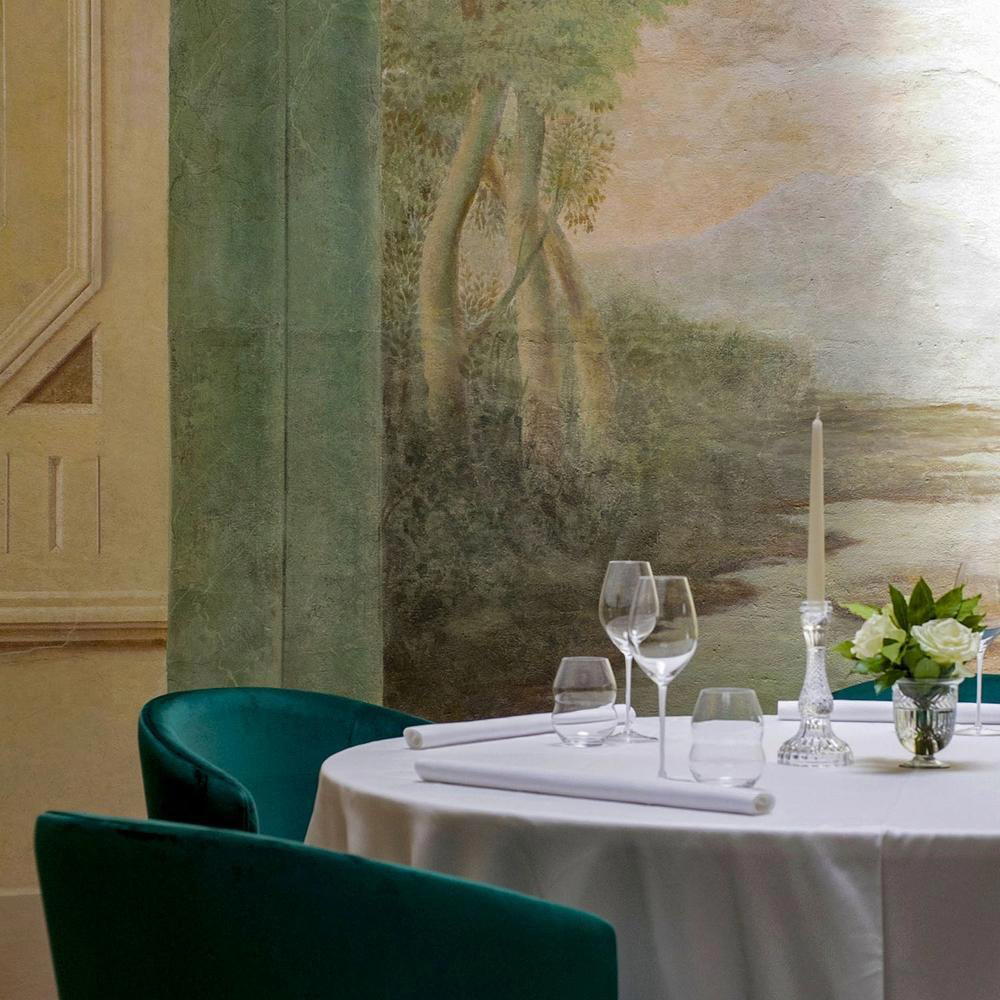
Inside Hotel Santa Caterina
Planning details
- Location
- Via Mauro Comite, 9, 84011 Amalfi SA
- Website
- hotelsantacaterina.it
- Phone
- +39 089 871012
The take
The Take
The Vibe
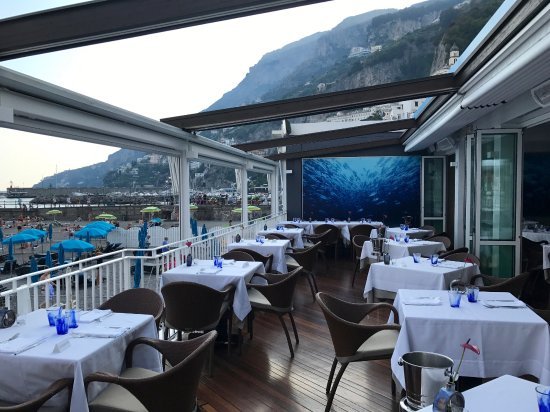
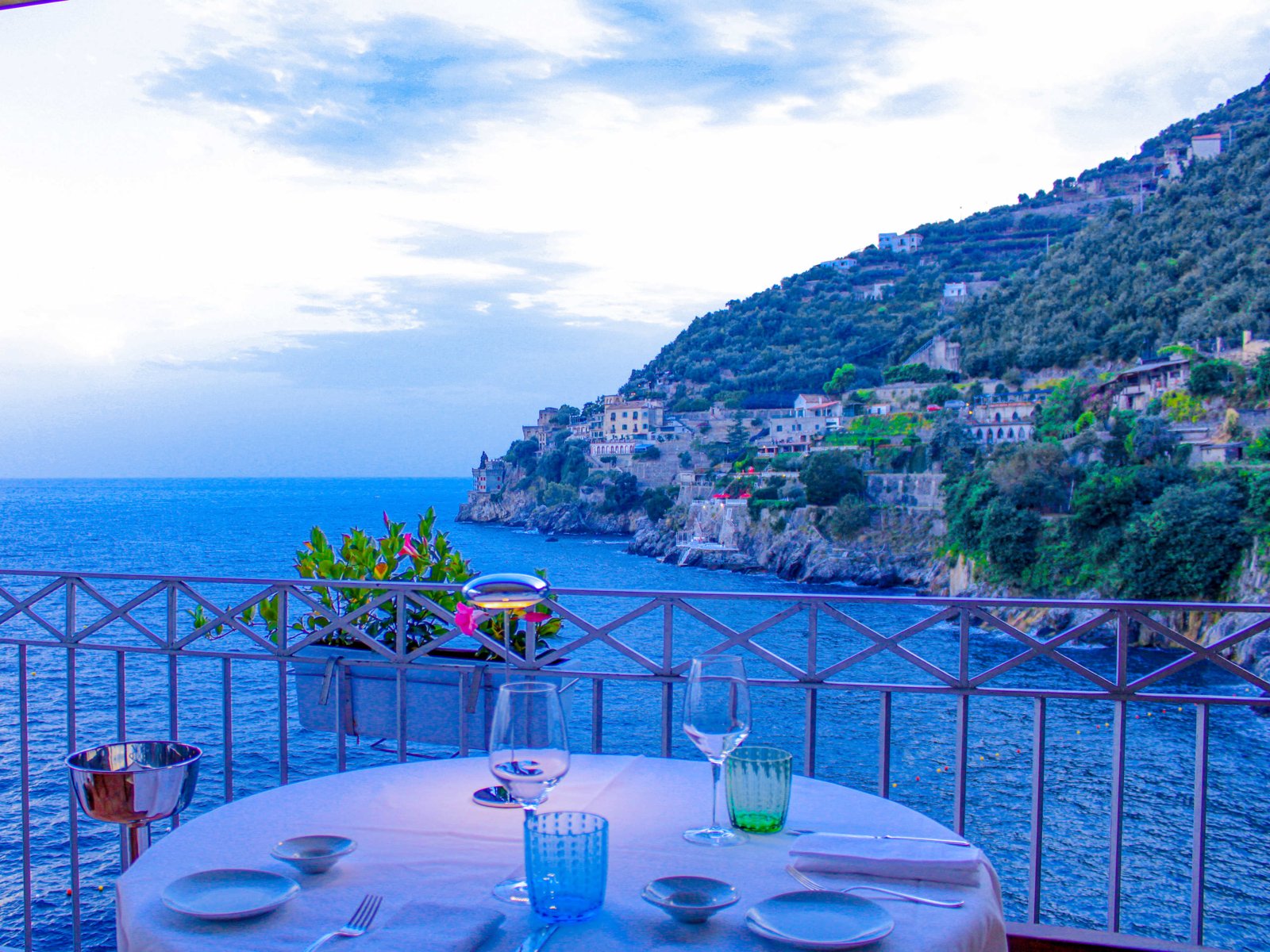
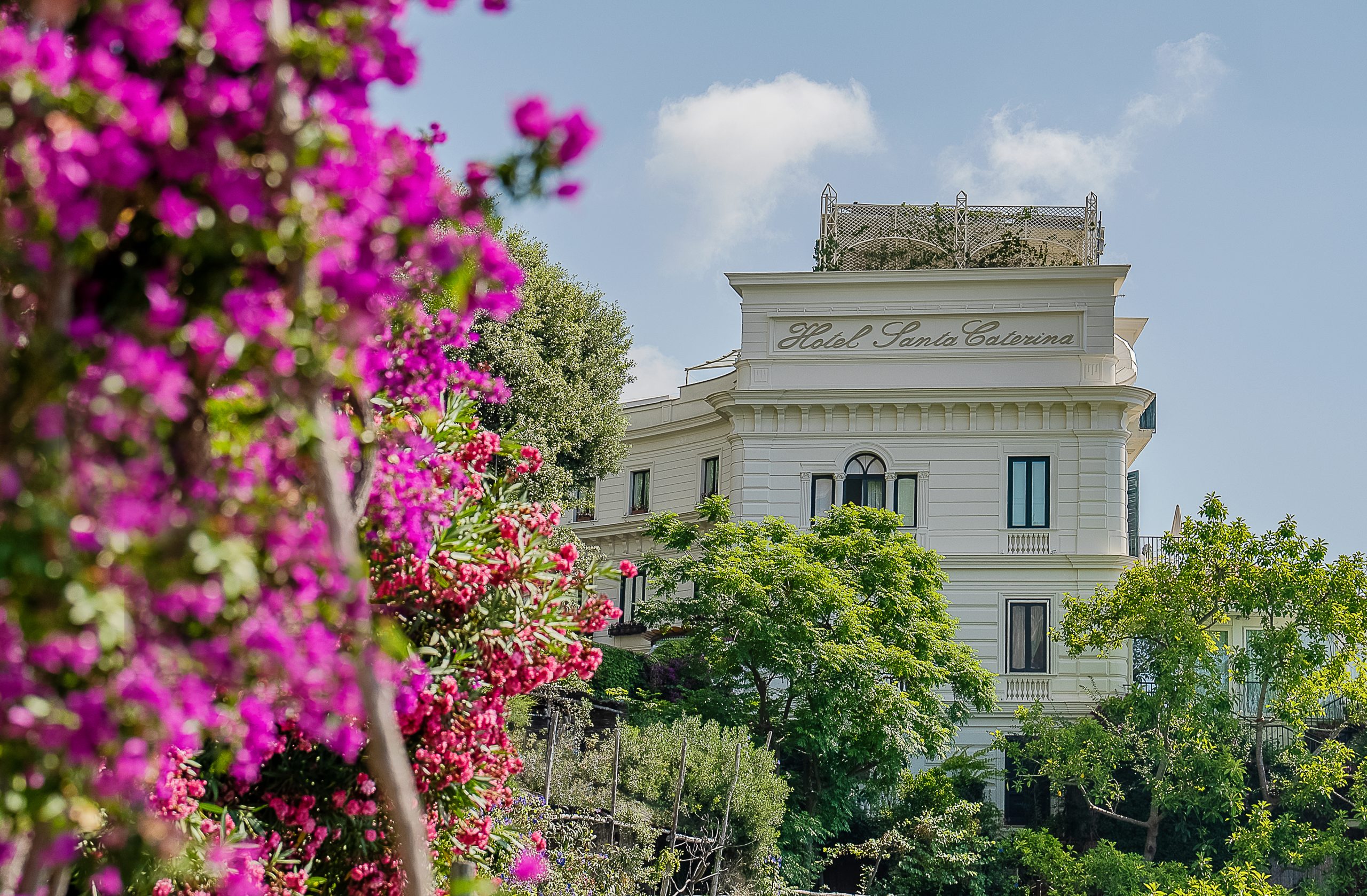
Hotel Santa Caterina reads like a cultivated piece of the Amalfi coastline: a liberty‑style villa founded in 1880, layered into the cliff with terraced gardens and long family stewardship. The property favors continuity over reinvention, so public rooms and outdoor promenades feel lived‑in and authentic rather than newly staged. The architecture and planting frame constant sea panoramas, and the sense of place comes from accumulated detail — tiled terraces, winding paths and views that make the cliffside position feel inevitable. The overall effect is quietly grand, historically rooted and quietly enchanting.
Best For
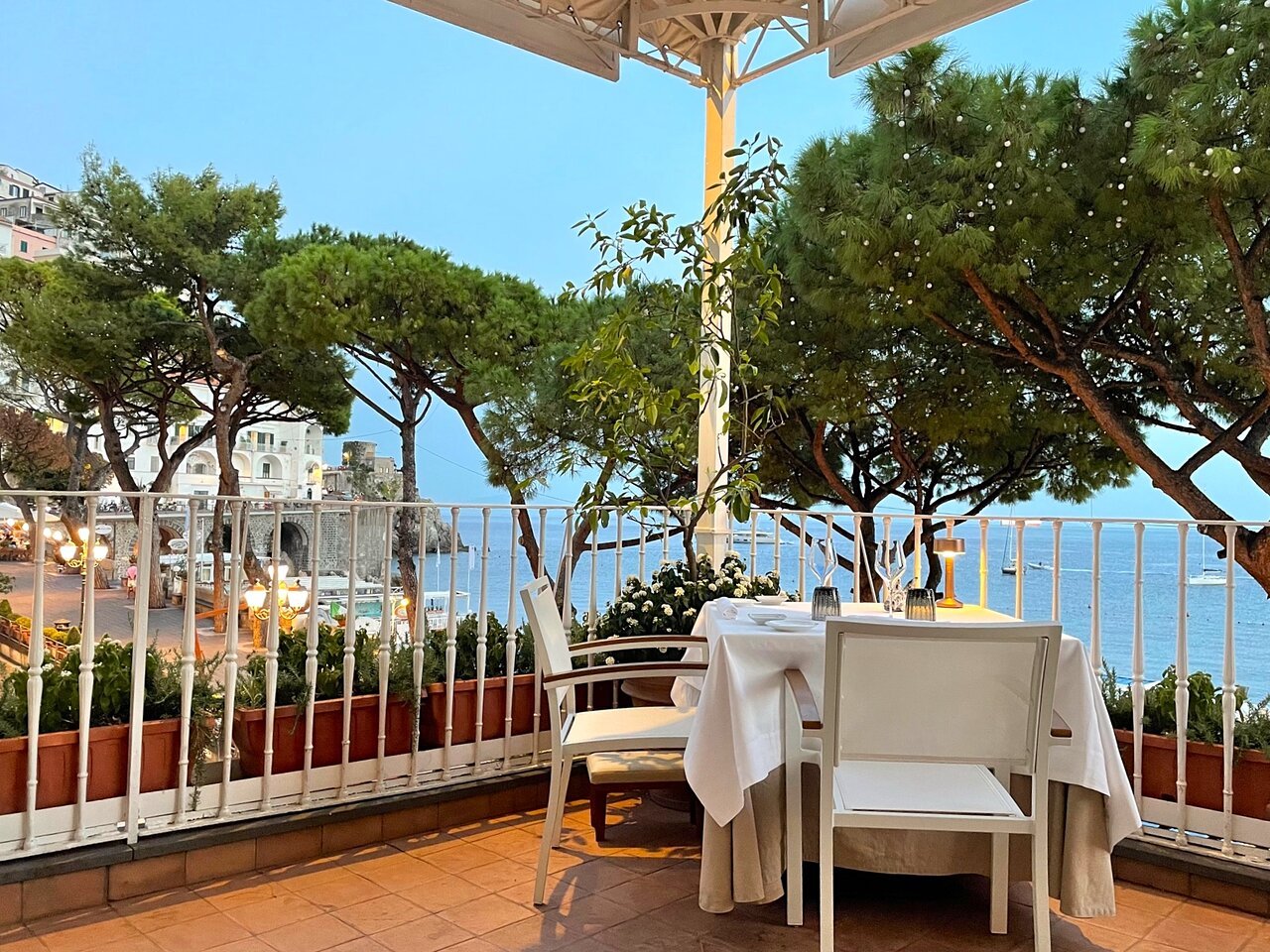
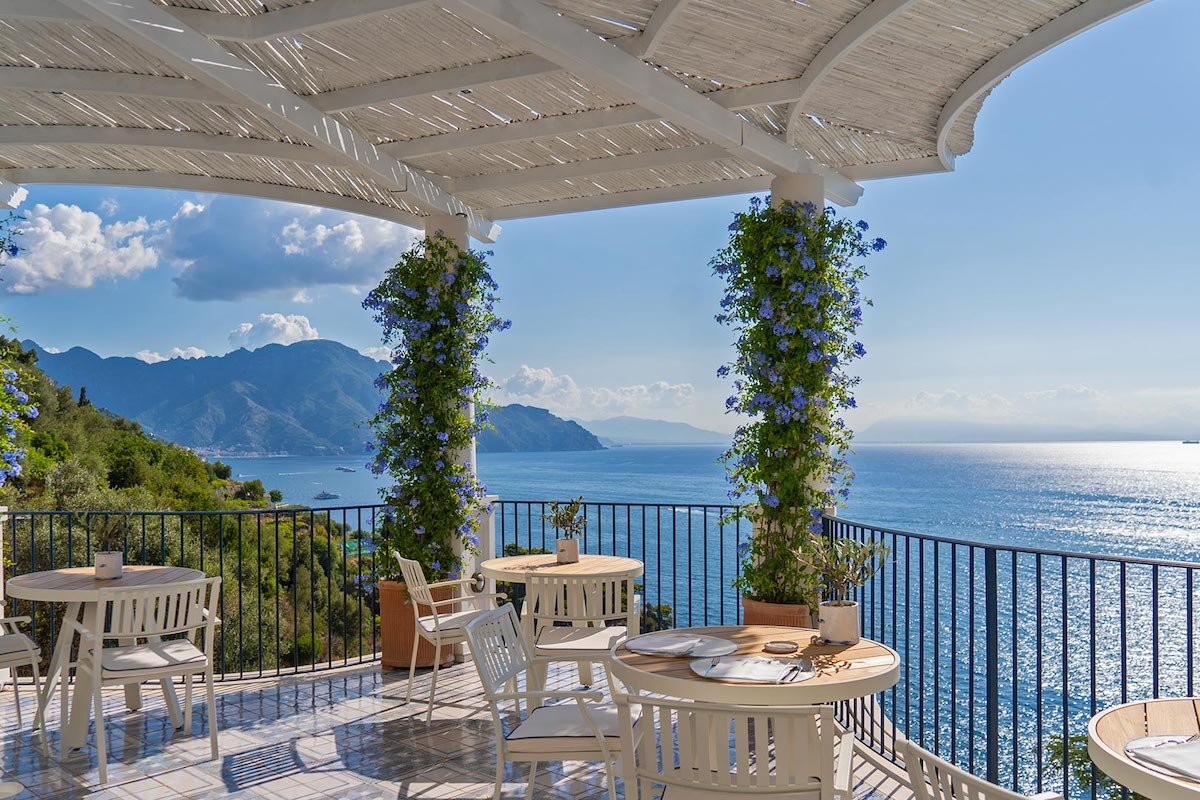
Santa Caterina suits guests who prize picturesque seclusion and heritage — couples on a honeymoon or anniversary, travelers seeking a refined weekend escape, and anyone marking a special occasion on the Amalfi Coast. The hotel sits a short walk from Amalfi town yet feels tucked into the cliff, offering panoramic sea views from terraces and gardens that encourage relaxed, contemplative stays. Its place in the region’s prestige tier and long family ownership make it a natural choice for travelers who want a classic, characterful coastal retreat rather than a contemporary boutique reset.
Venue details
Ambiance
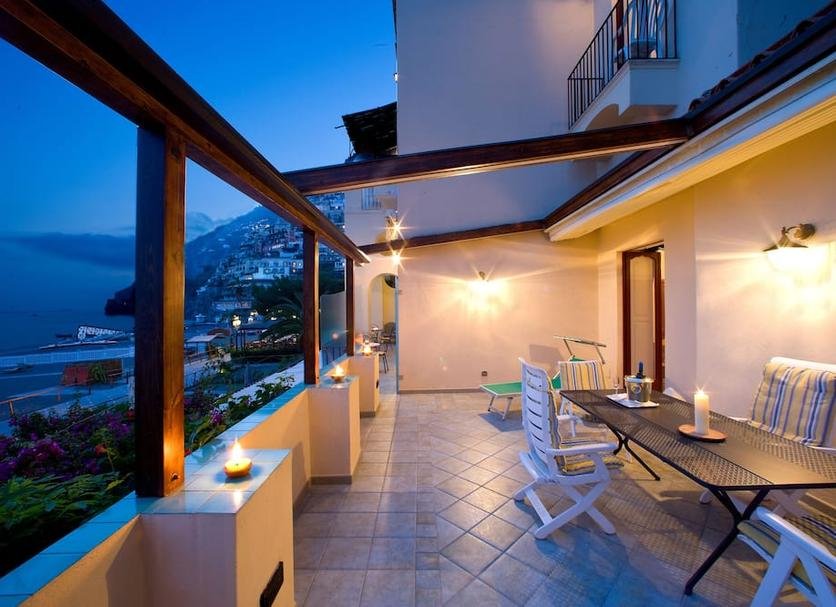
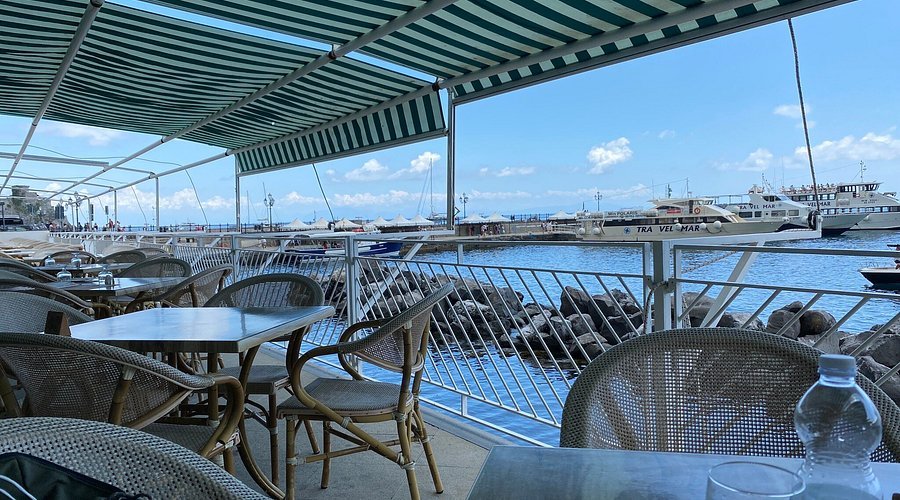
Elegant Mediterranean atmosphere with warm lighting, serene sea views from terraces, and a luxurious, relaxing vibe praised in guest reviews.
Tags
Vibe
Best For
Experience
Amenities
View
Accessibility
About the Stay
- Rooms
- 66
- Property Style
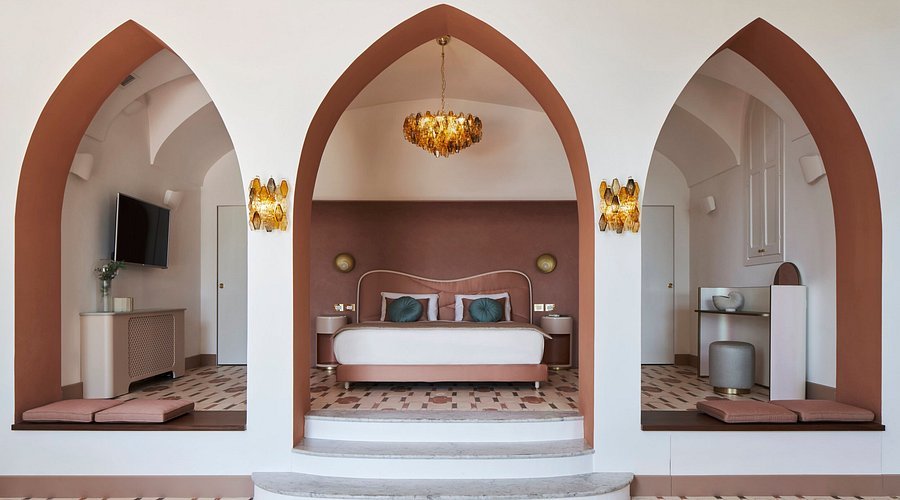
- 19th Century Liberty Style Main Building with Modern Annex
- Design Style
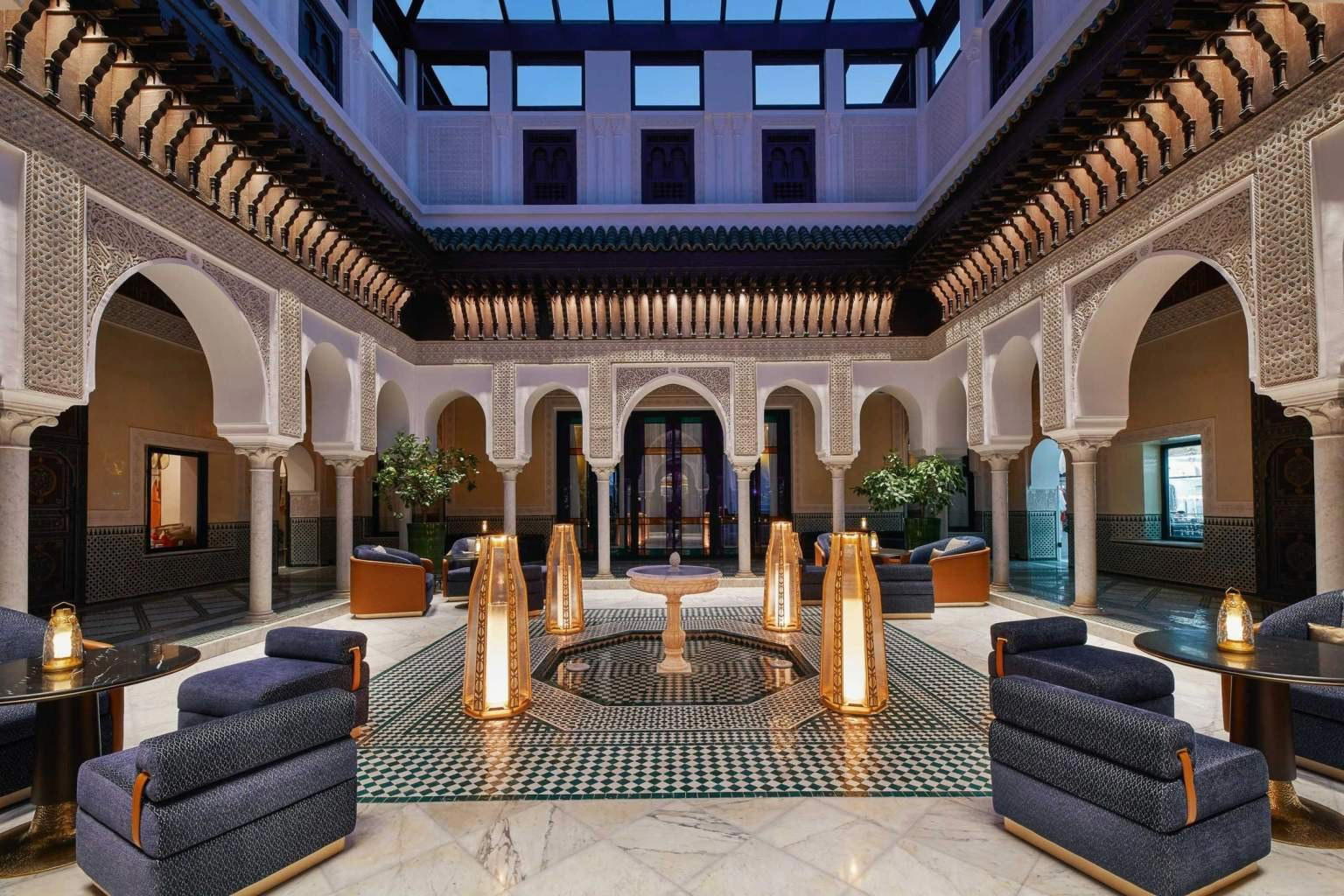
- Traditional Italian with Hand Painted Vietri Majolica Tile Floors and Precious Furniture
Know before you go
Know Before You Go
- Getting there
- Via Mauro Comite, 9, 84011 Amalfi SA
Planning details
Location
Recognition and awards






Also consider
Where to look if rooms are gone
Start with Borgo Santandrea if the trip is built around design, water access, and a more contemporary coastal feel. It is the closest substitute for a high-end Amalfi Coast stay with a strong sense of place.
Choose Hotel Miramalfi if staying close to Amalfi matters and the group wants something easier to frame as practical rather than ceremonial. For a quieter spa-led alternative, move Monastero Santa Rosa Hotel & Spa up the list.
Hotel context
How it compares on the Amalfi Coast
Hotel Santa Caterina is the stronger choice for a classic Amalfi celebration stay when awards, polish, and a town-adjacent coastal address matter. Hotel Miramalfi is the more practical cross-shop if you want an Amalfi-facing hotel that may feel less formal, while Anantara Convento di Amalfi Grand Hotel is better for travelers who like a larger branded resort feel and a historic-convent setting.
For ambiance, Monastero Santa Rosa Hotel & Spa is the quieter spa-led alternative, better for couples who want to retreat from Amalfi rather than use the town as an anchor. Borgo Santandrea is the sharper comparison for design-forward coastal luxury and beach-club energy, especially if the trip is built around sea access.
Palazzo Pascal is the value-minded alternative in this set: smaller in profile and less grand, but useful when budget and a quieter base matter more than trophy-hotel recognition. If the occasion is major and availability lines up, book Hotel Santa Caterina first; if the trip is flexible or family logistics are the priority, cross-shop Borgo Santandrea and Hotel Miramalfi early.
Explore Amalfi Coast
Around this place
Discover more on Pearl
Unlock the full Hotel Santa Caterina guide in Pearl, including awards, comparisons, FAQs, planning details, and nearby places.
Compare Hotel Santa Caterina
| Venue | Location | Awards |
|---|---|---|
| Hotel Santa Caterina | Amalfi Coast | 100 Most Incredible Hotels in the World · 20262026 Virtuoso Luxury Hotel Collection2026 Forbes 4-StarLeading Hotels of the World 20262026 La Liste Top Hotels2026 Michelin 2 KeysMichelin 2 Keys 20252025 Michelin 2 Keys2025 Conde Nast Hotels Gold List |
| Hotel Miramalfi | Amalfi | 2026 Mr & Mrs Smith Luxury Hotels2026 Michelin 1 Key2025 Michelin 1 KeySmall Luxury Hotels Member 2025 |
| Anantara Convento di Amalfi Grand Hotel | Amalfi | 2026 Virtuoso Luxury Hotel Collection2026 La Liste Top Hotels2025 Michelin Selected Hotels |
| Monastero Santa Rosa Hotel & Spa | Conca dei Marini | 2026 Virtuoso Luxury Hotel Collection2026 Mr & Mrs Smith Luxury Hotels2026 La Liste Top Hotels2026 Michelin 1 Key2025 Michelin 1 Key |
| Borgo Santandrea | Amalfi Coast | 2026 World’s 50 Best Hotels 51-100 · #842026 Virtuoso Luxury Hotel Collection2026 Mr & Mrs Smith Luxury Hotels2026 Relais Chateaux Hotels2026 La Liste Top Hotels2026 Michelin 3 Keys2025 World’s 50 Best Hotels · #532025 Michelin 2 Keys2025 Relais Chateaux Award |
| Palazzo Pascal | Scala | 2026 Michelin 1 Key2025 Michelin 1 Key2024 Michelin 1 Key |






How Hotel Santa Caterina Amalfi Coast compares with similar nearby venues.
FAQ
Frequently Asked Questions
How does Hotel Santa Caterina compare to nearby hotels?
Choose Hotel Santa Caterina if you want an Amalfi Coast luxury base backed by recognition including Michelin 2 Keys, Forbes 4-Star, and Leading Hotels of the World membership. Borgo Santandrea, Hotel Miramalfi, Anantara Convento di Amalfi Grand Hotel, Monastero Santa Rosa Hotel & Spa, and Palazzo Pascal are useful comparisons depending on the style of stay you want.
How is the dining at Hotel Santa Caterina?
Dining details are best confirmed directly with the hotel. Check Hotel Santa Caterina's official channels for the current restaurant concept, cuisine, menu format, and dining schedule.
How is the pool and spa at Hotel Santa Caterina?
Pool and spa details are best confirmed directly with the hotel. If those are priorities, compare with other Amalfi Coast luxury hotels such as Monastero Santa Rosa Hotel & Spa.
Is Hotel Santa Caterina family-friendly?
When is the best time to book Hotel Santa Caterina?
For a high-profile Amalfi Coast luxury hotel, early planning is sensible when dates are important. Hotel Santa Caterina's confirmed Michelin 2 Keys status, Conde Nast Gold List recognition, and Virtuoso Luxury Hotel Partner designation make it a property many luxury travelers will consider in advance.