



Herdade da Malhadinha Nova
Albernoa
Hotel in Albernoa, Portugal
 Book with Pearl
The Read
Estate-Rooted Agrarian Hospitality
Price
$300–500per night
Why go
Book Herdade da Malhadinha Nova when the goal is a polished rural Alentejo stay rather than a hotel used mainly for logistics. Its Michelin 1 Key, La Liste recognition, Relais & Châteaux award, and Virtuoso partner status make it a stronger fit for design-conscious leisure trips than quick business stops or nightlife-led itineraries.
About Herdade da Malhadinha Nova
Herdade da Malhadinha Nova is a hotel in Albernoa with several luxury-travel credentials. Recognition includes Michelin 1 Key (2025), La Liste Top Hotels (2026) with 91.5 points, a Relais Chateaux Award (2026), and Virtuoso Luxury Hotel Partner status (2026). Dress code is smart casual.
Herdade da Malhadinha Nova is a credentialed Albernoa hotel. Travelers interested in specific dining formats, room categories, activity programs, or service styles should confirm current details directly with the property before booking.
Book it for the hotel credentials
The strongest reason to consider Herdade da Malhadinha Nova is its recognition. Michelin 1 Key, La Liste Top Hotels scoring, Relais Chateaux recognition, and Virtuoso Luxury Hotel Partner status place it in a more credentialed hotel set than a stay selected only by location.
That does not mean every traveler should book it. It means the right guest should treat the hotel as a premium Albernoa option and confirm the practical details that matter for the trip: current room types, dining availability, arrival logistics, and any special requirements.
Who should choose it, and who should cross-shop
Choose Herdade da Malhadinha Nova if recognition is a major part of the decision and Albernoa is the desired base. Cross-shop Viceroy at Ombria Algarve if another hotel option is under consideration. Look at Pa.te.os, Craveiral Farmhouse, or Quinta do Paral if comparing other stays with a different feel. Herdade da Malhadinha Nova stands out in this set for the specific recognition listed above.
For a careful booking decision, use the accolades as a starting point rather than a substitute for current details from the hotel. Guests who need specific dining arrangements or other Albernoa plans should also broaden the search through our full Albernoa restaurants guide.
Inside Herdade da Malhadinha Nova
 restaurantRestaurantCreative cooking in rural Beja is less about urban theatre than estate logic: vineyards, vegetable gardens, olive trees and beehives shaping the table. Restaurant at Herdade da Malhadinha Nova gives Chef Joachim Koerper a distinctly Alentejo frame, where oils, honeys and seasonal vegetables carry as much weight as technique.
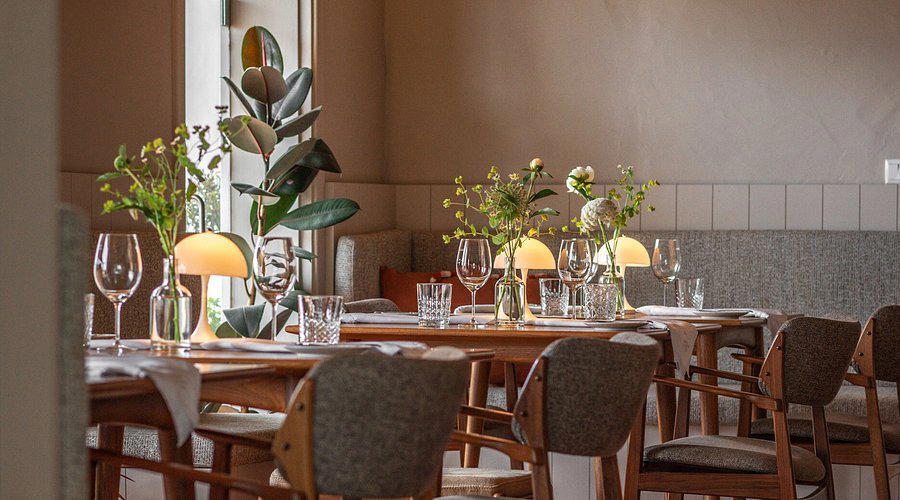 restaurantMalhadinha NovaSet within a working agricultural estate in the Alentejo interior, Malhadinha Nova holds a Michelin Green Star (2024) and Michelin Plate (2025) for kitchen work that draws directly from the estate's vineyards, organic farm, and olive groves. Chef Joachim Koerper applies contemporary technique to hyper-local Alentejo ingredients. The estate is roughly 33 km from Beja and 188 km from Lisbon, accessible by car via the A2.
Planning details
- Location
- Herdade da Malhadinha Nova, 7800-601 Albernoa
- Website
- malhadinhanova.pt/pt
- Phone
- +351 284 965 432
The take
The Take
The Vibe
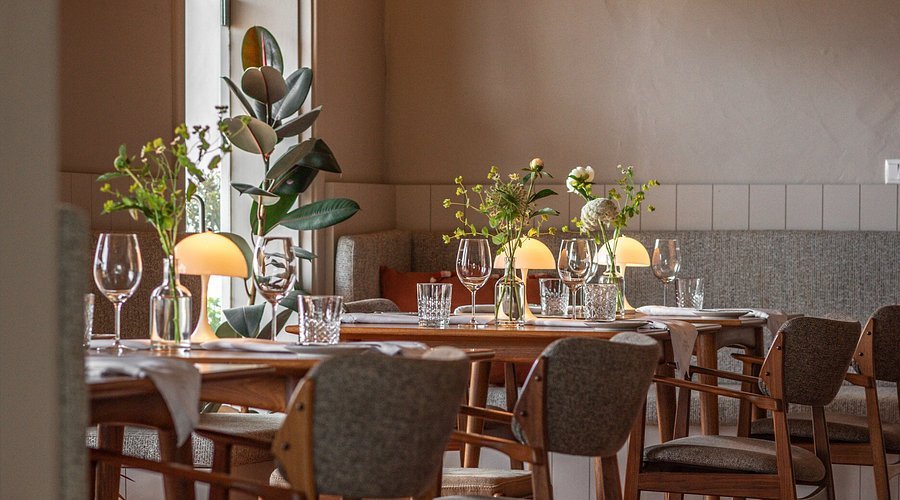
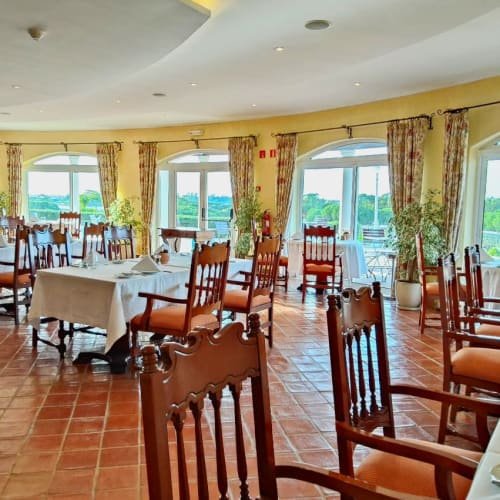
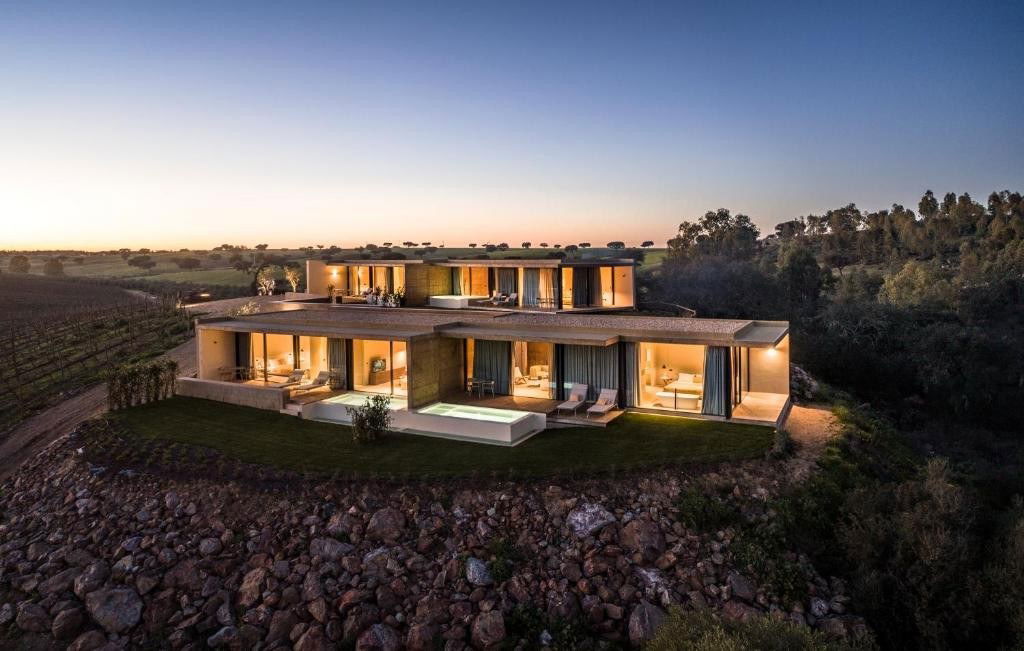
Herdade da Malhadinha Nova presents a quietly assured countryside retreat that reads as an honest extension of the Alentejo plain. Architecturally restrained and rooted in local tradition, the estate favors terracotta floors, high wood-beamed ceilings and whitewashed walls that respond to the region’s hard light and wide horizons. Rather than a single hotel block, the property is a loose constellation of villas embedded in vineyards and olive groves, which yields an intimate, low-key rhythm and an austere elegance. The overall effect is serene and measured: a thoughtful rural escape that foregrounds landscape and solitude over theatrical design flourishes.
Best For
With just 23 rooms and suites spread across multiple villas and 744 hectares of working vineyards and olive groves, Malhadinha Nova is best for travelers seeking a secluded country escape. It suits couples and small groups looking for privacy and quiet—honeymooners and anniversary guests will appreciate the intimate, residential feel—while anyone after a weekend escape or a restorative wellness-focused break finds the scale and setting amenable. The property’s farmed landscape and dispersed accommodation make it particularly well matched to travelers who value slow, contemplative stays in a scenic, agricultural setting.
Stay Tips
Because accommodations are dispersed across several villas, request a villa-style room if you want a more residential, private stay; the description highlights that rooms and suites are distributed rather than concentrated in a single block. Choose a room that faces the estate’s vineyards or olive groves when booking to maximize the rural outlook that defines the property. Expect a quiet environment—the copy explicitly describes measurable silence and wide horizons—so plan logistics (arrival timing, transport) with the small scale of the estate in mind.
Venue details
Ambiance
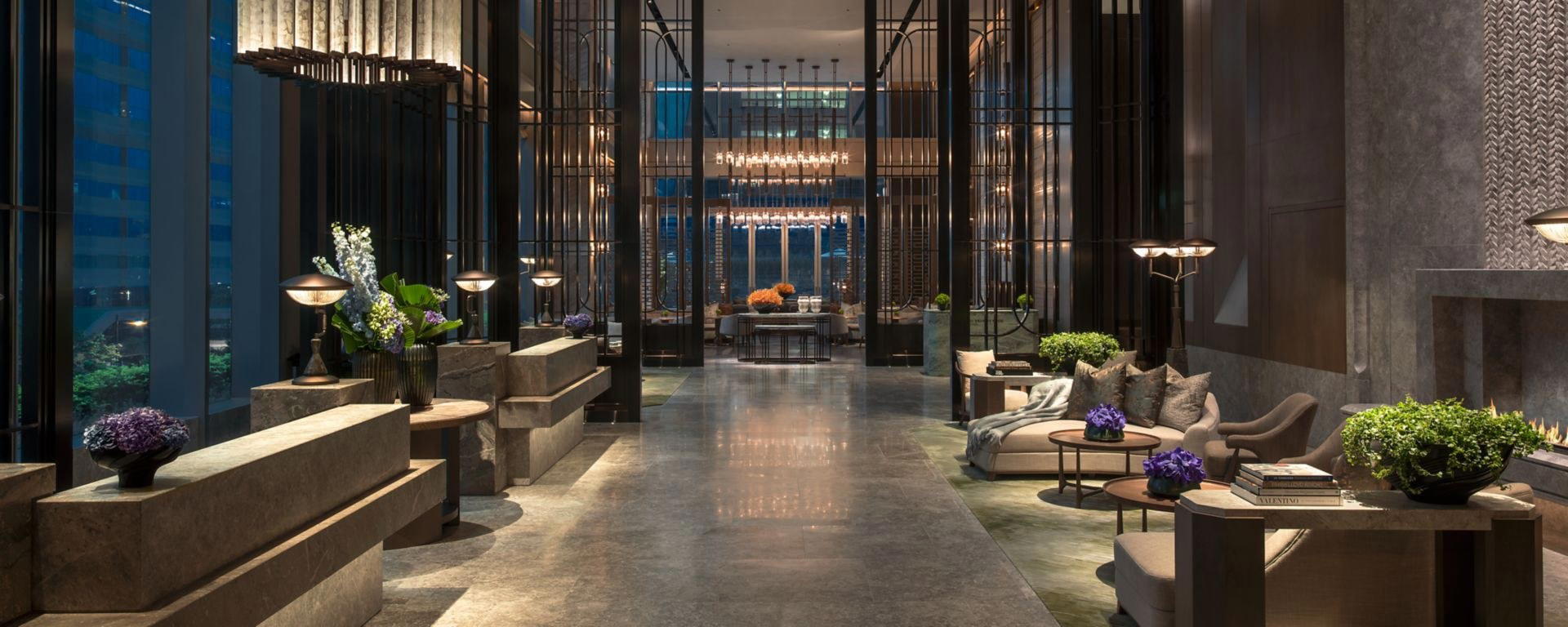
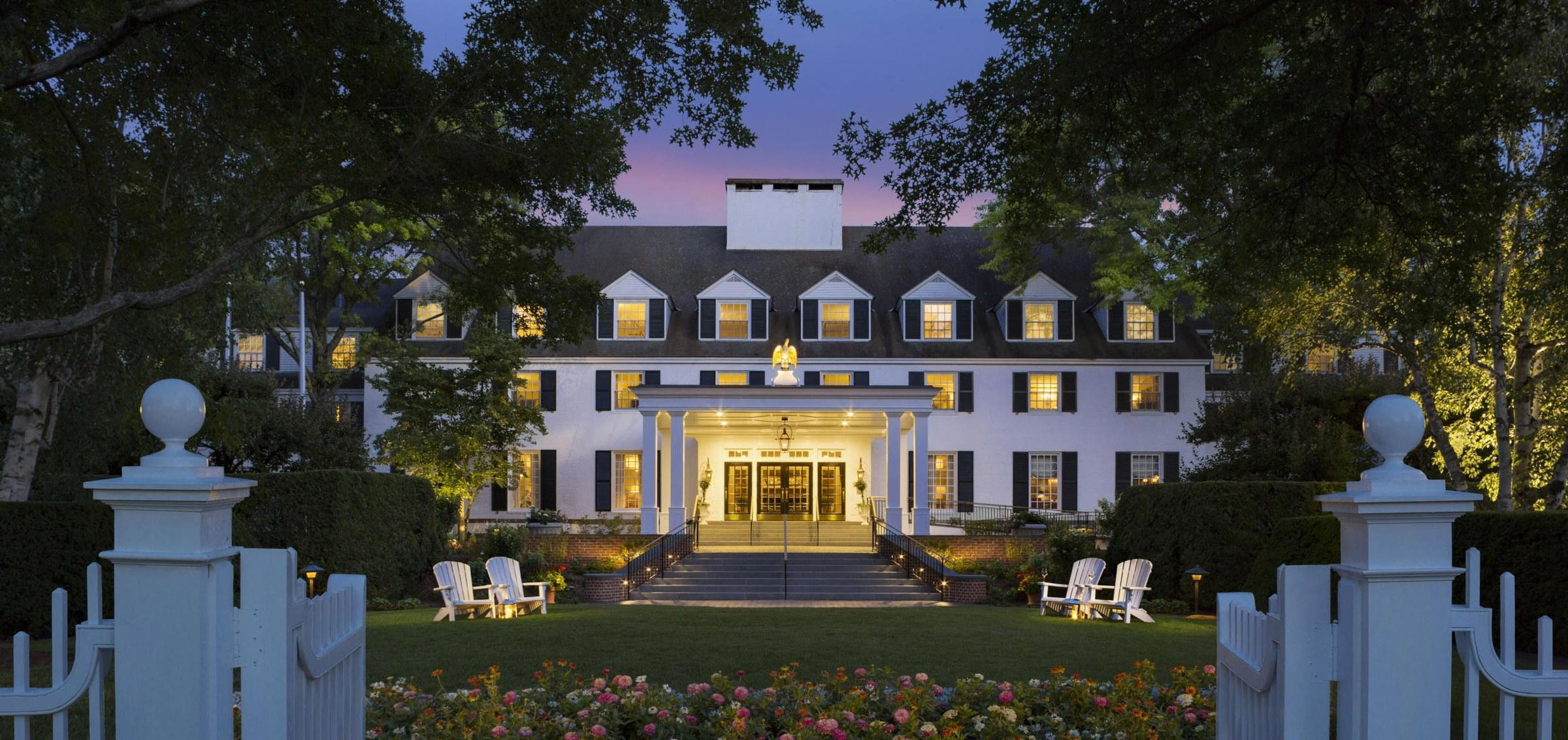
Tranquil rural setting with natural light, sophisticated yet authentic atmosphere emphasizing luxury, nature integration, and personalized hospitality.
Tags
Vibe
Best For
Experience
Amenities
View
About the Stay
- Rooms
- 26
- Check-in
- 15:00
- Check-out
- 12:00
- Property Type
- Boutique hotel
- Property Style
- Rustic Luxury Wine Estate with Private Villas and Country House
- Design Style
- Authentic Alentejo with Modern Designer Elements
- Pool
- Yes
- Spa
- Yes
- Cancellation
- Moderate
Know before you go
Know Before You Go
- Getting there
- Herdade da Malhadinha Nova, 7800-601 Albernoa
Planning details
Location
Recognition and awards



Also consider
If this is not the right fit
Cross-shop Viceroy at Ombria Algarve if the trip needs resort infrastructure and Algarve positioning. Choose Craveiral Farmhouse if the group wants a more casual countryside base with a family-friendly feel.
Hotel context
How it compares
Herdade da Malhadinha Nova is the award-signaled rural luxury pick in this set. Choose it over Quinta do Paral if the priority is a more polished hotel stay with stronger recognition credentials; choose Quinta do Paral if the brief is wine-country context with a potentially simpler feel.
Viceroy at Ombria Algarve is the better cross-shop for travelers who want resort structure and Algarve access. Herdade da Malhadinha Nova is better for guests who want Alentejo quiet and an estate-led atmosphere, while Pa.te.os should be on the list for a more design-forward coastal stay.
Craveiral Farmhouse is the easier recommendation for a relaxed family-style countryside break. Herdade da Malhadinha Nova is the stronger splurge when the trip is built around privacy, setting, and hotel recognition rather than broad resort facilities.
Explore Albernoa
Around this place
Discover more on Pearl
Unlock the full Herdade da Malhadinha Nova guide in Pearl, including awards, comparisons, FAQs, planning details, and nearby places.
Compare Herdade da Malhadinha Nova
| Venue | Location | Awards |
|---|---|---|
| Herdade da Malhadinha Nova | Albernoa | 2026 Virtuoso Luxury Hotel Collection2026 Relais Chateaux Hotels2026 La Liste Top Hotels2026 Michelin 1 KeyMichelin 1 Key 20252025 Relais Chateaux Award2025 Michelin 1 Key |
| Quinta do Paral | Vidigueira | Leading Hotels of the World 20262026 Michelin 2 Keys2025 Michelin 2 Keys |
| Viceroy at Ombria Algarve | Ombria | No published awards |
| Viceroy at Ombria Algarve | Loulé | No published awards |
| Pa.te.os | Melides | No published awards |
| Craveiral Farmhouse | Sao Teotonio | No published awards |



How Herdade da Malhadinha Nova compares with similar nearby venues.
FAQ
Frequently Asked Questions
Which room category is best at Herdade da Malhadinha Nova?
Room types or categories are not listed. Use the hotel's recognition, including Michelin 1 Key (2025), as a quality signal, then confirm current room details directly with the property.
Is Herdade da Malhadinha Nova good for business travel?
While Michelin 1 Key (2025) and Virtuoso Luxury Hotel Partner status (2026) are noted, business facilities, meeting rooms, or corporate services are not specified. Business travelers should confirm practical requirements directly with the hotel.
How is the location of Herdade da Malhadinha Nova?
Herdade da Malhadinha Nova is in Albernoa. A street address or further location details are not provided, so confirm arrival logistics directly with the property.