Ytri Island Retreat opened in April on Husøya, one of 477 islands in Norway's Træna archipelago. Book it if you want a remote Nordic hotel with a measurable local impact; skip it if you need easy transfers, known rates, or a resort that lets you outsource every decision. The hotel has 38 rooms and suites and is reached by a 112-mile ferry journey from Bodø, with Træna's population up almost two percent since opening (Cntraveler1).
Why Ytri Island Retreat Matters Beyond Luxury Hospitality
Ytri Island Retreat is not interesting because it is hard to reach. Plenty of expensive hotels use distance as a sales tool. Ytri matters because the hotel appears to be functioning as local infrastructure, not just a remote place with good sheets. The reported population increase, almost two percent since the April opening, is the fact to watch. For a small island community, that is not a mood-board metric. It points to jobs, returnees, new suppliers, and a reason for people to stay.
The booking decision is therefore sharper than usual. If you treat hotels as trophies, Ytri may frustrate you: the ferry from Bodø is part of the commitment, not a charming inconvenience. If you care about whether luxury travel can put money and work into a place without flattening it, Ytri belongs on your Norway short list. The hotel asks more of the guest than a city palace hotel in Oslo or a mainland spa property, but the trade is clear: less convenience, more connection to the community that built the idea.
The comparison that matters is not with another five-star Nordic room. It is with Lofoten-style northern Norway travel, where demand can outgrow the small places visitors came to see. Ytri is better suited to travelers who want a contained, lower-volume island stay; Lofoten is easier if you need broader transport options and more tourism infrastructure. That makes Ytri a harder sell for first-timers doing a fast Norway itinerary, and a better fit for repeat Nordic travelers who have already done the obvious route.
The Træna Context: Fishing Decline, 477 Islands, One Hotel Bet
The hotel did not start as an outside developer's fantasy. Locals began discussing a luxury hotel about a decade ago as the regional fishing industry thinned out. The municipality and local development company Træna 365 then worked on alternative futures for the archipelago. That origin story matters because it changes the reader's risk assessment. You are not booking a resort that landed on an island because the views looked good in a pitch deck. You are booking a project that grew out of a community trying to replace lost economic gravity. Cntraveler).
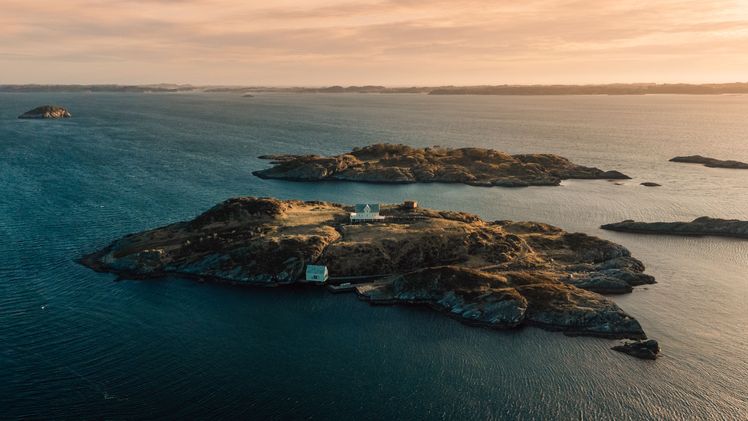
Husøya sits within the Træna archipelago, a chain of 477 islands. Ytri uses that geography as both filter and asset. A 38-room retreat here will never behave like a large coastal resort, and that is the point. The ferry distance from Bodø limits the casual visitor. The island setting limits scale. For guests, that means fewer fallback options if weather, timing, or energy levels shift. For the community, it means the hotel's footprint has to work with local life rather than overwhelm it.
The investors, Asle Helgheim and Ellen Hestenes, came on after six years of planning. Their background includes an existing Swedish spa hotel, which is useful but not the whole story. A spa-hotel owner can bring operational discipline, hiring experience, and an understanding of high-spend guests. Ytri still has to answer a different question: can a luxury hotel on Husøya make sense when the access, materials, food supply, and staffing are tied so closely to the island? Cntraveler).
That is the reason this opening has more weight than another Nordic design hotel. The April opening is already tied, in reported figures, to a population increase. Watch that number over the next few seasons. If it holds, Ytri becomes a case study for how a small island can use hospitality without handing over the place to it.
How Local People and Materials Carry the Project
Ytri Island Retreat's design makes its strongest argument in materials, not slogans. Bonaparte Interiør designed the interiors using local materials, including terrazzo made from island sand, stone, and shells. That is the detail to care about. It gives the hotel a local supply story that is specific to Husøya, rather than a generic Nordic palette imported by container.
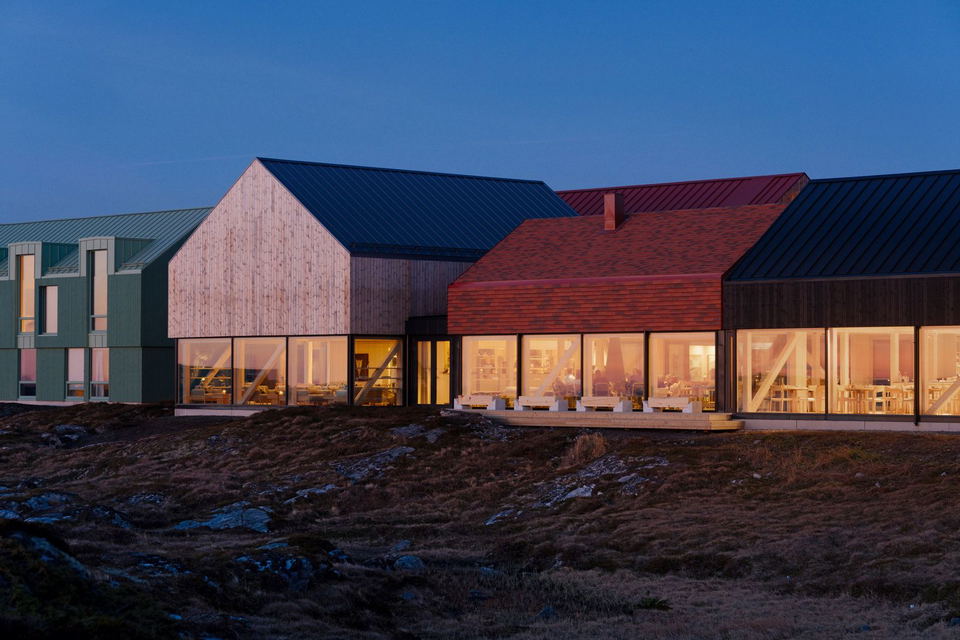
The exterior also avoids the anonymous glass-box problem. The buildings are modeled after fishermen's dwellings and use garnet, mint, and silver colors. That matters for two reasons. First, it keeps the hotel visually tied to the working architecture of the archipelago. Second, it reduces the sense that the retreat is a foreign object dropped on the shoreline. If you are choosing between a remote retreat that looks transferable and one whose buildings speak the island's own language, Ytri makes the stronger case.
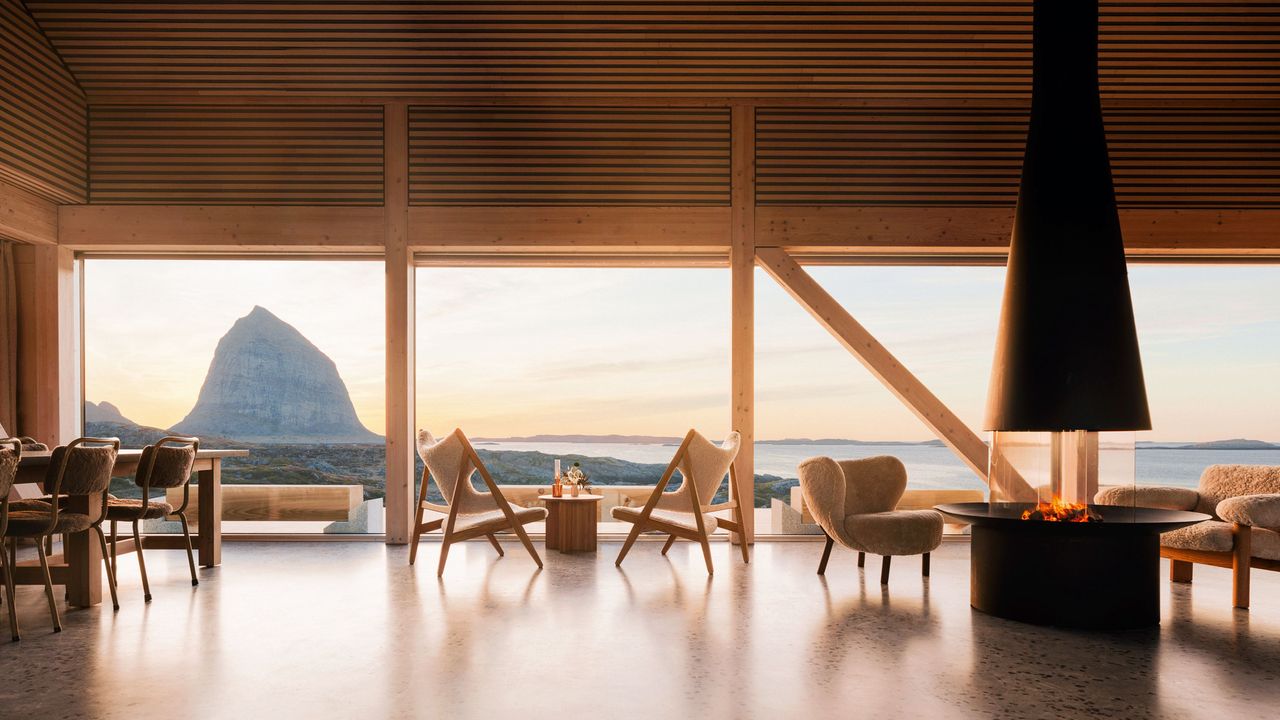
Inside, the 38 rooms and suites are simple, even monastic. Expect pale wood, high pitched ceilings, Norwegian wool cushions and blankets in dark blues and grays, ceramic vases, dried flowers, and a bioelectric fireplace in at least one suite. This is not the right booking if your idea of luxury requires maximal marble, gold hardware, and staff hovering in the corridor. It is the right booking if restraint, local texture, and silence are more persuasive than ornament.
The best design detail is the one underfoot: terrazzo made with sand, stone, and shells from the island. That is more useful to know than any broad claim about sustainability. It tells you the hotel has turned local matter into daily guest contact. You walk on the island before you step outside.
Guest Experience: What a Stay at Ytri Island Retreat Includes
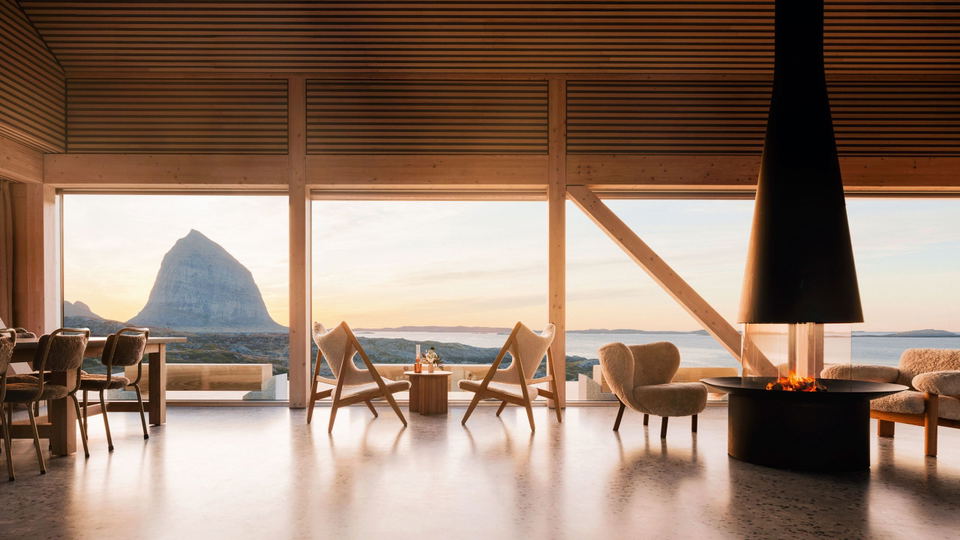
The guest experience at Ytri Island Retreat is built around looking outward. Floor-to-ceiling windows in every room face Trænstaven mountain on Sanna island opposite. That is the room decision in one sentence. You come for the outlook, the water, the mountain profile, and the sense that the architecture has been edited down so the island can do the work.
Do not book Ytri if you need a packed resort schedule. Guided activity, custom speedboats, and island-linked food sourcing define the hotel instead. Anders Budde, a water engineer who moved to Træna seven years ago, works as one of the hotel's two activity guides and free-dives for scallops and kelp served in the restaurant. That is the sort of operational detail affluent travelers should care about. It connects the restaurant, the activity program, and the local labor story in one person. Cntraveler).
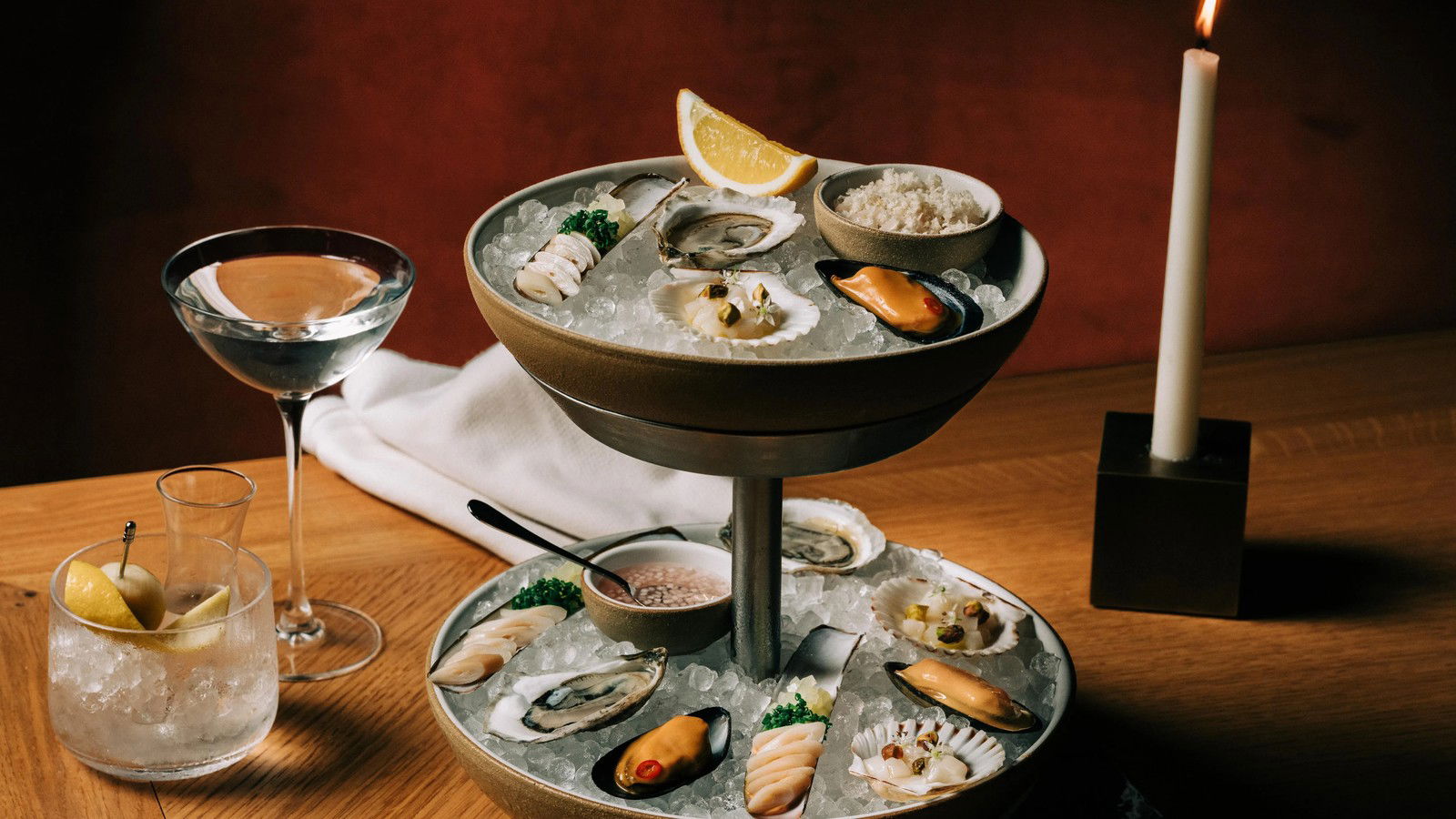
The food angle is promising because it is specific. Treat the restaurant as part of the place rather than the sole reason to travel. Scallops and kelp harvested from the ocean bed by a hotel guide give the kitchen a clear local hook; they do not yet show whether dining alone justifies the journey.
For Pearl readers, the better question is group fit. Ytri sounds strongest for couples, small adult groups, and design-minded travelers who can enjoy weather, ferries, and a slower pace. It is less convincing for a multigenerational group with mixed mobility needs unless the hotel confirms transfer support, room layout, and activity flexibility before money changes hands. With only 38 rooms and suites, do not assume you can solve those details late.
Practical Details: Booking, Pricing, and Access
The practical headline is the 112-mile ferry journey from Bodø. That distance is not decoration. It defines who should book. If you are flying into Norway for a short city-and-fjord itinerary, Ytri will consume too much planning bandwidth. If northern Norway is the point of the trip, and you are willing to build the schedule around ferry access, the retreat becomes far more compelling.
Before booking flights, ask the hotel for current room categories, transfer instructions from Bodø, ferry timing, weather contingencies, restaurant format, and what activities can be arranged during your dates. For a remote hotel, the smartest luxury move is not the room upgrade. It is controlling logistics before you arrive.
The access filter is also part of the value proposition. A hotel that requires a ferry from Bodø will naturally screen out the casual luxury traveler chasing a quick photo stop. That gives Ytri a better chance of keeping the scale sane for Husøya. It also means you should not treat this as a spontaneous add-on after Oslo, Bergen, or a cruise segment unless the transfer math has already been checked.
Compared with a mainland spa hotel, Ytri is the less efficient choice. Compared with a remote lodge that feels detached from its host community, it is the more interesting one. The investors' Swedish spa-hotel experience suggests they know how to run a hospitality operation, but the stronger reason to track Ytri is the local origin: the municipality, Træna 365, island materials, and activity guides are not decorative footnotes. They are the model.
Who Should Book Ytri Island Retreat Now
Book Ytri Island Retreat if you want your Norway trip to center on place, not convenience. The retreat suits travelers who can spend enough time in northern Norway to make the ferry journey feel deliberate, who prefer 38 rooms to resort scale, and who understand that remote hotels demand flexibility. If you need a guaranteed spa-first holiday with easy transfers and published package clarity, wait until more operating details are public or choose a mainland property.
The opening also deserves attention from hospitality insiders. Ytri gives the industry a clean test case: a luxury hotel born from local planning in a fishing community, backed by investors with spa-hotel experience, designed with island materials, and already linked to a reported population rise. That does not prove long-term success. It does make Ytri one of the more useful Nordic openings to follow because the stakes are visible outside the guest room.
The next thing to watch is whether the April momentum survives beyond opening attention. If Træna keeps adding residents, if local supply lines deepen, and if Ytri's 38 rooms stay aligned with the pace of Husøya, this retreat will matter well beyond Norway's remote-hotel circuit.