Villa Dorothéa Lisbon has opened in Lapa as a 20-room hotel set across five interconnected houses dating to 1878. Book it if you want a residential stay built around courtyards, footpaths, and a 25-seat gastrobar; skip it if you need a formal lobby, big-hotel scale, or full-service hotel choreography from the curb (Breakingtravelnews) (Breakingtravelnews1).
Lisbon has no shortage of high-design hotels, but Villa Dorothéa is selling a different rhythm: five former fishermen-family houses, no formal arrival hall, and a layout that moves guests through Portuguese stonework rather than a reception desk. If you want a residential stay in Lapa over lobby life, put it on your shortlist. If you need a concierge desk and a defined entrance sequence, book elsewhere (Breakingtravelnews1).
No Lobby, No Formal Arrival: What That Means for Your Stay
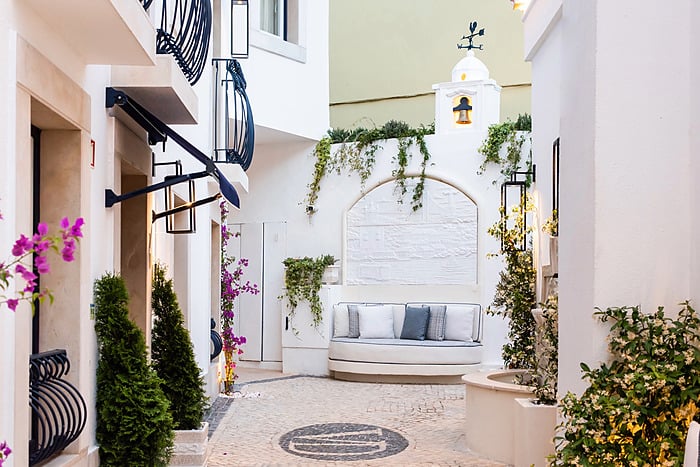
Villa Dorothéa Lisbon is not the hotel to book for a marble check-in counter and a lobby scene. According to the opening announcement, the property has no formal lobby, and guests move through footpaths paved with traditional Portuguese stonework. That one detail tells you how to decide: this is for travelers who would rather feel housed inside a small Lisbon enclave than processed through a conventional five-star arrival sequence.
The scale is the main selling point. Twenty rooms across five interconnected houses means scarcity without the forced preciousness that often comes with small hotels. You are not booking a resort with layers of amenities. You are booking a compact residential property where the physical experience, courtyards, terraces, passageways, stone, tile, and light, carries the stay. Compared with a classic palace-style Lisbon hotel, Villa Dorothéa should be better for privacy and a slower morning. It will be less suited to guests who want a large lobby bar, a visible concierge desk, and a full public-area circuit.
The risk is service expectation. A hotel can remove the formal lobby and feel intimate, or it can feel under-supported if the handoff is not handled well. Do not book blind if you care about those details. Ask how arrival works, whether staff meet guests at the entrance, and how luggage moves through the property. At 20 rooms, those operational details matter more than they would at a larger hotel (Breakingtravelnews).
The 1878 Fishing Hamlet Is the Point
The houses date back to 1878 and were originally home to families of Lisbon's fishermen, according to the opening materials. That history gives the hotel a cleaner reason to exist than another design-led conversion. The property is not just borrowing local references; it is using the structure of a former hamlet as the hotel plan (Breakingtravelnews).
The source describes five interconnected houses, cobbled pathways, quiet courtyards, terraces, ceramic tributes to the area's fishing heritage, and historic tiled plaques. Those are the details that should shape your booking decision. If you are the traveler who spends more time reading a building than ordering room service, this is the attraction. If you judge a hotel by room size, bathroom hardware, and a long amenity list, the available facts are not yet enough.
There is also a practical upside to this kind of restoration: the hotel gives you a reason to stay in the property without feeling trapped in a hotel. The footpaths and semi-public passageways, described in the source as still tied to the city's cadastre, point to a place that keeps some of its village logic. That is more interesting than a sealed-off luxury compound. It also means guests should expect quirks. Interconnected historic houses rarely behave like new-build hotels. Before booking, ask about stairs, room access, noise between buildings, and whether specific rooms face courtyards, pathways, or terraces.
The name adds another layer without needing mythmaking. Villa Dorothéa is named after Dorothéa, the daughter of the building's original landlord. That fact will not change your sleep quality, but it does suggest the project wants to preserve a domestic identity rather than flatten the site into generic hospitality branding.
Why Lapa Works for This Hotel
Lapa is one of Lisbon's oldest historic quarters and the right neighborhood for this concept because it is residential, old, and close enough to the Tagus River to keep the city's maritime history in view. The source places Villa Dorothéa between Lapa, Santos, and the Tagus River, which gives guests a base that is not trying to compete with Lisbon's busiest hotel zones. That matters if you already know the city and want a less obvious stay.
The opening material notes that, from the 16th century onward, the area became associated with palaces and estates of noble families and prosperous merchants. It later attracted embassies and diplomatic residences in the early 20th century. For a traveler, the takeaway is simple: this is not a nightlife-first address. It is a neighborhood for returning to, not necessarily for staging every hour of the trip around the hotel entrance (Breakingtravelnews1).
Compared with staying closer to the thickest tourist flow, Villa Dorothéa should make more sense for second or third Lisbon trips. First-timers who want every landmark within a short walk may prefer a more central hotel. Repeat visitors, design buyers, and couples who want a quieter base should find the Lapa setting more persuasive. The property's location between Lapa, Santos, and the river gives it access to city life without forcing guests into the most trafficked hotel corridor.
The hotel's no-lobby structure also makes more sense in Lapa than it would in a business district. A lobby-free hotel in a high-turnover commercial area can feel inconvenient. In a residential quarter, it can feel coherent. You are meant to arrive into a set of houses, not a public stage. That is the sell.
Rooms, Interiors, and the LACASTA Design Signal
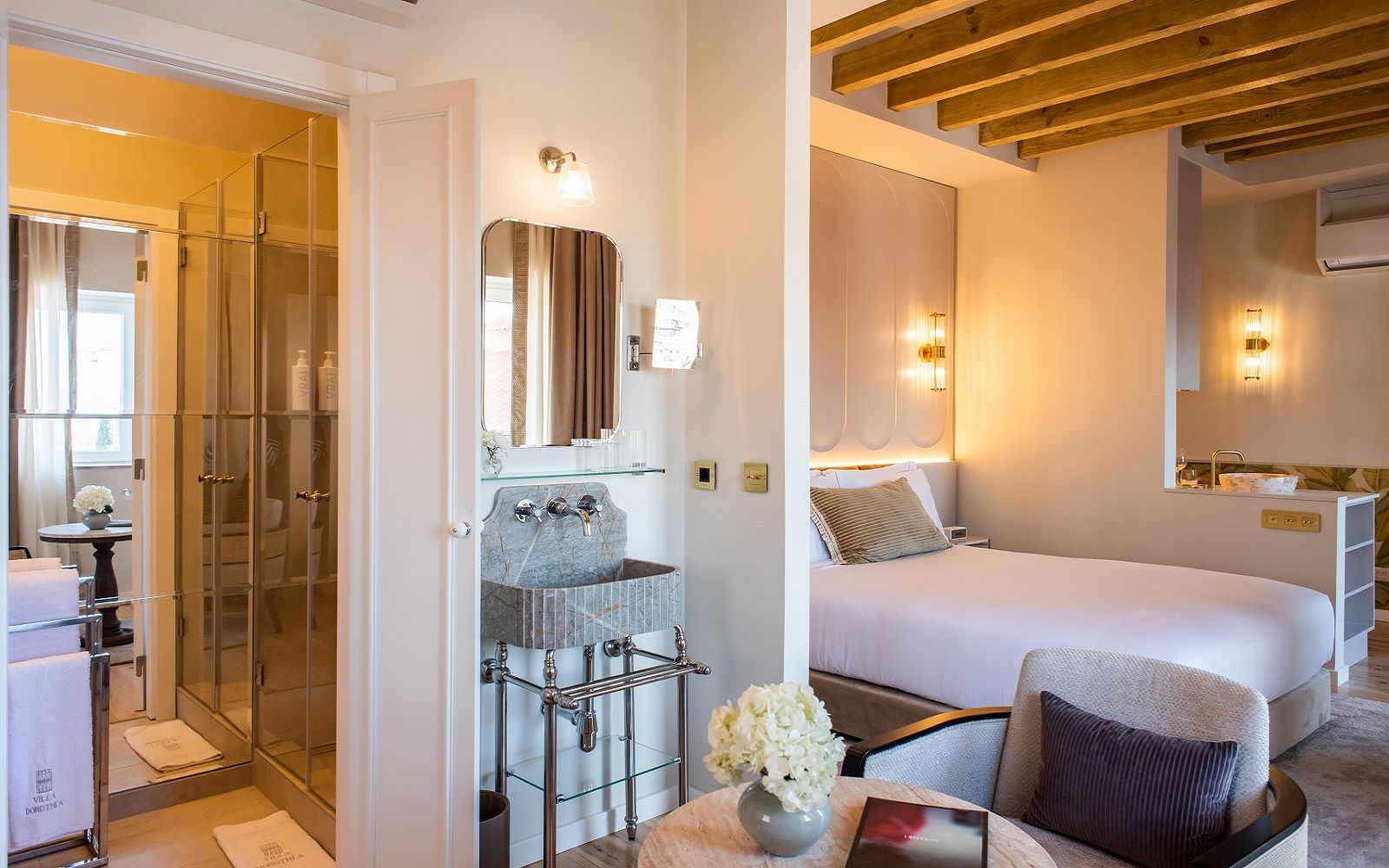
LACASTA Interior Design Studio designed Villa Dorothéa in partnership with stylist Carla Kottmann. The source says the interiors take cues from the five original houses and preserve the individual identity of each, allowing architecture, structure, and light to shape the spaces. That is a useful design signal because it suggests the rooms may not be uniform. For some guests, that is the fun. For others, it is a reason to ask more questions before paying a premium.
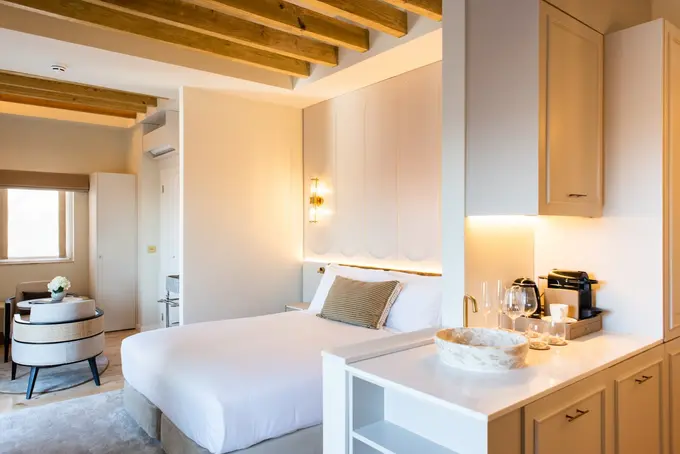
The material names stone, linen, velvet, wood, and marble, plus contemporary furnishings, collected objects, books, and decorative pieces. Those specifics tell you the hotel is aiming for a private-residence feel rather than a crisp corporate finish. If your taste runs toward clean, standardized room product, Villa Dorothéa may feel too layered. If you prefer a room that looks assembled rather than specified in bulk, the design brief works in your favor.
Because there are only 20 rooms, category selection will matter. Do not assume the smallest room gives the same experience as the most desirable one. Ask which rooms have the strongest connection to courtyards or terraces, which sit along the internal pathways, and which offer the quietest sleep. In a hotel spread across five older houses, the best room may be defined by position as much as size.
The residential premise is also where Villa Dorothéa Lisbon separates itself from a standard boutique hotel. Many small hotels call themselves home-like; this one has a built-in argument because the property was literally arranged from houses. Still, the word residential can hide trade-offs. You may get atmosphere instead of breadth. You may get character instead of predictability. That is worth it only if you book with those priorities in mind.
The Secret: A 25-Seat Gastrobar, Not a Hotel Restaurant Machine
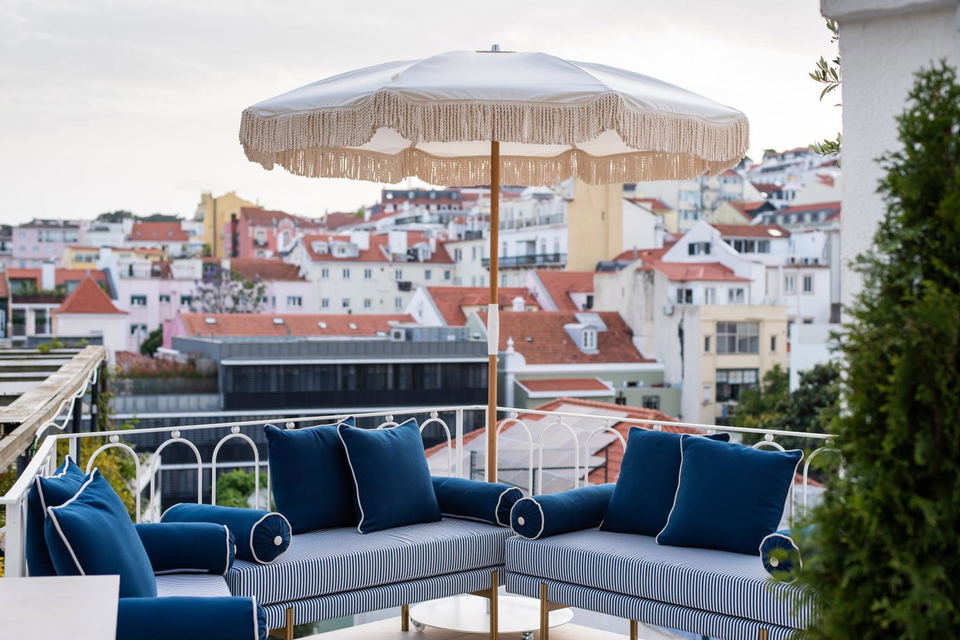
The Secret is the hotel's 25-seat gastrobar, and the number matters. The opening announcement describes it as extending between a hidden patio and a rooftop terrace. That is enough to make it a real booking factor for guests who like a small in-house room, but not enough to assume it can function like a large hotel restaurant for every meal and every hour (Breakingtravelnews1).
For couples, The Secret could be a useful reason to stay in one night rather than chase a reservation across town. For larger groups, 25 seats may be tight. If you are booking multiple rooms, ask whether hotel guests get priority access, whether the gastrobar takes outside reservations, and how rooftop seating is handled. Those answers will determine whether The Secret is an asset or a scarcity problem.
It would be foolish to sell The Secret as a destination restaurant at this stage. Treat it as a format play: a small gastrobar with patio and rooftop access inside a 20-room property. That is enough to make the hotel more appealing for a short Lisbon stay, especially if you value a last drink close to your room. It is not enough to replace your restaurant planning.
Compared with a full-service hotel restaurant, The Secret should feel more personal and less anonymous. Compared with a serious standalone dining room, it remains an unknown until menu, chef, and reservation details are clearer. The smart move is to book it for convenience and atmosphere, then build your Lisbon dining itinerary separately.
Booking Access, Rates, and Who Should Skip
The opening report says Villa Dorothéa has opened its doors in Lisbon. It does not provide rates, booking windows, opening-season packages, minimum stays, or cancellation terms. That absence is not a reason to ignore the hotel, but it is a reason to ask direct questions before committing, especially during peak Lisbon travel periods.
Ask for the exact room category, access route, terrace or courtyard relationship, breakfast setup, arrival process, and whether The Secret is available to hotel guests on the nights you are staying. Also ask how the no-lobby arrival works if you land late. A 20-room hotel can deliver a more personal stay than a larger property, but only if the operations match the architecture.
Book Villa Dorothéa Lisbon if you are a couple, solo design traveler, or repeat Lisbon visitor who wants Lapa, Santos, and the Tagus River as the frame for the trip. Consider it for a two- or three-night stay where the hotel itself is part of the itinerary. Skip it for large family groups that need adjoining-room certainty, travelers who want a big spa-and-lobby ecosystem, or anyone who measures luxury by constant visible service.
The next thing to watch is how Villa Dorothéa handles its first full season: rates, room-category transparency, and whether The Secret becomes a genuine draw beyond hotel guests. The restoration gives it a strong opening argument. The operations will decide whether it becomes a Lisbon regular for travelers who prefer houses, pathways, and neighborhood rhythm over hotel ceremony.