Start with Resy, Tock, direct contact, and concierge routes, not OpenTable,1 if the target is a 12-seat omakase counter, a chef's table at a three-Michelin-star room, or a tasting menu that books out in minutes. OpenTable, founded in San Francisco in 1998, holds roughly 55,000 restaurant listings, but the tables that matter most often live somewhere else. If you've been refreshing OpenTable for a reservation that never appears, you're using the wrong channel. The restaurant reservation platforms, tactics, and timing windows below are where those seats actually surface.
Why Hard-to-Book Restaurant Tables Disappear Before OpenTable Sees Them
The core problem is inventory. OpenTable1 is a large-network platform built for volume: it works well for a high-cover brasserie that needs to fill seats on a Tuesday. It works poorly for a small counter whose chef releases reservations in a single drop that sells out in minutes. For small-format dining, check Resy, Tock, or SevenRooms before assuming the restaurant is fully booked.
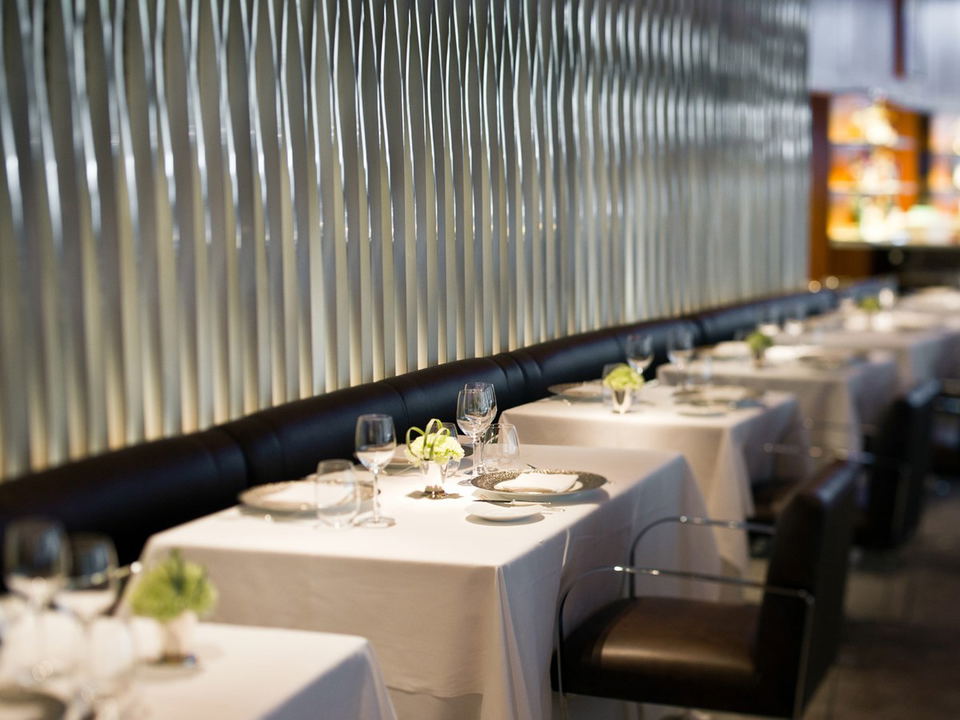
The demand side makes the supply problem worse. A restaurant that earns a Michelin star or cracks the World's 50 Best list can see reservation demand multiply overnight without adding a single seat. The room stays at the same cover count while the audience chasing it grows. Confirm details directly. That gap is where the booking difficulty lives, and no platform change closes it.
There is also a timing imbalance most diners miss. Regulars, hotel concierges, and credit card program desks often access inventory before it reaches the public-facing booking page. By the time a casual diner opens Resy on release morning, part of the night may already be spoken for.
When Restaurant Reservations Open in 2026
Do not guess the release window. Some venues drop tables on a rolling calendar; others release in a single batch on a specific day of the week; a handful operate on a pure waitlist or require direct contact. The restaurant does not always publish this schedule publicly, and it can change without notice, especially after a major award or a change in ownership.
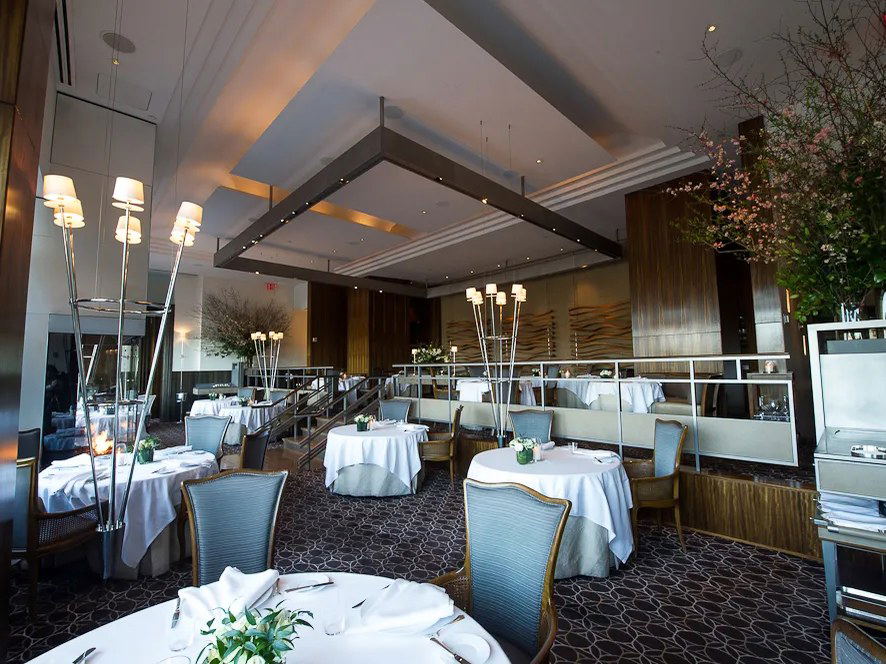
The practical rule: if a specific release time matters to you, call or email the restaurant directly and ask. Do not plan around a drop time you read in a forum post from 18 months ago.
Seasonally, odds shift in predictable ways. January and early February are historically the easiest months to book tasting-menu restaurants in most U.S. cities, with post-holiday slowdown, fewer corporate events, and the stretch between New Year's and Valentine's Day creating the closest thing to an off-peak window the category has. The weeks around Valentine's Day, Mother's Day, and the December holiday run are the hardest. In cities with major fashion weeks or art fairs, restaurant demand spikes sharply for the duration of those events. If you have flexibility, aim for a Tuesday or Wednesday in late January or early February.
The Restaurant Reservation Platforms and Channels That Work
1. Resy. Use this first for independent fine dining in the U.S. Restaurants like Atomix and Le Bernardin use Resy as their primary public booking surface. The platform's "Notify" feature alerts you when a cancellation opens, the single most useful free tool for chasing a sold-out night. Set notifications for every date in your window, not just your first choice.
2. Tock. Use this for prepaid tasting-menu restaurants and ticketed dining experiences. Alinea, The French Laundry, and Benu have all used Tock. Because reservations are prepaid, no-show rates are lower and last-minute cancellations are rarer, which means fewer openings surface. When they do, they move fast. Check Tock's "Explore" page for cancellations; the platform surfaces them in real time.
3. Direct contact. This is underused and often the most effective route for a specific date. Call the restaurant on a weekday morning, explain your date flexibility, and ask whether they maintain a cancellation list. Many restaurants keep an informal list that never appears on any platform. This works especially well for restaurants that are hard to book but not impossible, the ones where demand is high but not pathological.
4. Hotel concierge. Use this if you're staying at a Four Seasons, Rosewood, Aman, or comparable property. The concierge desk often holds or can access inventory that isn't public. Restaurants allocate a small number of covers to concierge relationships because it drives reliable, high-value guests. The catch is that you need to be a guest at the right hotel, and the relationship works better in cities where luxury hotel density is high: New York, Chicago, San Francisco, Los Angeles.
5. Credit card concierge programs. Try this if you hold American Express Centurion or Platinum, Visa Infinite, or Chase Sapphire Reserve and have a specific target in mind. These cards have access to dining programs that hold restaurant inventory. The quality of what's available varies by city and by how aggressively the card program has cultivated the relationship. Centurion tends to have the deepest access in New York and Los Angeles.
6. Reservation services (paid). Use these when the date matters more than the premium. Services like Dorsia and Appointment Trader operate in the secondary market for restaurant reservations. Dorsia is a membership-based app that holds inventory at select high-demand restaurants; Appointment Trader is a marketplace where existing reservation holders can transfer bookings. Both are legal in most U.S. jurisdictions (the restaurant's terms of service are a separate question). These are the faster, costlier route: you pay a premium to skip the queue rather than investing time in the platform and direct-contact approach.
The Booking Strategy That Improves Your Odds
Choose your route based on whether time or money matters more. If your time is scarce and the occasion is fixed, the paid route, Dorsia membership, a card concierge call, or a reservation service, is the rational choice. If you have date flexibility and patience, the free route (Resy Notify, direct contact, off-peak timing) will get you there without a premium.
The single most effective free tactic: set Resy and Tock notifications for a range of dates, not just one. Cancellations are random. A diner with flexibility across a two-week window will catch a cancellation that a diner locked to one Saturday night will miss entirely.
For restaurants on Tock with prepaid ticketing, check the platform at 9 to 10 a.m. on weekdays. Cancellations that trigger a refund window often process overnight and surface in the morning. This is a pattern that frequent Tock users report, not a published policy, so treat it as a starting point, not a guarantee.
The direct-contact approach works best when you lead with flexibility. "I can come any night in the next three weeks, Tuesday through Thursday" is a far easier ask for a reservationist to fulfill than "I need Saturday the 14th." Restaurants want to fill covers; give them room to help you.
Booking Channels for Hard-to-Book Restaurants: A Practical Comparison
| Channel | Cost | Lead Time Required | Best For | Realistic Odds |
|---|---|---|---|---|
| Resy (Notify/Waitlist) | Free | Flexible dates help | Independent fine dining, U.S. cities | Good with date flexibility |
| Tock (cancellation watch) | Free (prepaid reservation cost) | Flexible dates help | Prepaid tasting menus | Moderate; cancellations rare |
| Direct contact (phone/email) | Free | Weeks to months | Any restaurant; works best mid-tier hard-to-book | Good with flexibility |
| Hotel concierge | Requires hotel stay | Book hotel early | Luxury hotel guests in major cities | Moderate to good |
| Amex/Visa/Chase card programs | Card membership fee | Varies by program | Cardholders; NYC/LA strongest | Moderate; city-dependent |
| Dorsia / Appointment Trader | Membership or per-booking premium | Often same-week available | Fixed dates, no flexibility | High, at a price |
Comparable Alternatives Worth Knowing
If the specific restaurant you're chasing is genuinely inaccessible on your timeline, choose the substitute that preserves the meal you actually want: the room, the kitchen, or the date.
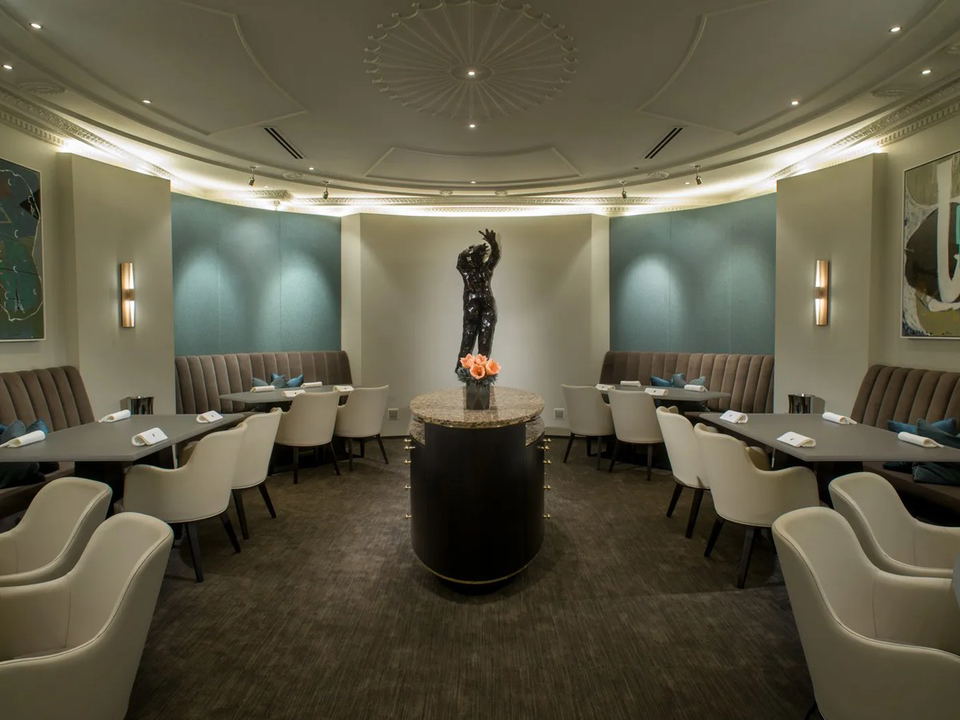
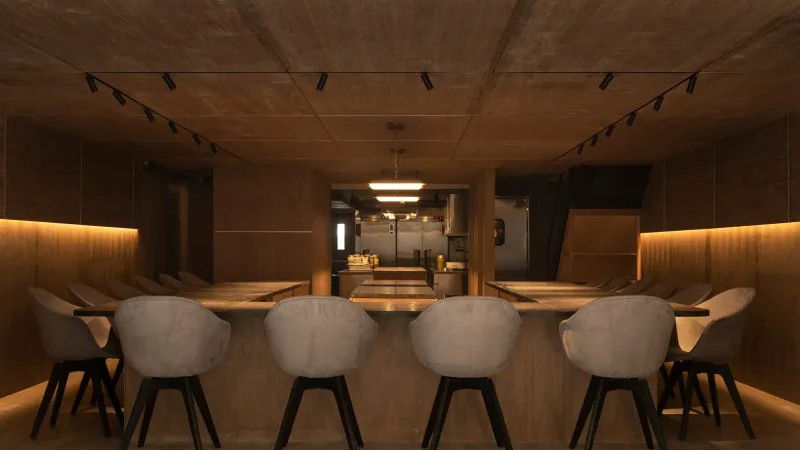
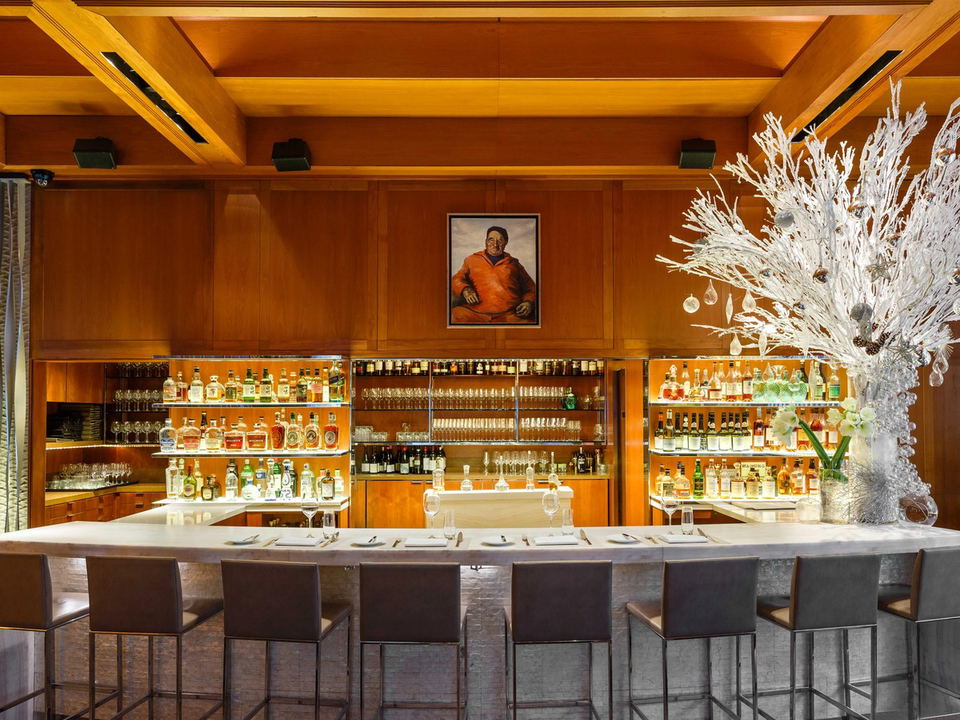
The bar or counter seat. Many tasting-menu restaurants hold a small number of bar or counter seats that are either walk-in or released on a shorter window than the main dining room. At some restaurants, the bar is the better seat anyway: you're closer to the kitchen and the pacing is often more relaxed. Ask specifically about bar availability when you call.
The lunch service. Lunch at a Michelin-starred restaurant is almost always easier to book than dinner, often at a lower price point, and the kitchen is the same. If the restaurant offers a lunch or midday tasting menu, this is the highest-value substitution available.
The sister restaurant or second project. Most chefs behind the hardest-to-book rooms have a second or third project that is easier to access and shares the same kitchen philosophy. The food is often most of the experience at a fraction of the booking difficulty. Research the chef's full portfolio before concluding the only option is the flagship.
SevenRooms-based restaurants. SevenRooms is the platform of choice for hotel restaurants and some independent fine-dining rooms. It is less consumer-facing than Resy or Tock, which means fewer people are checking it for cancellations. Check it directly and more frequently than you would Resy; the competition for openings is lower.
What the Room Is Actually Like When You Get In
Book the format. The experience at a hard-to-book tasting-menu restaurant follows a recognizable rhythm regardless of the specific venue. Confirm directly. Service ratios are high: at the most serious rooms, you'll have close to one server per two tables, though the exact ratio varies by restaurant. The pacing is controlled by the kitchen, not by you, which means the meal takes as long as it takes, typically two to three hours for a full tasting menu, though this varies.
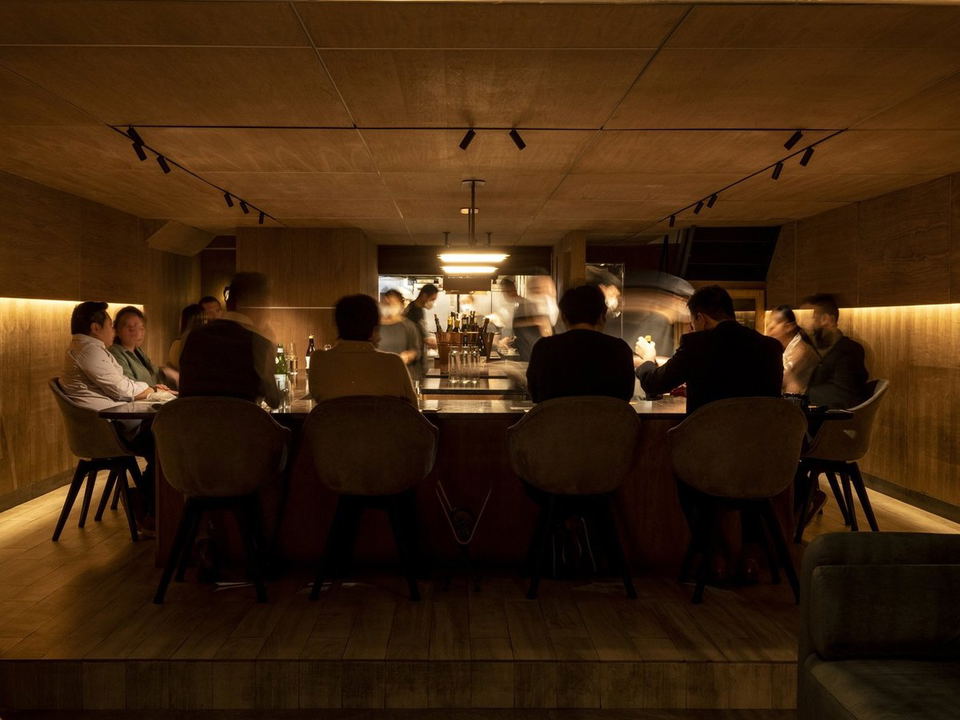
The format matters more than most diners account for when booking. A counter seat at an omakase restaurant is an interactive experience; you're watching the chef work and the conversation is part of the meal. A traditional tasting-menu dining room is more formal and more private. Neither is better in the abstract; they suit different occasions and different dining companions. Know which format you're booking before you commit.
What you won't get, at most of these restaurants, is spontaneity. The menu is set or nearly set. The experience is designed. If you want to order à la carte, linger over a second bottle, and leave when you feel like it, a tasting-menu counter is the wrong format regardless of how good the food is.
Who Should Chase These Tables (and Who Should Skip It)
Chase these tables if the restaurant is the point of the trip, if you're traveling to a city specifically to eat at a particular place, or if a specific occasion warrants the investment of time and, potentially, money. It also makes sense for food-focused travelers who track the category and will extract full value from the format.
Skip the chase if you want a great dinner in a city you're already visiting for another reason and you have no particular attachment to the specific restaurant. A well-chosen one-Michelin-star restaurant that books easily will deliver a better evening than a two-star room you spent three weeks chasing and arrived at stressed about the reservation.
Groups larger than four face compounding difficulty at most of these restaurants. Many tasting-menu rooms cap group bookings at four covers, and some won't take groups at all. If you're planning a group dinner, confirm the policy before investing time in the booking process.
The Bottom Line on Booking Hard-to-Get Tables
OpenTable1 is not where the hardest tables live. Resy and Tock are the primary platforms for serious fine dining in the U.S., and the direct-contact route, a phone call with genuine date flexibility, remains underused and often effective. The paid routes (card concierge programs, Dorsia, Appointment Trader) are worth pursuing when the occasion is fixed and the date is non-negotiable; they cost more and they work.
The seasonal window that consistently improves odds: Tuesday through Thursday in January and early February, before Valentine's Day demand spikes. The single most effective free tactic: Resy Notify set across a range of dates, not just one. The most underrated substitution: lunch service at the same restaurant, same kitchen, meaningfully easier to book.
For the most difficult rooms, where demand is so far ahead of supply that no platform tactic closes the gap, patience and a direct relationship with the restaurant are the only routes that reliably work. For everything else, the combination of the right platform, the right timing, and a phone call will get most diners to the table they want. The effort is front-loaded; the meal, when it arrives, tends to justify it.
Frequently Asked Questions
Which booking platform do the hardest-to-book U.S. restaurants use instead of OpenTable?
Most independent fine-dining and tasting-menu restaurants in the U.S. have moved to Resy or Tock. Resy is the dominant platform for independent fine dining in major cities; Tock is the platform of choice for prepaid, ticketed tasting-menu experiences. Some hotel restaurants and a smaller number of independents use SevenRooms. If a restaurant you want isn't on OpenTable, check Resy and Tock first, then the restaurant's own website for direct booking.
How far in advance should you try to book a Michelin-starred tasting-menu restaurant?
This varies by restaurant and is often unpublished. Some release tables on a rolling window; others release in a single batch. The restaurant does not always publish its release schedule publicly. The safest approach: contact the restaurant directly to ask about their booking window and whether they maintain a cancellation list. Do not rely on forum posts for specific drop times, as policies change.
Can you walk into a hard-to-book tasting-menu restaurant without a reservation?
Rarely, but not never. Some restaurants hold a small number of bar or counter seats for walk-ins, and these are worth asking about specifically when you call. Walk-in availability is more common at lunch than dinner, and more common on weeknights than weekends. For the most sought-after rooms, walk-in access is effectively zero; the room is fully committed before service begins.
Do American Express Centurion or Chase Sapphire concierge programs actually get you into sold-out restaurants?
Yes, in some cases. Restaurants allocate a small number of covers to concierge relationships at luxury card programs, particularly Amex Centurion and Platinum. The depth of access varies by city; New York and Los Angeles tend to have the strongest relationships. It is worth a call to your card's concierge if you hold one of these cards and have a specific target restaurant in mind. Results are not guaranteed and depend on the specific restaurant and date.
Is using a service like Dorsia or Appointment Trader to book a restaurant reservation legal?
In most U.S. jurisdictions, yes, transferring a restaurant reservation is legal. Whether it violates the restaurant's own terms of service is a separate question, and some restaurants will cancel reservations they identify as transferred through secondary markets. Dorsia operates as a membership platform that holds its own inventory rather than reselling individual reservations, which is a different model. If this matters to you, check the specific restaurant's policy before booking through a secondary service.