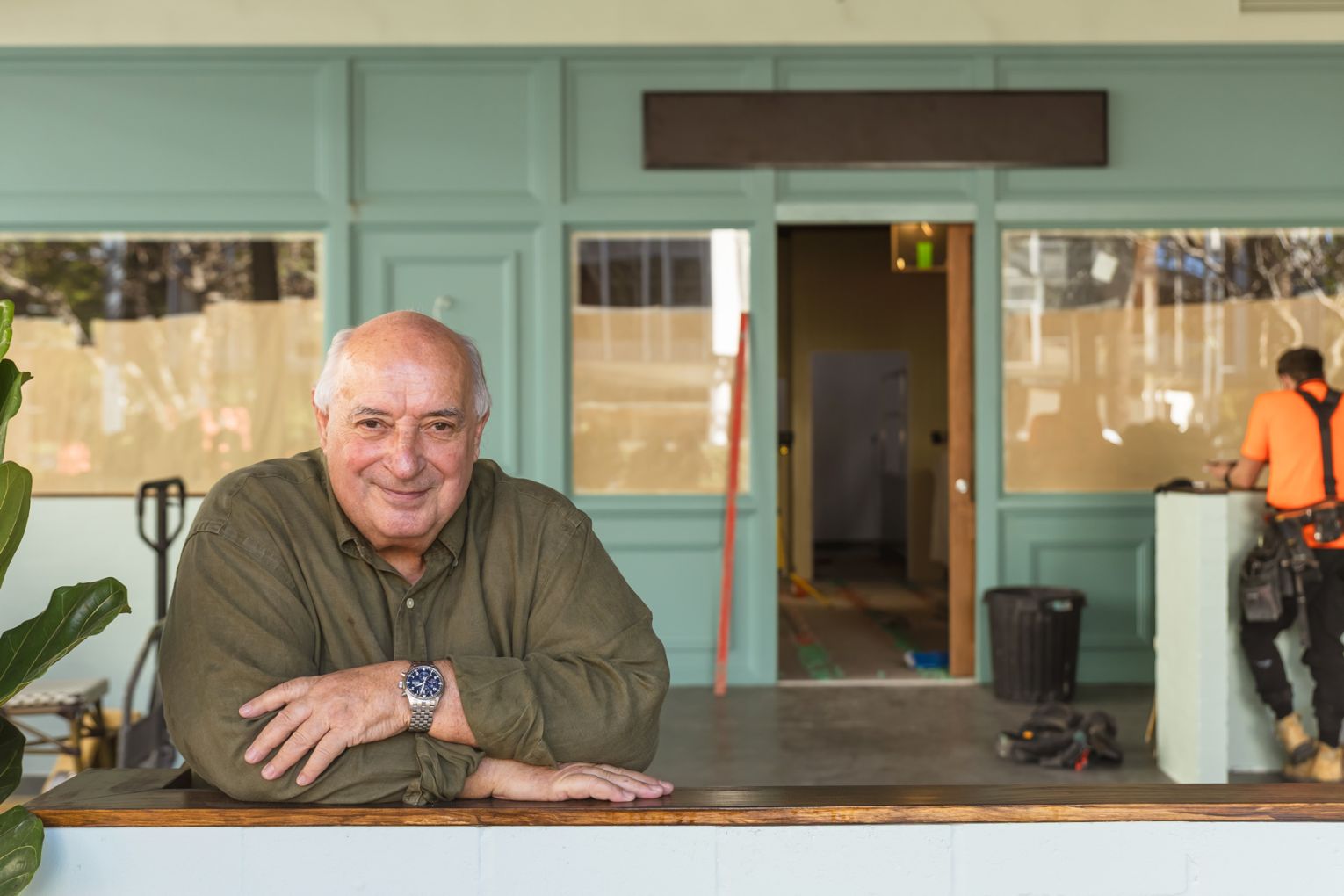
Pas de Chichi Brisbane opens in late October at the Emporium complex in the Valley, with Thierry Galichet behind a 30-seat dining room and 24 outdoor seats. Worth tracking now because 30 indoor seats will make early access tight once bookings open, and the format is built around counter dining, a full French menu and an art deco-inspired room.
The short version: this is not a safe comeback restaurant designed around whatever French dish is currently filling menus. Galichet, the creator of Montrachet and La Cache a Vin in Spring Hill, is returning with a small room, a larger-than-usual menu and a wine list that still runs to 80-90 reds and 60 whites. If you care about Brisbane French dining, this belongs on your late-October shortlist. If you want a casual Valley table where the details do not matter, this is probably not the booking to chase first.
Why Pas de Chichi Brisbane Rejects Contemporary Trends
Pas de Chichi Brisbane matters because Galichet is making a clear format decision: fewer seats, more menu choice, no reliance on the French dishes that have recently become easy shorthand. He has said he plans to avoid souffles for now, and he will not put onion soup on the menu for another two years because it is everywhere. Snails and soupe a l’oignon are also in the group of dishes he sees as overused.
That matters for your booking decision because the restaurant is not selling nostalgia through the most obvious classics. A lot of French openings can be read before you sit down: onion soup, snails, souffle, steak frites, a tight list of share plates, a by-the-glass Champagne hook. Galichet is doing something different from that without abandoning the category. The planned structure is 10 entrees, six mains, four desserts and a cheese platter, which is a full restaurant menu by current Brisbane standards.
The risk is also the point. A 30-seat restaurant with 10 entrees asks more of the kitchen than a shorter menu does. It gives diners more agency, but it also puts pressure on execution, ordering rhythm and prep. That is why the Galichet name matters here. A new operator attempting this would read as overreach. From the creator of Montrachet, it reads as a deliberate return to a style of restaurant where the menu is part of the reason to book, not a trimmed list built for speed.
The Montrachet Legacy: What Galichet Learned
Galichet’s strongest credential is simple: he created Montrachet. The restaurant is now owned by Clem Chauvin, which matters because diners should be clear about what they are choosing. If your goal is the current Montrachet, book Chauvin’s restaurant. If your goal is to see Galichet’s next version of a French dining room, Pas de Chichi is the one to track.
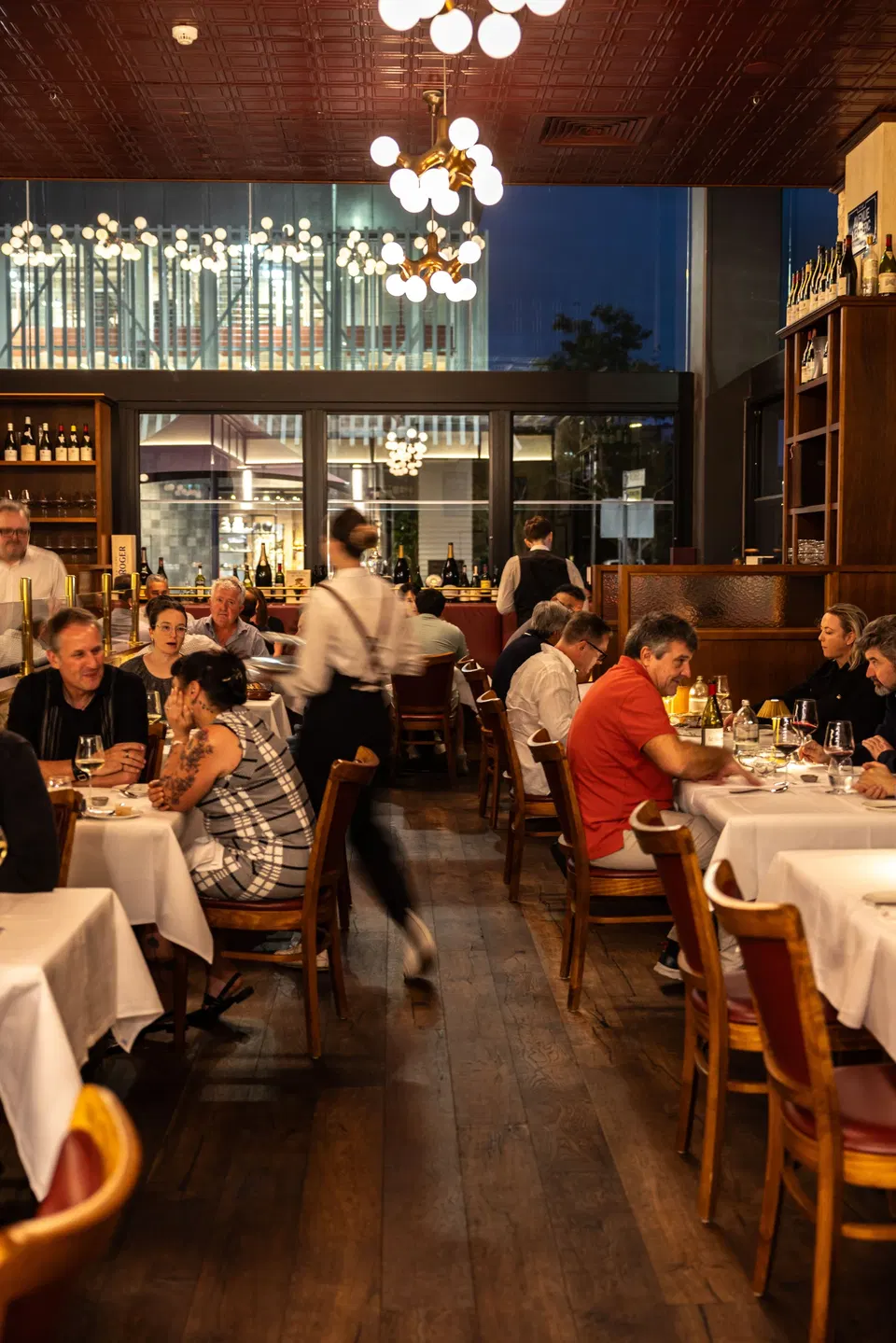
The comparison is useful because Pas de Chichi is not being framed as a copy of Montrachet. It will recall parts of that earlier playbook, including counter dining, but the new restaurant is smaller than Galichet’s original restaurant when it operated in Paddington. Pas de Chichi will seat 30 inside, with 24 seats outside. That puts it in a different access category from a larger dining room: fewer spontaneous tables, less room for large groups inside and a higher chance that regulars and Galichet followers take the early prime slots.
Galichet also created La Cache a Vin in Spring Hill, then sold it in 2022 to Romain Maunier and Dan Arnold. That second data point matters because it shows this is not just a former Montrachet operator trading on one name. He has built more than one French-led hospitality venue in Brisbane. Pas de Chichi now gives him a smaller canvas, and small rooms can either sharpen a restaurant or expose every weak decision. There is not much middle ground with 30 indoor seats.
Art Deco Design Meets Valley Location
The site is at the Emporium complex in the Valley, which gives Pas de Chichi a clear address advantage: it opens in a dining and hotel-adjacent precinct rather than a quiet suburban pocket. That helps with pre- and post-dinner planning, especially for visitors staying nearby or locals treating the Valley as a full-night destination.
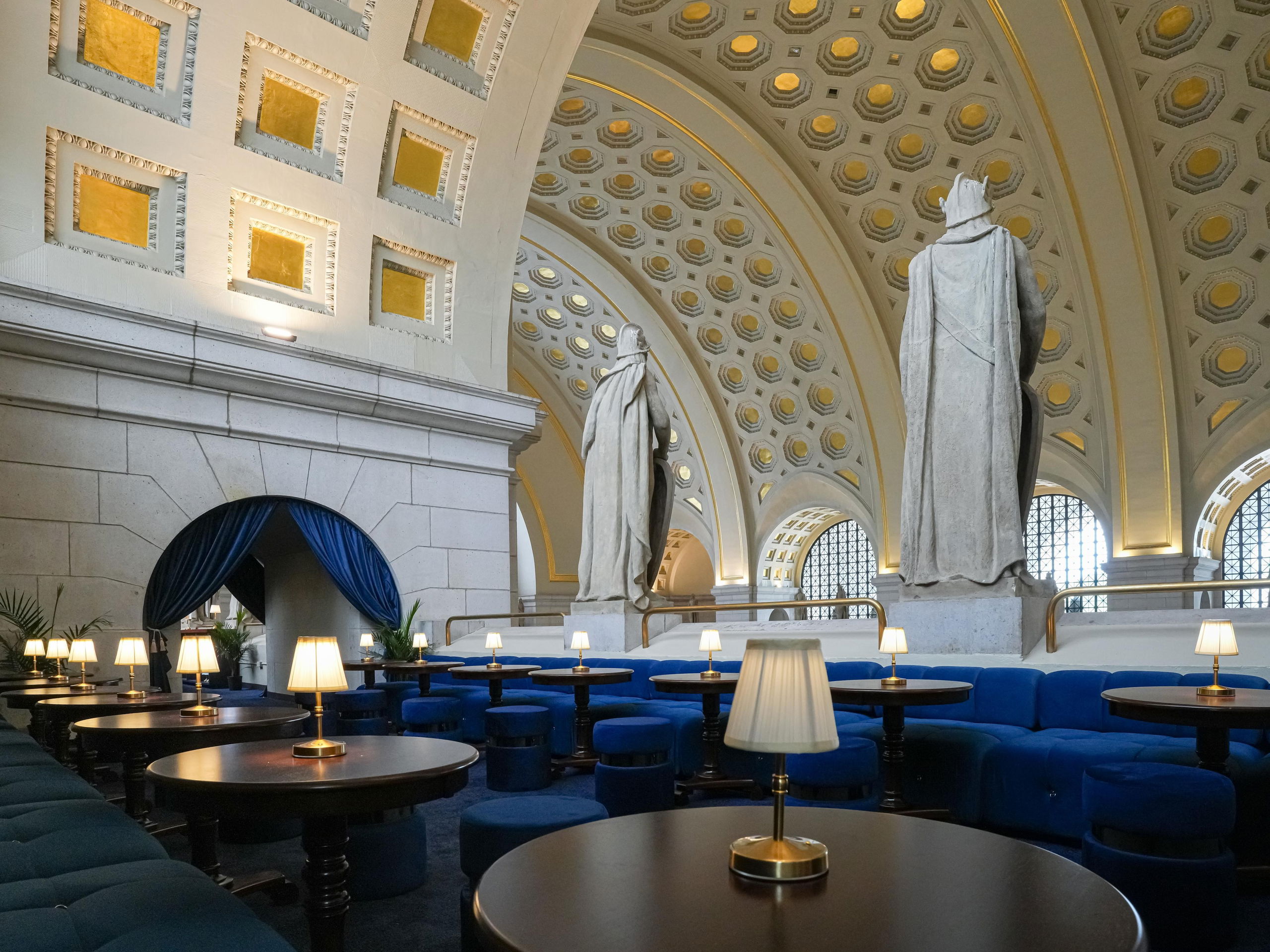
Galichet is looking after the fitout himself, and the design direction is art deco-inspired. That detail should interest diners who care about room feel as much as what lands on the plate. A 30-seat interior leaves little space to hide bad lighting, awkward counter proportions or a dining room that feels unfinished. If the fitout works, the room itself becomes part of the reason to book early; if it does not, the small scale will make the flaws hard to ignore.
Thierry Galichet put the design brief in relation to Montrachet but kept the distinction clear: "Not that I wanted to copy it, but it's similar in feel. I just wanted it to be more art deco, this one."1
Do not go in expecting a replica of Montrachet. Expect a Galichet room that borrows some of the feeling, then pushes the visual language toward art deco. The counter dining component is another reason solo diners and couples should watch this opening closely. Counter seats can be the strongest seats in a small French restaurant when the room is run with intent. For groups of four or more, the outside allocation may matter if the indoor dining room fills quickly.
Menu Strategy: Full French Over Trend-Chasing
The most useful number in the opening details is not the seat count; it is the menu count. Ten entrees, six mains, four desserts and a cheese platter is a statement in a market where shorter menus and share formats have become common. For the diner, that means Pas de Chichi should feel closer to a choose-your-own French dinner than a chef-directed sequence or a small-plate crawl.
That format also changes who should book. If you are dining with someone who wants range, the larger menu is an advantage. If you prefer a kitchen to narrow the decision for you with a tasting menu, this may not be your format, at least from the details released so far. The absence of a publicly stated tasting menu is not a weakness; it simply clarifies the likely use case. Pas de Chichi looks built for repeat ordering, course-by-course decisions and wine pairing by preference rather than a fixed script.
The wine list points in the same direction. Galichet plans between 80 and 90 reds and 60 whites, described as concise for him given his history with larger lists and an expansive wine import business. For most 30-seat restaurants, that is still a deep enough cellar to make wine part of the booking decision. It also suggests the restaurant is not trying to win diners through a giant trophy list alone. Galichet has said there is a lot of good wine available without needing to pay $1000 a bottle.
Compared with a shorter share-plate French opening, Pas de Chichi should be better for diners who still enjoy the architecture of a meal: starter, main, dessert, cheese if the night is moving well. Compared with a tasting-menu counter, it should offer more freedom and less choreography. The trade-off is that you will need to make decisions, and the kitchen will need to carry a larger repertoire from day one.
Practical Details: Booking, Timing, and Capacity
Pas de Chichi is scheduled to open in late October, so the right move is to track booking access now rather than wait for first-week photographs to circulate. With 30 seats inside and 24 outside, the room will not absorb a large amount of opening curiosity. Even if the outdoor area helps capacity, the indoor dining room is the prize for diners who want the full art deco setting and counter component.
For the first month, aim for a table size of two if flexibility matters. Small restaurants tend to manage two-tops and counter seats more easily than larger groups, and Pas de Chichi’s 30-seat interior makes that especially relevant. If you need a group dinner, be prepared to take an early or later time, or consider whether the outside seating works for your purpose. Opening details do not yet include a reservation platform, dress code or opening-week schedule, so avoid building a fixed plan around a table until the restaurant confirms those mechanics.
The location at the Emporium complex in the Valley makes Pas de Chichi easier to work into a broader evening than a destination restaurant with no nearby infrastructure. That is useful for interstate visitors, hotel guests and locals who want a contained night rather than a long transfer between drinks, dinner and the ride home. The previous tenancy also gives returning Brisbane diners a reference point, but the restaurant’s identity will come from Galichet’s fitout and menu, not the earlier occupant.
The booking hierarchy is clear. First priority: diners who followed Montrachet under Galichet or care about Brisbane’s French restaurant lineage. Second: wine-focused diners who want to see how a 30-seat room handles a list of 80-90 reds and 60 whites. Third: Valley diners looking for a high-intent dinner rather than a trend-led menu built around the usual French cues. If you fall outside those groups, wait until menus, pricing and first-week operations settle.
Pas de Chichi Brisbane is worth tracking because Galichet is returning with constraints that force clarity: 30 indoor seats, an art deco-inspired fitout he is overseeing himself, a full French menu and a wine list sized for regular drinking rather than cellar theatre. The next thing to watch is not whether Brisbane still likes French food; it is whether diners reward a restaurant that refuses the current shortcuts and asks them to order dinner the old way.