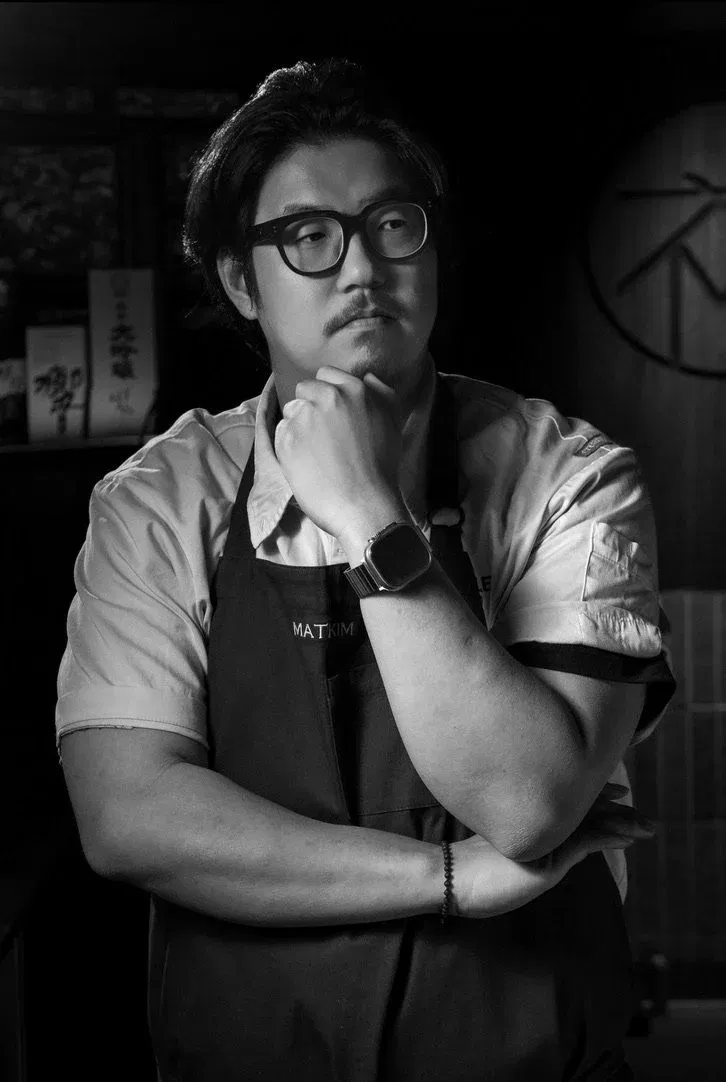
Matkim Sydney omakase is worth booking now if you want Sydney’s smallest-feeling Korean fine-dining counter: eight seats beneath Salesforce Tower, $279 per person before drinks, and no written menu. Chef-owner Jacob Lee relaunched Matkim in September 2024 after acquiring the business outright, and the restaurant now runs on the promise embedded in its Korean name: “entrust” or “leave it up to you.”
The format does not allow diners to choose their protein, skip shellfish, or steer the evening course by course. Matkim suits chef-controlled counters, seasonal Korean cooking, and not knowing exactly what will arrive until Lee or head chef YG Lee places it on the counter.
What Matkim's Sydney omakase actually asks of you
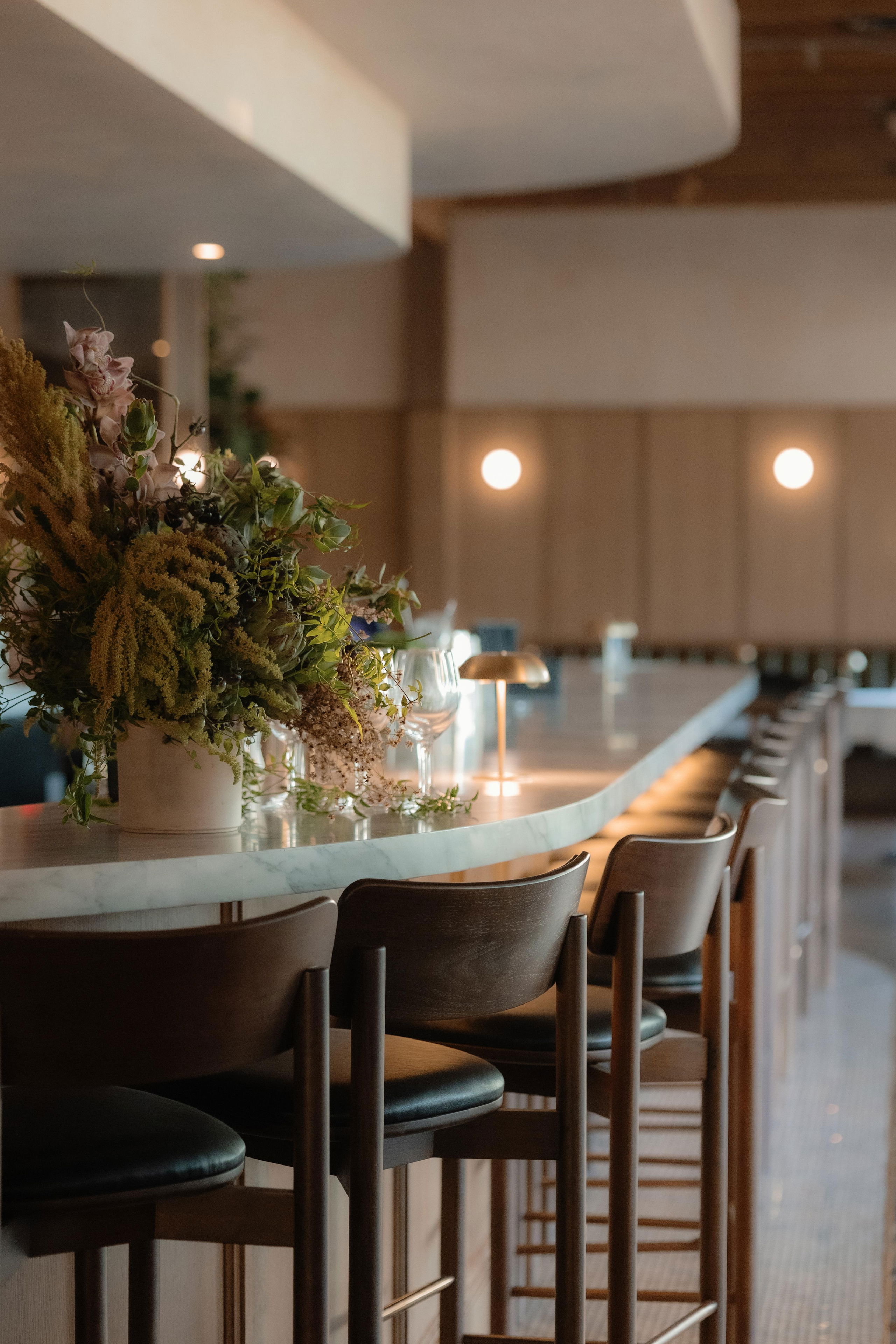
Matkim Sydney omakase is built around a precise no-choice format. Eight diners sit along a black granite counter, with everyone facing the cooking and plating. There is no printed list of courses. Diners receive drawn pictures of key ingredients.
This is closer in structure to a Japanese omakase counter than to a conventional Korean restaurant booking: the chef controls the sequence, the pacing, and the reveal. The difference is the reference point. Matkim’s dishes draw from Korean memory, seasonality, and pantry logic. Matkim is tied to broth, rice, ferments, grilled pork, seafood, and sweets built from Korean ingredients.
The scarcity is the main practical point. Eight seats each evening means Matkim is a date-night or two-person splurge before it is a group restaurant. A party of four takes half the counter. A larger party changes the room. If you prefer a private dining room, a broad wine list at arm’s length, or the ability to reorder a dish, this is the wrong format.
Matkim sits beneath Salesforce Tower in Sydney’s CBD. It is not a casual Korean detour after drinks. Matkim costs $279 before beverages.
Jacob Lee’s Relaunch Puts Korean Seasonality First
Matkim originally opened in early 2024 in collaboration with a larger company. Lee later acquired the business outright and relaunched it in September 2024 with his own point of view. A no-choice format only works when the person at the counter has a reason for controlling the meal.
Lee has framed the current menu around “muje,” meaning “untitled.” The menu is not built around one rigid theme. It gives Lee room to bring in marinated crab, abalone naengchae, and a snack-sized bibimbap with trevally, mumallaengi (dried radish), and perilla oil without forcing every course into a tidy narrative.
Lee put it this way: "I would rather allow the food, the season, our memories and the ingredients we discover along the way to shape the story naturally. In some ways, I think the name also reflects where I would like Matkim to go next."1
Matkim takes a less familiar approach to Korean dining. The menu reaches for dishes and ingredients that rarely anchor high-end Korean meals in Sydney. Sujebi, for example, appears as hand-torn wheat dough in a clam and anchovy broth, with potato and glutinous rice flours used to change the noodle texture. The dish carries a specific Korean postwar memory, then gets rebuilt for an eight-seat counter.
Lee adapts the menu to Australian import rules. He uses Bangalow pork because Australian quarantine restrictions prevent importing Jeju black pig. The kitchen buys whole rib sections, breaks them down in-house, dry ages them for over a week, cooks loin, rump, and belly at different temperatures, then finishes the cuts on a binchotan grill in the dining room. That is the kind of detail that justifies giving up control.
The Eight-Seat Counter: What You’ll See and Eat
The counter format gives every diner a direct view of Lee and head chef YG Lee. Lee explains each course before service. Chef narration is part of the Matkim format. At Matkim, explanation is part of the meal’s architecture.
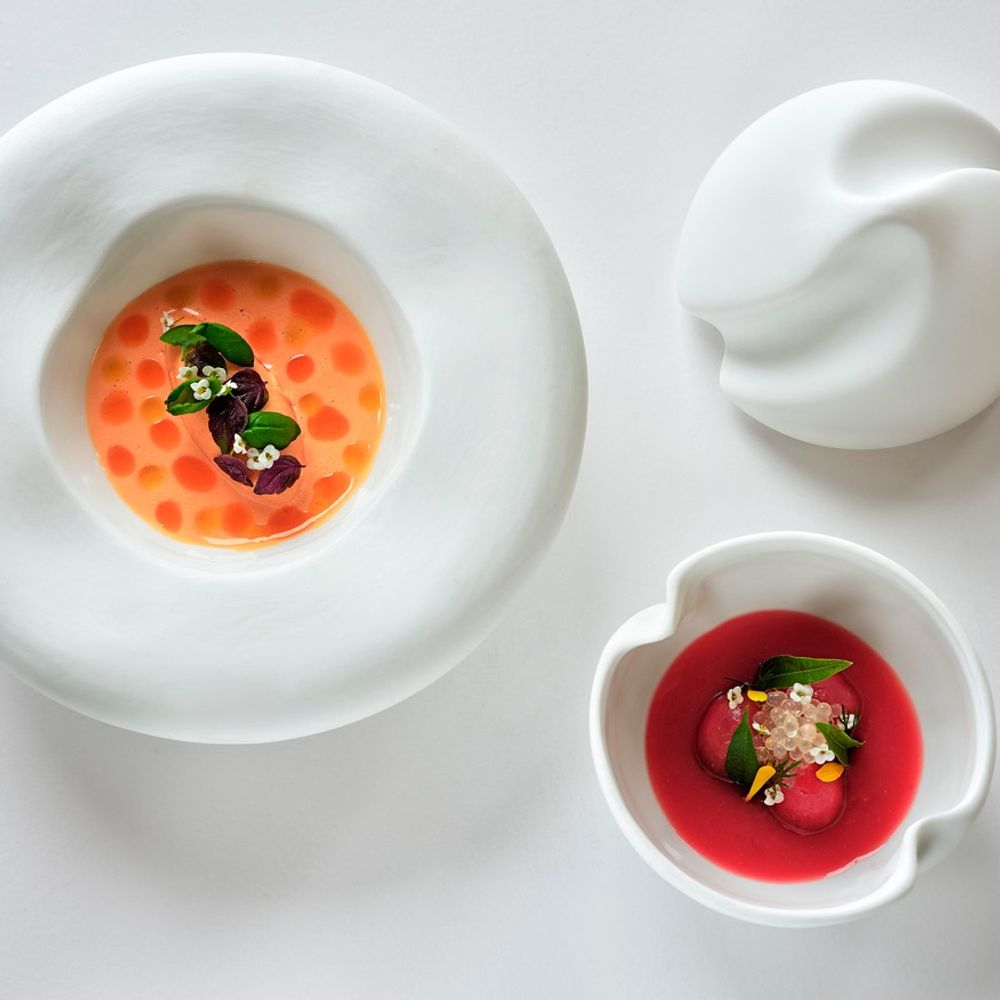
The opening sequence has included chestnut tarakjuk rice porridge, raw otoro and akami tuna with jangajji vinaigrette, and a Korean seaweed cylinder wrapped around amaebi prawn sourced from waters around Dokdo in Korea’s far east. Those details show the restaurant’s lane: Korean structure, Japanese-adjacent counter discipline, and a willingness to move between comfort and luxury ingredients without turning the meal into a greatest-hits menu.
In the sujebi course, clam and anchovy broth carries sweet prawn and whelk, while the hand-torn dough supplies chew. A palate cleanser has paired fermented apple sorbet with Jeju green mandarin and shiso granita. Matkim Sydney omakase treats Korean elements as the basis of the meal rather than accents.
Rice gets proper attention. Lee uses Haenaru rice from Dangjin in Chungcheongnam-do on Korea’s west coast, cooked in an iron pot. In a restaurant where diners have no written menu, that rice choice matters because it anchors the meal in a Korean staple rather than a luxury-product checklist. Haenaru rice from Dangjin in Chungcheongnam-do on Korea’s west coast is one of Matkim’s central details.
Desserts also stay within the Korean frame. The reviewed menu included black garlic sponge cake with ice cream made from jigemi, the lees left from makgeolli rice wine. Busan’s ssiat hotteok, a pancake filled with brown sugar and nuts, appeared as a tarte tatin with Korean ginseng and whisky-barrel-aged maple syrup. On the newer “muje” menu, dessert is expected to include mugwort and white chocolate ice cream with roasted buckwheat cream and perilla leaf.
The $279 Question: Price, Drinks and Who Should Book
At $279 before drinks, Matkim sits in special-occasion territory built around proximity to the kitchen, Korean specificity, and surprise. The format is not built around luxury ingredient volume alone. Matkim has eight seats.
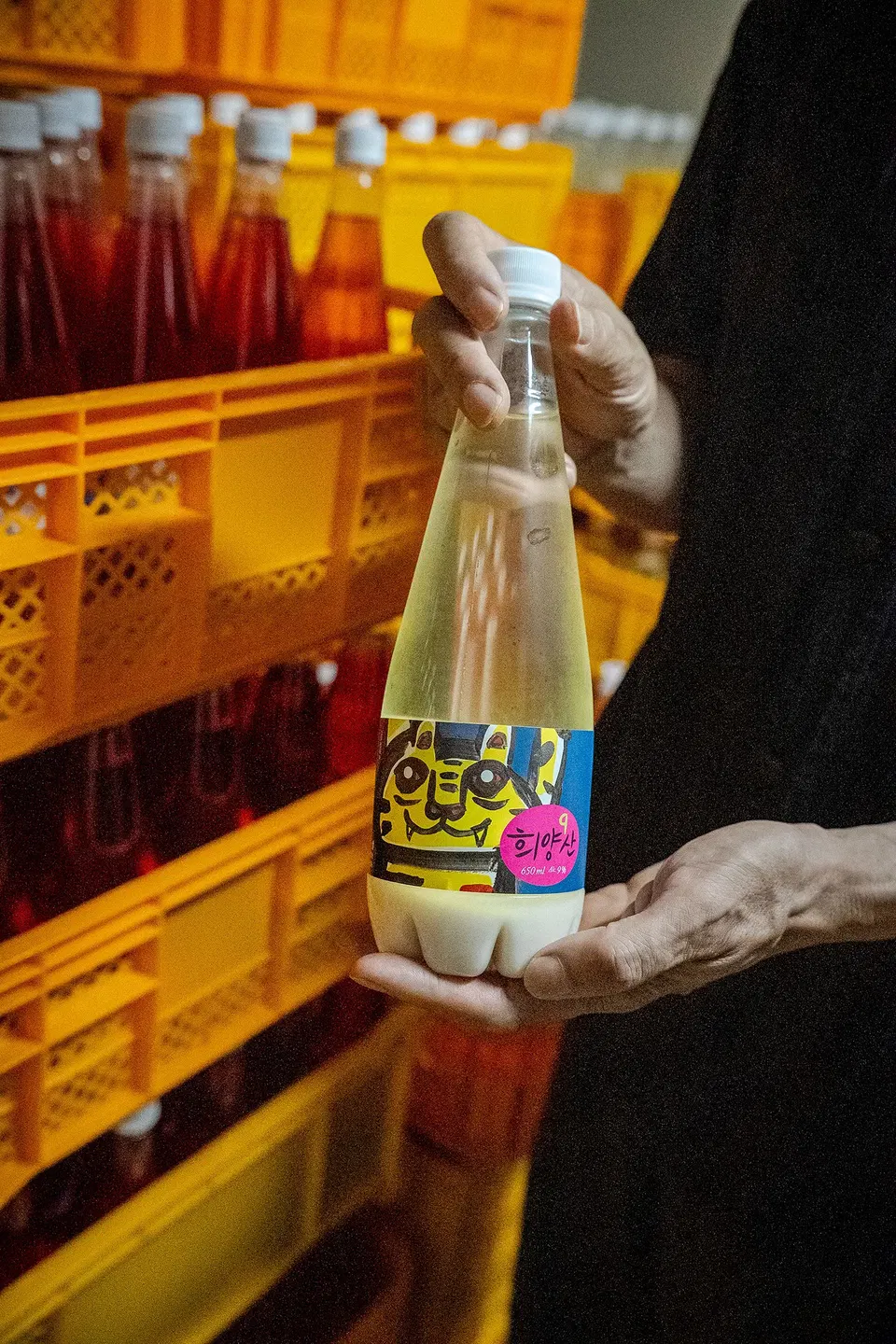
The drinks program gives you several ways to stay in East Asian rice-wine territory. The restaurant lists Japanese sake alongside Korean makgeolli, cheongju, and soju. That matters because the food leans on fermentation, broth, seafood, pork, perilla, anchovy, buckwheat, mugwort, and rice. A standard Champagne-to-red-wine progression would miss part of the restaurant’s logic.
Matkim is better suited to two people than to a group. The eight-seat room suits diners who are happy to watch, listen, and eat at the kitchen’s pace. It is less suitable for clients who need privacy, birthdays built around speeches, or anyone who wants to negotiate substitutions on the night.
Matkim is better for Korean seasonal detail than a sushi-led omakase, but less predictable than a Japanese counter where the progression usually telegraphs itself through fish, rice, and temperature. The unpredictable progression is either the reason to go or the reason to skip. There is no middle position with eight seats and no written menu.
What to Watch as Matkim’s New Era Settles In
Matkim’s next test is consistency. A restaurant this small can feel personal in the right way when the chef is present, the counter is full, and the sequence lands. With eight seats, the same scale leaves little margin for uneven pacing or a dish that needs more explanation than pleasure. At $279 before drinks, Matkim has to make the no-choice format feel earned from the first snack to the final sweet.
Matkim is specific: eight seats, black granite counter, Salesforce Tower address, no written menu, and a chef-owner working through Korean seasonality course by course. The “muje” menu is current. Matkim’s promise depends on Lee continuing to turn trust into dishes that could only belong at this counter.