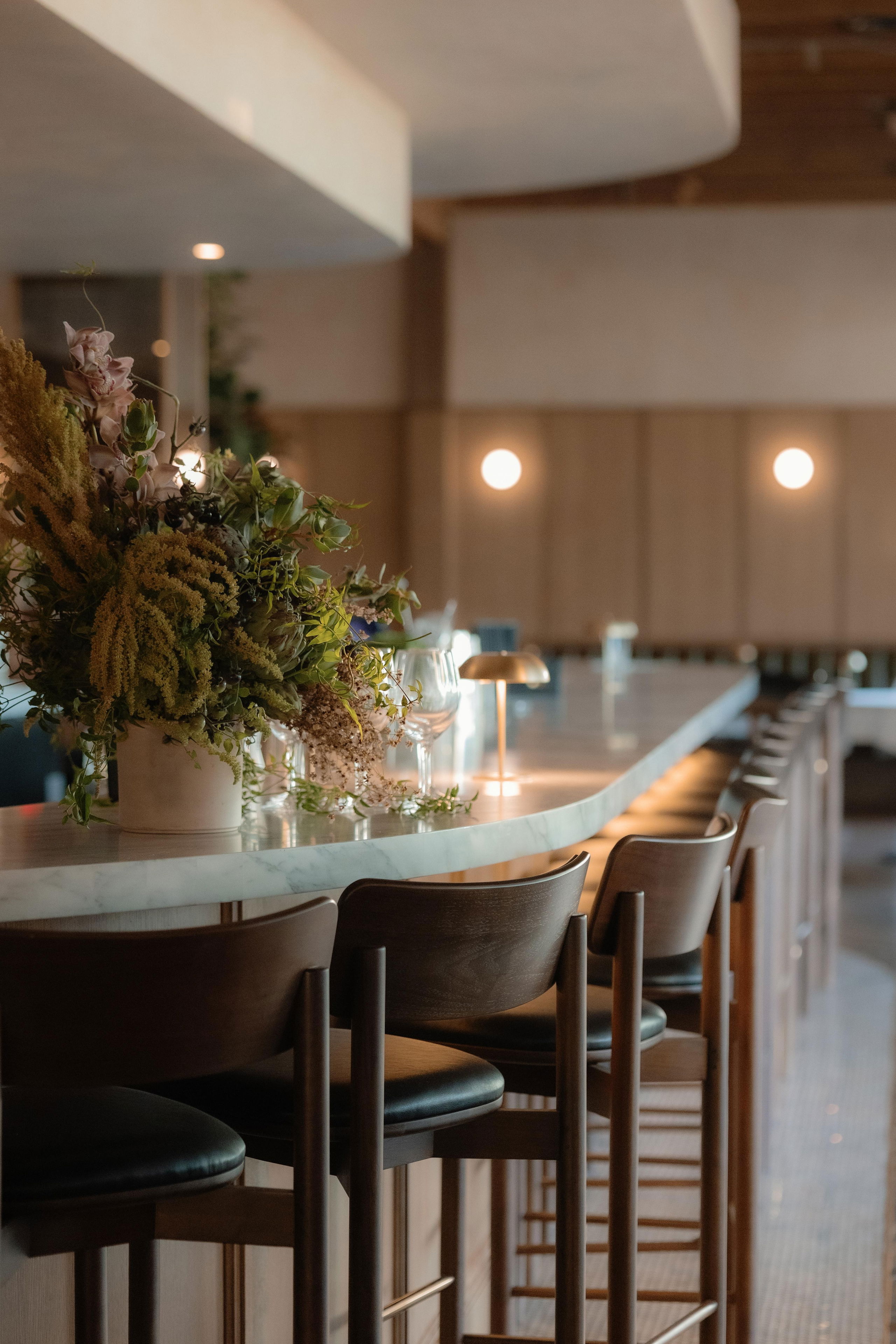
Hotel concierge restaurant reservations are worth using when the concierge has a real relationship with the restaurant you want. A well-connected concierge at a top-tier property can be one of the most reliable routes to a last-minute table at a fully booked restaurant, but this is relationship work, not magic. It works far better for some restaurants than others, and the gap between a concierge who delivers and one who just checks the same booking apps is wider than most guests realize.
Why the Best Tables Stay Out of Reach for Most Guests
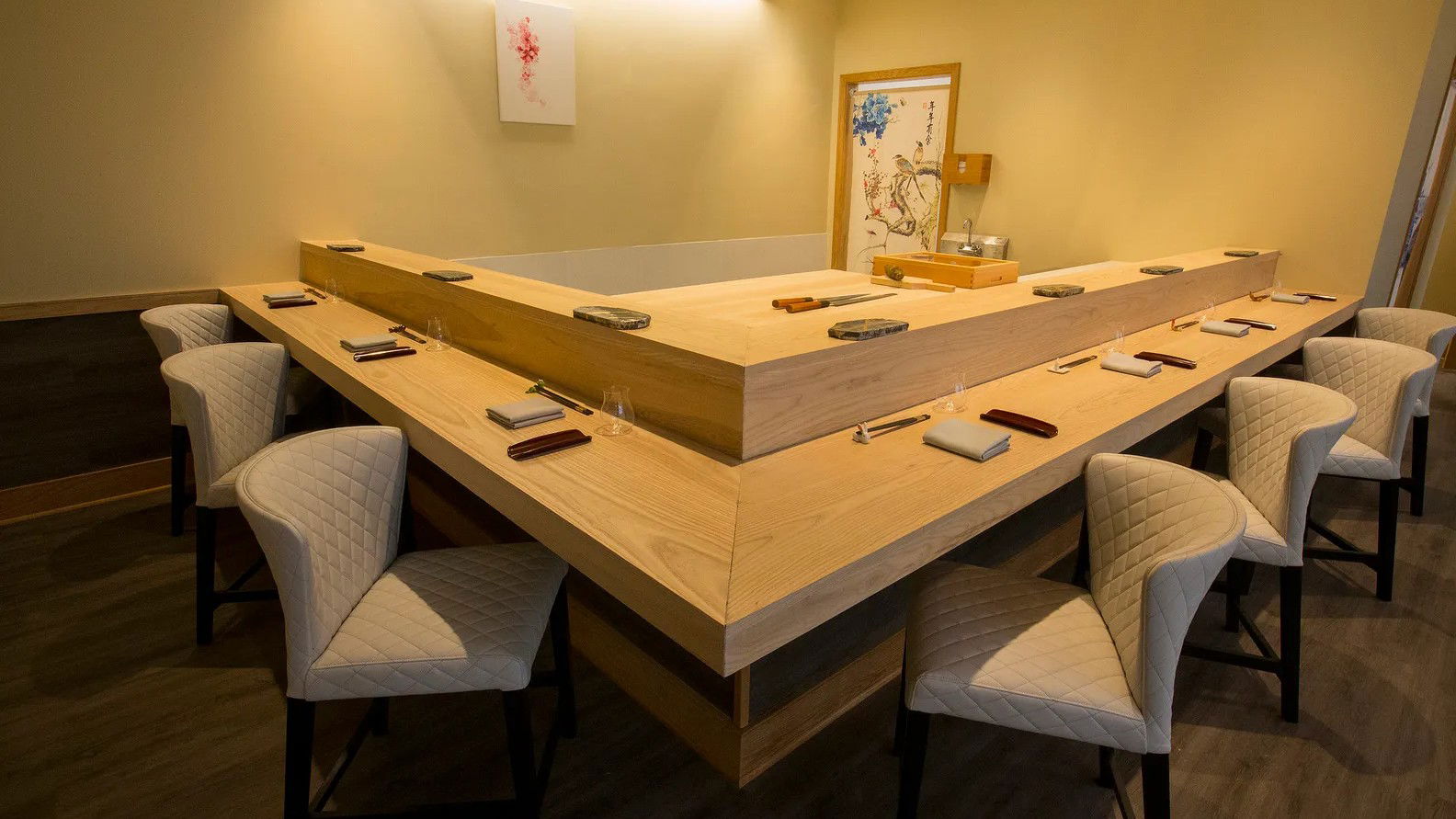
The core problem is inventory. A small omakase counter running two seatings a night has a fixed number of covers to sell, so confirm capacity directly with the restaurant. A tasting-menu room with a months-long waitlist is allocating a similarly constrained number of covers each week. Against that, you have a city full of people refreshing Resy at midnight. The restaurants that generate the most demand are also the ones with the least inventory to spare.
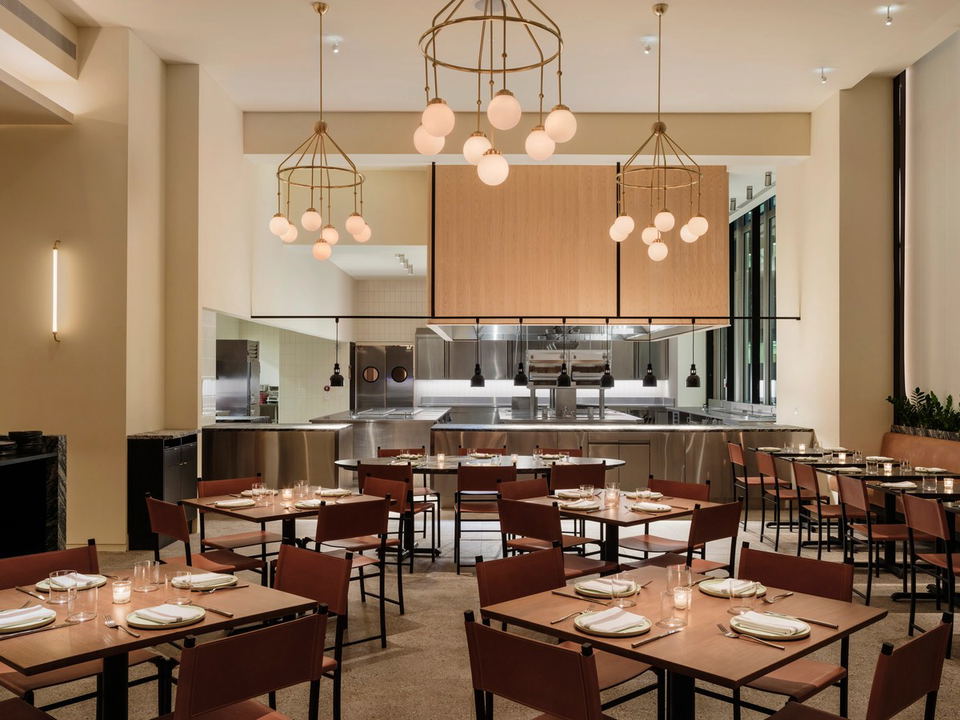
What matters for you: not every table ever reaches the public booking platform. Some restaurants hold back covers for walk-ins, regulars, and trade relationships. Hotel concierges at properties that send consistent, high-value guests sit inside that trade relationship tier. A concierge at a major luxury property who has been routing guests to the same restaurant for years has a direct line to the reservations manager, not the public booking queue. That line is the asset.
The catch: that asset is finite. A concierge can call in a favor once or twice a week at any given restaurant before the relationship starts to cost more than it earns. They may not use a standing relationship on a guest who booked a standard room for one night and asked for a table at the city's most-booked restaurant with minimal notice.
When Hotel Concierge Restaurant Reservations Have Pull
Use the concierge route for near-term requests, often days out, rather than assuming it follows the weeks-in-advance window that governs public Resy drops. Most of the inventory a concierge can access comes from cancellations, tables the restaurant holds for same-week placement, and the standing arrangement between the property and the venue.

For most of these restaurants, the concierge's direct line to the reservations manager is more useful than any public booking strategy. Confirm the current situation directly with your concierge, who should be able to tell you honestly whether they have a working relationship with the specific venue you want.
Les Clefs d'Or USA1 membership requires a minimum of five years as a full-time hotel lobby-level concierge, which means the concierges most likely to have genuine restaurant relationships are also the ones who have spent years building them. Members are bound by an ethics code that prohibits accepting commissions from restaurants, so their recommendations are not incentive-driven.2 They are also required to inform guests of dress codes2 and to advise guests in advance of any surcharges or service fees,2 useful protections before you hand off a booking.
The Channels That Actually Work, Ranked
If the table matters, do not rely on one route. Start with the highest-yield option and run the others in parallel.
1. Concierge at a luxury property with a documented relationship. The highest-yield route for near-term bookings at restaurants that hold trade inventory. Works best when you are staying at the property, when you give the concierge adequate lead time, and when you are flexible on time and date. Ask directly: "Do you have a relationship with this restaurant?" A good concierge will tell you the truth.
2. The restaurant's own waitlist or cancellation list. Many serious restaurants run their own cancellation notification systems, either through their booking platform or by direct email. This is slower and less certain than the concierge route but costs nothing and runs in parallel. Sign up the moment you know you want the table.
3. Credit card concierge programs. American Express Platinum offers Concierge and Resy dining access; Visa Infinite offers concierge help; Chase Sapphire Reserve offers Exclusive Tables through OpenTable. The quality varies by city and by the specific agent you reach. In major dining cities (New York, London, Tokyo, Paris), some programs offer dedicated access; in secondary markets, they may be calling the same public line you would. Worth using in parallel with the hotel concierge, not instead of it.
4. Direct call to the restaurant. Underused. Many restaurants that are fully booked on Resy or Tock still take calls and maintain a separate list for phone inquiries. Call during off-peak hours (mid-morning or mid-afternoon), ask for the reservations manager by name if you can find it, and be specific about your flexibility. This works better than most guests expect, particularly at independently owned restaurants not running a fully automated booking system.
5. Third-party reservation services. Services that sell hard-to-get reservations exist, but restaurant policies and local rules vary. The inventory is real but limited. This is the expensive-but-immediate route: fees vary widely by restaurant and market, so price them out before committing. For context on what difficult-to-book service is worth, tipping guides suggest $25 to $40 for a hard reservation secured by a concierge,3 and third-party services price accordingly. If the dinner is for a specific date that cannot move, the third-party route is worth pricing out.
Concierge vs. Other Routes for Hard-to-Book Tables
| Route | Booking Difficulty | Typical Cost | Lead Time | Best For |
|---|---|---|---|---|
| Hotel concierge (luxury property) | Low (if relationship exists) | Included in stay | 2 to 7 days out | Near-term, flexible guests |
| Public Resy/Tock drop | High (competitive) | Free | Varies by venue; unpublished for most | Planners with exact dates |
| Credit card concierge (Amex Centurion/Platinum, Chase Sapphire Reserve) | Medium | Included in card | 1 to 2 weeks out | Major dining cities |
| Direct call to restaurant | Medium | Free | Flexible | Independent restaurants |
| Third-party reservation service | Low (pay to skip) | Varies widely by restaurant and market | Immediate to same week | Fixed dates, budget-flexible guests |
| Cancellation/waitlist | Low effort, uncertain outcome | Free | Days to weeks | Flexible travelers |
How to Improve Your Odds
The guests who consistently get the tables they want do a few things differently: they ask early, name the restaurant, offer flexibility, and keep other routes moving.

Brief the concierge before you arrive. Email the concierge desk when you book your hotel room, not when you check in. A concierge with several days to work a request has far more options than one who receives it at the front desk on the evening you want to dine. Les Clefs d'Or members are required to respond to messages within 72 hours,2 so a pre-arrival email is a reasonable expectation at any serious property.
Give them something to work with. "I want a table at the best restaurant in the city" is not a request a concierge can act on. "I want dinner for two at [specific restaurant], ideally Thursday or Friday, any seating time, and I'm flexible on the bar counter if the main room is full" is. Flexibility on time, date, and seating format multiplies the available inventory significantly.
Run multiple channels simultaneously. Put yourself on the restaurant's own cancellation list the same day you ask the concierge. Check the booking platform directly at off-peak hours, since cancellations often clear overnight. Call the restaurant directly. None of these routes interfere with each other, and the first one to clear wins.
Understand the money-vs-time tradeoff explicitly. If the date is fixed and the restaurant is the point of the trip, price out a third-party service. If you have flexibility, the free routes, cancellation list, direct call, concierge, will almost always come through given enough lead time. Treating a fixed date as though you have flexibility, or paying for a third-party service when a two-day extension of your trip would have solved the problem for free, are the two most common mistakes.
Know which restaurants the concierge actually has pull at. A concierge at a major hotel will have relationships with a specific set of restaurants, often the ones that have been routing guests back to the hotel for years. Ask them directly which restaurants they can reliably help with, rather than assuming the relationship extends everywhere.
What the Alternatives Actually Deliver
If the concierge route does not come through, do not default to a weaker dinner. These substitutes can solve the same problem with less booking friction.
The bar counter at the same restaurant. Many tasting-menu restaurants hold bar seats outside the main reservation system. These are often first-come, first-served on the night, or bookable by phone on shorter notice. The food is identical; the experience is more casual and often more interesting.
The chef's previous restaurant or a sibling venue. If the restaurant you want is run by a chef with a broader group, the group's other properties almost always have more availability and share kitchen DNA. The cooking is frequently at the same level; the demand is lower because the name is less prominent.
Lunch service. At restaurants that run both services, lunch is almost always easier to book, often shorter, and sometimes priced lower. The kitchen is the same kitchen. This is the most underused route in the category.
A less-publicized restaurant operating at the same level. In any serious dining city, there are restaurants working at the same technical level as the most-booked venues but without the same press coverage. A concierge who knows the city well, not just the standard list, is the best source for these.
What Happens When the Concierge Comes Through
When the concierge route works, it usually produces one of two outcomes: a table in the main dining room at a time that was not publicly available, or a seat at the bar or counter that the restaurant holds outside its standard booking system. Take either if the restaurant is the priority; the bar seat is not a lesser outcome.
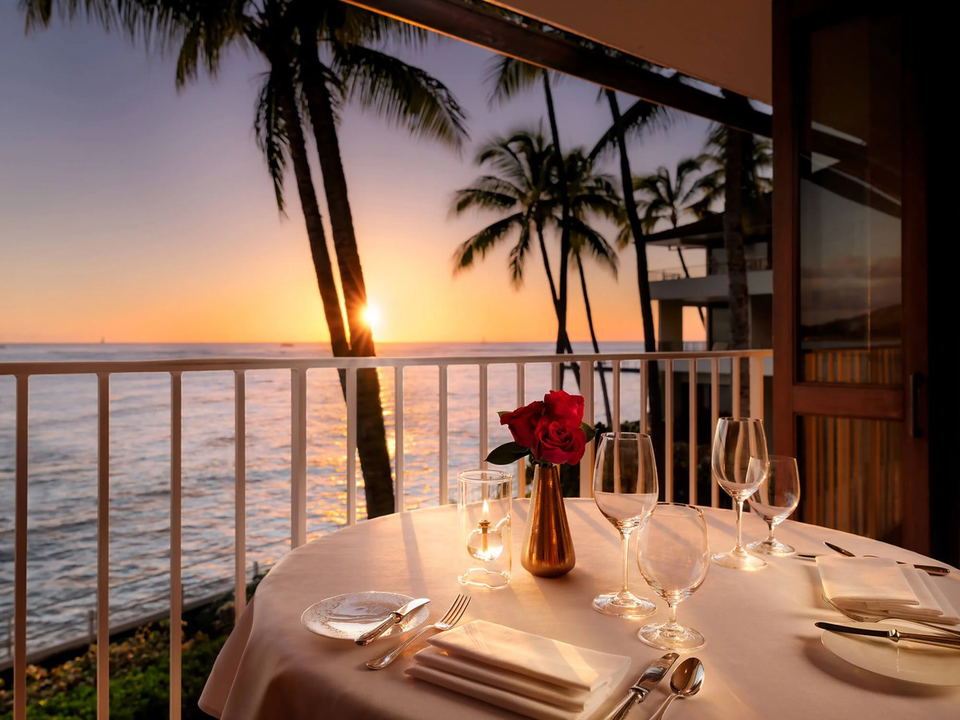
The experience inside the restaurant is identical to what any other guest receives. The concierge relationship gets you through the door; it does not change the menu, the pacing, or the service. It changes the setup: you arrive knowing the reservation was handled, the restaurant knows the source, and there is occasionally a small acknowledgment from the floor team tied to the ongoing relationship between the property and the venue. This is not guaranteed and should not be expected, but it happens often enough.
Who you will sit next to depends entirely on the restaurant. At a hotel-adjacent restaurant in a major city, the room will be a mix of hotel guests routed by concierges, local regulars, and travelers who booked independently months in advance. At a chef's-counter omakase, the people around you are almost all serious diners who planned the trip around the meal. The concierge route does not change the crowd; it just gets you into it.
On tipping: for a secured restaurant reservation, the standard guidance is $10-$20, while for a hard-to-book one, it is $25-$40.4 If the concierge pulled off something that changed the trip, $50 or more is appropriate.4 Tip after the service rather than using an advance payment to influence the request.
Who Should Use the Concierge Route, and When
Use this approach if you are staying at a property with a serious concierge team, have a specific restaurant in mind, and can give the concierge adequate lead time. It is the right tool for near-term bookings at restaurants with trade relationships, for guests who are flexible on time and seating format, and for anyone who finds the public booking platforms too competitive or too opaque.
Skip it if you are not staying at the property, since most hotel concierges will not work requests for non-guests. It is also the wrong tool if you need a table at a restaurant the concierge has no relationship with, or if you are trying to book more than two or three weeks out, when the public booking platforms are more reliable. And it is the wrong tool if you are not willing to be flexible: a concierge who can get you in on Wednesday at 6 p.m. cannot always get you in on Saturday at 8 p.m.
For a special occasion with a fixed date, run every channel simultaneously from the moment the date is set: concierge, cancellation list, direct call, and credit card program. Do not wait to see if one works before trying the others.
The Verdict on Hotel Concierge Restaurant Reservations
The hotel concierge is worth using for hard-to-book tables, but only under specific conditions. It works best near-term, at restaurants with established trade relationships, for guests who are flexible and have briefed the concierge in advance. It does not work on demand, it does not extend to every restaurant in the city, and it is not a substitute for planning.
The guests who eat at the best tables consistently are not the ones who rely on any single channel. They run the concierge call, the cancellation list, the direct phone call, and the credit card program in parallel; they give themselves lead time; and they stay flexible on the details that do not actually matter, including time, day, and seating format, while holding firm on the ones that do, such as the specific restaurant and the occasion. The concierge is one node in that system, and often the most effective one, but only if you give them something real to work with.
For most travelers, the concierge route is worth attempting every time. The cost is a single email sent before arrival. The upside is a table that would otherwise require months of planning, which is reason enough to make it the first call, not the last.
Frequently Asked Questions
Can a hotel concierge get me a table at a fully booked restaurant with 24 hours' notice?
Sometimes, yes, but it depends on whether the hotel has an active relationship with that specific restaurant and whether the restaurant holds any trade inventory for near-term placement. Give the concierge as much notice as possible and be explicit about your flexibility on time and seating format. A 24-hour window is generally considered tight, while 48 to 72 hours gives the concierge meaningfully more to work with.
Do hotel concierges charge extra to make restaurant reservations?
At most luxury properties, restaurant reservations are included in the standard concierge service at no additional charge. Third-party reservation services, which operate separately from hotel concierges, do charge fees that vary by restaurant and market. A tip at checkout is customary: $25 to $40 is the standard guidance for a difficult-to-book reservation.3
Does the concierge route work if I'm not staying at the hotel?
Generally no. Hotel concierge relationships are built on the expectation that the hotel is routing its own guests to the restaurant. Most concierge teams will not work requests for non-guests, and the restaurants that hold trade inventory for hotels expect that inventory to go to hotel guests. If you are not staying at a property, the direct call to the restaurant and the credit card concierge programs are your best alternatives.
Which credit card concierge programs are most effective for hard-to-book restaurant reservations?
American Express Platinum offers Concierge plus Resy access, while Chase Sapphire Reserve offers Exclusive Tables through OpenTable; availability varies. The quality of these programs varies significantly by city and by the individual agent. In primary dining markets (New York, London, Tokyo, Paris), they are worth using in parallel with the hotel concierge. In secondary markets, results are less consistent.
Is it worth paying a third-party reservation service when the concierge at my specific hotel can't secure the table?
If the date is fixed and the restaurant is the point of the trip, pricing out a third-party service is reasonable. Fees vary widely depending on the restaurant and the market. If you have any flexibility on date or time, the free routes, cancellation list, direct call, concierge, will almost always produce a result given enough lead time. The third-party route is the expensive-but-immediate option; use it when time is the binding constraint, not budget.