Cote Basque Melbourne opens Friday, August 7 at 25 Crossley Street as Andrew McConnell and Jo McGann’s 100-seat European grill in the former Becco dining room. Book it if you want McConnell’s first new Melbourne restaurant since Gimlet in 2020, a charcoal-grill format, and a room with serious city memory; skip opening week if you need a quiet table and no reservation friction.
The useful read is this: Trader House is not treating Cote Basque as a side project. The group is putting daily lunch and dinner service into a room that first served diners in the 1950s as an offshoot of Pellegrini’s Espresso Bar, then ran as Becco from 1996 to 2024. For Becco regulars, the question is whether the room still works. For everyone else, the question is whether Melbourne needs another large CBD restaurant. This one has a sharper answer than most: steaks, seafood, vegetables, a newly leather-lined bar, and a Basque-inspired menu built around fire.
Why Cote Basque Melbourne Matters Now
Cote Basque Melbourne matters because McConnell and McGann have waited since Gimlet launched on Flinders Lane in 2020 to open another Melbourne restaurant under Trader House. That gap makes this more interesting than a routine CBD launch. Trader House already operates nine restaurants, plus Apollo Inn, four Meatsmith butchers, and two Morning Market grocery cafes, so the question is why this room, and why now.
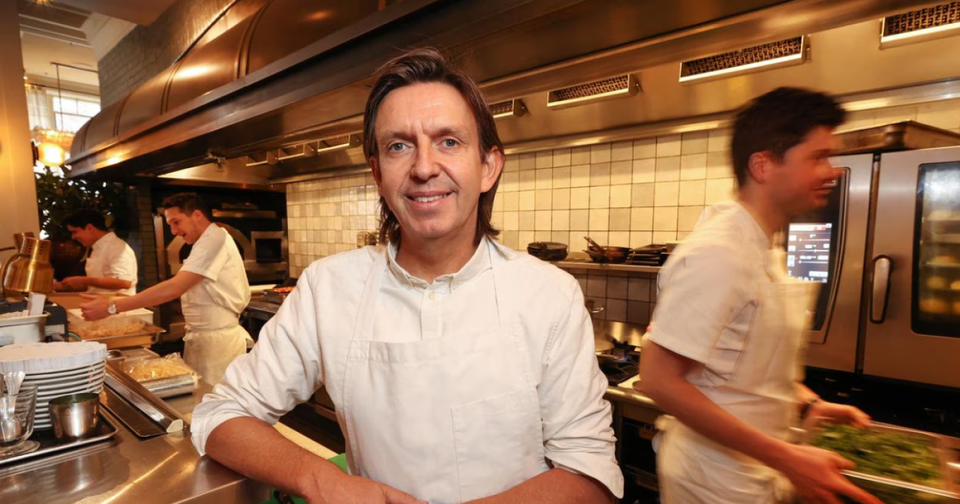
The answer starts with format. Cote Basque is a 100-seat European grill, not a small counter, not a wine bar, and not a tasting-menu room. That makes it useful for a type of Melbourne booking that often gets awkward: four people who want proper cooking without a long set menu, two people who want a pre-show drink and a plate from the grill, or a business lunch that should not turn into a three-hour production. At 100 seats, it has more capacity than the small-room openings that dominate reservation anxiety, but early demand will still cluster around the Becco address and the McConnell name.
The cleaner comparison inside the Trader House orbit is Gimlet. If you want the broader brasserie sweep, Gimlet remains the safer bet. If you want a tighter one-page menu, a stronger fire-cooking identity, and a room tied to Pellegrini’s and Becco history, Cote Basque is the more useful booking. Cumulus Inc. matters here too because head chef Allan Doert Eccles previously worked there, giving the kitchen a direct line to the group’s Melbourne style without making this feel like a repeat of an existing restaurant.
The Becco Space Returns Under McConnell
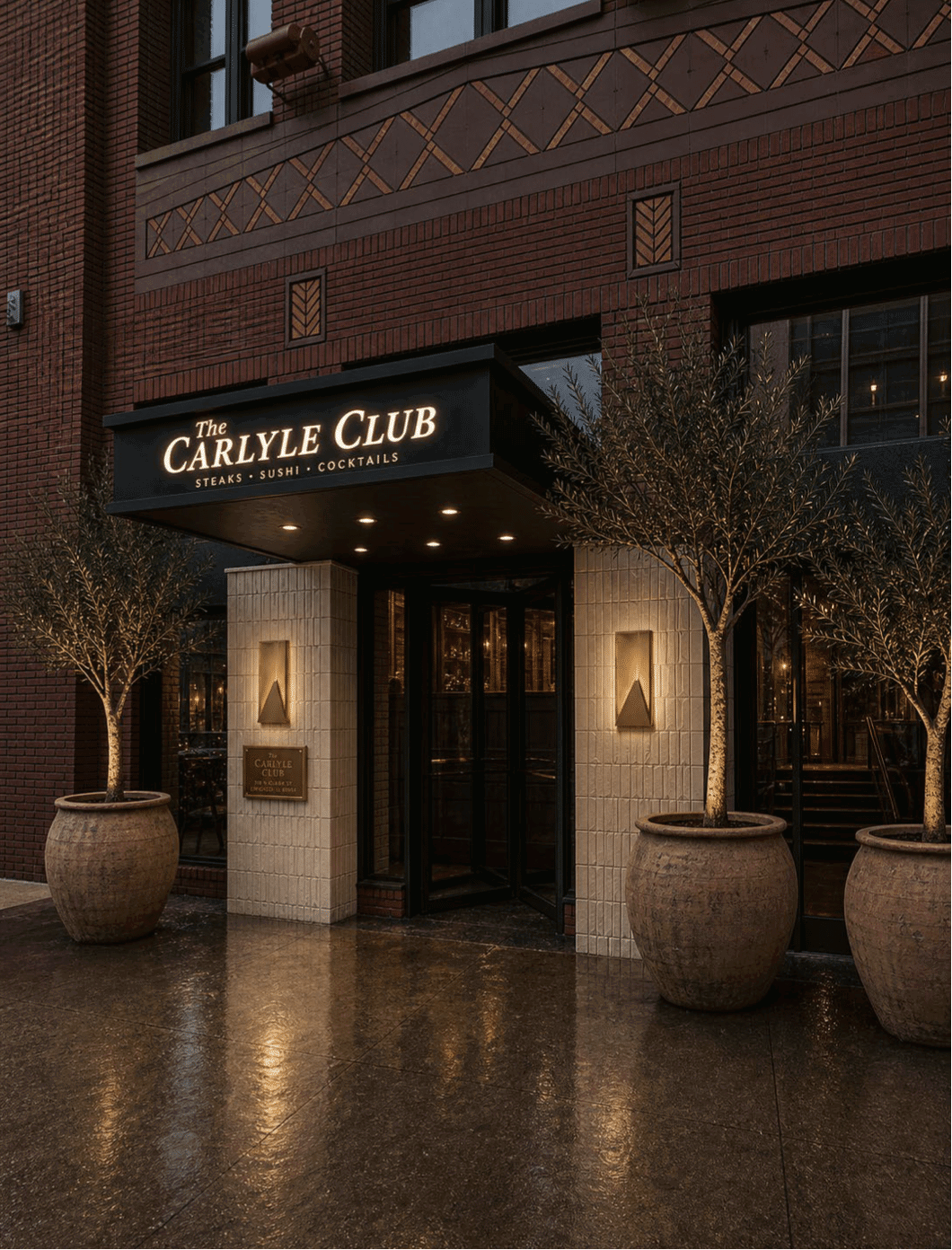
The address is the emotional lever. The Crossley Street venue first welcomed diners in the 1950s as an offshoot of Pellegrini’s Espresso Bar, then housed Becco from 1996 until 2024. That is why Cote Basque will draw people who might not normally chase openings. They are checking whether a familiar Melbourne dining room has survived the handover.
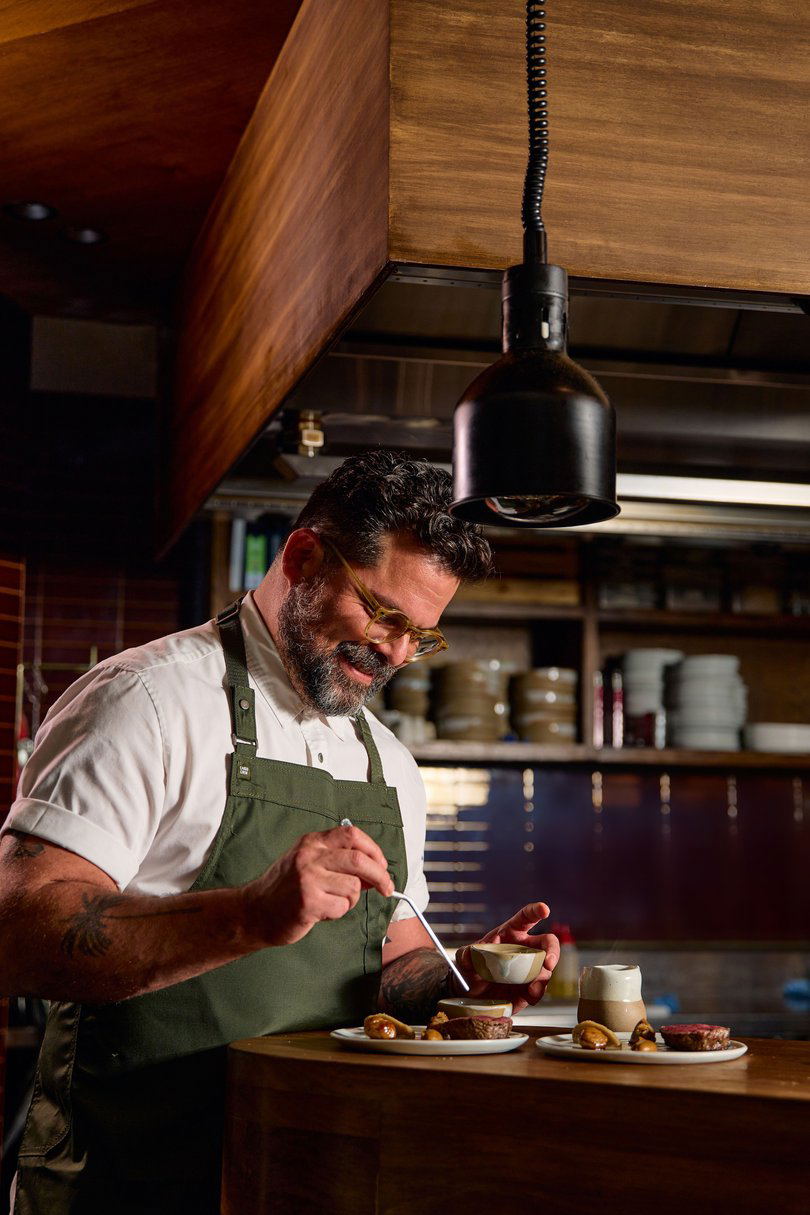
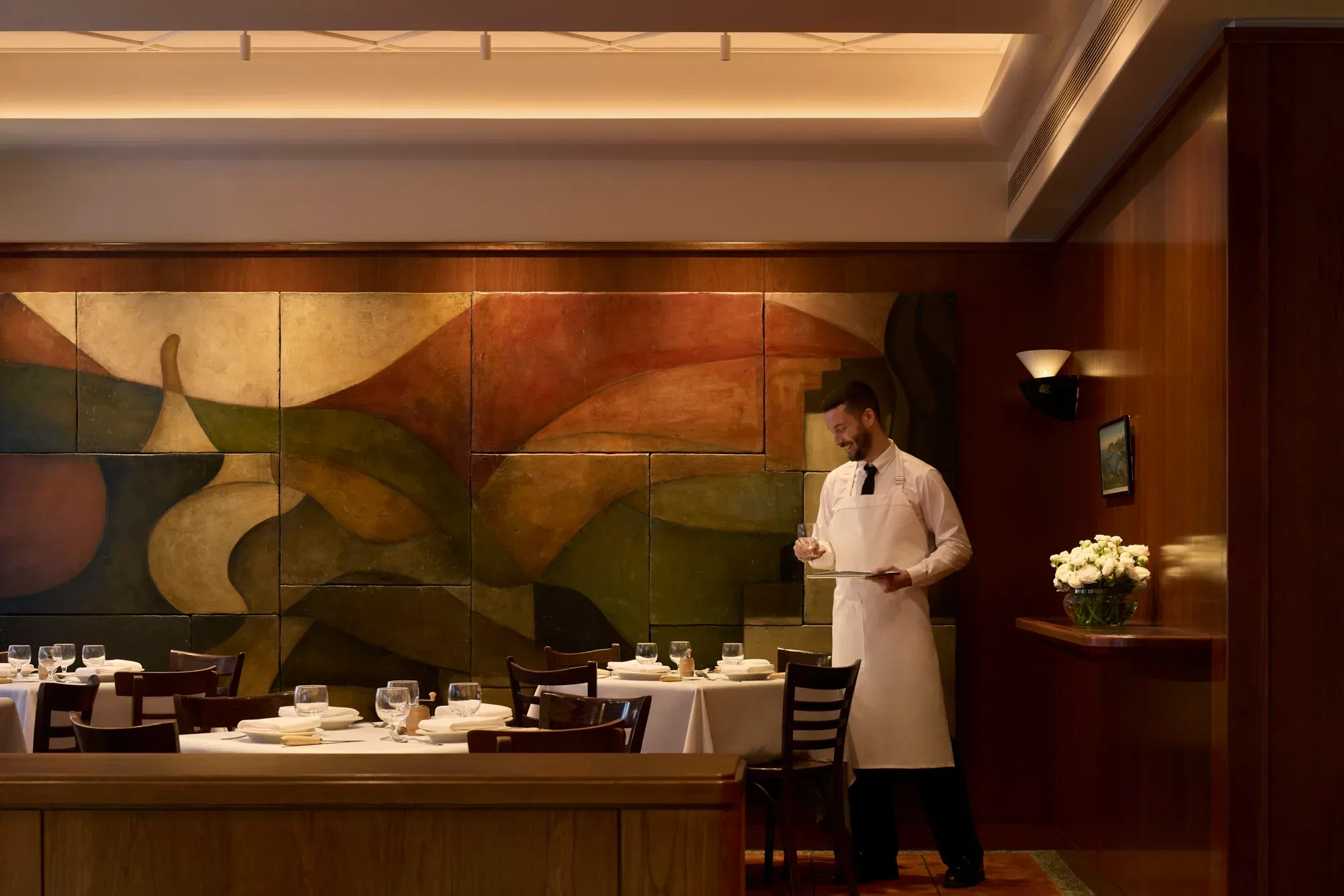
The mid-century green terrazzo floor has been restored, along with burnished cherrywood panelling. The bar is newly leather-lined. Those details matter because this could easily have become a wipe-clean conversion with only the address left intact. Instead, the room keeps enough of its old bones to reassure Becco regulars while giving Trader House the space to run a different restaurant.
Becco’s long run gives Cote Basque both an advantage and a problem. The advantage is immediate recognition. You do not need to explain 25 Crossley Street to Melbourne diners who used the room for lunches, birthdays, and end-of-year dinners. The problem is expectation. A diner who loved Becco’s Italian rhythm may not automatically want Basque-inflected grill cooking, strawberry clams, raw royal red prawns, or David Blackmore’s Rohne beef. The Monday veal cotoletta special is the bridge: a tribute to a Becco favourite without turning the whole restaurant into a replica.
Compared with a clean-slate opening in a new development, this one has less room to hide. People will notice the floor, the bar, the way the room sits on Crossley Street, and whether the dining room still works for the city’s daily routines. If you are choosing between a familiar hotel dining room and Cote Basque for a CBD lunch, Cote Basque is the higher-interest bet because it gives you a revived Melbourne address and a new grill program in the same booking. If you want a room with no opening-week attention, wait a month.
What’s on the Grill at Cote Basque
The menu case for Cote Basque is fire, seafood, and a short enough list that the kitchen has nowhere to bury weak dishes. The restaurant draws on the Basque Country, spanning north-eastern Spain and south-western France, but the useful detail for diners is not the regional label. It is the charcoal grill cooking steaks, seafood, and vegetables.
McConnell’s own fire-test detail tells you more than a menu slogan would. “When we lit the fire for the first time, we put in cipollini onions that not only cooked but smoked as the oven was warming,” said Andrew McConnell.1 That is the practical signal: vegetables are not garnish here.
The named proteins give you the order strategy. David Blackmore’s Rohne beef, a hybrid of wagyu and Galician rubia gallega, will be the obvious high-interest order for meat-focused tables. If you are booking with four people, build the meal around the grill and use the seafood and vegetable dishes to keep it from becoming a steakhouse dinner.
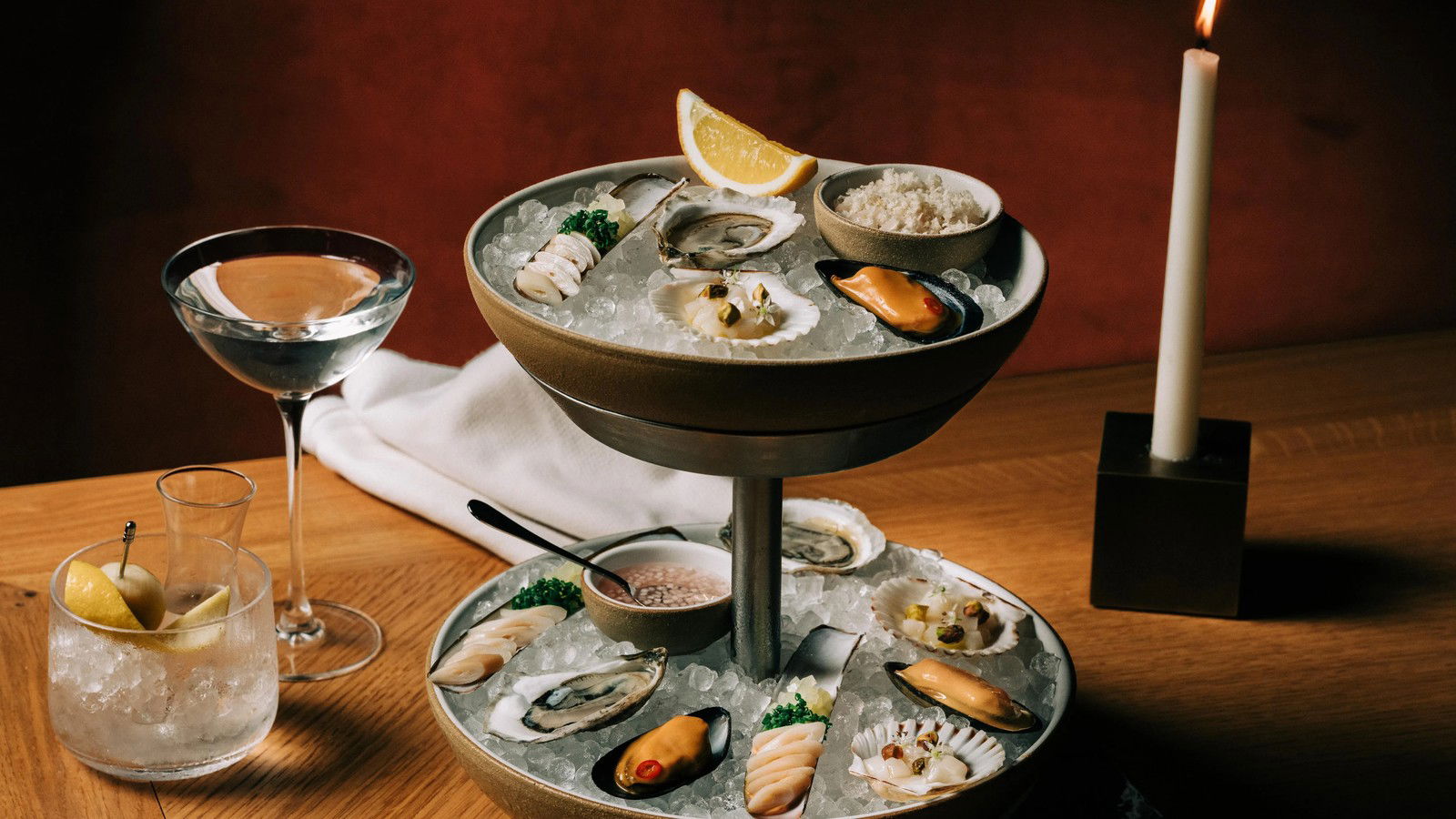
The seafood details are more useful than the broad Basque framing. Strawberry clams from NSW and royal red prawns are served raw on croutons with boudin custard and smoked tomato. That is a specific opening-menu signal: Cote Basque is mixing raw seafood, grill smoke, and richer European sauces and custards. If your table leans seafood, this may be a better fit than a straight steakhouse. If your table wants pasta and Italian comfort, the Becco address may mislead you.
The one-page menu also changes the booking calculus. A concise list can be a relief when the kitchen knows exactly what it is doing; it can also expose limitations if half the room orders the same few dishes. Early diners should resist treating Cote Basque as a greatest-hits meal and instead order across the stated anchors: raw seafood, vegetables touched by the fire, beef, and the Monday veal cotoletta if nostalgia is part of the reason you are going.
How It Fits the Trader House Portfolio
Cote Basque is not trying to replace Gimlet, and that is good for diners. Gimlet works when you want the scale and range of a grand brasserie on Flinders Lane. Cote Basque should work when you want a more direct grill-led meal in a room tied to old Melbourne dining habits. Cote Basque’s one-page menu is explicitly contrasted with Gimlet’s broader brasserie offering, which makes the choice easier before you book.
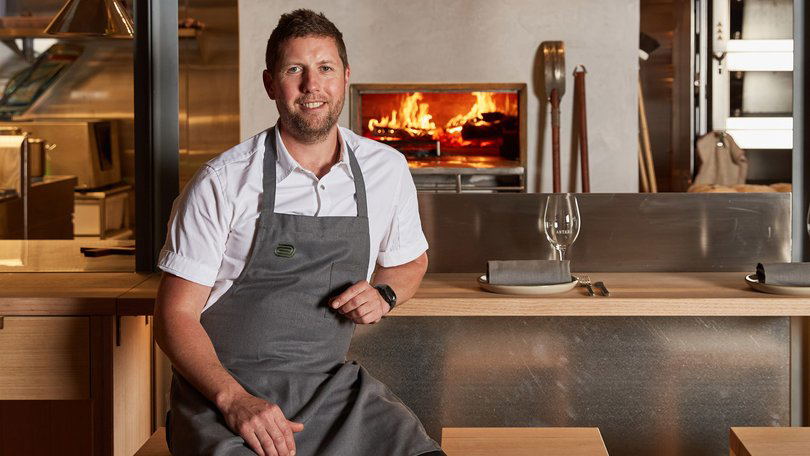
Allan Doert Eccles is the operational name to watch. He is head chef and a longtime Trader House collaborator who was previously at Cumulus Inc. That matters because Cote Basque needs consistency more than novelty. A 100-seat grill open daily for lunch and dinner cannot run on opening-night energy. It needs a kitchen that can handle steak, seafood, vegetables, bar snacks, quick meals, and longer dinners without letting the room outrun the cooking.
Trader House’s wider footprint raises the standard. This is restaurant number nine for the group, alongside Apollo Inn, four Meatsmith butchers, and two Morning Market grocery cafes. That gives Cote Basque staffing and operating depth, but it also means diners will expect the room to feel ready from the first week, not like a soft-opening experiment.
The Stokehouse piece is worth tracking, but it should not change whether you book Cote Basque. Trader House is taking over St Kilda ’s Stokehouse in spring, which means McConnell and McGann are moving on two prominent Melbourne rooms in the same period: a CBD laneway address with Becco history now, and a St Kilda institution next. For diners, the practical move is to judge Cote Basque on how well it handles daily service before assuming the group’s next project will land the same way.
Booking and Practical Details
Cote Basque opens Friday, August 7 and will open daily for lunch and dinner at 25 Crossley Street, Melbourne. Check the restaurant’s own booking channel for current reservation availability and service details. Because the room has 100 seats, this should not be impossible forever, but the first fortnight will pull in three groups at once: McConnell regulars, Becco loyalists, and diners who chase major CBD openings.
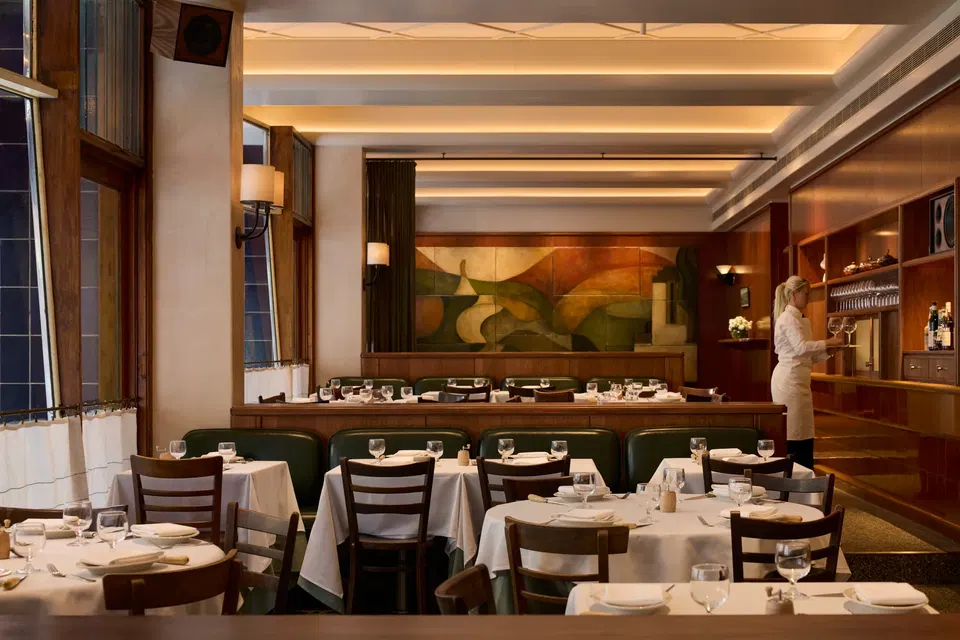
Choose timing based on what you want from the room. Lunch is the sharper play if you care about the old Crossley Street rhythm and want to see whether Cote Basque can function as a city dining room rather than only a dinner destination. Dinner is the better choice if your priority is the grill, the bar, and a longer meal built around beef and seafood. A pre-show drink or shorter stop may be possible in spirit, but do not rely on casual availability during opening week.
Group size matters. Two people can test the menu efficiently, especially if they focus on raw seafood, vegetables, and one grill centrepiece. Four people will get the better read because the format rewards sharing across categories. Larger groups should book rather than gamble, particularly if they want dinner in the first weeks. The room count helps, but the story around this address will compress demand.
There are no sourced menu prices yet, so book with flexibility rather than assume a casual bill because the restaurant can also serve an espresso or cocktail. David Blackmore beef, raw royal red prawns with boudin custard and smoked tomato, and a large-format city room from Trader House point toward a full restaurant spend when you order the meal properly. If you want a lighter check, use the bar or lunch slot and keep the grill order tight.
The verdict: book Cote Basque Melbourne if you care about McConnell’s return to new Melbourne openings, want a grill-led room rather than another small wine bar, or have history with Becco and want to see what survived. Wait if you dislike first-week noise, want confirmed price intelligence before committing, or expect Italian Becco under a Basque sign. The next thing to watch is whether Cote Basque becomes a daily CBD habit after the opening rush, because that will tell us more than the first wave of full tables ever can.